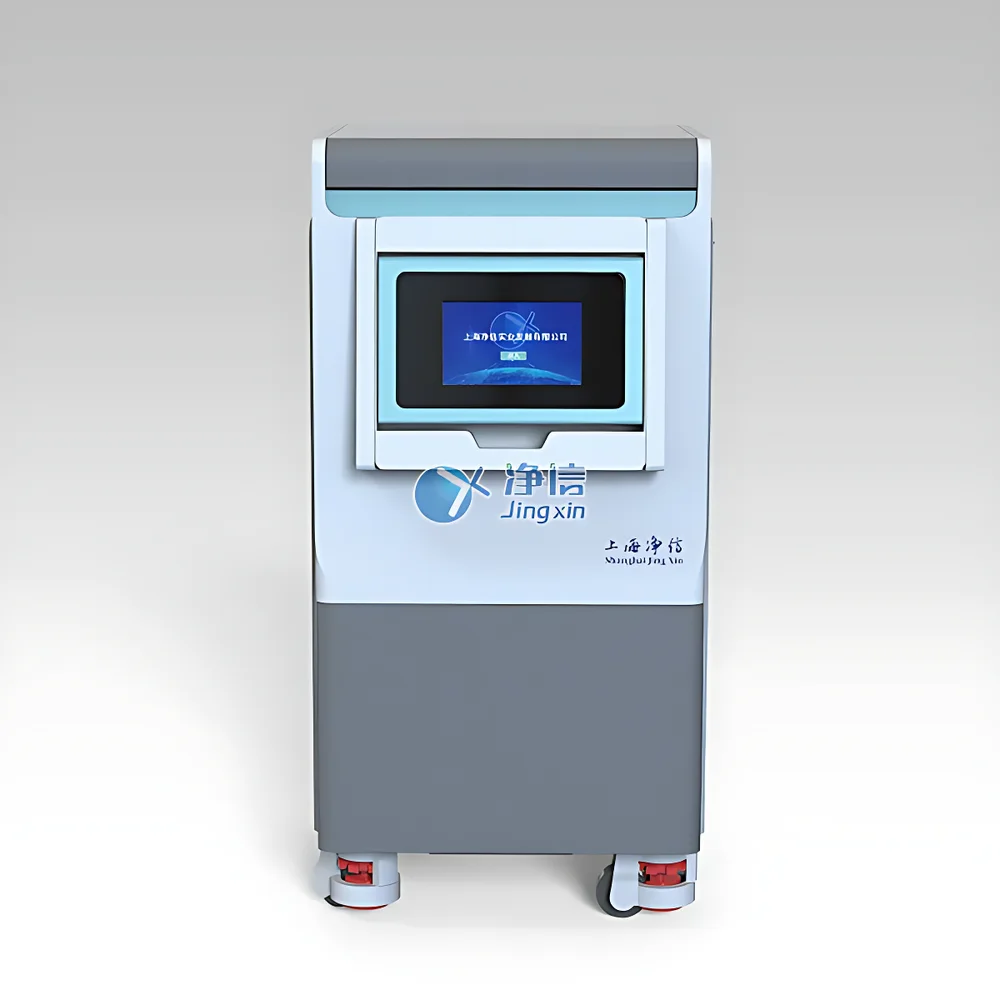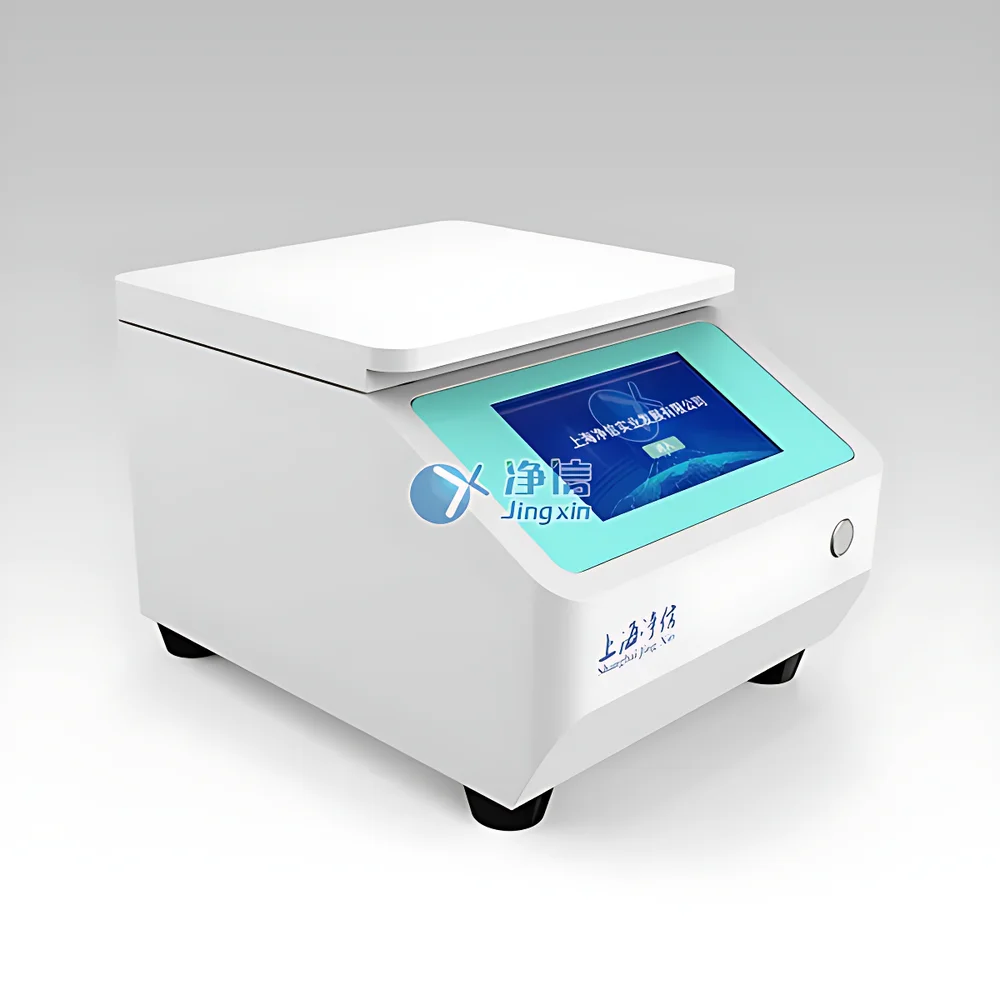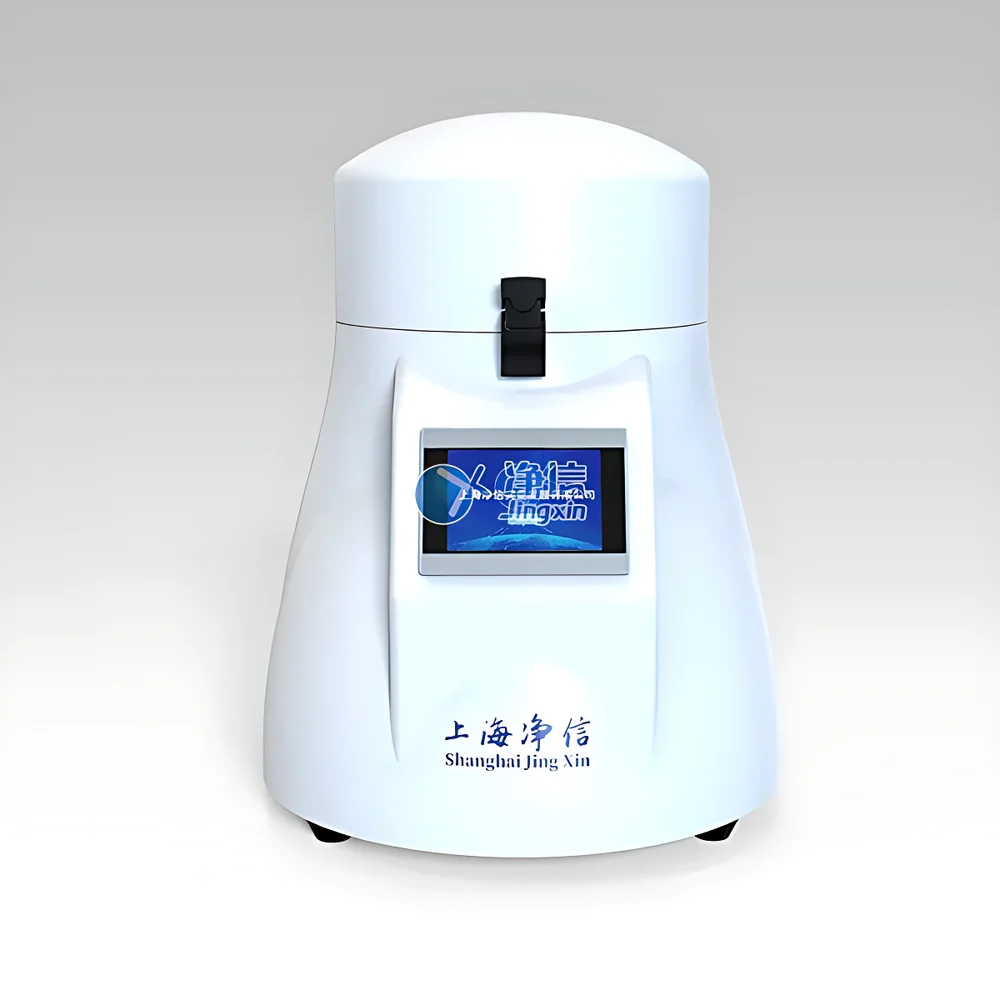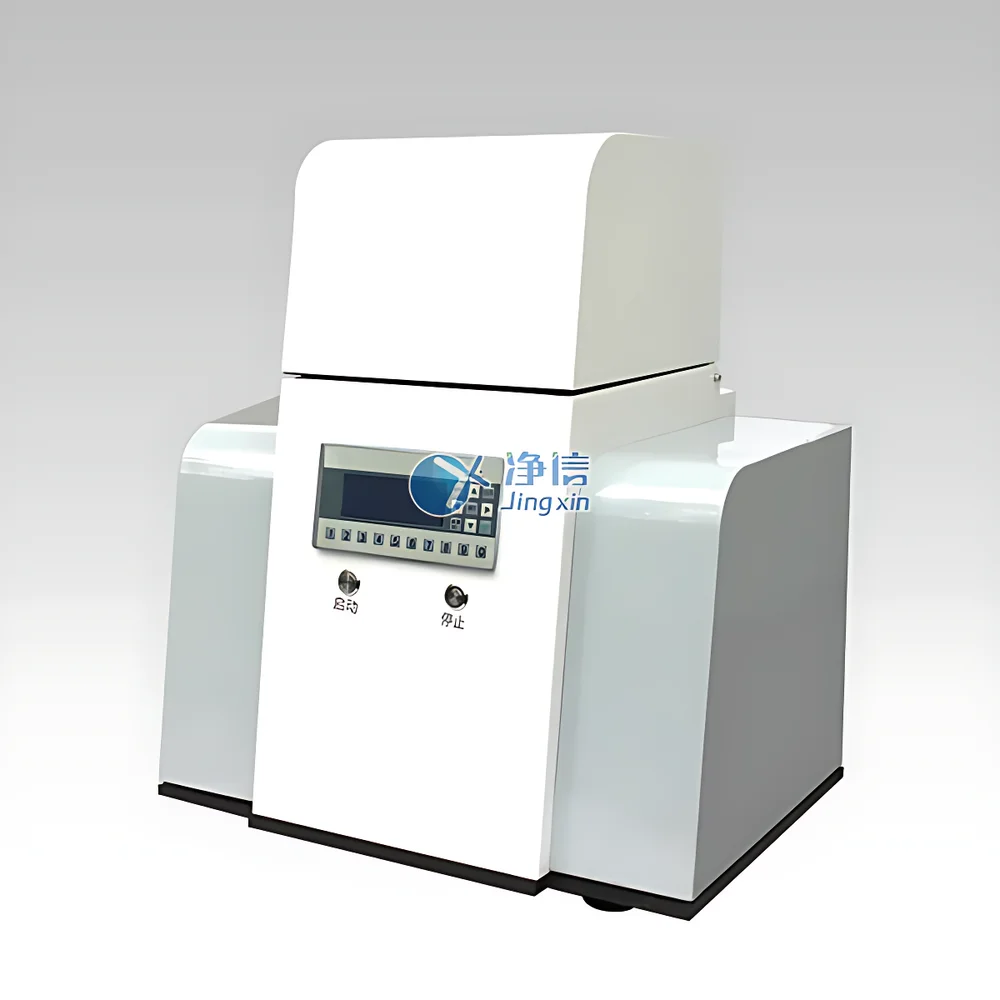
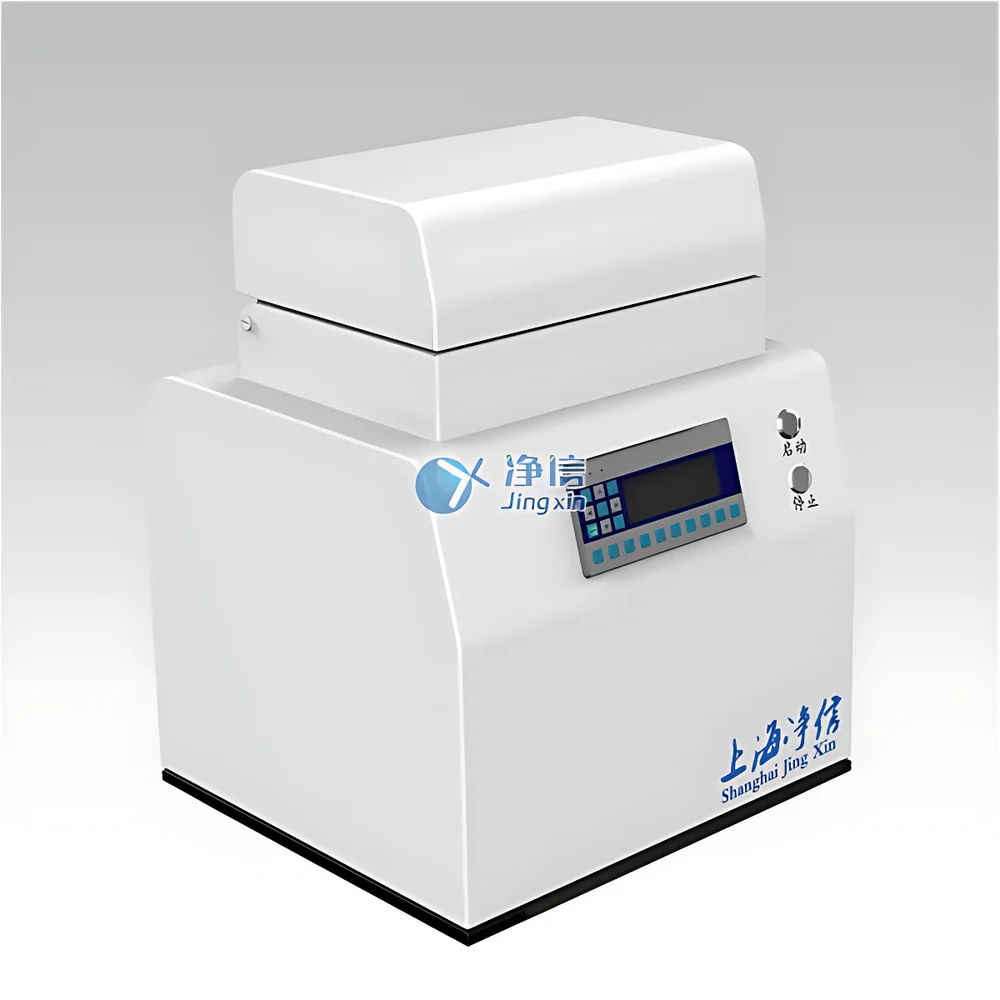
Jingxin Tissuelyser-192 High-Throughput Cryogenic Tissue Homogenizer

| Brand | Jingxin (Shanghai Jingxin Scientific Instrument Co., Ltd.) |
|---|---|
| Origin | Shanghai, China |
| Manufacturer Type | OEM Manufacturer |
| Product Category | Domestic |
| Model | Tissuelyser-192 |
| Instrument Type | High-Frequency Vibration Homogenizer |
| Sample Type | Soft to Moderately Tough Biological & Non-Biological Materials |
| Final Particle Size | ≤5 µm |
| Feed Particle Size | Not Specified — Adjustable via Adapter Selection |
| Throughput Capacity | 192 × (0.2–0.5 mL) |
| Operating Principle | Vertical Reciprocating Vibration with Bead Impact and Shear Force |
Ask about pricing, availability and specifications.
Overview
The Jingxin Tissuelyser-192 is a high-throughput, cryogenically compatible tissue homogenizer engineered for rapid, reproducible mechanical lysis of biological and non-biological samples via high-frequency vertical vibration. Unlike conventional rotor-stator homogenizers or ultrasonic disruptors, the Tissuelyser-192 employs a precisely controlled reciprocating motion that drives inert grinding beads (e.g., zirconia, stainless steel, glass, or ceramic) to impact, shear, and collide with samples contained within sealed tubes. This bead-beating mechanism ensures efficient disruption of cellular membranes, nuclear envelopes, and extracellular matrices—enabling consistent recovery of intact nucleic acids (DNA/RNA), native proteins, and metabolites across diverse sample types. Designed for laboratories requiring parallel processing under stringent quality control conditions, the system supports GLP-aligned workflows and is routinely deployed in genomics, proteomics, pharmacokinetic studies, and food safety testing where batch-to-batch consistency and minimal thermal degradation are critical.
Key Features
- High-Throughput Parallel Processing: Simultaneously homogenizes up to 192 samples in 0.2–0.5 mL microtubes, or scales flexibly to 4 × 50 mL tubes—ideal for large-scale biobanking, clinical cohort studies, or QC screening.
- Cryogenic Compatibility: Adapters can be pre-chilled in liquid nitrogen (1–2 min immersion) or stored at –80°C; no post-cooling reinsertion required—maintaining sub-zero temperatures throughout homogenization to suppress nuclease/protease activity.
- Zero Cross-Contamination Design: All sample tubes remain fully sealed during operation; disposable tubes and single-use beads eliminate carryover between runs—validated for ISO/IEC 17025-compliant environments.
- Precision Parameter Control: Digital controller enables programmable settings for vibration frequency (range: 1–70 Hz, equivalent to 30–2100 rpm), cycle duration (1 sec–99 min), and pause intervals—ensuring method transferability across instruments and labs.
- Low-Noise Engineering: Acoustic emission <55 dB(A) under standard load—compatible with shared laboratory spaces and adjacent sensitive instrumentation (e.g., mass spectrometers, qPCR systems).
- Thermal Stability: Short-cycle operation (<60 s typical for soft tissues) minimizes friction-induced heating; temperature rise remains <3°C in validated protocols using pre-chilled adapters.
Sample Compatibility & Compliance
The Tissuelyser-192 accommodates heterogeneous sample classes without protocol revalidation: plant tissues (roots, leaves, seeds), animal organs (liver, brain, muscle), microbial cultures (E. coli, yeast, spores), pharmaceutical tablets, polymer composites (PE, PS, resins), and volatile matrices (coal, shale, waxes). Its mechanical lysis approach aligns with ASTM D7251 (nucleic acid extraction from environmental samples), ISO 20674-2 (food pathogen detection), and USP (nucleic acid purification validation). When used with Jingxin-certified lysis kits and traceable consumables, the platform supports audit-ready documentation per FDA 21 CFR Part 11 requirements—including electronic signatures, audit trails, and parameter change logs.
Software & Data Management
The embedded controller stores up to 100 user-defined methods with timestamped execution records. While the base unit operates standalone, optional RS-232/USB connectivity enables integration into LIMS or ELN platforms via ASCII-based command protocols. Method export/import functions support SOP harmonization across multi-site operations. All parameters—including actual vibration amplitude (monitored via internal accelerometer), runtime deviation, and error codes—are logged locally for retrospective analysis and CAPA investigations.
Applications
- High-yield genomic DNA isolation from fibrous plant tissues for NGS library prep
- RNA stabilization and extraction from RNase-rich tissues (e.g., pancreas, spleen) under cryo-conditions
- Whole-proteome solubilization for label-free quantitative proteomics (LFQ)
- Microbial cell wall disruption for antibiotic resistance gene screening in clinical isolates
- Homogenization of fortified foods and dietary supplements for heavy metal or mycotoxin analysis
- Preparation of uniform polymer dispersions for rheological characterization
FAQ
What bead materials are compatible with the Tissuelyser-192?
Zirconium oxide, stainless steel, glass, and ceramic beads—selected based on sample hardness and downstream compatibility (e.g., zirconia for RNA work to minimize metal ion interference).
Can the instrument operate continuously across multiple cycles?
Yes—duty cycle is rated for uninterrupted use up to 8 hours/day; active cooling of the motor housing ensures thermal stability.
Is method validation support available for regulated environments?
Jingxin provides IQ/OQ documentation templates and application notes aligned with ICH Q5A, ISO 13485, and CLSI EP17-A2 guidelines.
How is tube sealing integrity verified during vibration?
Each adapter design undergoes pressure cycling tests (0–2 bar) and leak testing per ASTM F2338-04; recommended centrifuge tubes must meet ISO 10993-5 cytotoxicity standards.
Does the system comply with electromagnetic compatibility (EMC) directives?
Certified to IEC 61326-1:2013 for industrial, scientific, and medical (ISM) equipment—tested for radiated/conducted emissions and immunity in Class B environments.