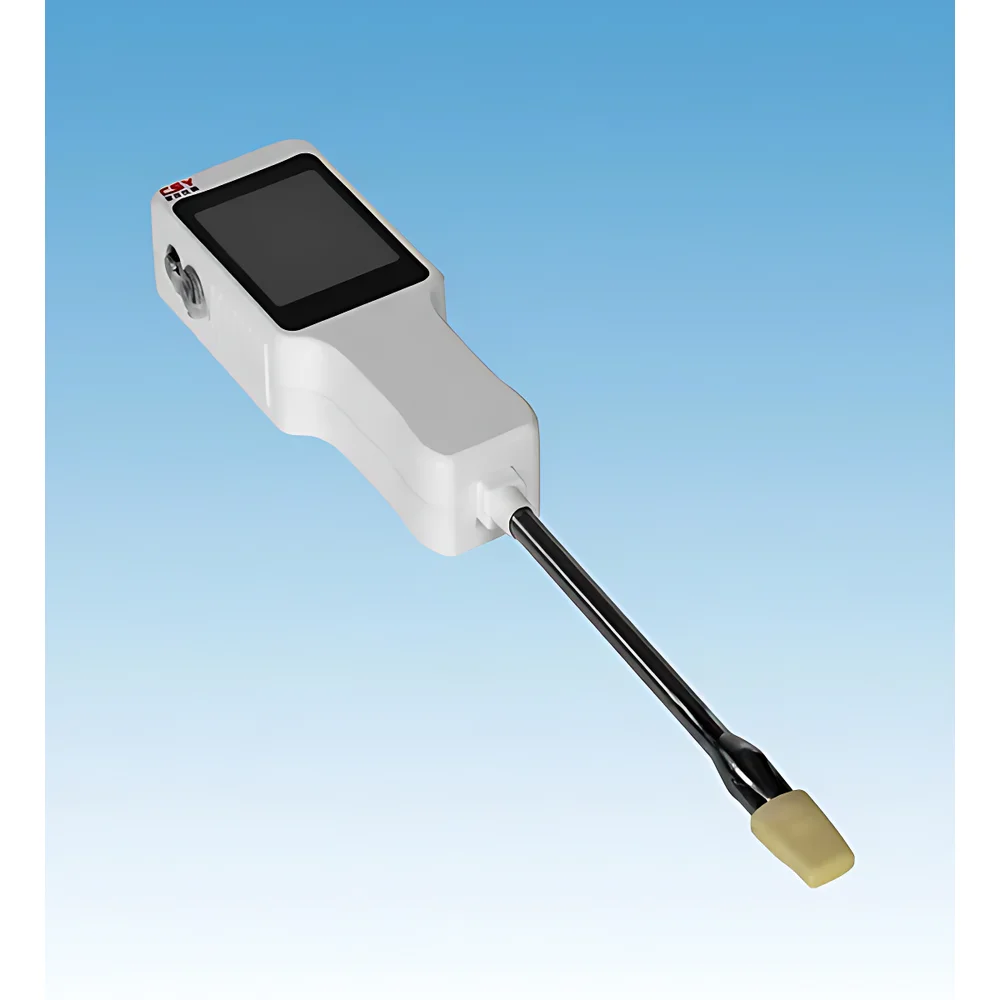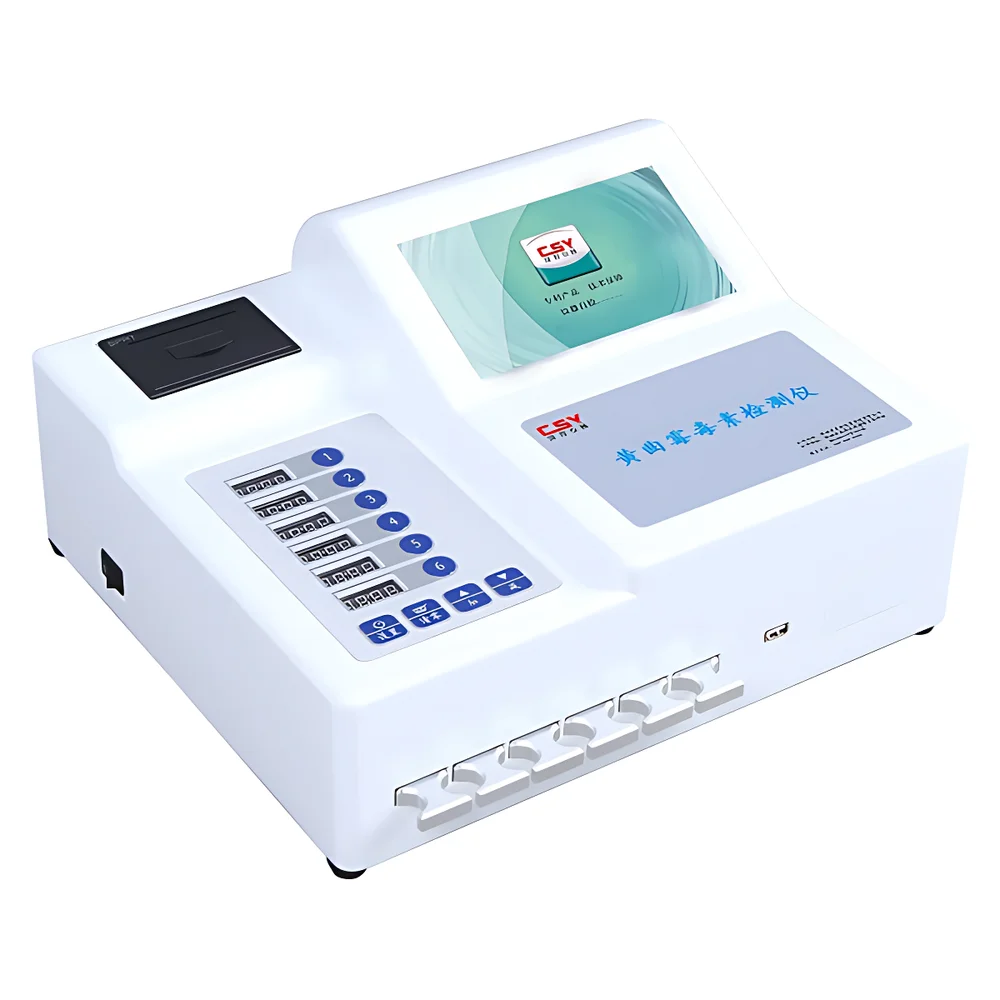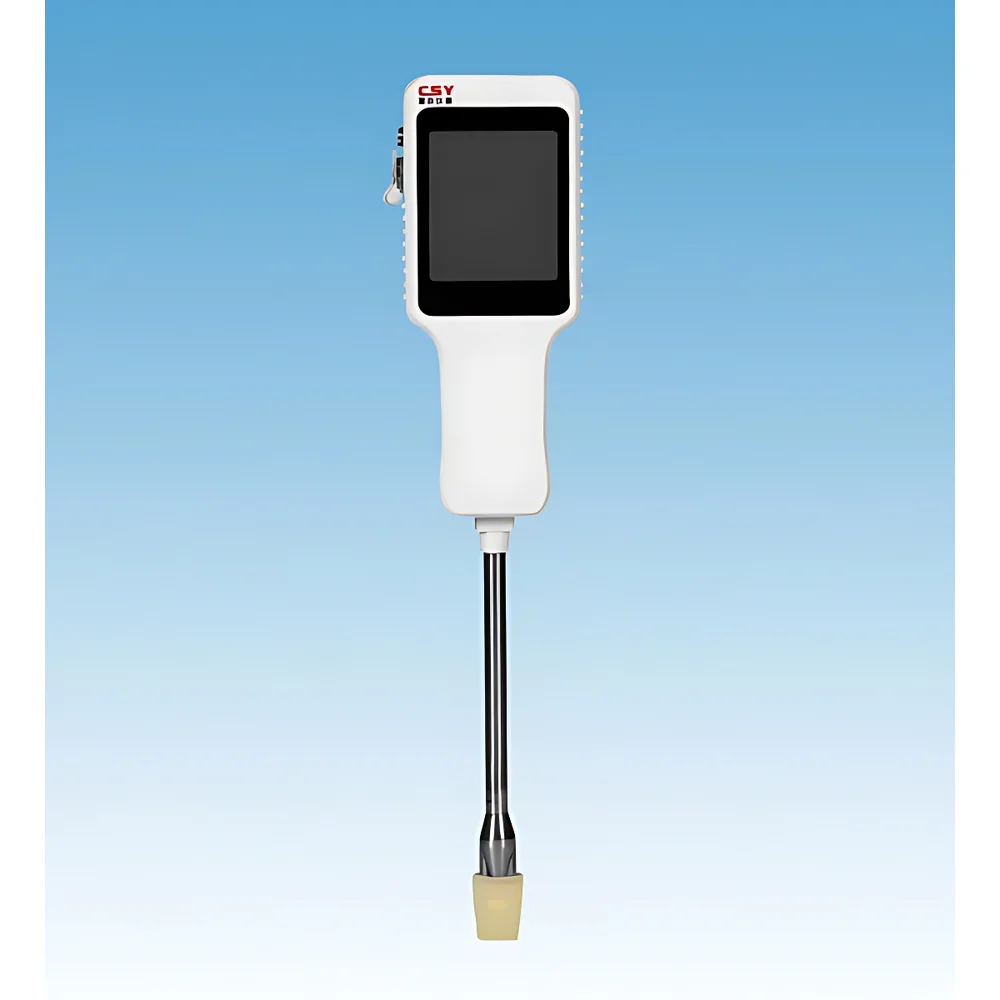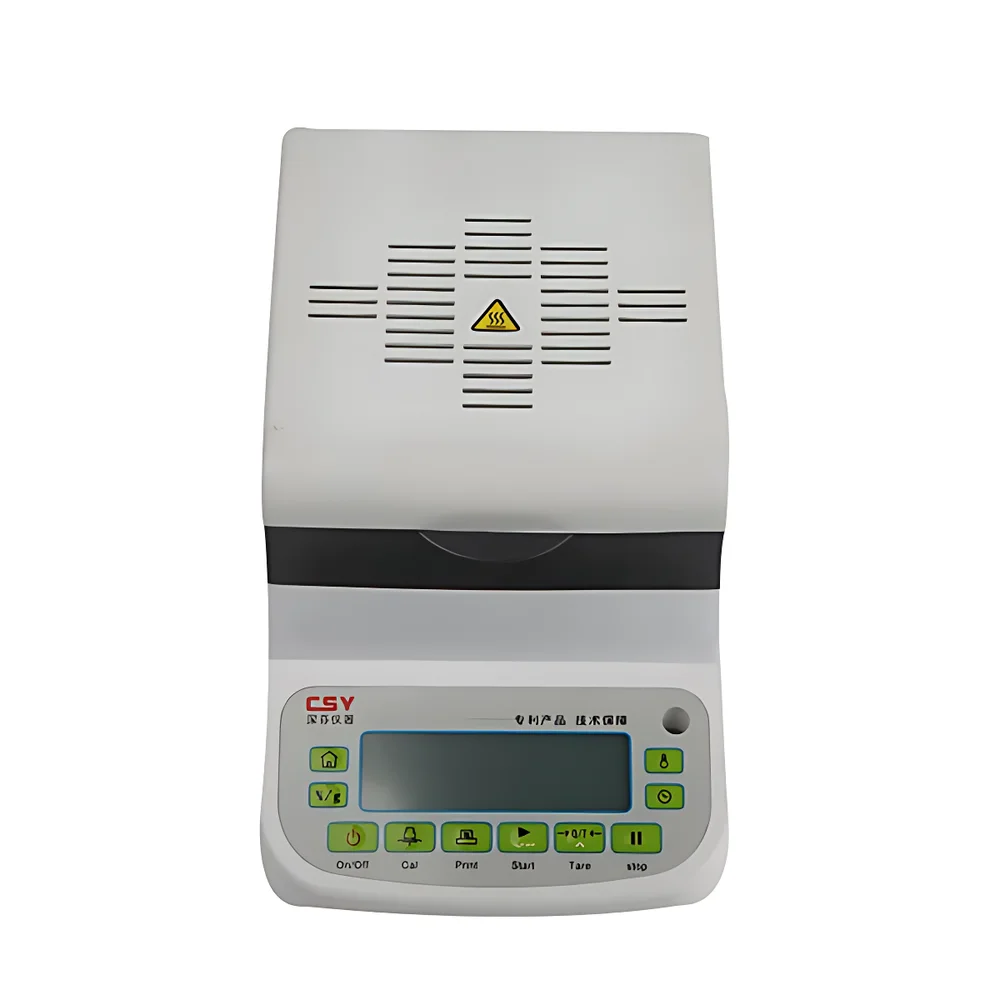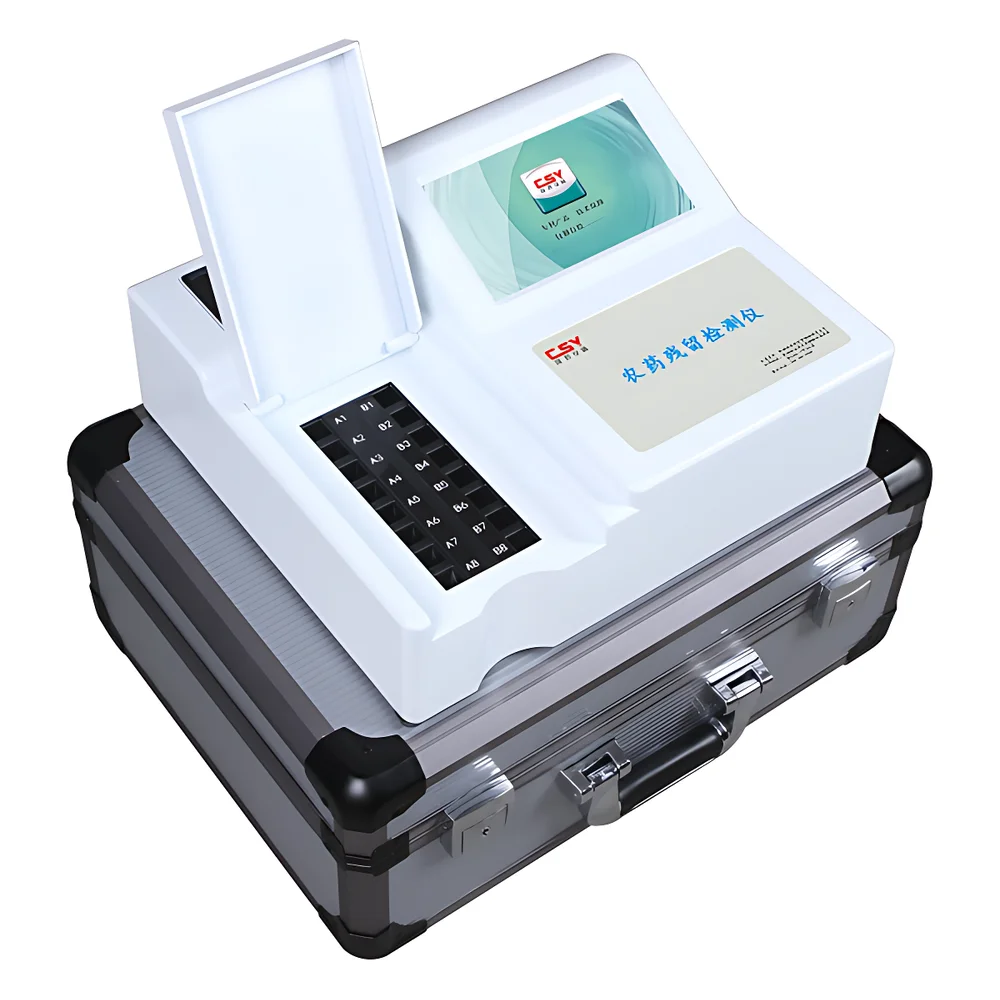
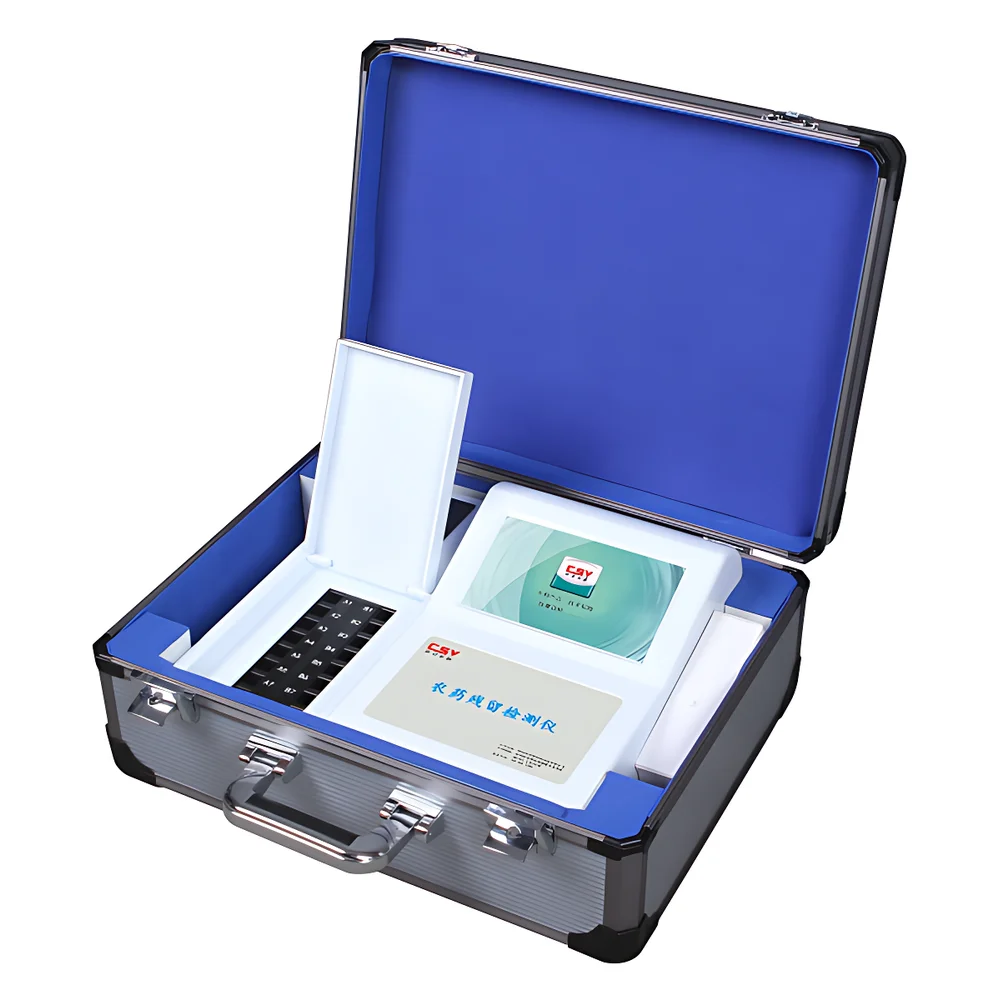
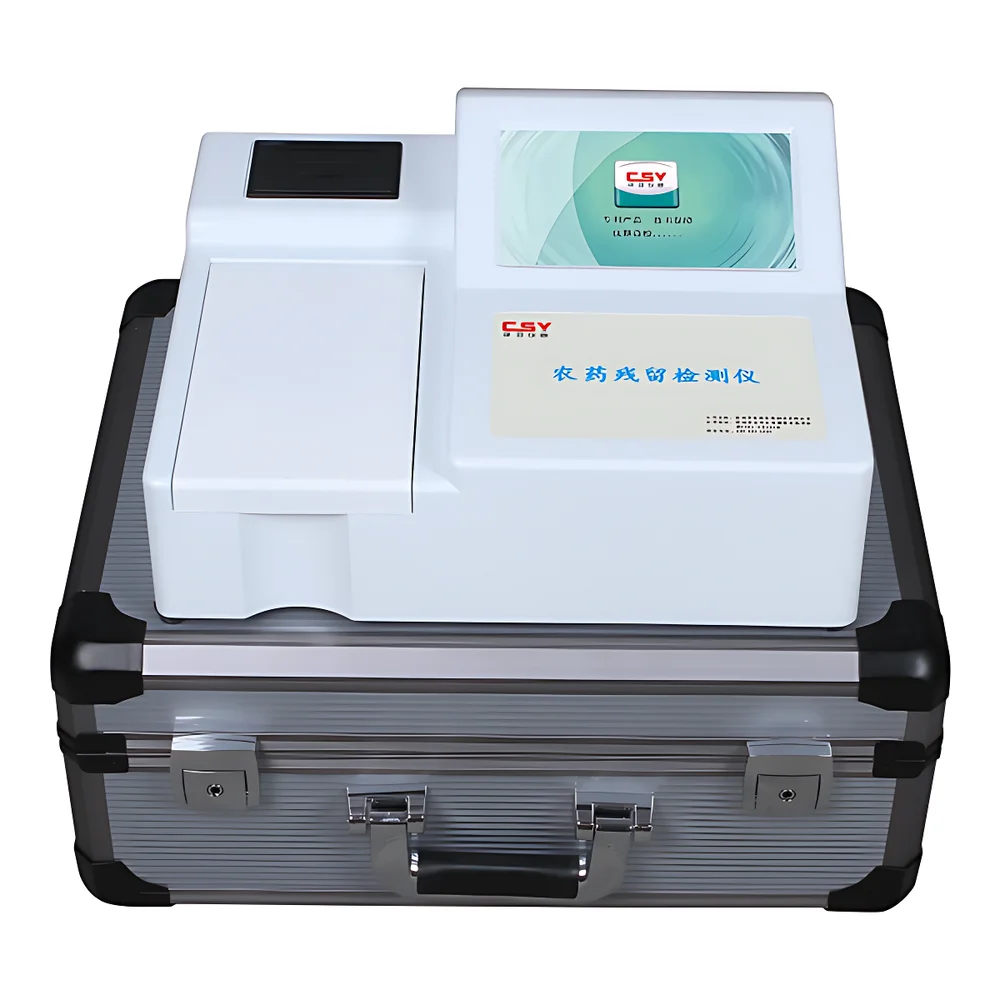
CSY-N12 Vegetable Pesticide Residue Analyzer by CSY Instrument

| Brand | CSY Instrument |
|---|---|
| Origin | Guangdong, China |
| Manufacturer Type | Authorized Distributor |
| Product Origin | Domestic (China) |
| Model | CSY-N12 |
| Detection Method | Enzyme Inhibition Assay (Spectrophotometric Principle) |
| Measurement Range | 0–100% Inhibition Rate |
| Channel Options | 5 / 6 / 8 / 10 / 12 / 16 simultaneous channels |
| Measurement Accuracy | ±3% |
| Limit of Detection (LOD) | 0.1 mg/kg (for organophosphorus and carbamate pesticides) |
| Display | 2.4-inch TFT Touchscreen |
| Reaction Time Setting | 0–99 minutes |
| Color Development Time Setting | 0–99 minutes |
| Temperature Control Range | 25–45 °C |
| Compliance Standard | GB/T 5009.199–2003 |
Ask about pricing, availability and specifications.
Overview
The CSY-N12 Vegetable Pesticide Residue Analyzer is a compact, field-deployable spectrophotometric instrument engineered for rapid semi-quantitative screening of organophosphorus and carbamate pesticide residues in fresh produce and agricultural commodities. It operates on the well-established enzyme inhibition principle: acetylcholinesterase (AChE), immobilized on test strips, catalyzes hydrolysis of indoxyl acetate to yield a blue-colored indoxyl derivative. When inhibited by target pesticides, enzymatic activity declines proportionally, resulting in reduced color intensity—measured as percent inhibition against a reagent blank. This method aligns with internationally recognized biochemical assay frameworks used in food safety laboratories and regulatory screening programs. Designed for high reproducibility under variable environmental conditions, the CSY-N12 integrates precise thermal regulation (25–45 °C), programmable reaction and color-development timing, and real-time optical signal acquisition—enabling consistent performance across decentralized testing environments including farms, wholesale markets, catering facilities, and mobile inspection units.
Key Features
- Modular multi-channel architecture supporting 5 to 16 parallel detection channels—optimized for throughput scalability without compromising assay integrity.
- Integrated 2.4-inch capacitive touchscreen interface with intuitive menu navigation, eliminating reliance on external PCs or keyboards.
- Programmable incubation control: independent setting of enzymatic reaction time (0–99 min) and chromogenic development time (0–99 min), with automatic lid actuation upon parameter confirmation.
- Stabilized temperature management system maintaining ±0.5 °C uniformity across all reaction zones within the 25–45 °C operational range.
- Pre-calibrated optical path design ensuring linearity and repeatability of absorbance measurements at 610 nm (standard wavelength for indoxyl-based assays).
- Portable aluminum alloy housing with integrated sample preparation tools—designed for rugged field use and ISO/IEC 17025-aligned on-site verification workflows.
Sample Compatibility & Compliance
The CSY-N12 is validated for qualitative and semi-quantitative analysis of organophosphate and carbamate residues in raw and minimally processed matrices, including leafy vegetables, fruits, tea leaves, cereal grains, surface water, and soil extracts. Sample preparation follows standardized aqueous extraction protocols compliant with GB/T 5009.199–2003, the Chinese national standard equivalent to AOAC Official Method 992.11 and harmonized with EU Commission Regulation (EU) No 544/2011 Annex I for rapid screening methods. While not intended for definitive quantification per ISO 17025 accredited reporting, the instrument supports GLP-aligned documentation through timestamped result logs and user-defined batch identifiers. Its inhibition-rate output provides a robust surrogate metric for risk prioritization prior to confirmatory analysis via LC-MS/MS or GC-MS.
Software & Data Management
The embedded firmware supports local data storage of up to 1,000 test records, each containing channel ID, sample ID, inhibition percentage, measurement timestamp, operator code, and environmental parameters (temperature, reaction time). Data export is available via USB 2.0 interface in CSV format—compatible with LIMS integration and statistical process control (SPC) software. Audit trail functionality includes immutable event logging for critical actions (e.g., calibration reset, parameter override), satisfying foundational requirements of FDA 21 CFR Part 11 for electronic records in regulated food safety environments. No cloud connectivity or remote telemetry is implemented—ensuring data sovereignty and compliance with regional data residency mandates.
Applications
- Routine pre-harvest surveillance at vegetable farms and orchards to guide harvest scheduling and residue mitigation strategies.
- Point-of-entry screening at wholesale markets and distribution centers to enforce vendor compliance with maximum residue limits (MRLs).
- In-house quality assurance in institutional kitchens, school cafeterias, and hotel foodservice operations prior to ingredient processing.
- Mobile food safety campaigns conducted by municipal health authorities during seasonal produce inspections.
- Training and capacity building in agricultural extension services for cooperative-level pesticide stewardship programs.
FAQ
What pesticides does the CSY-N12 detect?
It detects organophosphorus and carbamate insecticides—including chlorpyrifos, dimethoate, omethoate, carbaryl, and methomyl—based on their shared mechanism of acetylcholinesterase inhibition.
Is the instrument suitable for regulatory enforcement?
No—it is designed for rapid screening and risk triage; positive results require confirmation using chromatographic methods per national food safety regulations.
Can the device be calibrated with certified reference materials?
Yes—calibration verification is performed using paraoxon-methyl and carbofuran standard solutions at defined inhibition concentrations traceable to NIST SRMs.
Does it support multi-language user interfaces?
The current firmware supports English and Simplified Chinese; additional language packs are available upon request for OEM deployment.
What maintenance is required for long-term reliability?
Routine cleaning of optical windows and sensor surfaces with lint-free wipes and isopropyl alcohol; annual verification of temperature uniformity and photometric linearity using NIST-traceable standards.