English Product Name

| Brand | Jingxin (Shanghai Jingxin Scientific Instrument Co., Ltd.) |
|---|---|
| Origin | Shanghai, China |
| Manufacturer Type | Direct Manufacturer |
| Instrument Type | Cryogenic Grinder |
| Sample Compatibility | Frozen biological and hard materials |
| Final Particle Size | ~5 µm |
| Feed Size | Not specified — determined by adapter configuration |
| Batch Capacity | 64 × (0.2–0.5 mL) / 64 × 2 mL / 12 × (5–15 mL) / 4 × 25 mL / 2 × 50 mL (custom adapters available) |
| Temperature Range | –50 °C to ambient |
| Temperature Accuracy | ±2 °C |
| Operating Noise Level | <55 dB(A) |
| Frequency Range | 0–70 Hz |
| Processing Time | 0–9999 s (user-programmable) |
| Grinding Modes | Dry, Wet, Cryogenic |
| Compatible Grinding Media | Stainless steel, chrome steel, zirconia, tungsten carbide, quartz |
| Adapter Materials | PTFE or alloy steel |
| Chamber Material | Stainless steel |
| Safety Features | Electromagnetic lid lock, auto-centering clamping, full-seal grinding chamber |
Ask about pricing, availability and specifications.
Overview
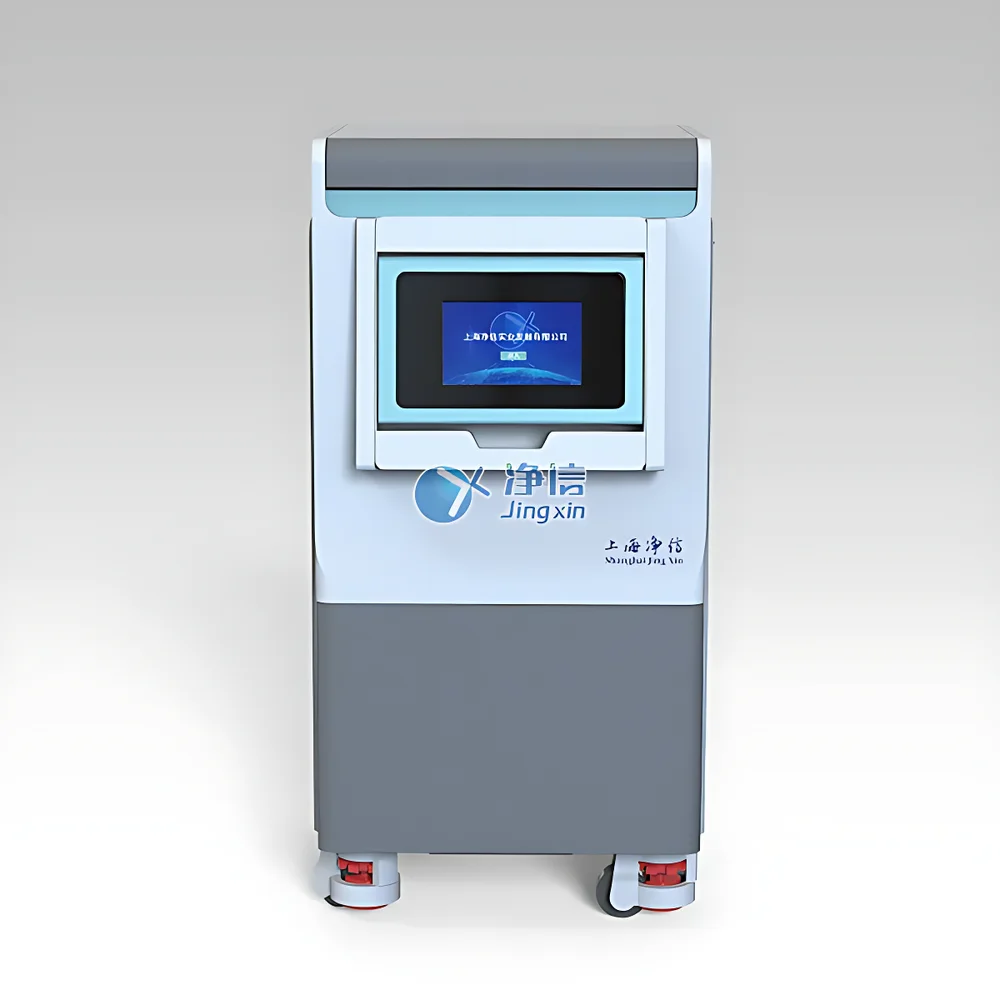
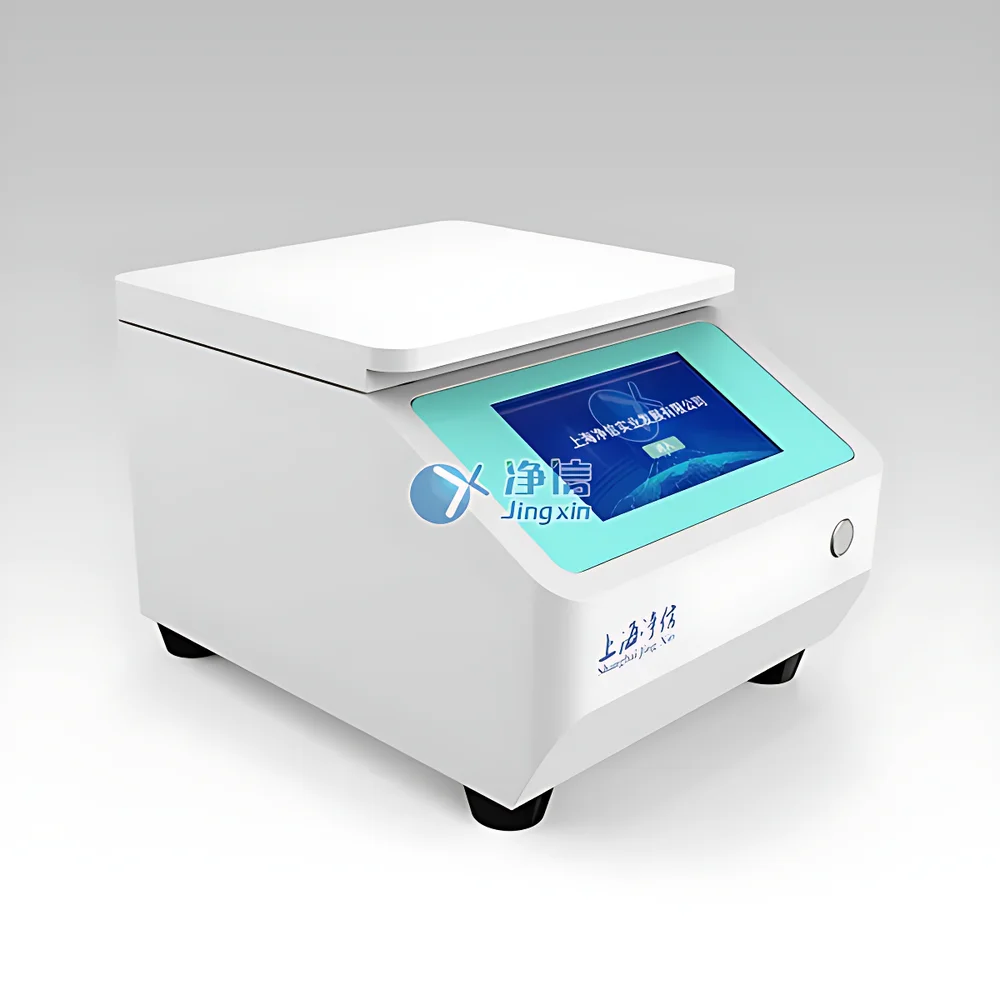
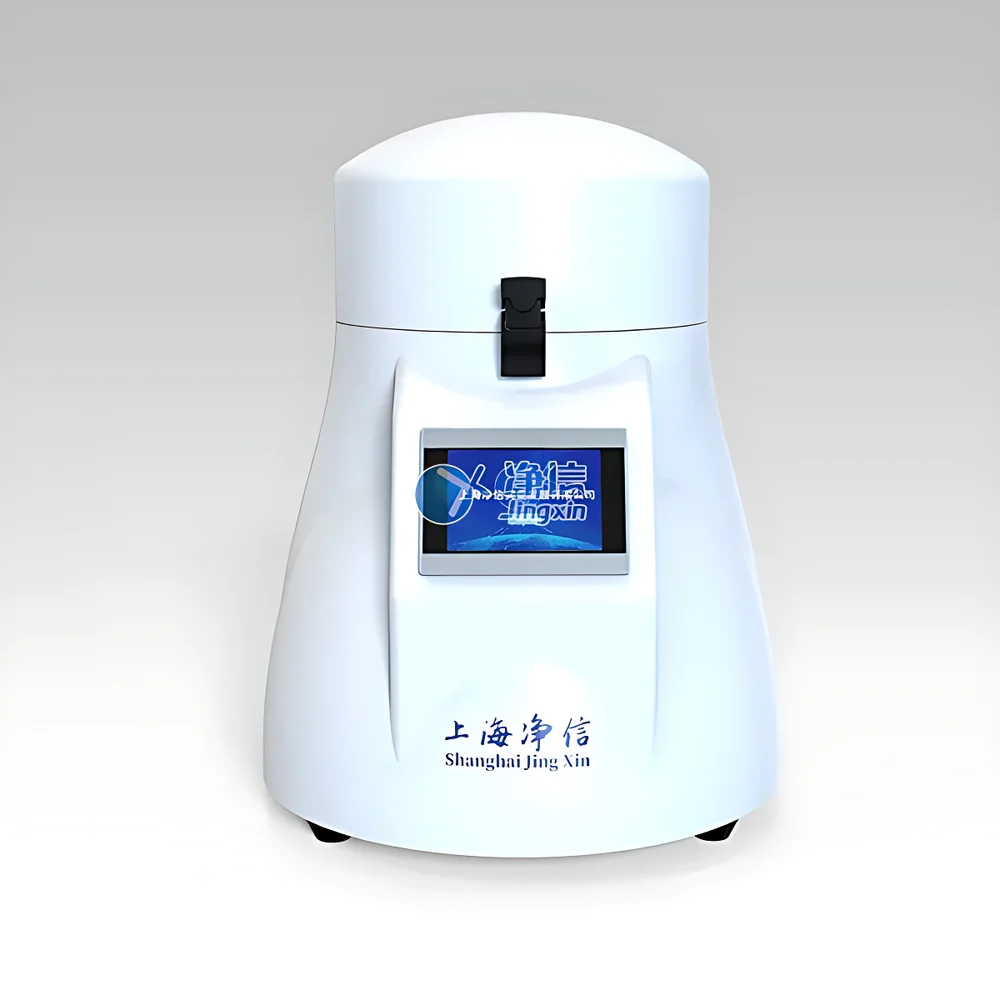
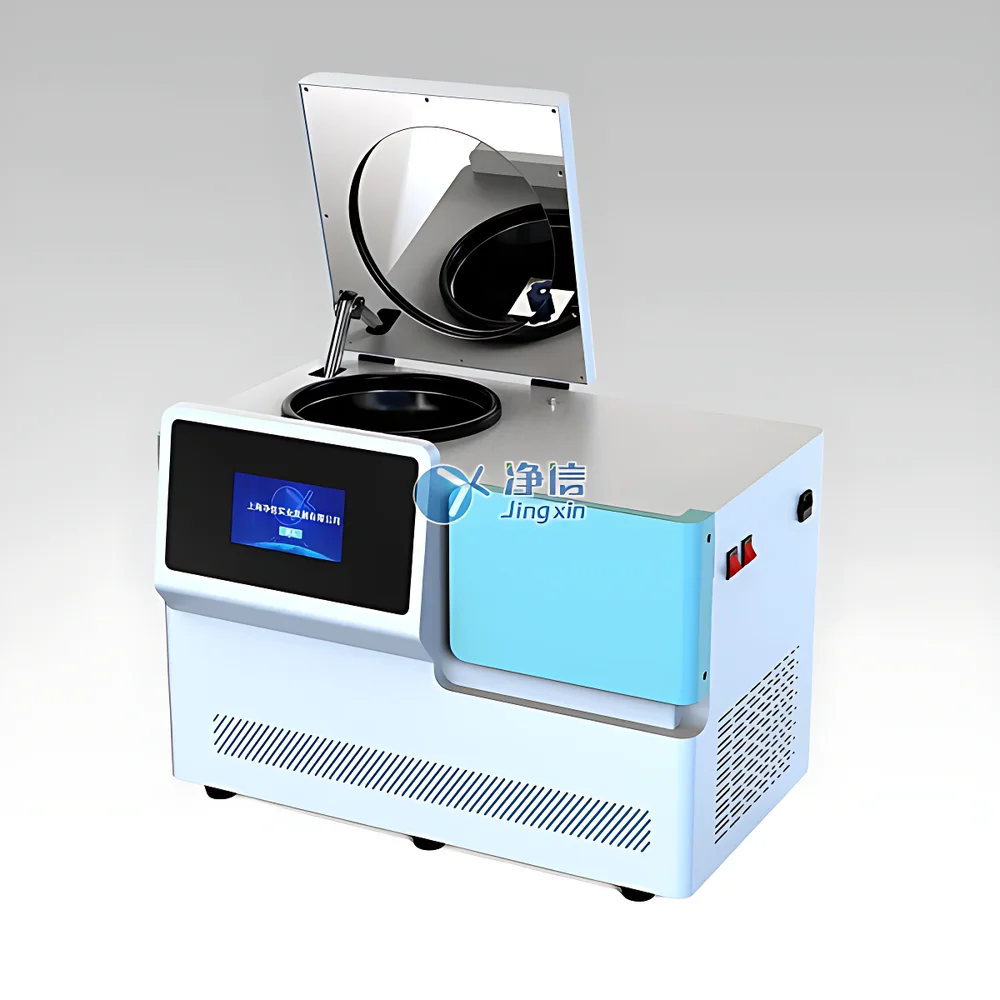
The Jingxin JXFSTPRP-L® Cryogenic Tissue Grinder is an engineered solution for high-throughput, temperature-controlled mechanical homogenization of thermolabile and mechanically resilient samples. Based on high-frequency oscillatory motion combined with cryogenic stabilization, the system enables reproducible cell lysis, tissue pulverization, and particle size reduction without thermal degradation or enzymatic activation. Unlike conventional bead mills relying solely on ambient-temperature impact forces, this instrument integrates active refrigeration (–50 °C to room temperature) directly into the grinding chamber—eliminating reliance on liquid nitrogen handling while maintaining sub-zero sample integrity throughout processing. Its design adheres to core principles of cryo-mechanical comminution: suppression of molecular mobility during impact, inhibition of protease/nuclease activity, and preservation of labile metabolites, post-translational modifications, and structural biomolecules. The system is widely deployed in genomics, proteomics, pharmaceutical development, and environmental sample preparation where compositional fidelity and inter-batch consistency are critical.
Key Features
- Active cryogenic cooling: Integrated compressor-based refrigeration delivers precise thermal control from –50 °C to ambient (±2 °C accuracy), enabling consistent low-temperature processing without liquid nitrogen logistics or safety hazards.
- High-throughput architecture: Supports simultaneous processing of up to 192 samples via modular adapter configurations—including 64-position microtubes (0.2–0.5 mL), 12-position cryovials (5–15 mL), and large-volume vessels (up to 50 mL).
- Robust mechanical drive: Brushless frequency-controlled motor (0–70 Hz) with reinforced shaft (>10 mm diameter) ensures stable acceleration/deceleration profiles (≤2 s ramp time) and long-term operational reliability.
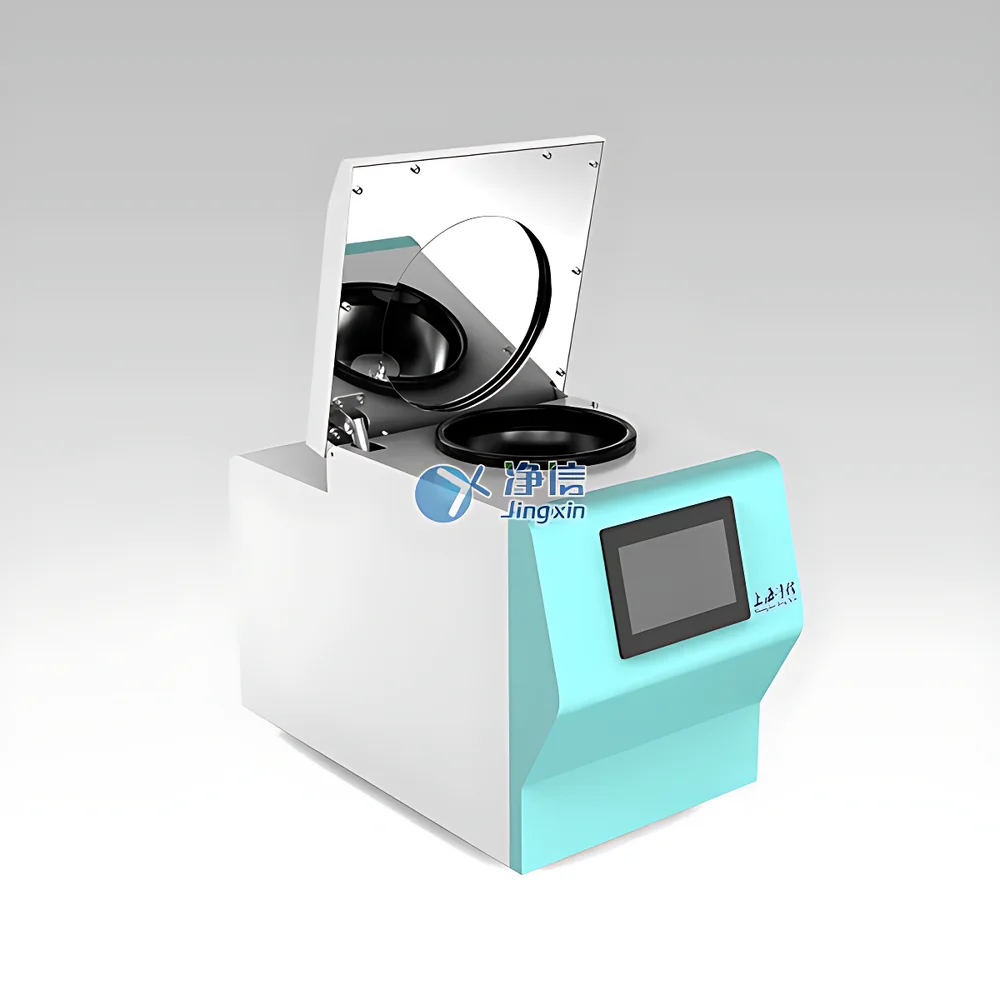
- Full-seal grinding environment: Hermetically sealed stainless-steel chamber and PTFE/alloy steel adapters prevent cross-contamination and aerosol generation—essential for RNA integrity and GLP-compliant workflows.
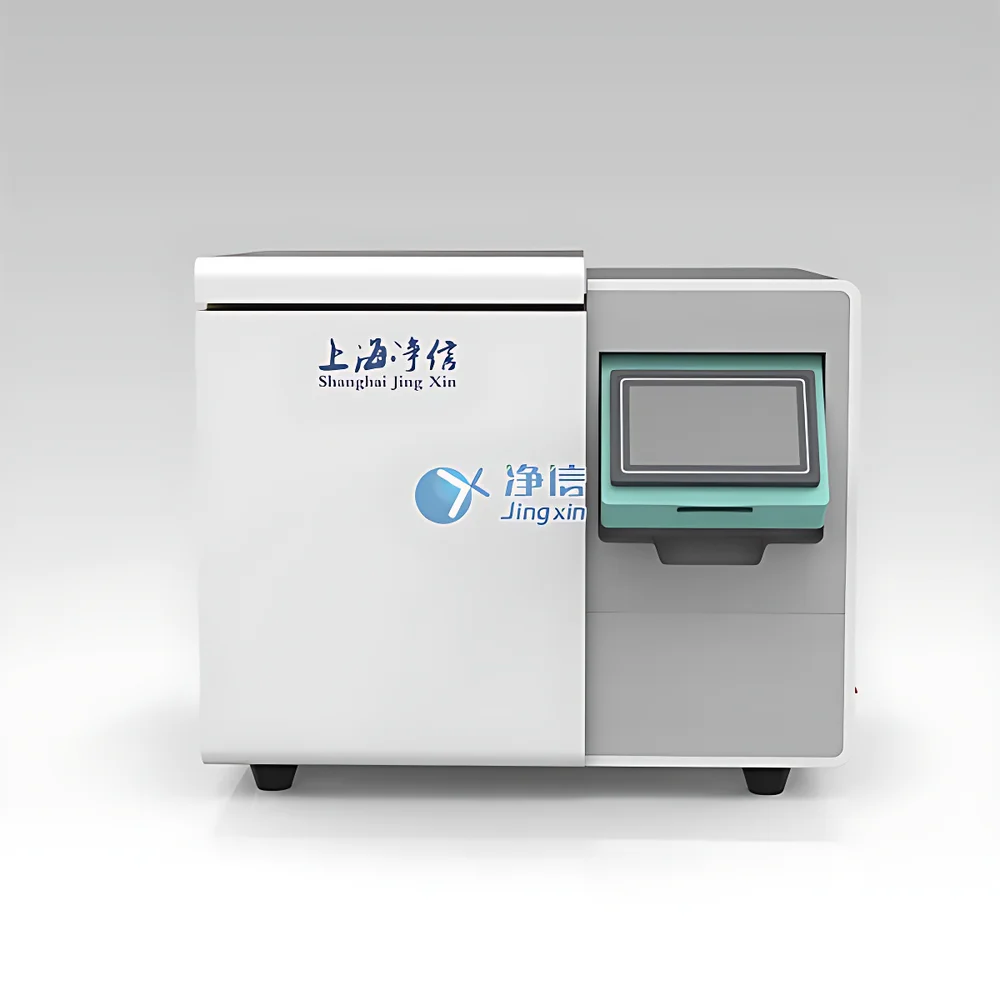
- Programmable operation: Touchscreen interface stores up to 20 user-defined protocols with adjustable frequency, duration, pause intervals, and multi-step cycling—supporting method transfer across laboratories.
- Low-noise engineering: Acoustic enclosure and vibration-damped mounting reduce operational noise to <55 dB(A), suitable for shared laboratory spaces and continuous unattended runs.
- Maintenance-free construction: Electromagnetic lid interlock, wear-resistant grinding media interfaces, and absence of consumable seals minimize downtime and service requirements.
Sample Compatibility & Compliance
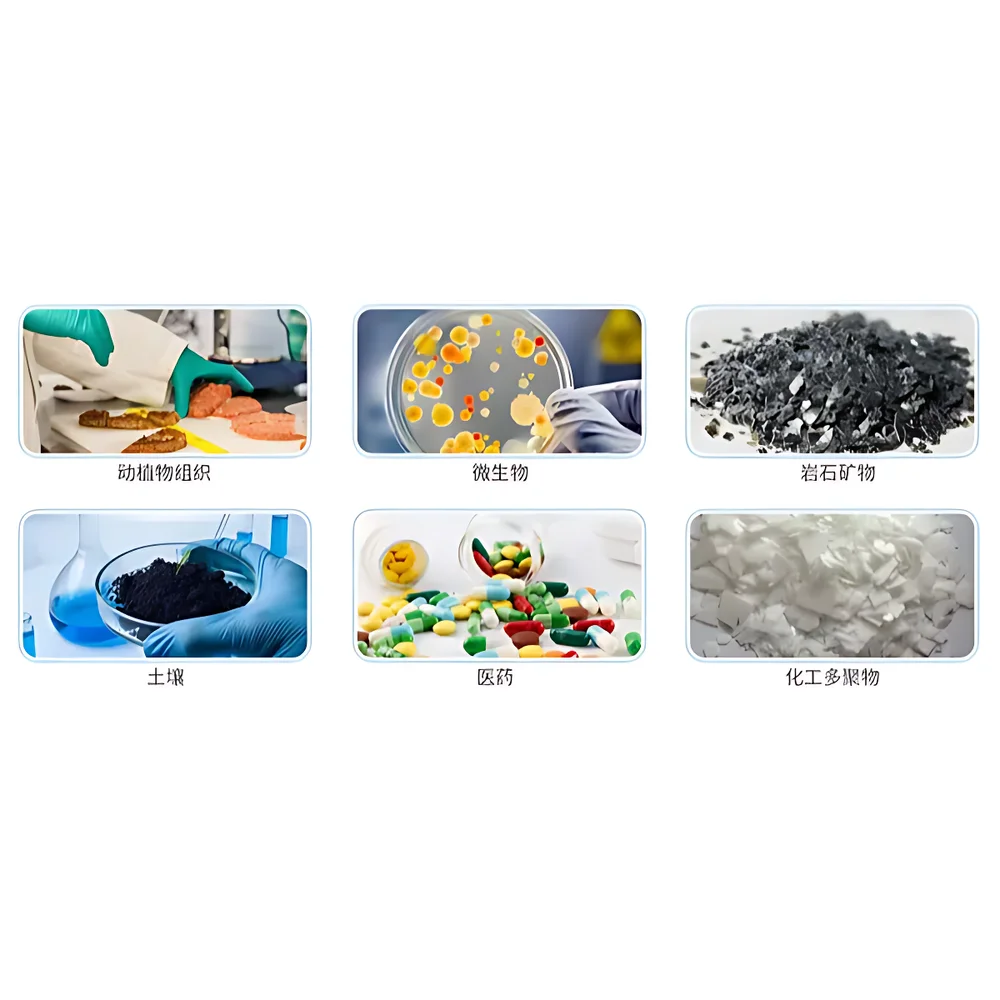
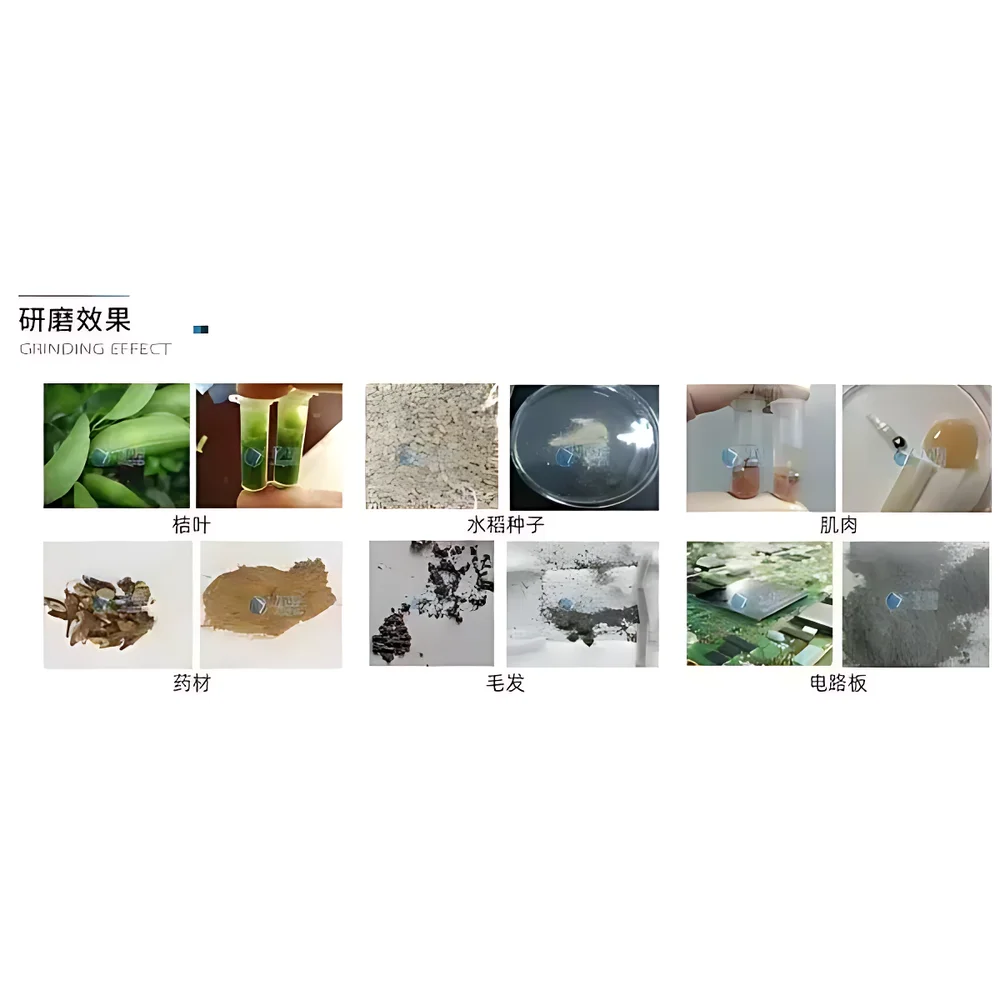
The JXFSTPRP-L® accommodates diverse sample classes including mammalian and plant tissues (e.g., liver, muscle, leaf), bone, hair, microbial pellets, soil aggregates, polymers, and geological specimens. Its cryogenic capability makes it especially suited for nucleic acid extraction (DNA/RNA), native protein isolation, metabolite profiling, and pharmaceutical excipient milling. The instrument complies with fundamental laboratory safety standards (IEC 61000-6-3, IEC 61000-6-4) and supports audit-ready documentation when integrated with LIMS or ELN systems. While not certified for GMP manufacturing, its programmable parameters, electronic log retention (20 protocol histories), and repeatable mechanical performance align with FDA 21 CFR Part 11 expectations for electronic records in research-grade applications. All wetted parts meet USP Class VI biocompatibility criteria; PTFE adapters conform to ISO 10993-5 cytotoxicity requirements.
Software & Data Management
The embedded touchscreen controller provides intuitive parameter entry, real-time status monitoring (temperature, frequency, elapsed time), and visual feedback for lid engagement and thermal stabilization. Each protocol includes timestamped metadata (date, operator ID, cycle count), exportable via USB to CSV for traceability. Although no proprietary cloud platform is provided, the device outputs standardized data fields compatible with third-party laboratory informatics systems. For regulated environments, users may implement external validation protocols covering temperature mapping, frequency calibration, and inter-unit reproducibility—documented in Jingxin’s technical manuals per ISO/IEC 17025 guidelines for testing equipment qualification.
Applications
- Nucleic acid isolation: Prevents RNase-mediated degradation during homogenization of brain, spleen, or adipose tissue—validated in >1,184 peer-reviewed publications.
- Proteomic sample prep: Maintains native conformation and phosphorylation states in kinase-rich tissues (e.g., heart, kidney) prior to LC-MS analysis.
- Phytochemical extraction: Preserves thermally unstable alkaloids, terpenoids, and flavonoid glycosides from medicinal herbs and roots.
- Polymer & composite analysis: Enables uniform dispersion of nanofillers (e.g., graphene oxide, carbon nanotubes) in polymer matrices for rheological characterization.
- Environmental forensics: Homogenizes heterogeneous soil or sediment cores for heavy metal speciation and microbial community DNA recovery.
- Pharmaceutical QA/QC: Supports batch-to-batch comparison of tablet excipient particle size distribution under controlled thermal conditions.
FAQ
Can the instrument operate without active refrigeration?
Yes—the system functions as a standard high-frequency grinder at ambient temperature, though cryogenic capability is required for thermosensitive applications.
Is liquid nitrogen compatibility available?
The base model supports optional retrofitting with liquid nitrogen cooling jackets or dual-stage cryo-adapters for sub–80 °C operation.
What grinding media options are validated for use?
Zirconia and stainless-steel beads (0.1–30 mm) are factory-qualified; chromium steel and tungsten carbide may be used with protocol validation.
How is cross-contamination prevented between batches?
Each grinding cycle employs single-use adapters and disposable tubes; the stainless-steel chamber is autoclavable and compatible with 70% ethanol or hydrogen peroxide vapor decontamination.
Does the system support regulatory compliance for clinical research?
While not FDA-cleared as a medical device, its programmable parameters, electronic audit trail, and repeatability data support CLIA and CAP accreditation pathways when included in SOPs.
More from Jingxin (Shanghai Jingxin Scientific Instrument Co., Ltd.)
View all Jingxin (Shanghai Jingxin Scientific Instrument Co., Ltd.) products → Jingxin JXFSTPRP-192CL High-Speed Cryogenic Grinding and Homogenization System
- Jingxin JX-CKSM-4WK 4-Channel Temperature-Controlled Single-Cell Suspension Preparation System
- Jingxin JX-24 High-Efficiency Automated Cryogenic Tissue Grinder
- Jingxin Tissuelyser-192 High-Throughput Cryogenic Tissue Homogenizer