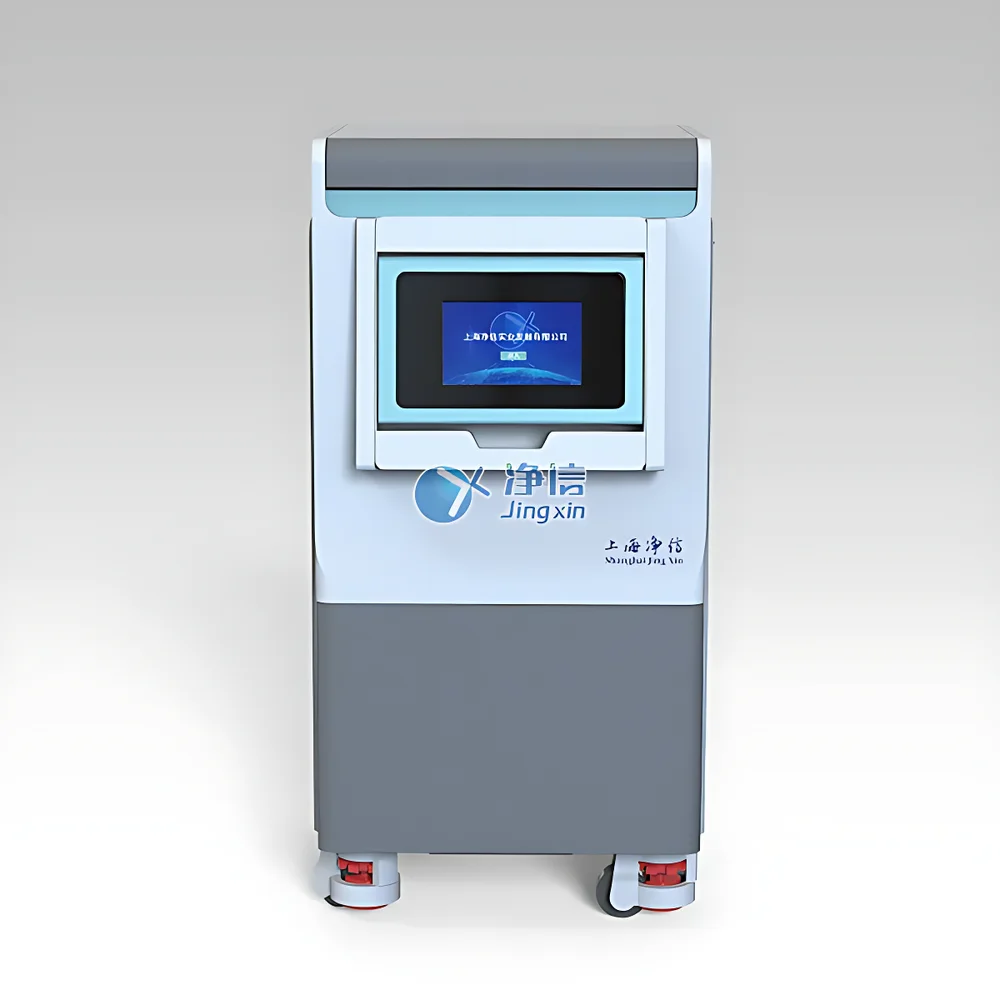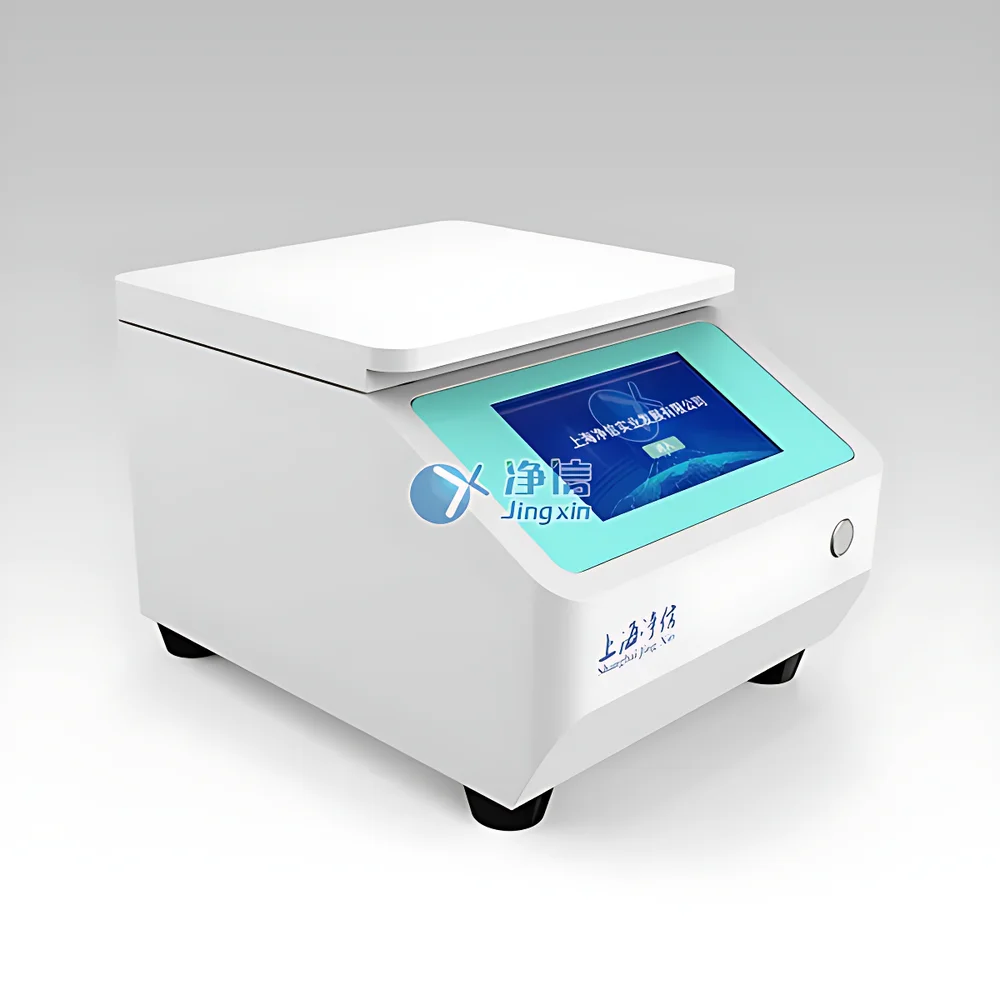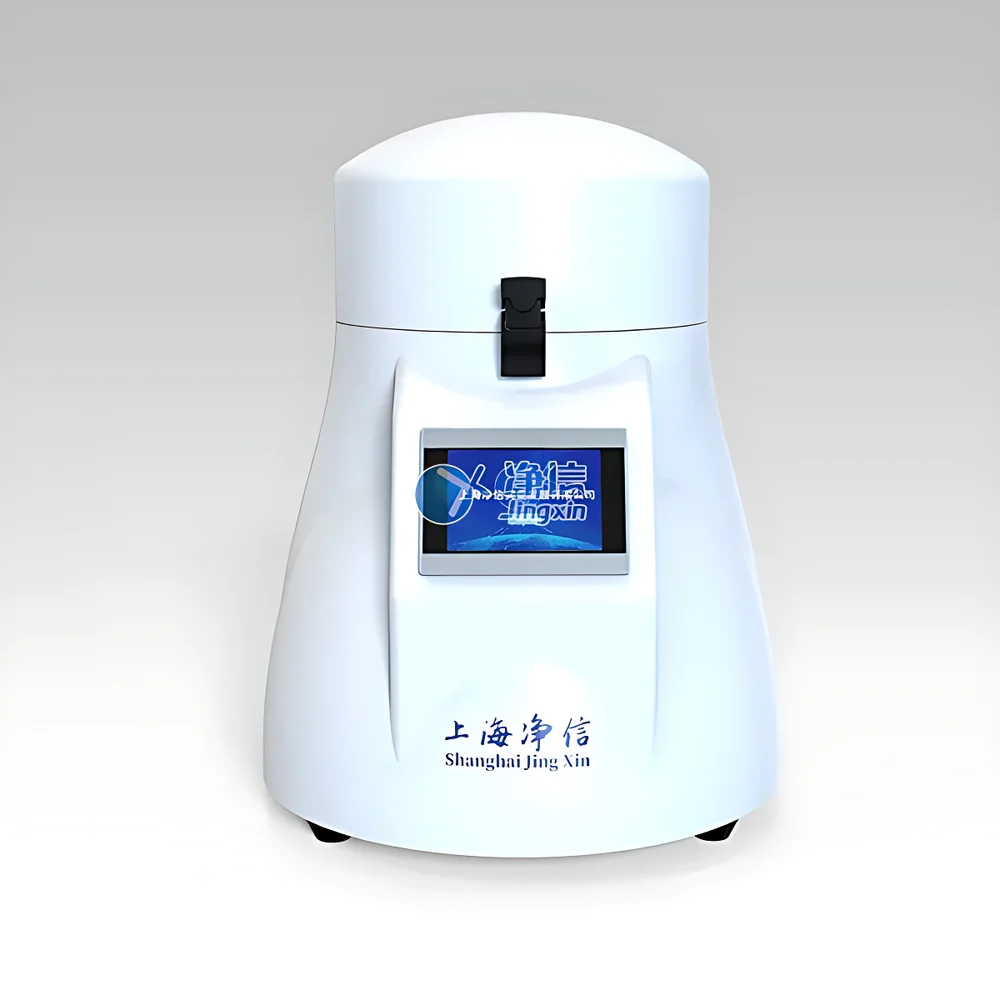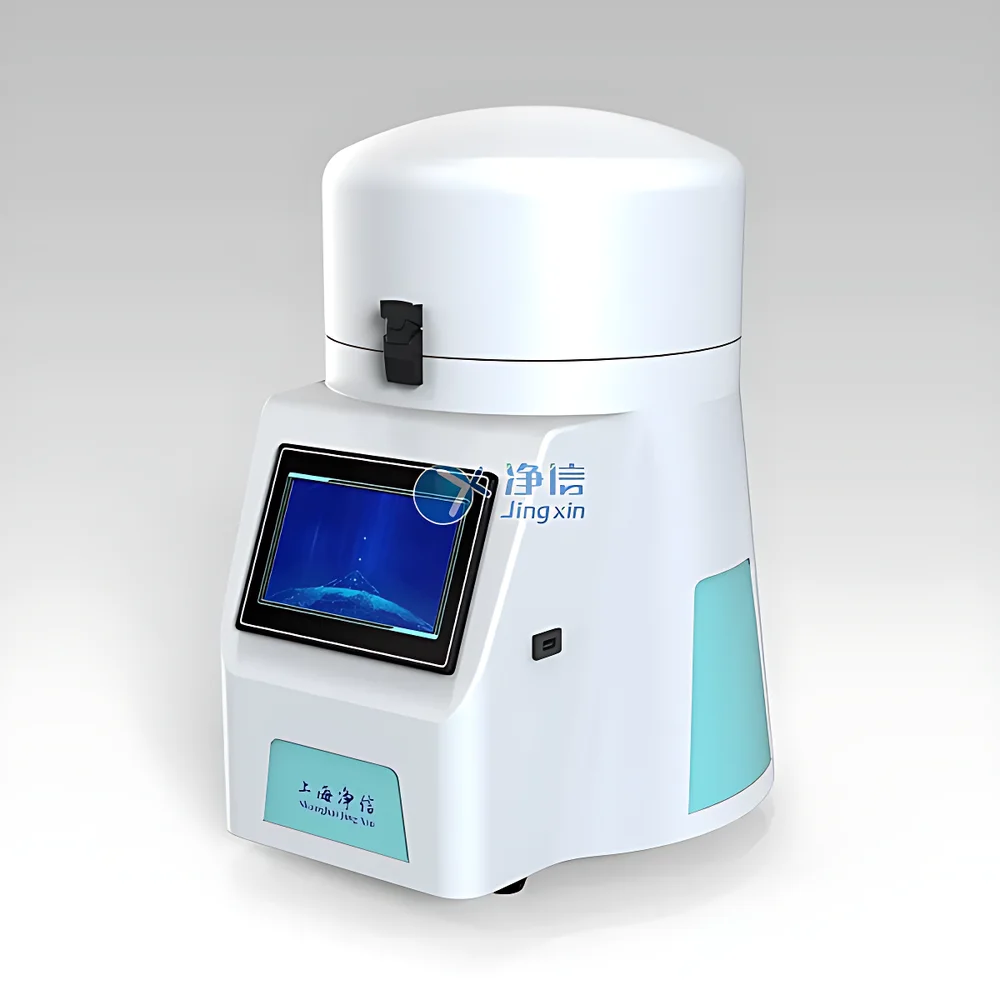
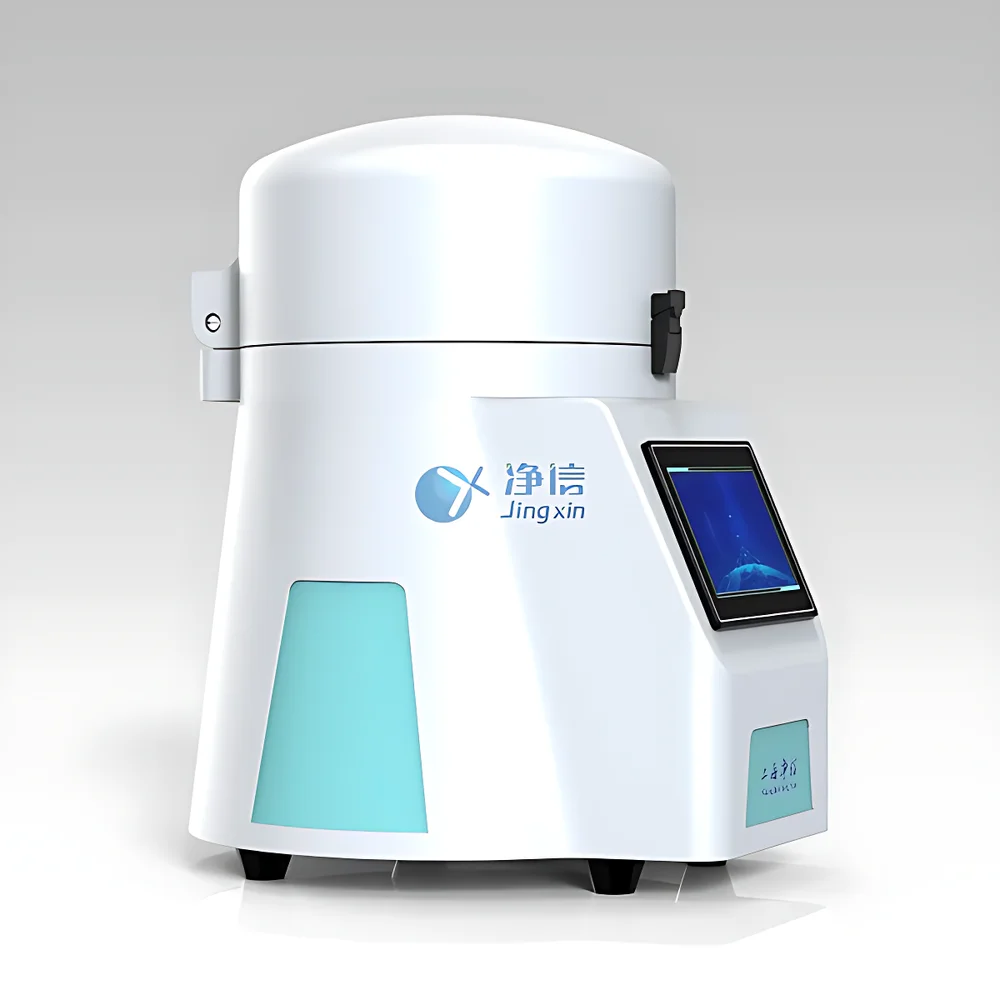
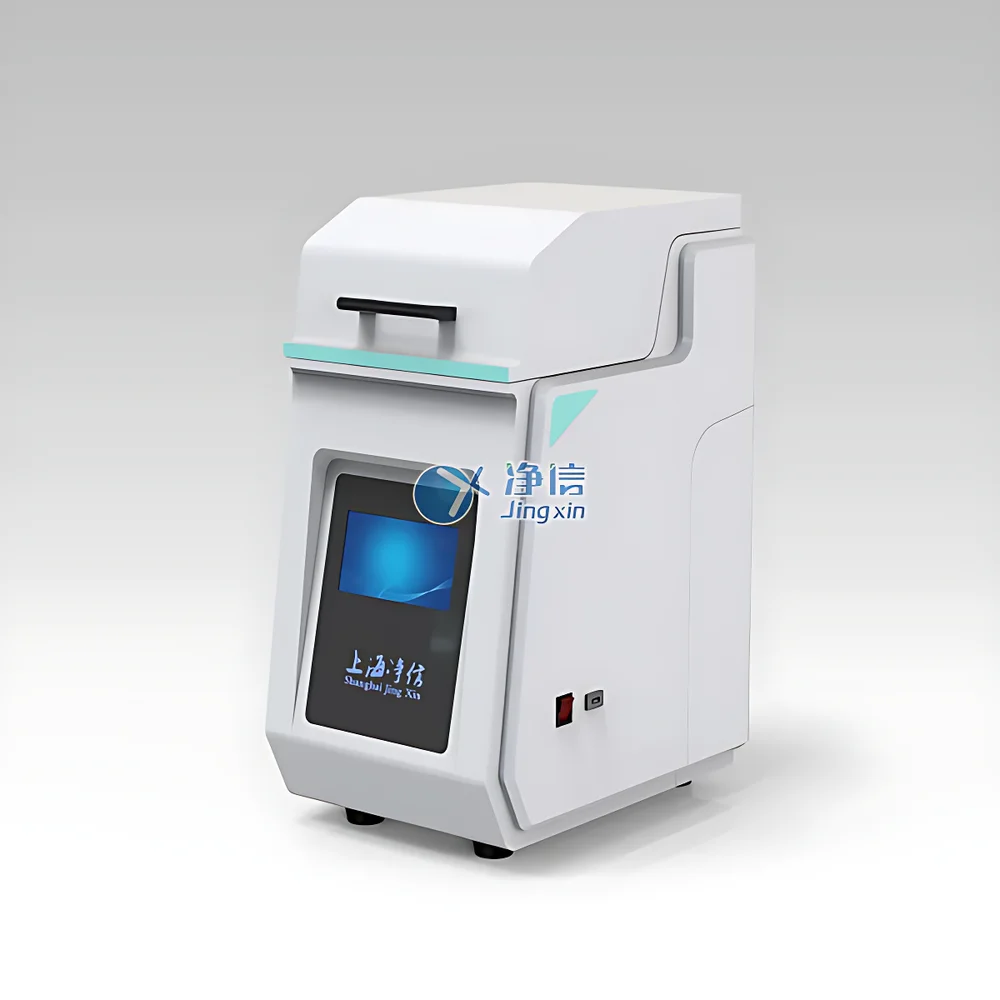
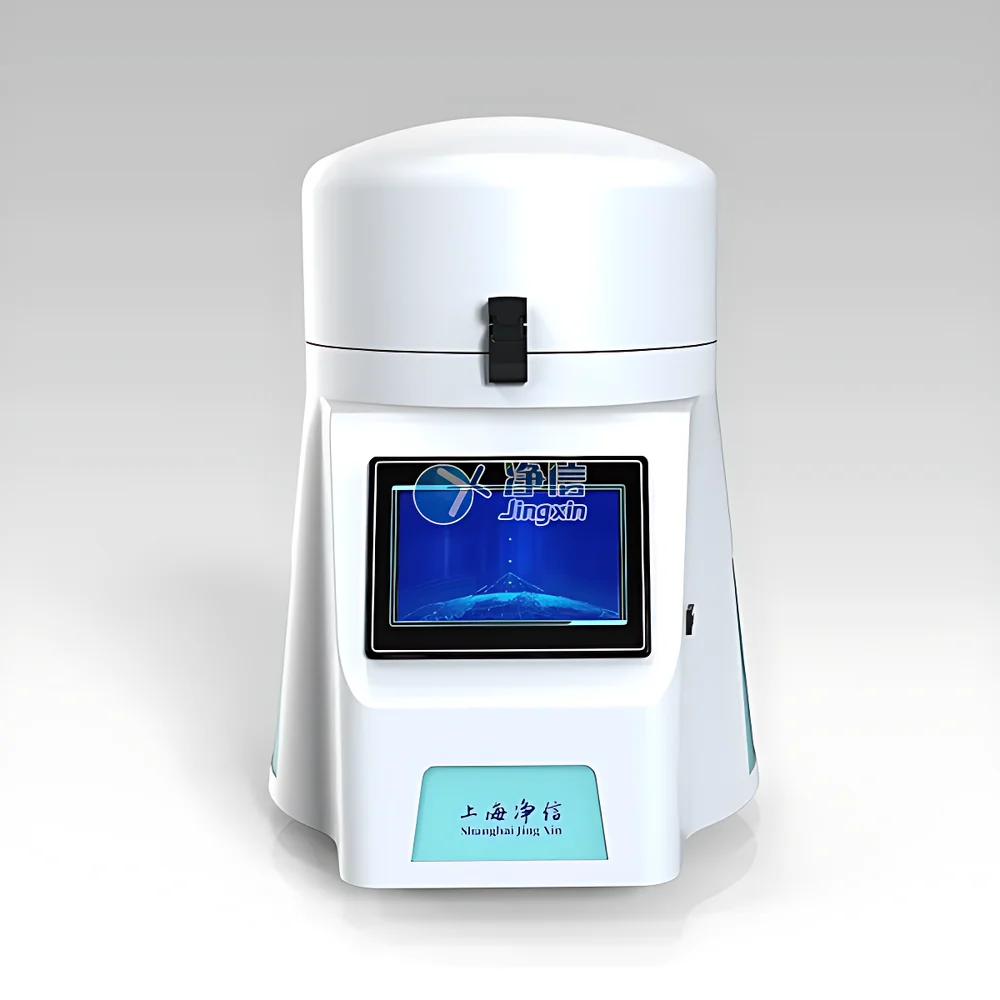
Jingxin JXFSTPRP-24L Fully Automated Cryogenic Tissue Grinder

| Brand | Jingxin (Shanghai Jingxin Scientific Instrument Co., Ltd.) |
|---|---|
| Origin | Shanghai, China |
| Manufacturer Type | Direct Manufacturer |
| Instrument Type | Cryogenic Tissue Grinder |
| Model | JXFSTPRP-24L |
| Sample Compatibility | Frozen, fresh, or lyophilized biological & non-biological samples |
| Output Particle Size | ≤5 µm |
| Input Particle Size | Not size-restricted (determined by adapter geometry) |
| Batch Capacity | 24 × (0.2–0.5) mL |
| Vibration Frequency Range | 0–70 Hz |
| Operating Noise Level | <55 dB(A) |
| Display | Touchscreen interface |
| Data Storage | 20 programmable protocols |
| Safety Features | Lid-interlocked motor cutoff, auto-centering clamp, integrated acoustic enclosure |
| Optional Cooling | Compatible with liquid nitrogen dosing or external air-cooling units |
Ask about pricing, availability and specifications.
Overview
The Jingxin JXFSTPRP-24L Fully Automated Cryogenic Tissue Grinder is an engineered solution for high-throughput, reproducible mechanical disruption of biological and composite materials under controlled thermal conditions. It operates on the principle of high-frequency, three-dimensional orbital vibration—specifically an optimized “figure-eight” motion path—combined with cryogenic stabilization to suppress enzymatic degradation, thermal denaturation, and sample oxidation during homogenization. Unlike conventional bead mills relying solely on vertical impact, this system delivers uniform energy distribution across all sample positions via synchronized lateral and vertical oscillation, ensuring consistent cell lysis, tissue pulverization, and particle size reduction without preferential bias. Designed for laboratories requiring compliance with GLP and ISO 17025 workflows, the instrument supports traceable, repeatable sample preparation prior to downstream applications including nucleic acid extraction, proteomics, metabolomics, and elemental analysis.
Key Features
- True direct-manufacturing origin: Structural integrity validated by ≥10 mm diameter reinforced drive shaft and proprietary anti-vibration coupling mechanism—distinct from OEM-assembled alternatives.
- Cryogenic-ready architecture: Seamless integration with liquid nitrogen delivery systems (flow-controlled) or optional air-cooling modules enables sustained sub-zero grinding temperatures (–80°C to –196°C), critical for RNA integrity and lipid preservation.
- Modular adapter system: Supports simultaneous processing of up to 24 tubes across five standard volume configurations (0.2–50 mL), with custom adapters available for specialized vial geometries (e.g., PCR strips, deep-well plates).
- Programmable precision control: Touchscreen interface stores 20 user-defined protocols—including pre-configured settings for mammalian organs, plant tissues, microbial pellets, polymers, and forensic specimens—with adjustable frequency (0–70 Hz), duration (0–9999 s), and cycle sequencing.
- Fail-safe engineering: Integrated lid-safety interlock, auto-centering clamping mechanism, and acoustic damping enclosure ensure operator protection and noise containment (<55 dB[A]).
- Material compatibility: Grinding media options include stainless steel, chrome steel, zirconia, tungsten carbide, and quartz—selected based on sample hardness, contamination sensitivity, and downstream analytical requirements (e.g., ICP-MS).
Sample Compatibility & Compliance
The JXFSTPRP-24L accommodates a broad spectrum of sample matrices: soft/hard animal tissues (liver, bone, muscle), plant matter (roots, seeds, lignified stems), microorganisms (yeast, Gram-positive/negative bacteria, spores), environmental solids (soil, sediment, coal), pharmaceutical tablets, polymers (PE, PS, resins), and forensic evidence (hair, calcified tissue). Its closed-tube operation eliminates cross-contamination and aerosol generation, aligning with biosafety Level 2 (BSL-2) containment practices. For regulated environments, the instrument’s protocol logging, timestamped parameter storage, and absence of manual intervention support audit readiness per FDA 21 CFR Part 11 when paired with validated electronic record systems. All wet/dry/cryo grinding modes comply with ASTM D5630 (plastic ash content), USP (disintegration testing), and ISO 13320 (laser diffraction particle sizing preparation).
Software & Data Management
The embedded touchscreen controller provides intuitive navigation and real-time monitoring of operational parameters. Each protocol includes metadata fields for operator ID, sample batch number, and experimental notes. Stored data—frequency, duration, cycle count, and timestamp—is exportable via USB to CSV format for LIMS integration. While the base unit does not include network connectivity, its deterministic behavior and repeatable endpoint consistency make it suitable for qualification under GMP Annex 15 (VMP) and ISO/IEC 17025 method validation frameworks. Optional firmware upgrades enable remote diagnostics and calibration log synchronization with enterprise laboratory information management systems.
Applications
This grinder serves as a foundational sample preparation tool in molecular biology labs (DNA/RNA isolation from fibrous or fatty tissues), clinical diagnostics (homogenization of biopsy specimens prior to NGS library prep), agricultural research (cell wall disruption in cereal grains), environmental testing (extraction of PAHs from soil matrices), polymer characterization (particle size distribution analysis pre-SEM), and forensic toxicology (uniform comminution of hair or bone for heavy metal quantification). Its ability to process thermolabile compounds—such as labile neurotransmitters or unstable secondary metabolites—under cryogenic conditions expands utility beyond conventional room-temperature grinders.
FAQ
Can the JXFSTPRP-24L be used for ambient-temperature grinding?
Yes—it supports dry, wet, and cryogenic modes; ambient operation requires no cooling accessories.
Is the instrument compatible with third-party grinding tubes?
Yes, provided tube dimensions conform to standardized adapter footprints (e.g., 2 mL microcentrifuge, 15 mL conical); custom adapters are available upon request.
What maintenance is required for long-term reliability?
Regular cleaning of adapter wells and inspection of O-rings and clamping mechanisms every 200 cycles; drive shaft lubrication is factory-sealed and non-serviceable.
Does the system meet electromagnetic compatibility (EMC) standards?
Complies with IEC 61326-1:2013 for laboratory equipment in industrial/residential environments.
How is temperature stability maintained during liquid nitrogen grinding?
Via pulsed LN₂ injection synchronized with vibration cycles, minimizing thermal shock while sustaining target temperature throughout processing—validated using calibrated fiber-optic probes inserted into representative sample tubes.
More from Jingxin (Shanghai Jingxin Scientific Instrument Co., Ltd.)
View all Jingxin (Shanghai Jingxin Scientific Instrument Co., Ltd.) products → Jingxin JXFSTPRP-192CL High-Speed Cryogenic Grinding and Homogenization System
- Jingxin JX-CKSM-4WK 4-Channel Temperature-Controlled Single-Cell Suspension Preparation System
- Jingxin JX-24 High-Efficiency Automated Cryogenic Tissue Grinder
- Jingxin Tissuelyser-192 High-Throughput Cryogenic Tissue Homogenizer