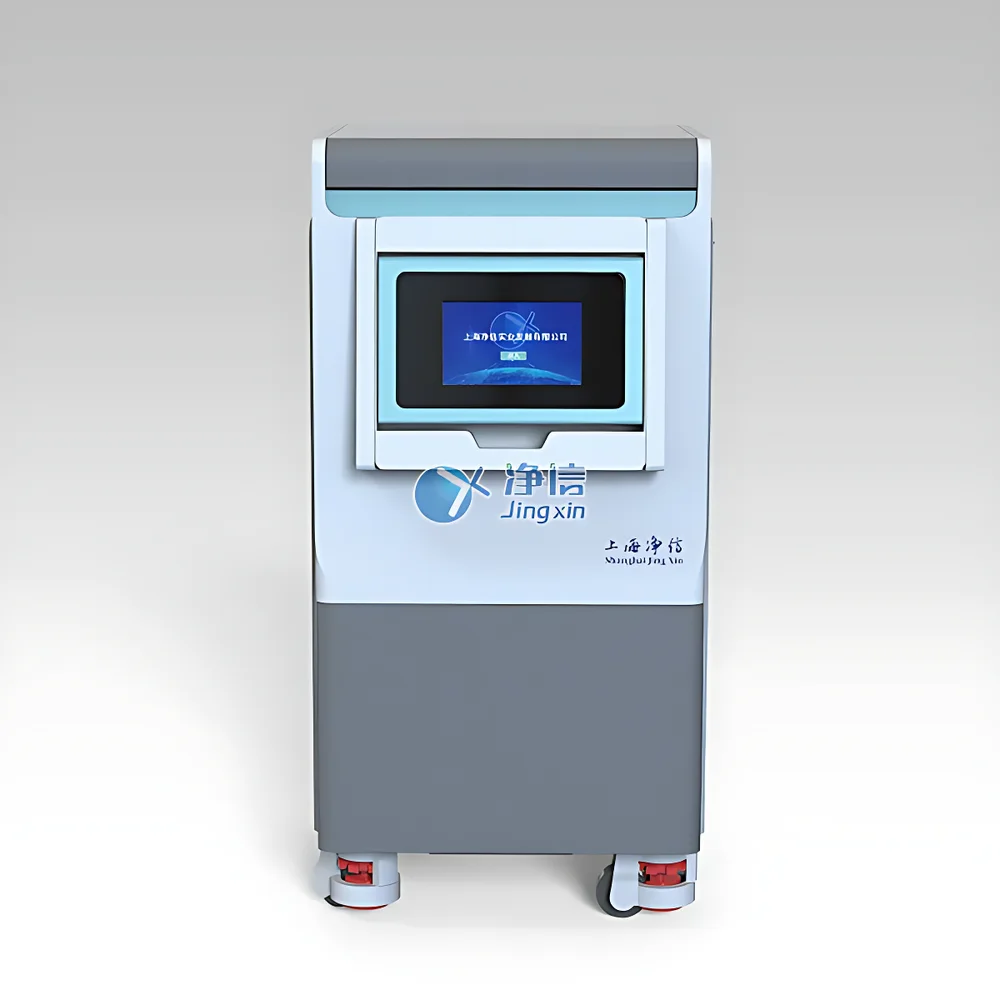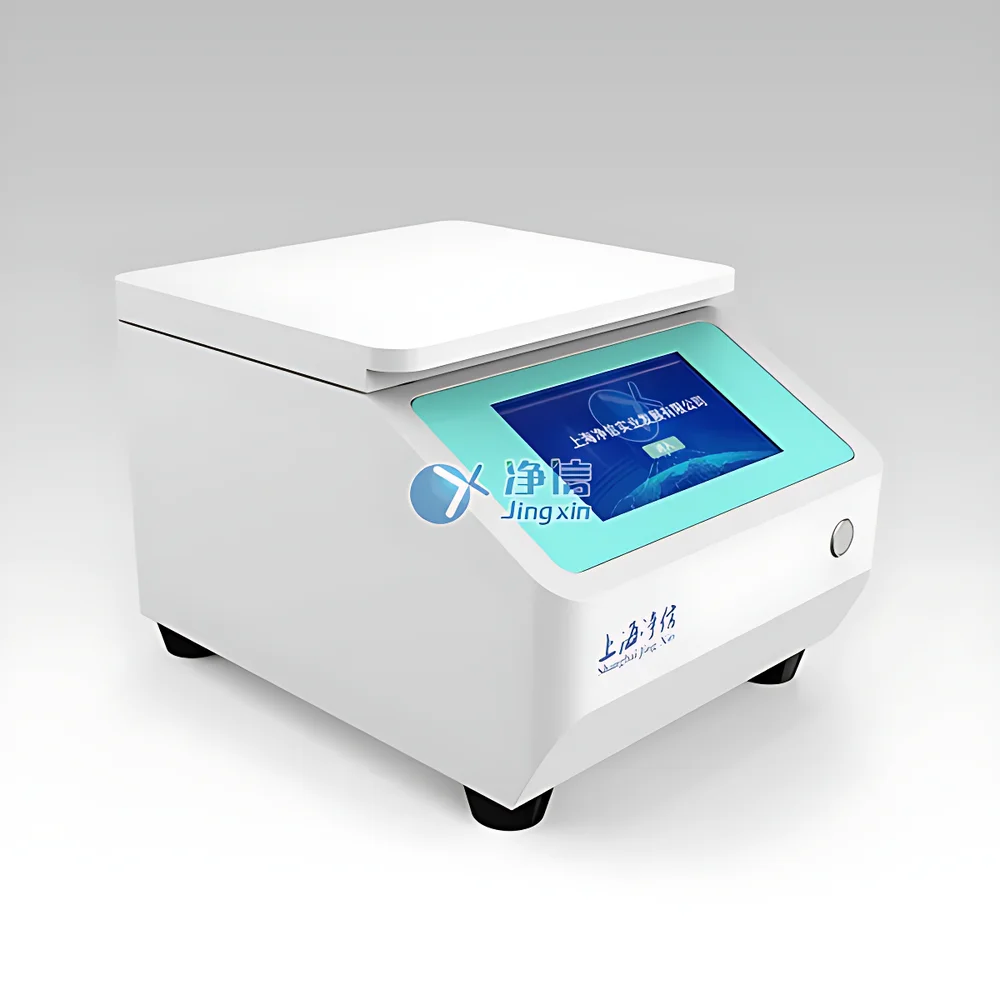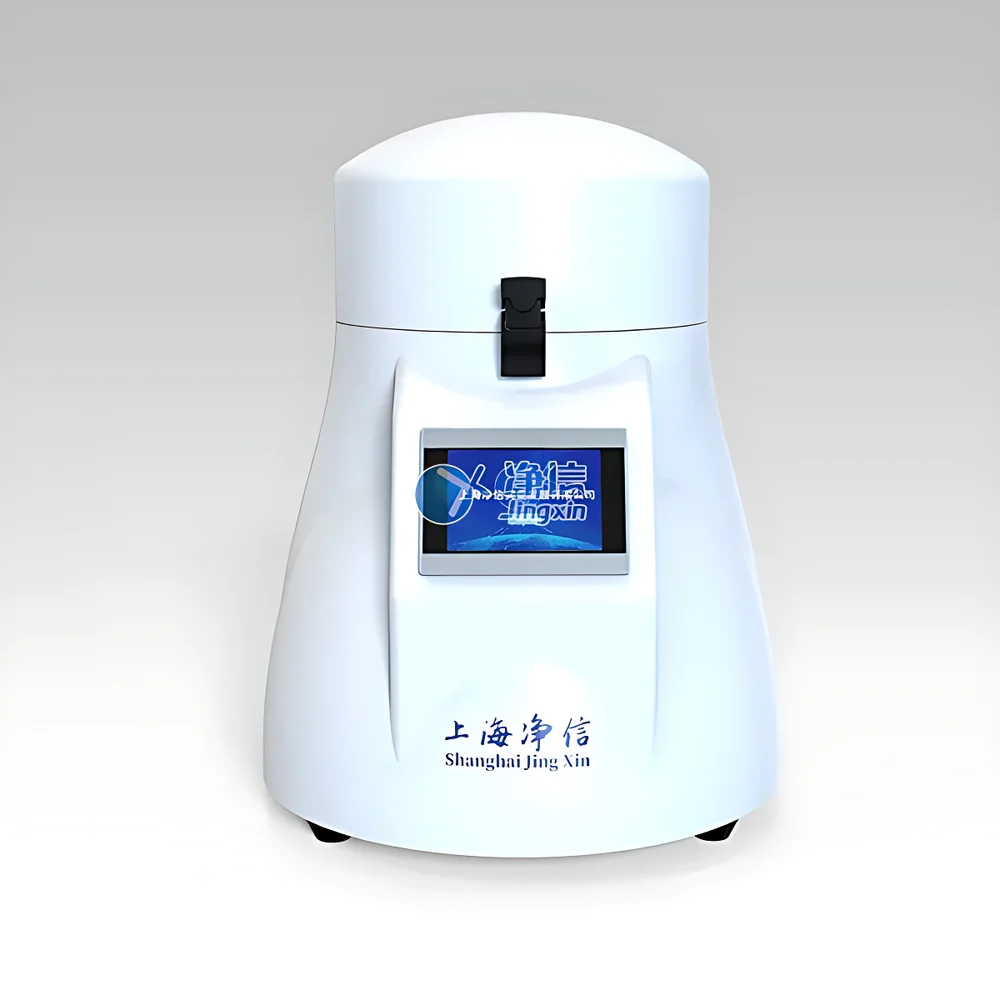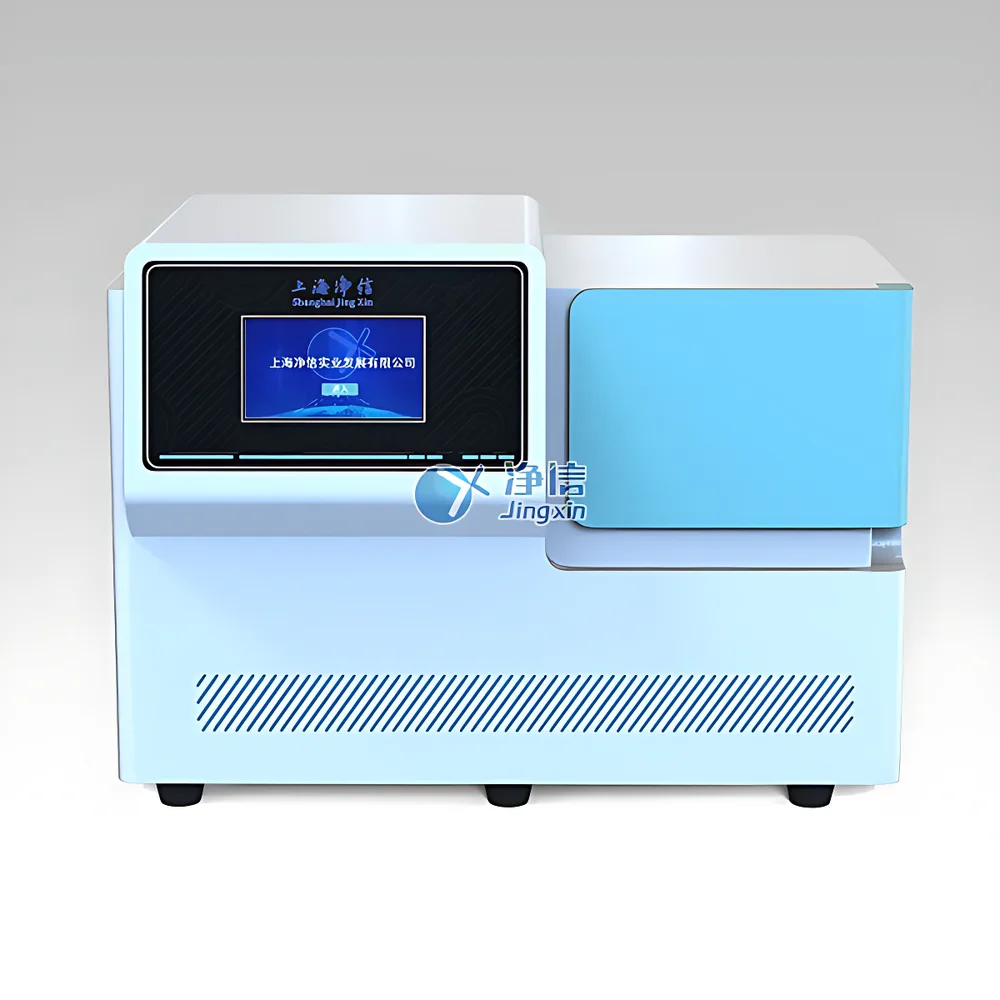
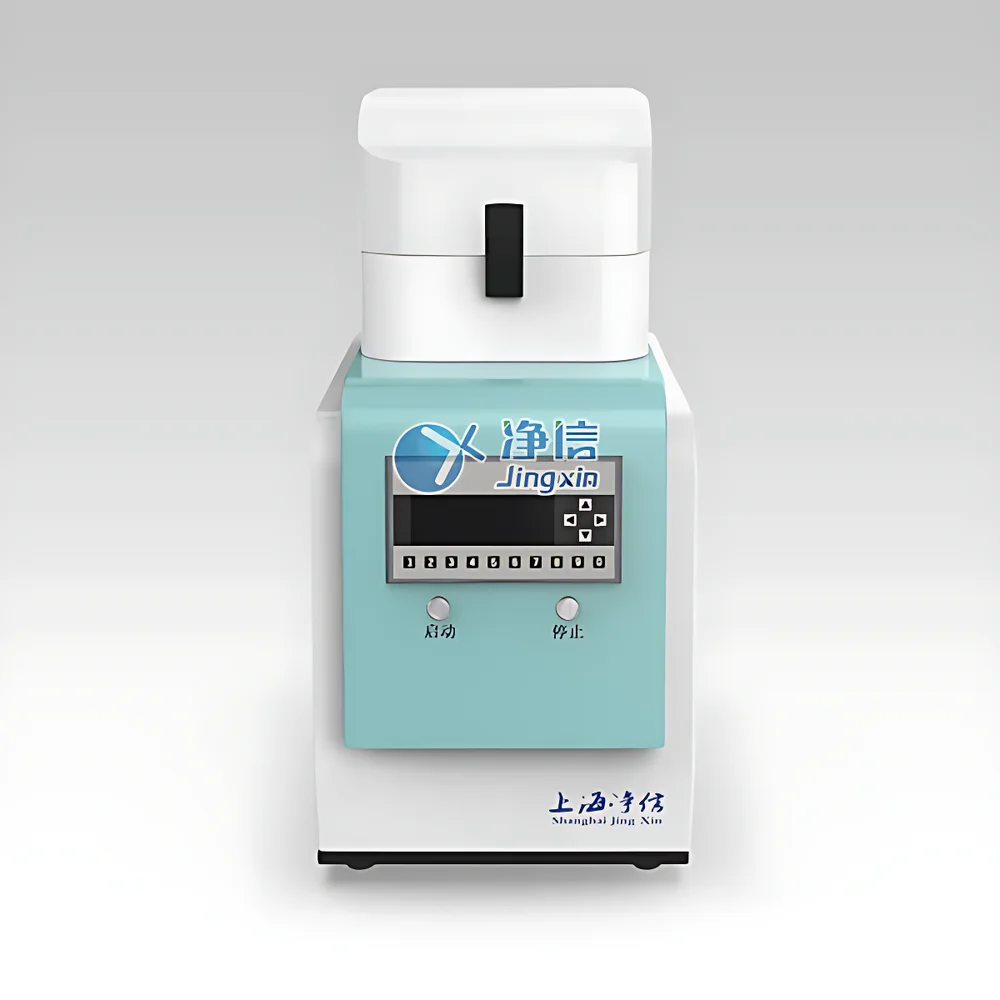
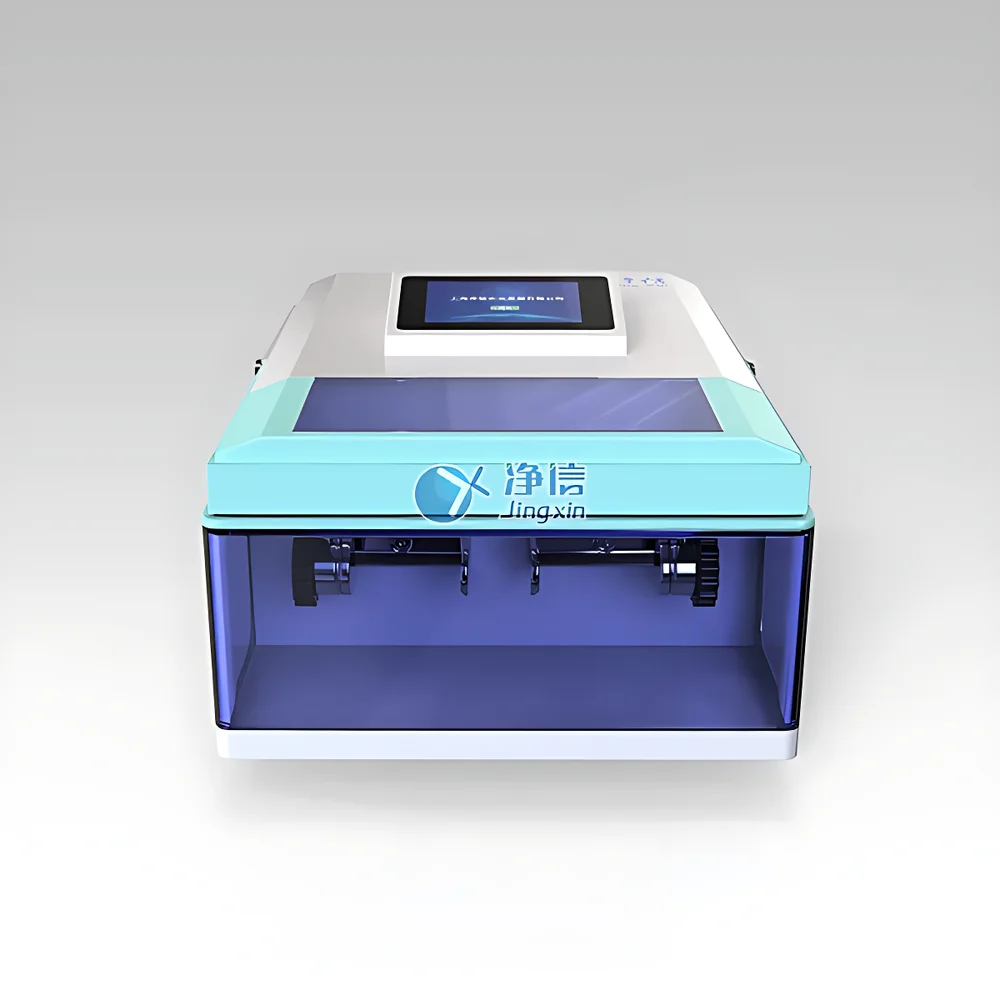
Jingxin JXFSTPRP-24L High-Capacity Cryogenic Tissue Grinder with 3D Orbital Oscillation

| Brand | Jingxin (Shanghai Jingxin Scientific Instrument Co., Ltd.) |
|---|---|
| Origin | Shanghai, China |
| Manufacturer Type | OEM-capable manufacturer with in-house R&D and production |
| Product Category | Domestic |
| Model | JXFSTPRP-24L |
| Price Range | USD 6,300 – 16,800 (FOB Shanghai) |
Ask about pricing, availability and specifications.
Overview
The Jingxin JXFSTPRP-24L is a high-throughput, cryogenically compatible tissue grinder engineered for rapid, reproducible mechanical lysis and homogenization of biological and non-biological samples. It operates on the principle of high-frequency 3D orbital oscillation—specifically an optimized “figure-eight” motion path—combined with inert grinding media (e.g., stainless steel, zirconia, or tungsten carbide beads) to deliver intense, multidirectional impact forces. This motion profile ensures uniform energy distribution across all sample tubes simultaneously, minimizing thermal buildup and maximizing cell disruption efficiency—even for recalcitrant tissues such as bone, plant lignocellulose, or fungal cell walls. Unlike conventional vortex or bead-beating systems limited to single-tube processing, the JXFSTPRP-24L supports parallel processing of up to 24 tubes (including configurations for 0.2–0.5 mL, 2 mL, 5 mL, 7–15 mL, and 25–50 mL volumes), making it suitable for high-volume genomics, proteomics, metabolomics, and environmental sample preparation workflows. Its modular architecture allows seamless integration with liquid nitrogen cooling or optional air-cooling units to maintain sub-zero temperatures during grinding—critical for preserving labile analytes (e.g., RNA, enzymes, post-translational modifications) and preventing heat-induced degradation.
Key Features
- 3D figure-eight oscillation mechanism with programmable frequency range of 0–70 Hz, enabling precise control over mechanical energy input
- Reinforced central drive shaft (≥10 mm diameter) and imported high-torque motor (Germany-sourced components, IBIDI-licensed design) for long-term operational stability under load
- Touchscreen interface with 20 programmable method presets—including pre-optimized protocols for animal organs (heart, liver, kidney), bone, hair, plant tissues, bacteria, yeast, and forensic specimens
- Automated cycling mode: executes sequential parameter sets without manual intervention, reducing inter-operator variability
- Integrated safety system: auto-locking lid with position-sensing interlock, acoustic damping chamber (<55 dB(A)), and centrifugal force-balanced adapter clamping
- Modular adapter platform: accepts custom-fabricated tube holders for non-standard vial geometries; supports optional cryo-adapters for direct liquid nitrogen immersion
- Corrosion-resistant housing and wet-zone components compliant with ISO 13485-grade surface finish standards for cleanroom-compatible operation
Sample Compatibility & Compliance
The JXFSTPRP-24L accommodates diverse sample types across life sciences, clinical diagnostics, forensics, environmental monitoring, and materials science. Verified compatibility includes soft mammalian tissues (brain, spleen), fibrous plant material (roots, stems, seeds), microbial biomass (E. coli, S. cerevisiae, filamentous fungi), mineralized tissues (bone, teeth), polymers (PE, PS, resins), volatile organics (coal, oil shale, wax), pharmaceutical tablets, and forensic evidence (hair, calcified fragments). All grinding protocols are designed to meet GLP-aligned documentation requirements. Data storage (20 method profiles with timestamped execution logs) supports audit readiness per FDA 21 CFR Part 11 when paired with validated LIMS integration. The instrument’s closed-tube workflow eliminates cross-contamination risks and complies with ISO 15195:2018 (clinical laboratory quality requirements) and ASTM E2912-22 (standard practice for mechanical homogenization of biological samples).
Software & Data Management
The embedded firmware provides intuitive touchscreen navigation with real-time display of frequency, duration, cycle count, and active protocol ID. Each stored method retains full parameter metadata—including tube configuration, bead type/size, target temperature (if cryo-enabled), and dwell time—ensuring full traceability. Experimental data (start/stop timestamps, error codes, vibration amplitude feedback) are exportable via USB to CSV format for downstream statistical analysis. While the base system does not include cloud connectivity, its RS-232 and Ethernet ports support third-party SCADA integration for centralized lab equipment monitoring. For regulated environments, optional IQ/OQ documentation packages and electronic signature modules are available upon request to facilitate GMP-compliant validation.
Applications
- RNA/DNA extraction from fibrous or lipid-rich tissues where enzymatic lysis fails
- Preparation of homogeneous suspensions for LC-MS/MS-based proteomics and metabolomics
- Cell wall disruption of Gram-positive bacteria and yeast for intracellular protein recovery
- Homogenization of soil and sediment samples for environmental DNA (eDNA) metabarcoding
- Forensic sample processing under chain-of-custody conditions (no sample loss; sealed-tube workflow)
- Pharmaceutical tablet content uniformity testing per USP
- Cryo-milling of thermolabile polymers for SEM/TEM sample preparation
FAQ
Can the JXFSTPRP-24L be used for RNA isolation without degradation?
Yes—when operated with liquid nitrogen cooling or integrated air-refrigeration, the system maintains sample temperatures below −80 °C throughout grinding, effectively inhibiting RNase activity.
What grinding media options are supported, and how do I select the appropriate bead size?
Stainless steel (0.1–3 mm), zirconia (0.5–2 mm), tungsten carbide (1–3 mm), and quartz sand (50–200 µm) are validated. Bead diameter selection depends on sample viscosity and desired particle size; guidelines are provided in the operator manual.
Is method transfer between different JXFSTPRP models (e.g., 24L → 96L) straightforward?
Yes—parameter scaling follows empirically derived kinetic models based on mass-specific energy input (J/g); Jingxin provides cross-model optimization tables for seamless protocol migration.
Does the instrument comply with electromagnetic compatibility (EMC) standards for use in shared laboratory spaces?
It meets IEC 61326-1:2013 Class B emission limits and EN 61000-4-2/3/4/6 immunity requirements, ensuring stable operation near sensitive analytical instruments.
Can I retrofit my existing JXFSTPRP-24L with liquid nitrogen cooling after purchase?
Yes—the base unit is pre-configured for cryo-upgrade; only the LN₂ flow controller, insulated adapter, and vapor-phase delivery manifold require installation.
More from Jingxin (Shanghai Jingxin Scientific Instrument Co., Ltd.)
View all Jingxin (Shanghai Jingxin Scientific Instrument Co., Ltd.) products → Jingxin JXFSTPRP-192CL High-Speed Cryogenic Grinding and Homogenization System
- Jingxin JX-CKSM-4WK 4-Channel Temperature-Controlled Single-Cell Suspension Preparation System
- Jingxin JX-24 High-Efficiency Automated Cryogenic Tissue Grinder
- Jingxin Tissuelyser-192 High-Throughput Cryogenic Tissue Homogenizer