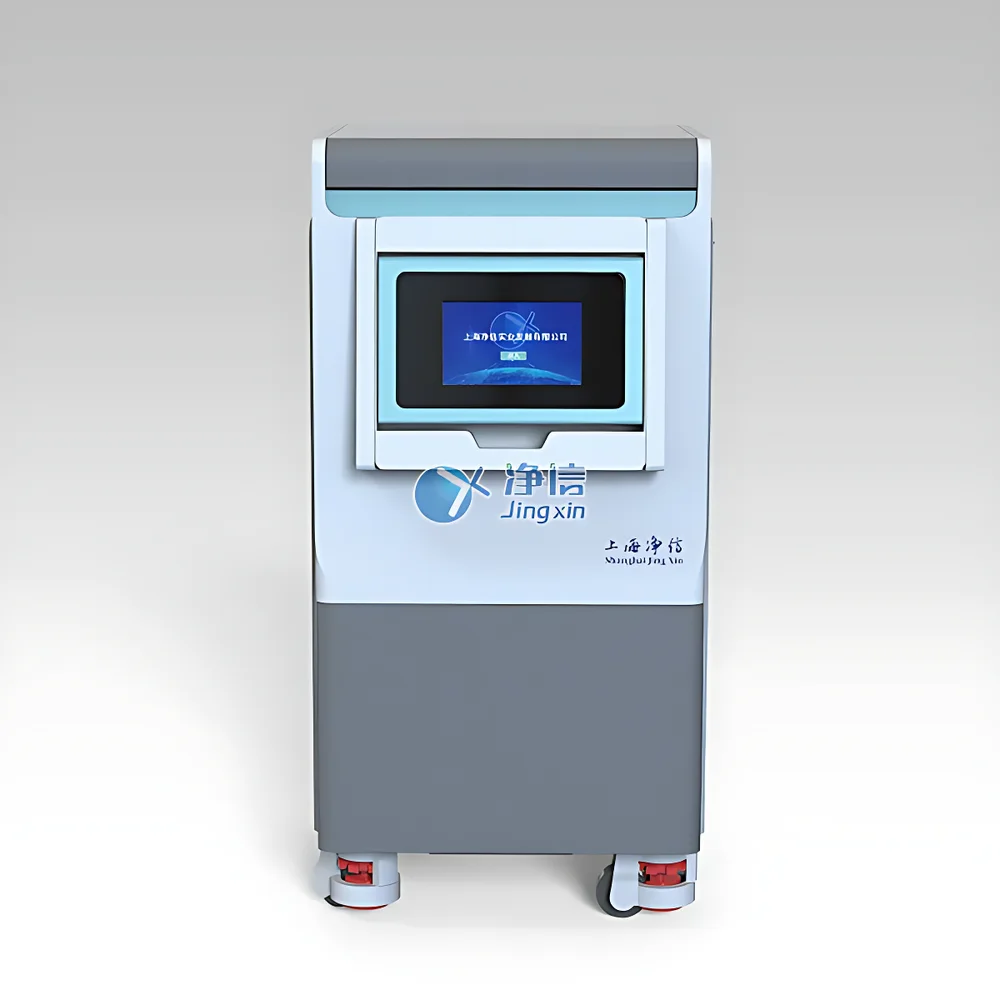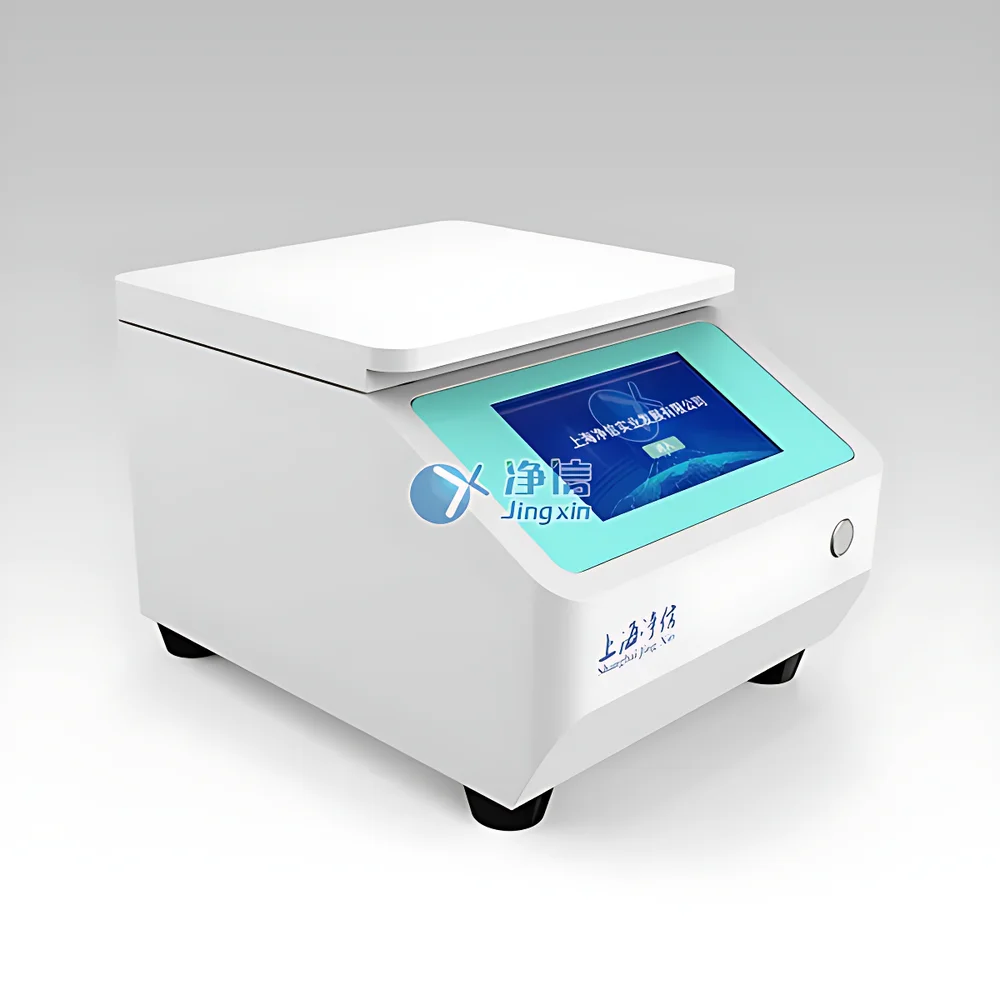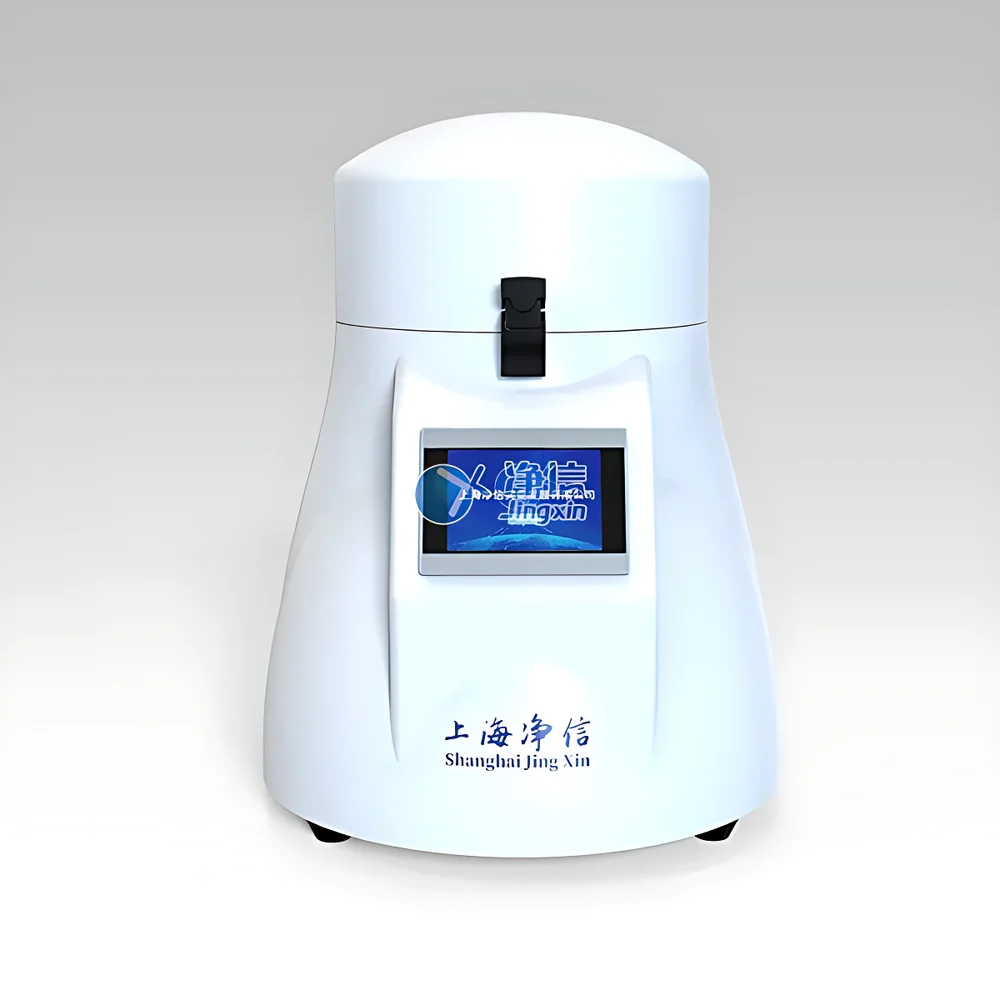
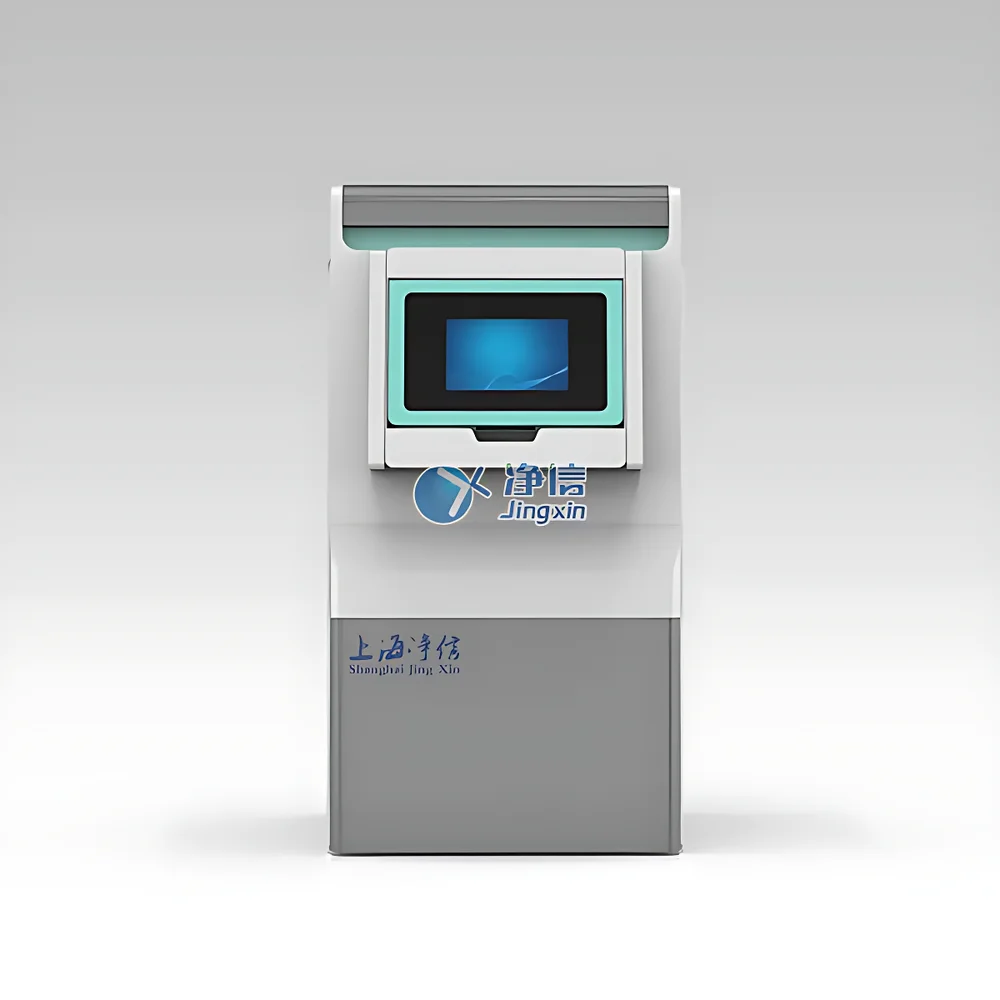
Jingxin JXFSTPRP-CL Cryogenic Tissue Grinder with Liquid Nitrogen Cooling

| Brand | Jingxin (Shanghai Jingxin Scientific Instrument Co., Ltd.) |
|---|---|
| Origin | Shanghai, China |
| Manufacturer Type | OEM/ODM Manufacturer |
| Country of Origin | China |
| Model | JXFSTPRP-CL |
| Price | USD 10,800 (FOB Shanghai) |
| Temperature Range | –50 °C to ambient |
| Temperature Control Accuracy | ±2 °C |
| Throughput | Up to 192 samples per run |
| Final Particle Size | ~5 µm |
| Noise Level | <55 dB(A) |
| Frequency Range | 0–70 Hz (0–2100 rpm equivalent) |
| Grinding Time | 0–9999 s programmable |
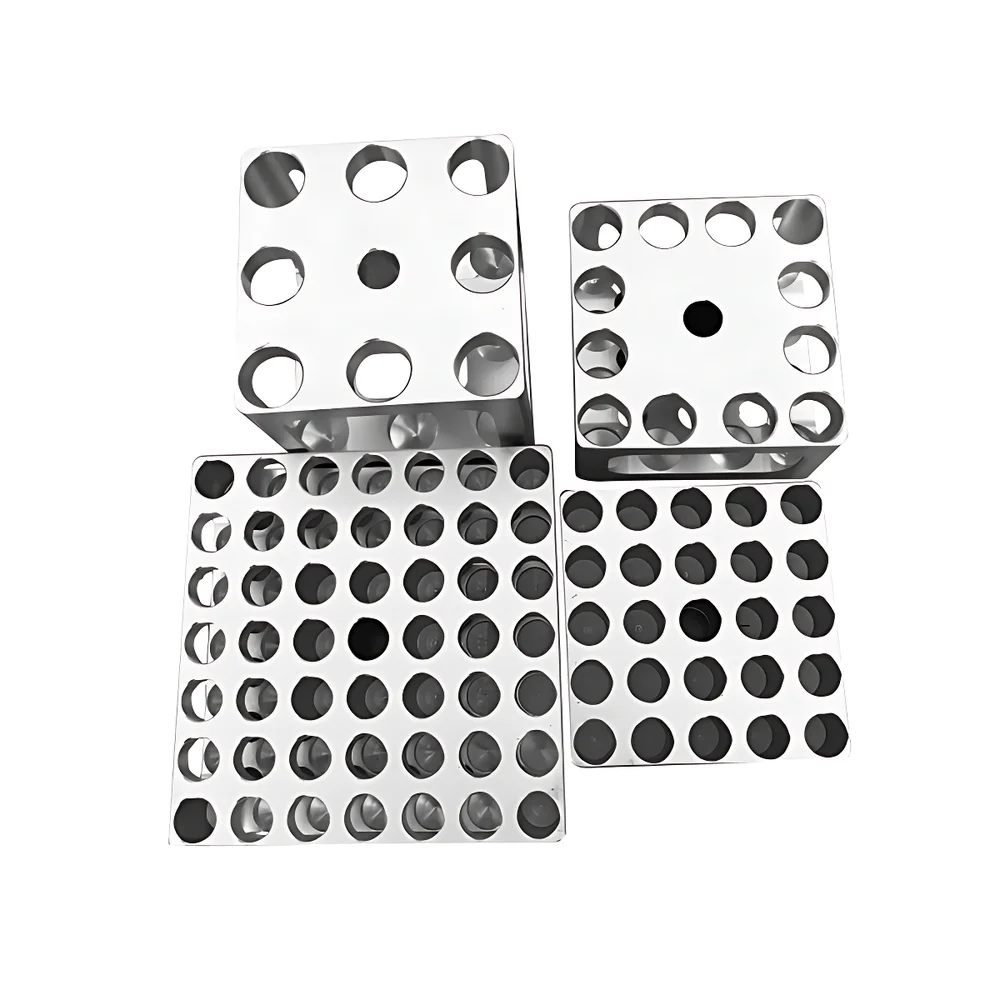
| Sample Capacity Options | 64 × 0.2–0.5 mL, 64 × 2 mL, 12 × 5–15 mL, 4 × 25 mL, 2 × 50 mL |
| Grinding Modes | Dry, Wet, Cryogenic |
| Compatible Cryo Accessories | PTFE & stainless steel cryo-adapters, liquid nitrogen delivery system, air-cooling upgrade kit |
| Data Storage | 20 user-defined protocols |
| Safety | Electromagnetic lid lock, automatic centering clamping, sealed grinding chamber |
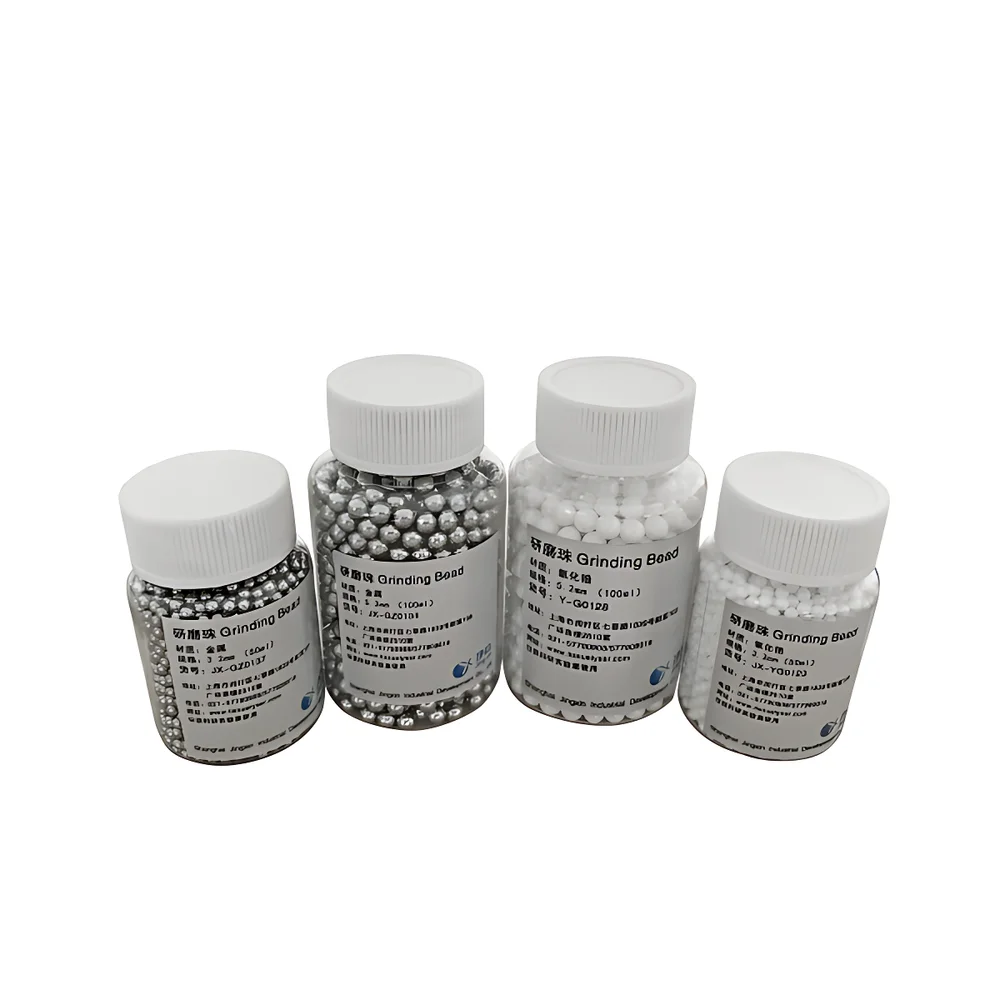
| Grinding Media | Stainless steel, chrome steel, zirconia, tungsten carbide, quartz beads (0.1–30 mm) |
Ask about pricing, availability and specifications.
Overview
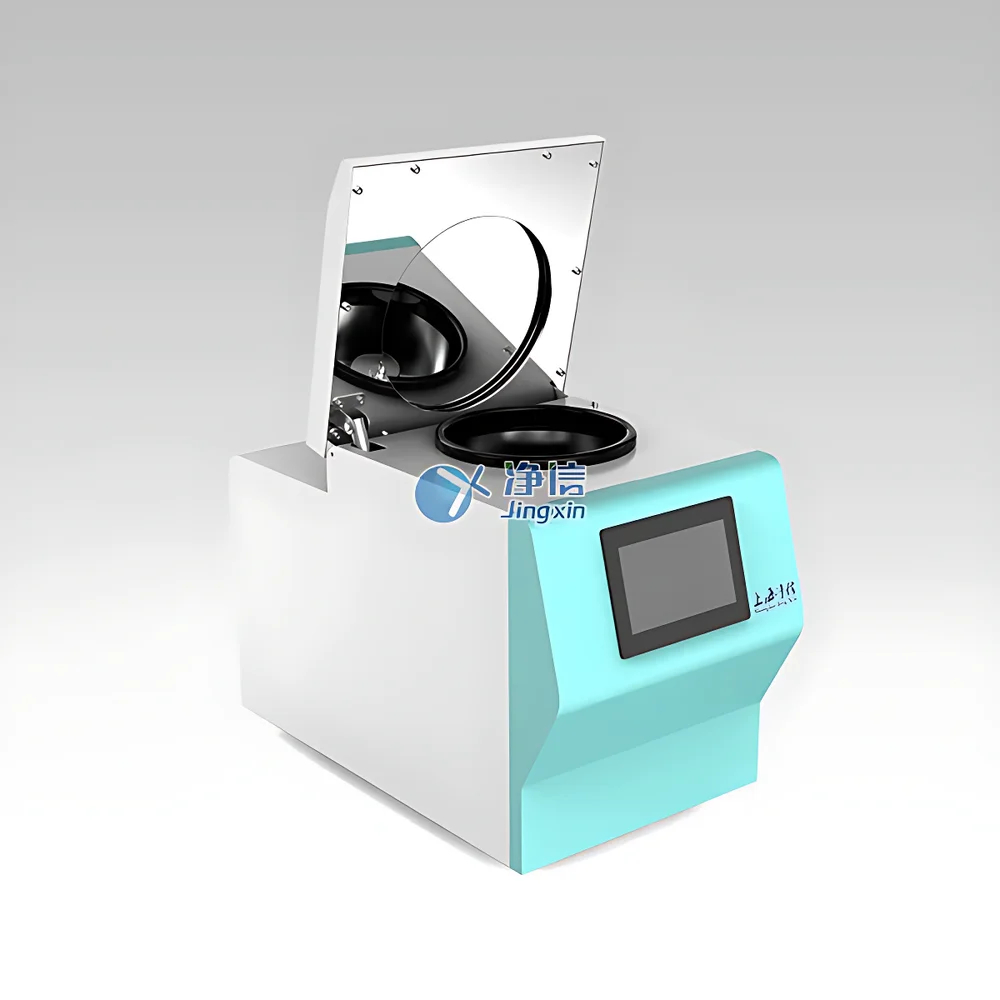
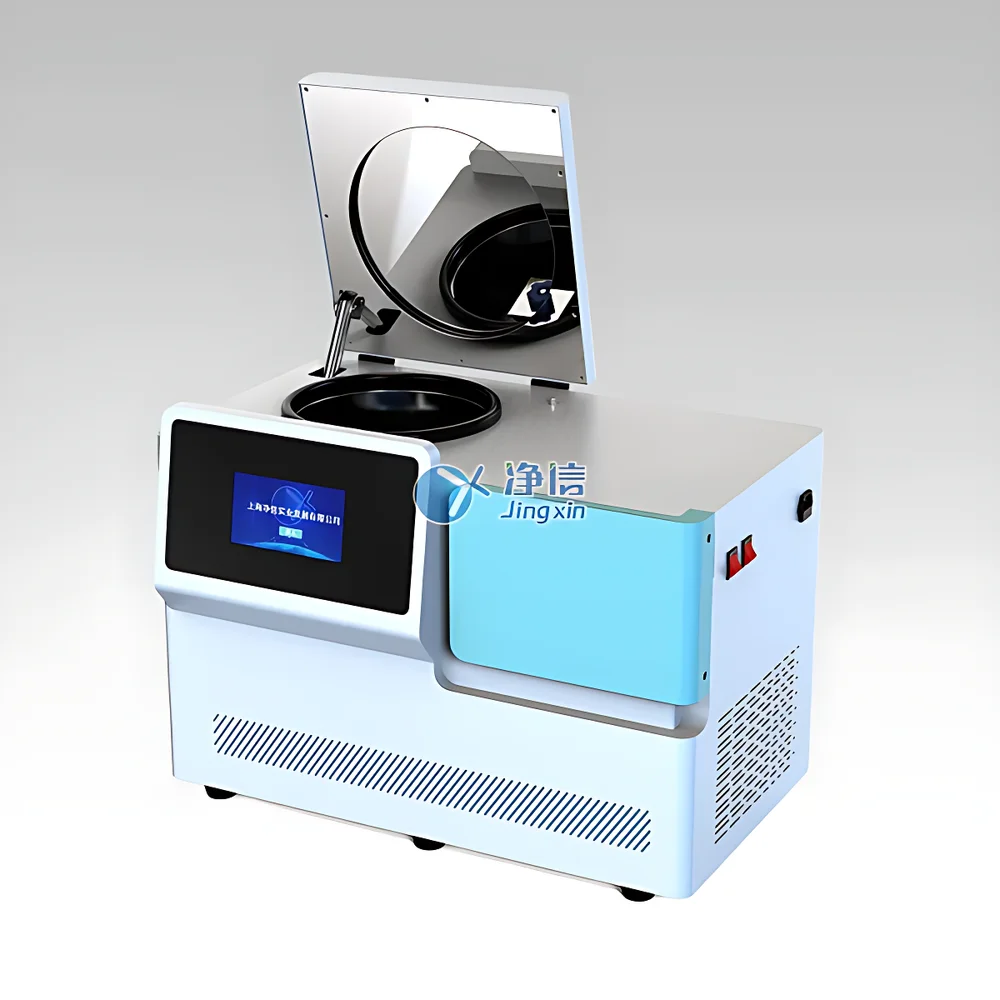
The Jingxin JXFSTPRP-CL Cryogenic Tissue Grinder is an engineered benchtop high-throughput homogenizer designed for reproducible, low-temperature mechanical disruption of thermolabile and mechanically resilient biological and non-biological materials. It operates on the principle of high-frequency reciprocating impact grinding—where samples contained in sealed tubes are subjected to rapid vertical oscillation against grinding beads under precisely controlled cryogenic conditions. By cooling samples to –50 °C prior to or during grinding, the instrument induces embrittlement in otherwise ductile or heat-sensitive matrices—including mammalian tissues, plant cell walls, microbial cells, polymers, pharmaceutical excipients, and geological specimens—thereby enabling efficient size reduction without thermal degradation, enzymatic activity, or volatile loss. This physical homogenization method eliminates reliance on chemical lysis reagents or sonication-induced heating, making it ideal for applications demanding molecular integrity preservation, such as nucleic acid isolation, native protein extraction, and metabolite profiling under GLP-compliant workflows.
Key Features
- Programmable cryogenic operation: Integrated liquid nitrogen delivery interface supports real-time temperature maintenance from –50 °C to ambient, with ±2 °C control accuracy across all sample positions.
- High-throughput capability: Simultaneous processing of up to 192 samples using modular adapters (e.g., 96-well PCR plate-compatible holders), ensuring scalability for biobanking, clinical cohort studies, and QC batch testing.
- Consistent particle size distribution: Achieves median output particle size of ~5 µm under standardized protocols, validated via laser diffraction analysis of ground powders.
- Contamination-free processing: Fully enclosed grinding chamber with electromagnetic safety interlock prevents aerosol escape and cross-contamination between runs.
- Reproducible automation: Stores 20 customizable grinding programs—including frequency ramping, multi-stage cycling, dwell intervals, and timed LN₂ injection triggers—to minimize operator variability.
- Low-noise architecture: Brushless frequency-controlled motor and vibration-damped chassis maintain acoustic emissions below 55 dB(A) at 1 m distance, suitable for shared laboratory environments.
- Maintenance-free design: No consumable drive belts or lubricated gears; stainless steel interior chamber allows autoclaving or ethanol wipe-down between uses.
Sample Compatibility & Compliance
The JXFSTPRP-CL accommodates diverse sample types requiring structural stabilization prior to mechanical disruption: fresh/frozen animal tissues (liver, brain, muscle), plant leaves and seeds, yeast/bacterial pellets, fibrous polymers (PE, PS, epoxy resins), pharmaceutical tablets, coal and shale fragments, and forensic trace evidence. Its cryogenic workflow aligns with ISO 17025 requirements for method validation in accredited labs and supports compliance with FDA 21 CFR Part 11 when paired with Jingxin’s optional audit-trail-enabled software module. For nucleic acid workflows, the system meets ASTM E1925–22 guidelines for mechanical homogenization of biospecimens prior to RNA/DNA extraction, minimizing RNase-mediated degradation and preserving transcript integrity for downstream qRT-PCR or NGS library preparation.
Software & Data Management
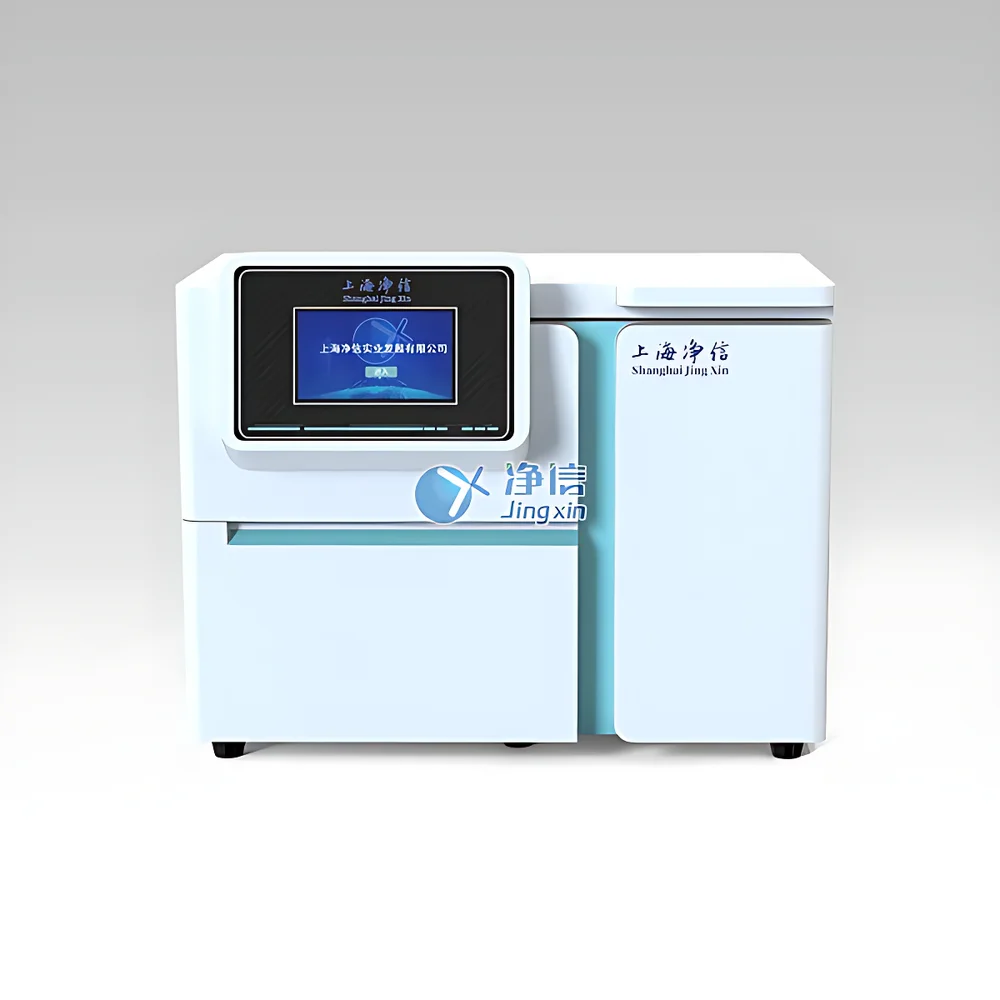
The embedded 7-inch capacitive touchscreen provides intuitive parameter configuration—including frequency (0–70 Hz), duration (0–9999 s), pause intervals, and LN₂ flow timing—with visual feedback on real-time status indicators. All executed protocols are timestamped and stored locally with metadata (operator ID, sample ID prefix, adapter type, bead material). Exportable CSV logs include cycle count, peak acceleration, and thermal event markers. Optional PC-based Jingxin LabControl™ software enables remote monitoring, LIMS integration via HL7 or CSV export, and automated report generation compliant with ISO/IEC 17025 documentation standards. Audit trails record all parameter modifications, user logins, and emergency stop events—supporting regulatory inspections under GMP, GLP, and CLIA frameworks.
Applications
- Nucleic Acid Isolation: Enables rapid lysis of fibrous or lipid-rich tissues while suppressing endogenous nuclease activity—critical for high-yield, high-integrity genomic DNA and total RNA recovery from spleen, lung, or adipose tissue.
- Proteomics Sample Prep: Maintains native conformation and post-translational modifications during cell disruption, facilitating immunoprecipitation-grade lysate preparation for mass spectrometry analysis.
- Pharmaceutical Solid-State Characterization: Produces homogeneous micronized API blends for dissolution testing and polymorph screening without thermal-induced phase transitions.
- Environmental & Geochemical Analysis: Facilitates complete digestion of siliceous plant matter, lignocellulosic biomass, or mineral-bound organic compounds prior to ICP-MS or GC-MS quantification.
- Materials Science Research: Generates uniform polymer nanocomposite dispersions and brittle ceramic precursor powders for sintering optimization studies.
FAQ
Does the JXFSTPRP-CL require liquid nitrogen for all applications?
No. While liquid nitrogen delivery is standard for ultra-low-temperature operation, the system supports optional air-cooling retrofit kits for applications requiring only mild chilling (e.g., –20 °C stabilization).
Can I use existing 2 mL microcentrifuge tubes with this grinder?
Yes. The instrument accepts standard conical-bottom 2 mL tubes when mounted in Jingxin’s certified PTFE or stainless steel adapters—validated for >1000 cycles without deformation.
How is temperature uniformity ensured across all sample positions?
Each adapter block features integrated thermal mass balancing and LN₂ dispersion channels; empirical validation confirms ≤±1.5 °C variance across 96-position configurations after 60 s precooling.
Is the system compatible with Good Manufacturing Practice (GMP) documentation requirements?
When configured with Jingxin LabControl™ and electronic signature modules, the system supports 21 CFR Part 11-compliant electronic records, including user authentication, change history, and tamper-evident audit logs.
What maintenance intervals are recommended for long-term reliability?
Zero scheduled maintenance is required. Routine cleaning of the chamber and adapter surfaces is sufficient; no calibration certificates or recalibration services are needed under normal operating conditions.
More from Jingxin (Shanghai Jingxin Scientific Instrument Co., Ltd.)
View all Jingxin (Shanghai Jingxin Scientific Instrument Co., Ltd.) products → Jingxin JXFSTPRP-192CL High-Speed Cryogenic Grinding and Homogenization System
- Jingxin JX-CKSM-4WK 4-Channel Temperature-Controlled Single-Cell Suspension Preparation System
- Jingxin JX-24 High-Efficiency Automated Cryogenic Tissue Grinder
- Jingxin Tissuelyser-192 High-Throughput Cryogenic Tissue Homogenizer