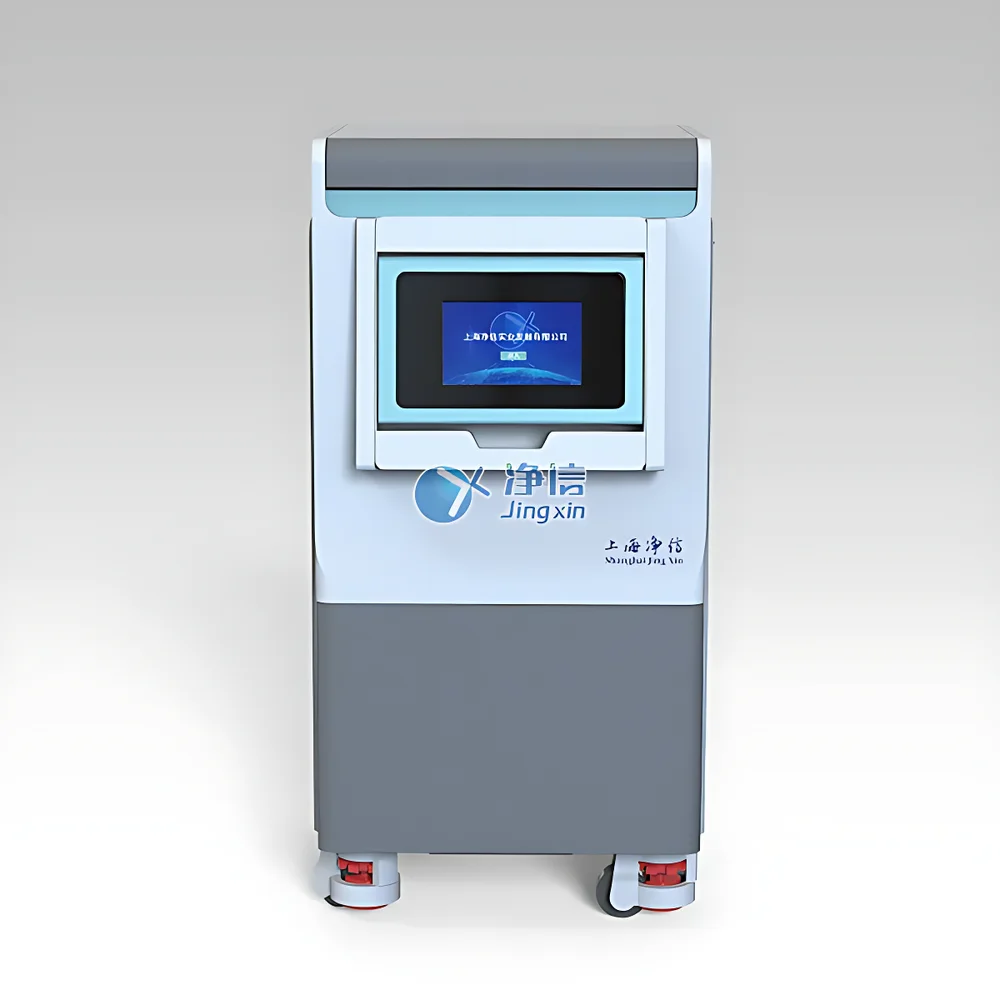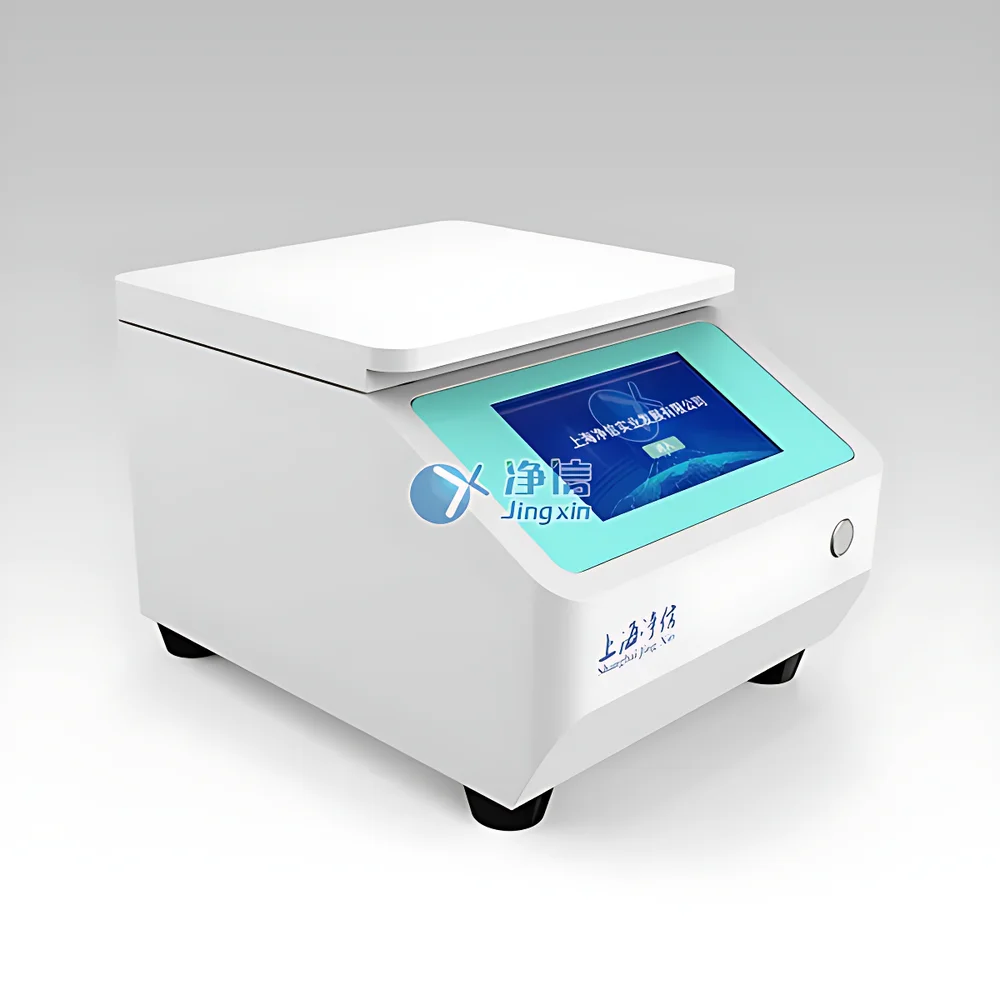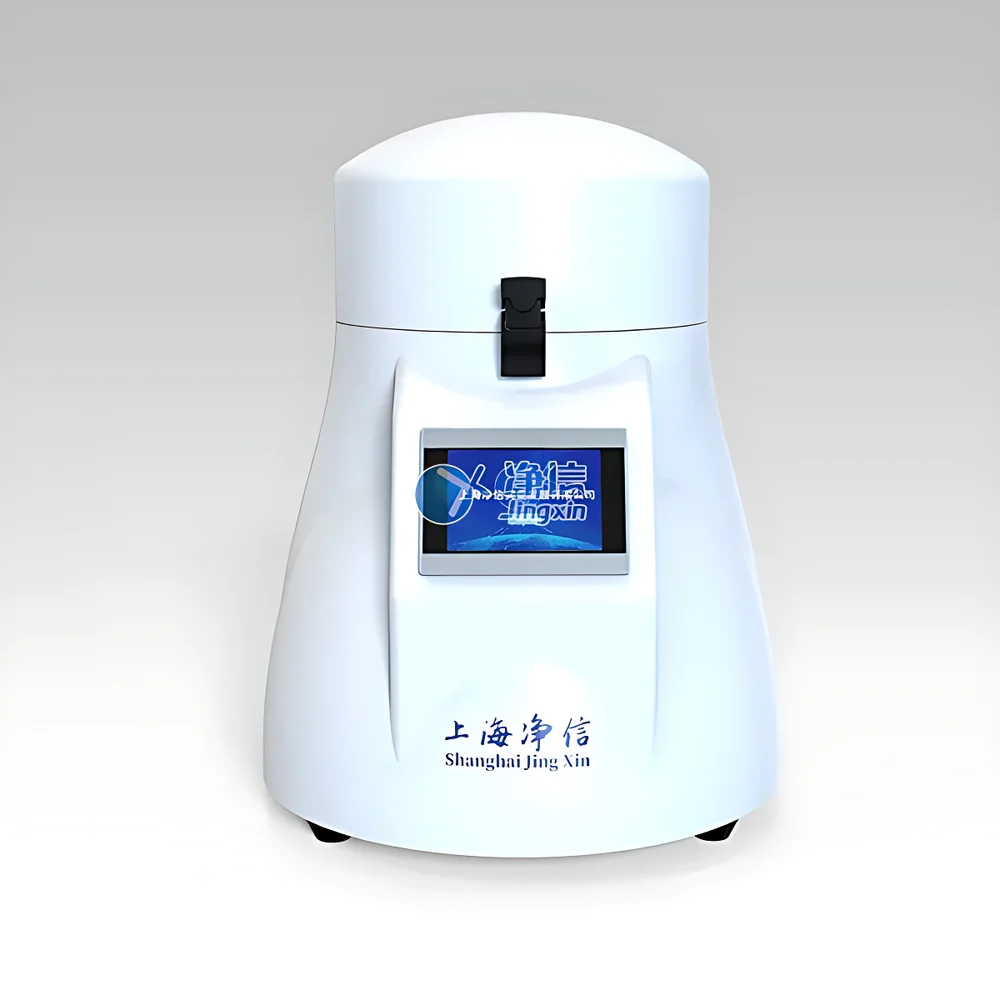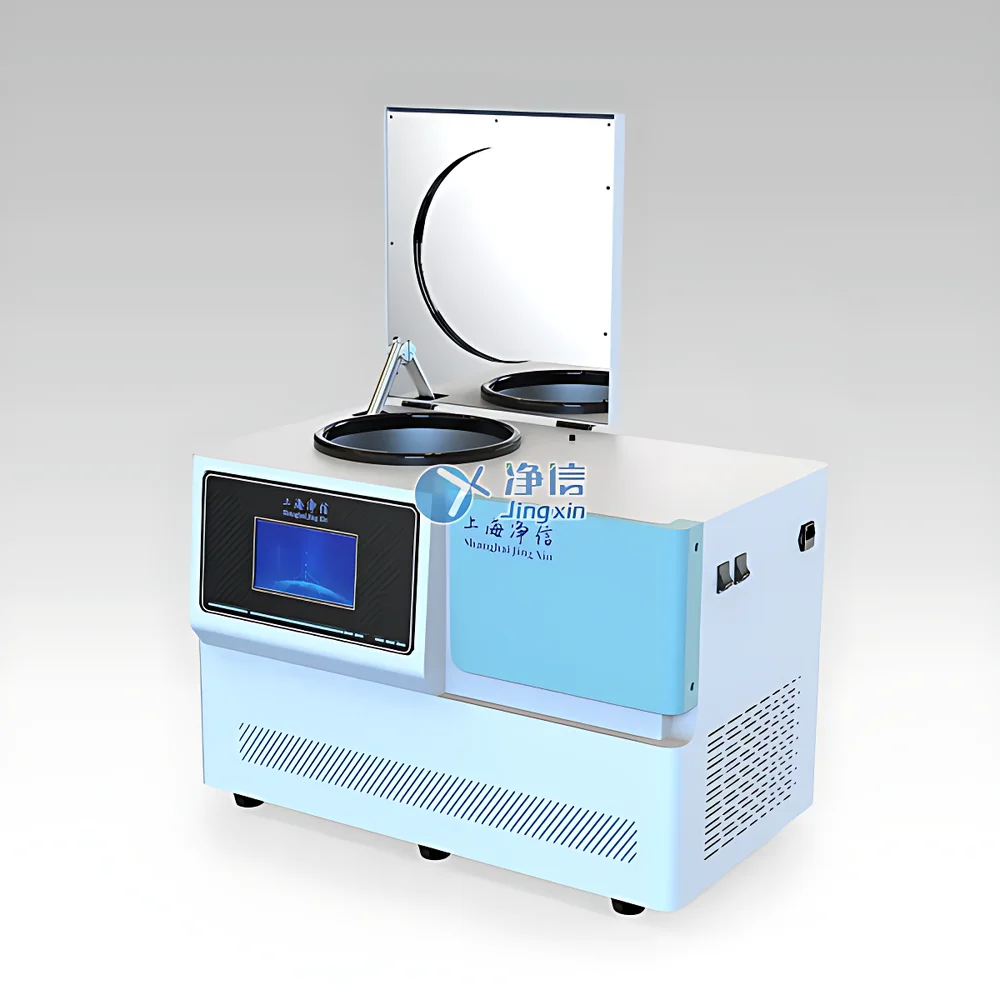
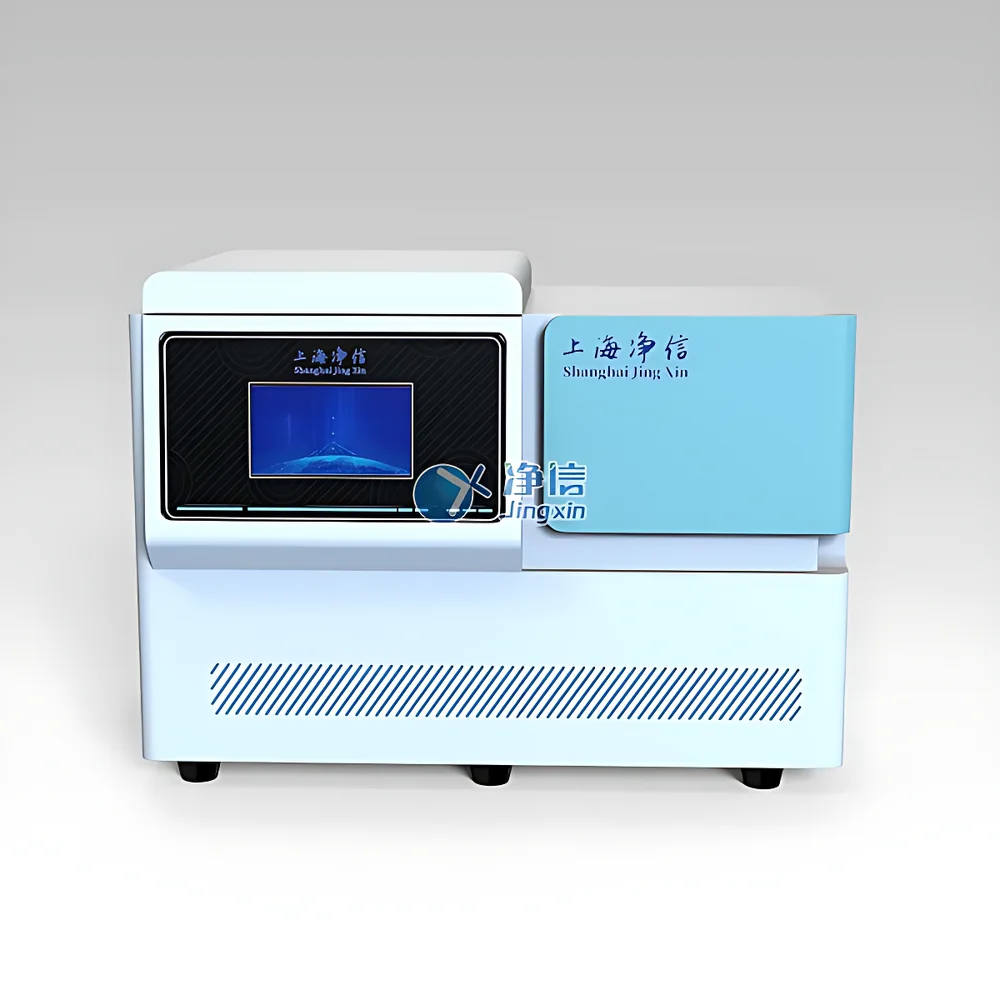
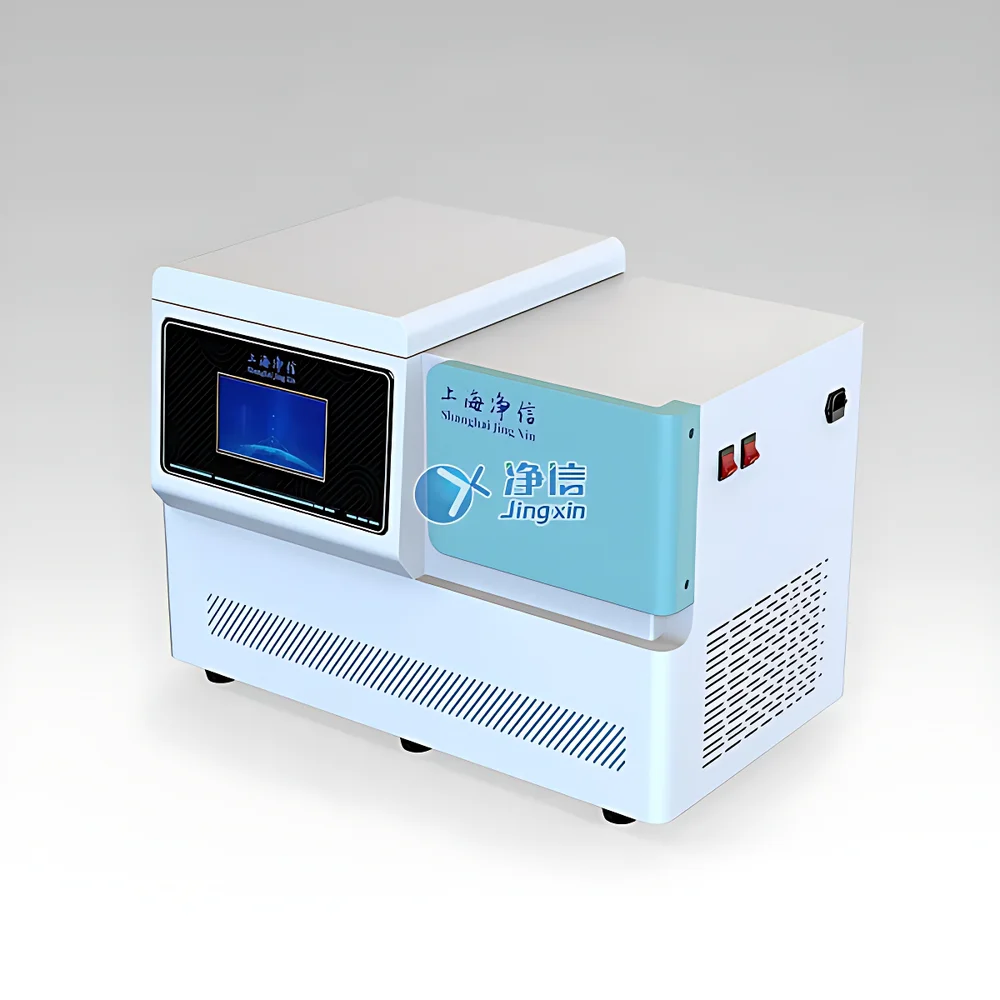
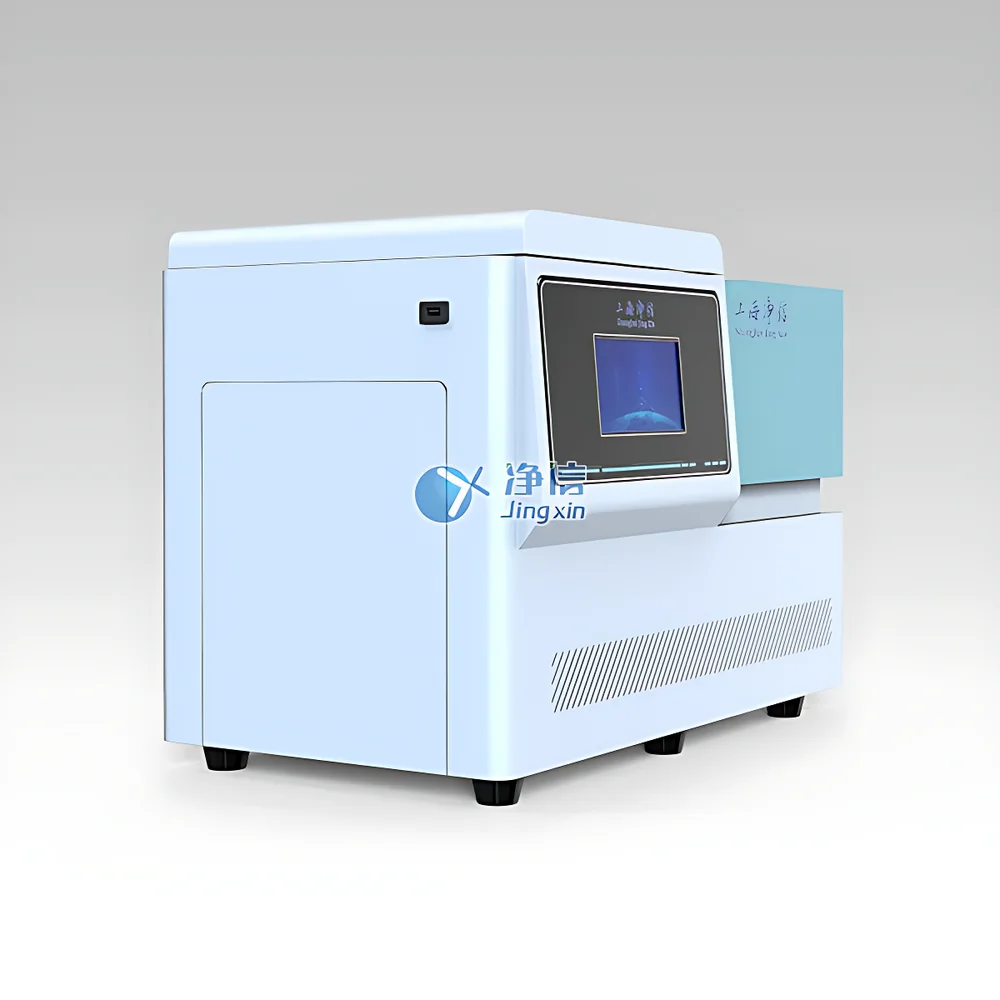
Jingxin JXFSTPRP-CLN-24 Cryogenic Tissue Grinder

| Brand | Jingxin (Shanghai Jingxin Scientific Instrument Co., Ltd.) |
|---|---|
| Origin | Shanghai, China |
| Manufacturer Type | Direct Manufacturer |
| Country of Origin | China |
| Model | JXFSTPRP-CLN-24 |
| Cooling Range | −50 °C to ambient temperature |
| Temperature Accuracy | ±0.5 °C |
| Maximum Sample Capacity | 192 samples per run |
| Final Particle Size | ~5 µm |
| Grinding Frequency | 0–70 Hz |
| Processing Time | 0–9999 s (user-programmable) |
| Grinding Vessel Compatibility | 0.2–50 mL tubes, deep-well plates (96-well), custom adapters available |
| Grinding Media Diameter | 0.1–30 mm |
| Grinding Media Materials | Stainless steel, chromium steel, zirconia, tungsten carbide, quartz |
| Noise Level | <55 dB(A) |
| Drive Motor | Brushless frequency-controlled motor |
| Safety Features | Electromagnetic lid lock, automatic centering clamping, sealed grinding chamber |
| Chamber Material | Stainless steel interior |
| Data Storage | 20 user-defined protocols + 20 experiment logs |
| Display | Touchscreen interface with pre-configured tissue-specific modes (e.g., heart, liver, bone, hair, soil) |
Ask about pricing, availability and specifications.
Overview
The Jingxin JXFSTPRP-CLN-24 Cryogenic Tissue Grinder is a high-throughput, programmable benchtop homogenizer engineered for rapid, reproducible mechanical disruption of biological and non-biological samples under precisely controlled low-temperature conditions. It operates on the principle of high-frequency oscillatory impact grinding: samples—placed in sealed tubes or cryo-adapters alongside grinding beads—are subjected to vigorous lateral motion at programmable frequencies (0–70 Hz), inducing repeated collisions between beads and sample matrix. This kinetic energy transfer facilitates simultaneous cell lysis, tissue homogenization, particle size reduction, and molecular stabilization—particularly critical for thermolabile analytes such as native proteins, intact RNA, labile metabolites, and chiral pharmaceutical compounds. Unlike liquid nitrogen–dependent systems, the CLN-24 integrates an integrated compressor-based cooling system capable of maintaining temperatures from −50 °C to ambient, eliminating cryogenic handling hazards while ensuring consistent thermal management throughout processing.
Key Features
- Active temperature control (−50 °C to ambient) with ±0.5 °C stability—critical for preserving enzyme activity, preventing RNA degradation, and minimizing volatile compound loss.
- High-throughput capacity: supports up to 192 samples simultaneously using standardized 24-position or 96-well-compatible adapters; compatible with tube volumes ranging from 0.2 mL to 50 mL and deep-well plates.
- Precision-engineered grinding platform with automatic centering clamping and electromagnetic lid interlock—ensures uniform force distribution and operator safety during operation.
- Sealed, stainless-steel grinding chamber with PTFE- or alloy-coated adapters—prevents cross-contamination and enables easy decontamination between runs (autoclavable components available).
- Touchscreen HMI with 20 programmable protocols and 20 stored experiment logs; includes pre-optimized modes for tissues (e.g., spleen, kidney, bone, hair), soil, polymers, and minerals.
- Brushless frequency-controlled motor delivering smooth acceleration/deceleration (≤2 s to target speed); noise emission <55 dB(A) for routine lab integration.
- No liquid nitrogen required—reduces operational complexity, eliminates frost-related handling risks, and avoids nitrogen-induced sample dilution or embrittlement artifacts.
- Modular grinding media support: beads from 0.1–30 mm in stainless steel, zirconia, tungsten carbide, chromium steel, or quartz—selected based on sample hardness and downstream application requirements.
Sample Compatibility & Compliance
The JXFSTPRP-CLN-24 accommodates diverse sample matrices without pretreatment: fresh/frozen animal tissues (including fibrous muscle and calcified bone), plant organs (roots, leaves, seeds), microbial cultures (bacteria, yeast, spores), environmental specimens (soil, sediment, compost), geological materials (minerals, ceramics), and synthetic polymers (thermoplastics, resins). Its closed-tube design meets ISO 17025 requirements for sample integrity and traceability. When operated with validated protocols, the system supports GLP-compliant workflows—including audit-trail-capable data logging—and aligns with USP guidance on analytical instrument qualification. Optional validation packages include temperature mapping reports and grinding repeatability studies per ASTM E2919-20.
Software & Data Management
The embedded control system records time-stamped parameters (frequency, duration, temperature setpoint, actual chamber temperature, cycle count) for each run. All 20 protocol definitions and 20 experimental logs are retained onboard with timestamped metadata. Export is supported via USB interface in CSV format for integration into LIMS or ELN platforms. Protocol cloning, parameter interpolation, and multi-step cycling (e.g., “grind–pause–grind”) minimize manual intervention and enhance inter-operator consistency—essential for regulated QC/QA environments subject to FDA 21 CFR Part 11 requirements.
Applications
- Nucleic acid isolation: Low-temperature grinding suppresses RNase activity and preserves transcript integrity for RNA-seq, qPCR, and long-read sequencing library prep.
- Proteomics sample prep: Maintains native conformation and post-translational modifications during lysis—ideal for co-immunoprecipitation, phosphoproteomics, and structural MS workflows.
- Phytochemical analysis: Prevents thermal degradation of terpenoids, alkaloids, and flavonoids during extraction from recalcitrant plant tissues.
- Environmental testing: Enables homogeneous sub-sampling of heterogeneous soils and sediments for heavy metal speciation (EPA Method 6010D) or pesticide residue analysis (AOAC 2007.01).
- Materials science: Facilitates dispersion of nanocomposites, milling of brittle ceramics, and particle size reduction of polymer blends prior to DSC/TGA or rheological characterization.
FAQ
Does the CLN-24 require liquid nitrogen?
No. It uses a built-in compressor-based refrigeration system operating from −50 °C to ambient temperature—eliminating LN₂ handling, storage, and associated safety protocols.
Can I process samples in standard microcentrifuge tubes?
Yes. The system supports multiple adapter configurations—including 24×2 mL, 48×0.5 mL, and 96-well formats—with optional custom machining for proprietary tube geometries.
How is temperature uniformity verified across the grinding chamber?
Temperature mapping is performed during factory calibration using NIST-traceable PT100 sensors at ≥9 spatial points; users may request a full mapping report upon installation.
Is the system compliant with Good Laboratory Practice (GLP) documentation standards?
Yes—when used with enabled data logging and protocol versioning, it satisfies core ALCOA+ principles (Attributable, Legible, Contemporaneous, Original, Accurate) for regulated laboratories.
What maintenance is required beyond routine cleaning?
None. The brushless motor, sealed bearings, and solid-state cooling system eliminate scheduled lubrication, belt replacement, or refrigerant recharging—designed for >10,000 operational hours without service intervention.
More from Jingxin (Shanghai Jingxin Scientific Instrument Co., Ltd.)
View all Jingxin (Shanghai Jingxin Scientific Instrument Co., Ltd.) products → Jingxin JXFSTPRP-192CL High-Speed Cryogenic Grinding and Homogenization System
- Jingxin JX-CKSM-4WK 4-Channel Temperature-Controlled Single-Cell Suspension Preparation System
- Jingxin JX-24 High-Efficiency Automated Cryogenic Tissue Grinder
- Jingxin Tissuelyser-192 High-Throughput Cryogenic Tissue Homogenizer