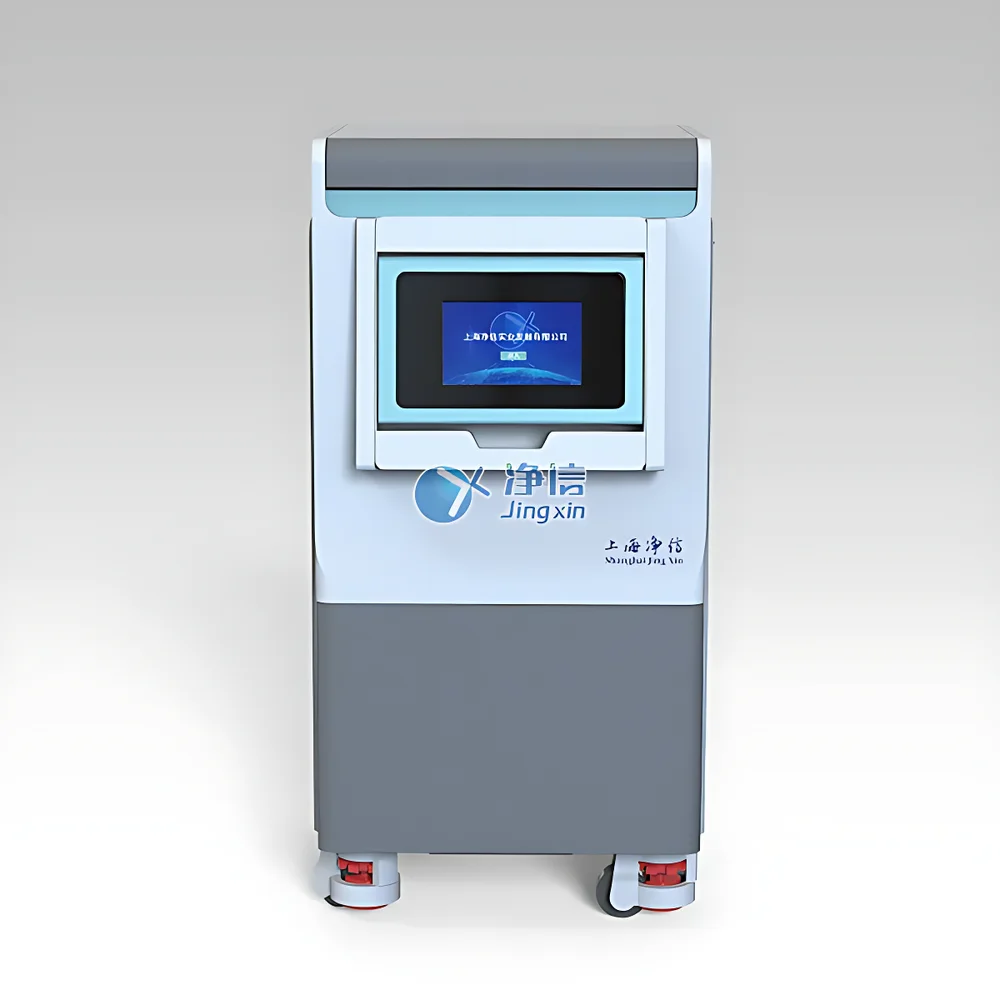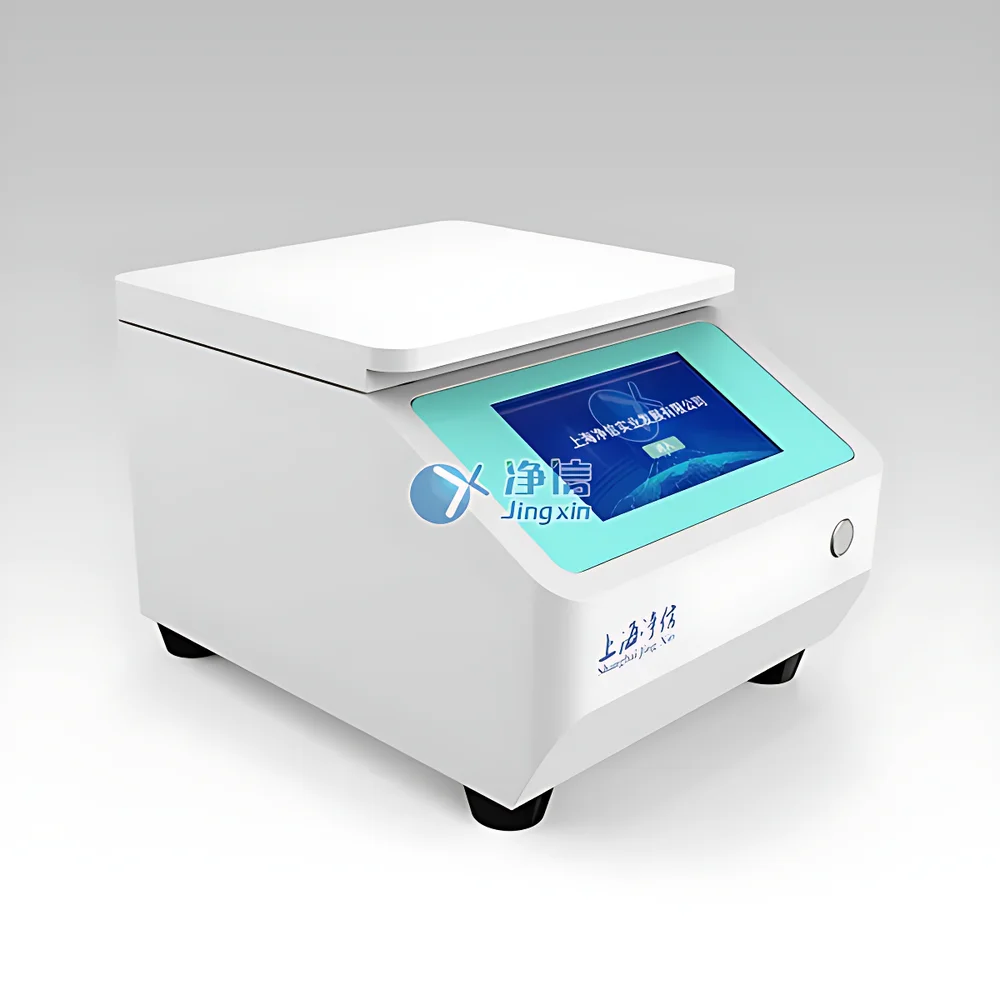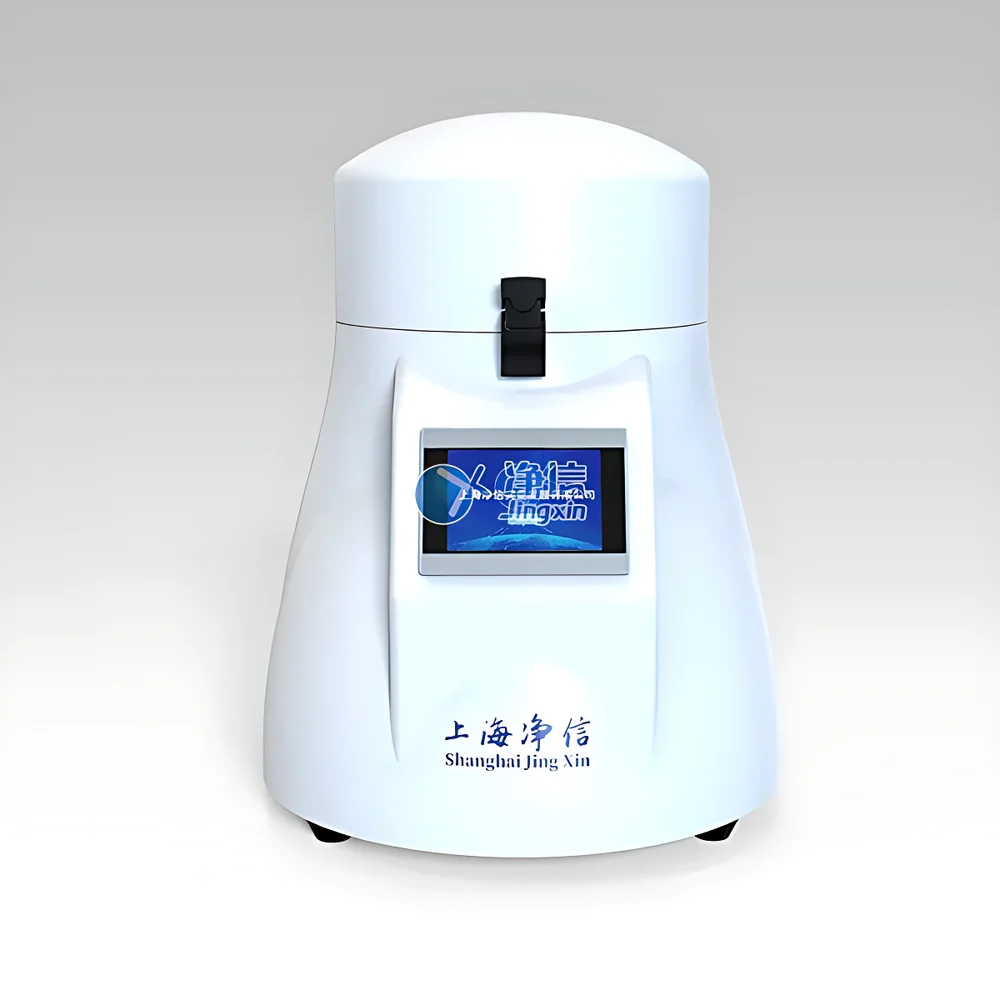
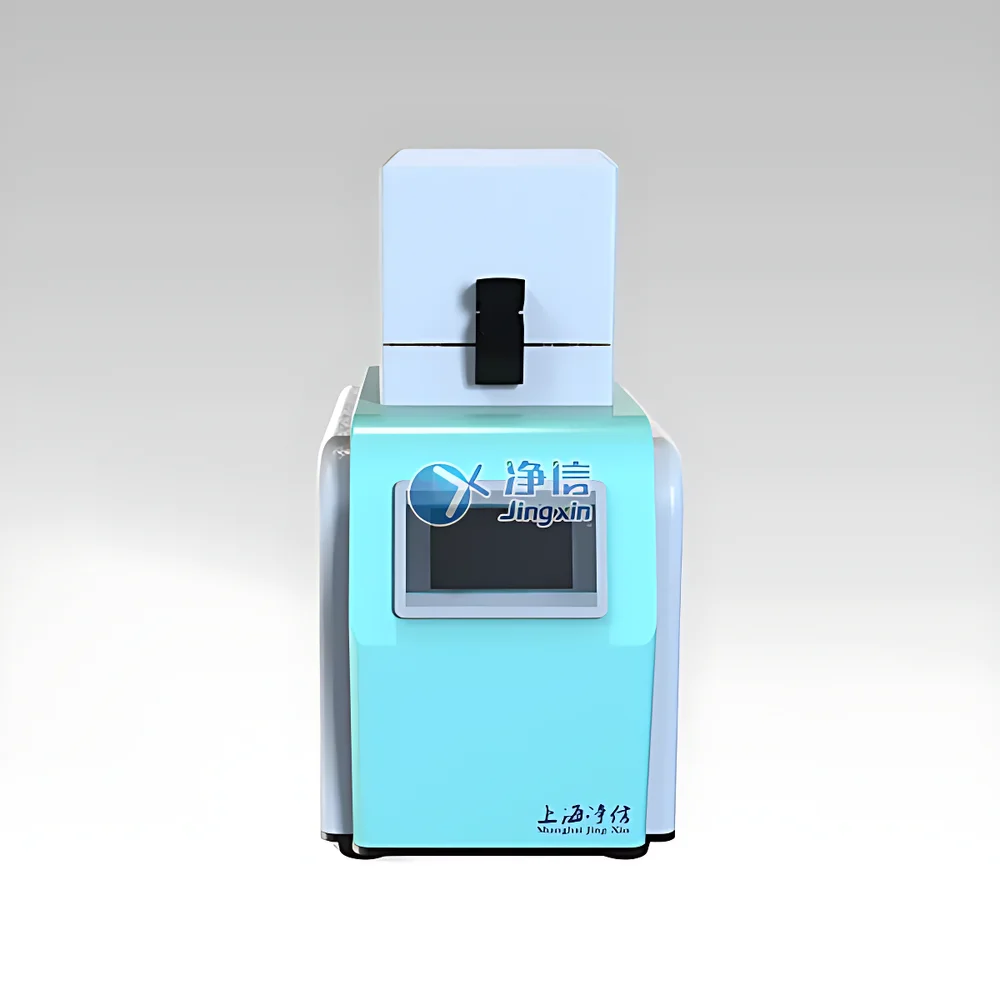
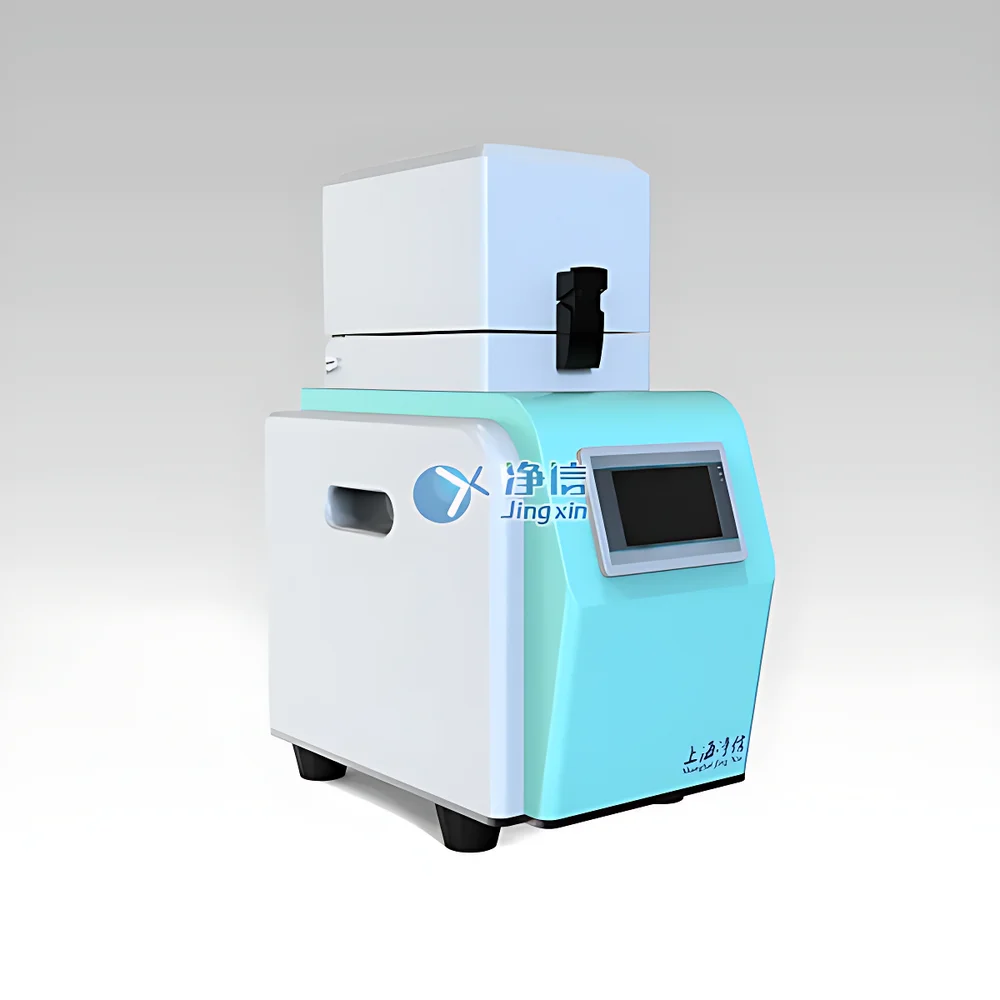
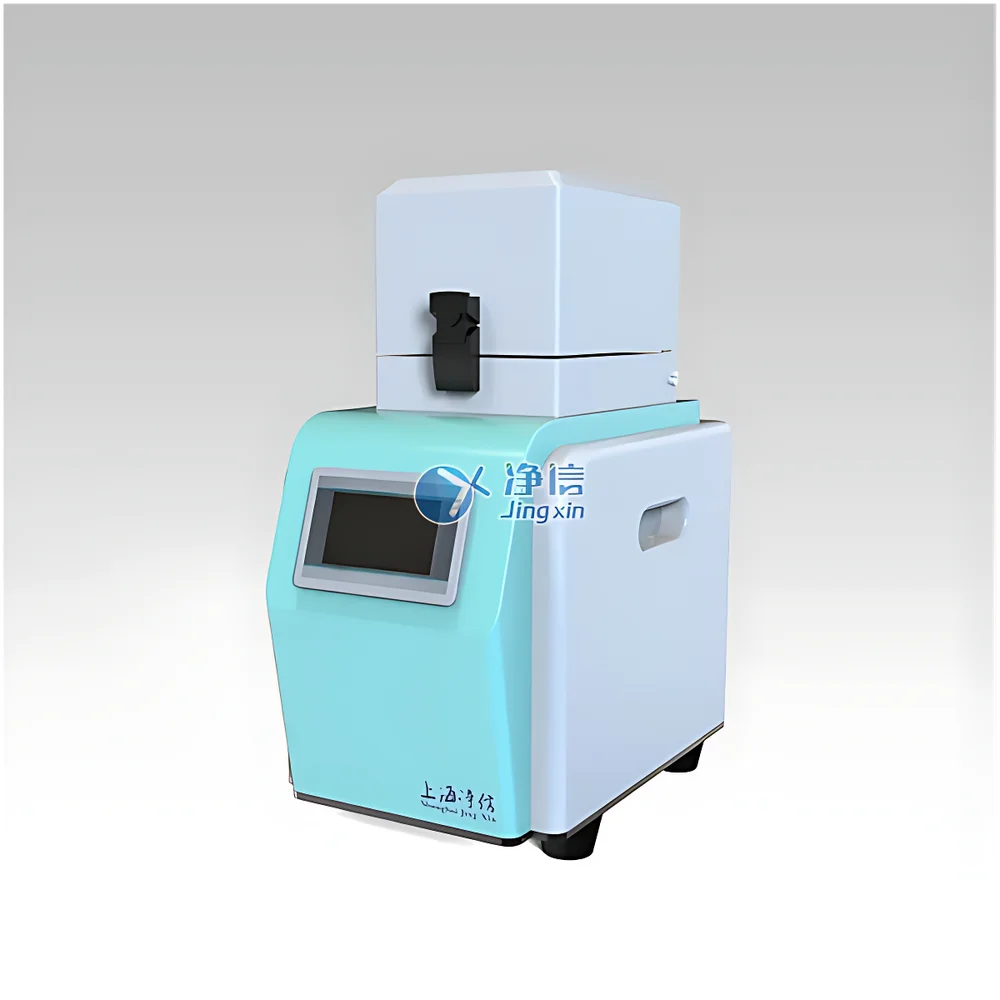
Jingxin Tiss-Basic High-Throughput Tissue Homogenizer and Bead Mill Grinder

| Brand | Jingxin (Shanghai Jingxin Scientific Instrument Co., Ltd.) |
|---|---|
| Origin | Shanghai, China |
| Manufacturer Type | Direct Manufacturer |
| Product Origin | Domestic (China) |
| Model | Tiss-Basic |
| Pricing | Upon Request |
| Throughput | Up to 24 samples per 15 seconds |
| Compatible Vessel Formats | 24 × 0.2–0.5 mL, 24 × 2 mL, 6 × 7–15 mL, 2 × 25 mL, 2 × 50 mL, 48 × 2 mL, 96 × 2 mL (96-well plate) |
| Display | Touchscreen interface |
| Input Sample Size | Not fixed — adjustable via adapter selection |
| Output Particle Size | ~5 µm |
| Platform Capacity | ≥2 grinding stations |
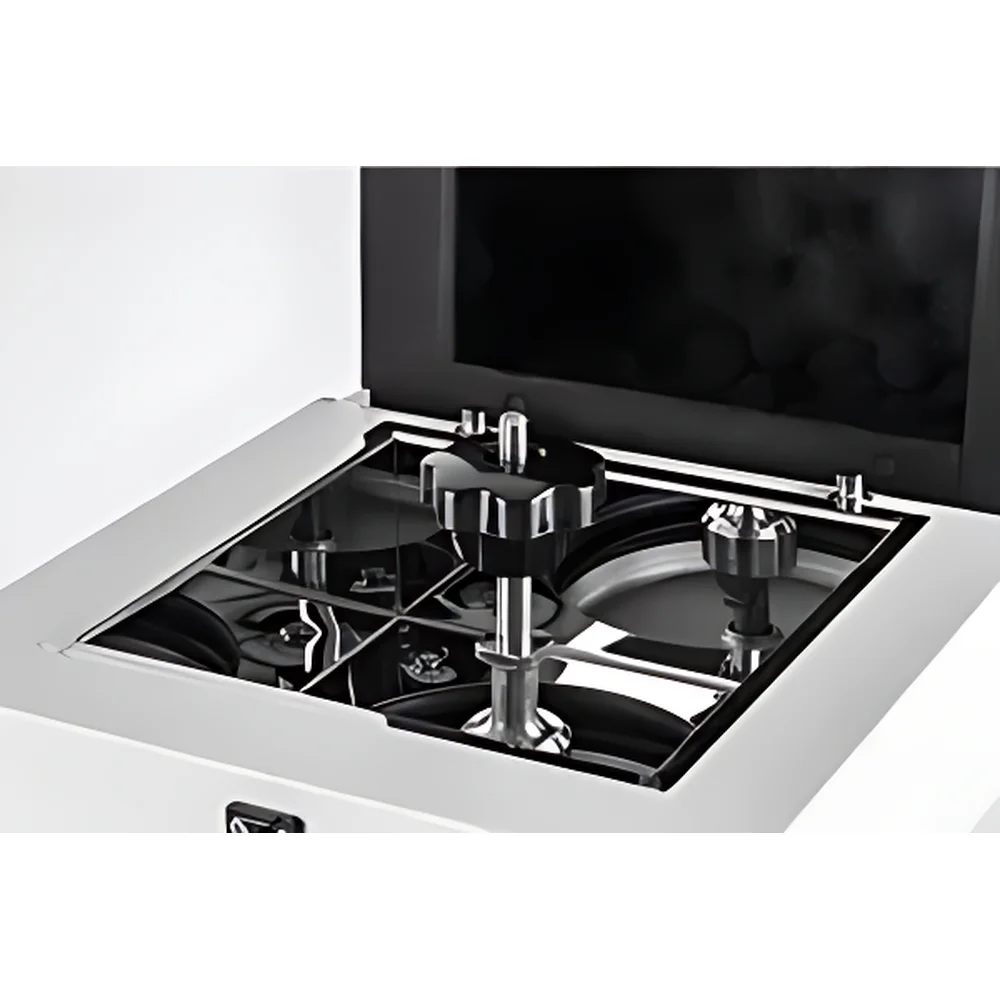
| Clamping Mechanism | Auto-centering, safety-lock clamping system |
| Homogenization Frequency Range | 0–70 Hz |
| Processing Time Range | 0–9999 seconds |
| Grinding Media Diameter | 0.1–30 mm |
| Acceleration/Deceleration Time | ≤2 seconds to target frequency |
| Grinding Modes | Dry grinding, wet grinding, cryogenic grinding |
| Dimensions (W×D×H) | 260 × 470 × 380 mm |
| Weight | 25 kg |
| Noise Level | <55 dB(A) |
Ask about pricing, availability and specifications.
Overview
The Jingxin Tiss-Basic High-Throughput Tissue Homogenizer is an engineered benchtop bead mill system designed for rapid, reproducible mechanical lysis of biological and non-biological samples. It operates on the principle of high-frequency vertical reciprocating vibration—inspired by the validated Schleifen-1 anti-vibration architecture—to drive inert grinding media (e.g., zirconia, stainless steel, glass, or ceramic beads) within sealed sample vessels. This kinetic energy transfer enables efficient cell disruption, tissue homogenization, and particle size reduction through impact, shear, and compression forces. Unlike rotor-stator or sonication-based systems, the Tiss-Basic delivers uniform energy distribution across multiple samples simultaneously without thermal runaway or operator-induced variability. Its modular design supports seamless integration into standardized laboratory workflows requiring high-integrity nucleic acid, protein, or metabolite extraction—particularly where sample integrity, cross-contamination control, and process scalability are critical.
Key Features
- Fully enclosed, independent sample processing: Each tube or well operates in physical isolation, eliminating carryover risk and ensuring analytical traceability between replicates.
- Programmable touchscreen interface: Intuitive parameter configuration—including frequency (0–70 Hz), duration (0–9999 s), and pause intervals—with memory for up to 10 user-defined protocols.
- Multi-format compatibility: Accepts standard microcentrifuge tubes (0.2–50 mL), deep-well plates, and 96-well PCR plates via interchangeable adapters—enabling parallel processing of up to 96 samples per run.
- Cryogenic-ready architecture: Designed for retrofitting with liquid nitrogen cooling jackets or optional air-cooling modules to maintain sub-zero temperatures during grinding—essential for preserving labile RNA, enzymatic activity, or thermolabile small molecules.
- Low-noise, high-stability operation: Vertical oscillation minimizes lateral resonance; acoustic emission remains below 55 dB(A), meeting ISO 7779 and EU Directive 2000/14/EC noise limits for laboratory environments.
- Fail-safe mechanical clamping: Auto-centering dual-lock mechanism engages only when vessel alignment is verified, preventing off-axis motion and ensuring consistent energy coupling across all positions.
Sample Compatibility & Compliance
The Tiss-Basic accommodates diverse material classes under controlled mechanical stress: soft plant tissues (roots, leaves, seeds), fibrous animal organs (liver, muscle, brain), microbial cultures (E. coli, yeast, spores), pharmaceutical tablets, polymer matrices (PE, PS, resins), and volatile geological samples (coal, oil shale). All contact surfaces are constructed from corrosion-resistant, non-reactive materials compliant with USP Class VI biocompatibility standards. The closed-system design inherently satisfies ISO 15195:2018 requirements for contamination-controlled sample preparation and aligns with GLP/GMP documentation practices when paired with audit-trail-capable software (see Software & Data Management). No hazardous solvents or consumables beyond certified grinding beads are required—reducing chemical waste and supporting green lab initiatives per ISO 14001 principles.
Software & Data Management
While the base Tiss-Basic model features standalone touchscreen control, it supports optional USB or RS-232 connectivity for external logging and protocol synchronization. When integrated with Jingxin’s optional LabLink™ software suite (v3.2+), users gain full 21 CFR Part 11-compliant electronic records—including timestamped run logs, parameter version history, operator ID tagging, and digital signature support. Audit trails capture all modifications to active methods, enabling retrospective validation in regulated environments such as clinical diagnostics labs or contract research organizations performing FDA-submitted studies. Raw vibration profiles and cycle completion status can be exported in CSV or XML format for LIMS ingestion or statistical process control (SPC) analysis.
Applications
This instrument serves as a primary sample preparation tool in molecular biology, translational research, food safety testing, forensic toxicology, and industrial quality control. Typical use cases include: high-yield genomic DNA isolation from fibrous plant material; intact ribosomal RNA recovery from post-mortem neural tissue; quantitative proteome extraction from frozen tumor biopsies; homogenization of fortified infant formula for heavy metal analysis; dispersion of nanocomposite polymer fillers; and comminution of botanical extracts prior to HPLC-MS quantification. Its ability to deliver statistically equivalent results across batches—verified by inter-laboratory ring trials—makes it suitable for method transfer between QC and R&D departments operating under ISO/IEC 17025 accreditation.
FAQ
What types of grinding media are compatible with the Tiss-Basic?
Zirconium oxide, stainless steel, tungsten carbide, borosilicate glass, and alumina ceramic beads ranging from 0.1 mm to 30 mm in diameter may be selected based on sample hardness, desired particle size, and downstream compatibility (e.g., avoiding metal leaching in ICP-MS workflows).
Can the Tiss-Basic be validated for GMP-compliant production environments?
Yes—when operated with documented IQ/OQ protocols, calibrated frequency sensors, and integrated with Part 11-enabled software, the system meets baseline requirements for equipment qualification in pharmaceutical manufacturing and biologics processing.
Is maintenance required between runs?
No routine maintenance is needed between cycles; however, periodic inspection of clamping gaskets, vibration dampeners, and touchscreen calibration is recommended every 500 operating hours per ISO 13485 preventive maintenance guidelines.
How does the Tiss-Basic compare to rotor-stator homogenizers for tough tissue samples?
Unlike blade-based systems that generate localized heat and require sequential processing, the Tiss-Basic applies uniform mechanical stress across all samples simultaneously—resulting in higher nucleic acid fragment integrity, lower protein denaturation rates, and improved batch-to-batch reproducibility (CV < 3.2% in inter-run RNA yield assays).
More from Jingxin (Shanghai Jingxin Scientific Instrument Co., Ltd.)
View all Jingxin (Shanghai Jingxin Scientific Instrument Co., Ltd.) products → Jingxin JXFSTPRP-192CL High-Speed Cryogenic Grinding and Homogenization System
- Jingxin JX-CKSM-4WK 4-Channel Temperature-Controlled Single-Cell Suspension Preparation System
- Jingxin JX-24 High-Efficiency Automated Cryogenic Tissue Grinder
- Jingxin Tissuelyser-192 High-Throughput Cryogenic Tissue Homogenizer