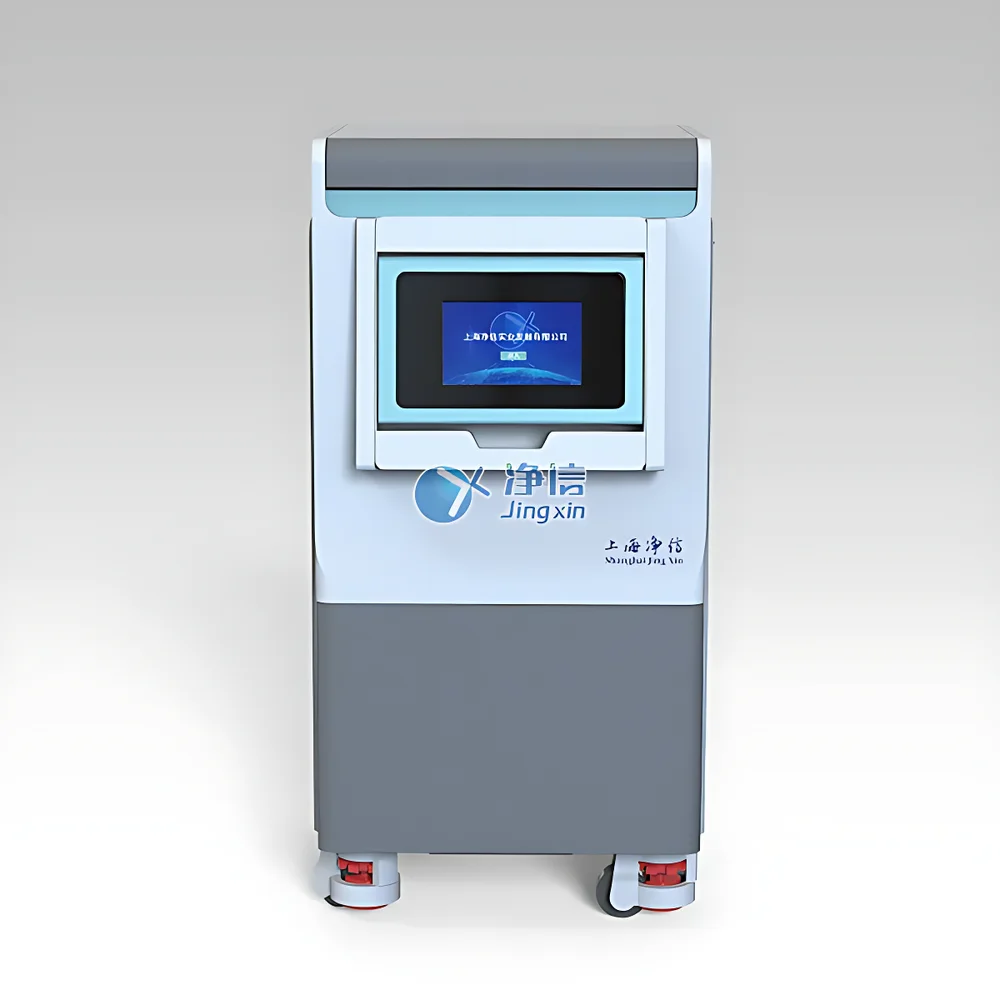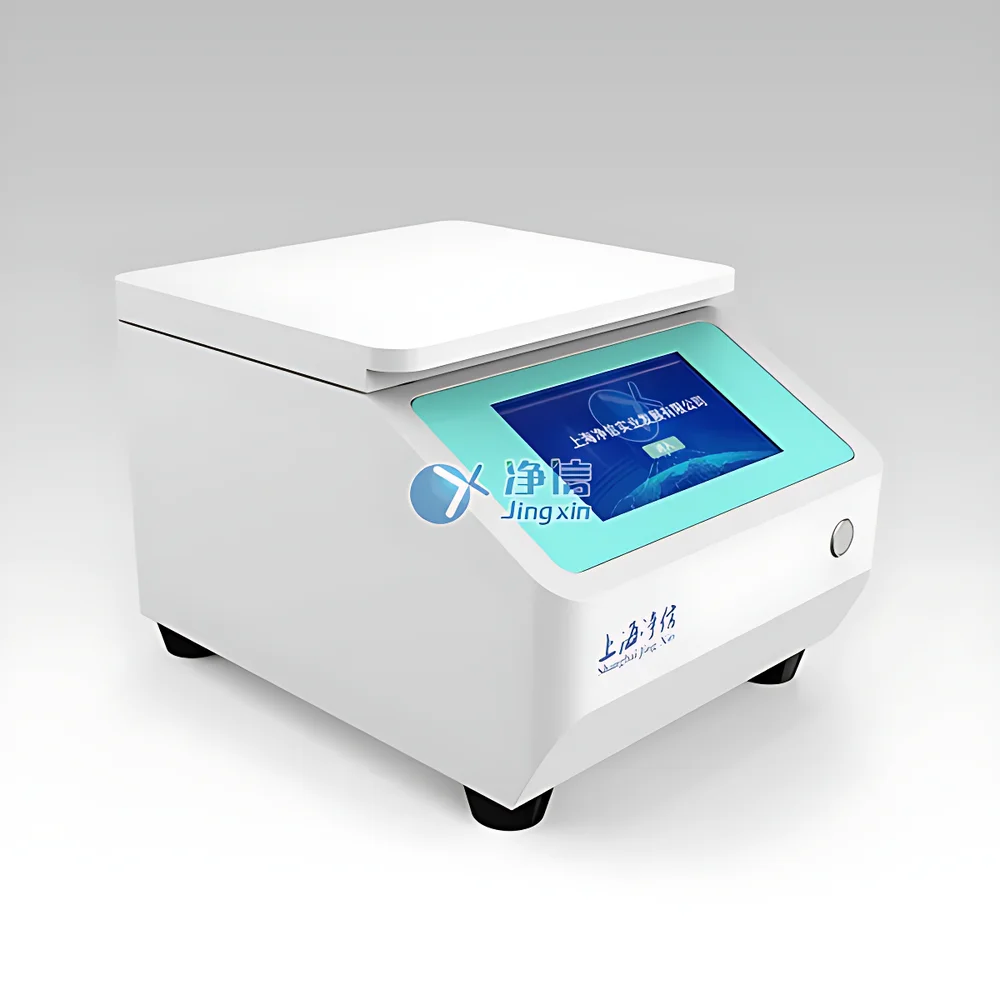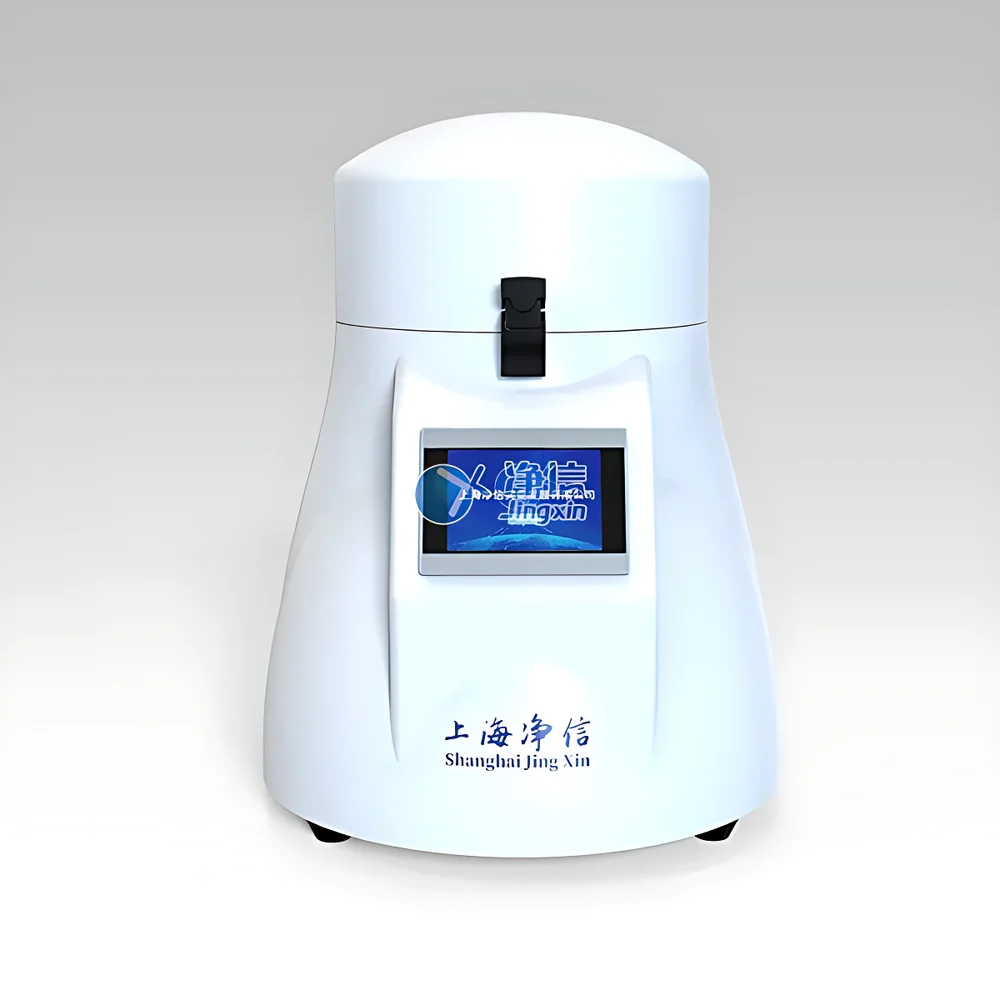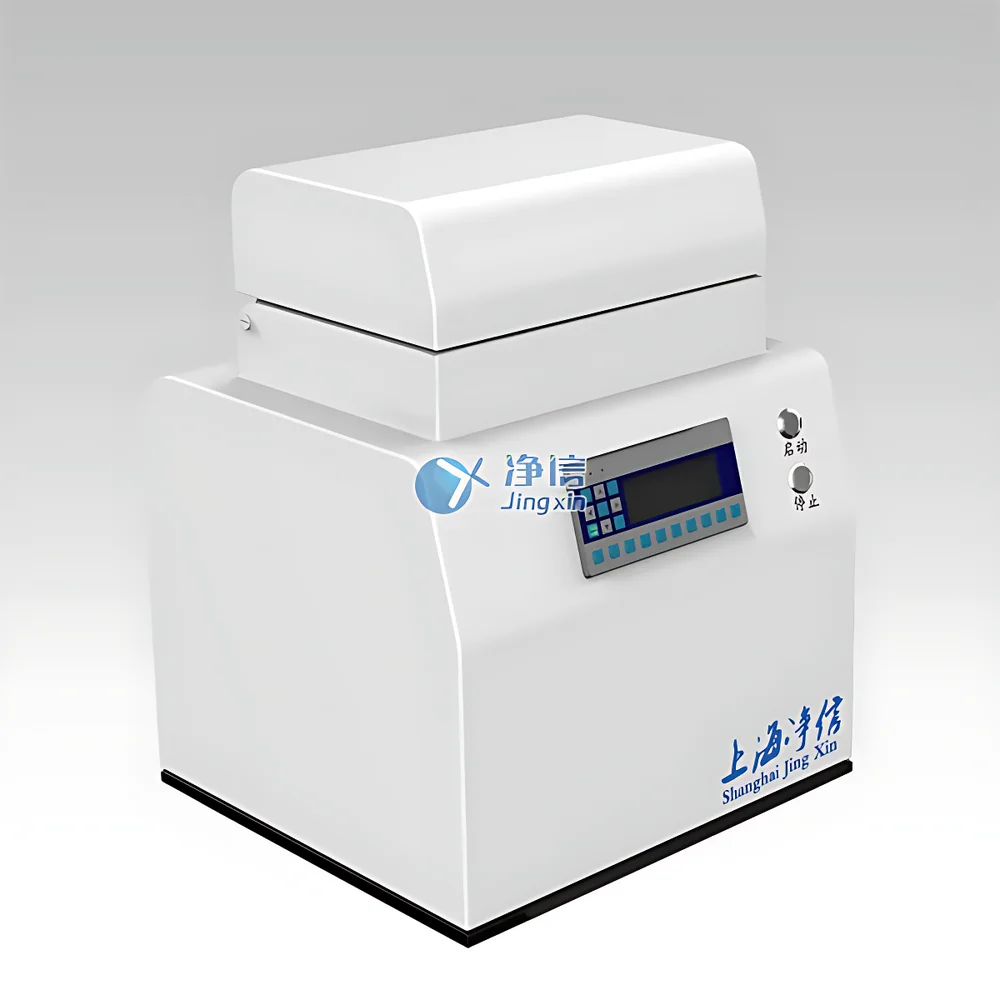
Jingxin Tissuelyser-64 High-Throughput Multi-Sample Tissue Grinder

| Brand | Jingxin (Shanghai Jingxin Scientific Instrument Co., Ltd.) |
|---|---|
| Origin | Shanghai, China |
| Manufacturer Type | Direct Manufacturer |
| Country of Origin | China |
| Model | Tissuelyser-64 |
| Instrument Type | Benchtop Vibratory Tissue Grinder |
| Sample Compatibility | Hard and brittle biological & non-biological materials |
| Final Particle Size | < 0.01 mm |
| Typical Output Granularity | ~5 µm |
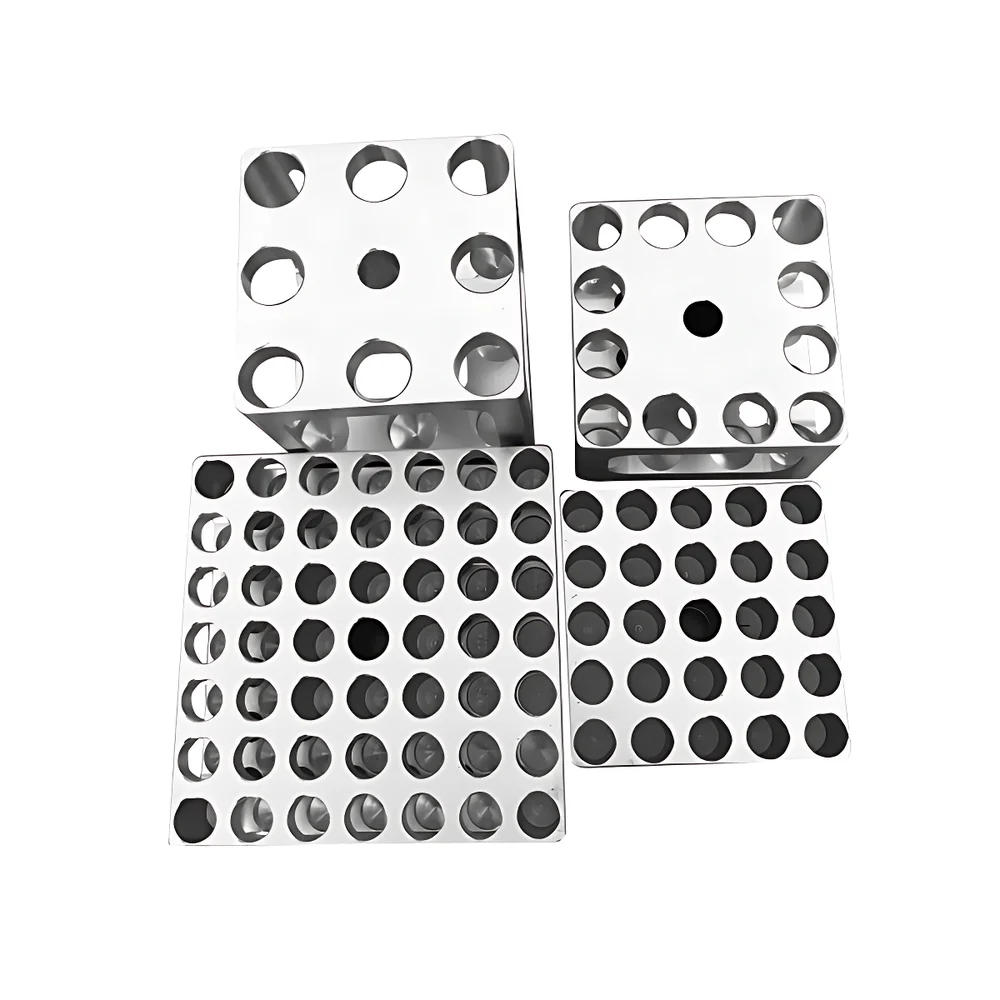
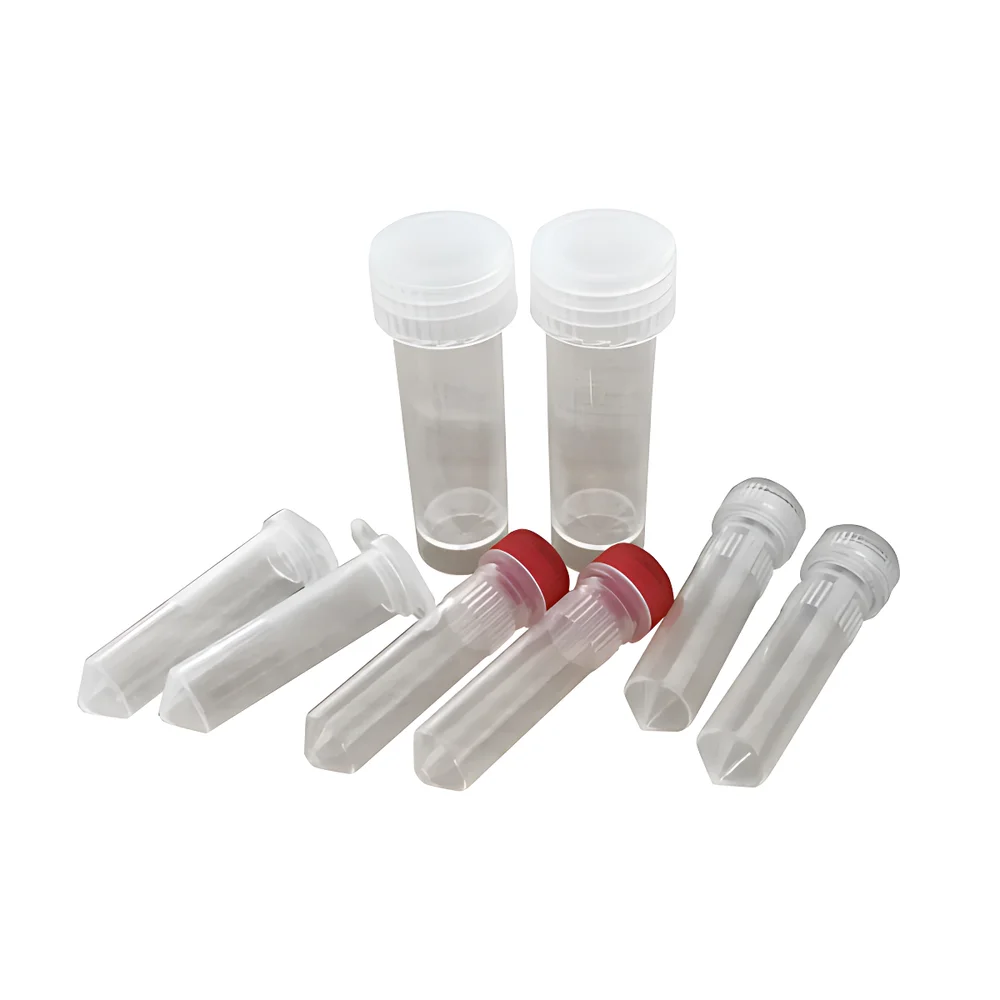
| Batch Capacity | 64 × 2 mL tubes |
Ask about pricing, availability and specifications.
Overview
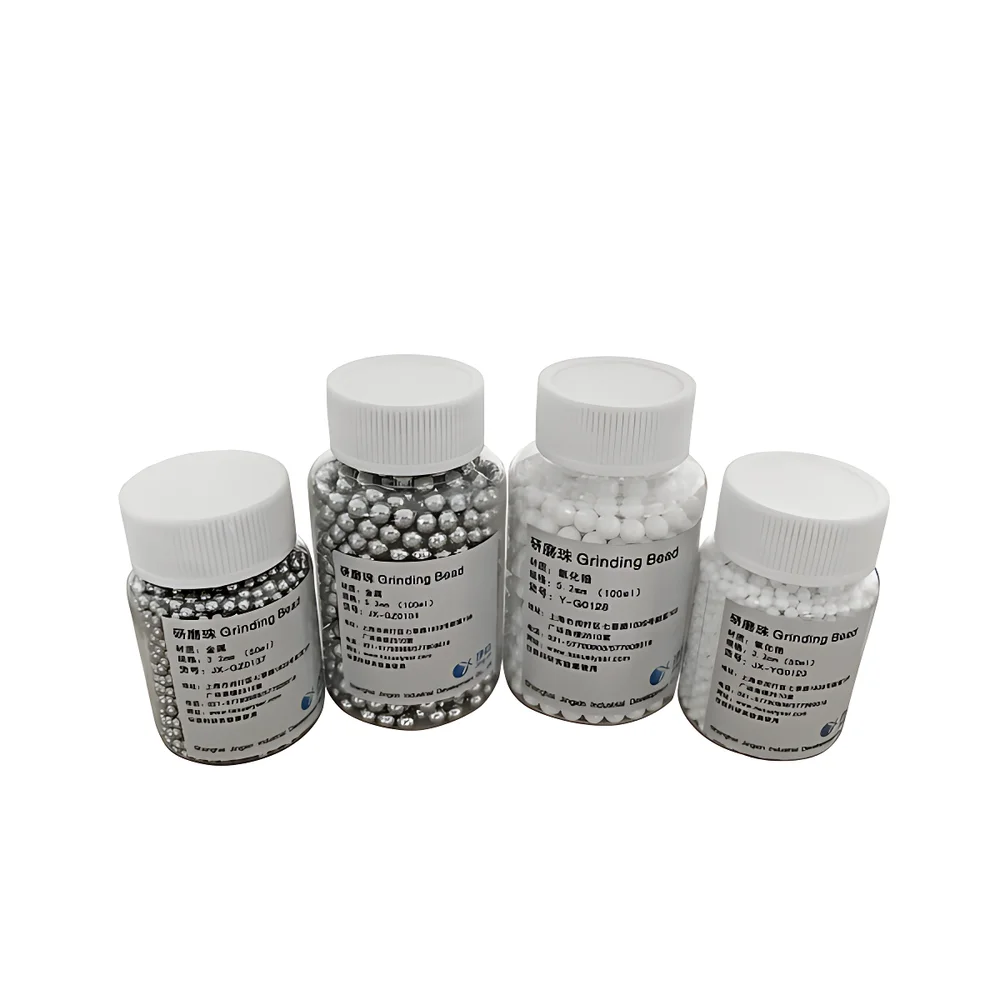
The Jingxin Tissuelyser-64 is a high-throughput, vertically oscillating multi-sample tissue grinder engineered for rapid, reproducible mechanical lysis of diverse biological and synthetic materials. It operates on the principle of high-frequency reciprocating vibration—transferring kinetic energy from grinding beads (e.g., zirconia, stainless steel, glass, or ceramic) to samples sealed within individual tubes. This bead-beating mechanism enables efficient cell disruption, subcellular fractionation, and homogenization without thermal denaturation or enzymatic degradation—critical for preserving labile biomolecules such as native proteins, intact RNA, and high-molecular-weight genomic DNA. Unlike rotor-stator homogenizers or ultrasonic probes, the Tissuelyser-64 eliminates operator-dependent variability and cross-contamination risks by processing all samples simultaneously in fully enclosed, single-use tubes. Its design meets fundamental requirements for pre-analytical standardization in molecular biology, clinical diagnostics, agricultural genomics, and pharmaceutical QC workflows.
Key Features
- Vertical dual-axis oscillation system delivering uniform energy distribution across all 64 positions—ensuring consistent lysis efficiency and minimal inter-sample variance.
- Programmable controller with adjustable parameters: vibration frequency (range: 0.5–7 Hz, equivalent to 30–420 rpm), cycle duration (1 sec–99 min), and pause intervals for heat-sensitive applications.
- Acoustically optimized enclosure maintaining operational noise ≤55 dB(A) under no-load conditions—compatible with shared laboratory environments requiring low ambient interference.
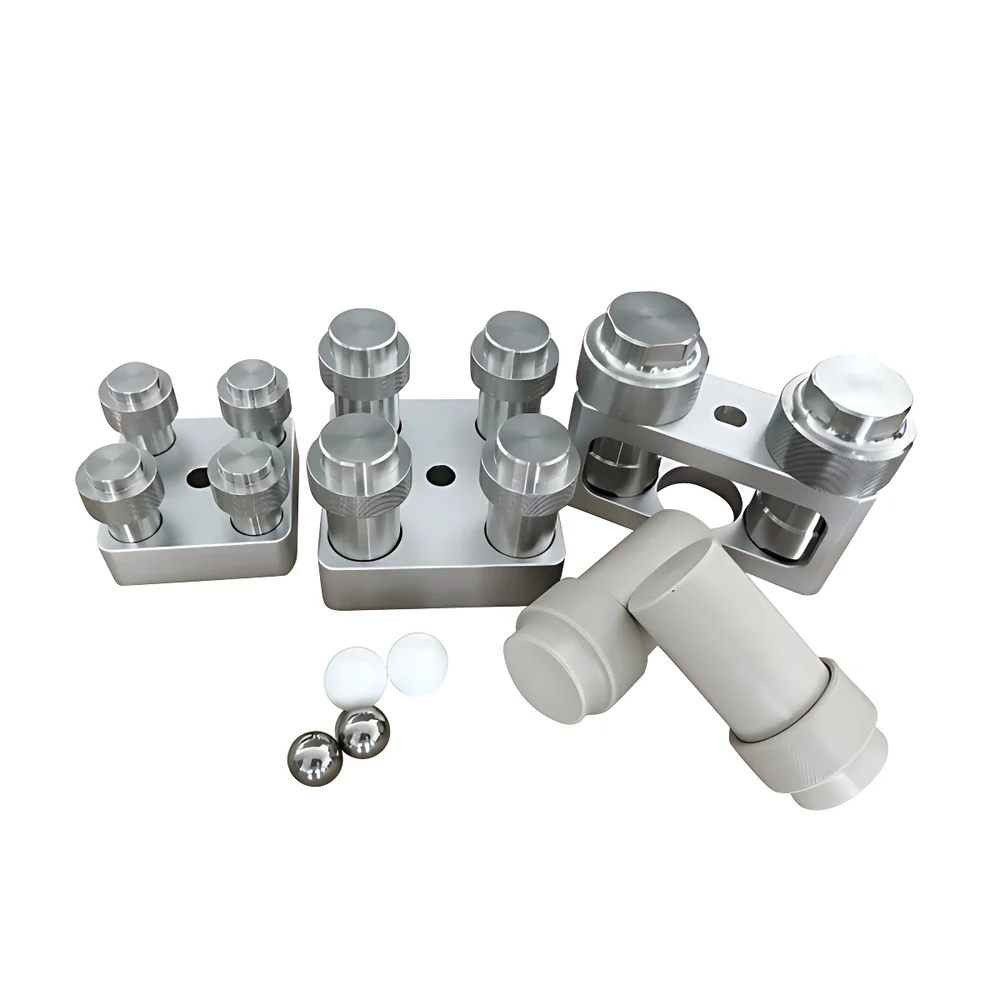
- Modular adapter system supporting standardized 2 mL microcentrifuge tubes; optional cryo-adapters enable direct immersion in liquid nitrogen for sub-zero grinding without post-cooling delays.
- Sealed-tube operation prevents aerosol generation and cross-contamination—fully compliant with biosafety Level 2 (BSL-2) handling protocols for pathogenic or high-risk samples.
- Robust aluminum alloy frame with anti-vibration dampening feet ensures long-term mechanical stability and alignment integrity during repeated high-cycle operation.
Sample Compatibility & Compliance
The Tissuelyser-64 accommodates a broad spectrum of sample types—including fibrous plant tissues (roots, stems, seeds), dense animal organs (liver, muscle, bone), microbial cultures (yeast, Gram-negative/positive bacteria), forensic specimens, pharmaceutical tablets, polymer composites (PE, PS, resins), and geologically derived matrices (soil, coal, oil shale). Its mechanical lysis efficacy has been validated per ISO 20387:2018 (biobanking standards) and supports GLP-compliant nucleic acid extraction workflows aligned with ISO/IEC 17025 accreditation criteria. While not FDA 510(k)-cleared as an IVD device, its performance is routinely referenced in USP , CLSI MM19-A, and ASTM D7281 methodologies for solid-phase sample homogenization prior to downstream qPCR, NGS library prep, or proteomic digestion.
Software & Data Management
The integrated digital interface logs all run parameters—including date/time stamp, frequency setpoint, duration, and cycle count—for audit-trail generation. Though lacking cloud connectivity or LIMS integration, the system supports manual export of run records via USB port for inclusion in electronic lab notebooks (ELN) or quality documentation systems. For laboratories operating under 21 CFR Part 11 requirements, external validation packages—including IQ/OQ documentation templates and calibration certificates traceable to NIST standards—are available upon request from Jingxin’s technical support team.
Applications
- High-yield isolation of total RNA suitable for full-length transcriptome sequencing (e.g., PacBio Iso-Seq).
- Preparation of chromatin fragments for ChIP-seq and ATAC-seq assays requiring minimal shearing bias.
- Routine QC of raw botanical materials in herbal medicine manufacturing per Chinese Pharmacopoeia (ChP) Section IV.
- Microbial community profiling from environmental soil cores using metagenomic DNA extraction kits.
- Extraction of phosphorylated proteins from frozen tumor biopsies under cold-chain preservation protocols.
- Homogenization of polymer blends for SEM-EDS elemental mapping and rheological characterization.
FAQ
What bead materials are recommended for RNA extraction?
Zirconia beads (0.1–0.5 mm diameter) are preferred for RNA work due to their chemical inertness and low adsorption affinity—minimizing nucleic acid loss during lysis.
Can the instrument accommodate tubes larger than 2 mL?
No—the Tissuelyser-64 is mechanically calibrated for 2 mL tube geometry. Adapters for other formats (e.g., 5 mL or 15 mL) are not supported and may compromise vibration symmetry and safety.
Is routine maintenance required beyond cleaning the adapter chamber?
Yes: quarterly inspection of drive shaft coupling integrity and annual verification of vibration amplitude using a calibrated laser Doppler vibrometer are recommended for sustained metrological reliability.
Does the system comply with CE or UL safety directives?
The Tissuelyser-64 carries CE marking per Directive 2014/30/EU (EMC) and 2014/35/EU (LVD); UL certification is not currently held but conforms to IEC 61010-1:2010 safety principles for laboratory equipment.
How is temperature rise controlled during extended runs?
Ambient temperature increase inside tubes remains below +4°C over a standard 2-min cycle at 5 Hz when using pre-chilled adapters and stainless-steel beads—validated via fiber-optic thermometry.
More from Jingxin (Shanghai Jingxin Scientific Instrument Co., Ltd.)
View all Jingxin (Shanghai Jingxin Scientific Instrument Co., Ltd.) products → Jingxin JXFSTPRP-192CL High-Speed Cryogenic Grinding and Homogenization System
- Jingxin JX-CKSM-4WK 4-Channel Temperature-Controlled Single-Cell Suspension Preparation System
- Jingxin JX-24 High-Efficiency Automated Cryogenic Tissue Grinder
- Jingxin Tissuelyser-192 High-Throughput Cryogenic Tissue Homogenizer