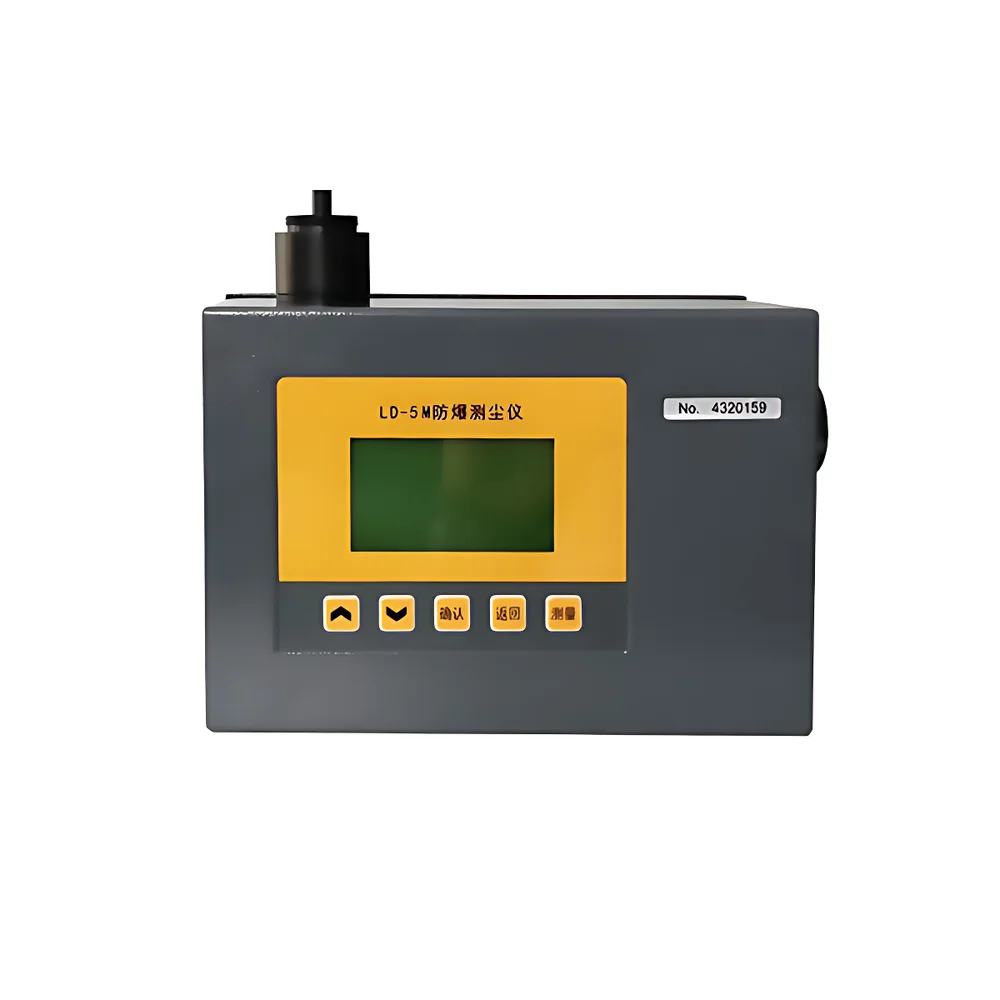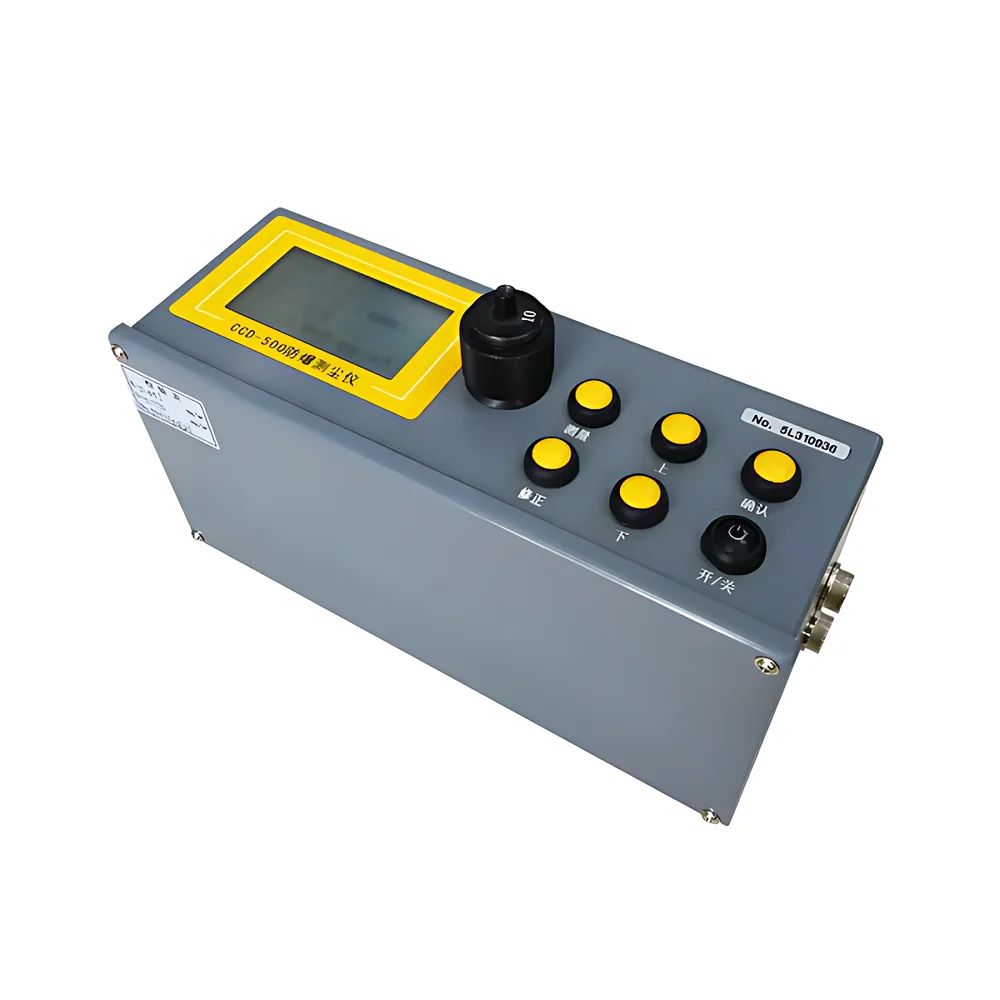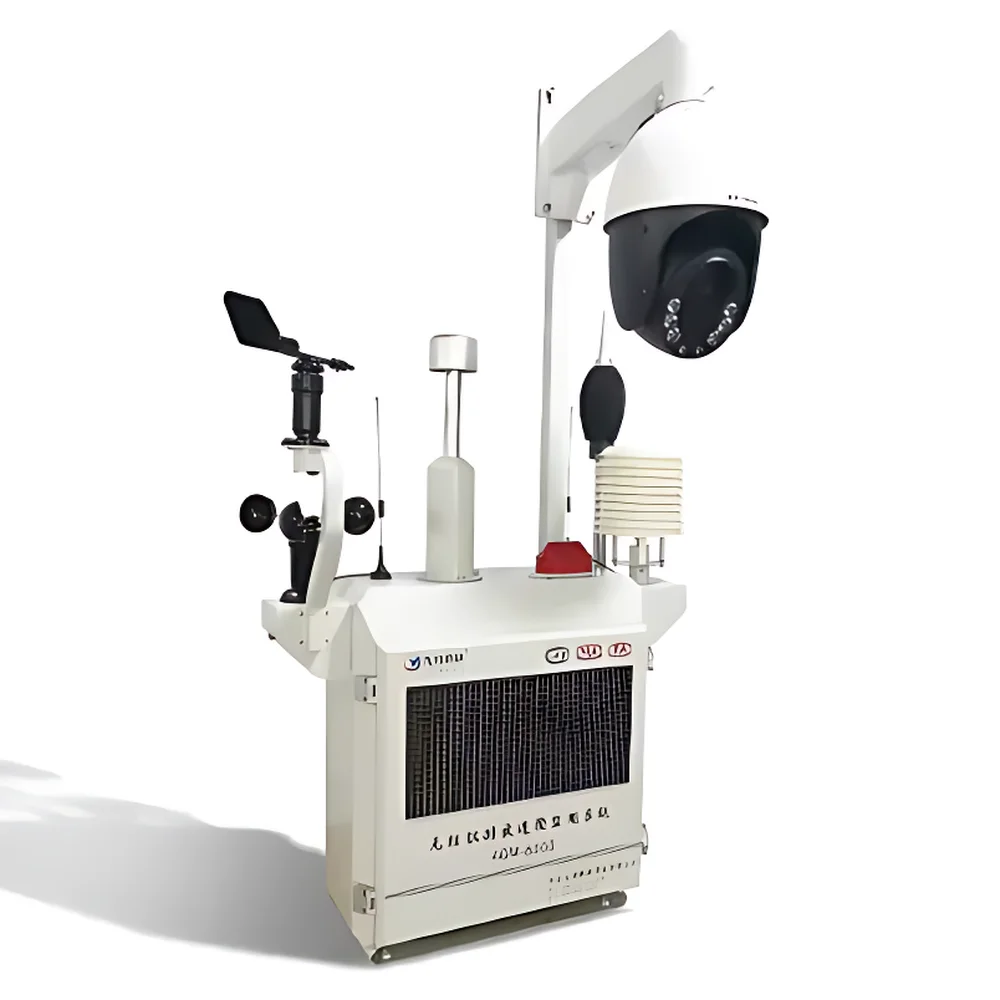
JZCCW AQM-836S Real-Time Ambient Dust and Particulate Monitoring System

| Brand | JZCCW |
|---|---|
| Origin | Beijing, China |
| Manufacturer Type | Direct Manufacturer |
| Origin Category | Domestic (China) |
| Model | AQM-836S |
| Pricing | Upon Request |
| Measurement Range | 0.001–100 mg/m³ |
| Measurement Sensitivity | 0.001 mg/m³ |
| Repeatability Error | ±2% |
| Measurement Accuracy | ±10% |
| Operating Temperature | −10 °C to 50 °C |
| Storage Temperature | −20 °C to 60 °C |
| Detectable Particle Fractions | PM₁₀, PM₂.₅, TSP |
| Communication Interface | 4G LTE Wireless Transmission |
Ask about pricing, availability and specifications.
Overview
The JZCCW AQM-836S Real-Time Ambient Dust and Particulate Monitoring System is an integrated environmental monitoring platform engineered for continuous, unattended measurement of airborne particulate matter in industrial, municipal, and construction site environments. Utilizing laser scattering photometry calibrated against gravimetric reference methods, the system delivers quantitative concentration data for total suspended particles (TSP), respirable fraction (PM₁₀), and fine inhalable fraction (PM₂.₅) in real time. Designed for outdoor deployment under variable climatic conditions, the AQM-836S complies with fundamental performance requirements outlined in ISO 12103-1 (test dust standards), EN 12341 (ambient air quality — measurement of PM₁₀ and PM₂.₅), and supports alignment with national ambient air quality standards (e.g., China’s GB 3095-2012 and U.S. EPA PM monitoring guidance). Its architecture integrates optical particle sensing, meteorological parameter acquisition (wind speed/direction, temperature, humidity, atmospheric pressure), broadband noise level detection (35–130 dB(A)), optional electrochemical or NDIR-based toxic gas modules (e.g., CO, SO₂, NO₂, O₃), and negative oxygen ion sensing—all synchronized via a central embedded controller.
Key Features
- Multi-parameter synchronous acquisition: Simultaneous measurement of PM₁₀, PM₂.₅, TSP, ambient noise, 6-parameter meteorology (wind speed/direction, temperature, relative humidity, pressure, rainfall), and optional gaseous pollutants.
- High-sensitivity optical sensor module with 0.001 mg/m³ detection limit and ±2% repeatability—validated under controlled aerosol generation using ISO-standard Arizona Test Dust and potassium sodium tartrate monohydrate (PST) aerosols.
- Modular hardware design: Sensor bays support hot-swappable configurations; users select combinations of particulate, gas, noise, ion, and video modules based on regulatory scope or site-specific risk assessment.
- Robust outdoor enclosure rated IP65, operating continuously across −10 °C to 50 °C ambient range; internal temperature stabilization ensures optical path integrity during thermal transients.
- 4G LTE cellular uplink with dual-SIM failover capability, enabling reliable data transmission from remote or infrastructure-limited sites without dependency on local Ethernet or fiber infrastructure.
- On-device event logic engine: Programmable threshold triggers initiate high-resolution still capture or video recording (via integrated HD camera), activate local audible/visual alarms, and send relay control signals to external dust suppression systems (e.g., misting cannons, fogging units).
Sample Compatibility & Compliance
The AQM-836S is validated for ambient air sampling in non-explosive, non-corrosive atmospheres typical of urban perimeters, quarry boundaries, landfill buffer zones, and active construction fencing lines. It does not require sample filtration or pre-concentration for routine operation, minimizing maintenance intervals. Calibration traceability follows manufacturer-recommended procedures using NIST-traceable reference aerosols and certified calibration gases (where applicable). While not intrinsically certified for ATEX or IECEx Zone 2, the system meets EMC Directive 2014/30/EU and Low Voltage Directive 2014/35/EU. Data reporting formats comply with China’s HJ 653-2013 technical specification for particulate matter monitors and are exportable to third-party platforms supporting AQMS-XML or CSV-based ingestion protocols aligned with EU Air Quality Directive (2008/50/EC) Annex IV reporting structures.
Software & Data Management
Data from the AQM-836S is transmitted to the vendor-agnostic JZCloud™ SaaS platform—a secure, ISO/IEC 27001-aligned cloud infrastructure offering role-based access control, audit logs, and TLS 1.2+ encrypted data pipelines. The platform stores multidimensional time-series datasets with sub-minute resolution for ≥12 months, supports automated statistical aggregation (hourly means, daily maxima, rolling 24-h averages), and generates compliance-ready PDF reports conforming to GLP documentation principles. API endpoints enable integration with enterprise EHS management systems (e.g., Intelex, ETQ Reliance) and SCADA networks. All user actions—including calibration log entries, alarm acknowledgments, and configuration changes—are immutably timestamped and retained for FDA 21 CFR Part 11–compatible audit trails when deployed in regulated manufacturing or waste treatment facilities.
Applications
- Construction site boundary monitoring per local municipal dust ordinances and ISO 4226:2020 (air quality — general aspects of measurement of pollutants).
- Real-time emission verification at material transfer points (e.g., conveyor loading chutes, aggregate stockpiles, crusher discharge zones).
- Baseline ambient monitoring for environmental impact assessments (EIAs) and post-closure surveillance of remediated brownfield sites.
- Dynamic exposure assessment in occupational settings where fugitive dust may migrate beyond facility property lines—supporting OSHA PEL and ACGIH TLV evaluations.
- Integration into smart city infrastructure for public air quality dashboards and adaptive traffic management (e.g., correlating PM spikes with vehicle flow patterns).
FAQ
What calibration standards are recommended for field verification?
Annual field calibration using ISO 12103-1 A2 test dust or equivalent gravimetric challenge aerosols is advised; factory calibration certificates include uncertainty budgets referenced to NIST SRM 1680b.
Can the system operate without cloud connectivity?
Yes—the onboard SD card (up to 32 GB) buffers all sensor data locally for ≥30 days at 1-minute resolution; data syncs automatically upon network restoration.
Is firmware update supported over-the-air (OTA)?
Yes, signed firmware updates are delivered via HTTPS through the JZCloud™ portal, requiring administrator authentication and cryptographic signature validation prior to installation.
Does the system meet requirements for regulatory submission in the European Union?
While not CE-marked as a Class I medical device, its PM measurement methodology aligns with EN 12341:2014 and EN 14907:2005 for indicative monitoring; formal type approval per EU Reference Method (RM) is achievable via third-party verification labs.
How is data security ensured during wireless transmission?
All 4G transmissions use AES-256 encryption at rest and in transit; device authentication employs X.509 client certificates, and SIM-based network access is restricted to whitelisted APNs.