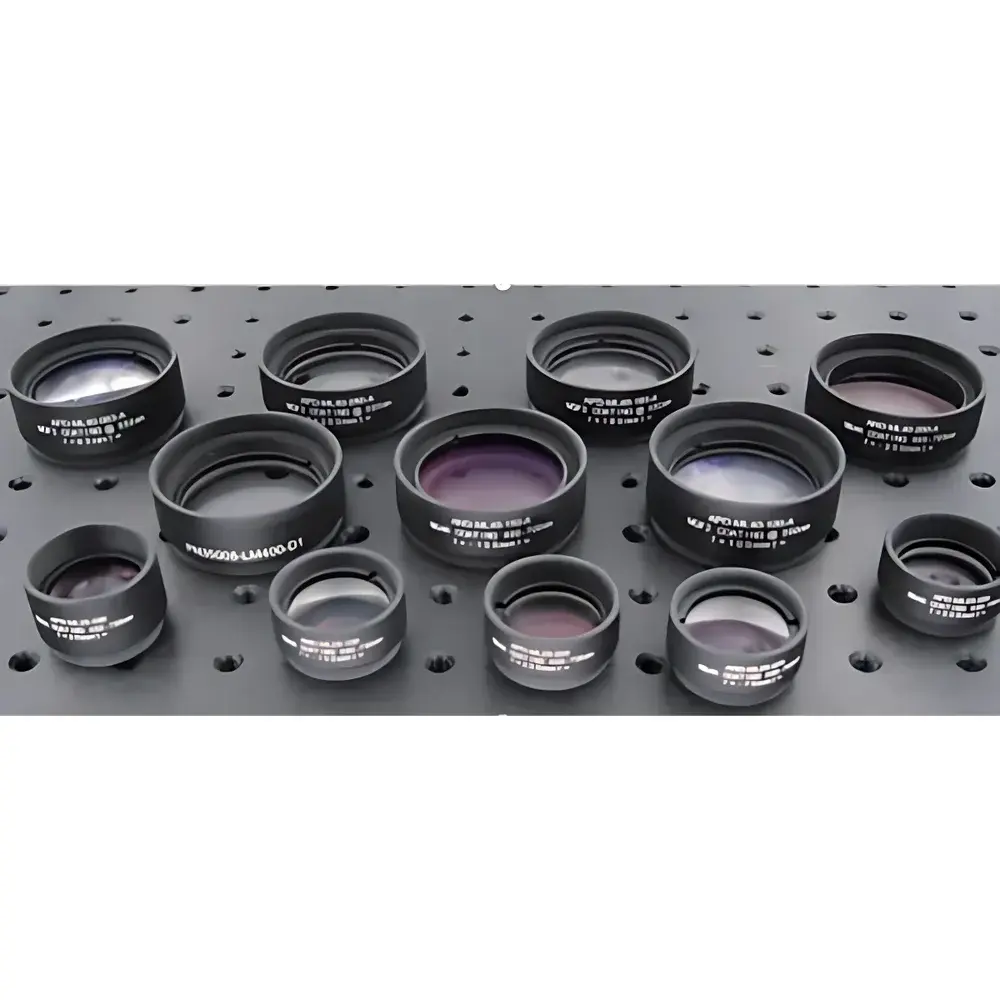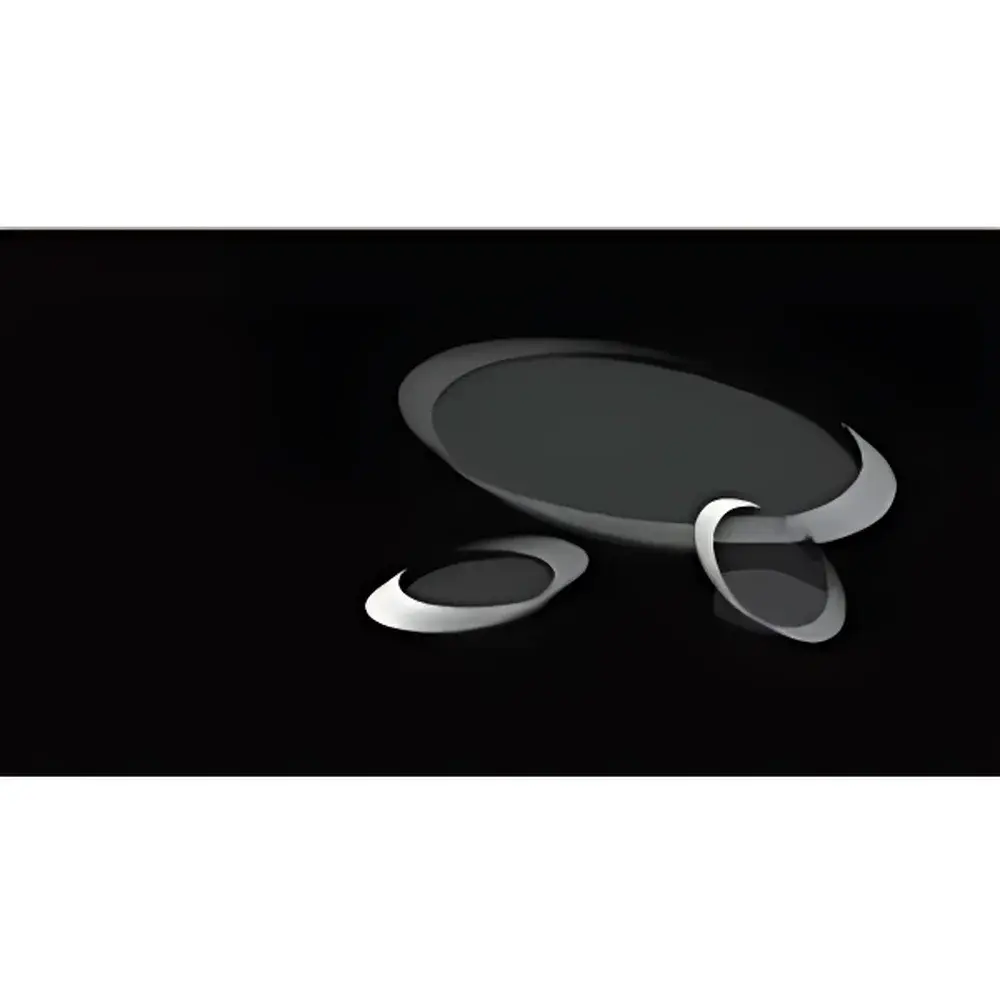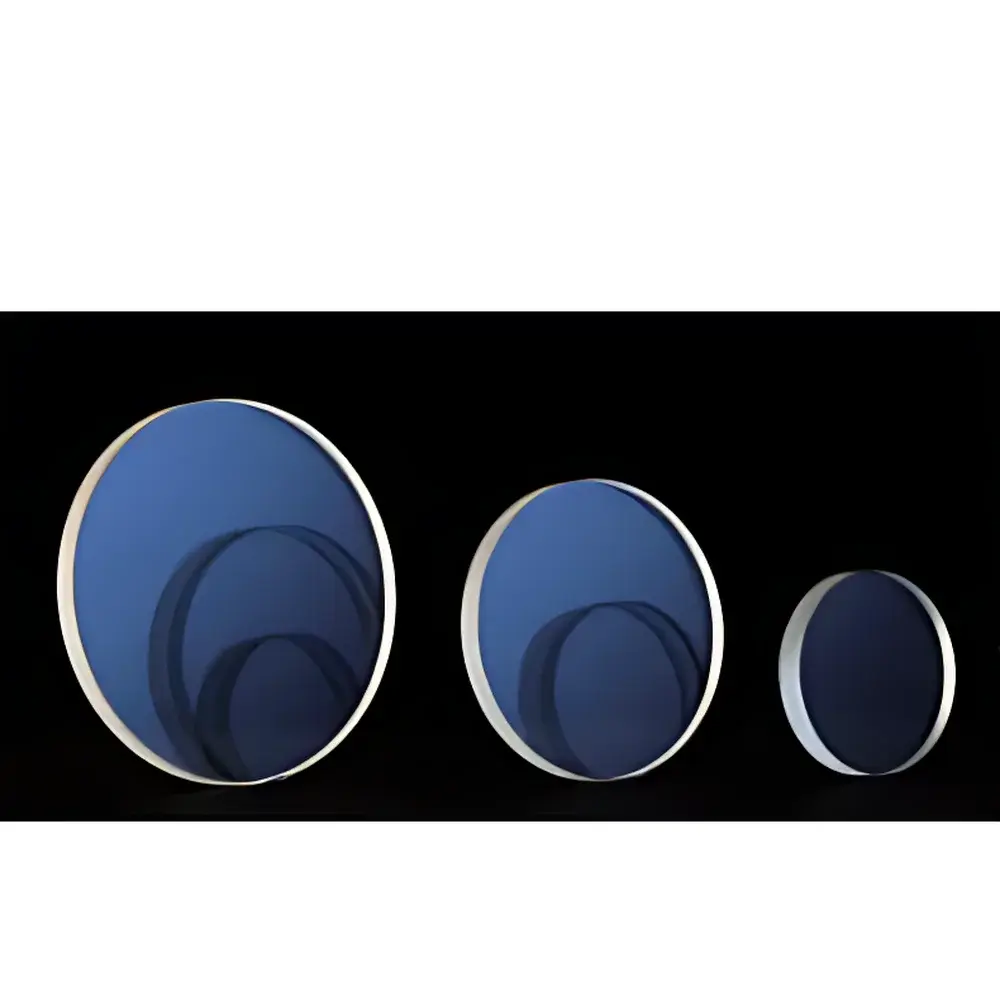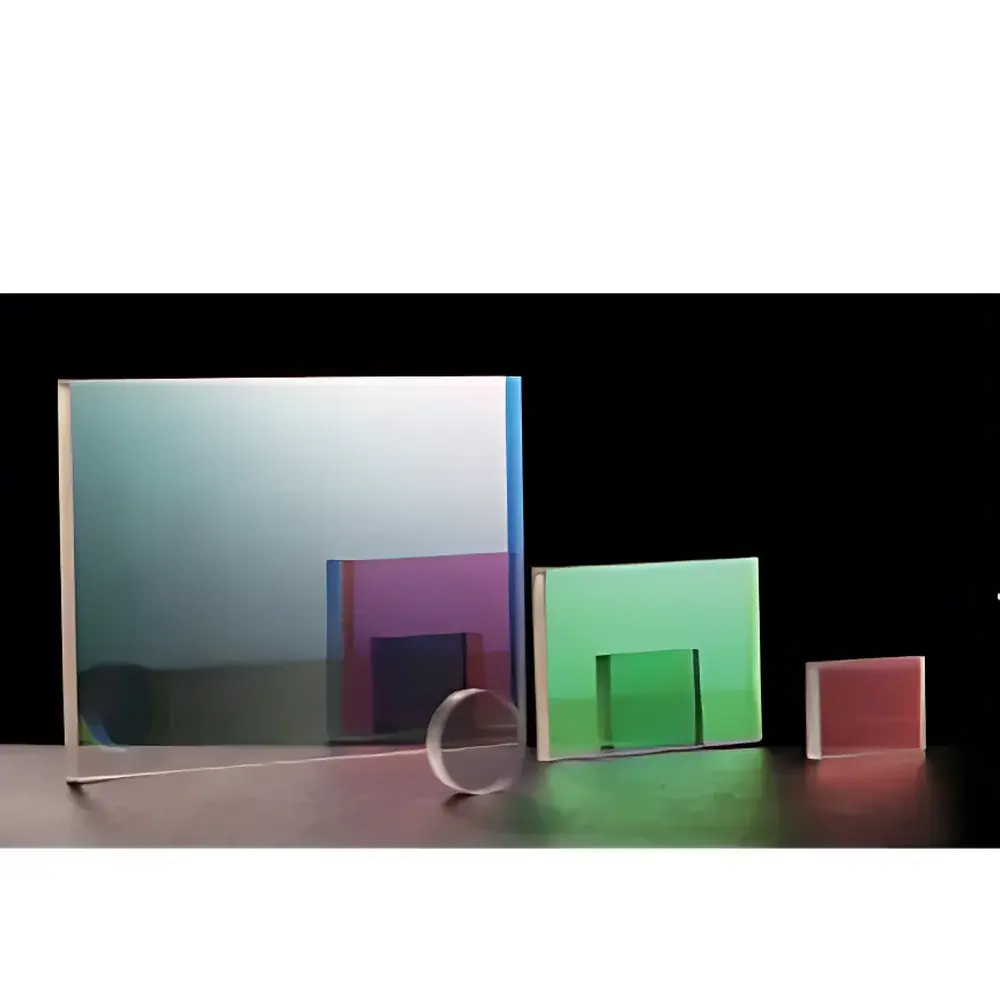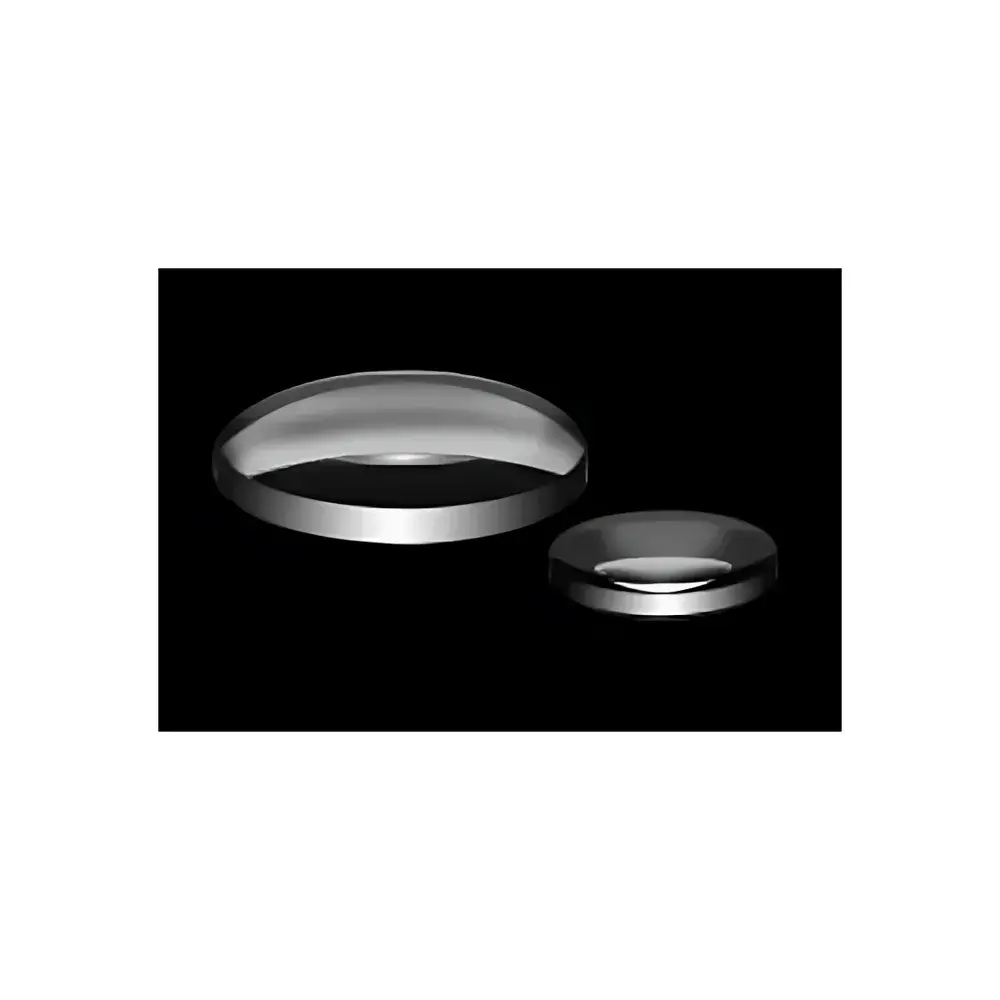
MiXran Meg1130 UV-Grade Fused Silica Positive Meniscus Lens

| Brand | MiXran |
|---|---|
| Model | Meg1130 |
| Material | UV-grade fused silica (SiO₂) |
| Lens Type | Positive meniscus |
| Coating Options | Uncoated or broadband AR coating (250–400 nm) |
| Diameter | 25.4 mm / 50.8 mm |
| Focal Length (EFL) | 100–1000 mm |
| Surface Radii (R₁, R₂) | Variable per focal length |
| Center Thickness (Tc) | 2.18–10.65 mm |
| Edge Thickness (Te) | 1.2–5.36 mm |
| Power | 1–10 m⁻¹ |
| Compliance | ISO 10110-1, MIL-O-13830 surface quality (scratch-dig 20–10 typical), RoHS-compliant manufacturing |
Ask about pricing, availability and specifications.
Overview
The MiXran Meg1130 is a precision-engineered positive meniscus lens fabricated from high-purity UV-grade fused silica—optimized for demanding ultraviolet optical systems where transmission stability, low thermal expansion (α ≈ 0.55 × 10⁻⁶ /°C), and minimal fluorescence are critical. Unlike standard BK7 or N-BK7 lenses, fused silica exhibits exceptional transmittance (>90%) across the deep UV spectrum (down to 185 nm), with negligible absorption in the 250–400 nm band used in spectroscopic ellipsometry, excimer laser beam shaping, UV lithography alignment, and synchrotron beamline optics. The meniscus geometry—convex on one surface and concave on the other, with both radii signed to yield net positive power—minimizes spherical aberration when collimating or focusing divergent UV sources, particularly in off-axis configurations common in monochromator output coupling and UV fluorescence collection paths.
Key Features
- UV-optimized substrate: High-hydroxyl fused silica (OH content < 1 ppm) ensures minimal UV absorption and radiation-induced compaction under prolonged 248 nm or 193 nm exposure.
- Two coating variants: Uncoated for maximum damage threshold (>10 J/cm² @ 266 nm, 10 ns pulse); or broadband anti-reflection (BBAR) coating optimized for 250–400 nm with average reflectance < 0.8% per surface.
- Precision surface figure: λ/4 @ 632.8 nm (verified via interferometry per ISO 10110-5), with surface roughness < 5 Å RMS (measured by AFM).
- Thermal stability: CTE of 0.55 × 10⁻⁶ /°C enables stable focus position in temperature-fluctuating environments (e.g., vacuum chambers, cryogenic mounts).
- Standardized mounting compatibility: 25.4 mm and 50.8 mm diameters conform to ANSI/ISO 10110-1 mechanical tolerances (±0.05 mm diameter, ±0.1 mm center thickness).
- Traceable metrology: Each lens includes a serialized calibration certificate referencing NIST-traceable interferometric measurements of radius of curvature, thickness, and transmitted wavefront error.
Sample Compatibility & Compliance
The Meg1130 lens is compatible with standard kinematic lens mounts (e.g., Thorlabs SM1/SM2, Newport KM100), vacuum-compatible flanges (CF-35/CF-63), and UV-grade optical tables with non-outgassing adhesives (e.g., Norland NOA81). All manufacturing adheres to ISO 9001:2015 quality management protocols. Surface cleanliness meets ISO 14644-1 Class 5 cleanroom standards prior to packaging. Optical coatings comply with MIL-C-48497A for environmental durability (humidity, abrasion, adhesion). For regulated applications—including FDA-submitted UV phototherapy device optics or ISO/IEC 17025-accredited calibration labs—the lens supports full traceability documentation packages (including raw interferogram data, coating spectral reflectance curves, and batch-specific material certificates).
Software & Data Management
While the Meg1130 is a passive optical component, its performance integration into system-level design is supported via downloadable Zemax OpticStudio™ and CODE V® lens files (available upon request), containing exact as-measured surface sag tables, refractive index dispersion (Sellmeier coefficients for Corning 7980 fused silica), and coating stack models (layer count, thickness, n/k values at 250–400 nm). All product metadata—including serial number, EFL, R₁/R₂, Tc, Te, and coating type—is encoded in a machine-readable PDF certificate compliant with ISO/IEC 17025 Annex A.2 requirements for digital record integrity.
Applications
- UV collimation of excimer laser outputs (KrF 248 nm, ArF 193 nm) in semiconductor stepper illumination systems.
- Beam expansion and focusing in UV Raman spectrometers and time-resolved fluorescence lifetime setups.
- Input/output coupling optics for vacuum UV (VUV) monochromators operating down to 115 nm (with optional MgF₂ overcoat).
- Reference optics in UV radiometric calibration chains traceable to NIST SRM 2069 (deuterium lamp standards).
- Alignment objectives in EUV mask inspection tools requiring zero birefringence and sub-nm surface homogeneity.
FAQ
Is the Meg1130 suitable for 193 nm ArF excimer laser applications?
Yes—UV-grade fused silica with low OH content and BBAR coating at 193 nm (optional custom coating available) ensures >95% transmission and high LIDT.
What is the maximum permissible power density for continuous-wave UV exposure?
At 355 nm, the uncoated version sustains ≤500 W/cm² CW without measurable thermal lensing; at 266 nm, derate to ≤200 W/cm².
Can I request custom focal lengths or diameters outside the standard catalog?
Yes—MiXran offers OEM customization including non-standard EFLs, aspheric corrections, and hybrid coating stacks (e.g., dual-band AR for 250–400 nm + 780–850 nm). Lead time: 6–8 weeks.
Do you provide wavefront error (WFE) maps for individual lenses?
Yes—interferometric WFE maps (Zernike coefficients up to 37-term expansion) are included with every lens shipped for metrology-critical installations.
Is the BBAR coating durable under repeated cleaning with IPA and lint-free wipes?
Yes—the coating passes 20+ cycles of ASTM F429 abrasion testing and maintains reflectance specs after solvent cleaning per ISO 10110-7 guidelines.