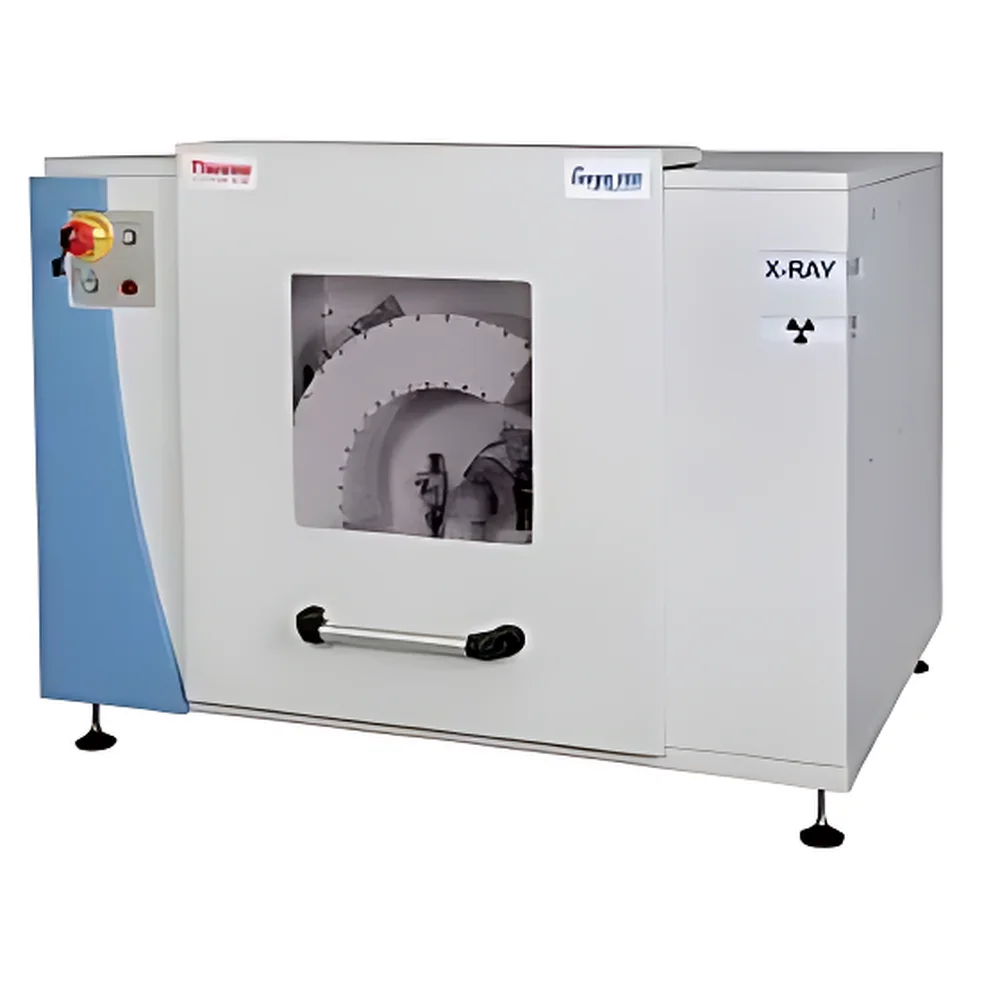
Thermo Fisher Scientific ARL EQUINOX 100 Benchtop X-ray Diffractometer

| Brand | Thermo Fisher Scientific |
|---|---|
| Origin | USA |
| Model | ARL EQUINOX 100 |
| Instrument Type | Powder X-ray Diffractometer |
| Detector | Position-Sensitive Detector (PSD) |
| 2θ Angular Range | >120° (simultaneous acquisition) |
| Angular Resolution | ≤0.05° 2θ |
| Minimum Acquisition Time | 1 second |
| Goniometer | Multi-axis precision goniometer |
| Beam Spot Size | Down to 10 μm |
| Optical Configuration | Monochromatic optics (Cu Kα, optional Co/Fe/Mo anodes) |
| Sample Environment Options | Variable-temperature stages, controlled-atmosphere chambers |
| Software Suite | Thermo Scientific™ EQUINOX Software (including qualitative/quantitative phase analysis, Rietveld refinement, crystallite size/strain, PDF analysis) |
Ask about pricing, availability and specifications.
Overview
The Thermo Fisher Scientific ARL EQUINOX 100 is a compact, benchtop powder X-ray diffractometer engineered for high-speed, high-fidelity crystallographic characterization using Bragg’s law-based X-ray diffraction (XRD). Unlike sequential scanning systems, the ARL EQUINOX 100 employs a curved position-sensitive detector (PSD) that captures the full diffraction pattern—spanning over 120° in 2θ—simultaneously in a single exposure. This parallel data acquisition architecture eliminates mechanical scanning delays and significantly enhances measurement reproducibility, particularly for time-resolved or in-situ experiments. The instrument operates with sealed-tube Cu Kα radiation (standard), with optional anode configurations (Co, Fe, Mo) to optimize contrast for specific elemental systems or absorption edge considerations. Its monochromatic optical path ensures high signal-to-noise ratio without the need for post-acquisition filtering, supporting quantitative phase analysis, lattice parameter determination, and crystallinity assessment across diverse material classes.
Key Features
- Real-time, simultaneous 2θ detection over >120° angular range using a curved PSD—enabling complete pattern collection in as little as 1 second
- Angular resolution of ≤0.05° 2θ, calibrated traceably to NIST SRM standards, ensuring consistency in peak position and width quantification
- Integrated multi-axis goniometer with sub-arcminute positioning accuracy, supporting micro-diffraction measurements down to 10 μm beam spot size
- Modular sample stage design compatible with standard ISO 7739 sample holders, plus optional motorized XYZ translation and tilt axes
- Monochromatic beam path utilizing graded multilayer optics or graphite monochromator, minimizing background and eliminating Kβ contamination
- Benchtop footprint (< 0.8 m²) with integrated radiation shielding meeting IEC 61010-1 and local regulatory requirements for Class I X-ray equipment
Sample Compatibility & Compliance
The ARL EQUINOX 100 accommodates a broad spectrum of solid-state samples—including pressed pellets, loose powders, thin films, and bulk metallurgical sections—via interchangeable sample stages and holders. Optional accessories include programmable heating/cooling stages (−180 °C to +1600 °C), gas-tight reaction chambers (inert, oxidizing, or reducing atmospheres), and humidity-controlled enclosures for hygroscopic or phase-transition studies. All hardware and software comply with international quality frameworks: instrument design adheres to ISO 9001 manufacturing protocols; diffraction data processing workflows support GLP/GMP documentation requirements; and audit-trail functionality in the EQUINOX software satisfies FDA 21 CFR Part 11 electronic record integrity criteria. Method validation packages are available for ASTM E975 (phase identification), ISO 17889 (crystallite size by Scherrer analysis), and USP (pharmaceutical polymorph screening).
Software & Data Management
The Thermo Scientific™ EQUINOX Software provides an integrated environment for acquisition, visualization, and advanced analysis. Core modules include automatic phase identification against ICDD PDF-4+ database (with elemental, structural, and morphology filters), semi-quantitative Rietveld refinement (using GSAS-II or TOPAS engines), crystallite size and microstrain modeling (Williamson-Hall and Warren-Averbach deconvolution), and pair distribution function (PDF) analysis for nanostructured or disordered materials. Raw and processed data are stored in vendor-neutral formats (CIF, XYE, HDF5), with metadata tagging compliant with FAIR principles. Network deployment supports centralized method libraries, user-role-based access control, and automated report generation in PDF or Excel—facilitating cross-laboratory method transfer and regulatory submission readiness.
Applications
- Cement and mineral processing labs performing rapid clinker phase quantification (alite, belite, free lime) per ASTM C1365
- Pharmaceutical development groups conducting polymorph screening, hydrate/solvate identification, and stability-indicating assay validation
- Advanced materials research on battery cathode/anode crystallinity evolution during cycling, metal-organic framework (MOF) structural integrity under gas adsorption, and nanocrystalline catalyst sintering kinetics
- Metallurgical QA/QC for alloy phase fraction monitoring (e.g., austenite/ferrite in stainless steels), residual stress mapping via sin²ψ analysis (with optional strain stage)
- Academic teaching laboratories leveraging intuitive GUI and preconfigured pedagogical methods for undergraduate XRD instruction and thesis-level structural projects
FAQ
Is the ARL EQUINOX 100 suitable for thin-film or grazing-incidence XRD (GIXRD)?
Yes—the system supports incident angle control down to 0.1° via its motorized goniometer and offers dedicated GIXRD alignment routines and data reduction pipelines.
Can the instrument be upgraded to accommodate higher-power sources or additional detectors?
No—the ARL EQUINOX 100 is a fixed-power, sealed-tube platform optimized for safety and stability; higher-power configurations are addressed by the ARL EQUINOX 3000 and 5000 series.
Does the software support third-party Rietveld refinement engines?
Yes—EQUINOX Software exports CIF and XYE files compatible with GSAS-II, FullProf, TOPAS, and MAUD; batch import of refined parameters is supported.
What maintenance is required for long-term operational reliability?
Annual preventive maintenance includes X-ray tube output verification, PSD gain calibration, goniometer encoder validation, and vacuum system integrity checks—all documented per ISO/IEC 17025 guidelines.
Is remote operation and data access supported?
Yes—via secure HTTPS-enabled web interface; users can queue jobs, monitor real-time acquisition, download processed reports, and manage user permissions from any authorized workstation.
More from Thermo Fisher Scientific
View all Thermo Fisher Scientific products → Thermo Scientific RadEye PRD-ER4 Portable High-Sensitivity Personal Radiation Detector
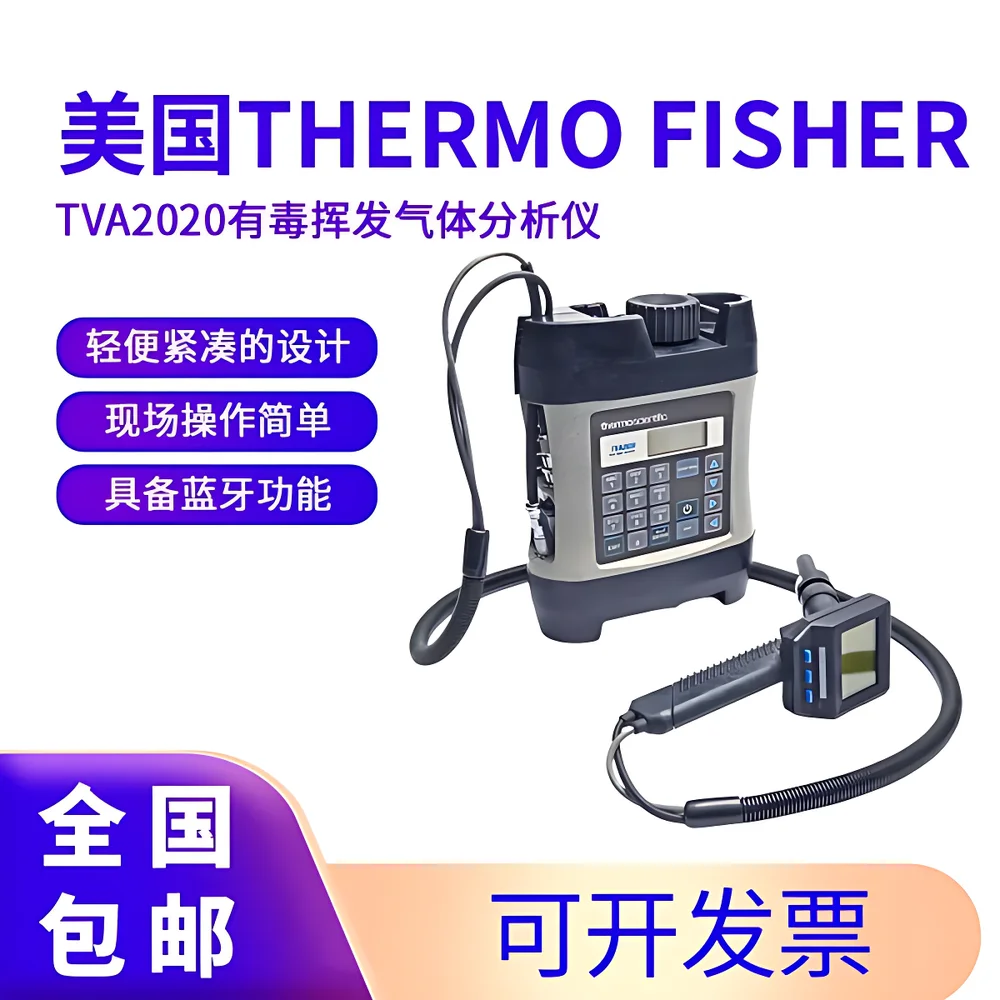
- Thermo Fisher Scientific TVA2020 Portable VOC Analyzer with Dual FID/PID Detection
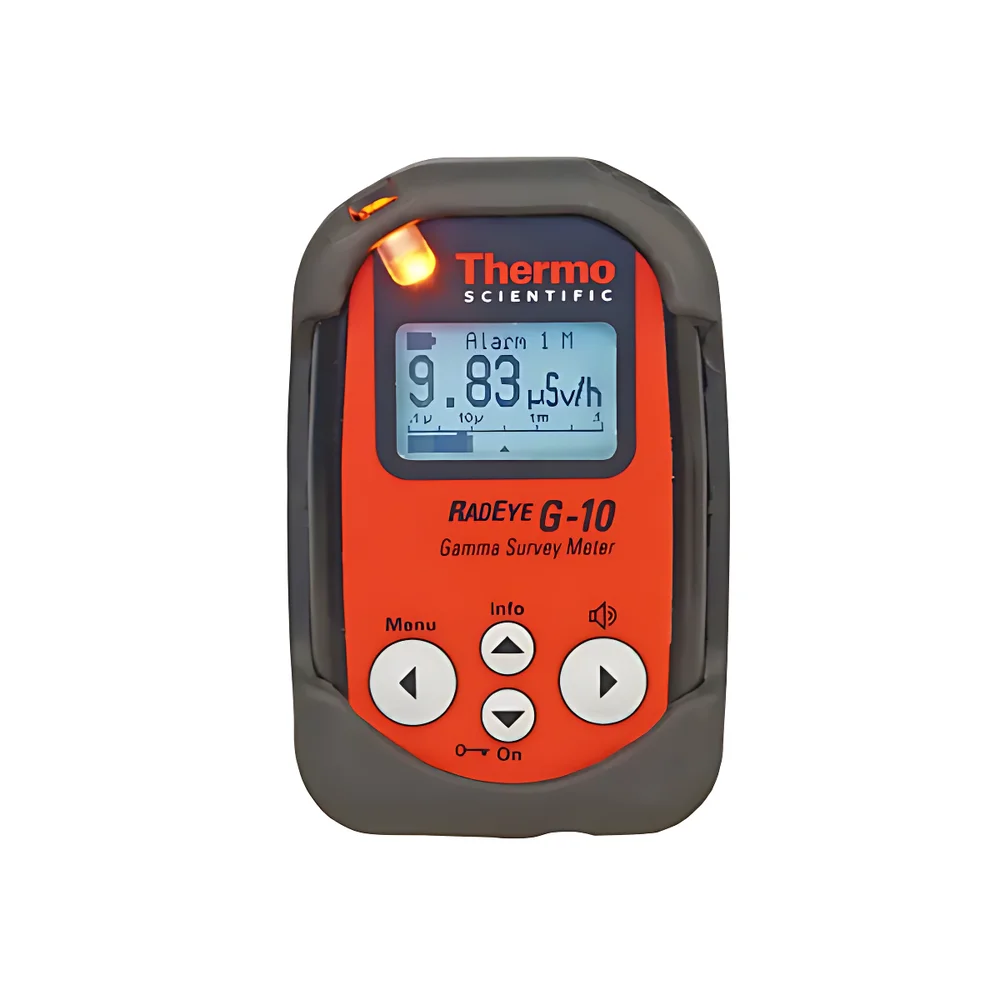
- Thermo Fisher Scientific RadEye G-10 Portable Personal Gamma Radiation Detector
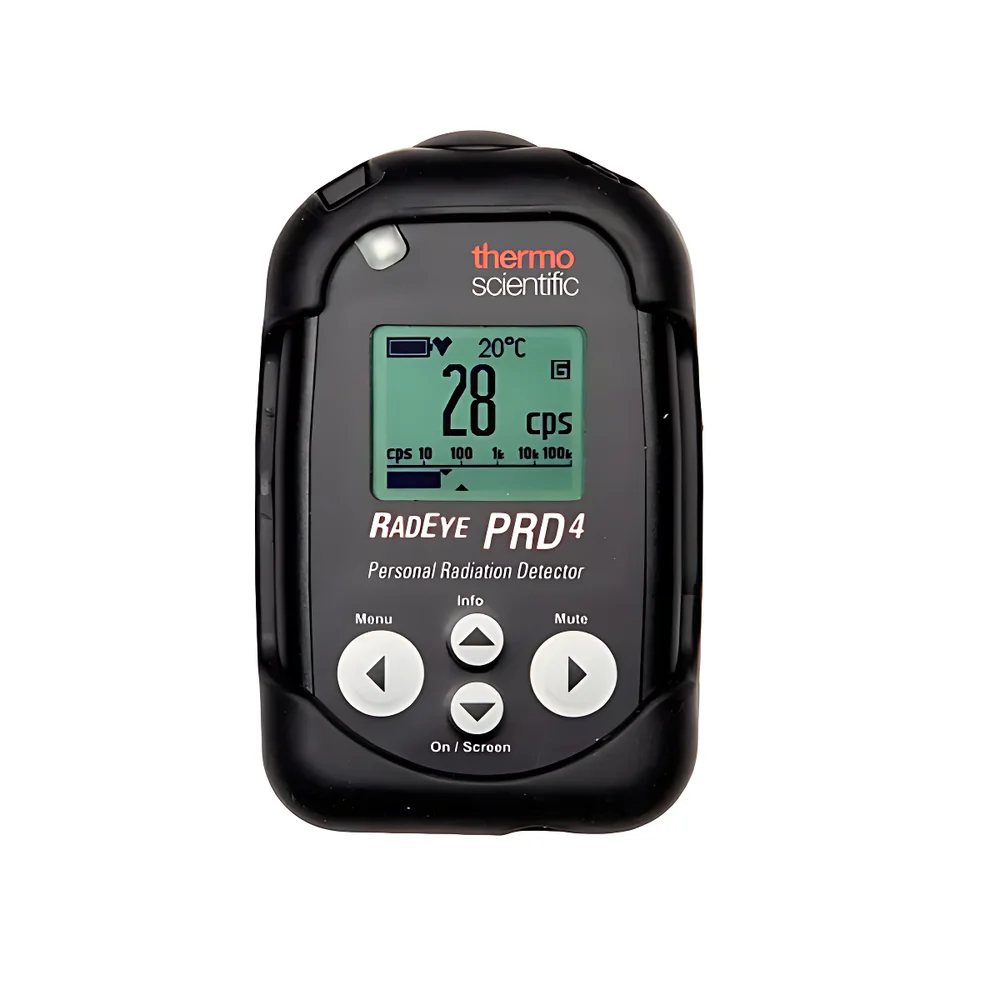
- Thermo Scientific RadEye PRD4 Portable High-Sensitivity Personal Radiation Detector