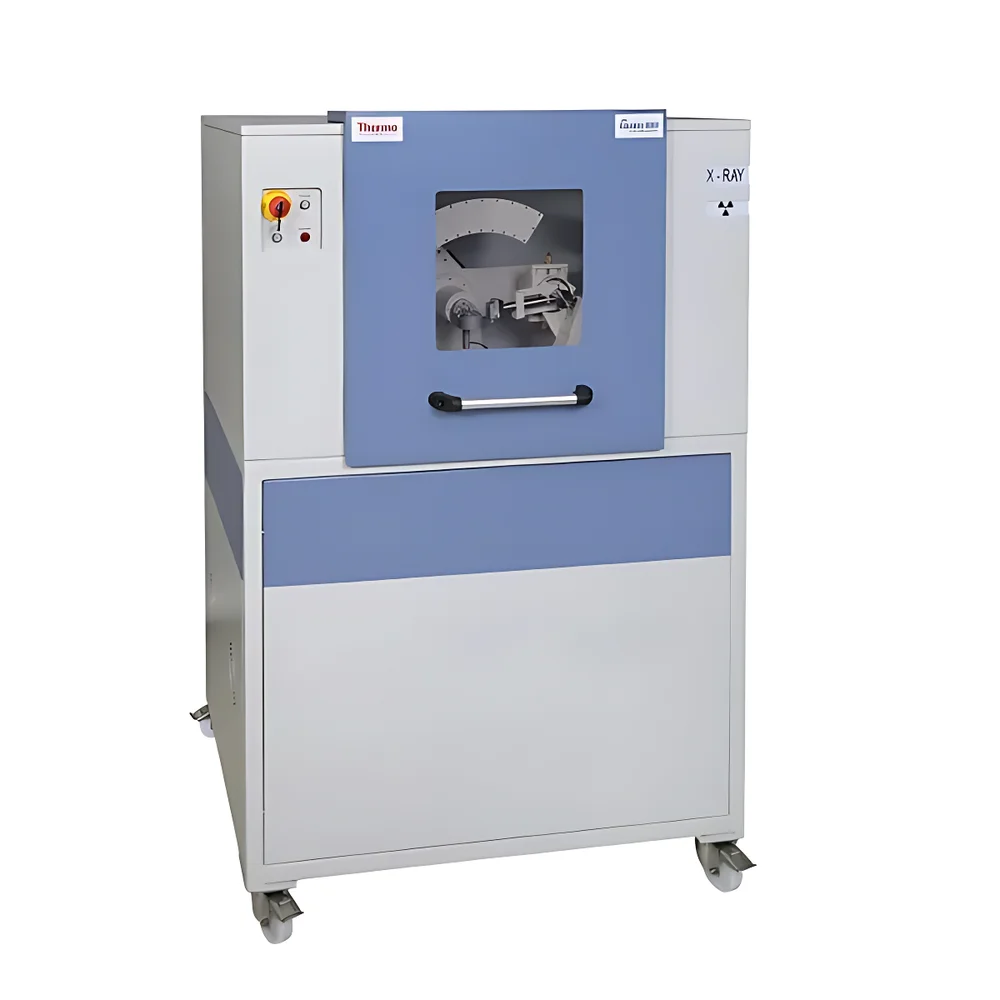
Thermo Fisher Scientific ARL EQUINOX 6000 Four-Circle Texture and Residual Stress X-ray Diffractometer

| Brand | Thermo Fisher Scientific |
|---|---|
| Origin | USA |
| Model | ARL EQUINOX 6000 |
| Instrument Type | Powder X-ray Diffractometer |
| Detector | Position-Sensitive Detector (PSD) |
| 2θ Angular Range | >120° (simultaneous acquisition) |
| Angular Resolution | ≤0.05° 2θ |
| Minimum Acquisition Time | 1 s per pattern |
| Beam Spot Size | down to 10 µm |
| Optical Configuration | Monochromated Cu Kα (or optional Co/Fe/Mo sources) |
| Goniometer | Four-circle Eulerian cradle (χ, φ, ω, 2θ) |
| Sample Environment Options | Variable-temperature stages, controlled-atmosphere chambers, vacuum-compatible sample holders |
| Software Platform | Thermo Scientific™ ARL™ EQUINOX Suite (including TOPAS, DIFFRAC.SUITE, and stress/texture analysis modules) |
Ask about pricing, availability and specifications.
Overview
The Thermo Fisher Scientific ARL EQUINOX 6000 is a high-precision four-circle X-ray diffractometer engineered for quantitative texture analysis, residual stress mapping, and phase identification in polycrystalline and thin-film materials. Unlike conventional powder XRD systems relying on step-scanning or limited angular coverage, the ARL EQUINOX 6000 employs a curved position-sensitive detector (PSD) enabling simultaneous collection across a continuous 2θ range exceeding 120°—a capability rooted in the fundamental geometry of Bragg’s law and Debye–Scherrer cone detection. This real-time acquisition architecture eliminates mechanical scanning delays and significantly enhances data reproducibility for time-resolved experiments. The instrument integrates a fully motorized four-axis Eulerian cradle (χ, φ, ω, 2θ), providing full crystallographic orientation control essential for pole figure measurement, inverse pole figure reconstruction, and triaxial stress tensor determination via sin²ψ methodology. Designed for industrial metrology and advanced materials R&D labs, it delivers traceable, standards-compliant diffraction data under ISO 18203:2016 (residual stress) and ASTM E915–22 (stress measurement using X-ray diffraction).
Key Features
- Real-time PSD detection with >120° simultaneous 2θ coverage and angular resolution ≤0.05° 2θ—enabling single-shot acquisition in as little as 1 second per diffraction pattern.
- Four-circle goniometer with high-precision stepper motors and optical encoders (±0.002° repeatability), supporting full Eulerian orientation space mapping (0–360° φ, 0–90° χ).
- Micro-beam capability with collimated X-ray optics delivering spot sizes down to 10 µm—suitable for localized texture and stress analysis in weld zones, coatings, or microstructured alloys.
- Monochromated Cu Kα radiation (40 kV / 30 mA standard); optional anode configurations (Co, Fe, Mo) for optimized contrast in specific material systems (e.g., Fe-based steels, Ni superalloys).
- Modular sample environment support including programmable heating/cooling stages (−196°C to +1200°C), inert-gas or reactive-atmosphere chambers, and vacuum-compatible sample holders for in-situ reaction studies.
- Rugged, maintenance-free sealed-tube X-ray source with integrated cooling and long-life anode design—engineered for unattended operation in QC laboratories and production environments.
Sample Compatibility & Compliance
The ARL EQUINOX 6000 accommodates diverse sample geometries—from bulk metal components and rolled sheets to thin films, powders, and irregular geological specimens—via interchangeable sample stages and custom fixtures. Its open-sample chamber design permits rapid exchange without realignment. All hardware and software comply with IEC 61000-6-3 (EMC), IEC 61000-6-4 (industrial emission), and FDA 21 CFR Part 11 requirements for electronic records and signatures when configured with audit-trail-enabled software modules. Data formats adhere to CIF (Crystallographic Information File) v1.1 and NeXus/HDF5 standards, ensuring interoperability with third-party crystallographic refinement tools (e.g., GSAS-II, MAUD, MTEX). For regulated industries—including pharmaceutical excipient characterization and aerospace component certification—the system supports GLP/GMP documentation workflows and IQ/OQ/PQ validation protocols.
Software & Data Management
Control and analysis are unified within the Thermo Scientific™ ARL™ EQUINOX Suite—a modular, Windows-based platform integrating instrument control, real-time visualization, and advanced post-processing. Core modules include DIFFRAC.TOPAS for Rietveld refinement and quantitative phase analysis (QPA), DIFFRAC.STRESS for residual stress computation using multiple ψ-tilt methods, and DIFFRAC.TEXTURE for ODF (orientation distribution function) calculation via harmonic expansion or WIMV algorithms. Raw data are stored in vendor-neutral HDF5 containers with embedded metadata (wavelength, goniometer angles, exposure time, environmental conditions). Version-controlled project files support collaborative review, and automated report generation complies with ISO/IEC 17025 documentation requirements. Optional integration with LIMS (e.g., LabWare, STARLIMS) enables seamless data routing into enterprise quality management systems.
Applications
- Residual stress profiling in turbine blades, welded joints, and additive-manufactured components for fatigue life prediction and ASME Section VIII compliance.
- Crystallographic texture quantification in cold-rolled steel sheets, aluminum extrusions, and Ni-based superalloy forgings—supporting ASTM E1122 and E832 standards.
- In-situ thermal cycling of battery cathode materials (e.g., NMC, LFP) to track phase evolution and lattice parameter shifts during charge/discharge simulation.
- Thin-film epitaxy assessment in semiconductor manufacturing—measuring mosaic spread, strain relaxation, and interfacial coherence via reciprocal space mapping (RSM).
- Mineralogical quantification in cement clinker, slag, and ore concentrates for process optimization in mining and construction materials QA/QC.
- Educational use in solid-state physics and materials science curricula—demonstrating Bragg diffraction, Laue symmetry, and Schmid factor analysis.
FAQ
What distinguishes the ARL EQUINOX 6000 from other EQUINOX models?
The ARL EQUINOX 6000 is uniquely configured with a four-circle Eulerian goniometer and dedicated texture/stress analysis firmware—unlike the ARL EQUINOX 3500 (high-resolution powder diffraction) or ARL EQUINOX 5500 (two-circle high-resolution research system).
Can the system perform both phase analysis and stress measurement in a single workflow?
Yes—its synchronized PSD acquisition allows concurrent collection of full diffraction patterns at multiple ψ-tilt angles, enabling automated QPA and stress tensor calculation without hardware reconfiguration.
Is the instrument compatible with non-Cu radiation sources?
Yes—field-upgradable anode options include Co, Fe, and Mo targets, selected based on absorption edge matching and fluorescence suppression requirements for specific sample matrices.
Does Thermo Fisher provide validation documentation for regulated environments?
Yes—comprehensive IQ/OQ documentation packages, 21 CFR Part 11-compliant audit trail configuration, and traceable calibration certificates are available upon request.
What sample throughput can be expected for routine texture analysis?
A full {111}, {200}, {220} pole figure set (120 ψ-tilts × 36 φ-steps) is typically acquired in under 15 minutes using optimized exposure settings and real-time background subtraction.
More from Thermo Fisher Scientific
View all Thermo Fisher Scientific products → Thermo Scientific RadEye PRD-ER4 Portable High-Sensitivity Personal Radiation Detector
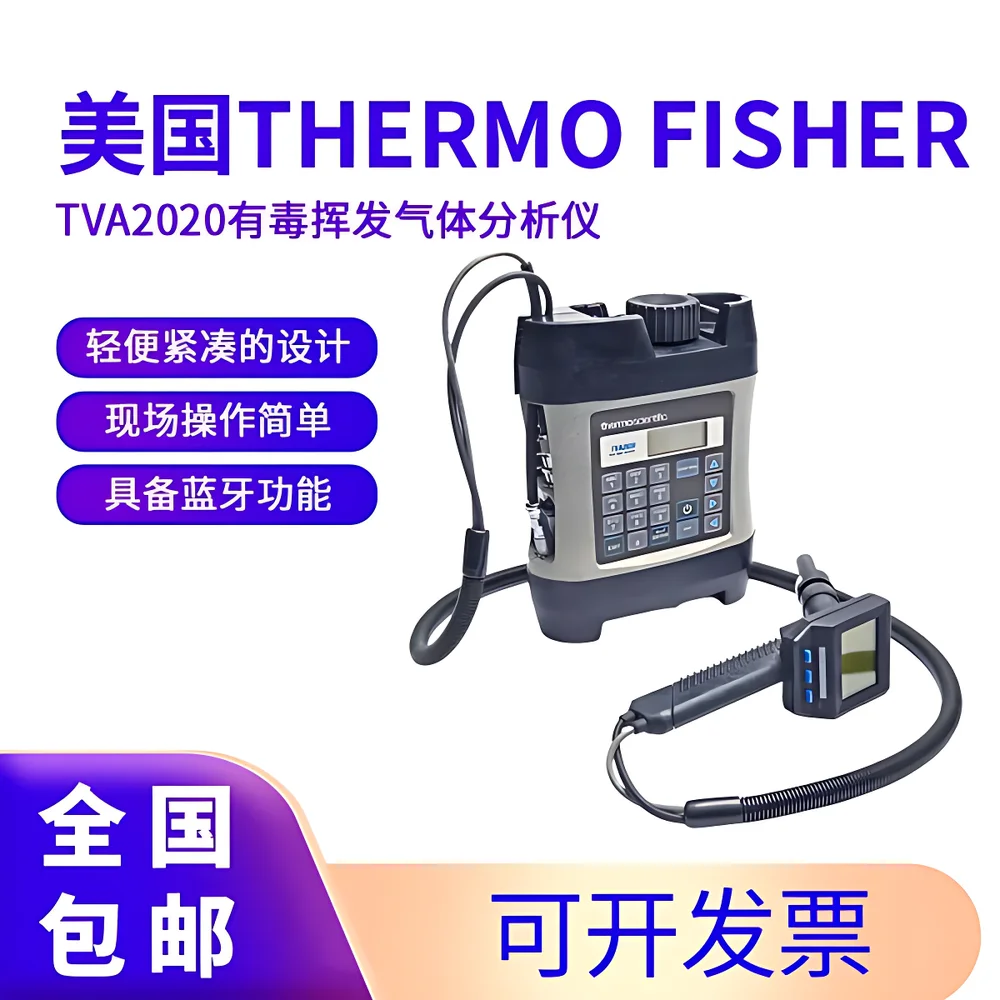
- Thermo Fisher Scientific TVA2020 Portable VOC Analyzer with Dual FID/PID Detection
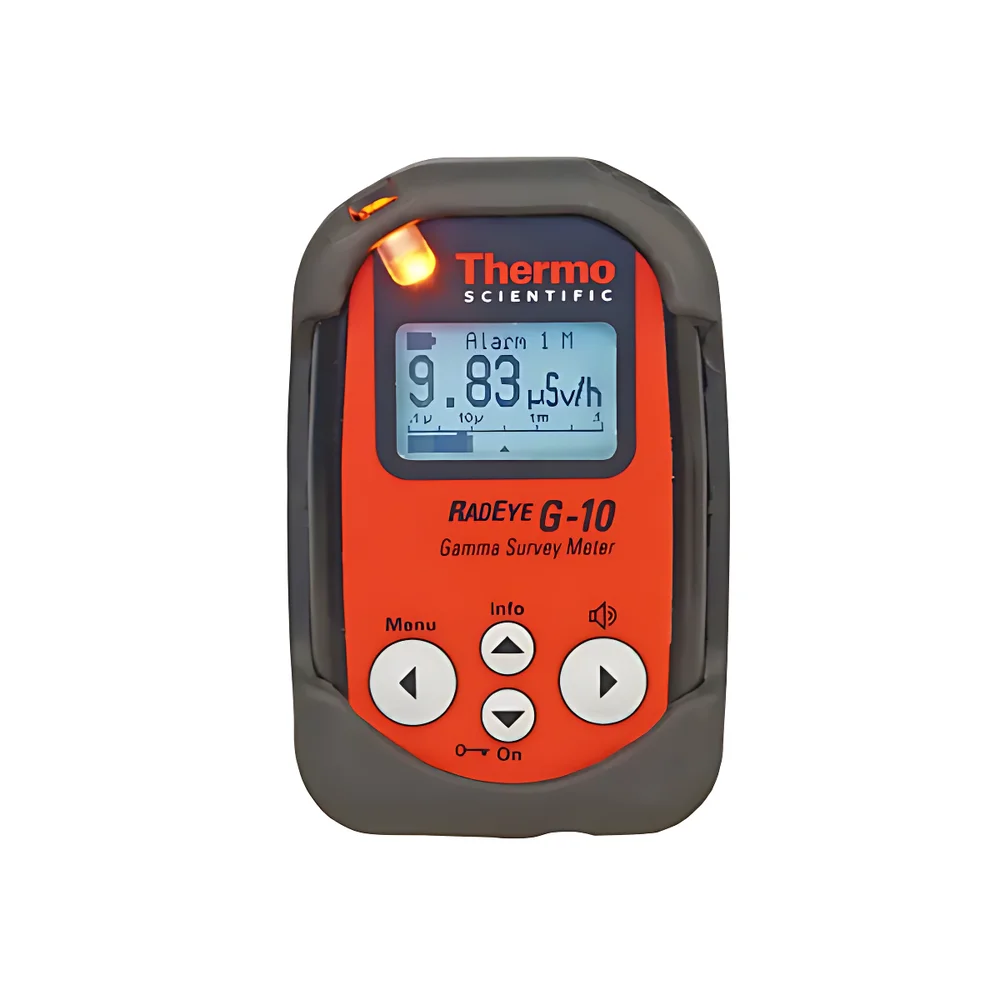
- Thermo Fisher Scientific RadEye G-10 Portable Personal Gamma Radiation Detector
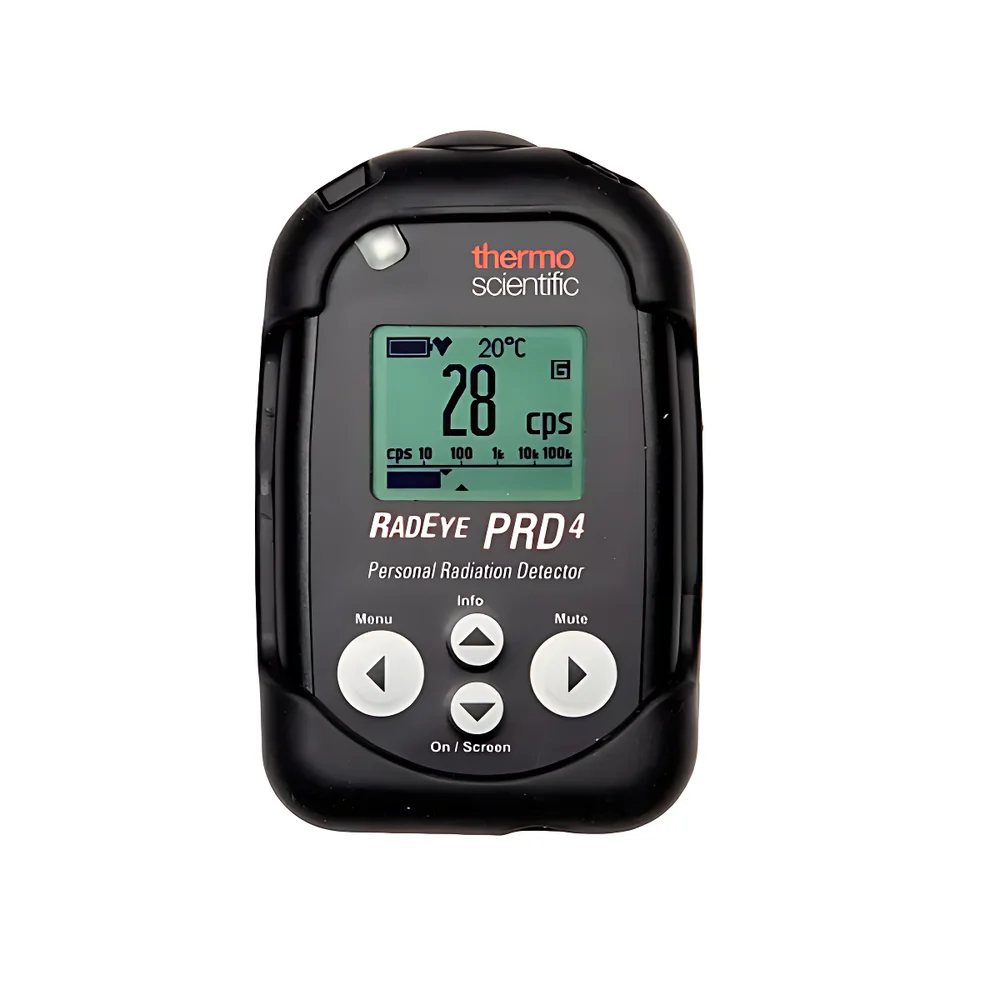
- Thermo Scientific RadEye PRD4 Portable High-Sensitivity Personal Radiation Detector