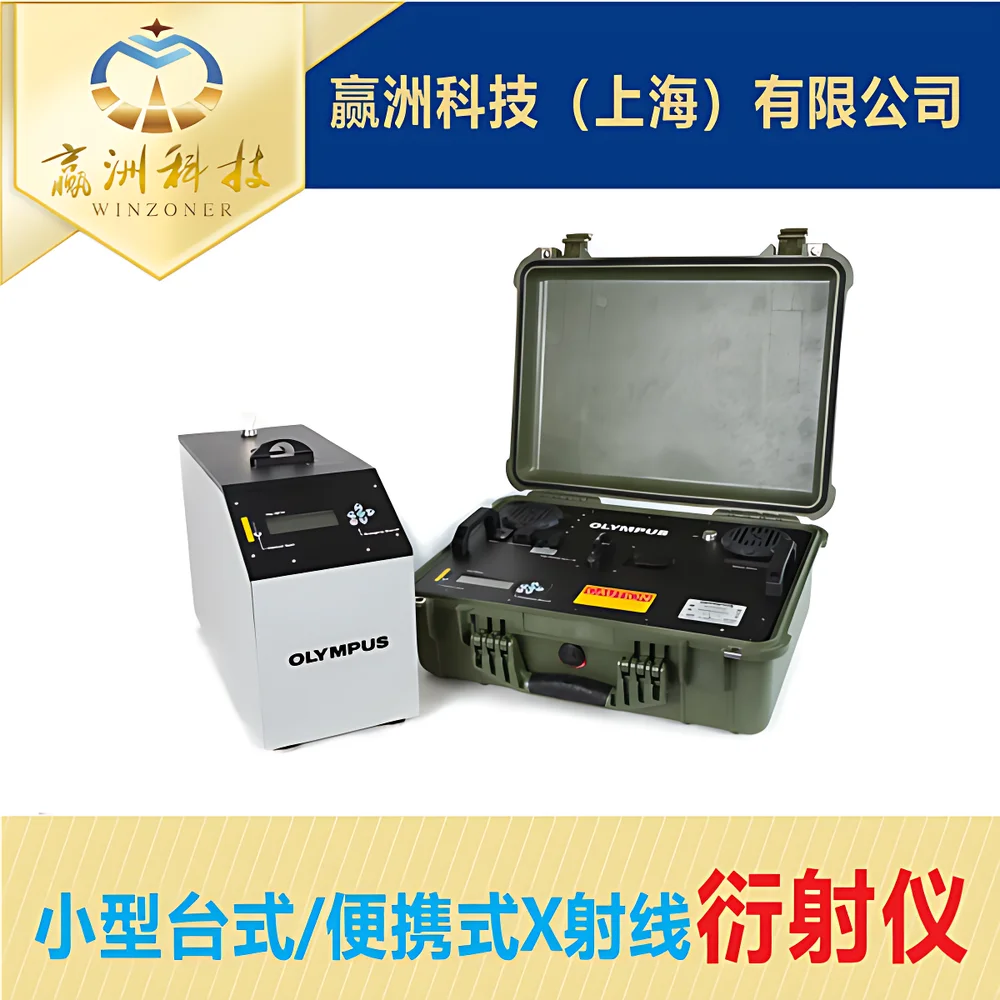
仪景通 EVDENT TERRA II Portable X-ray Diffractometer

| [Brand | EVDENT |
|---|---|
| Origin | USA |
| Manufacturer Type | Authorized Distributor |
| Product Category | Portable Powder X-ray Diffractometer |
| Model | XRD-TERRA II |
| Power Supply | Rechargeable Li-ion battery (up to 6 h continuous operation) |
| Sample Mass Required | 15 mg |
| Sample Particle Size | ≤150 µm |
| Detector | Updated high-speed X-ray detector with enhanced count rate and lower LOD |
| Software | SwiftMin™ real-time mineral phase identification & quantification |
| Connectivity | Wi-Fi, Bluetooth, USB |
| Compliance | Designed for field-deployable operation in accordance with ASTM E2827, ISO 17892-12, and USP <429> principles for XRD-based solid-state characterization] |
Ask about pricing, availability and specifications.
Overview
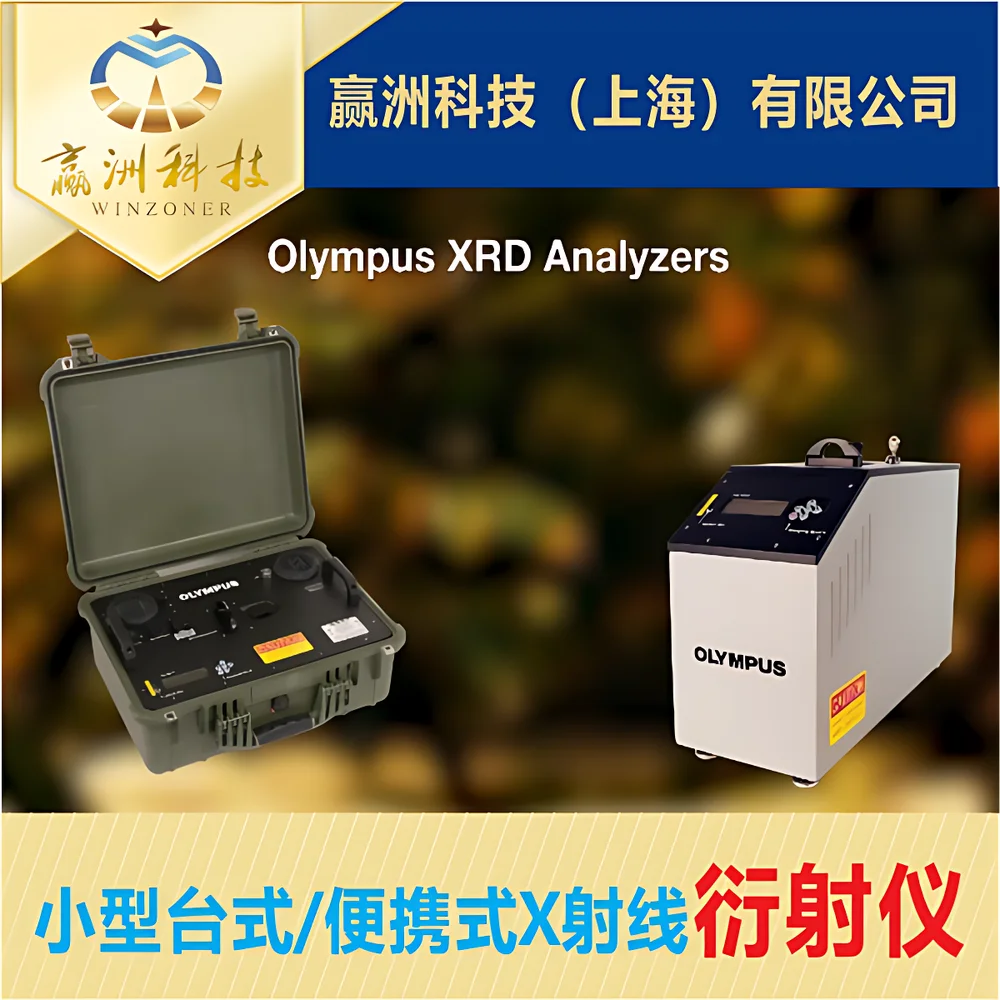
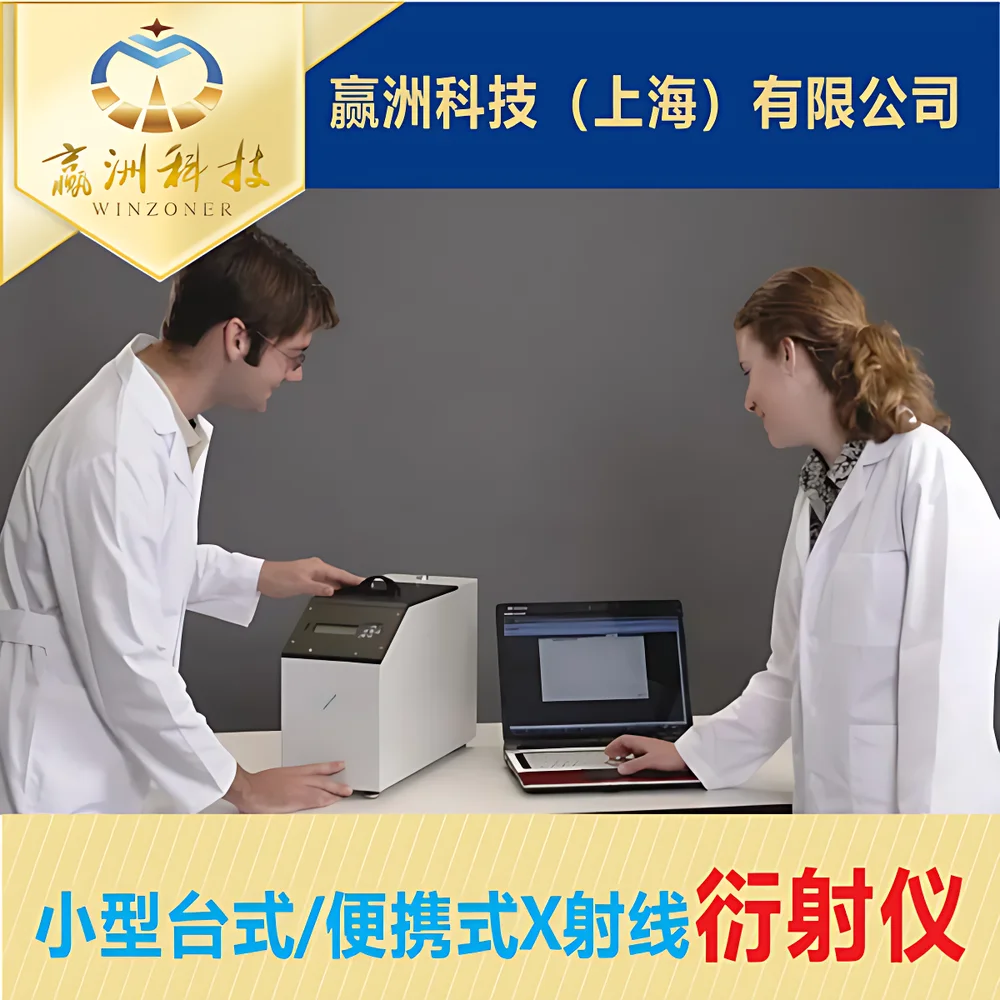
The EVDENT TERRA II Portable X-ray Diffractometer is a field-deployable, battery-powered powder XRD system engineered for rapid, on-site crystalline phase identification and semi-quantitative analysis. Unlike conventional benchtop XRD instruments requiring fixed laboratory infrastructure, the TERRA II operates on the principle of Bragg’s law (nλ = 2d sinθ) using Cu-Kα radiation (λ = 1.5418 Å) and a high-efficiency silicon-strip detector. Its compact architecture integrates a microfocus X-ray source, precision goniometer, and vibration-driven sample stage—enabling robust data acquisition under variable environmental conditions. The instrument is specifically optimized for geological, mining, petrochemical, and industrial QA/QC applications where portability, minimal sample preparation, and immediate decision support are critical. It delivers diffraction patterns over a 5–70° 2θ range with angular resolution sufficient for distinguishing polymorphs, hydrates, and mixed-phase systems in complex matrices.
Key Features
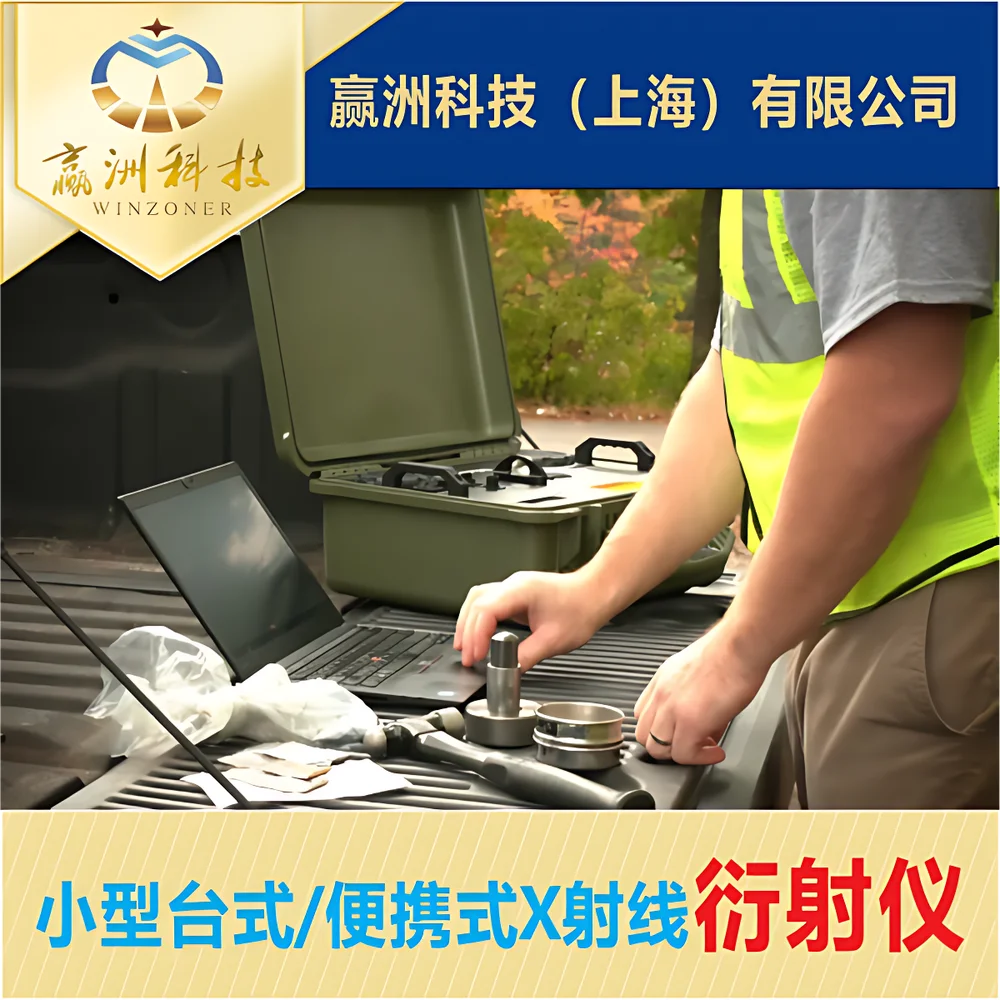
- Battery-operated design with up to 6 hours of uninterrupted operation—no external power, water cooling, compressed gas, or secondary chillers required.
- Vibratory sample stage that mitigates preferred orientation effects, enabling reliable data from as little as 15 mg of powdered sample (≤150 µm).
- Integrated SwiftMin™ software running natively on the device: performs real-time phase ID, Rietveld-assisted semi-quantitative analysis, and automatic report generation.
- Wireless connectivity (Wi-Fi/Bluetooth) for remote monitoring, parameter adjustment, and secure data export to laptops, tablets, or smartphones.
- Ruggedized IP54-rated enclosure designed for outdoor use—resistant to dust, light rain, and mechanical shock per MIL-STD-810G guidelines.
- Pre-calibrated optical alignment and self-diagnostic routines minimize user intervention and reduce calibration drift during extended field deployment.
Sample Compatibility & Compliance
The TERRA II accommodates heterogeneous solid samples—including rocks, ores, cement clinkers, catalysts, pharmaceutical excipients, and security-relevant powders—without pelletization or pressing. Its low-dose acquisition protocol preserves sample integrity while maintaining analytical sensitivity. The system adheres to foundational XRD measurement standards including ASTM E2827 (Standard Test Method for Phase Analysis of Crystalline Solids by X-ray Diffraction), ISO 17892-12 (Geotechnical investigation and testing — Laboratory testing of soil — Part 12: Determination of mineral composition by X-ray diffraction), and aligns with USP guidance for solid-state characterization in pharmaceutical development. While not certified for GLP/GMP production environments, its audit-trail-capable SwiftMin™ software supports traceable data handling compliant with FDA 21 CFR Part 11 requirements when deployed with appropriate IT validation protocols.
Software & Data Management
SwiftMin™ provides an intuitive, single-screen interface with preloaded mineral libraries (ICDD PDF-4+ compatible), customizable calibration templates, and one-click export to CSV, PDF, or CIF formats. All raw diffraction data, metadata (including GPS coordinates if enabled), and processing logs are stored locally with SHA-256 hashing for integrity verification. Automated cloud sync (optional) enables centralized data aggregation across multi-site operations. The software includes built-in uncertainty estimation for peak position and intensity, supporting ISO/IEC 17025-aligned uncertainty reporting frameworks. No third-party license fees or annual maintenance contracts are required for core functionality.
Applications
- Mineral exploration & grade control: real-time identification of quartz, feldspar, clay minerals, sulfides, and carbonates in drill core or outcrop samples.
- Oilfield wireline logging support: rapid clay typing and diagenetic assessment during wellsite operations.
- Cement and construction materials: phase quantification of alite, belite, free lime, and sulfate phases for process optimization.
- Pharmaceutical solid-form screening: detection of polymorphic transitions, hydrate formation, or amorphous content in API batches.
- Industrial catalyst monitoring: tracking structural degradation, sintering, or coke deposition in spent reforming or hydrotreating catalysts.
- Security and forensics: field identification of explosive precursors (e.g., ammonium nitrate, RDX), illicit drug salts, or counterfeit pigments.
FAQ
Does the TERRA II require external calibration standards?
No—factory-installed Si reference standard enables daily verification; full recalibration is recommended annually or after significant transport shock.
Can it analyze hydrated or air-sensitive samples?
Yes—sample chamber accommodates sealed sample holders; optional inert-gas purge kit available for moisture- or oxygen-sensitive materials.
Is Rietveld refinement supported onboard?
SwiftMin™ includes fast, constrained Rietveld analysis for up to 8 phases; full-profile refinement requires export to TOPAS or GSAS-II.
What is the typical detection limit for minor phases?
Under standard acquisition (15 min), ~2–3 wt% for crystalline phases with favorable scattering cross-sections; LOD improves with longer dwell time or repeated measurements.
How is data security managed during wireless transmission?
All Wi-Fi sessions use WPA3-Enterprise encryption; data-at-rest employs AES-256; audit logs record all user actions and file transfers.
More from EVDENT
View all EVDENT products → EVDENT Handheld X-Ray Fluorescence (XRF) Spectrometer for Alloy Analysis
- EVDENT Vanta Series Portable X-Ray Fluorescence (XRF) Spectrometer for Soil Heavy Metal Screening and Lateritic Nickel Ore Exploration
- Vanta Element XRF Analyzer for RoHS Compliance Screening
- EVDENT Handheld Alloy Analyzer – Energy Dispersive X-Ray Fluorescence (ED-XRF) Spectrometer