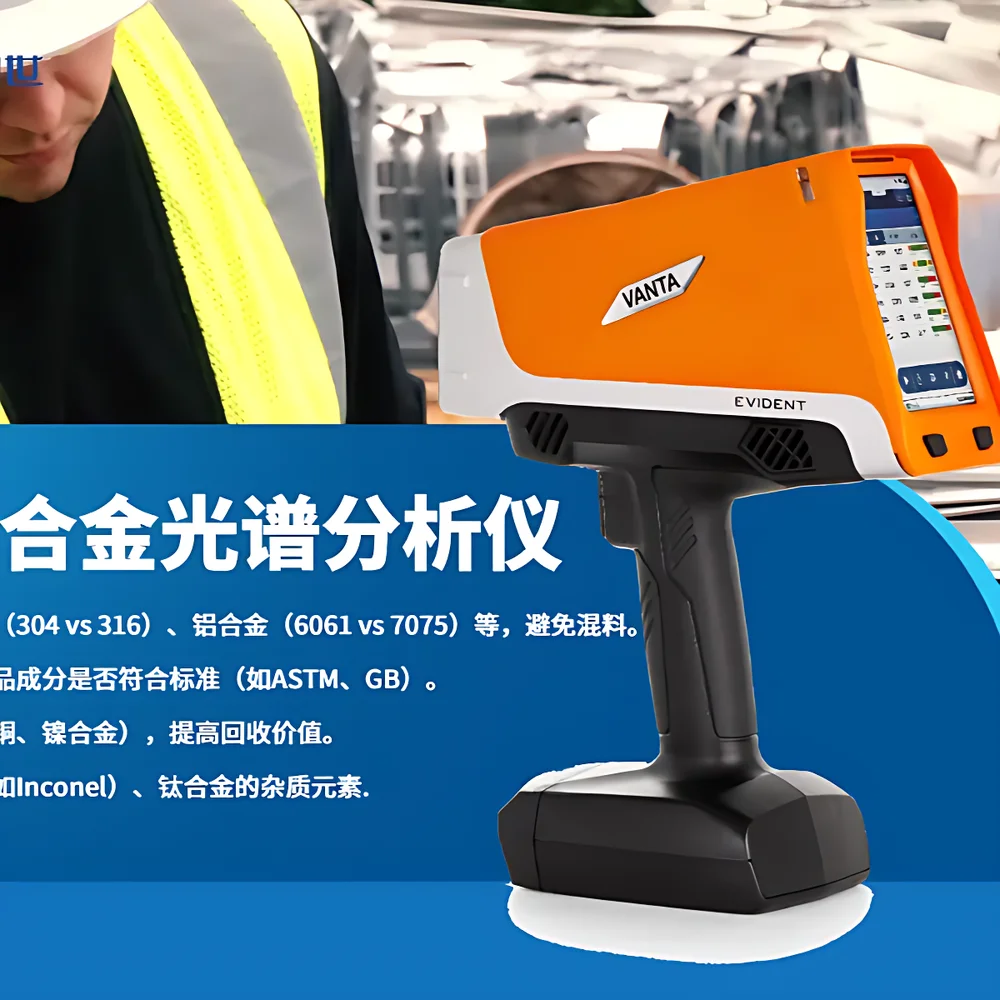
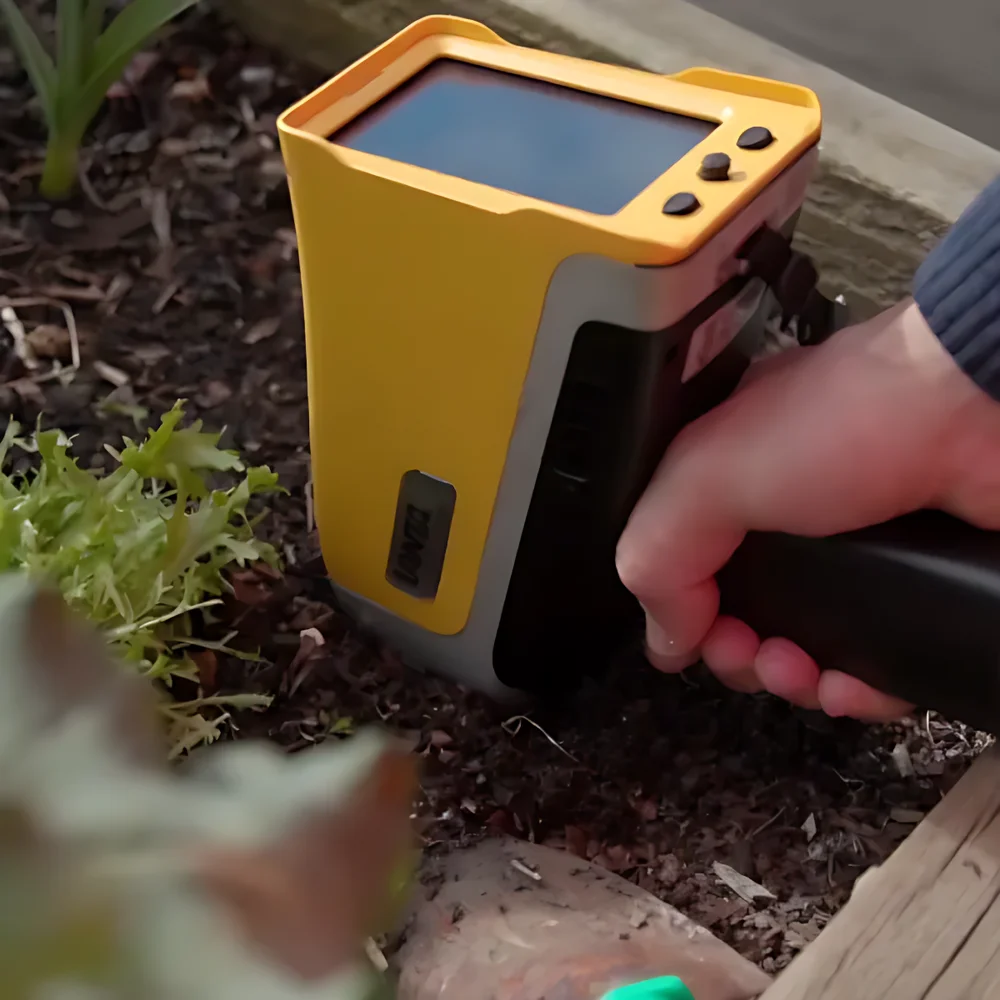
EVDENT Vanta Series Portable X-Ray Fluorescence (XRF) Spectrometer for Soil Heavy Metal Screening and Lateritic Nickel Ore Exploration

| Brand | EVDENT |
|---|---|
| Model | Vanta Series |
| Type | Handheld Energy Dispersive X-Ray Fluorescence (ED-XRF) Spectrometer |
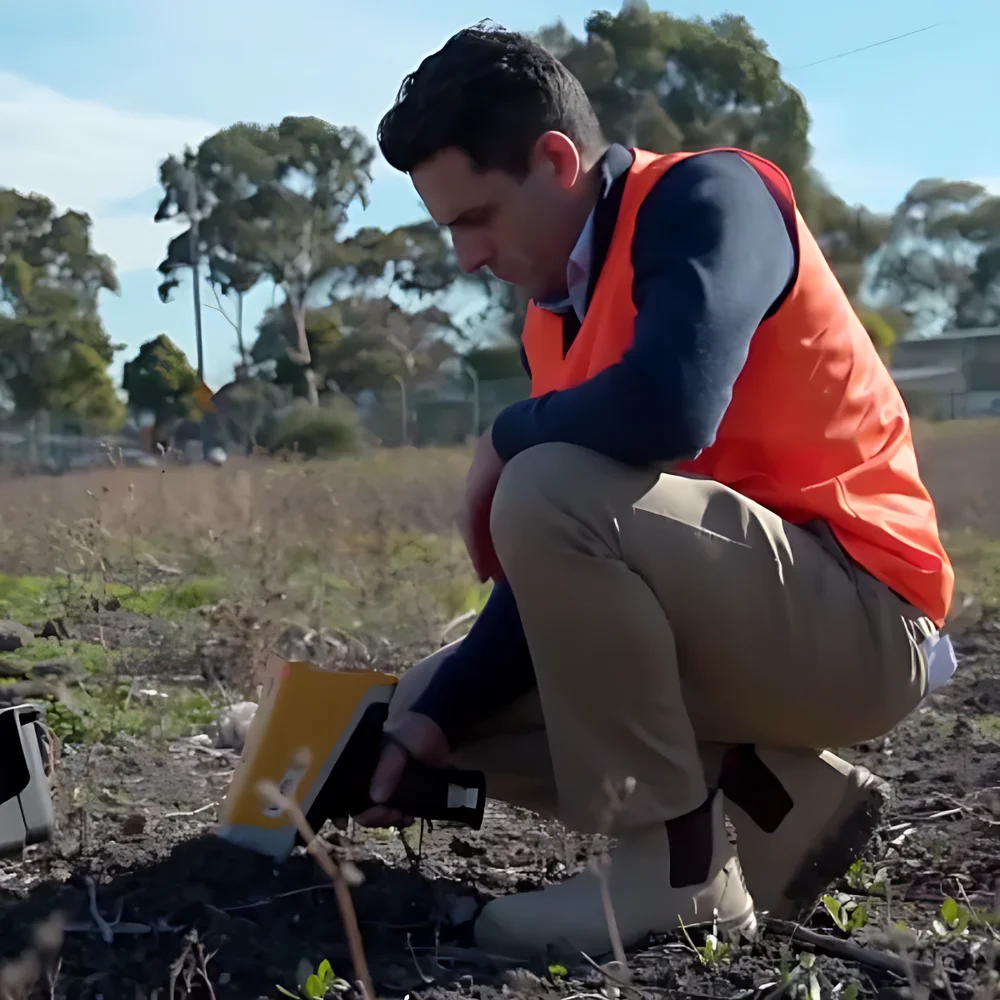
| Application | Field-based soil, regolith, and ore grade control |
| Compliance | EPA Method 6200, ISO/DIS 13196, NIOSH/OSHA surface screening protocols |
| GPS Integration | Built-in GNSS (GPS/GLONASS/Galileo) with geotagged spectral data export |
| Data Transfer | Wi-Fi & Bluetooth to GIS platforms (e.g., ArcGIS Field Maps, QGIS) |
| Regulatory Context | Supports GLP-compliant field documentation |
| Detection Capability | Simultaneous quantification of Ni, Co, Cr, Mn, Fe, Cu, Zn, Pb, As, Cd, and other elements from Mg to U (Z = 12–92) in soils, laterites, and drill core chips |
Ask about pricing, availability and specifications.
Overview
The EVDENT Vanta Series portable X-ray fluorescence (XRF) spectrometer is an industrial-grade, field-deployable ED-XRF analyzer engineered for rapid, non-destructive elemental analysis of soils, weathered regolith profiles, and lateritic nickel ore materials. It operates on the principle of energy-dispersive X-ray fluorescence: a miniature X-ray tube excites atoms in the sample, causing emission of characteristic secondary X-rays whose energies are uniquely associated with specific elements. A high-resolution silicon drift detector (SDD) captures and resolves these emissions, enabling real-time qualitative and semi-quantitative multi-element profiling. Designed for geological exploration and environmental site assessment, the instrument delivers laboratory-grade geochemical insight directly at the point of sampling—eliminating delays associated with off-site lab submission while maintaining analytical traceability through embedded GNSS positioning and timestamped spectral records.
Key Features
- Ruggedized IP54-rated enclosure with shock-absorbing rubber armor and MIL-STD-810G compliance for operation in tropical, humid, and dusty field environments typical of laterite mining regions.
- Integrated dual-frequency GNSS receiver (GPS/GLONASS/Galileo) providing sub-3-meter horizontal accuracy; each spectrum is automatically tagged with latitude, longitude, altitude, and UTC timestamp.
- Real-time spectral processing engine supporting on-device quantification using fundamental parameters (FP) and empirical calibrations optimized for lateritic matrices (e.g., Fe-rich oxides, clay-bound Ni, Mn-oxide coatings).
- Wireless data synchronization via Wi-Fi or Bluetooth to cloud-based or local GIS infrastructure—enabling dynamic contamination mapping, grade contouring, and drill-hole correlation without manual data re-entry.
- Extended battery life (>10 hours continuous operation) with hot-swappable Li-ion packs, ensuring uninterrupted survey coverage across remote exploration grids.
- Pre-loaded method libraries aligned with EPA Method 6200 (field screening of RCRA metals), ISO/DIS 13196 (soil heavy metal determination), and industry-standard SOPs for surface scanning and particulate filtration analysis.
Sample Compatibility & Compliance
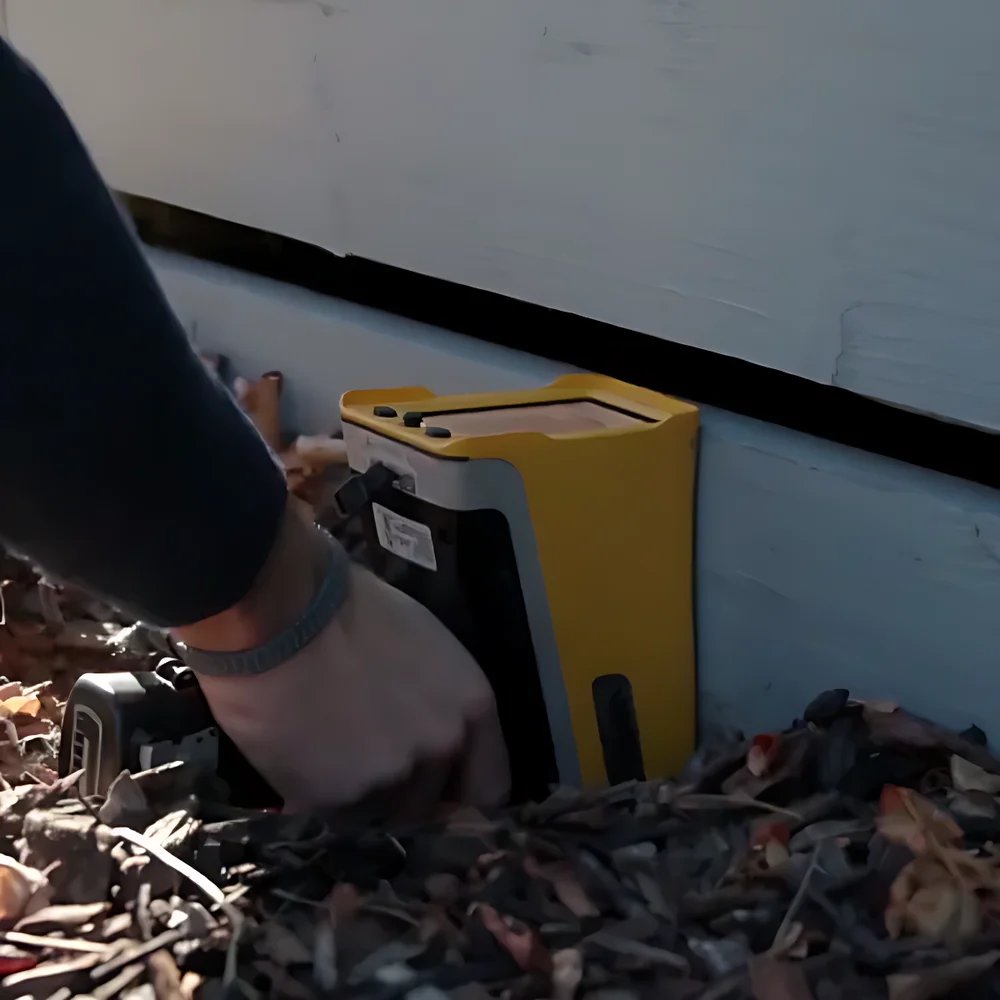
The Vanta Series analyzer is validated for direct analysis of unprepared, heterogeneous solid samples—including moist lateritic soils, weathered saprolite, trench wall exposures, drill cuttings, and stockpile material. Its large-area collimated beam (8 mm diameter) and adaptive tube current modulation minimize matrix effects in high-Fe, high-Mn laterite profiles. While not a certified reference method per ISO 17025, it serves as a primary field screening tool meeting the performance criteria outlined in ASTM D7217–21 (Standard Practice for Field Screening of Metals in Soils Using Portable XRF) and supports Tier 1 risk-based decision making under US EPA’s Triad Approach. All spectral data files include metadata required for GLP/GMP-aligned field documentation, including operator ID, instrument serial number, calibration verification logs, and spectral quality flags.
Software & Data Management
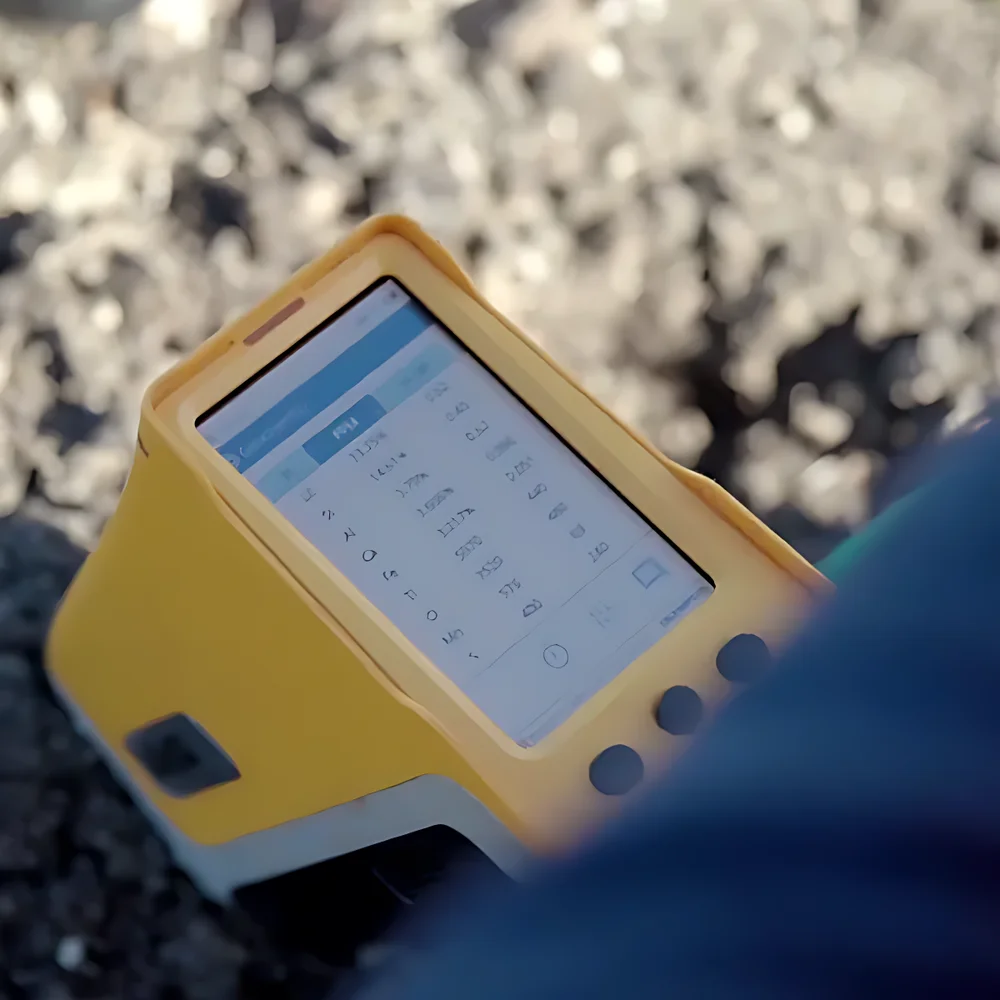
Data acquisition and reporting are managed through EVDENT’s proprietary Vanta Connect software suite, compatible with Windows and Android platforms. Each measurement generates a .VNT file containing raw spectra, processed elemental concentrations (ppm or wt%), statistical confidence intervals, detection limits (based on 3σ background), and geospatial metadata. Export formats include CSV, GeoJSON, and ESRI Shapefile—ensuring seamless ingestion into commercial GIS platforms. Optional add-ons support 21 CFR Part 11-compliant electronic signatures, role-based access control, and automated audit trail generation for regulated environmental monitoring programs.
Applications
- Lateritic nickel exploration: Rapid delineation of Ni-Co enrichment zones across saprolite and limonite horizons; identification of vertical grade transitions during trenching and auger sampling.
- Ore body modeling: Real-time validation of drill core assays and lithological correlations; integration with Leapfrog Geo or Vulcan for 3D grade shell definition.
- Process control: On-belt or stockpile analysis for feed grade consistency prior to HPAL (high-pressure acid leach) processing.
- Environmental due diligence: Pre-acquisition screening of brownfield sites for As, Pb, Cd, and Cr(VI)-associated risks; post-remediation verification of residual metal concentrations.
- Regulatory compliance: Field implementation of EPA Region 9’s “Rapid Site Assessment” protocols and EU Soil Thematic Strategy field verification workflows.
FAQ
Does this instrument require sample preparation?
No—direct analysis of air-dried or field-moist soil and rock surfaces is supported. For optimal precision in high-moisture laterites, light surface drying or use of a protective Mylar film is recommended.
Can it distinguish between Ni in silicate vs. oxide phases?
No—XRF provides total elemental concentration only. Phase-specific speciation requires complementary techniques such as XRD or synchrotron-based XANES.
Is calibration transfer possible between instruments?
Yes—EVDENT provides factory-calibrated transfer standards and cross-instrument validation protocols compliant with ISO 21043–2 (XRF inter-instrument comparability).
What is the typical detection limit for Ni in lateritic soil?
Under standard 60-second measurement conditions, typical LODs range from 15–30 ppm Ni depending on Fe/Mn content and particle size distribution.
How is data integrity maintained during offline field operations?
All measurements are stored locally with cryptographic hashing; synchronization upon reconnection preserves chronological order, prevents overwrites, and logs network status changes in the audit trail.
More from EVDENT
View all EVDENT products → EVDENT Handheld X-Ray Fluorescence (XRF) Spectrometer for Alloy Analysis
- Vanta Element XRF Analyzer for RoHS Compliance Screening
- EVDENT Handheld Alloy Analyzer – Energy Dispersive X-Ray Fluorescence (ED-XRF) Spectrometer
- EVDENT Vanta Handheld Energy Dispersive X-Ray Fluorescence (ED-XRF) Spectrometer for Archaeological and Museum Conservation