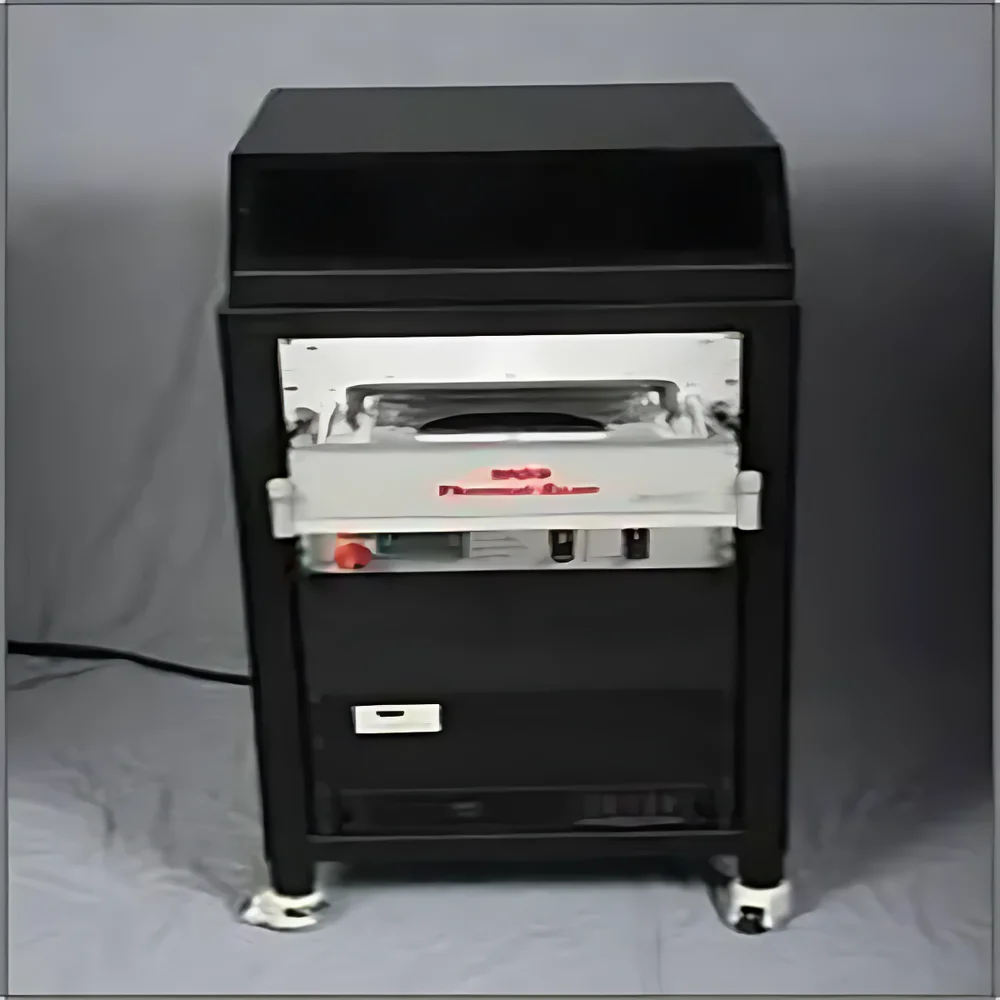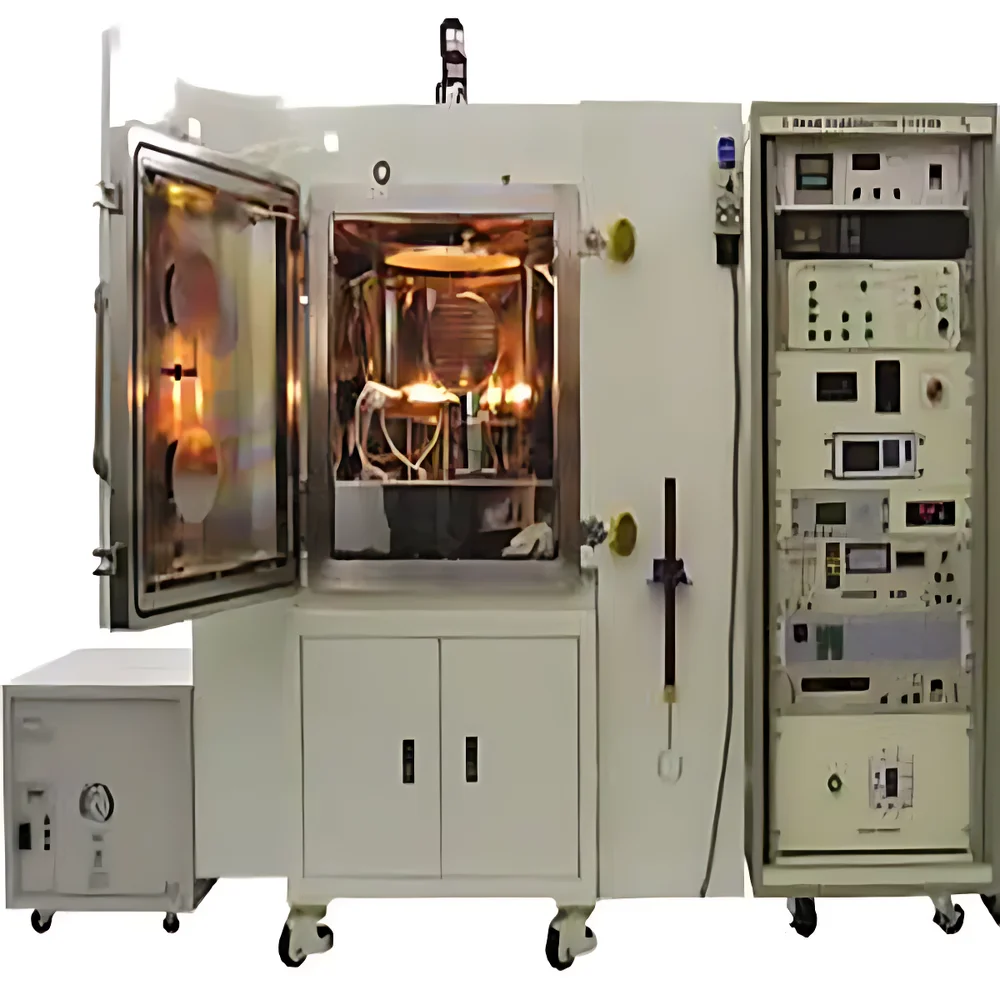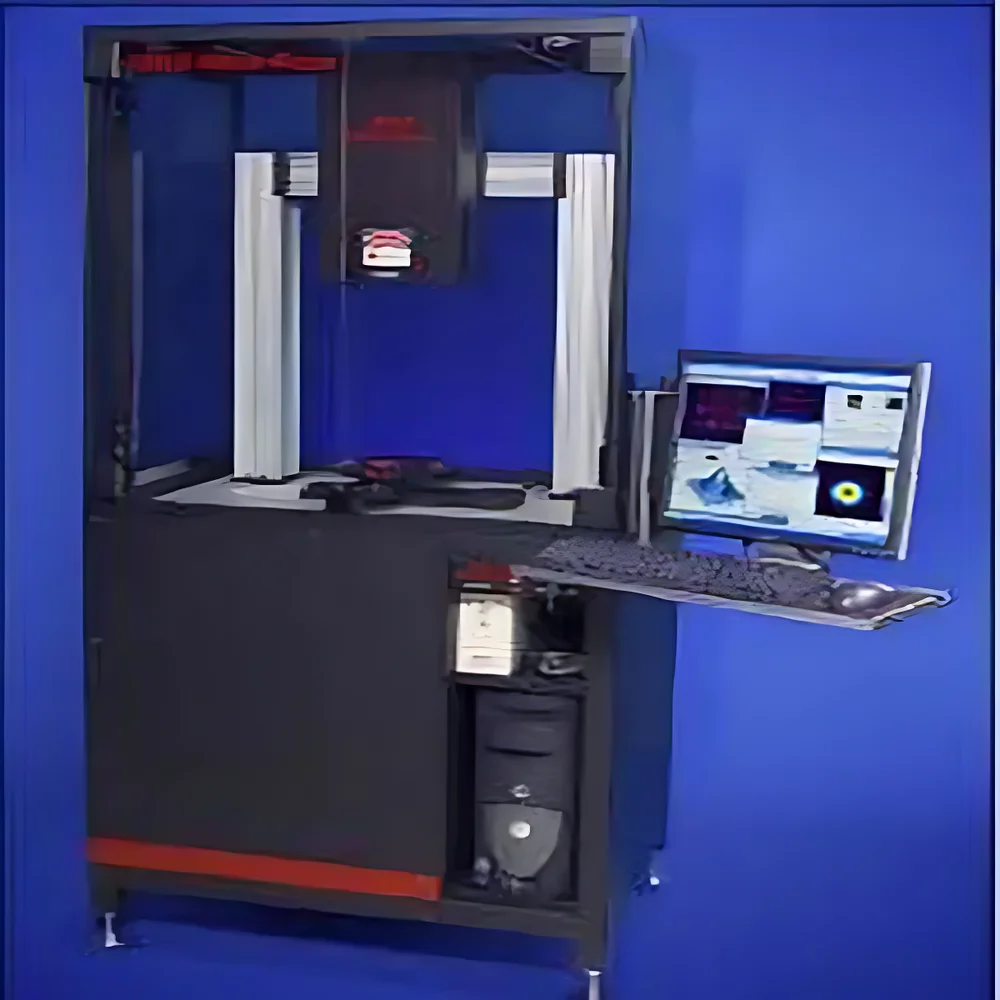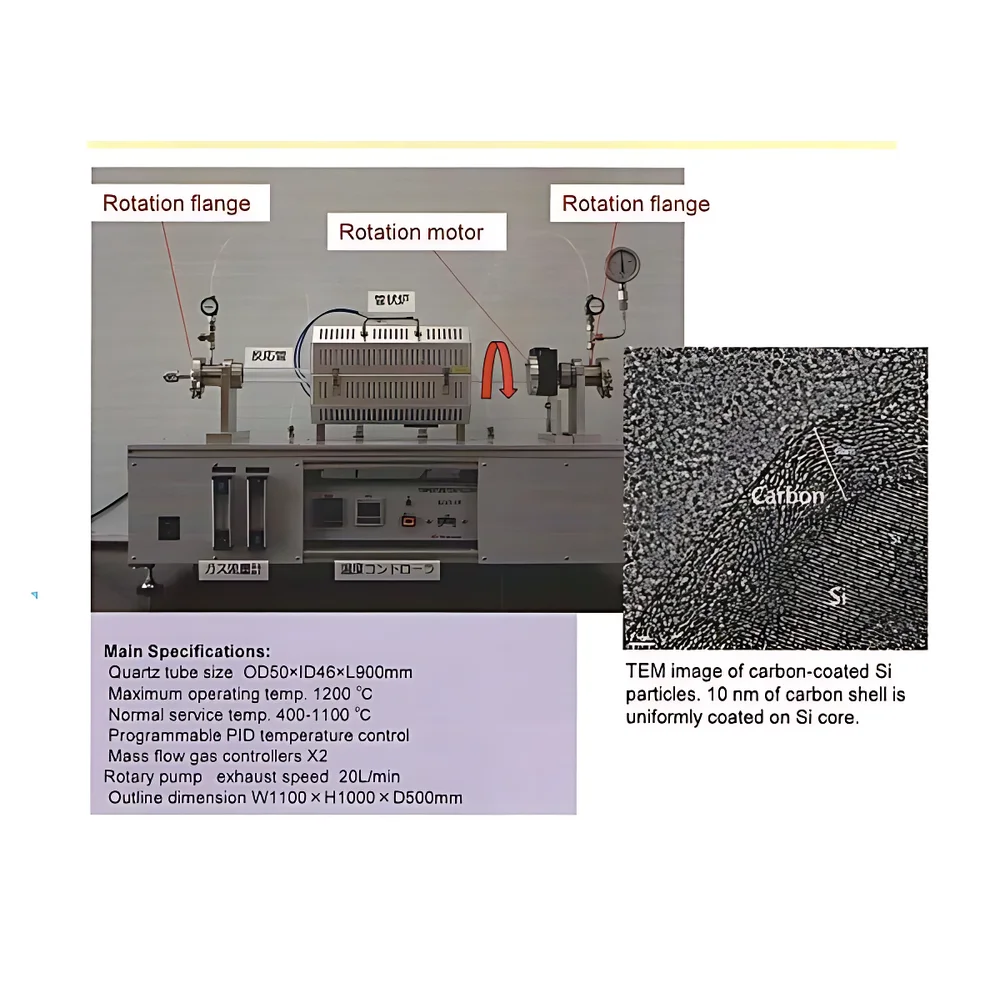
Microphase ALD-200 Series Atomic Layer Deposition System

| Brand | Microphase |
|---|---|
| Origin | Japan |
| Manufacturer Type | Authorized Distributor |
| Origin Category | Imported |
| Model | ALD-200 Series |
| Price Range | USD 70,000 – 140,000 (FOB Japan) |
| Substrate Size | 2″ to 12″ (configurable) |
| Process Temperature | Up to 800 °C |
| Precursor Channels | 4–8 (standard), expandable |
| Chamber Configuration | Load-lock compatible |
| Uniformity | ≤±1.5% (3σ, across 8″ Si wafer, Al₂O₃ reference film) |
| System Footprint | 1,200 mm × 800 mm × 1,800 mm (W × D × H) |
| Weight | ~650 kg |
Ask about pricing, availability and specifications.
Overview
The Microphase ALD-200 Series is a high-precision, research-grade atomic layer deposition (ALD) system engineered for controlled, self-limiting surface reactions in vacuum environments. Based on the sequential, pulsed delivery of gaseous precursors and reactive co-reactants—separated by inert purge steps—the system enables sub-nanometer thickness control, exceptional conformality (>95% step coverage on >50:1 aspect-ratio features), and atomic-scale reproducibility. Designed and manufactured in Japan, the platform supports both thermal ALD and plasma-enhanced ALD (PEALD) operation modes, making it suitable for low-temperature processing of temperature-sensitive substrates (e.g., flexible electronics, organic semiconductors) as well as high-thermal-stability applications (e.g., gate oxides, diffusion barriers). Its modular architecture allows integration with in situ metrology (e.g., quartz crystal microbalance, residual gas analysis) and compatibility with UHV-compatible load-lock modules for high-throughput R&D workflows.
Key Features
- Multi-mode reactor design: configurable for horizontal-flow, top-down showerhead (uniform precursor distribution), or capacitively coupled RF plasma enhancement (13.56 MHz, up to 300 W)
- Integrated load-lock chamber enabling rapid sample exchange (<60 s cycle time) without breaking main process vacuum (base pressure <5×10⁻⁸ Torr)
- Precursor delivery system with mass flow controllers (MFCs), heated vaporization lines (up to 200 °C), and independent dose timing (pulse width: 10 ms–30 s; purge: 1–60 s)
- Programmable substrate heating stage with PID-controlled ramp rates (0.1–10 °C/s) and uniformity ±1.0 °C over full 12″ wafer area
- Full vacuum interlock safety architecture compliant with IEC 61508 SIL-2 requirements for laboratory-scale ALD systems
- Modular precursor manifold supporting up to eight independently controlled chemical sources, including metalorganic, halide, and liquid precursors
Sample Compatibility & Compliance
The ALD-200 accommodates rigid and flexible substrates ranging from 2″ silicon wafers to 12″ glass, quartz, or polymer foils (e.g., polyimide, PET). It supports industry-standard cassette-based loading and robotic handler interfaces (SEMI E47.1 compliant). All wetted components are electropolished 316L stainless steel or alumina-coated, ensuring compatibility with aggressive chemistries (e.g., TiCl₄, NH₃, O₃, TMA). The system meets ISO 14644-1 Class 5 cleanroom requirements when installed in a dedicated enclosure and conforms to CE Machinery Directive 2006/42/EC, EMC Directive 2014/30/EU, and RoHS 2011/65/EU. Optional validation packages support IQ/OQ documentation aligned with GLP and GMP frameworks for regulated R&D environments.
Software & Data Management
Control is managed via Microphase’s ALD-Studio™ software suite (Windows 10 IoT Enterprise), offering deterministic real-time sequencing (sub-10 ms timing resolution), recipe versioning with SHA-256 checksums, and audit-trail logging compliant with FDA 21 CFR Part 11 requirements. Process data—including chamber pressure, temperature profiles, MFC setpoints, plasma parameters, and purge durations—is timestamped and exported in HDF5 format for traceability. Remote monitoring via secure TLS 1.3 API enables integration with lab-wide MES platforms. All software binaries undergo annual third-party penetration testing and are delivered with signed digital certificates.
Applications
- Semiconductor fabrication: High-k dielectrics (Al₂O₃, HfO₂, ZrO₂) for FinFET gate stacks; diffusion barriers (TiN, TaN) in Cu interconnects; MIM capacitor dielectrics (SrTiO₃); anti-reflective and moisture-barrier layers for OLED backplanes
- MEMS/NEMS: Conformal hydrophobic coatings (SiO₂, Al₂O₃) for stiction mitigation; piezoelectric thin films (AlN, ZnO); tunnel barrier layers (Al₂O₃, HfO₂) in magnetic tunnel junctions
- Energy devices: Surface passivation layers for perovskite solar cells; solid-state electrolyte coatings for Li-ion battery cathodes; catalyst support functionalization in PEM fuel cells
- Nanomaterial engineering: Core-shell nanoparticle synthesis; selective coating of porous anodic alumina templates; atomic-scale functionalization of carbon nanotubes and graphene
- Quantum devices: Epitaxy-ready seed layers for III-V heterostructures (GaAs, InP); ultra-thin tunnel oxides in single-electron transistors
FAQ
What substrate sizes does the ALD-200 support?
The system is field-configurable for 2″, 4″, 6″, 8″, and 12″ substrates using interchangeable chucks and shadow masks. Custom carriers for non-circular or irregular geometries (e.g., fiber arrays, microfluidic chips) are available under NRE agreement.
Can the system operate under ozone or oxygen plasma conditions?
Yes—integrated ozone generator (up to 200 g/h, 12% wt.) and RF plasma source (13.56 MHz, variable power 50–300 W) enable direct O₃-ALD and O₂-PEALD processes, validated for Al₂O₃, SnO₂, and RuO₂ growth at temperatures as low as 50 °C.
Is remote diagnostics and service support available?
All units include embedded Ethernet/IP connectivity with hardware-enforced VLAN segmentation. Microphase’s Field Support Portal provides encrypted remote access for firmware updates, log analysis, and predictive maintenance alerts—subject to customer IT policy approval.
How is process repeatability verified during commissioning?
Each system undergoes factory acceptance testing (FAT) using NIST-traceable Si wafers. Uniformity, growth per cycle (GPC), and impurity content (via XPS depth profiling) are measured across ≥25 points per wafer and documented in the final SAT report.
Does the system support precursor libraries and cross-contamination mitigation?
Yes—the manifold includes isolated precursor lines with dual-stage isolation valves, dedicated purge manifolds, and automated line bake-out protocols (up to 200 °C). A built-in precursor compatibility matrix (updated quarterly) flags potential condensation or reaction risks between stored chemicals.