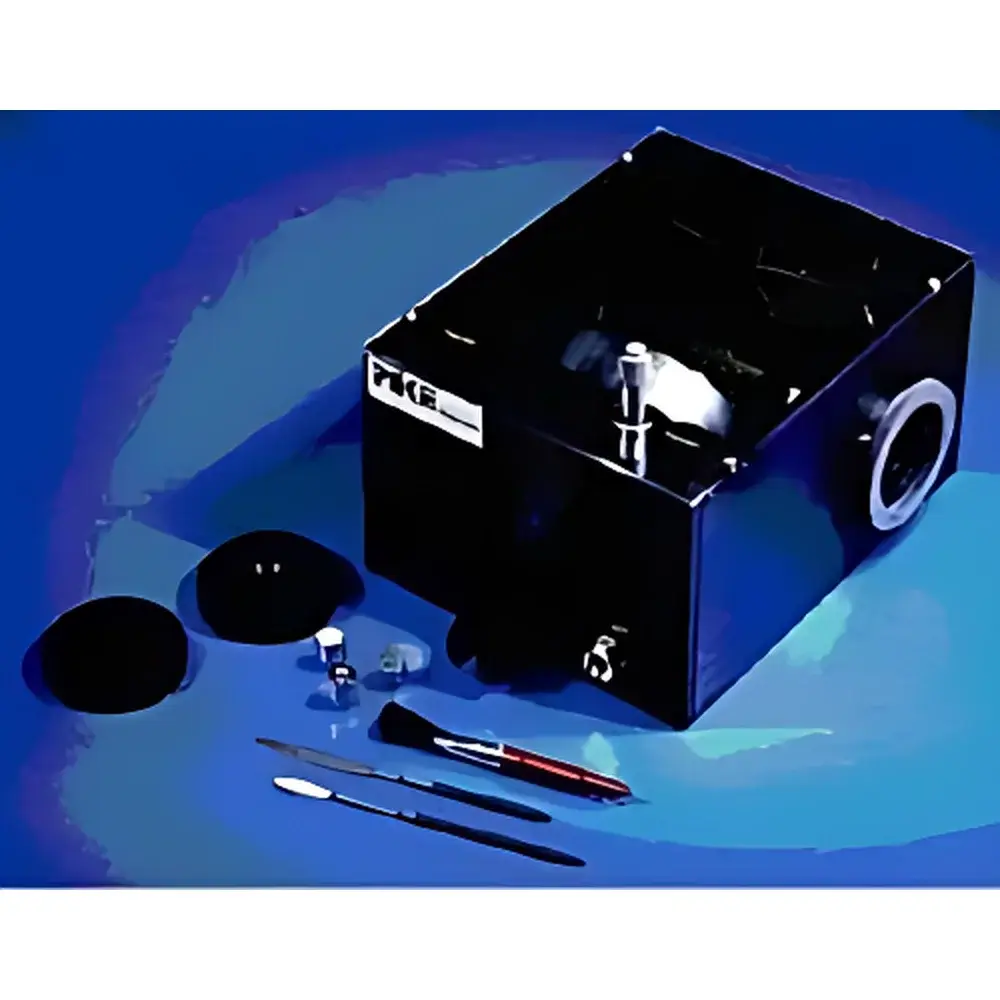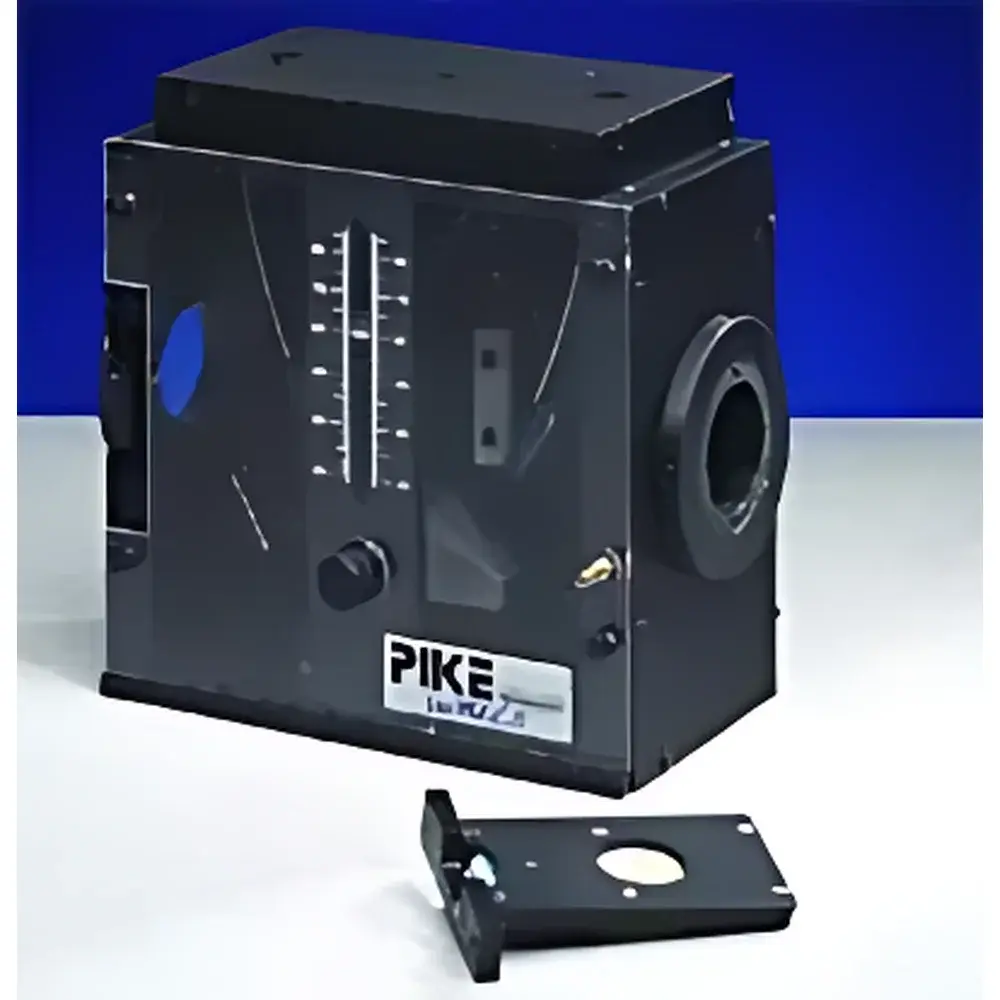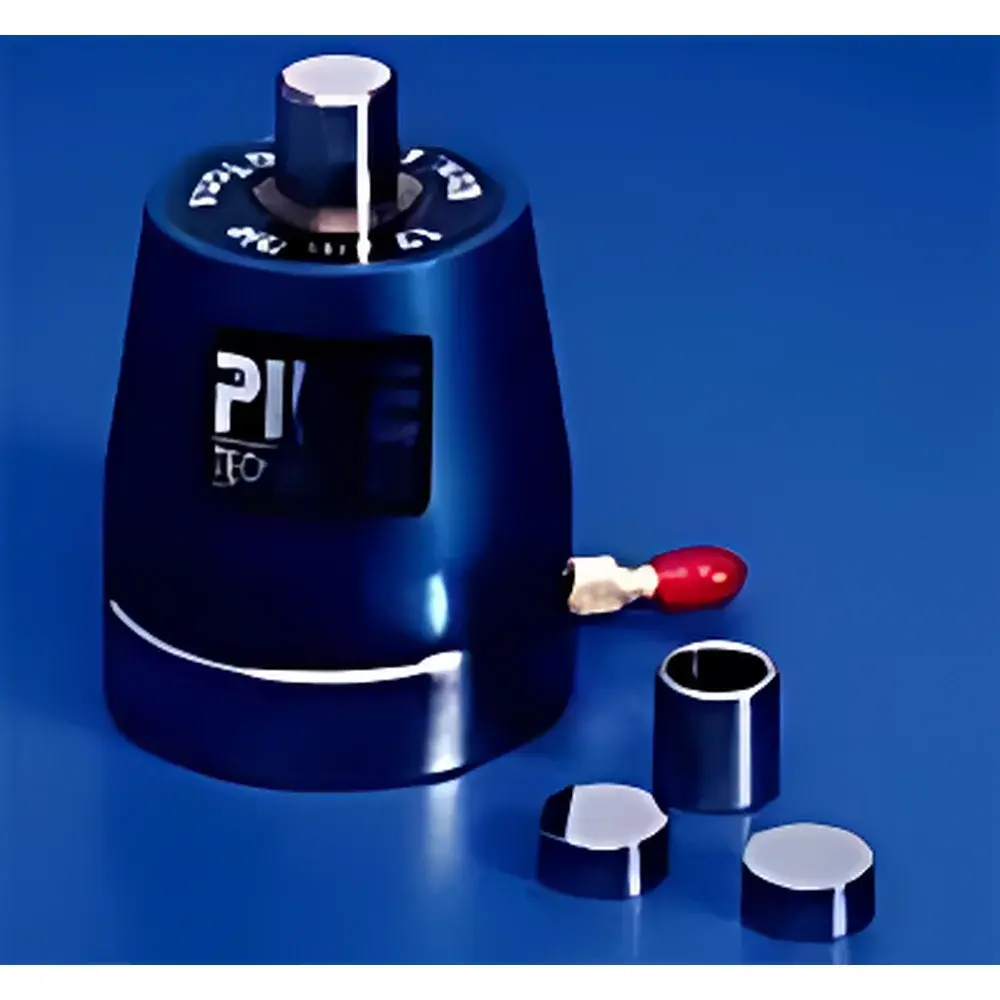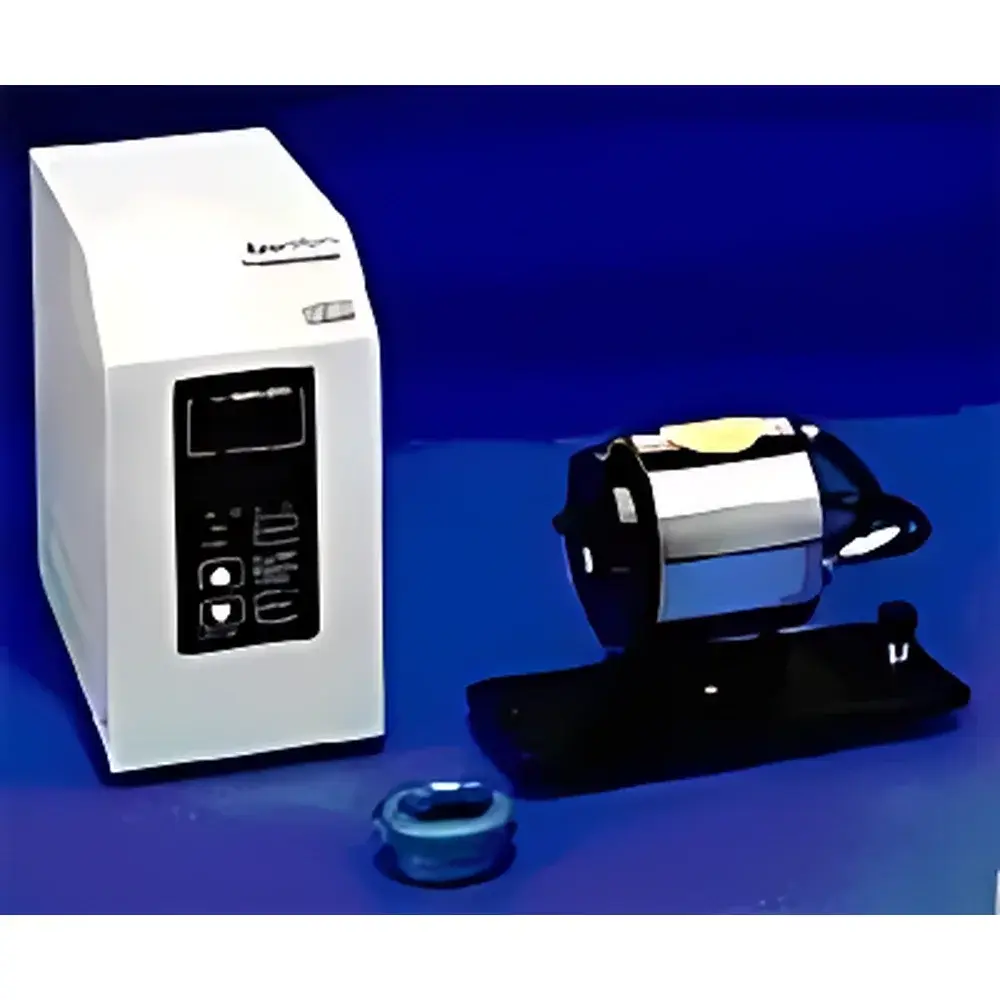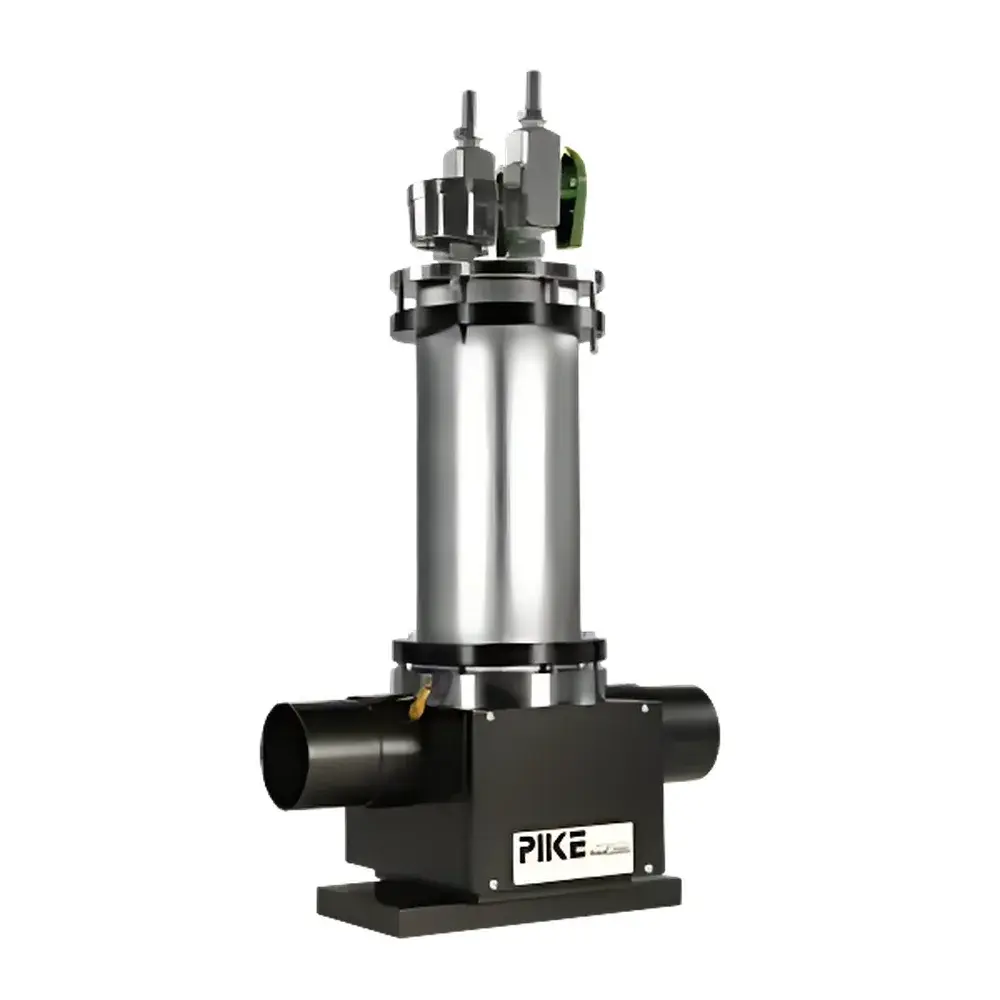
PIKE Long Path Gas Cell

| Brand | PIKE |
|---|---|
| Origin | USA |
| Type | Long Path Gas Cell |
| Path Length Options | 2.4–30 m (fixed) & 1–16 m (variable) |
| Operating Temperature Range | Ambient to 200 °C |
| Cell Body Materials | Borosilicate Glass, Aluminum Alloy, or Stainless Steel |
| Import Status | Imported |
| Distribution Model | Authorized Distributor |
Ask about pricing, availability and specifications.
Overview
The PIKE Long Path Gas Cell is a precision-engineered optical absorption cell designed for quantitative and qualitative analysis of gaseous samples in mid-infrared (MIR), near-infrared (NIR), and ultraviolet–visible (UV-Vis) spectroscopic applications. Based on the principle of Beer–Lambert law spectroscopy, it enables high-sensitivity detection of low-concentration analytes—including trace gases, volatile organic compounds (VOCs), greenhouse gases (e.g., CO₂, CH₄, N₂O), and reactive species—by extending the effective optical path length within a compact physical footprint. Unlike conventional single-pass cells, this long-path configuration significantly enhances absorbance signal intensity without requiring high sample pressure or concentration, making it ideal for environmental monitoring, industrial process control, combustion diagnostics, and fundamental molecular spectroscopy research.
Key Features
- Adjustable and fixed-path-length configurations: Standard fixed-path models available from 2.4 m to 30 m; variable-path version supports continuous adjustment between 1 m and 16 m via precision-machined mirror translation stage.
- Thermally stable construction: Rated for continuous operation from ambient temperature up to 200 °C, with integrated heating jacket options and temperature sensors compatible with external PID controllers.
- Material versatility: Three cavity material variants—optical-grade borosilicate glass (for UV-Vis/NIR transparency and chemical inertness), anodized aluminum alloy (lightweight, cost-effective, suitable for MIR), and electropolished stainless steel (high-pressure, high-temperature, and corrosion-resistant applications).
- Optical interface compatibility: Equipped with standard CaF₂, BaF₂, or ZnSe windows (depending on spectral range); all windows are AR-coated and sealed with metal-gasket or elastomer O-rings per ISO 2859 sampling standards.
- Gas handling integration: Features dual SS-¼” VCR or Swagelok® fittings for leak-tight inlet/outlet connections; optional purge ports, pressure-rated viewports, and integrated thermocouple wells for real-time process monitoring.
Sample Compatibility & Compliance
The PIKE Long Path Gas Cell accommodates a broad range of gaseous matrices—including corrosive (e.g., HCl, NH₃, SO₂), reactive (e.g., Cl₂, O₃), and condensable vapors—when configured with appropriate materials and sealing systems. All stainless steel variants meet ASTM B829 and ASME B31.3 requirements for pressure boundary integrity. The cell design conforms to ISO/IEC 17025 guidelines for measurement traceability in accredited laboratories and supports GLP-compliant workflows when used with validated spectrometers and calibrated reference gases. When operated under controlled humidity and temperature conditions, it delivers reproducible absorbance measurements with relative standard deviations <0.8% over 8-hour runs (per internal PIKE validation protocol PGC-2023-04).
Software & Data Management
While the gas cell itself is a passive optical component, its performance is fully leveraged through integration with modern FTIR, tunable diode laser (TDLAS), or UV-Vis spectrometers equipped with compliant data acquisition software. PIKE provides detailed optical alignment guides and calibration checklists compatible with Thermo Scientific OMNIC™, Bruker OPUS®, and ABB’s DOAS Suite. For regulatory environments, the cell supports audit-trail-ready workflows when paired with spectrometers compliant with FDA 21 CFR Part 11—particularly when combined with electronic logbooks and instrument qualification documentation (IQ/OQ/PQ). Raw spectral data generated using this cell may be processed using open-source tools such as Python-based SpectroChemPy or commercial packages like GRAMS/AI for multivariate regression and peak deconvolution.
Applications
- Atmospheric chemistry research: Quantification of tropospheric trace gases using solar absorption or laboratory calibration spectra.
- Industrial emissions monitoring: Real-time stack gas analysis for NOₓ, CO, CO₂, and hydrocarbons in compliance with EPA Method 320 and EN 15267.
- Pharmaceutical residual solvent analysis: Detection of Class 2 and 3 solvents (e.g., acetone, methanol, ethyl acetate) in headspace gas according to ICH Q2(R2) and USP <1210>.
- Catalysis and reaction kinetics: In situ monitoring of gas-phase intermediates during heterogeneous catalytic reactions at elevated temperatures.
- Security and defense: Standoff detection of chemical warfare agent simulants using portable quantum cascade laser (QCL) systems.
FAQ
What spectral ranges are supported by the PIKE Long Path Gas Cell?
Standard configurations support 0.2–25 µm, depending on window material selection (CaF₂: 0.2–9 µm; BaF₂: 0.2–12 µm; ZnSe: 0.6–20 µm; KBr: 0.2–25 µm).
Can the cell be used under vacuum or high pressure?
Yes—stainless steel models are rated to 10 bar (gauge) and UHV-compatible (<10⁻⁶ mbar) with appropriate flange types (CF-35 or KF-40).
Is custom path length or port configuration available?
Yes—PIKE offers OEM engineering services for non-standard optical layouts, including multi-reflection Herriott-type designs and fiber-coupled input/output interfaces.
How is alignment verified prior to use?
Each cell includes a collimated HeNe laser alignment tool and alignment verification certificate traceable to NIST SRM 2034.
Does the cell require routine recalibration?
No—path length is mechanically fixed and invariant; however, users must validate optical throughput and baseline stability before each analytical campaign using certified reference gases per ISO 13528.