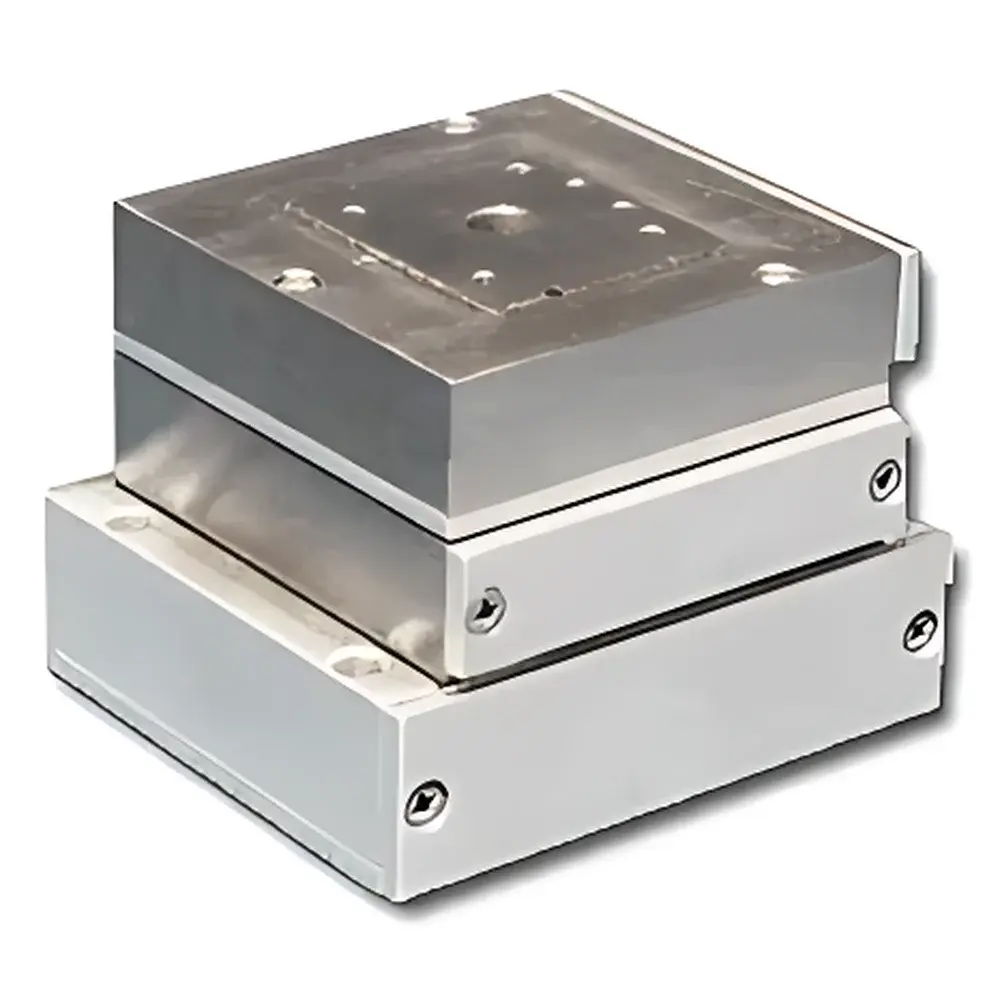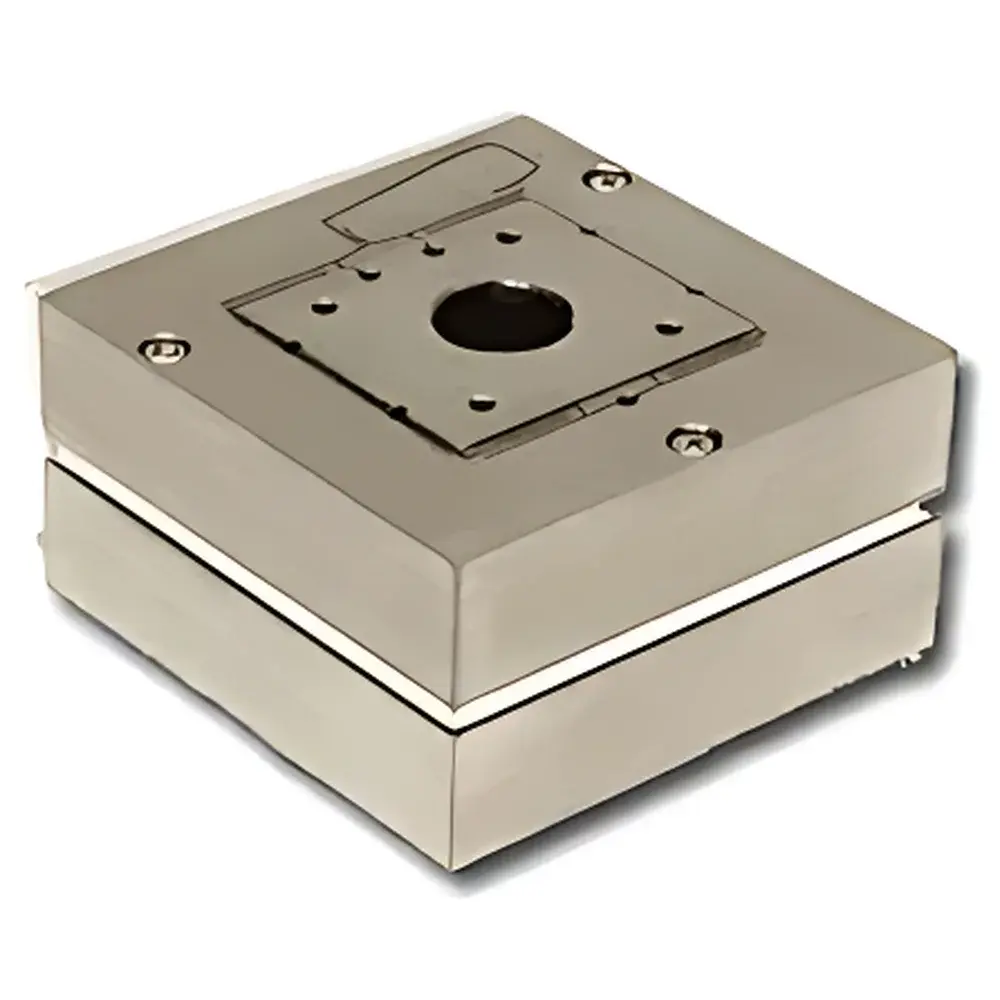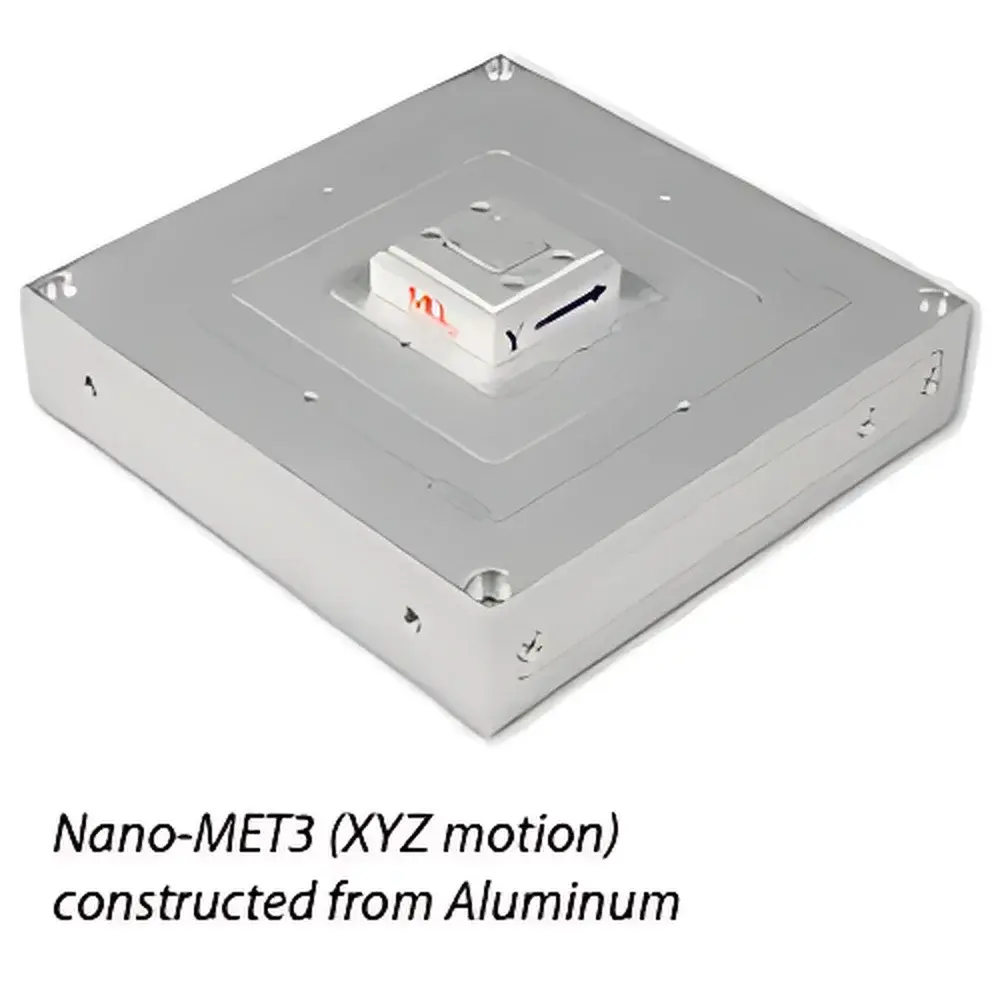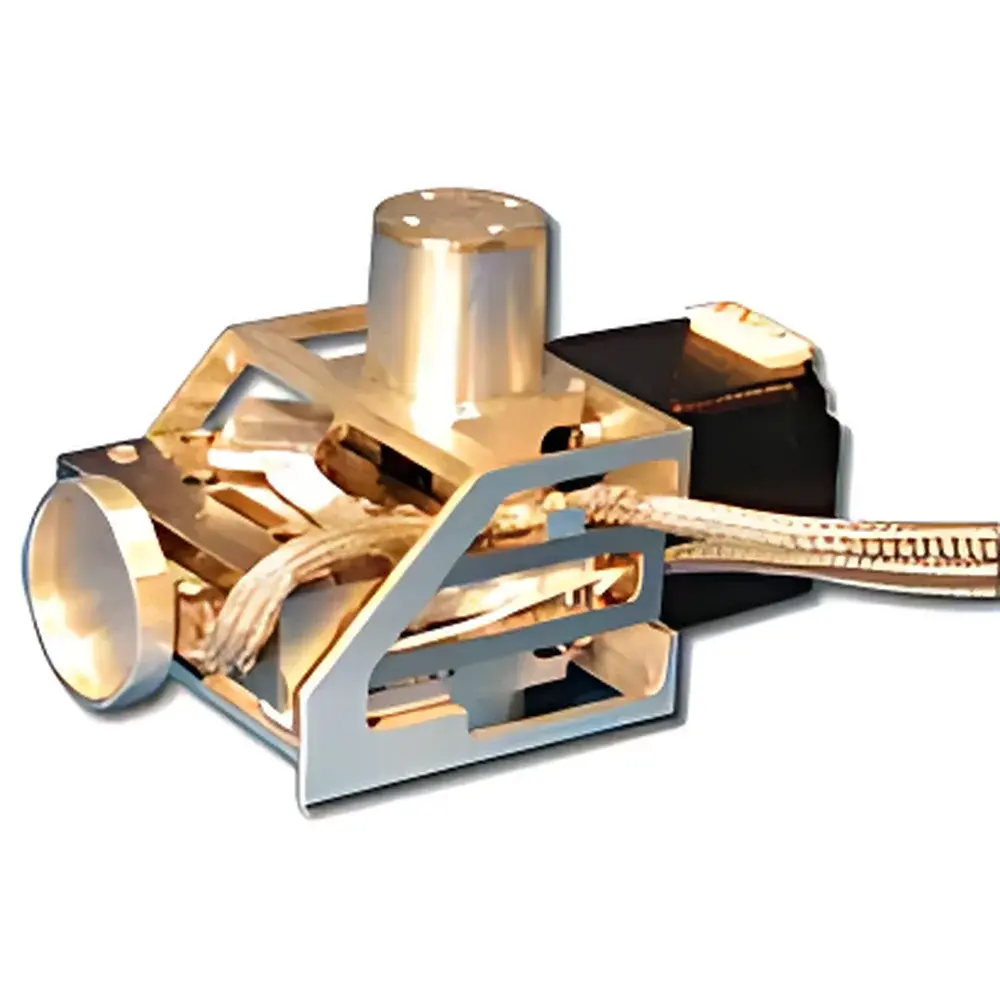
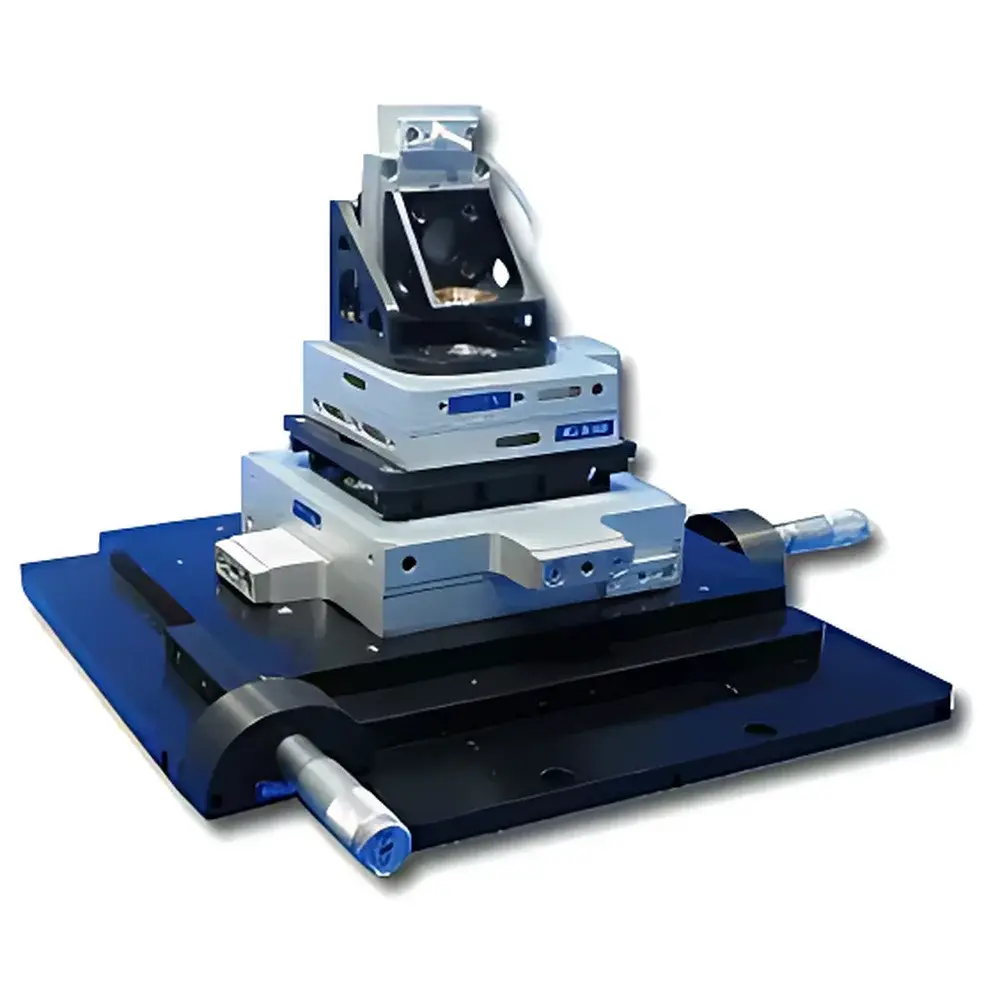
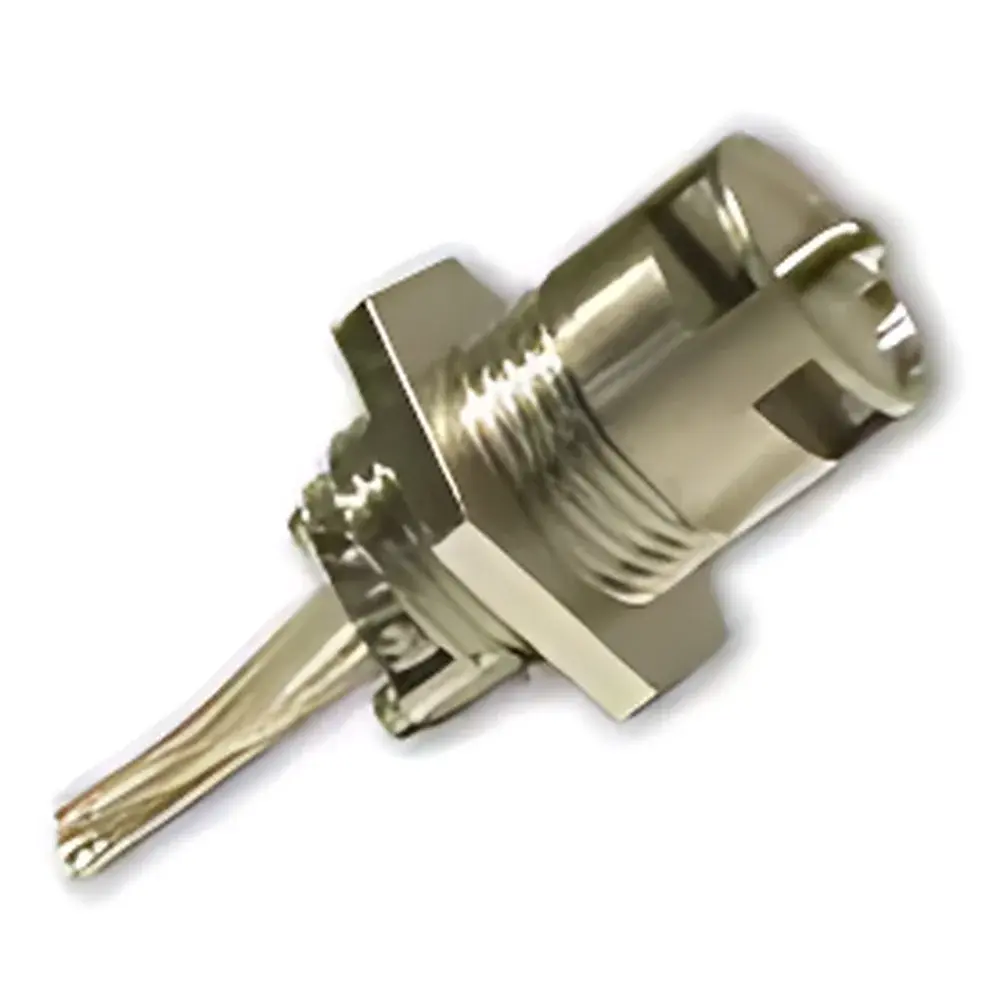
Mad City Labs MCL Think Nano Custom & OEM Translation Stage Solutions

| Brand | MCL Think Nano |
|---|---|
| Origin | USA |
| Manufacturer Type | Authorized Distributor |
| Product Category | Imported |
| Model | Custom & OEM Solutions |
| Product Type | Motorized Translation Stage |
Ask about pricing, availability and specifications.
Overview
Mad City Labs’ MCL Think Nano Custom & OEM Translation Stage Solutions represent a vertically integrated engineering service for precision motion control in optical, ultra-high vacuum (UHV), and advanced research instrumentation. Unlike off-the-shelf positioning systems, these solutions are built upon a foundation of direct design ownership—leveraging in-house physicists with deep domain expertise in optical spectroscopy, UHV metrology, and nanoscale optomechanics, alongside CNC fabrication facilities operated under full engineering supervision. The core measurement and actuation principle is based on piezoelectric or stepper-motor-driven linear translation, engineered for sub-micron repeatability, minimal off-axis error, and deterministic mechanical response under defined load and environmental constraints. These stages are not standardized products but application-defined systems—designed to integrate seamlessly into custom optical tables, cryogenic setups, scanning probe architectures, or OEM analytical instruments where dimensional, thermal, magnetic, or vacuum compatibility cannot be met by catalog offerings.
Key Features
- In-house design-to-fabrication workflow: Full control over mechanical design, material selection, machining, assembly, and calibration—no third-party subcontracting.
- UHV-compatible construction: Stages routinely qualified to <1×10⁻⁹ Torr, utilizing non-outgassing materials (e.g., 316L stainless steel, GlidCop®, ceramic insulators) and bakeable kinematic mounts.
- Specialty material integration: Capabilities include titanium alloy frames, Invar structural elements for thermal stability, and non-magnetic variants for MRI-adjacent or electron-beam environments.
- No non-recurring engineering (NRE) fees: Custom modifications—including dimensional changes, aperture reconfiguration, or range extension—are developed without upfront NRE charges, regardless of order volume.
- OEM-ready controller architecture: Board-level Nano-Drive® controllers available with customizable firmware, USB HID or CDC-class digital interfaces, and vendor-supplied DLLs for Windows/Linux SDK integration.
- Rapid prototyping cycle: Functional first prototypes delivered within ~30 calendar days from finalized specification review.
- Zero-cost branding options: Private-label packaging, custom firmware splash screens, and branded controller housings provided at no additional cost.
Sample Compatibility & Compliance
MCL Think Nano custom translation stages are engineered for compatibility across demanding experimental conditions. Standard configurations meet ASTM E1557 (vacuum material outgassing), ISO 14644-1 Class 5 cleanroom handling protocols, and IEEE 288 (precision motion terminology) definitions. For regulated environments, documentation packages support GLP/GMP audit readiness—including traceable calibration records, material certifications (MTRs), and RoHS/REACH compliance statements. UHV variants comply with ESA ECSS-Q-ST-70-02C for space-qualified mechanisms. Magnetic field tolerance is specified per design (e.g., <10 mT for standard units; <1 µT versions available with mu-metal shielding). All custom stages undergo functional testing under representative thermal (–40 °C to +85 °C) and mechanical loading conditions prior to shipment.
Software & Data Management
Custom firmware is developed using Mad City Labs’ Nano-Drive® real-time motion engine, supporting programmable motion profiles (trapezoidal, S-curve, user-defined velocity vs. time), closed-loop feedback via strain gauge or capacitive sensors (optional), and synchronized triggering via TTL I/O. USB interface conforms to USB 2.0 Full-Speed (12 Mbps) with CDC ACM class enumeration—enabling plug-and-play operation under Linux, macOS, and Windows without proprietary drivers. Comprehensive software support includes native Python bindings (PyNanoDrive), MATLAB instrument control toolbox compatibility, LabVIEW VIs, and C/C++ SDKs with full source examples. Audit-trail logging (per FDA 21 CFR Part 11 requirements) is enabled via optional firmware configuration for GxP-aligned applications.
Applications
- Z-axis objective lens positioning in confocal and super-resolution microscopes requiring <50 nm axial repeatability and <0.5 µrad tip/tilt stability.
- UHV-compatible sample manipulators for synchrotron beamline end-stations, featuring bakeable kinematics and differential pumping interfaces.
- Laser scanner mounts for adaptive optics systems, supporting mirror diameters up to 50 mm and angular ranges of ±5 mrad with <10 nrad resolution.
- Multi-axis nanopositioning modules embedded in semiconductor metrology tools, co-located with interferometric displacement sensors and temperature-compensated encoders.
- Heavy-duty translation stages for industrial machine vision alignment—handling payloads up to 20 kg while maintaining linearity error <0.02% of full scale over 500 µm travel.
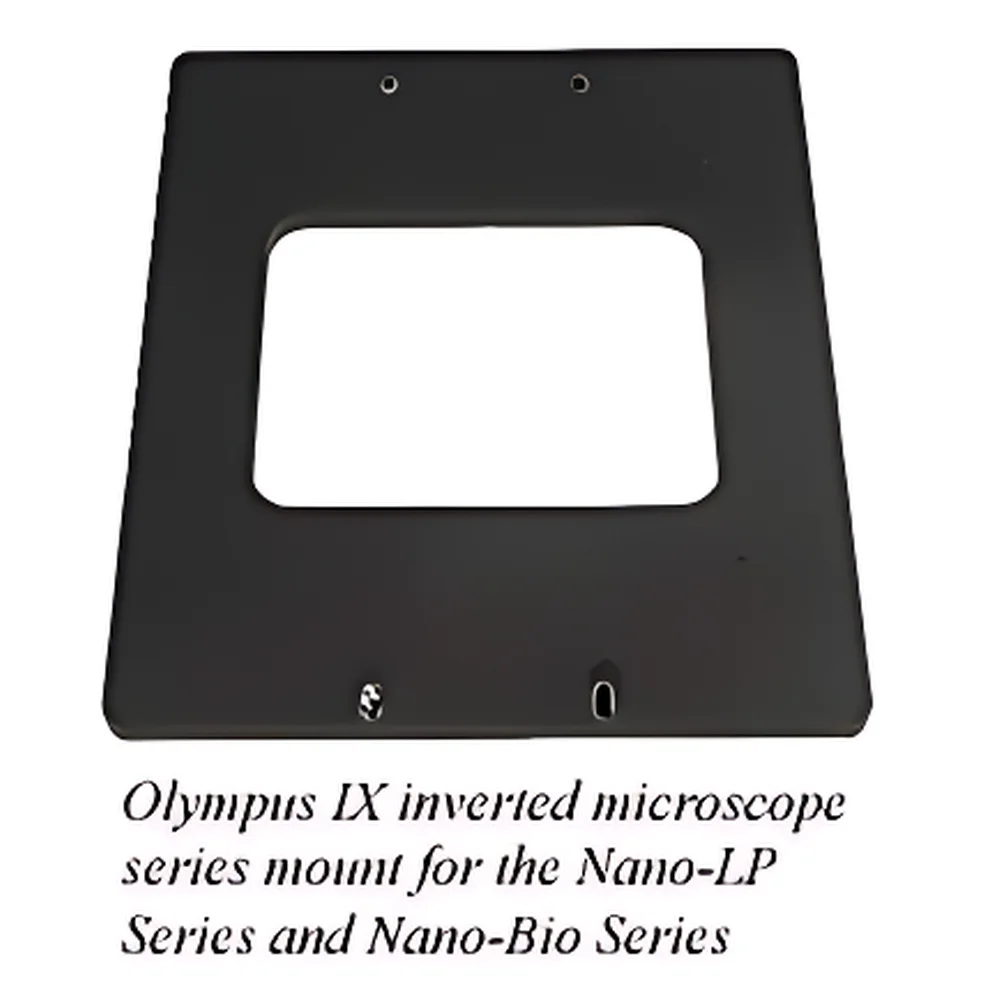
- Low-profile stages (<12 mm height) for inverted microscope integration, with customized mounting holes and central apertures accommodating fiber-optic feedthroughs or cryo-cooling lines.
FAQ
Do custom designs require minimum order quantities?
No. Single-unit custom builds are supported without MOQ restrictions. Annual blanket orders qualify for scheduled delivery and volume-based pricing tiers.
Can you supply FEA reports and GD&T drawings for custom stages?
Yes. Finite element analysis (static stress, modal, thermal deformation) and ASME Y14.5-compliant geometric dimensioning and tolerancing packages are included with all custom quotations.
Are your OEM controllers compatible with third-party motion software (e.g., PI GCS, Thorlabs APT)?
Native compatibility is not provided, but ASCII command protocol documentation and register-level memory maps are supplied to enable interoperability through custom middleware.
What is the typical lead time for a fully custom multi-axis stage with UHV certification?
From signed specification sheet: 6–8 weeks for design freeze, 30 days for prototype build and test, plus 2 weeks for UHV bakeout validation and final QA documentation.
Do you support integration with National Instruments DAQ or dSPACE systems?
Yes. Analog voltage input/output (±10 V, 16-bit) and digital I/O (TTL/CMOS) interfaces are configurable. NI VeriStand and dSPACE ControlDesk models can be generated upon request.