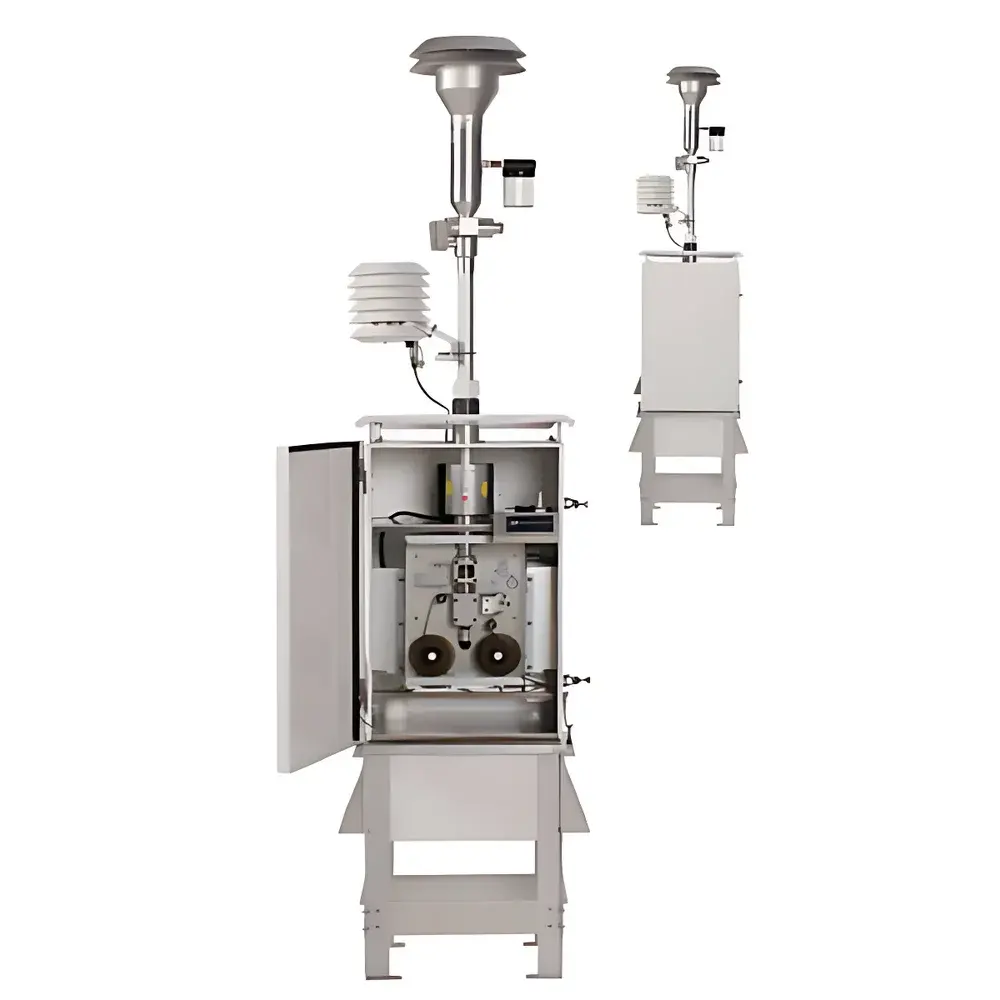
MetOne BAM-1022 Portable Continuous Particulate Matter Monitor

| Brand | METONE |
|---|---|
| Origin | USA |
| Model | BAM-1022 |
| Measurement Principle | Beta Attenuation Method (BAM) |
| EPA Designation | EQPM-1013-209 (Class III Federal Equivalent Method for PM₂.₅) |
| Measurement Range | −15 to 10,000 µg/m³ |
| Resolution | 0.1 µg/m³ |
| LOD (1-hr, 2σ) | <2.4 µg/m³ |
| LOD (24-hr, 2σ) | <0.5 µg/m³ |
| Sample Flow Rate | 16.7 L/min |
| Filter Media | Continuous glass fiber tape (30 mm × 21 m roll, ~2 months lifespan) |
| Beta Source | ¹⁴C (60 µCi ±15 µCi, t₁/₂ = 5730 yr) |
| Detector | Scintillation photomultiplier tube |
| Operating Temperature | −30 °C to +50 °C |
| Operating Humidity | 0–90% RH (non-condensing) |
| Power Input | 100–230 VAC, 50/60 Hz |
| Power Consumption | 300 W (full system including inlet heater and pump) |
| Analog Outputs | Dual isolated channels (user-selectable 0–1/0–2.5/0–5 VDC or 0–20/2–20/4–20 mA) |
| Digital Interfaces | RS-232, USB, Ethernet (shared serial port) |
| Data Logger Capacity | 108,134 records (12.5 years @ 1 record/hr |
| Certifications | US-EPA EQPM-1013-209, NRC, ISO 9001, RoHS |
Ask about pricing, availability and specifications.
Overview
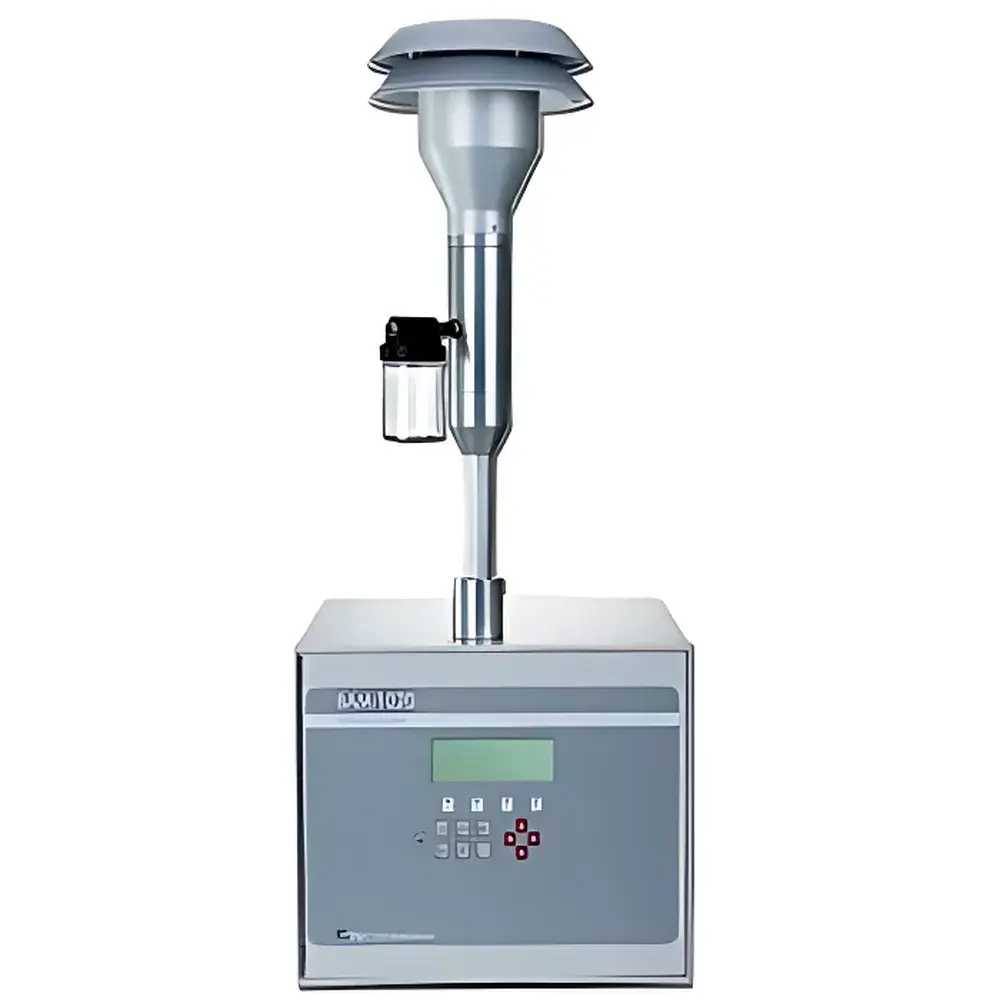
The MetOne BAM-1022 Portable Continuous Particulate Matter Monitor is a field-deployable, beta attenuation-based instrument engineered for high-fidelity, real-time measurement of ambient PM₂.₅ mass concentration. It operates on the fundamental principle of beta particle attenuation: as airborne particulate matter is continuously collected onto a moving glass fiber filter tape, a calibrated ¹⁴C radioactive source emits beta particles through the loaded medium; the degree of attenuation—measured by a scintillation photomultiplier tube—is directly proportional to the deposited aerosol mass. Unlike traditional offline gravimetric methods, the BAM-1022 performs in-situ, continuous quantification with minute-level temporal resolution while maintaining full compliance with U.S. Environmental Protection Agency (EPA) Class III Federal Equivalent Method (FEM) requirements under EQPM-1013-209. Its integrated thermal stabilization architecture maintains the measurement zone at a temperature elevated above ambient dew point—eliminating condensation artifacts and minimizing semi-volatile organic compound (SVOC) volatilization losses without requiring external Nafion dryers or active cooling systems.
Key Features
- In-situ beta attenuation geometry with fixed-temperature measurement chamber, ensuring minimal bias from humidity and SVOC loss
- True 1-minute time resolution for real-time PM monitoring, alongside EPA-compliant hourly averaged PM₂.₅ output
- Self-contained, weatherproof enclosure with detachable pump module—total system weight per component <18 kg (40 lbs), enabling single-operator transport and setup in under 10 minutes
- No air conditioning or flow splitters required; simplified service architecture reduces long-term maintenance burden and power demand
- Dual analog output channels with optical isolation, configurable for voltage or current signals (e.g., 4–20 mA for SCADA integration)
- Full-duplex digital connectivity via RS-232, USB, and Ethernet—supports remote firmware updates, parameter reconfiguration, and diagnostic telemetry
- Onboard data logger with non-volatile memory storing up to 108,134 timestamped records (sufficient for >12 years at hourly intervals)
Sample Compatibility & Compliance
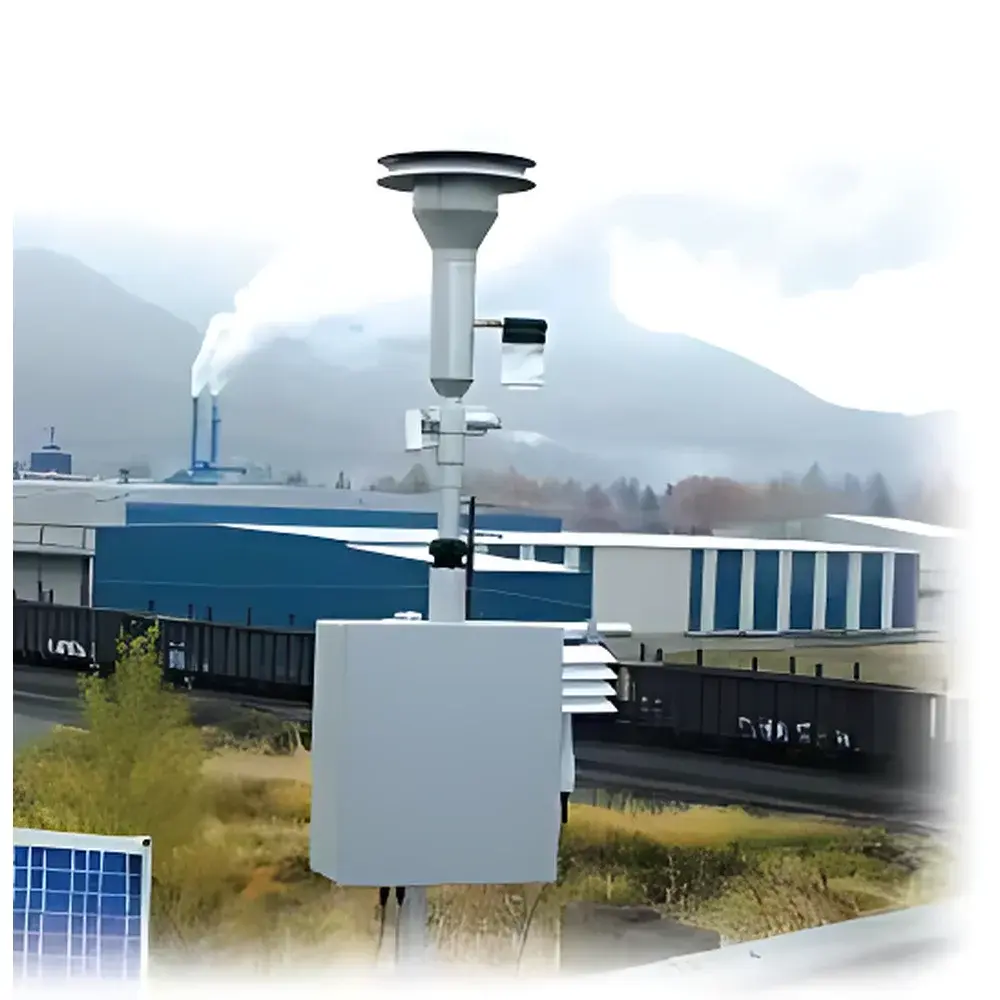
The BAM-1022 collects airborne particulates across the aerodynamic diameter range relevant to PM₂.₅ regulatory monitoring (≤2.5 µm). Its 16.7 L/min volumetric flow rate ensures representative sampling under variable wind conditions and turbulent boundary layer environments—including roadside, industrial fence-line, and wildfire-impacted zones. The continuous glass fiber tape (30 mm wide × 21 m long per roll) provides stable substrate performance across temperature and humidity gradients, with typical roll lifetime exceeding eight weeks under standard urban background conditions. The instrument meets all performance criteria defined in EPA’s EQPM-1013-209 protocol, including precision (<5% RSD), accuracy (±10% of reference method), and lower detection limit (LDL <2.4 µg/m³ at 1-hour integration). It is also compatible with GLP-aligned operational workflows: automatic zero/span verification routines, audit-trail-capable event logging, and traceable calibration using certified foil standards.
Software & Data Management
The BAM-1022 ships with MetOne’s Comet™ software suite—a Windows-based application supporting instrument configuration, real-time data visualization, and export to CSV, XML, or NetCDF formats. For enterprise-scale deployments, it integrates natively with Air Plus™ cloud platform, enabling centralized fleet monitoring, automated alerting (e.g., exceedance notifications), and secure TLS-encrypted data ingestion into third-party environmental information systems (EIS). All communication protocols adhere to IEC 61131-3 and MODBUS TCP conventions where applicable. Firmware revisions are digitally signed and validated prior to installation; configuration changes generate immutable audit entries with operator ID, timestamp, and parameter delta. Data integrity is preserved via cyclic redundancy check (CRC-32) on all serial transmissions and write-protected flash memory architecture.
Applications
- Regulatory-grade ambient air quality monitoring networks requiring EPA FEM compliance
- Mobile and near-roadway PM₂.₅ assessment for traffic emission studies and health impact modeling
- Rapid-response deployment during wildland fire events, dust storms, or industrial incidents
- Long-term research campaigns evaluating aerosol dynamics, source apportionment, and climate-relevant optical properties
- Calibration and validation support for low-cost sensor networks (LCSS) and satellite-derived AOD products
- Indoor-outdoor exposure assessment in occupational health and epidemiological cohort studies
FAQ
Is the BAM-1022 certified for regulatory use in the United States?
Yes—the BAM-1022 holds U.S. EPA EQPM-1013-209 designation as a Class III Federal Equivalent Method for PM₂.₅, permitting its use in State and Local Air Monitoring Stations (SLAMS) and National Core (NCore) networks.
What maintenance is required to maintain FEM compliance?
Routine maintenance includes biweekly visual inspection of the filter tape path, monthly verification of flow rate using a primary calibrator, and quarterly zero/span checks using certified attenuation foils. Filter tape replacement occurs approximately every 8 weeks.
Can the BAM-1022 operate unattended in extreme climates?
It is rated for continuous operation between −30 °C and +50 °C and 0–90% RH (non-condensing); internal thermal management prevents ice formation and suppresses hygroscopic growth artifacts without auxiliary drying.
Does the system support remote diagnostics and over-the-air updates?
Yes—via Ethernet or cellular modem (with optional adapter), users can initiate live diagnostics, retrieve error logs, adjust averaging intervals, and deploy firmware patches with cryptographic signature verification.
How is data security and traceability ensured?
All configuration changes and calibration events are logged with ISO 8601 timestamps, user credentials, and SHA-256 hashes. Data exports include embedded metadata compliant with ISO 19115-2 for geospatial provenance and FAIR data principles.