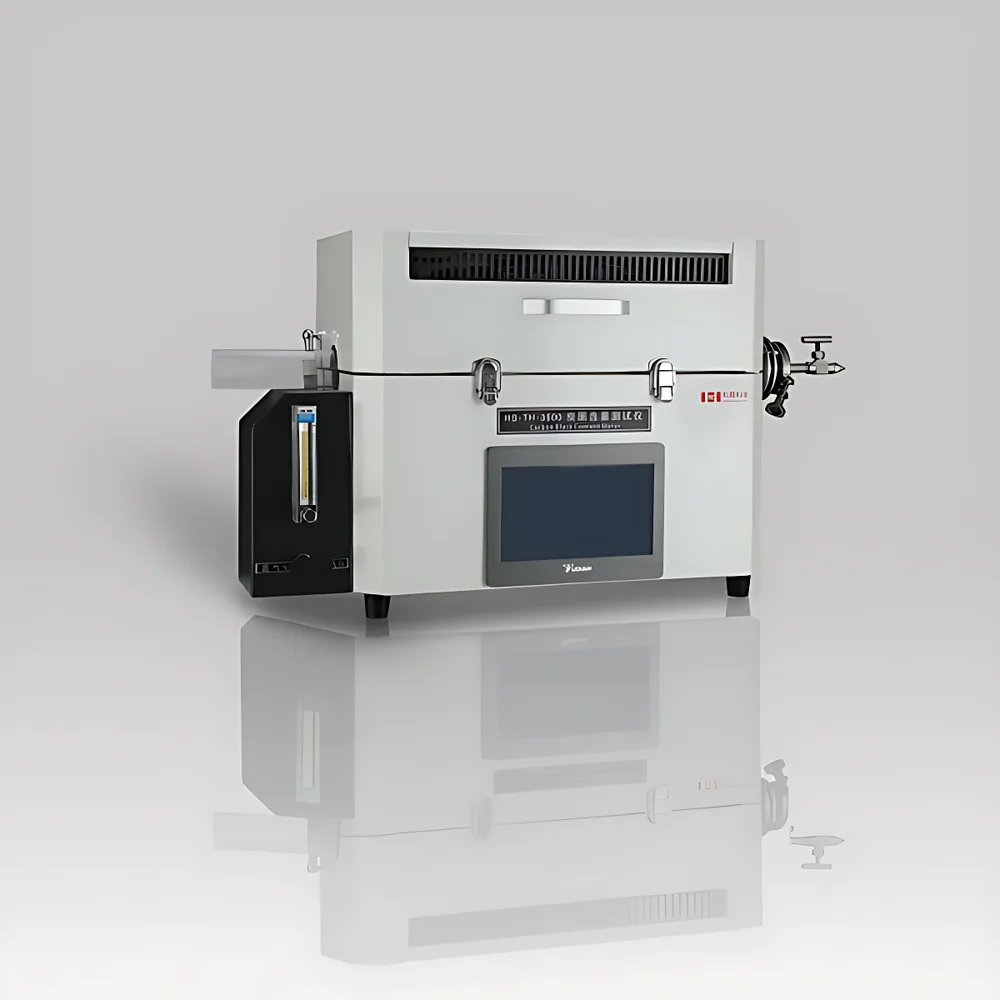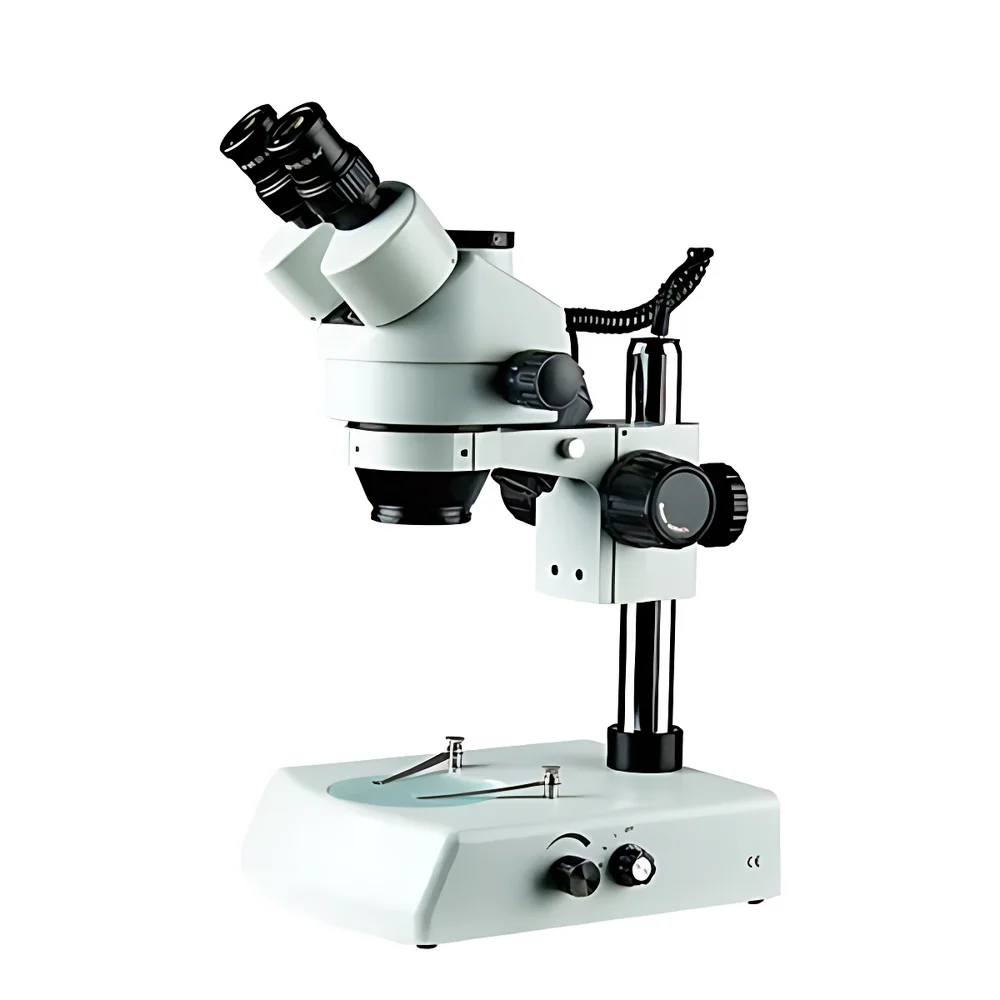
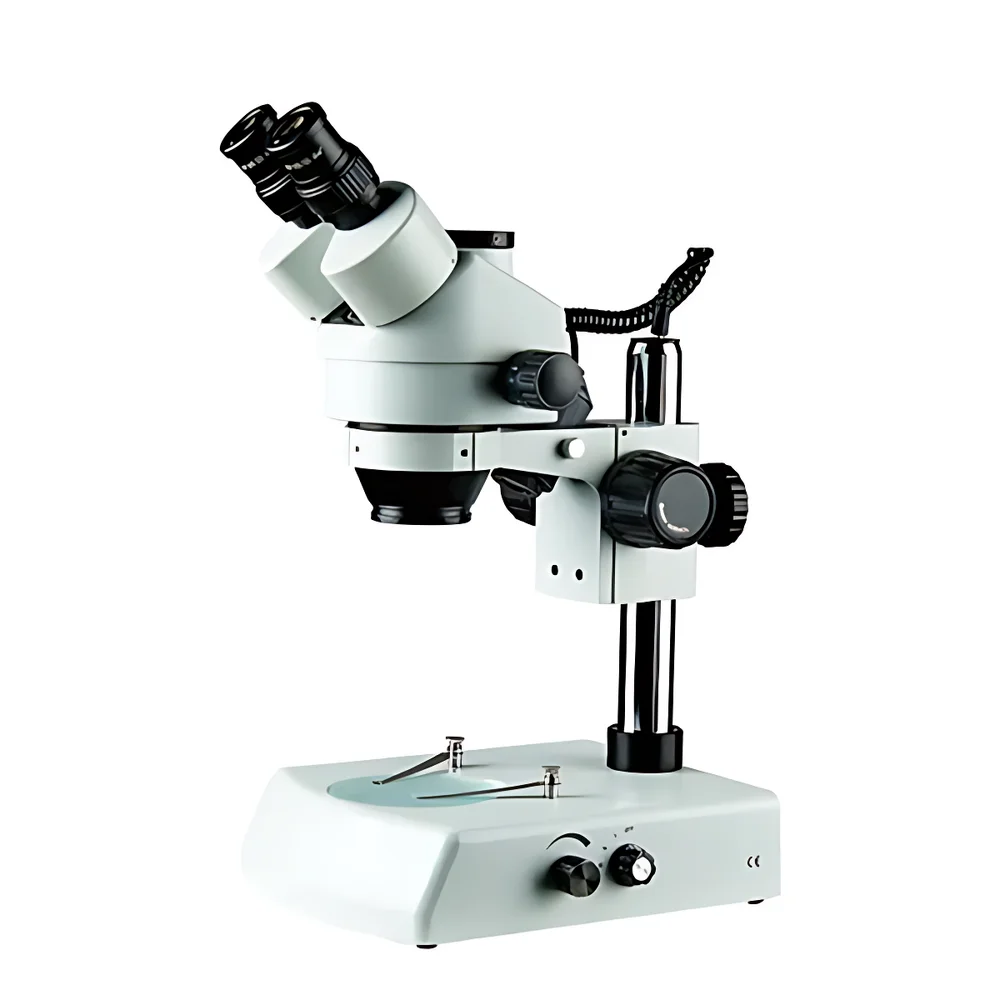
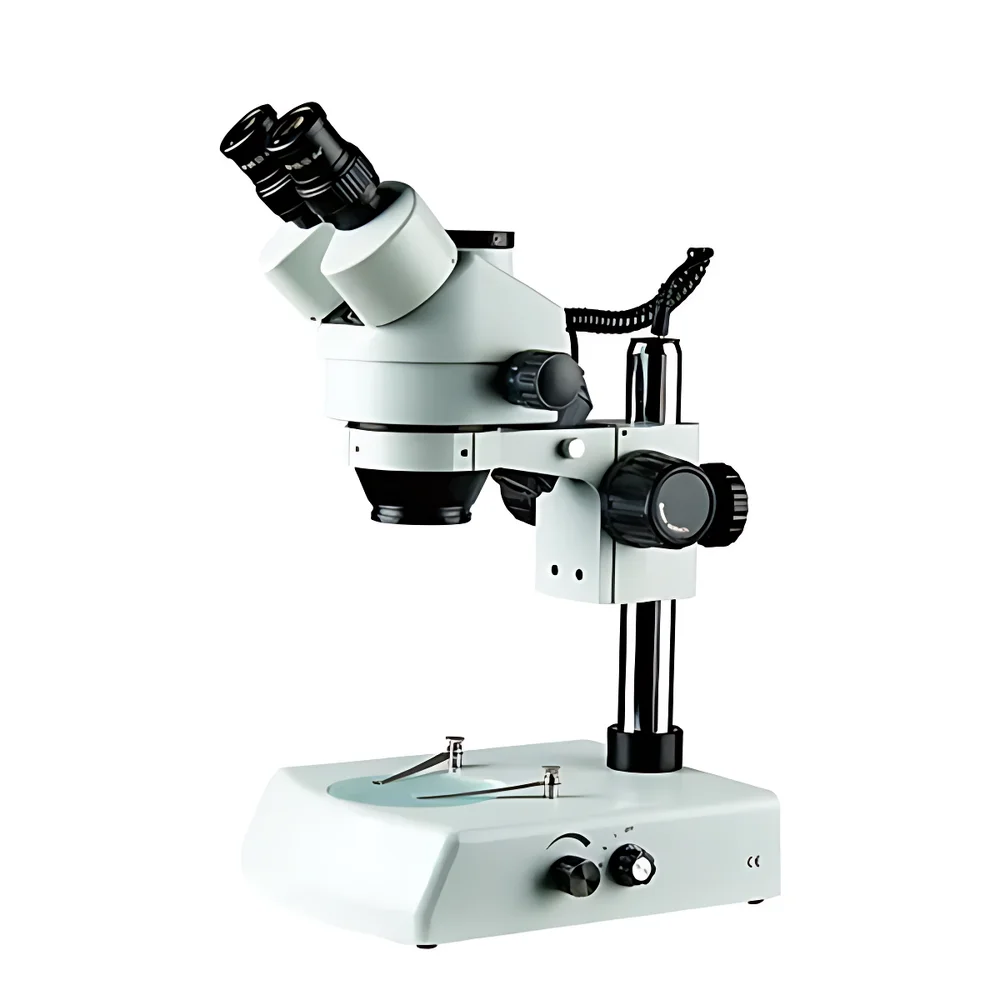
HESON HS-TH-1220 Carbon Black Dispersion Analyzer

| Brand | HESON |
|---|---|
| Origin | Shanghai, China |
| Manufacturer Type | Direct Manufacturer |
| Region of Origin | Domestic (China) |
| Model | HS-TH-1220 |
| Price Range | USD 7,000 – 10,000 |
| Detection Range | 1 µm – 25 mm |
| Imaging Resolution | 2592 × 1944 (5 MP digital camera) |
Ask about pricing, availability and specifications.
Overview
The HESON HS-TH-1220 Carbon Black Dispersion Analyzer is a dedicated image-based metrology system engineered for quantitative assessment of carbon black dispersion quality in polyolefin compounds—specifically PE and PP pipe materials, fittings, and compound formulations. It operates on the principle of high-resolution optical microscopy coupled with algorithm-driven particle segmentation and morphometric analysis. By digitizing polished cross-sections of molded or extruded samples under standardized illumination and magnification, the instrument extracts statistically robust metrics—including agglomerate size distribution, shape descriptors, and spatial dispersion uniformity—which correlate directly with critical end-use performance attributes: tensile strength retention, environmental stress crack resistance (ESCR), electrical resistivity, UV stabilization efficacy, and long-term hydrolytic stability. Unlike subjective ASTM D2663 visual rating methods, the HS-TH-1220 delivers traceable, operator-independent quantification aligned with ISO 18553:2021 (Plastics — Determination of carbon black dispersion in polyolefins — Image analysis method) and supports GLP-compliant documentation workflows.
Key Features
- Traceable image metrology platform calibrated against NIST-traceable stage micrometers and certified reference standards;
- Comprehensive morphometric parameter set: equivalent circular diameter, Feret min/max length, aspect ratio, circularity, convexity, solidity, form factor, and area-weighted distribution histograms;
- Material-specific segmentation algorithms pre-configured for PE80/PE100, PP-R, and conductive-grade compounds—minimizing user-dependent thresholding bias;
- Fully automated workflow from image acquisition to final dispersion grade assignment (e.g., ISO 18553 Grade 1–5), including auto-focus, auto-exposure, and batch stitching for large-area scanning;
- Motorized XYZ translation stage (optional) enabling unattended multi-field-of-view acquisition across sample grids per ISO 18553 Annex B;
- Hardware-agnostic imaging interface supporting USB3.0 CMOS cameras (up to 5 MP), DSLR adapters, and C-mount microscope couplers;
- Embedded calibration verification module with daily drift monitoring and log-based audit trail generation.
Sample Compatibility & Compliance
The HS-TH-1220 accepts standard 20 mm × 20 mm × 3 mm microtomed or cryo-polished polyolefin specimens prepared per ISO 18553 Section 6 and ASTM D792. Sample mounting uses non-conductive, low-fluorescence epoxy resins to prevent edge artifacts during thresholding. The system supports both transmission and reflected-light contrast modes (via optional polarized or differential interference contrast optics). All measurement protocols comply with ISO 18553:2021 Annex A (image acquisition) and Annex C (data reporting), and output reports include metadata required for FDA 21 CFR Part 11 compliance—electronic signatures, version-controlled SOP references, and immutable raw image archives with hash-verified integrity checks.
Software & Data Management
The embedded HESON DispersionSuite v3.2 software provides dual-mode operation: guided wizard mode for routine QC labs and expert mode with customizable ROI masking, multi-threshold fusion, and dynamic background subtraction. Statistical outputs include cumulative frequency distributions, dispersion index (DI) per ISO 18553 Clause 9, and comparative benchmarking against internal control libraries. Data export supports CSV, PDF/A-2, and XML formats compatible with LIMS integration (ASTM E1482, ISO/IEC 17025). Audit logs record every parameter change, image reprocessing event, and user login session—retained for ≥36 months per GLP archival requirements.
Applications
- Quality control of carbon black masterbatches prior to extrusion;
- R&D validation of new dispersant chemistries and melt-compounding parameters;
- Root-cause analysis of premature pipe failure linked to localized agglomeration;
- Supplier qualification audits requiring objective dispersion certification;
- Regulatory submission dossiers for ISO 4427 / EN 12201 pipe certification;
- Correlation modeling between dispersion metrics and accelerated aging test results (e.g., ISO 1167, ISO 22391).
FAQ
What microscope objectives are recommended for optimal resolution at 1 µm detection limit?
A 20× dry objective (NA 0.40) with Köhler illumination and green-band LED lighting (525 ± 10 nm) is validated for sub-2 µm agglomerate resolution per ISO 18553 Annex A.
Can the system analyze non-polyolefin matrices such as EPDM or TPE?
Yes—with custom segmentation training using reference images; however, ISO 18553 validation applies only to PE and PP. Method transfer requires internal revalidation per ICH Q2(R2).
Is remote calibration support available for international users?
HESON provides annual web-based calibration verification workshops and distributes NIST-traceable microgrid slides with certificate of conformance for on-site verification.
Does the software support multi-user role-based access control?
Yes—administrator, analyst, and reviewer roles with configurable permissions for data export, report signing, and algorithm modification.
How is measurement repeatability verified across instruments?
Inter-instrument agreement is assessed via round-robin testing using HESON-certified reference slides (CB-Ref-01 to CB-Ref-05), with acceptance criteria ≤5% CV for DI values per ISO 5725-2.