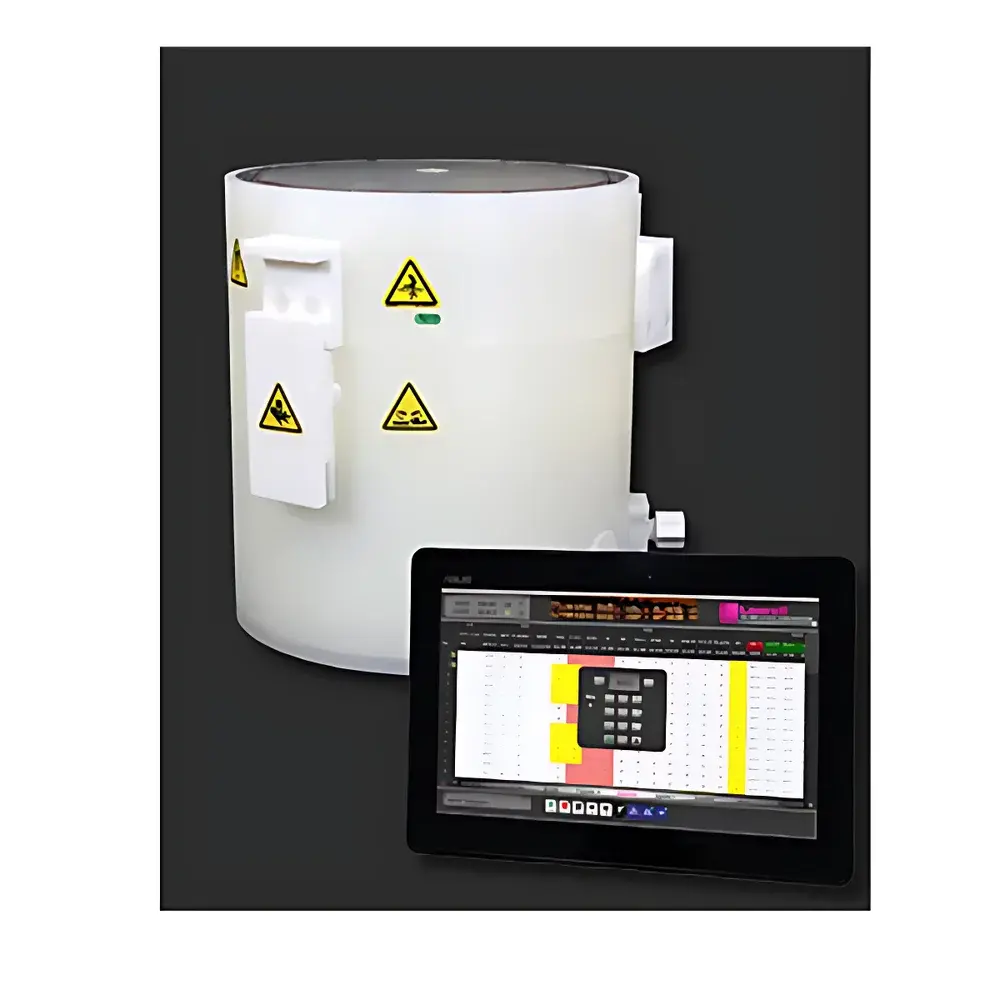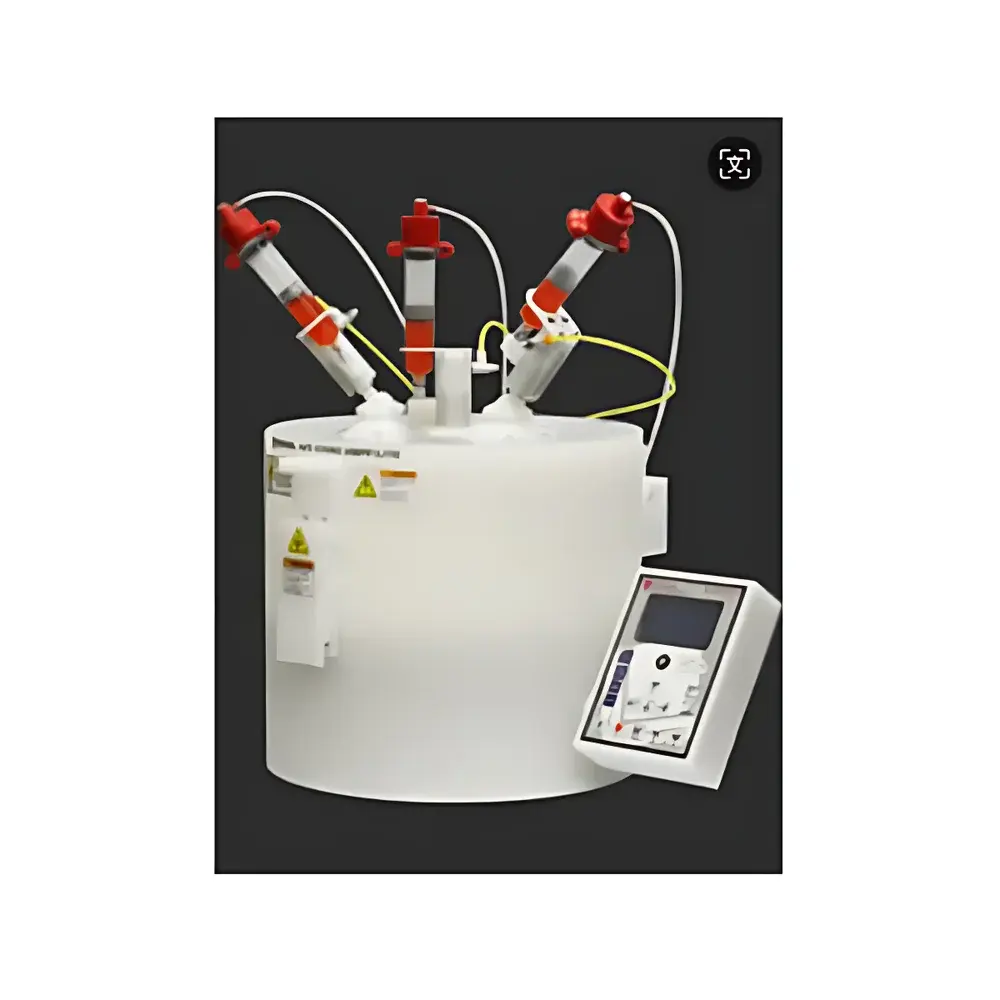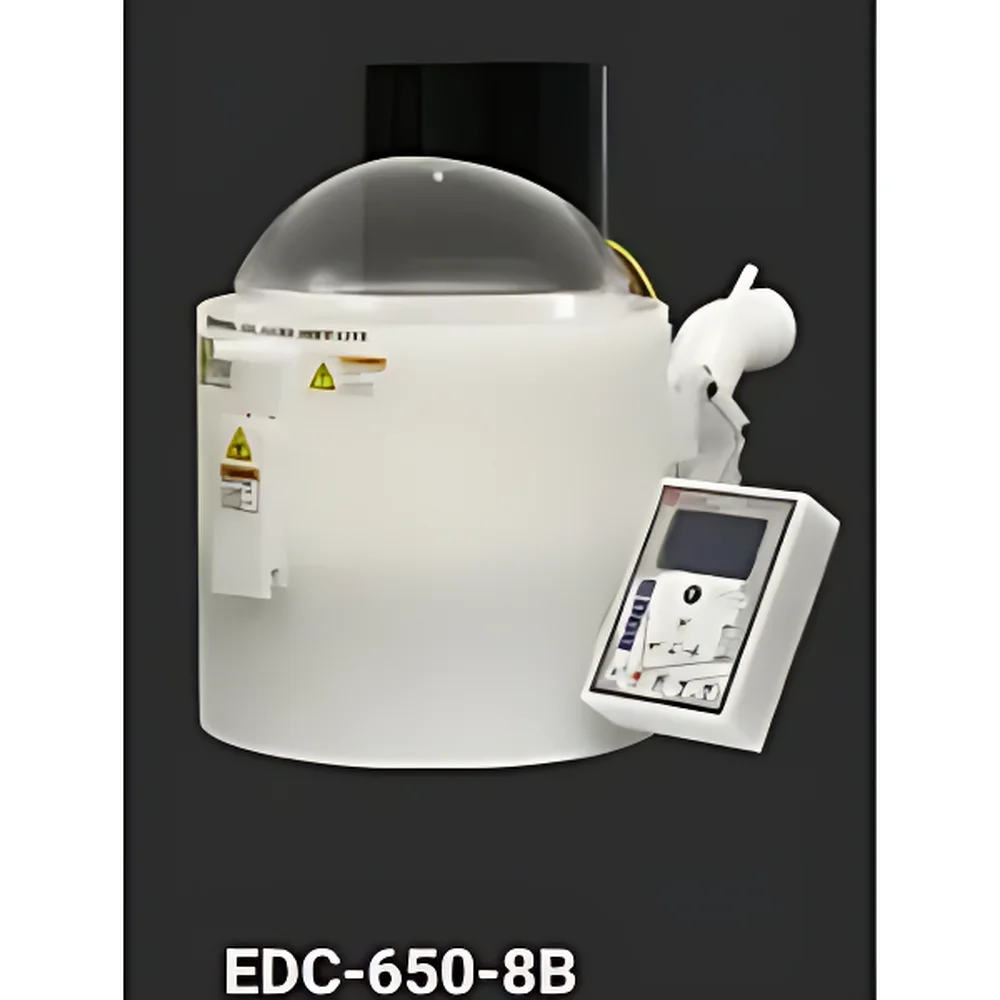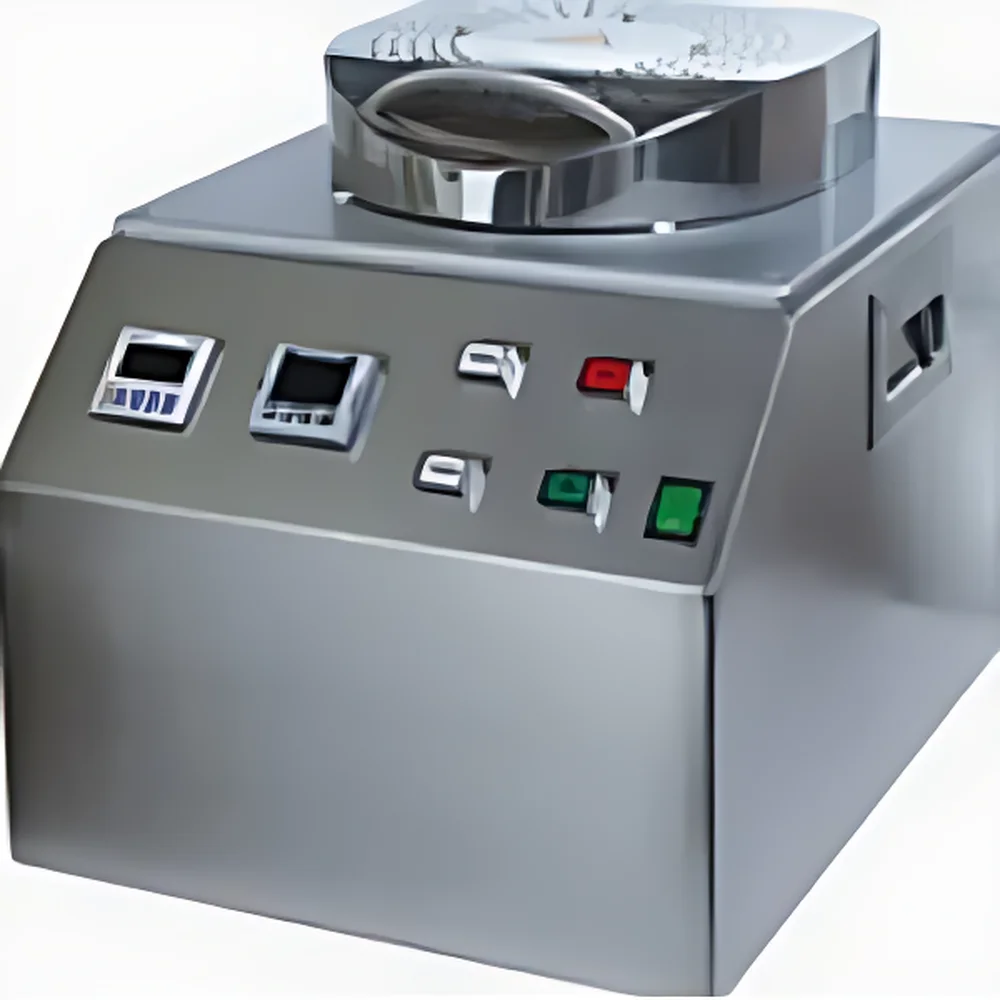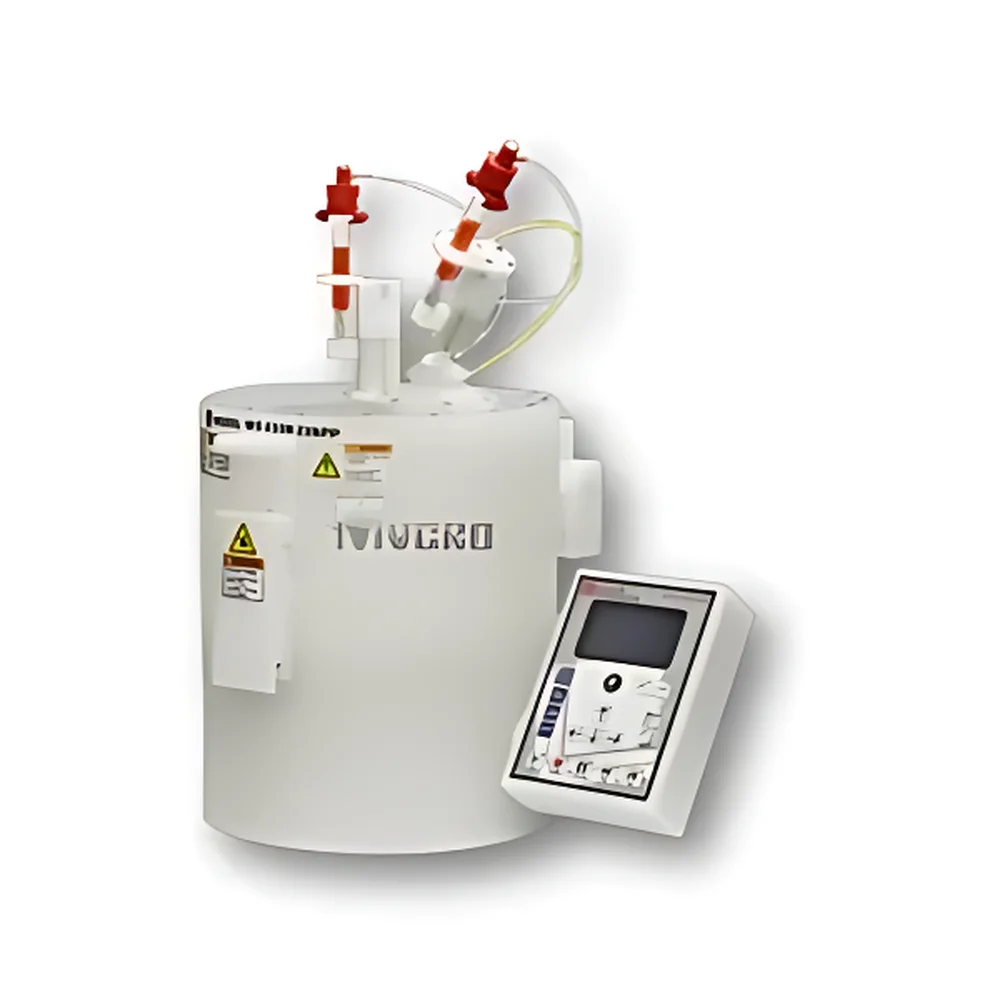
Laurell WS-650Mz-23N Spin Coater for Organic Photovoltaics and Perovskite Solar Cell Fabrication

| Brand | Laurell |
|---|---|
| Origin | USA |
| Model | WS-650Mz-23N |
| Substrate Diameter | 10–150 mm (round) / 125×125 mm (square) |
| Chamber Diameter | 241 mm (9.5 in) |
| Speed Range | 0–12,000 rpm |
| Speed Accuracy | < ±0.2 rpm (repeatability < ±0.2 rpm) |
| Acceleration | 0–12,000 rpm/sec (no-load) |
| Step Time Resolution | 0.1 sec (1–5999.9 sec/step) |
| Programmable Steps | 51 per program, up to 20 stored programs |
| Controller | PLC-based digital controller with <0.006% setpoint accuracy |
| Material | NPP (natural polypropylene) chamber |
| Vacuum System | Oil-free pump, 220–240 VAC, 50/60 Hz |
| Software | SPIN3000 process analysis and simulation software |
| Calibration | NIST-traceable speed calibration, factory-certified, no user recalibration required |
Ask about pricing, availability and specifications.
Overview
The Laurell WS-650Mz-23N Spin Coater is a precision-engineered semiconductor-grade coating system designed for reproducible thin-film deposition in R&D and pilot-scale fabrication of organic photovoltaics (OPV), perovskite solar cells (PSC), OLEDs, OFETs/TFTs, and 2D material heterostructures. Operating on the principle of centrifugal force-driven solvent evaporation, the system delivers highly uniform, thickness-controlled films via controlled rotational dynamics—where substrate rotation rate, acceleration profile, dispensing timing, and ambient environment collectively govern film morphology, solid content distribution, and interfacial homogeneity. Its architecture complies with cleanroom-compatible mechanical design standards and integrates seamlessly into lithography and thin-film processing workflows common in university nanofabrication facilities, national labs, and advanced materials development centers.
Key Features
- High-stability DC brushless motor with closed-loop feedback control ensures rotational speed stability better than ±0.2 rpm—validated against NIST-traceable reference standards and certified at time of shipment.
- Programmable multi-step spin profiles: up to 20 independent recipes, each supporting 51 discrete speed/time steps with 0.1-second temporal resolution and sub-rpm speed granularity.
- SPIN3000 software suite enables both forward simulation (predicting final film thickness based on viscosity, spin parameters, and solvent volatility) and backward traceability (recording real-time RPM, torque, vacuum level, and elapsed time per step).
- NPP (natural polypropylene) chamber construction provides exceptional resistance to organic solvents (e.g., chlorobenzene, DMF, CB, o-DCB), halogenated precursors, and acidic/basic etchants—critical for extended operational lifetime in aggressive OPV and PSC ink chemistries.
- Integrated oil-free vacuum system maintains consistent chuck adhesion across wafer sizes from 10 mm to 150 mm diameter or 125 × 125 mm square substrates—ensuring minimal edge effects and high center-to-edge thickness uniformity (typically ≤ ±3% across 100 mm Si wafers under optimized conditions).
- Digital PLC controller with <0.006% setpoint accuracy eliminates analog drift; full audit trail capability supports GLP-compliant documentation requirements for academic grant reporting and industry technology transfer.
Sample Compatibility & Compliance
The WS-650Mz-23N accommodates substrates ranging from small research coupons (10 mm round) to full 150 mm wafers and square glass or ITO-coated quartz slides (up to 125 × 125 mm). Its open-chamber geometry permits rapid tooling changes for flexible substrates (PET, PEN), metal foils, and textured or patterned surfaces. The system meets ISO 14644-1 Class 5 cleanroom compatibility when operated with HEPA-filtered exhaust ducting. All electrical components conform to UL 61010-1 and CE/EMC directives. While not inherently FDA 21 CFR Part 11 compliant, its SPIN3000 software architecture supports optional electronic signature modules and audit-log export for regulated environments requiring traceable process records.
Software & Data Management
SPIN3000 serves as both an offline process optimizer and real-time data acquisition platform. Users define viscosity inputs, solvent vapor pressure, and target film thickness to generate empirically informed spin curves—including ramp-up, dwell, and spin-down phases. During operation, the software logs RPM vs. time, vacuum pressure, and step transitions with timestamped metadata. Export formats include CSV, MATLAB .mat, and XML for integration with LIMS or statistical process control (SPC) platforms. All stored programs retain version stamps and operator IDs—enabling full experimental lineage tracking aligned with ASTM E2500-20 and ISO/IEC 17025 documentation expectations.
Applications
- Organic photovoltaic (OPV) active layer deposition (e.g., P3HT:PCBM, PM6:Y6 blends)
- Perovskite precursor film formation (e.g., MAPbI₃, FAPbBr₃, mixed-cation formulations)
- OLED emissive and charge transport layer coating (e.g., TFB, PVK, TCTA)
- Graphene oxide and transition metal dichalcogenide (TMD) dispersion casting
- Sol-gel derived metal oxide electron/hole transport layers (e.g., NiOₓ, SnO₂, TiO₂)
- Photoresist spin-coating for hybrid organic-inorganic patterning processes
FAQ
Is the WS-650Mz-23N compatible with corrosive perovskite precursor solutions containing HI or methylammonium iodide?
Yes—the NPP chamber and fluoropolymer-coated chuck surfaces resist degradation from halide-rich, mildly acidic perovskite inks. Routine cleaning with isopropanol or ethanol is recommended between runs.
Can the system be integrated into a glovebox environment?
Yes—its compact footprint (W450 × D400 × H320 mm), low heat dissipation, and external vacuum port allow direct mounting inside nitrogen- or argon-purged gloveboxes (compatible with O₂/H₂O < 0.1 ppm specifications).
Does the SPIN3000 software support automated batch processing for high-throughput screening?
It supports sequential recipe execution with manual substrate loading confirmation per run; fully automated robotic integration requires third-party motion controller interfacing via RS-232 or Ethernet/IP.
What calibration documentation is provided with the instrument?
Each unit ships with a NIST-traceable speed calibration certificate, signed by Laurell’s metrology lab, including uncertainty budget and measurement methodology per ISO/IEC 17025 guidelines.
Is remote monitoring or control possible?
Basic remote status polling (RPM, error codes, current step) is supported via Modbus RTU over RS-485; full GUI remote access requires local network configuration and firewall permitting TCP port 502.