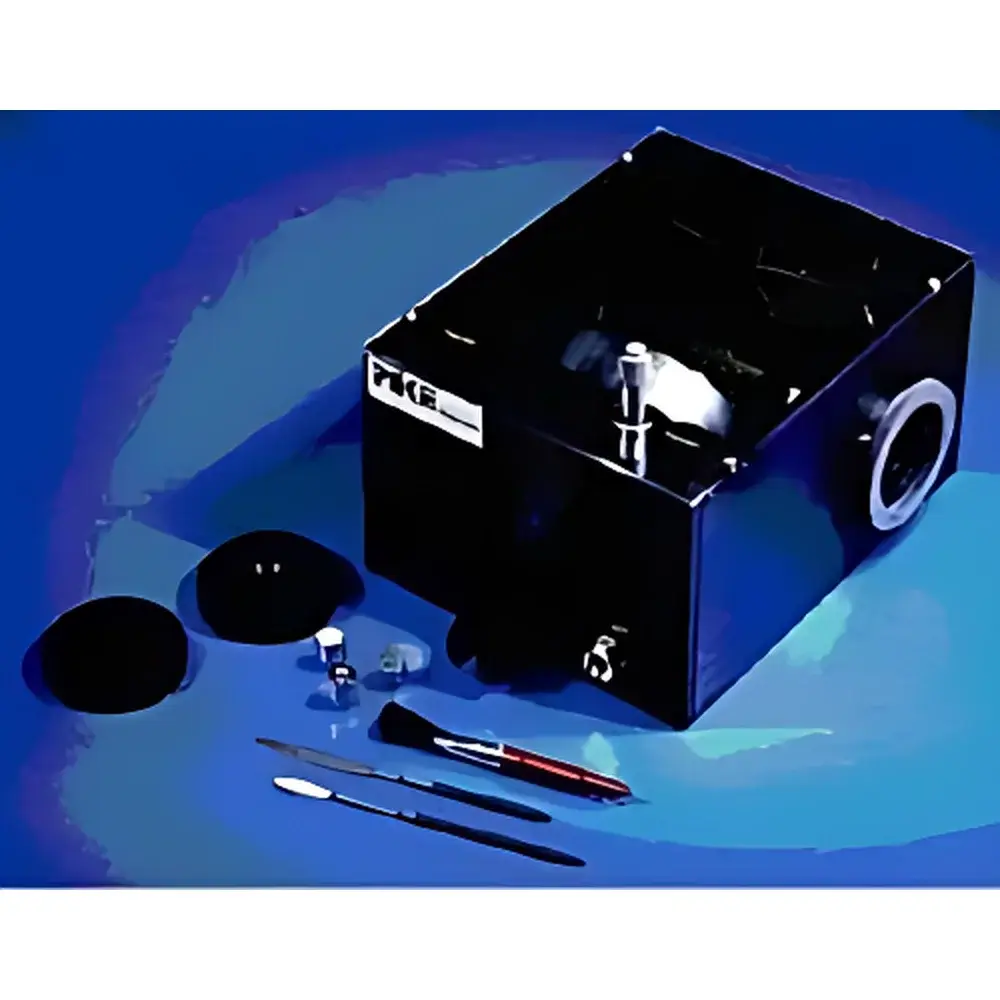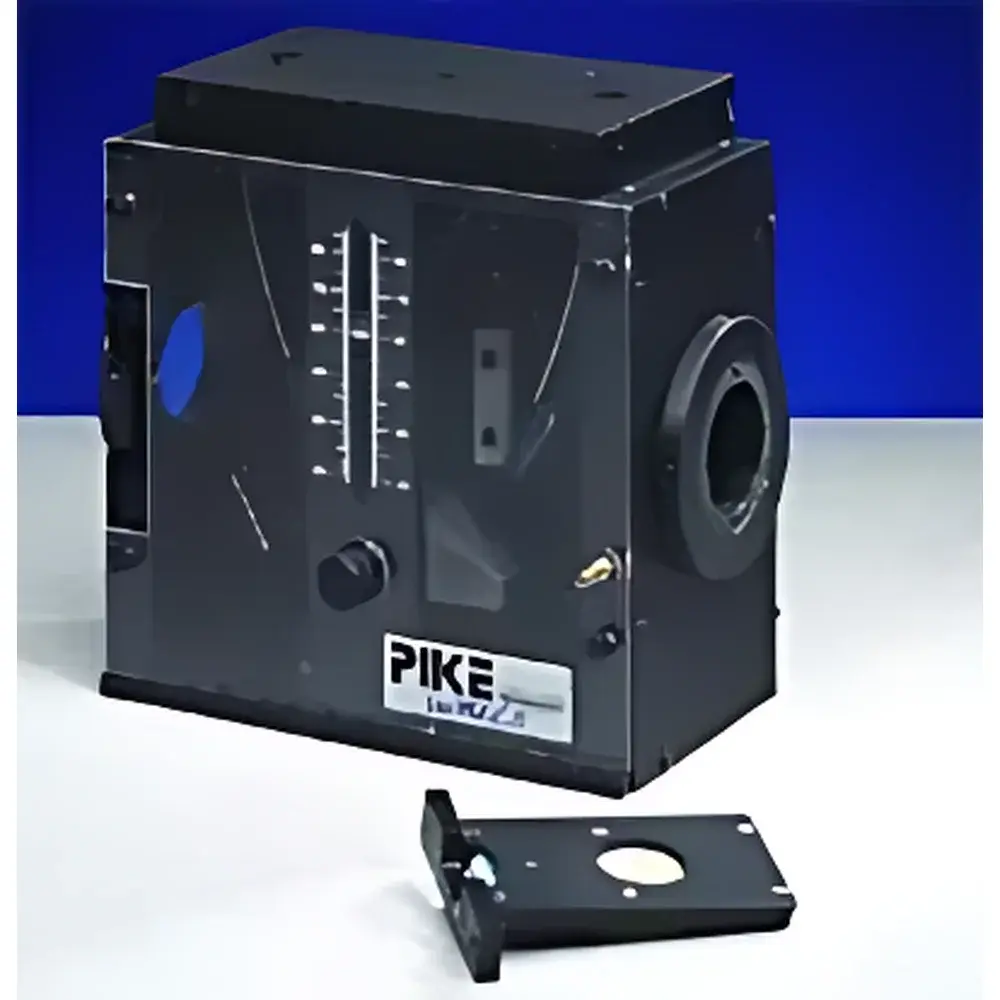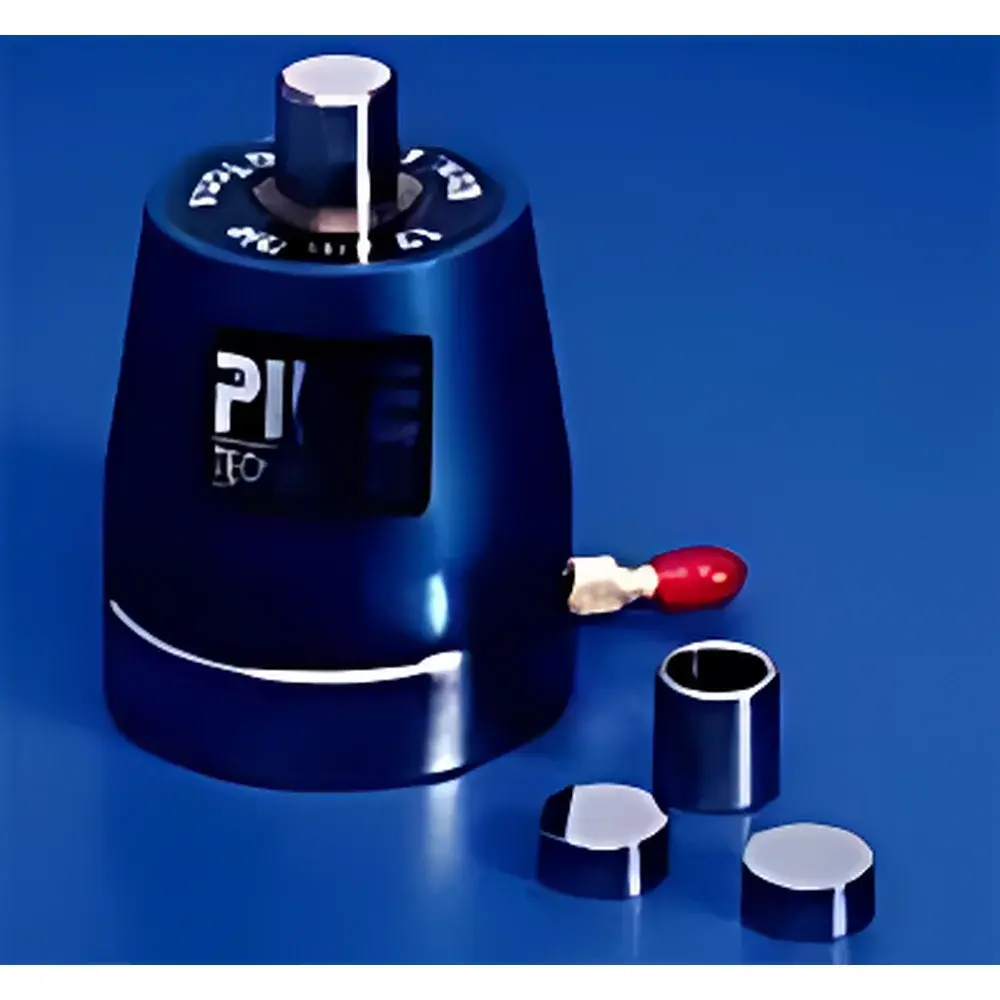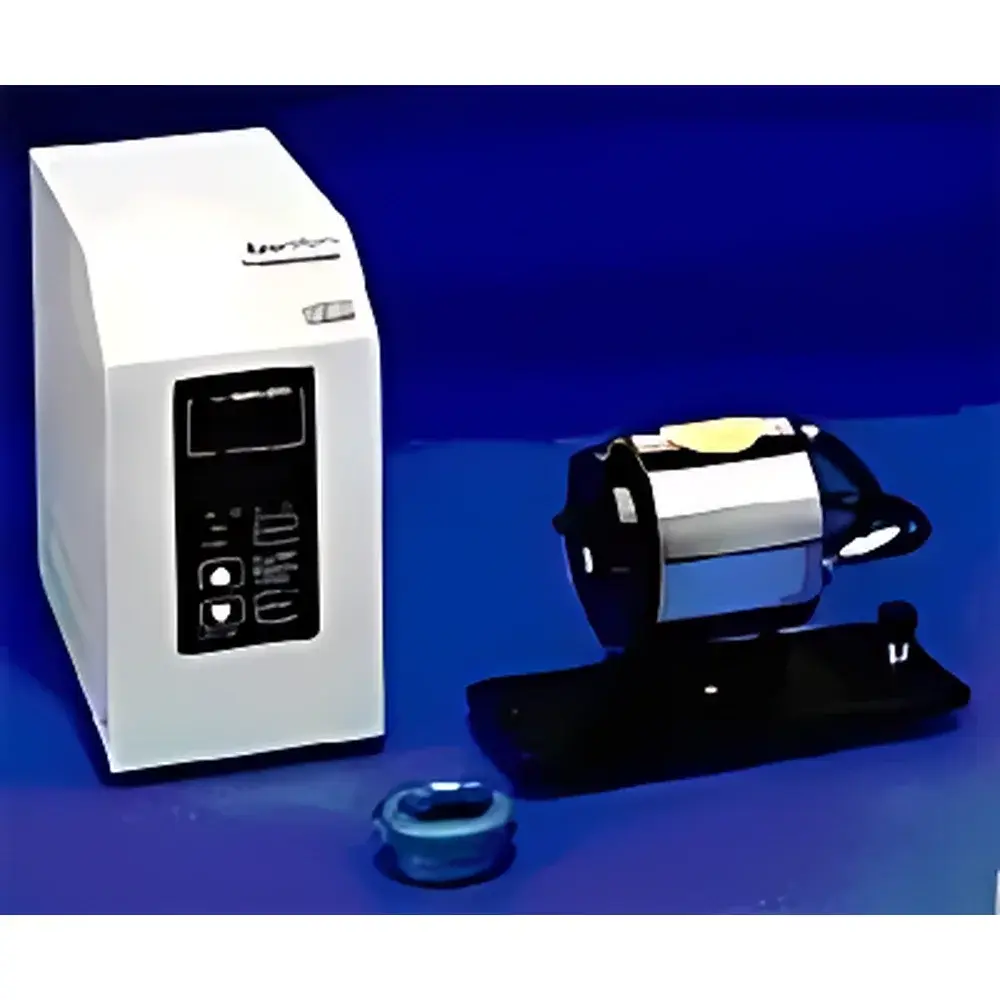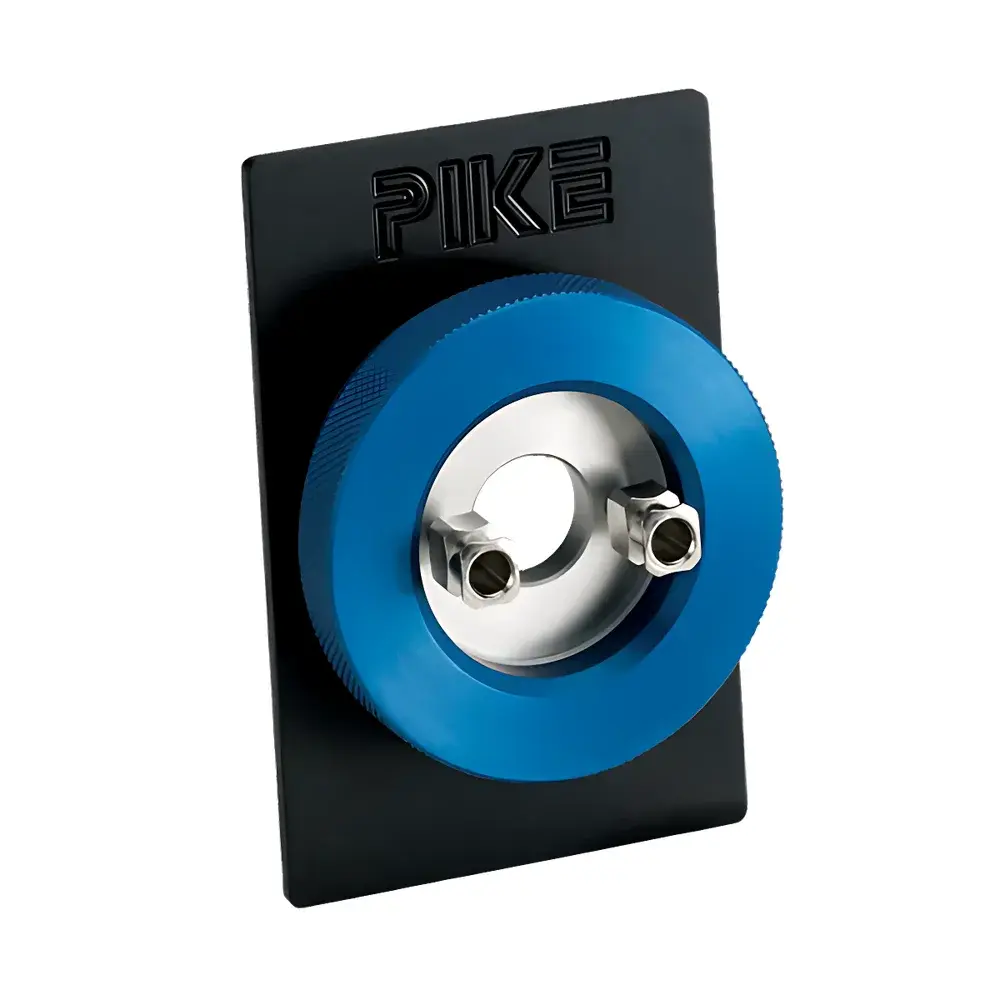
PIKE Demountable Liquid Cell

| Brand | PIKE |
|---|---|
| Origin | USA |
| Manufacturer Type | Authorized Distributor |
| Origin Category | Imported |
| Model | Demountable Liquid Cell |
| Price Range | USD 0–9,999 |
Ask about pricing, availability and specifications.
Overview
The PIKE Demountable Liquid Cell is a precision-engineered spectroscopic accessory designed for transmission-mode infrared (IR) and far-IR spectroscopy, enabling high-fidelity analysis of liquid, solution-phase, and low-volatility samples. Its modular, screw-tightened construction allows full disassembly for thorough cleaning, window replacement, and precise gap control—critical for minimizing spectral artifacts caused by residual films or contamination. The cell operates on the principle of fixed-pathlength transmission spectroscopy: incident IR radiation passes through two parallel, optically matched windows separated by a precisely defined spacer, traversing the sample layer before detection. This architecture ensures reproducible absorbance quantification in compliance with Beer–Lambert law assumptions, particularly essential for quantitative FTIR applications in pharmaceutical QC, polymer characterization, and academic research.
Key Features
- Modular demountable design with stainless-steel body and precision-machined alignment grooves for repeatable window seating and optical axis stability
- Interchangeable window materials optimized for spectral range and chemical compatibility: KBr (4000–400 cm⁻¹), ZnSe (4000–500 cm⁻¹), BaF₂ (4000–800 cm⁻¹), CaF₂ (4000–1000 cm⁻¹), Si (4000–500 cm⁻¹), and polyethylene (far-IR, <400 cm⁻¹)
- Seven standard spacer thicknesses: 0.015 mm, 0.025 mm, 0.050 mm, 0.100 mm, 0.200 mm, 0.500 mm, and 1.000 mm—each manufactured to ±1 µm tolerance and certified for pathlength accuracy
- Chemically resistant O-ring seals (Viton® or Kalrez® options available) ensuring leak-free operation with organic solvents, aqueous buffers, and corrosive reagents
- Compatible with standard 13 mm or 25 mm diameter IR windows and most commercial FTIR spectrometers equipped with liquid nitrogen-cooled MCT or DTGS detectors
Sample Compatibility & Compliance
The PIKE Demountable Liquid Cell supports a broad range of sample types—including volatile organics, ionic liquids, polymer melts, biological macromolecule solutions, and electrolyte formulations—without risk of irreversible cell damage or spectral interference. All metallic components meet ASTM F86-20 standards for passivation of stainless steel used in analytical instrumentation. Window material selections conform to ISO 17025 requirements for traceable optical calibration, and spacer thickness certification aligns with NIST-traceable dimensional metrology protocols. The cell is routinely deployed in GLP-compliant laboratories conducting method validation per ICH Q2(R2) guidelines and supports audit-ready documentation for FDA 21 CFR Part 11–governed environments when integrated with compliant FTIR data systems.
Software & Data Management
While the cell itself is hardware-only, its use is fully supported within industry-standard spectroscopy software platforms including Thermo Scientific OMNIC, Agilent Resolutions Pro, and Bruker OPUS. Pathlength metadata (e.g., 0.050 mm) can be embedded directly into spectrum header fields, enabling automated concentration calculations via Beer–Lambert equation integration. When paired with spectrometers featuring instrument control APIs, the cell facilitates automated acquisition sequences across multiple spacers—enabling rapid pathlength optimization studies without manual recalibration. Audit trails, user permissions, and electronic signatures are maintained at the host software level, satisfying ALCOA+ data integrity principles.
Applications
- Quantitative determination of solute concentration in pharmaceutical intermediates using reference-standard calibration curves
- In situ monitoring of polymerization kinetics in solvent-based systems via time-resolved FTIR
- Hydration state analysis of proteins and nucleic acids in D₂O/H₂O exchange experiments
- Characterization of ionic conductivity mechanisms in lithium-ion battery electrolytes
- Far-IR vibrational mode assignment of heavy-atom complexes (e.g., metal carbonyls, lanthanide chelates) using PE windows
- Method development for USP and EP 2.2.24 spectroscopic assay validation
FAQ
What window material should I select for mid-IR analysis of aqueous samples?
KBr is hygroscopic and unsuitable; CaF₂ or BaF₂ are preferred for water-containing systems due to low solubility and extended low-wavenumber cutoff.
Can the cell be used under inert atmosphere or vacuum?
Yes—optional vacuum-compatible versions with metal-sealed windows and pressure-rated spacers are available upon request (specify maximum differential pressure requirement).
Is pathlength verification required before each measurement?
While not mandatory, periodic verification using a certified reference film (e.g., polystyrene) is recommended per ISO/IEC 17025 Clause 7.7 to ensure ongoing measurement traceability.
How do I clean the cell after use with aggressive solvents like chloroform or DMF?
Disassemble completely, rinse windows with spectroscopic-grade methanol followed by acetone, dry under nitrogen, and inspect for residue under 10× magnification before reassembly.
Does PIKE provide NIST-traceable calibration certificates for spacer thicknesses?
Yes—certificates of conformance with dimensional uncertainty ≤ ±0.5 µm (k=2) are supplied with each spacer set upon request.