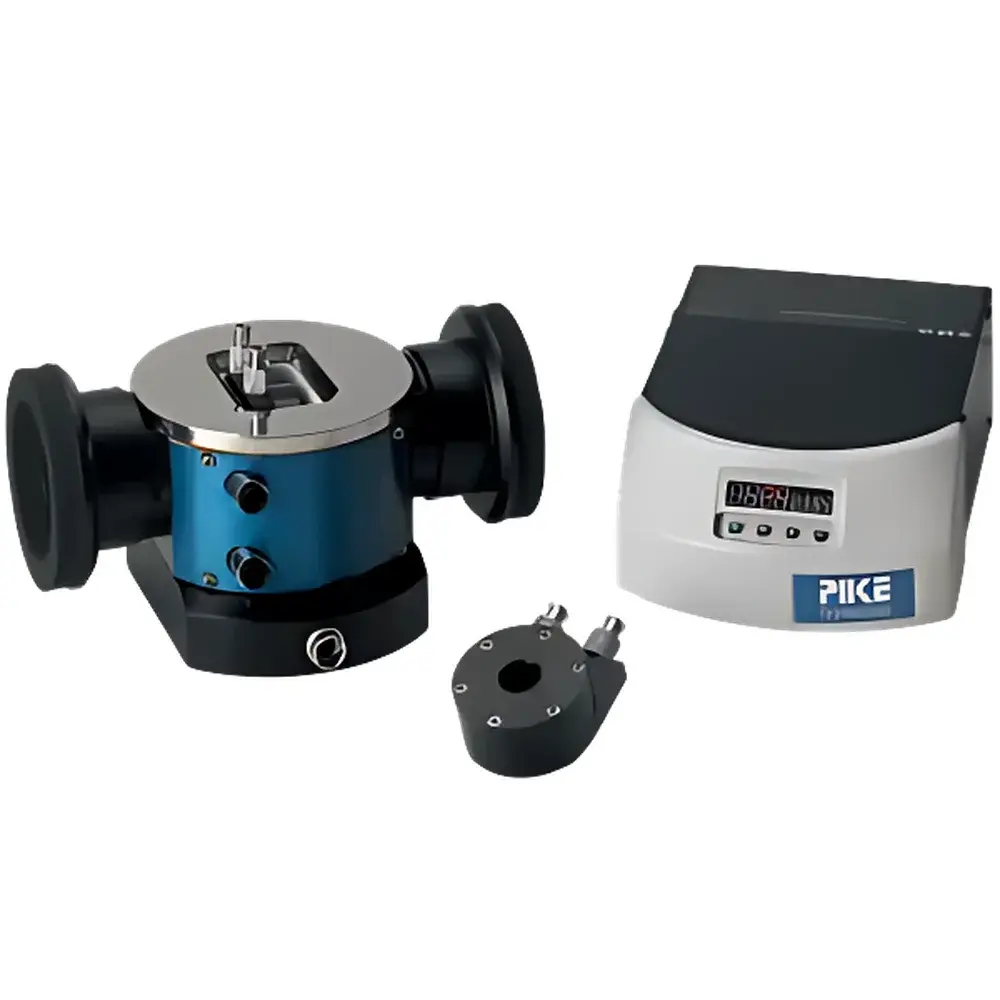
PIKE VTC Variable-Temperature Liquid Cell

| Brand | PIKE |
|---|---|
| Origin | USA |
| Manufacturer Type | Authorized Distributor |
| Origin Category | Imported |
| Model | VTC |
| Price Range | USD 0 – 9,999 |
| Temperature Control | Peltier-based |
| Temperature Range | 5–130 °C |
| Window Materials | KBr, CaF₂, BaF₂, ZnSe, ZnS, SiO₂ |
| Pathlength Options | 0.015, 0.025, 0.05, 0.10, 0.15, 0.20, 0.50, 1.0 mm |
Ask about pricing, availability and specifications.
Overview
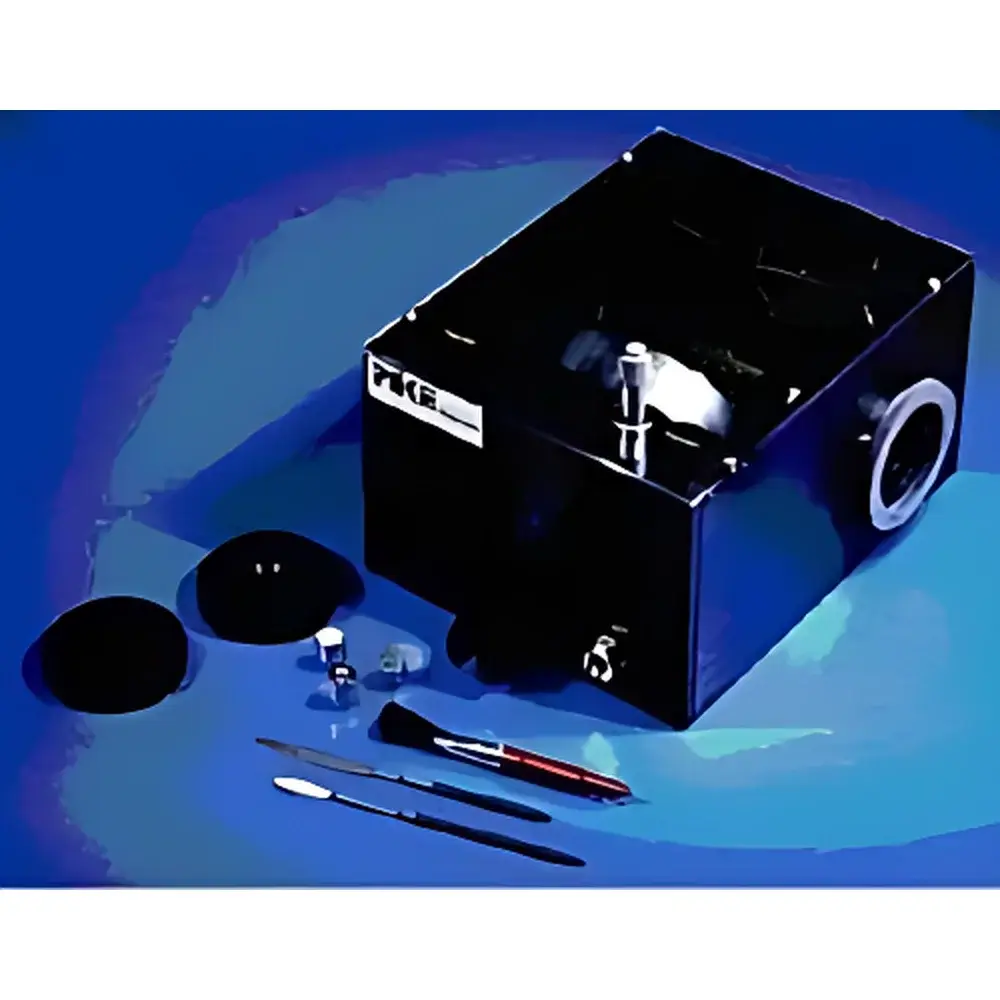
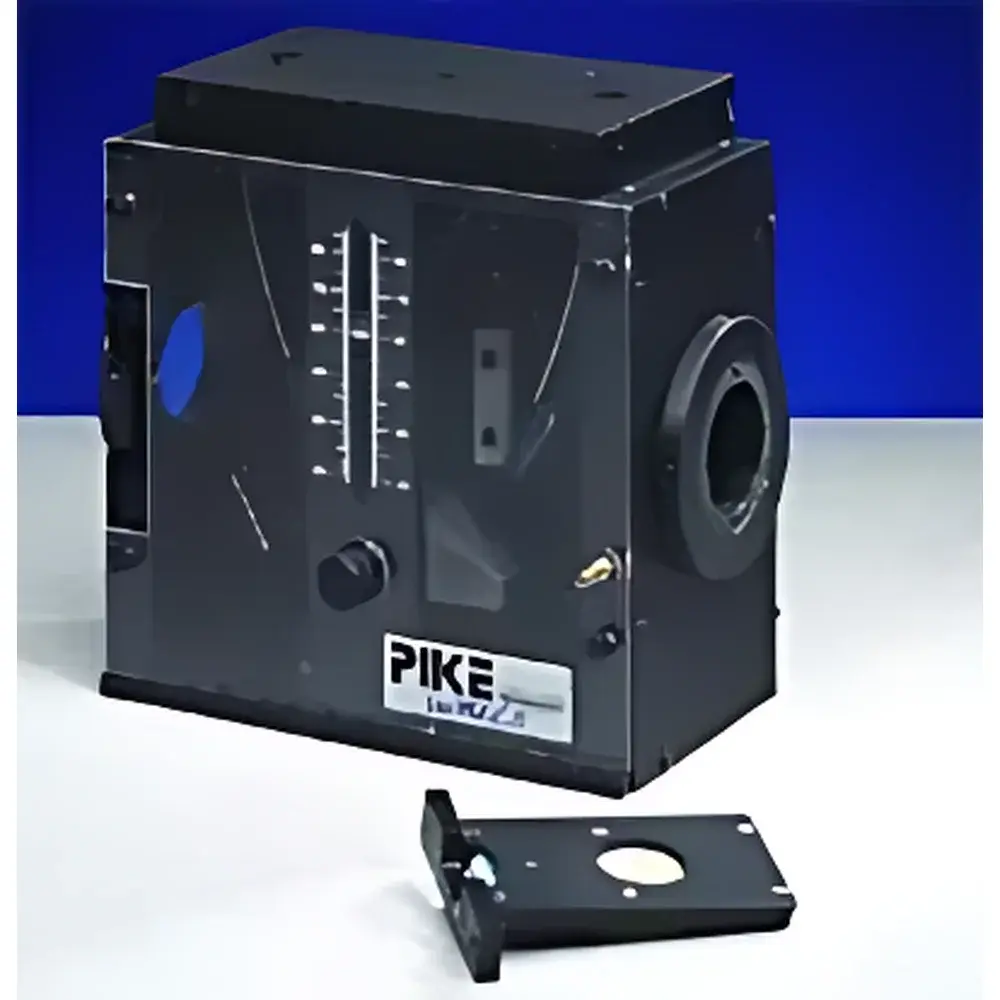
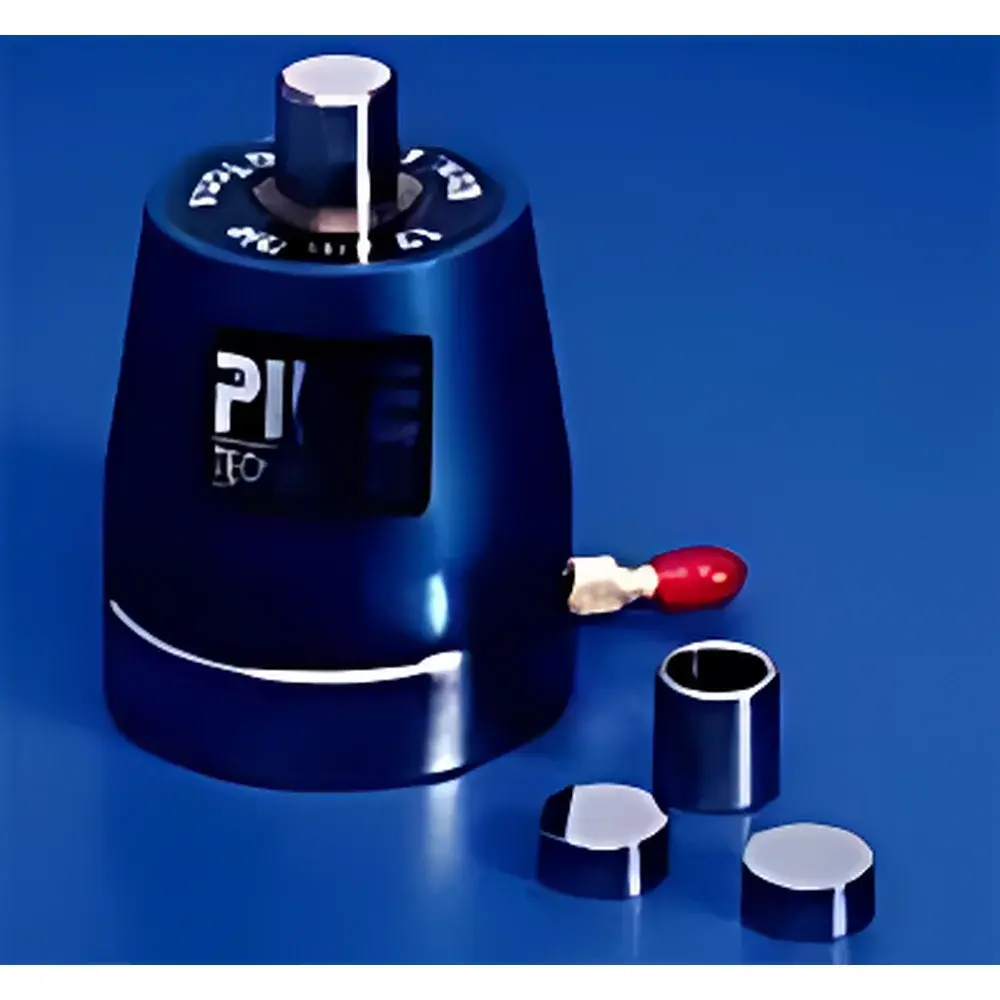
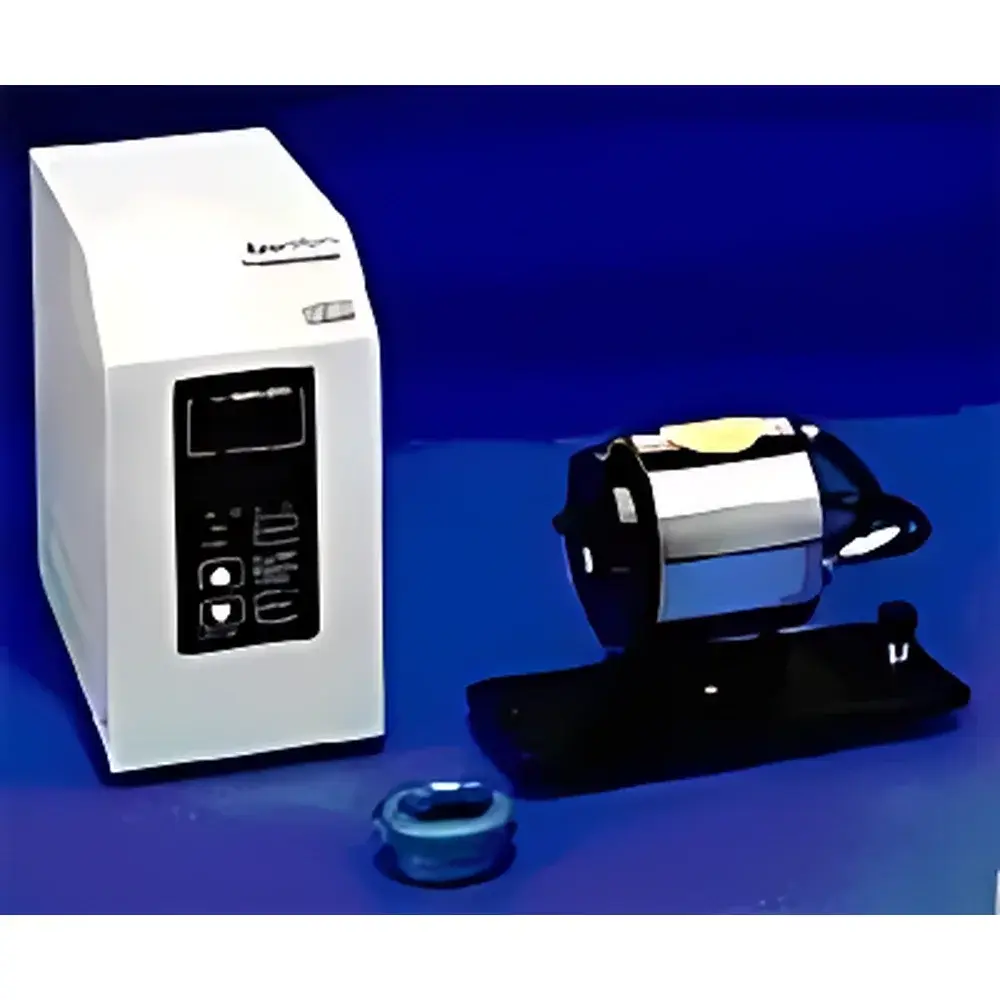
The PIKE VTC Variable-Temperature Liquid Cell is an engineered optical accessory designed for precise in situ temperature-dependent spectroscopic analysis of liquid-phase samples. It operates on the thermoelectric (Peltier) principle, enabling stable, programmable, and reversible thermal control across a broad operational range of 5 °C to 130 °C with typical stability of ±0.1 °C under closed-loop feedback regulation. The cell integrates seamlessly into standard FTIR, UV-Vis, and Raman spectrometers via standardized mounting interfaces and beam-height alignment features. Its modular architecture supports interchangeable window materials and adjustable pathlengths, making it suitable for both high-absorbance mid-IR measurements and low-absorbance near-IR or UV-Vis applications. Unlike fixed-path cells, the VTC maintains optical alignment integrity during thermal cycling—critical for time-resolved kinetic studies and phase-transition characterization.
Key Features
- Peltier-driven temperature control with integrated digital PID controller and real-time thermistor monitoring
- Eight discrete, precision-machined pathlength options (0.015–1.0 mm) selected via calibrated spacers, ensuring reproducible sample thickness without manual gasketing
- Optically matched window pairs available in six IR- and UV-transmissive materials: KBr (hygroscopic, broad mid-IR), CaF₂ (low dispersion, 0.13–9 µm), BaF₂ (extended UV cutoff at 0.15 µm), ZnSe (high transmission 0.5–20 µm), ZnS (robust, 0.4–12 µm), and fused silica (SiO₂, UV-grade, 0.18–3.5 µm)
- Stainless steel body with gold-plated internal surfaces to minimize stray light and thermal emissivity
- Integrated O-ring sealing system compatible with common organic solvents and aqueous buffers (excluding HF, strong alkalis, or prolonged exposure to saturated KBr solutions)
- Front-access fill port with micro-bore PTFE tubing interface and vent valve for bubble-free filling and pressure equilibration
Sample Compatibility & Compliance
The VTC accommodates a wide range of liquid and solution-phase samples—including polymers in solvent, protein formulations, ionic liquids, catalyst suspensions, and electrochemical electrolytes—without requiring encapsulation or cryogenic handling. All wetted components comply with USP Class VI biocompatibility standards. Window material selection adheres to ASTM E1421 (Standard Practice for Describing and Measuring Performance of Fourier Transform Infrared (FTIR) Spectrometers) and ISO 17025 calibration traceability requirements when used with certified reference materials. The cell’s design facilitates compliance with GLP documentation workflows: temperature logs, pathlength verification records, and window lot traceability are maintained per laboratory SOPs. While not intrinsically rated for hazardous area use, optional explosion-proof controller modules are available upon request for Class I, Division 2 environments.
Software & Data Management
The VTC interfaces with third-party spectroscopy platforms (e.g., Thermo OMNIC, Agilent Resolutions Pro, Bruker OPUS) via RS-232 or USB-to-serial emulation. Native driver support enables synchronized acquisition: temperature ramp rate, hold duration, and setpoint transitions can be embedded directly into spectral acquisition sequences. Real-time temperature metadata is embedded in each spectrum’s JCAMP-DX header (ASTM E131-compliant). Audit trails—including operator ID, timestamped temperature profiles, and pathlength configuration—are exportable as CSV or XML for FDA 21 CFR Part 11–compliant review. Firmware updates are delivered via secure HTTPS portal; no proprietary software installation is required.
Applications
- Thermal denaturation profiling of biomolecules (e.g., protein secondary structure transitions monitored by amide I band shifts in FTIR)
- Phase behavior analysis of liquid crystals and thermoresponsive polymers (LCST/UCST determination)
- In situ monitoring of homogeneous catalysis kinetics under controlled thermal gradients
- Dielectric property mapping of battery electrolytes across operating temperature windows
- Hydration state analysis of pharmaceutical hydrates using variable-temperature NIR
- Validation of computational chemistry models via experimental vibrational frequency shifts vs. temperature
FAQ
What is the maximum heating/cooling rate achievable with the VTC?
Typical ramp rates range from 0.5 °C/min to 5 °C/min depending on pathlength, window material, and thermal mass of the filled sample; rates above 3 °C/min may reduce long-term temperature stability and are not recommended for quantitative thermodynamic studies.
Can the VTC be used under vacuum or inert gas purge?
Yes—the cell includes a dedicated purge port compatible with N₂, Ar, or dry air lines; vacuum operation down to 10⁻² mbar is supported with optional O-ring upgrades and pressure-rated windows (e.g., thick ZnSe or CaF₂).
Is pathlength calibration traceable to NIST standards?
Pathlength spacers are manufactured to ±0.5 µm tolerance and certified per ISO/IEC 17025 by an A2LA-accredited metrology lab; calibration certificates are supplied with each spacer set.
How often should the Peltier module be serviced?
Under normal laboratory use (≤8 h/day, ambient 20–25 °C), the Peltier stack requires no scheduled maintenance; lifetime exceeds 20,000 thermal cycles. Performance validation is recommended annually using a calibrated PT100 probe inserted into the thermal sensor well.