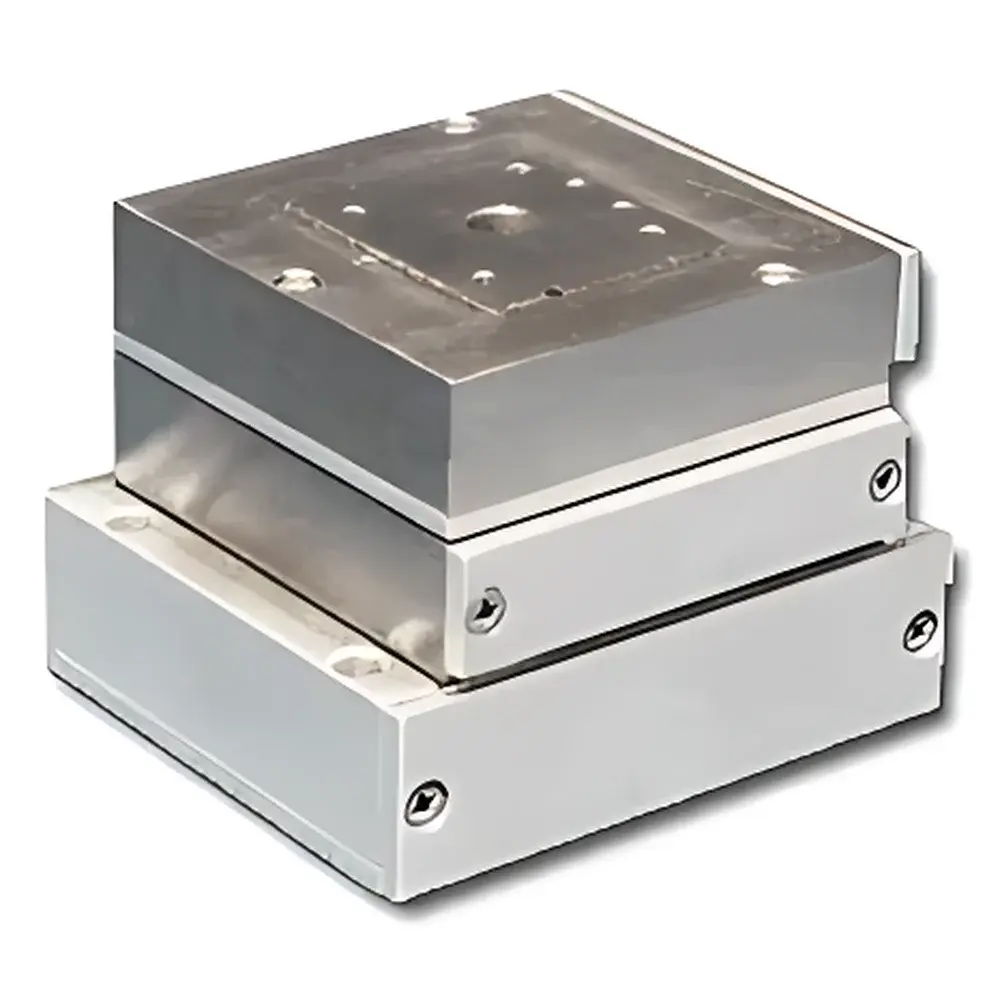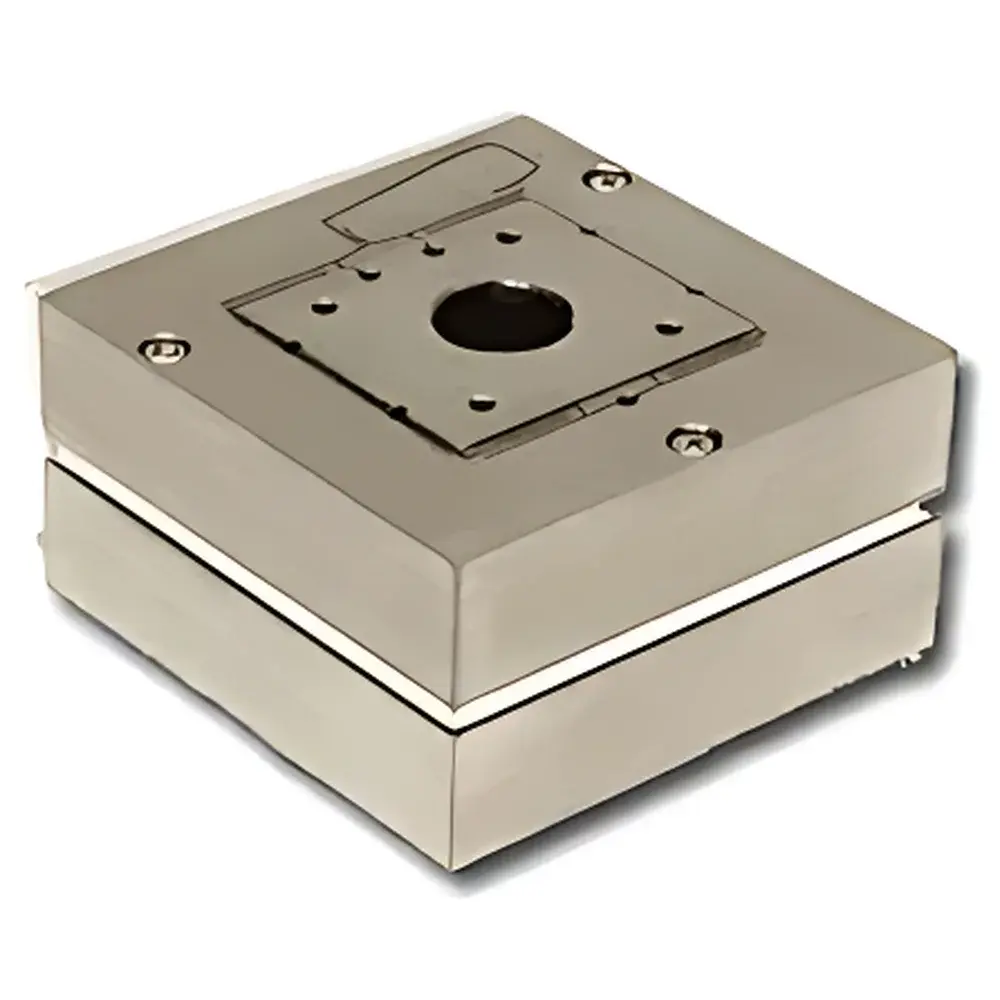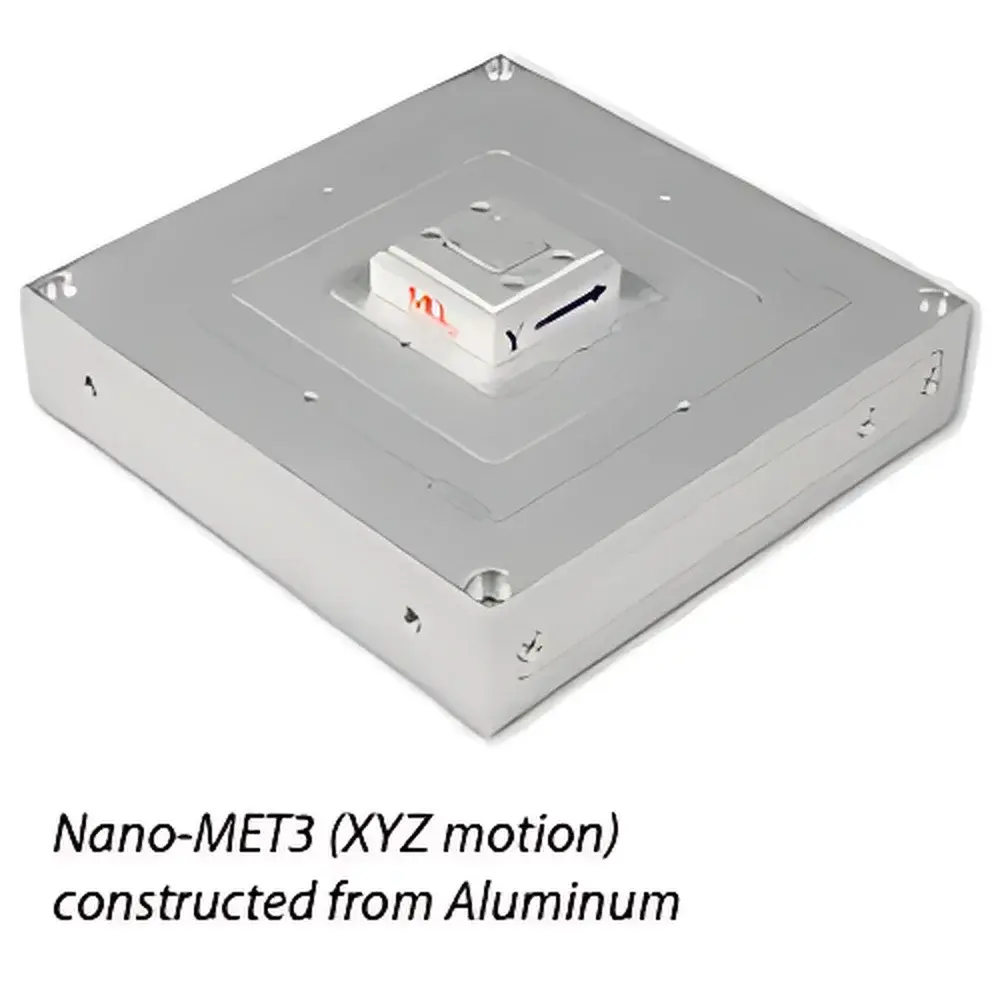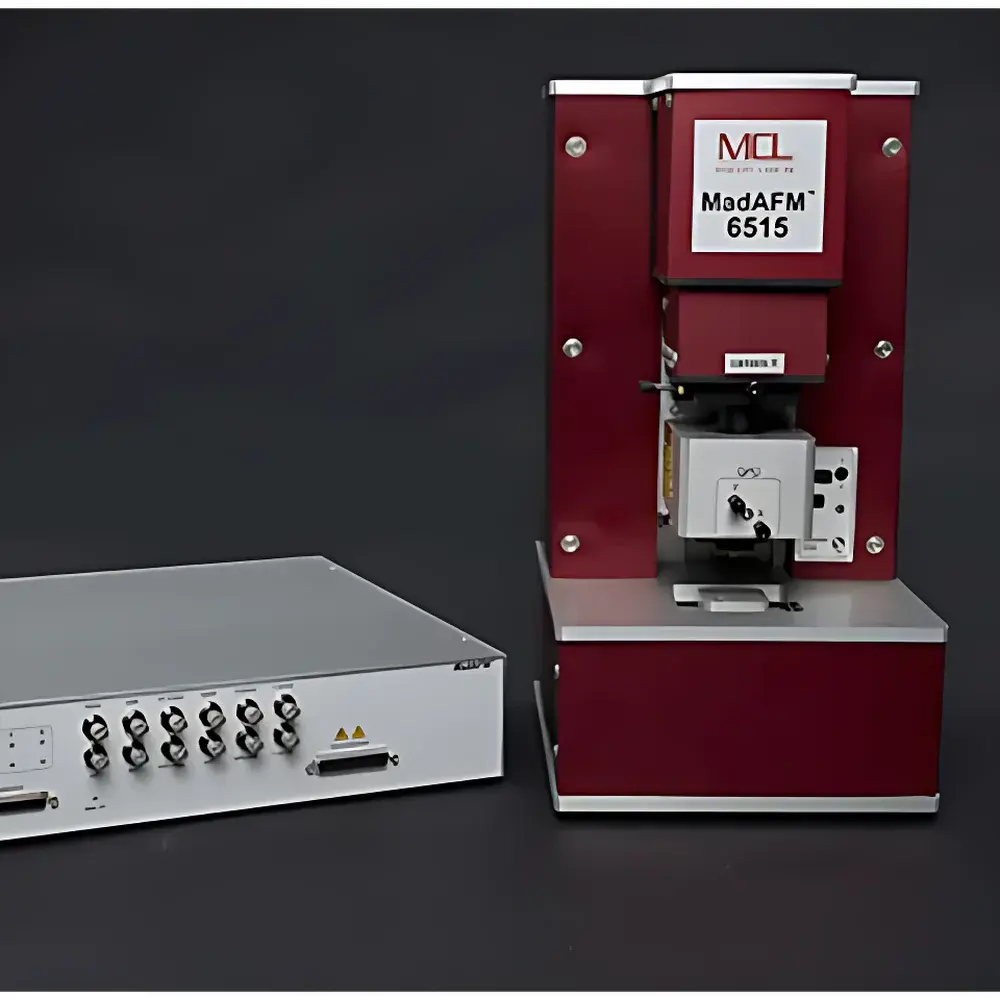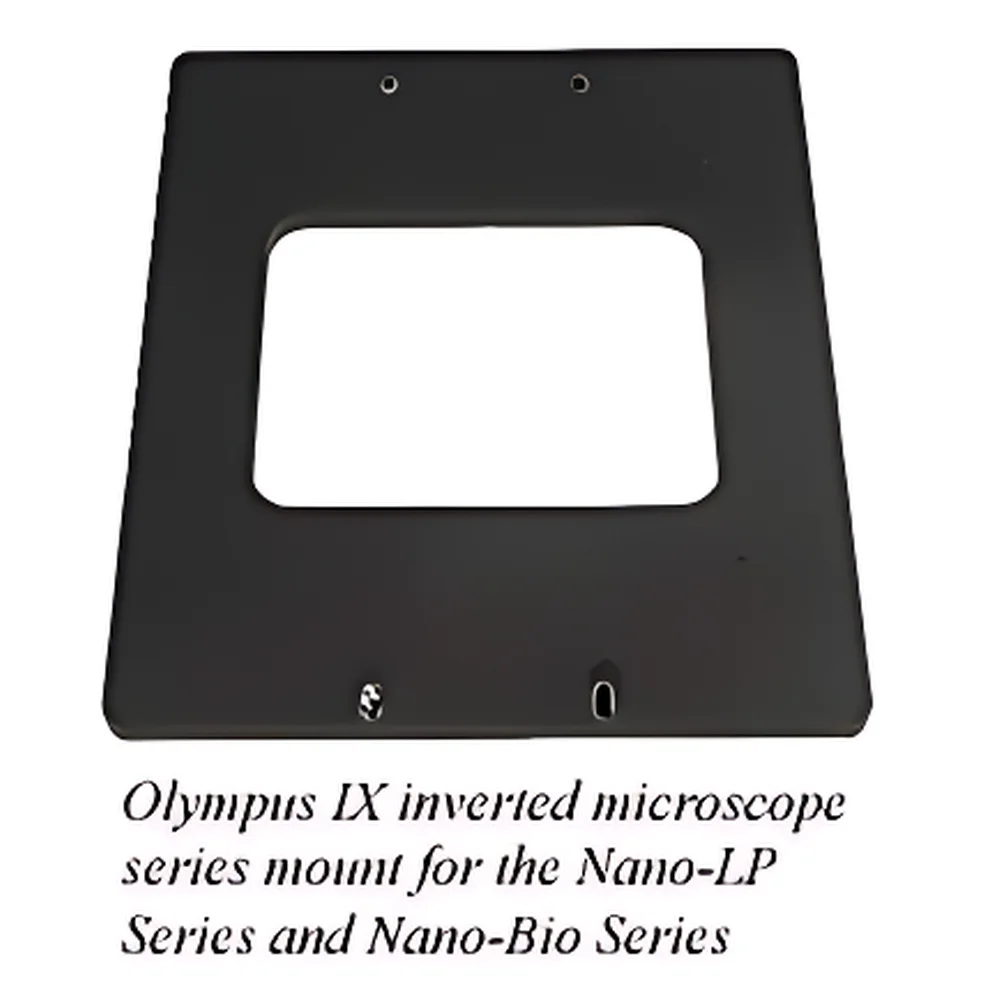
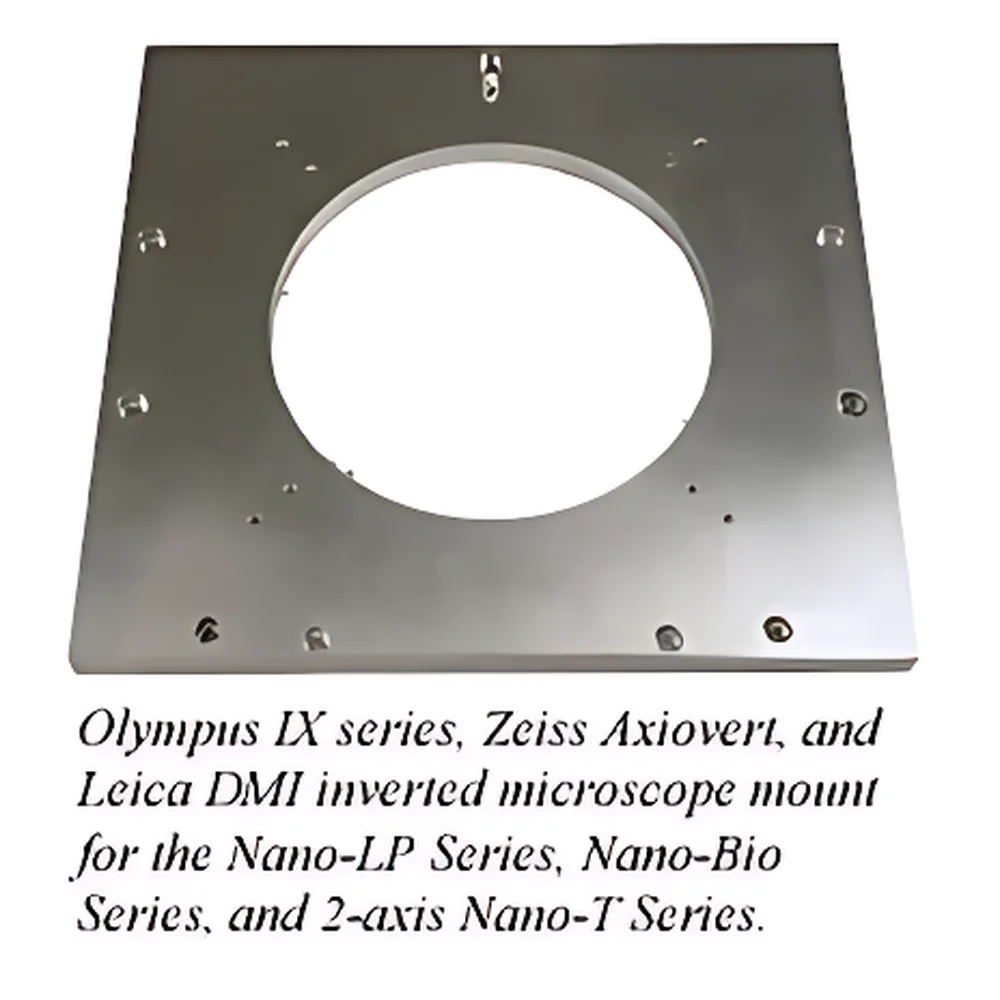
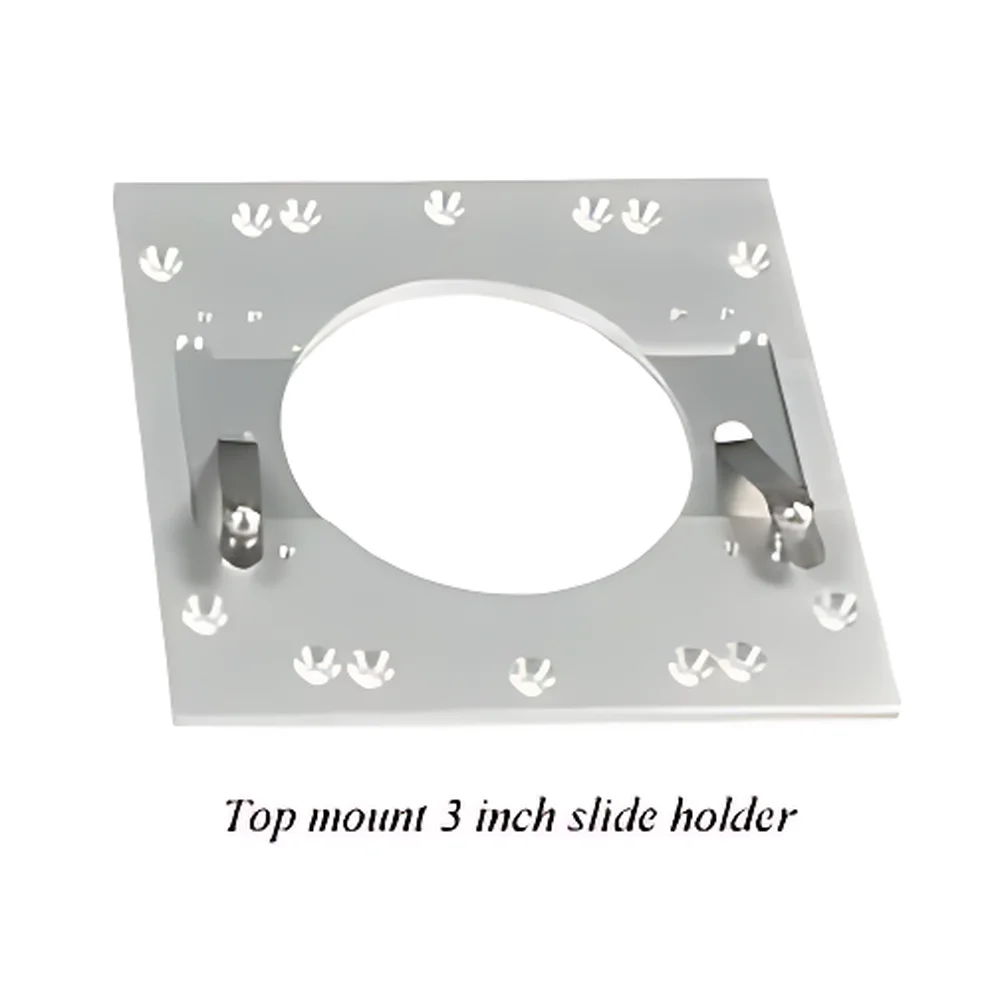
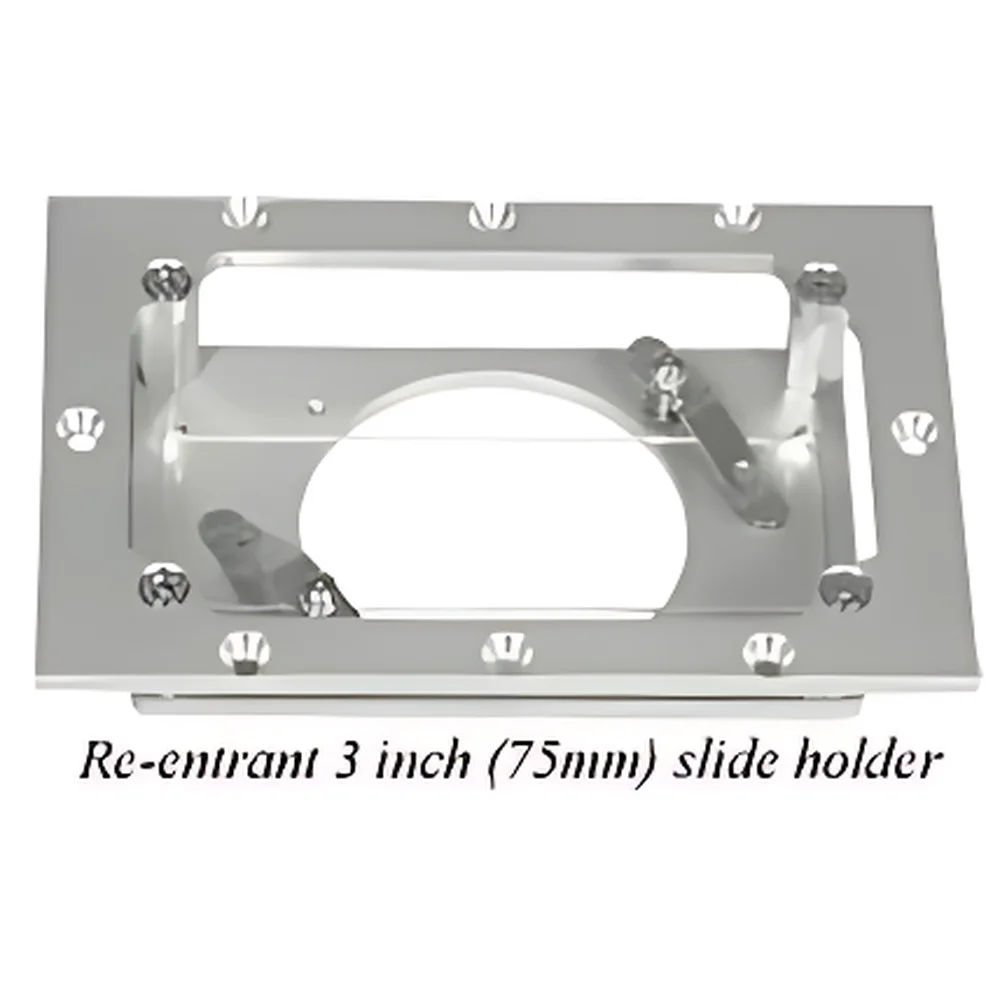
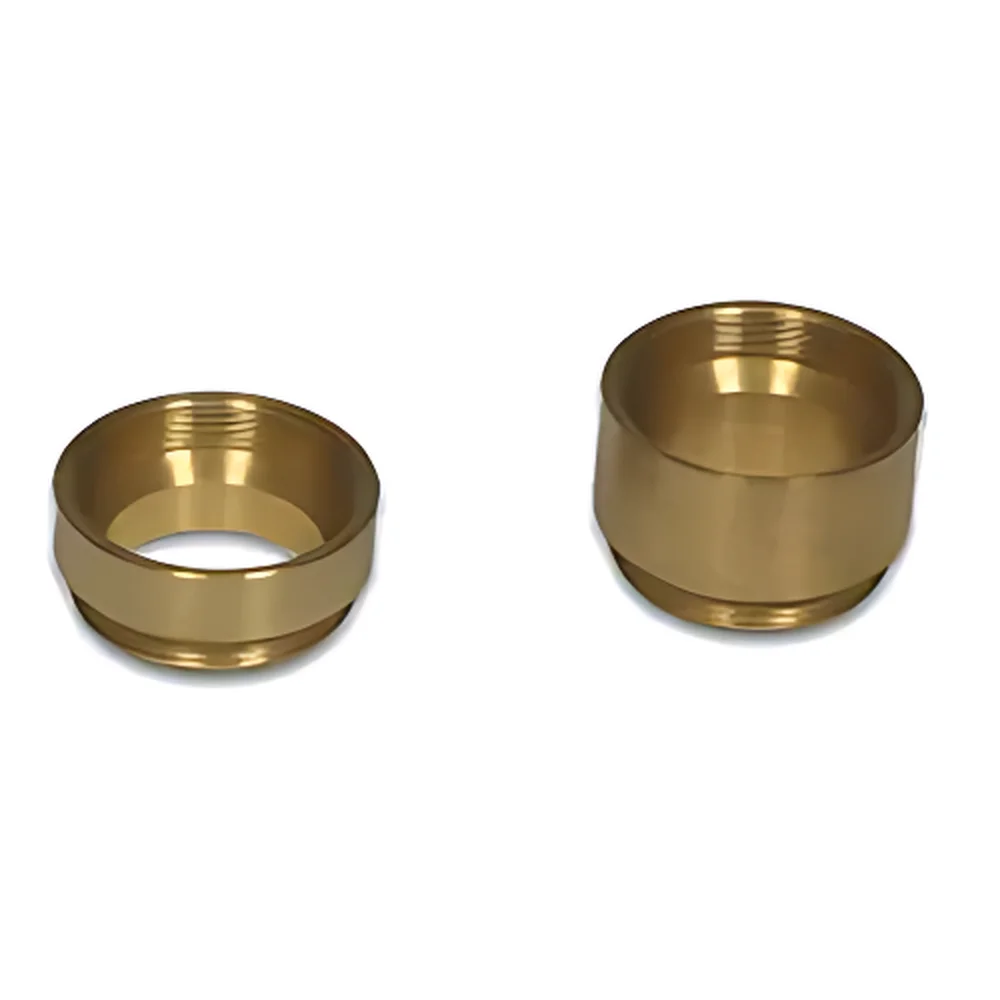
MCL Think Nano Nanopositioning and Micropositioning Accessories

| Brand | MCL Think Nano |
|---|---|
| Origin | USA |
| Manufacturer Type | Authorized Distributor |
| Product Category | Imported |
| Model | Nanopositioning and Micropositioning Accessories |
| Product Type | Motorized Translation Stage |
| Compatibility | Nano-BioS, Nano-LPS, Nano-Z500, Motorized MicroStage, Manual MicroStage-LT |
| Mounting Standards | RMS (Olympus/Zeiss/Leica), M25-0.75 (Nikon) |
| Rack Format | 2U (3.47 in height), Full-width & Half-width options |
| Control Interface | USB |
| Software | NanoControl & MicroControl (LabVIEW-based, Windows-compatible, free with USB-enabled systems) |
Ask about pricing, availability and specifications.
Overview
MCL Think Nano Nanopositioning and Micropositioning Accessories are precision-engineered mechanical and electromechanical components designed to extend the functionality of Mad City Labs’ high-stability nanopositioning stages and motorized microstages within optical microscopy, single-molecule biophysics, super-resolution imaging, and nanoscale metrology workflows. These accessories do not constitute standalone instruments but serve as critical integration enablers—ensuring mechanical compatibility, optical alignment fidelity, and experimental reproducibility across diverse microscope platforms and sample configurations. Built to support closed-loop piezoelectric positioning systems operating at sub-nanometer resolution, the accessory suite addresses three primary engineering constraints in advanced optical setups: (1) precise sample-to-objective spatial registration, (2) rigid, low-drift stage mounting under vibration-sensitive conditions, and (3) flexible, application-specific sample handling without compromising positional stability or thermal drift performance.
Key Features
- Modular Mounting Architecture: Standardized mounting plates compatible with upright, inverted, and horizontal microscope configurations—including direct integration onto Nikon Eclipse, Zeiss Axio, Olympus IX, and Leica DMi8 platforms—eliminate need for custom machining or coarse adjustment stages.
- Biological Sample Holder System: Interchangeable, non-magnetic holders for standard 1″ × 3″ glass slides, 35 mm Petri dishes, #1.5 coverslips (0.17 mm thickness), and 96-well plates—each engineered with kinematic alignment features and vacuum or magnetic retention options to minimize lateral shift during Z-axis scanning.
- Objective Lens Extender Tubes: Precision-machined aluminum tubes with RMS (0.8″–36 TPI) and M25–0.75 thread standards, available in 6.35 mm (0.25″) and 12.7 mm (0.5″) lengths, enabling objective repositioning to maintain optimal working distance when integrating nanopositioners beneath the sample plane.
- Rack-Mount Ready Controller Kits: 2U-height (3.47″) rack-mount brackets certified for Nano-Drive® multiaxis controllers (full-width) and single-axis Nano-Drive® units (half-width), supporting DIN-rail or 19″ EIA-compliant instrumentation racks per IEC 60297-3-100.
- Gamepad-Based Motion Control: NanoControl and MicroControl—free LabVIEW-based applications—enable intuitive, low-latency manual control via Logitech F710 wireless gamepad, with user-configurable joystick mapping, on-screen encoder readouts, acceleration tuning, and numeric displacement entry for repeatable step motions.
Sample Compatibility & Compliance
All accessories comply with ISO 10110-7 (optical component surface quality), ASTM E2552-16 (specifications for optical mount interfaces), and USP particulate matter testing requirements for cleanroom-compatible hardware. Biological sample holders meet ISO 8549-1:2017 dimensional tolerances for microscope slide formats and are autoclavable (121°C, 20 min) where applicable. Mounting adapters conform to DIN 58855-1 for RMS-threaded objectives and JIS B7141 for M25–0.75 threads. No adhesives or outgassing polymers are used in structural components—ensuring compatibility with ultra-high-vacuum (UHV) and cryogenic environments down to 4 K when specified.
Software & Data Management
NanoControl and MicroControl operate under Windows 10/11 (64-bit) and communicate exclusively over USB 2.0 CDC-class virtual COM port protocols. Both applications generate timestamped ASCII log files (.txt) containing axis position (µm), velocity (µm/s), and system status flags—structured for direct ingestion into MATLAB, Python (pandas), or LabVIEW-based data acquisition pipelines. Audit trails include controller firmware version, host PC system time, and user-defined experiment IDs. While neither software implements FDA 21 CFR Part 11 electronic signature functionality, full source code (VI-based) is provided for MicroControl, enabling qualified users to embed digital signature modules compliant with GLP/GMP validation protocols.
Applications
- Single-molecule fluorescence resonance energy transfer (smFRET) experiments requiring simultaneous XYZ sample repositioning and objective focus compensation.
- Structured illumination microscopy (SIM) and stimulated emission depletion (STED) where sub-100 nm sample translation must remain synchronized with galvo-scanner timing.
- Atomic force microscopy (AFM)-optical hybrid platforms demanding rigid, zero-backlash coupling between AFM scanner and inverted microscope stage.
- Automated patch-clamp electrophysiology rigs utilizing multiwell plate holders for high-throughput cell positioning under DIC or phase contrast.
- Quantum dot or NV-center photoluminescence mapping requiring long-duration, drift-corrected raster scanning with real-time encoder feedback.
FAQ
Are these accessories compatible with third-party nanopositioners?
No—mechanical interfaces, mounting hole patterns, and electrical pinouts are proprietary to Mad City Labs’ Nano-BioS, Nano-LPS, Nano-Z500, and MicroStage product families.
Can biological sample holders be sterilized using ethanol or UV exposure?
Yes—aluminum and stainless-steel components tolerate 70% ethanol wipe-downs and 254 nm UV-C irradiation (up to 1000 mJ/cm²); polymer gaskets (where present) are rated for ISO 10993-5 cytotoxicity compliance.
Do extender tubes affect optical path length or aberration correction?
No—they introduce no optical elements; RMS and M25–0.75 threads preserve manufacturer-specified parfocal distance and do not alter infinity-corrected beam paths.
Is NanoControl compatible with Linux or macOS?
No—it requires Windows-native LabVIEW Runtime Engine v2020 SP1 or later; however, command-line API access via ASCII serial protocol enables cross-platform integration using Python pySerial or C++ libusb.
What is the maximum load capacity supported by standard mounting plates?
Standard plates support static loads up to 2.5 kg with ≤100 nm angular deviation under gravity loading, verified per ISO 10360-2 angular metrology standards.