Setaram Setline DSC Differential Scanning Calorimeter

| Brand | Setaram |
|---|---|
| Origin | France |
| Model | Setline DSC |
| Temperature Range | −170 to 700 °C |
| Temperature Accuracy | ±0.07 °C / ±0.15 °C |
| Heating/Cooling Rate | 0.01–100 K/min |
| DSC Signal Range | ±600 mW (low range) / ±6000 mW (high range) |
| Enthalpy Accuracy | ±0.8% / ±2.5% |
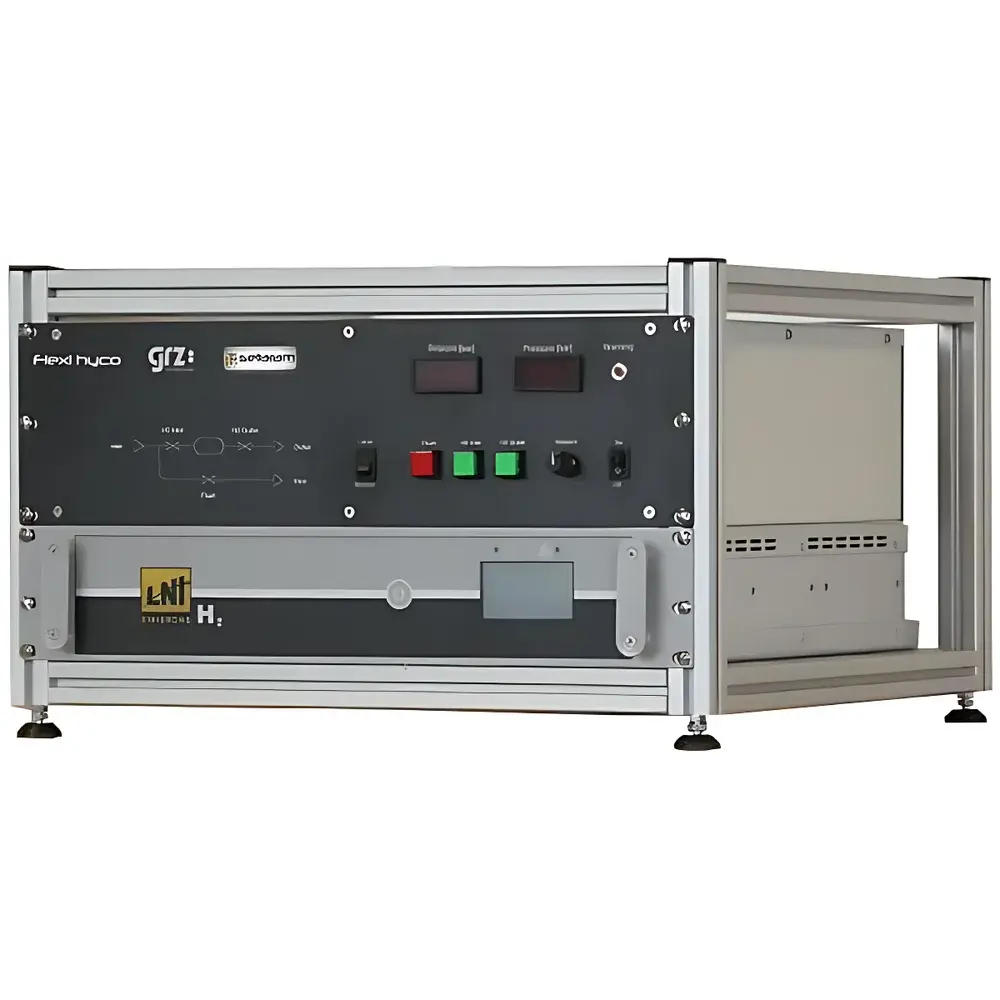
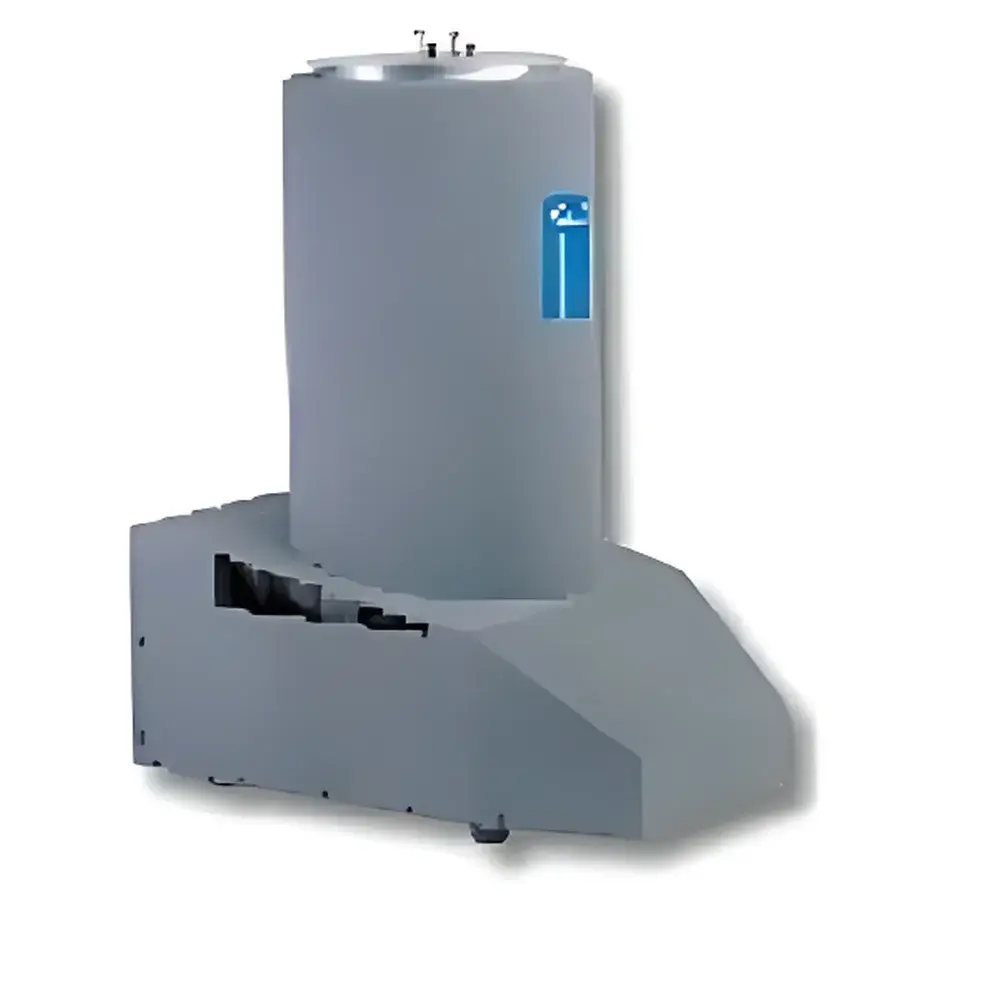
| Cooling Options | Manual LN₂, Auto LN₂, or Gas-Flow (He, Ar, dry air) |
| Auto-sampler Capacity | 66 positions (sample + reference) |
| Power Supply | 230 V, 50/60 Hz |
Ask about pricing, availability and specifications.
Overview
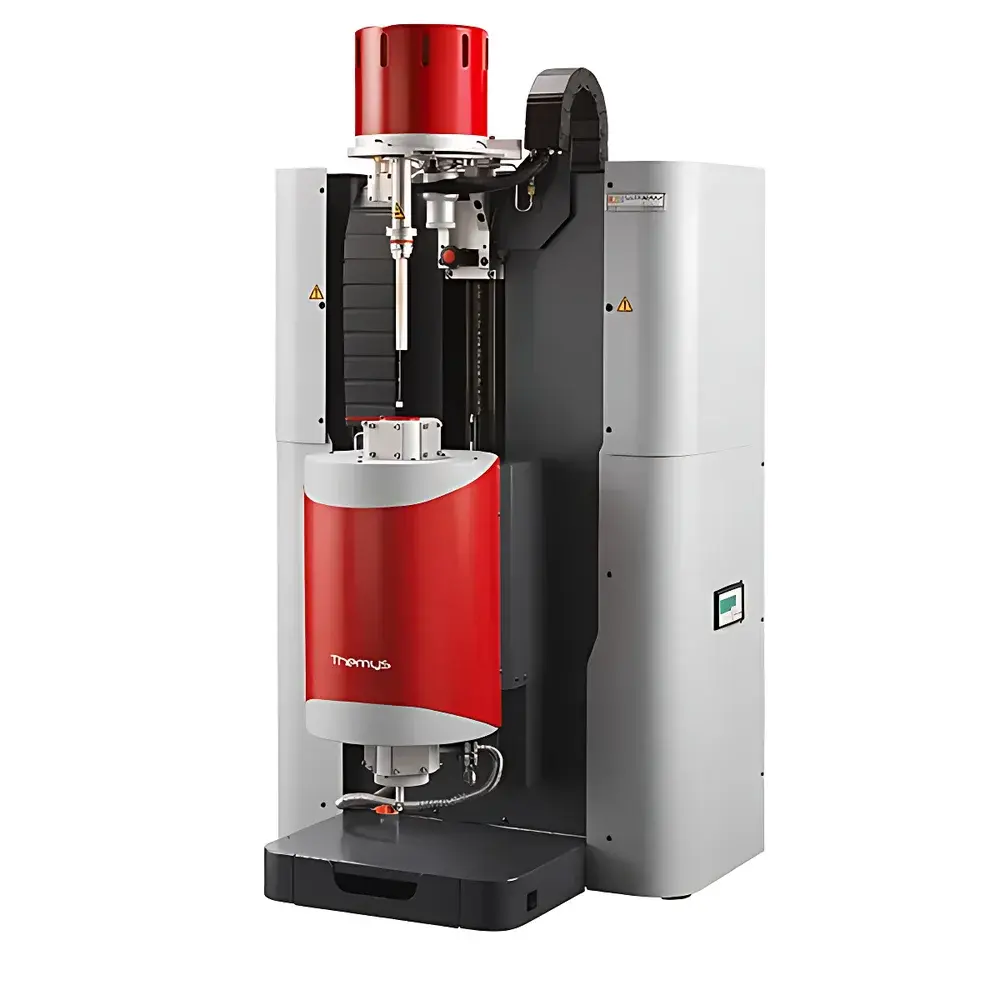
The Setaram Setline DSC is a high-performance differential scanning calorimeter engineered for precision thermal characterization across academic research, quality control (QC), and industrial R&D laboratories. Based on heat-flux DSC principles, it measures the difference in heat flow between a sample and an inert reference as both are subjected to identical, precisely controlled temperature programs. This enables quantitative determination of endothermic and exothermic transitions—including glass transitions (Tg), melting (Tm), crystallization, solid-solid phase changes, oxidative induction time (OIT), specific heat capacity (Cp), reaction enthalpies, and thermal stability—across an exceptionally broad operational range from −170 °C to 700 °C. Developed by Setaram—a French manufacturer with over six decades of expertise in thermal analysis instrumentation—the Setline platform delivers robust metrology without compromising usability, making it uniquely suited for teaching laboratories requiring pedagogical clarity and QC environments demanding reproducibility, audit readiness, and throughput.
Key Features
- High-sensitivity flat-plate DSC sensor fabricated from NiCr–Constantan alloy, optimized for uniform thermal response and minimal thermal lag across the full temperature span.
- Compact, low-thermal-mass furnace design enabling rapid heating and cooling rates (0.01–100 K/min) while maintaining exceptional temperature homogeneity and long-term baseline stability.
- Triple cooling architecture: manual liquid nitrogen (LN₂), automated LN₂, or gas-flow systems (He, Ar, dry air) supporting flexible low-temperature operation down to −170 °C and mid-range stabilization from −70 °C to 400 °C.
- Dual-range DSC detection (±600 mW and ±6000 mW) ensures optimal signal-to-noise ratio for both subtle transitions (e.g., Tg) and high-energy events (e.g., decomposition or polymer curing).
- Optional Setline DSC+ configuration includes a 66-position automated sample changer, enabling unattended multi-sample analysis with programmable thermal protocols and seamless integration into routine QC workflows.
- Modular crucible system: standard Al2O3 and aluminum crucibles (30 µL and 100 µL) for general use; high-pressure Incoloy crucibles (30 µL, rated to 500 bar at 600 °C) for reactive or volatile samples under pressurized atmospheres.
Sample Compatibility & Compliance
The Setline DSC accommodates solids (powders, films, fibers, metals), liquids, gels, and pastes in sealed or vented crucibles. It supports inert (N2, Ar), oxidative (O2, air), and reducing (H2/Ar) atmospheres with programmable gas switching (A→B) and mass flow control (10–100 mL/min). Its design aligns with core regulatory expectations for data integrity in GLP and GMP environments: Calisto 2.0 software provides role-based user access, electronic signatures, full audit trail logging, and immutable raw data archiving compliant with FDA 21 CFR Part 11 requirements. Instrument performance verification follows ISO 11357-1 (DSC general principles) and ASTM E794 (melting and crystallization temperatures), while enthalpy calibration adheres to ISO 11357-4 and ASTM E967.
Software & Data Management
Calisto 2.0 is Setaram’s unified thermal analysis software suite, comprising two tightly integrated modules: Calisto Acquisition (for instrument control, method development, and real-time monitoring) and Calisto Processing (for post-run analysis). The interface supports intuitive drag-and-drop method creation, template-based batch execution, and one-click baseline correction, peak integration, deconvolution, and Cp calculation via stepwise method. Advanced features include macro scripting for automated report generation, comparative overlay of multiple curves, derivative thermogram (DTG) visualization, and export to CSV, Excel, or publication-ready vector graphics (SVG, EPS). All processing steps are fully traceable, with metadata embedded directly in exported files to ensure analytical transparency and regulatory defensibility.
Applications
The Setline DSC serves as a foundational tool across disciplines: in polymer science, it quantifies Tg, crystallinity, melt enthalpy, crosslink density (DCL), and OIT for stabilization assessment; in pharmaceuticals, it validates polymorphic identity, excipient compatibility, and amorphous content; in metallurgy and ceramics, it maps eutectic behavior and phase transformation kinetics; in battery materials, it evaluates electrolyte decomposition onset and electrode thermal runaway thresholds; and in food science, it characterizes fat crystallization, starch gelatinization, and moisture-induced transitions. Its combination of wide temperature coverage, high sensitivity, and automated operation makes it equally effective for undergraduate labs teaching thermal fundamentals and for ISO/IEC 17025-accredited QC labs performing routine release testing on raw materials and finished goods.
FAQ
What cooling options are available for sub-ambient operation?
Three configurations are supported: manual liquid nitrogen (−170 °C to 400 °C), automated liquid nitrogen (same range, with timed refill and vacuum-jacketed transfer line), and gas-flow cooling using helium (−70 °C to 200 °C) or argon/dry air (−50 °C to 400 °C).
Is the instrument suitable for regulated QC environments?
Yes. Calisto 2.0 supports 21 CFR Part 11 compliance through user authentication, electronic signatures, audit trails, and secure data handling. Hardware design meets IEC 61010-1 safety standards.
Can the Setline DSC measure specific heat capacity (Cp)?
Yes. Using the stepwise method with sapphire calibration, Calisto calculates absolute Cp values across the operating temperature range with traceable uncertainty.
How does the auto-sampler improve productivity in QC labs?
The 66-position DSC+ auto-sampler enables overnight runs, reduces operator variability, and allows standardized thermal protocols to be applied identically across batches—critical for trend analysis and statistical process control (SPC).
Are calibration and verification procedures documented?
Setaram provides certified reference materials (e.g., indium, zinc, tin) and SOPs aligned with ISO 17025 and ASTM E968 for temperature and enthalpy calibration, along with annual performance verification checklists.