
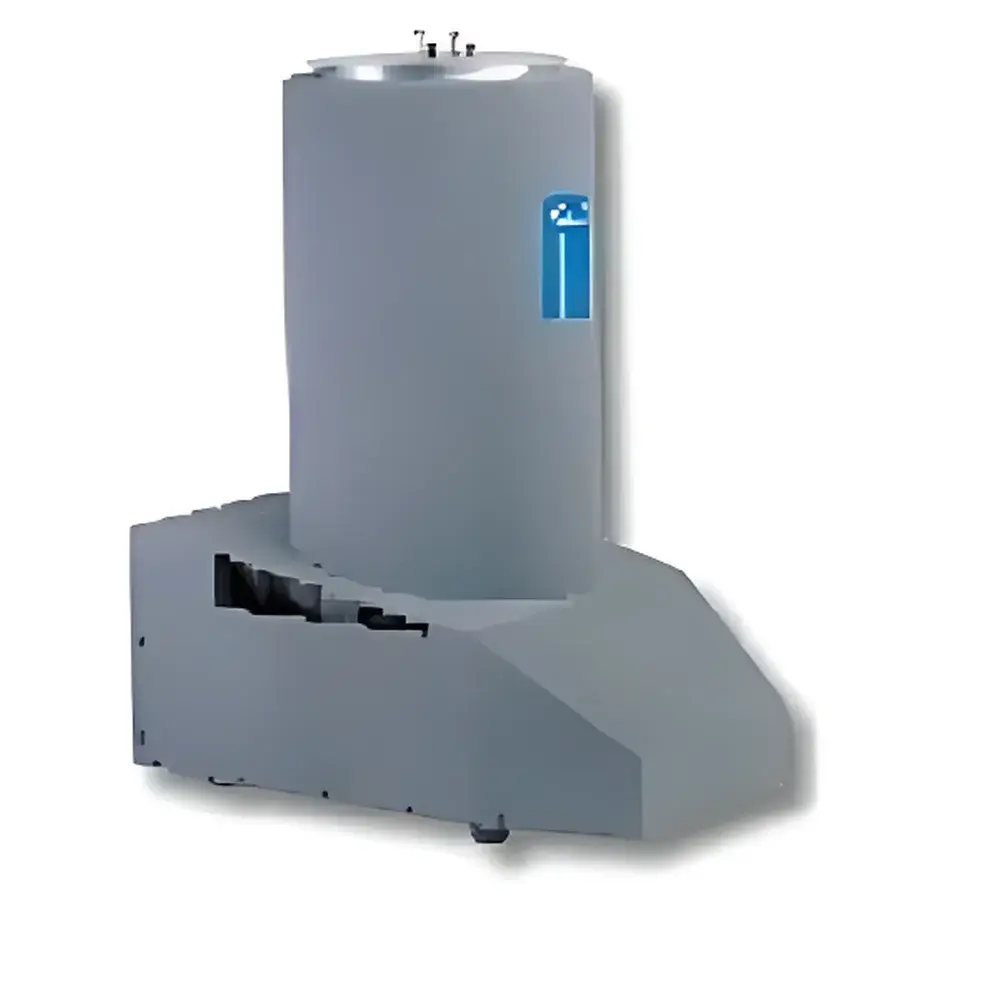
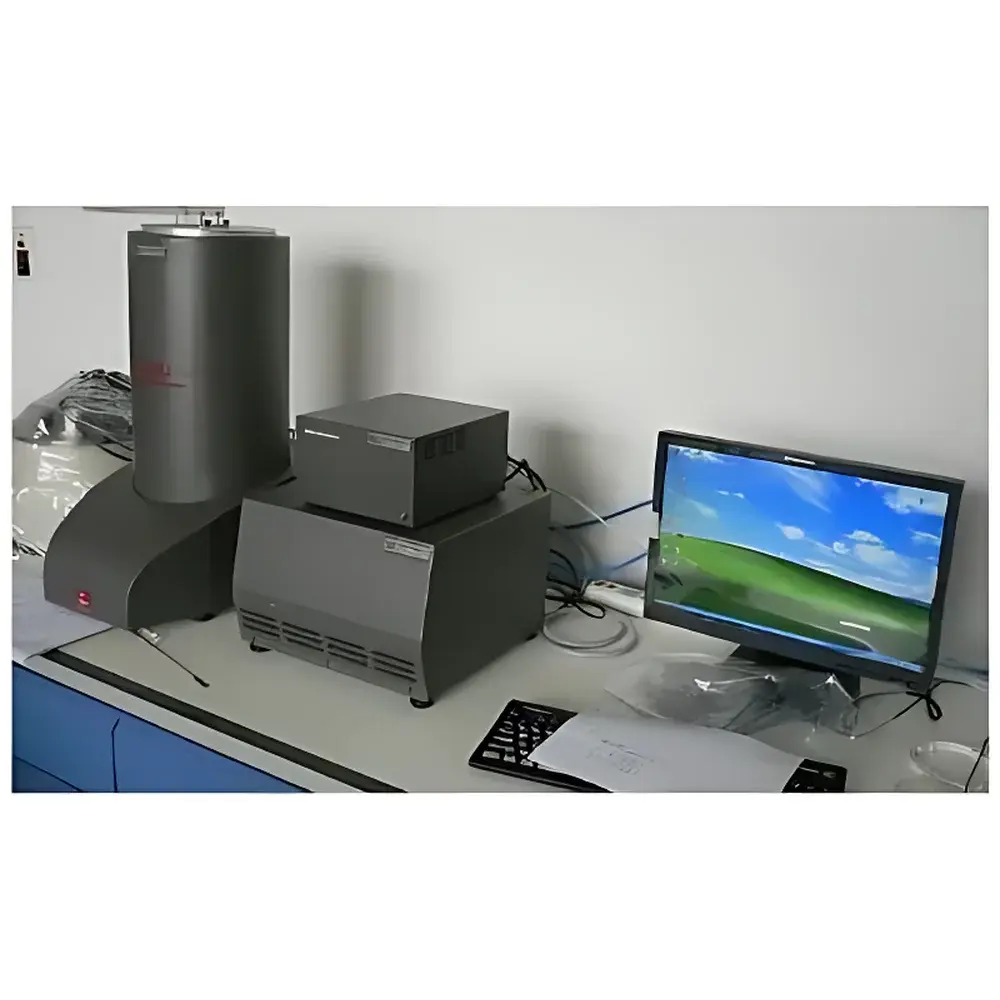
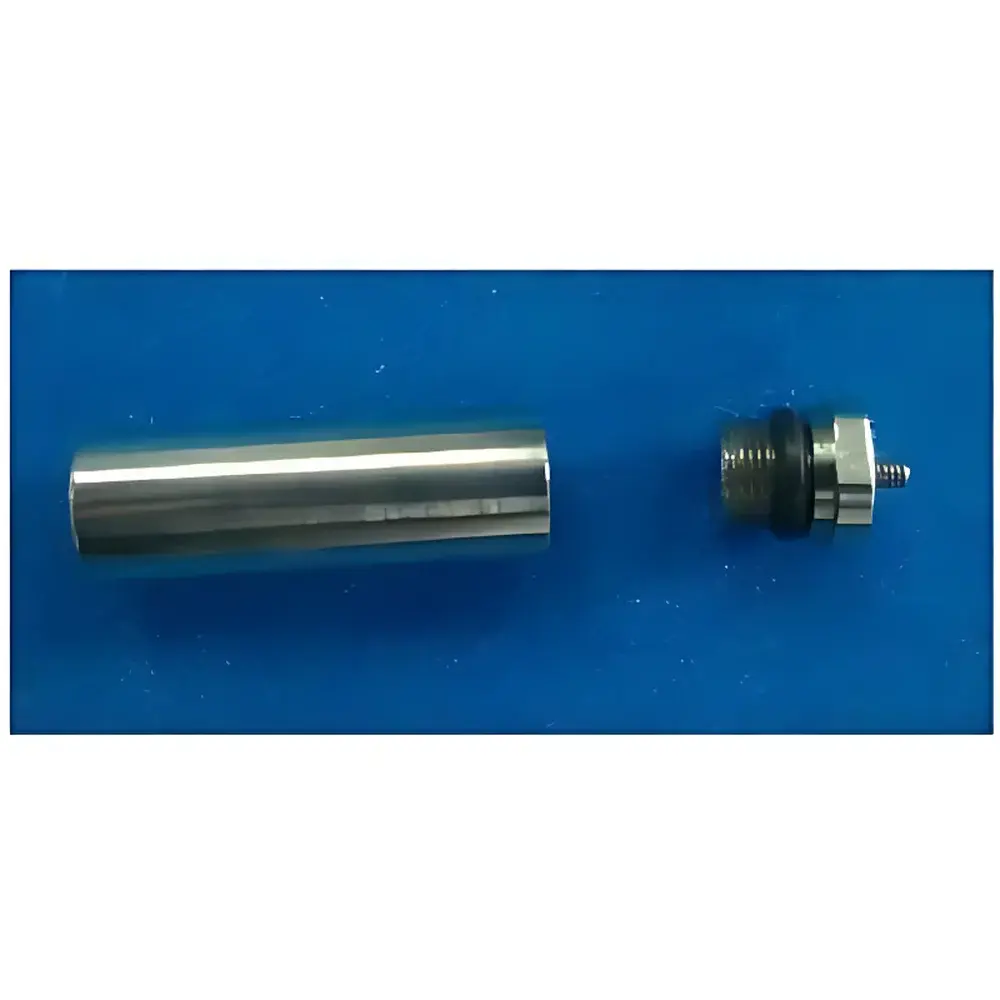
SETARAM C600 High-Temperature Microcalorimeter
| Brand | SETARAM |
|---|---|
| Origin | France |
| Model | C600 |
| Temperature Range | Ambient to 600 °C |
| Heating Rate | 0.01–2.000 °C/min |
| Calorimetric Resolution | 0.1 µW |
| Isothermal Stability (40 °C) | ±0.001 °C |
| Temperature Accuracy | ±0.1 °C |
| Calorimetric Accuracy | ±0.1% |
| Enthalpy Accuracy | ±1% |
| Reaction Cell Volume | 8.5–12.5 mL |
| RMS Noise | 1 µW |
| Sensitivity (Joule Effect at 30 °C) | 30 µW/mW |
| Dynamic Range | ±660 mW / ±2000 mW |
| Pressure Capability | Up to 1000 bar (14,500 psi) |
| Sample Form | Solid, Liquid, Powder, Thin Film, or Fiber |
| Dimensions (H×W×D) | 60×25×31 cm |
| Weight | 30 kg |
| Power Supply | 230 V, 50/60 Hz |
Overview
The SETARAM C600 High-Temperature Microcalorimeter is a precision-engineered differential heat-flux calorimeter designed for quantitative thermochemical analysis of materials under controlled thermal and pressure conditions. Operating on the principle of heat conduction compensation, the C600 measures minute heat flows (down to 0.1 µW) associated with physical transitions, chemical reactions, and decomposition processes in real time. Its operational temperature range extends continuously from ambient to 600 °C, enabling studies of high-temperature stability, oxidative degradation, phase transformations, and reaction kinetics—particularly relevant to nuclear fuel cycle chemistry, radioactive waste immobilization, and advanced ceramic synthesis. The instrument supports both isothermal and dynamic (linear ramp) temperature programs, with programmable heating rates from 0.01 to 2.000 °C/min, ensuring compatibility with slow kinetic investigations and rapid screening protocols.
Key Features
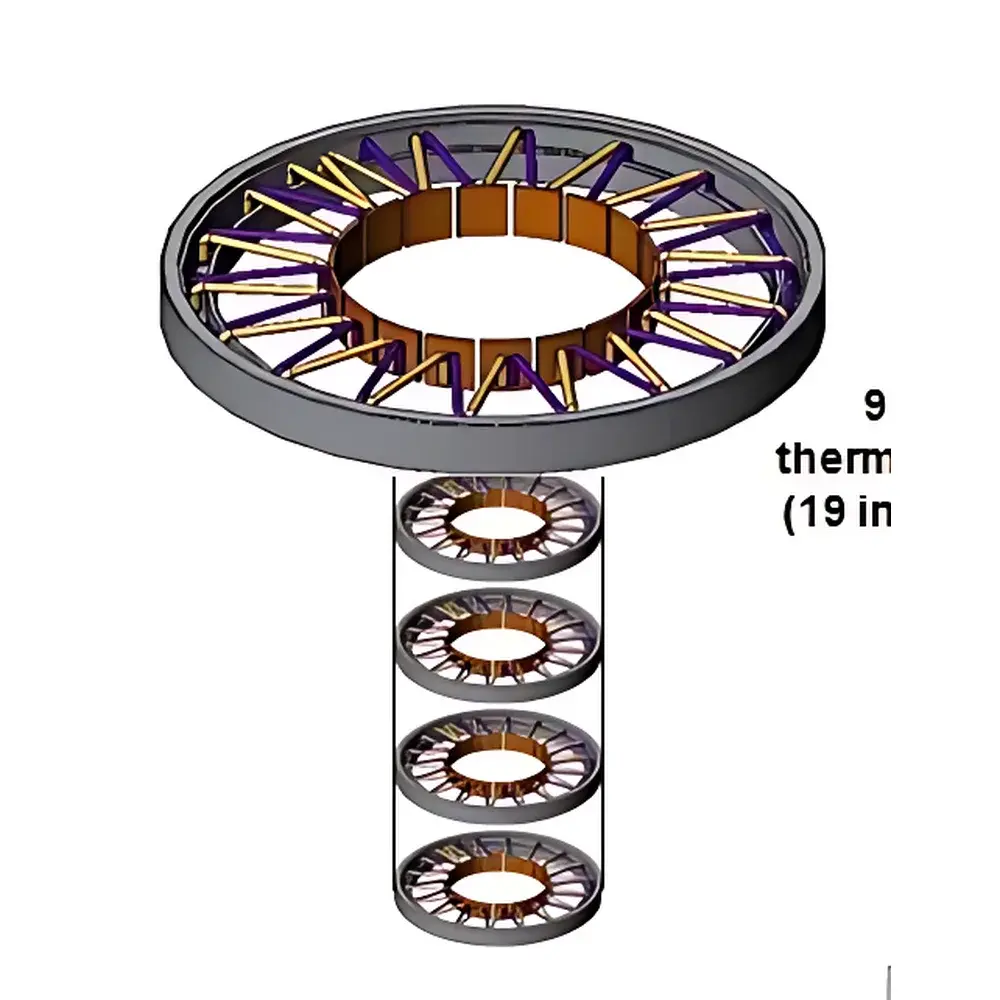
- High-sensitivity dual-sensor microcalorimetric cell with 0.1 µW resolution and RMS noise ≤1 µW, optimized for low-heat-capacity samples and small mass regimes (sub-milligram to gram scale).
- Robust pressure-rated reaction chamber capable of operation up to 1000 bar (14,500 psi), supporting thermochemical characterization under supercritical fluid environments, inert gas atmospheres, or reactive high-pressure gases (e.g., H₂, O₂, CO₂).
- Active temperature control with ±0.001 °C isothermal stability at 40 °C and ±0.1 °C absolute temperature accuracy, validated per ISO 11357-1 and ASTM E1269 calibration protocols.
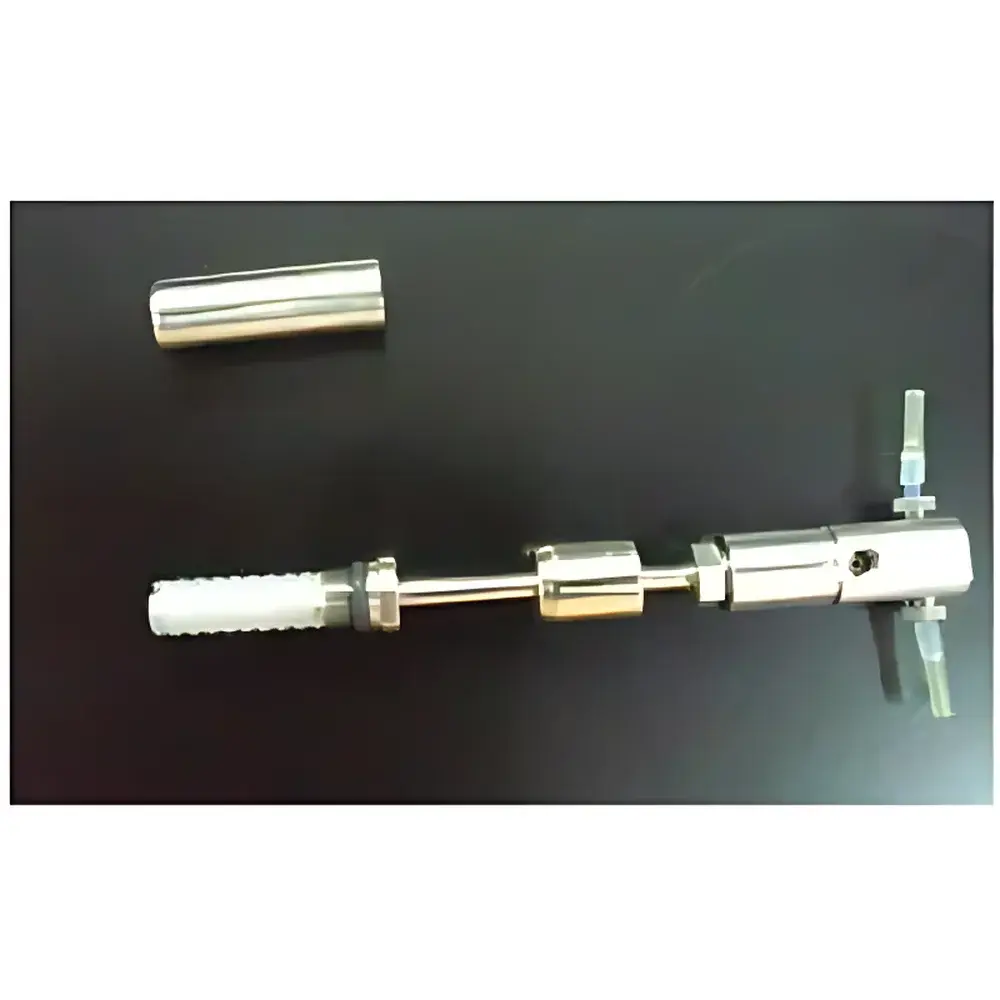
- Modular sample holder system accommodating diverse physical forms—including powders, pellets, thin films, fibers, and viscous liquids—with volume-adjustable cells (8.5–12.5 mL) to optimize signal-to-noise ratio and thermal equilibration time.
- Integrated pressure measurement and regulation module with real-time digital feedback, compliant with PED 2014/68/EU for pressure equipment safety certification.
- Compact benchtop architecture (60 × 25 × 31 cm; 30 kg), engineered for laboratory integration without dedicated infrastructure—compatible with standard 230 V, 50/60 Hz power supply.
Sample Compatibility & Compliance
The C600 accommodates heterogeneous sample types common in materials science and nuclear chemistry: crystalline solids, amorphous oxides, molten salts, slurries, and irradiated matrix analogs. Its chemically inert furnace lining (alumina + platinum alloy) ensures long-term stability during repeated exposure to aggressive redox environments. All thermal and pressure data are traceable to NIST-certified reference materials (e.g., indium, zinc, alumina). The system meets essential requirements for GLP-compliant laboratories, including full audit trail logging, electronic signature support, and user-access-level controls aligned with FDA 21 CFR Part 11 Annex 11 principles. It further supports compliance with ISO/IEC 17025:2017 for testing laboratories through documented uncertainty budgets and inter-laboratory validation reports.
Software & Data Management
Operated via SETARAM’s CALISTO software suite, the C600 delivers fully integrated instrument control, real-time visualization, and post-acquisition analysis. CALISTO implements automated baseline correction, peak deconvolution (using Gaussian-Lorentzian fitting), kinetic modeling (e.g., Ozawa-Flynn-Wall, Kissinger-Akahira-Sunose), and thermodynamic parameter extraction (ΔH, ΔS, activation energy). Raw data are stored in vendor-neutral ASCII format with embedded metadata (timestamp, operator ID, method version, calibration history), facilitating import into LIMS platforms or third-party tools such as OriginLab, MATLAB, or Python-based scientific stacks. All data files include cryptographic hashing for integrity verification and timestamped revision logs for regulatory review.
Applications
- Thermal stability assessment of nuclear waste forms (e.g., borosilicate glasses, SYNROC ceramics) under simulated geological repository conditions (T ≤ 600 °C, P ≤ 1000 bar).
- Kinetic modeling of metal oxide reduction pathways in molten salt reactors (MSRs), including UO₂–LiF–BeF₂ systems.
- Decomposition enthalpy quantification of energetic materials and propellant binders under controlled oxygen partial pressures.
- Hydration/dehydration thermodynamics of cementitious phases and geopolymers at elevated temperatures.
- Reaction calorimetry of catalytic surface processes on supported transition-metal oxides under pressurized gas flow.
- Validation of computational thermodynamics predictions (e.g., Thermo-Calc, FactSage) using experimentally derived enthalpies of formation and phase transition energies.
FAQ
What sample mass is recommended for optimal sensitivity on the C600?
Typical sample masses range from 5 mg to 200 mg depending on thermal effusivity and expected heat flow magnitude. For high-sensitivity decomposition studies, 10–50 mg of powdered material yields optimal signal-to-noise ratio without compromising thermal lag.
Can the C600 perform simultaneous TGA–DSC measurements?
No—the C600 is a dedicated microcalorimeter and does not integrate mass-loss detection. However, its high-resolution heat-flow data may be correlated with external TGA results using synchronized time stamps and shared temperature programs.
Is remote operation supported?
Yes—CALISTO enables secure remote access via TLS-encrypted VNC or RDP connections, subject to institutional IT security policies and network segmentation requirements.
How is calibration verified between runs?
Each session begins with an automated reference test using a certified indium standard; deviation thresholds trigger recalibration alerts. Full multi-point calibration (temperature, heat flow, pressure) is performed quarterly or after maintenance, per SETARAM’s Service Protocol SP-CAL-03.
Does the system support custom gas environments during pressurized runs?
Yes—gas selection, mixing ratios, and flow control are managed via optional integrated mass flow controllers (MFCs) compatible with inert, oxidizing, reducing, and corrosive gases (e.g., Ar, O₂, H₂, Cl₂, SO₂), all rated to 1000 bar.
Related Products



