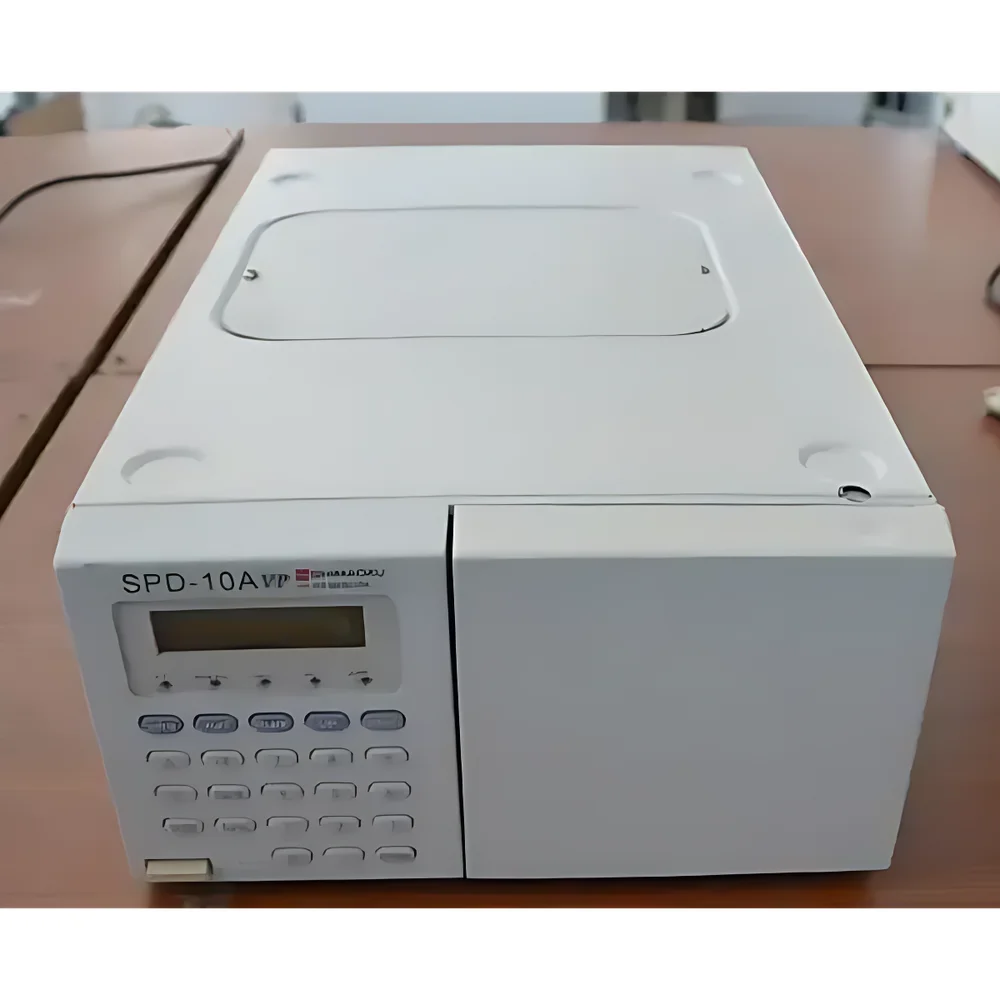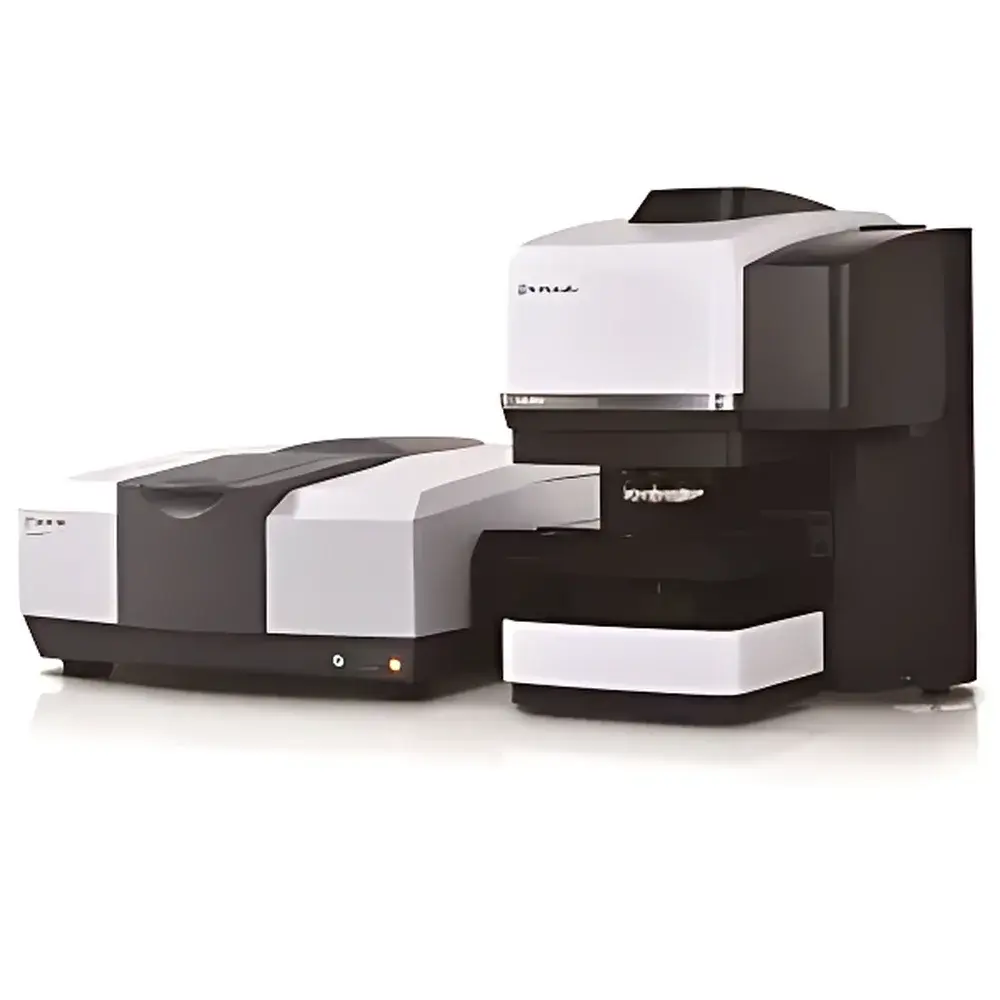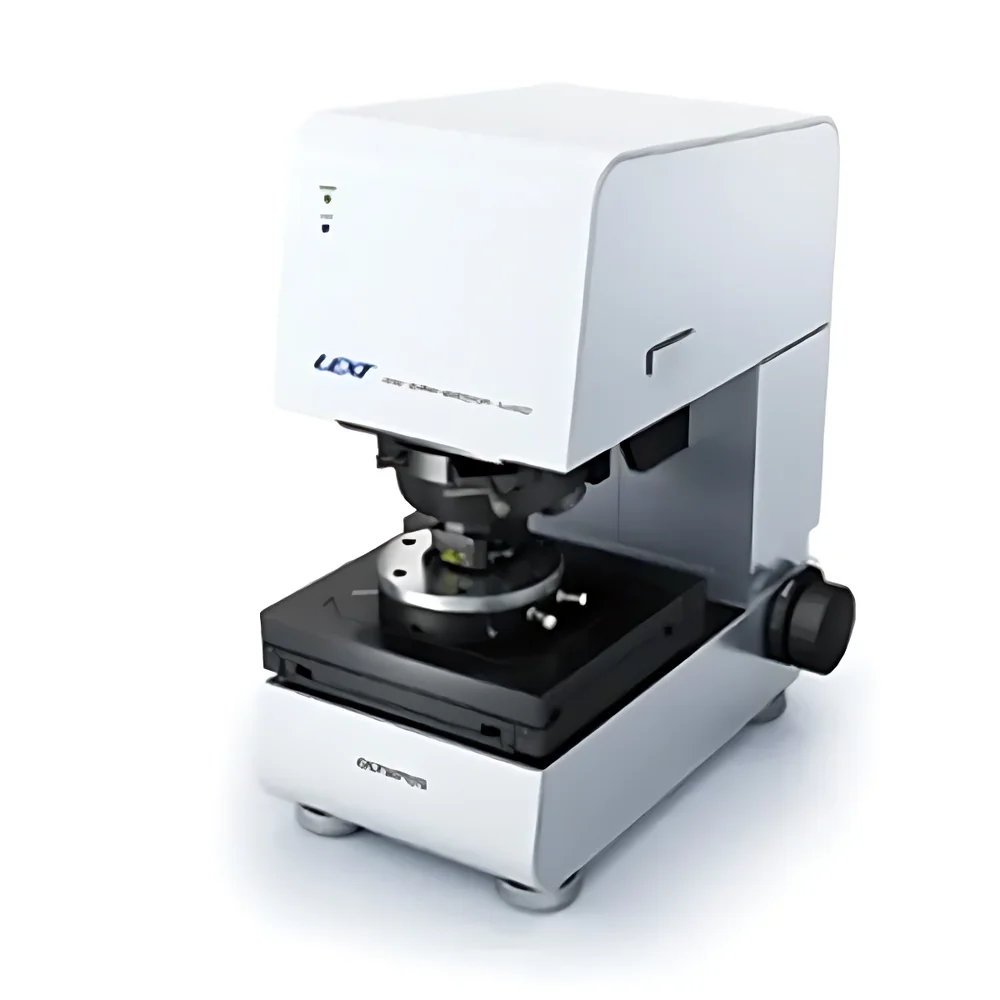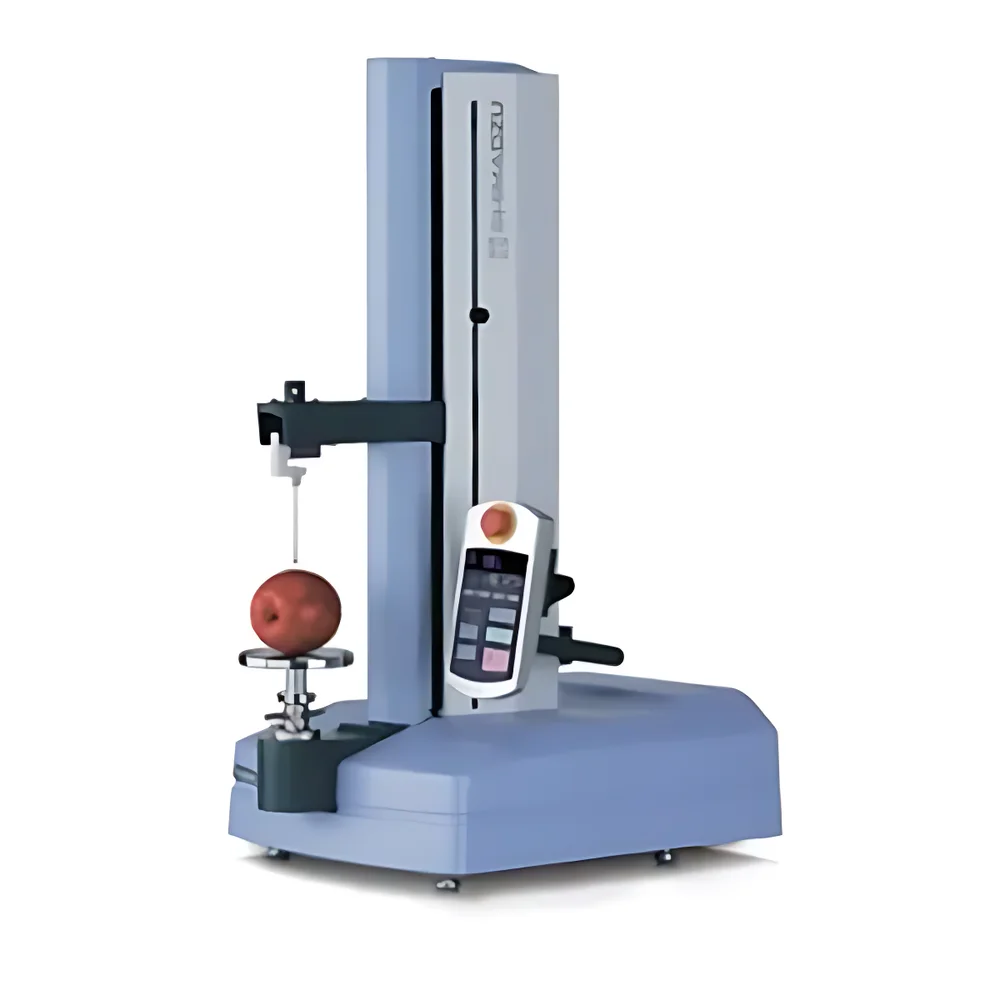
Shimadzu EZ Test Texture Analyzer

| Brand | Shimadzu |
|---|---|
| Origin | Japan |
| Model | EZ Test |
| Type | Universal Texture Analyzer for Food and Biomaterials |
| Compliance | Designed to support ASTM F3102 (Standard Guide for Texture Profile Analysis), ISO 11036 (Sensory analysis — Methodology — Texture profile analysis), and USP <1059> (Mechanical Testing of Pharmaceutical Dosage Forms, adapted for food analogues) |
| Software | EZ Test Standard v3.2 with GLP-compliant audit trail, data export in CSV/XLSX/XML, and 21 CFR Part 11–ready user authentication modules |
| Load Cell Options | 5 N, 10 N, 50 N, and 100 N (standard configuration includes 50 N) |
| Displacement Resolution | 0.1 µm |
| Speed Range | 0.01–1,000 mm/min (programmable in 0.01 mm/min increments) |
| Test Modes | Compression, Tension, Penetration, Shear, Bend, Extrusion, Adhesion, and Cyclic TPA (Two-cycle Texture Profile Analysis) |
| Probe Compatibility | Over 80 standardized probes (e.g., P/2, P/36R, TA-10, HDP/BS, A/SPR, A/C, A/SDR) per Shimadzu Probe Catalog Rev. 2024 |
Ask about pricing, availability and specifications.
Overview
The Shimadzu EZ Test Texture Analyzer is a high-precision, single-column universal testing system engineered for objective mechanical characterization of food, pharmaceutical, cosmetic, and biomaterial samples. Based on fundamental principles of uniaxial force–displacement transduction, it quantifies time-dependent deformation responses under controlled loading profiles—enabling rigorous correlation between instrumental measurements and human sensory perception (e.g., hardness, springiness, cohesiveness). Its modular architecture integrates a high-resolution load cell, low-backlash linear actuator, and optical encoder-based position feedback loop, ensuring sub-micron displacement repeatability and force linearity across dynamic test speeds from 0.01 to 1,000 mm/min. Designed and manufactured in Kyoto, Japan, the EZ Test meets stringent JIS B 7721 and ISO/IEC 17025 traceability requirements for calibration and performance verification.
Key Features
- Modular probe interface compliant with ISO 11036 Annex A, supporting rapid interchange of over 80 application-specific fixtures—including spherical, cylindrical, blade, wire-cut, and multi-point compression probes.
- Real-time force–distance curve acquisition at up to 1,000 Hz sampling rate, with automatic zero-load compensation and thermal drift correction algorithms embedded in firmware.
- Programmable dual-speed motion control: independent pre-test approach speed and test speed allow precise sample contact management for fragile or viscoelastic specimens (e.g., yogurt gels, fresh fruit tissue).
- Rugged aluminum alloy frame with vibration-damping base plate; certified for continuous operation in ambient lab environments (15–35°C, 30–80% RH, non-condensing).
- Integrated safety interlocks including emergency stop button, overload cut-off (120% FS), and probe collision detection via real-time torque monitoring.
Sample Compatibility & Compliance
The EZ Test accommodates solid, semi-solid, viscous, and particulate-laden samples ranging from raw agricultural commodities (e.g., whole apples, uncooked rice kernels) to processed formulations (e.g., extruded snacks, fermented dairy, hydrocolloid gels). It supports standardized test protocols aligned with ASTM F3102 (Texture Profile Analysis), ISO 11036 (Texture profile analysis methodology), and Codex Alimentarius guidelines for texture evaluation in quality control. All hardware and software components are validated for GLP/GMP environments: electronic records include immutable timestamps, operator ID logging, and revision-controlled method files. Audit trails comply with FDA 21 CFR Part 11 requirements when configured with password-protected user roles and digital signature modules.
Software & Data Management
EZ Test Standard v3.2 provides an intuitive graphical interface for method development, real-time visualization, and post-test parametric extraction. Predefined templates cover TPA, puncture, shear, and extrusion tests per AOAC and AACC International recommendations. Analytical outputs include hardness (peak force, N), fracturability (first major force drop), adhesiveness (negative area under curve), cohesiveness (ratio of second to first compression peak area), elasticity (recovery distance after compression), chewiness (hardness × cohesiveness × elasticity), and gumminess (hardness × cohesiveness). Raw data exports support CSV, XLSX, and XML formats compatible with JMP, Minitab, and Python-based statistical pipelines. Optional add-ons include automated batch reporting, LIMS integration via HL7/ASTM E1384, and multivariate PCA clustering tools for sensory correlation modeling.
Applications
- Grains & Cereals: Quantifying crispness retention in extruded snacks (e.g., corn flakes, rice crackers) using 3-point bend or wedge shear tests.
- Fruits & Vegetables: Assessing firmness evolution during ripening (e.g., tomato, banana) via cylindrical probe compression at defined strain rates.
- Bakery Products: Measuring crumb structure resilience in bread loaves using TA-10 spherical probe compression with 75% strain.
- Meat & Seafood: Evaluating tenderness in cooked muscle tissue via Warner–Bratzler shear blade (A/WBS) protocol per USDA FSIS guidelines.
- Dairy & Gels: Determining gel strength and syneresis resistance in set yogurts and whey protein gels using texture profile analysis (TPA) with two-cycle compression.
- Confectionery & Pharmaceuticals: Validating tablet friability and chewable tablet disintegration kinetics using customized extrusion cells and tensile grips.
FAQ
What standards does the EZ Test support for regulatory submissions?
The system supports method documentation compliant with ISO/IEC 17025, ASTM F3102, and USP , with full audit trail functionality required for FDA and EFSA dossier submissions.
Can the EZ Test be integrated into existing laboratory information management systems (LIMS)?
Yes—via optional HL7 or ASTM E1384-compliant drivers enabling bidirectional data exchange with major LIMS platforms including LabWare, Thermo Fisher SampleManager, and Agilent OpenLab.
Is probe calibration traceable to national metrology institutes?
All load cells are factory-calibrated against JCSS-certified deadweight standards (NMIJ/AIST, Japan), with optional annual recalibration services available through Shimadzu’s ISO/IEC 17025-accredited service centers.
Does the software meet 21 CFR Part 11 requirements for electronic records?
When deployed with role-based access control, digital signatures, and audit trail activation, EZ Test Standard v3.2 satisfies all technical and procedural criteria outlined in 21 CFR Part 11 Subpart B.
What maintenance is required for long-term accuracy?
Routine verification includes daily zero-load checks, monthly sensitivity verification using certified reference weights, and biannual mechanical alignment of the crosshead and probe mount per Shimadzu Maintenance Manual Rev. 4.2.