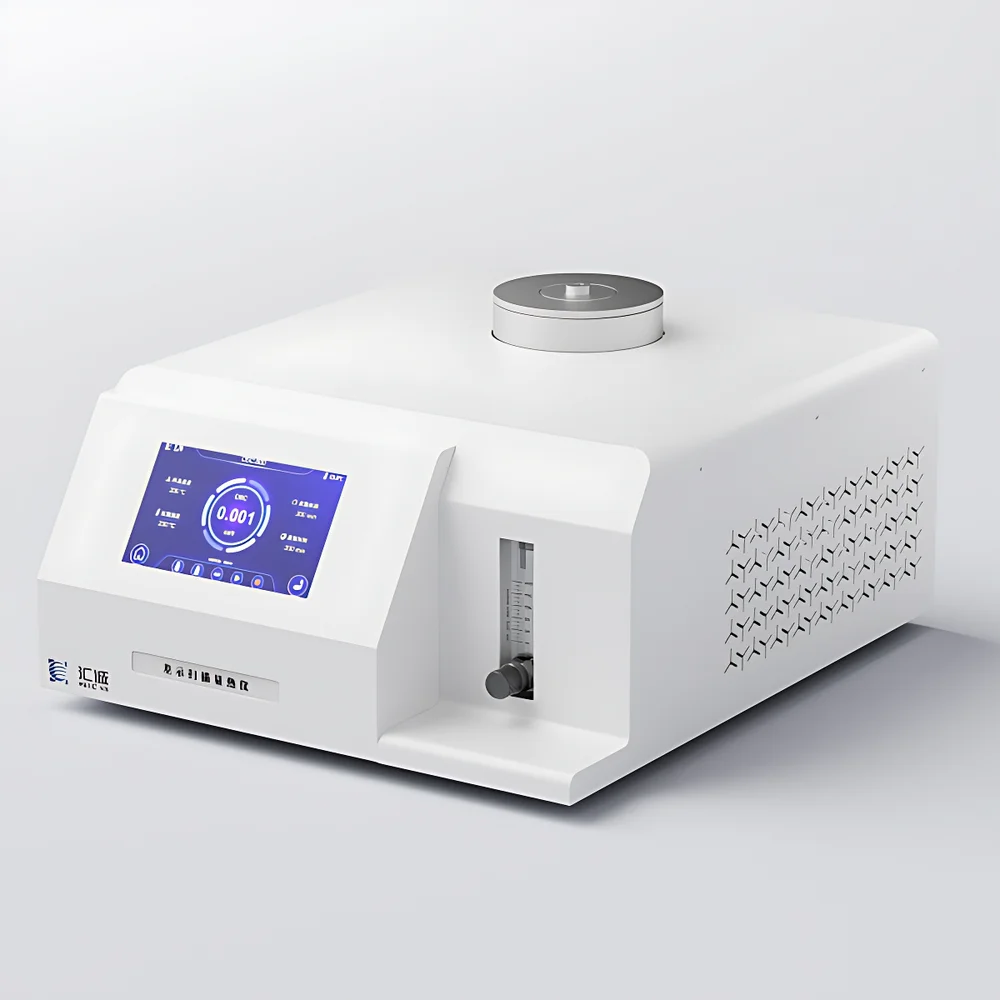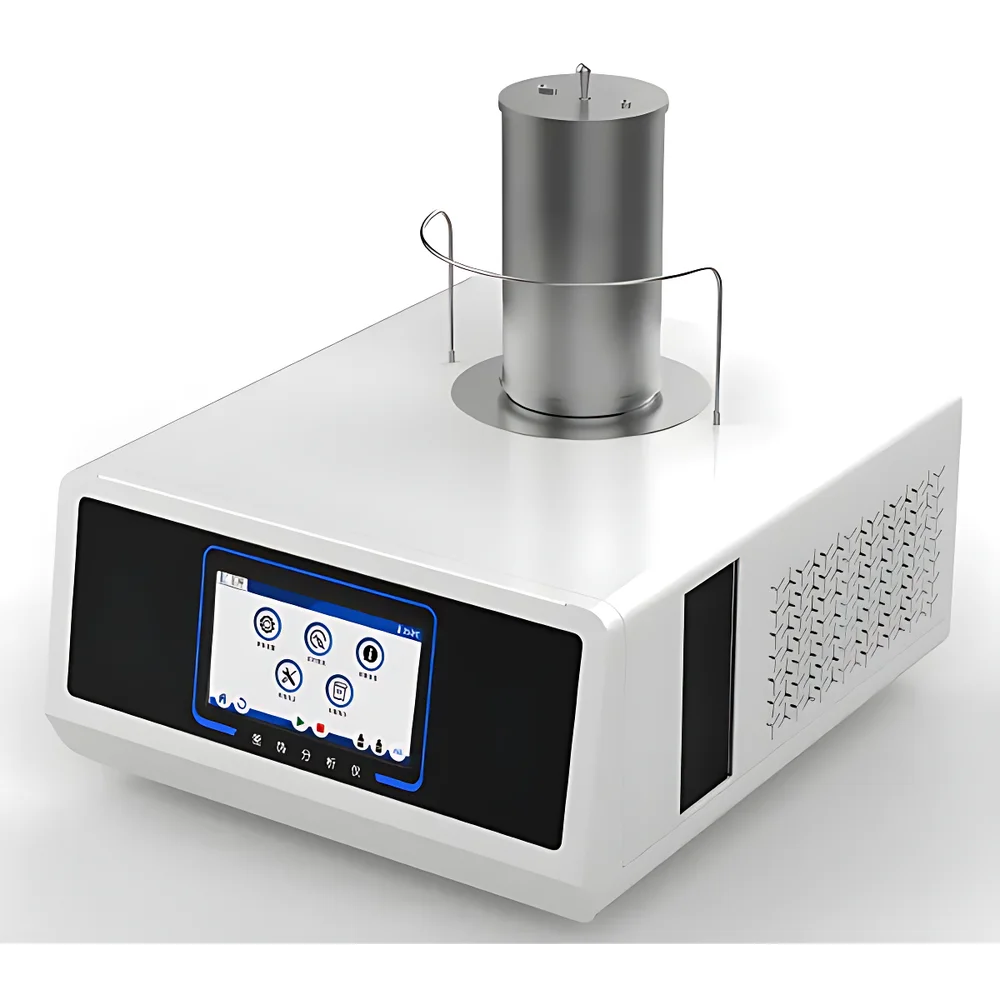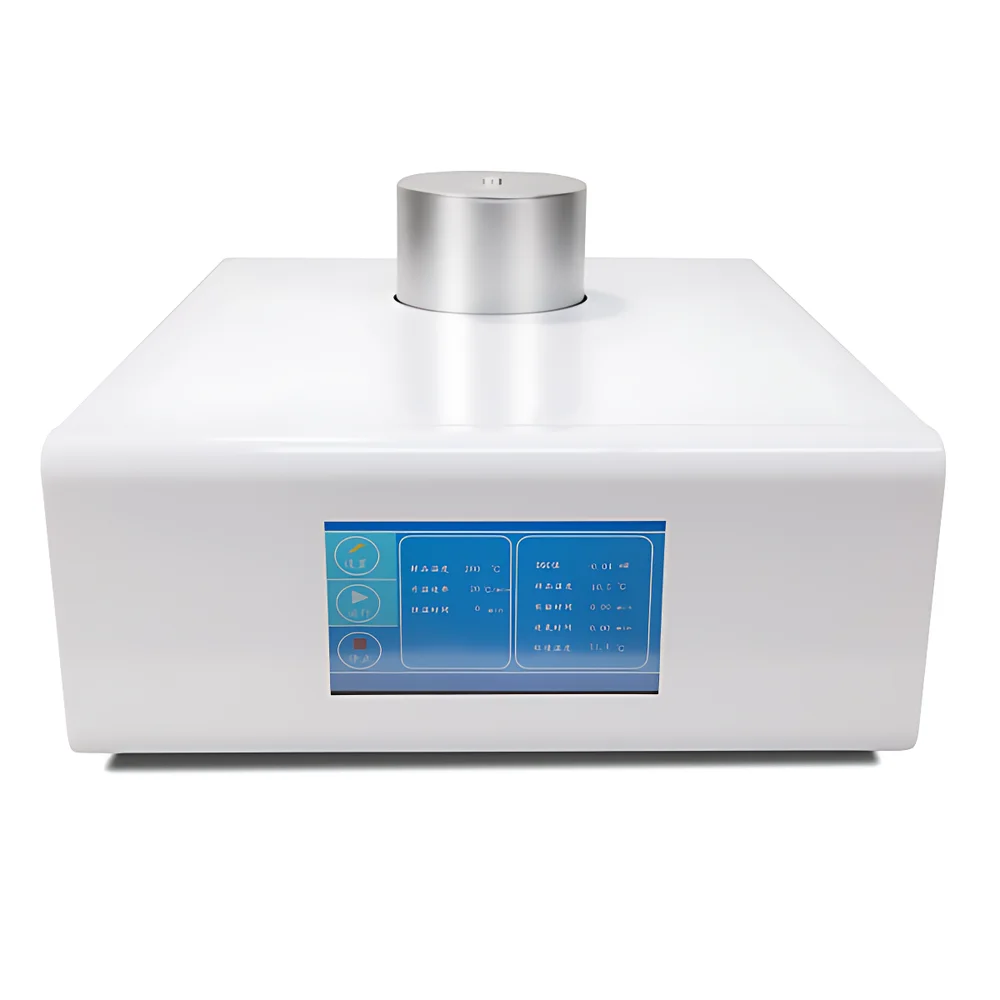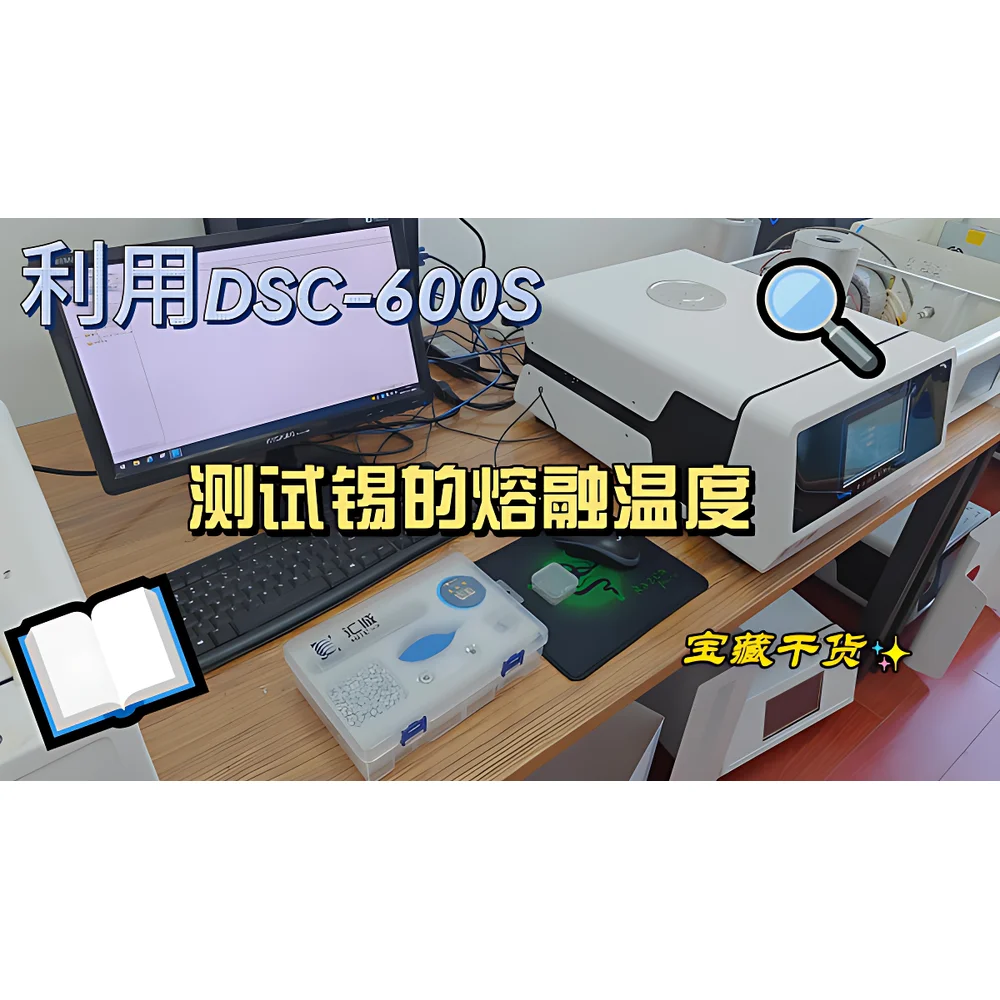
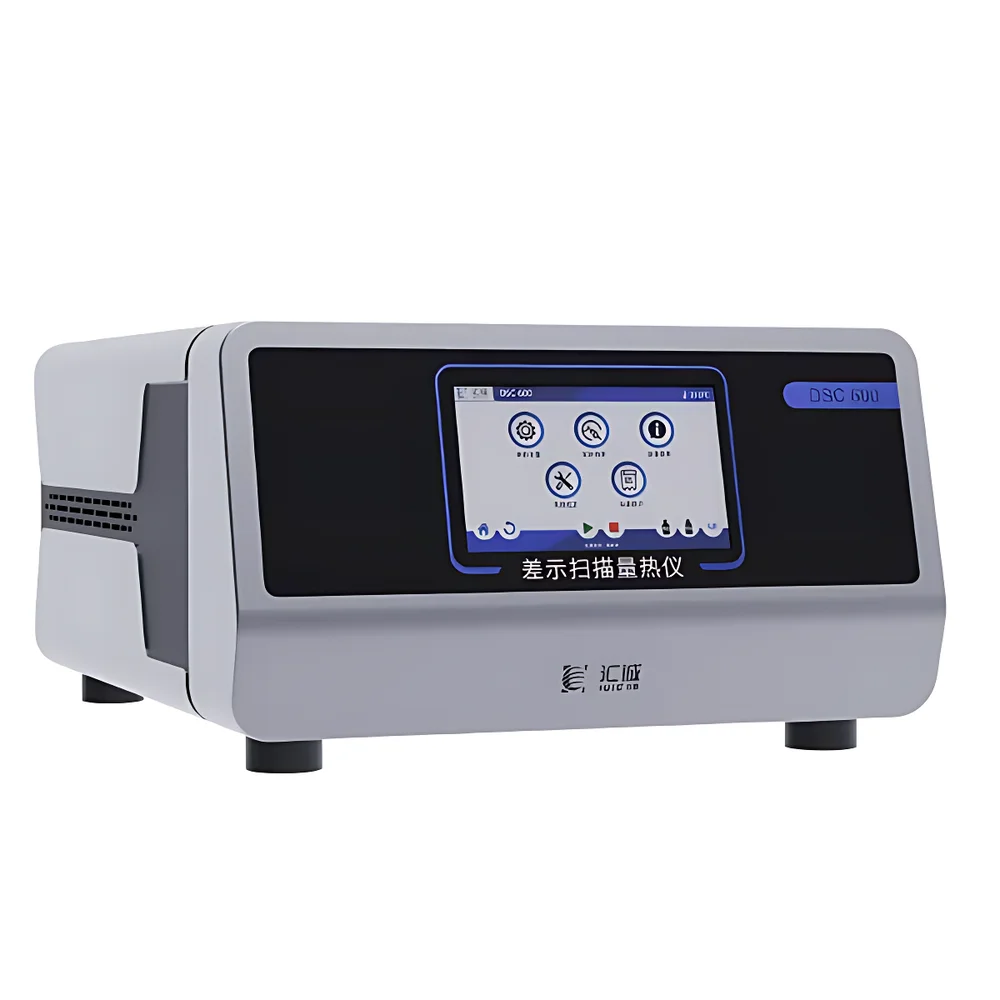
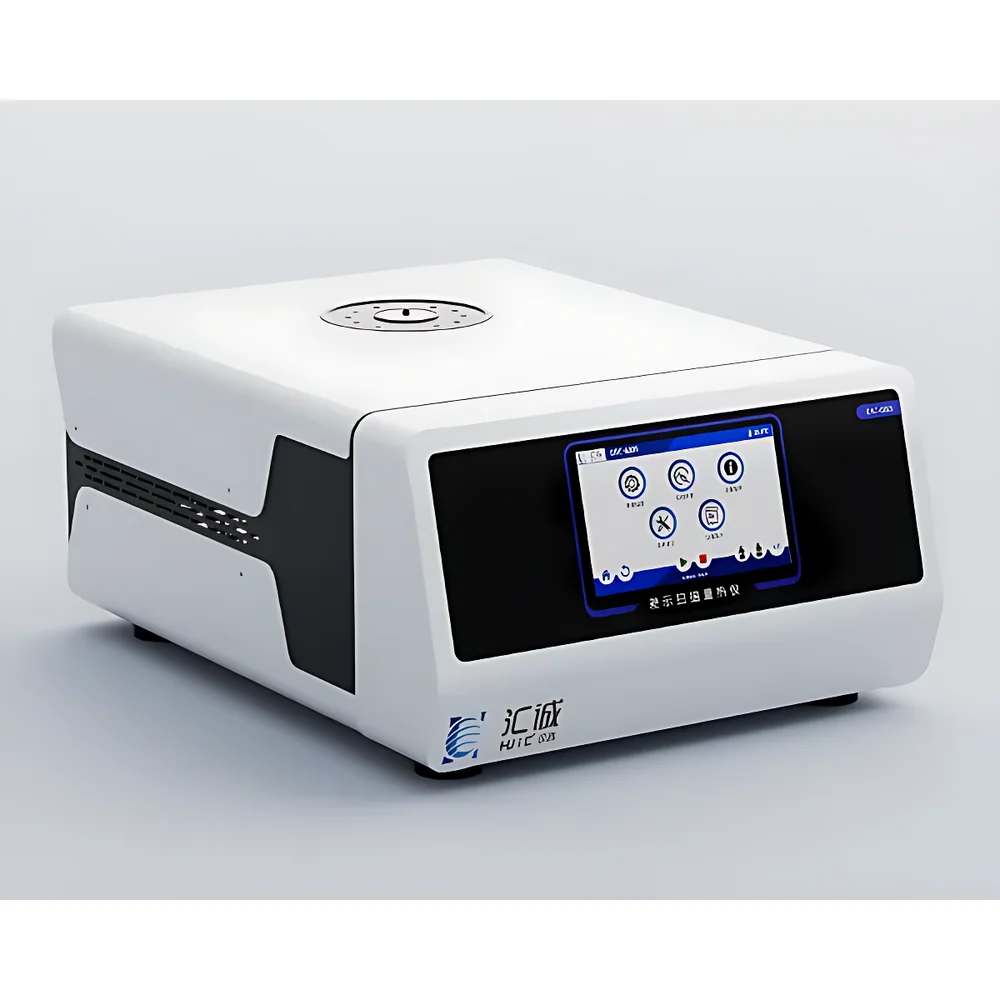
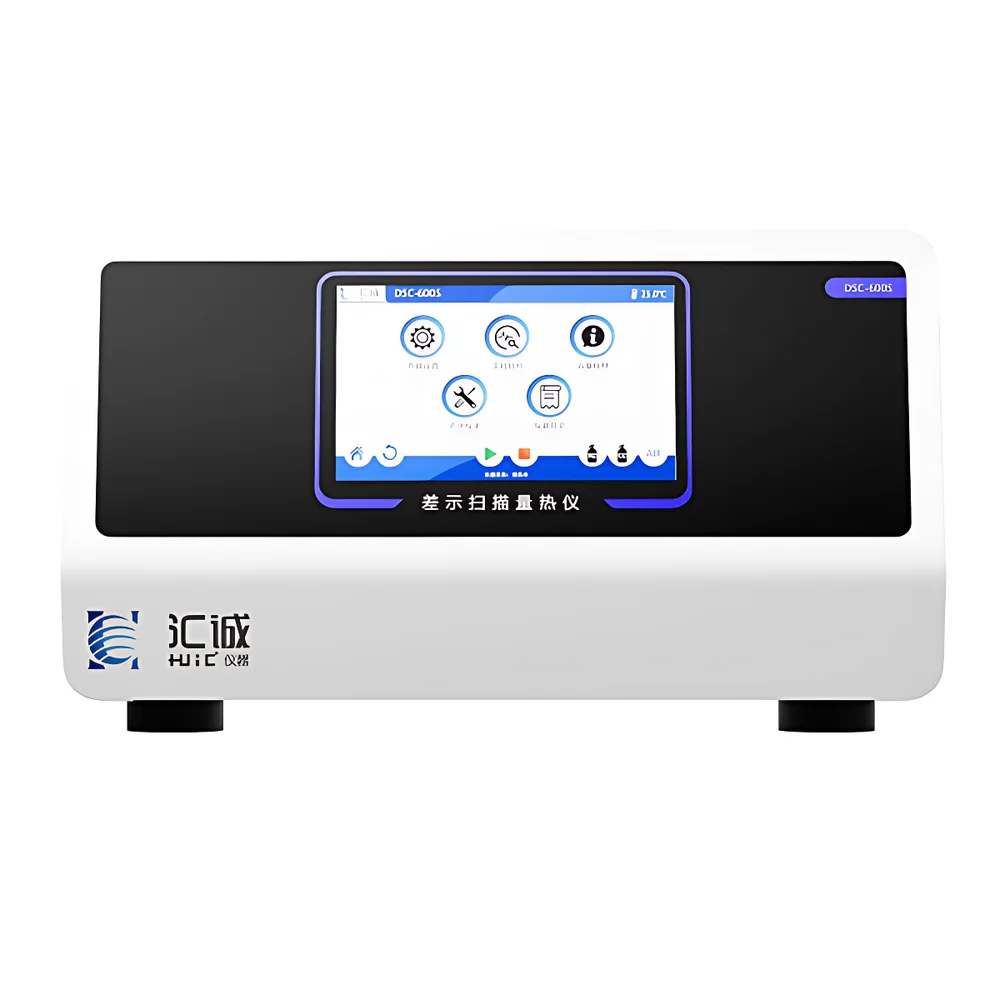
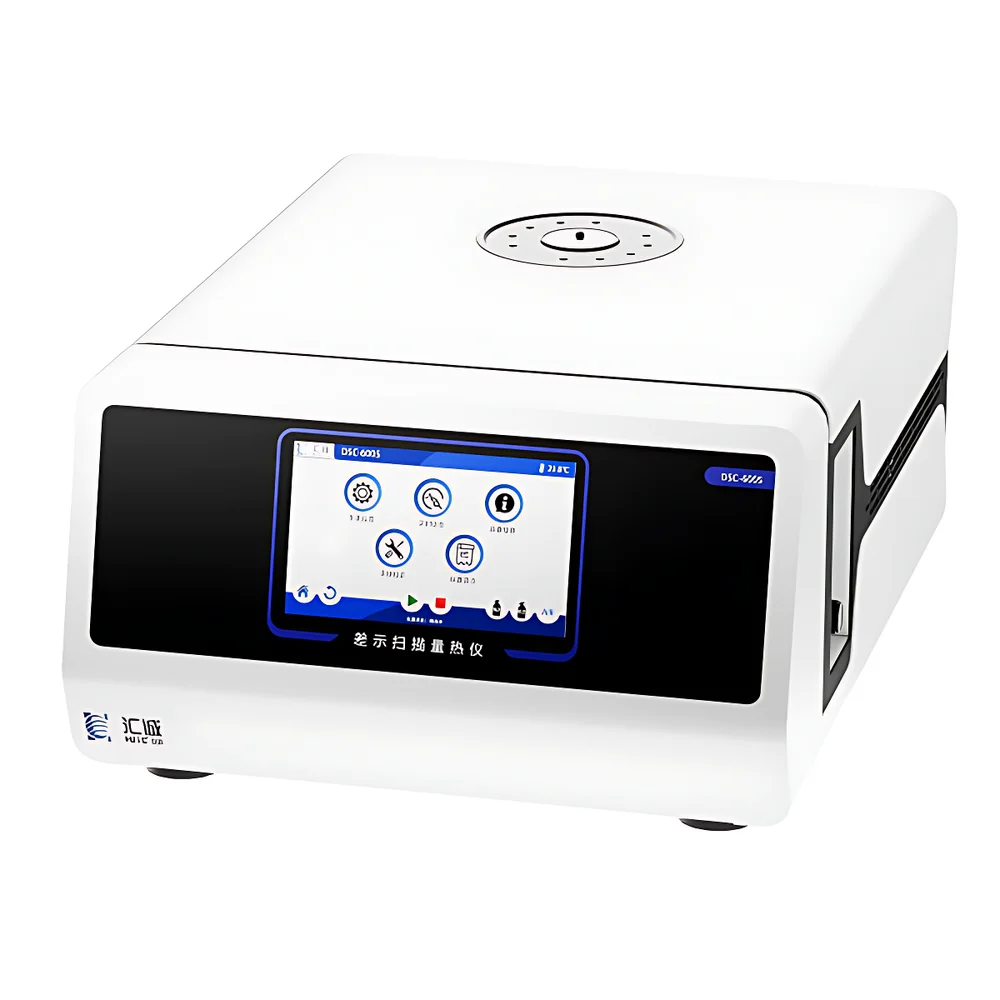
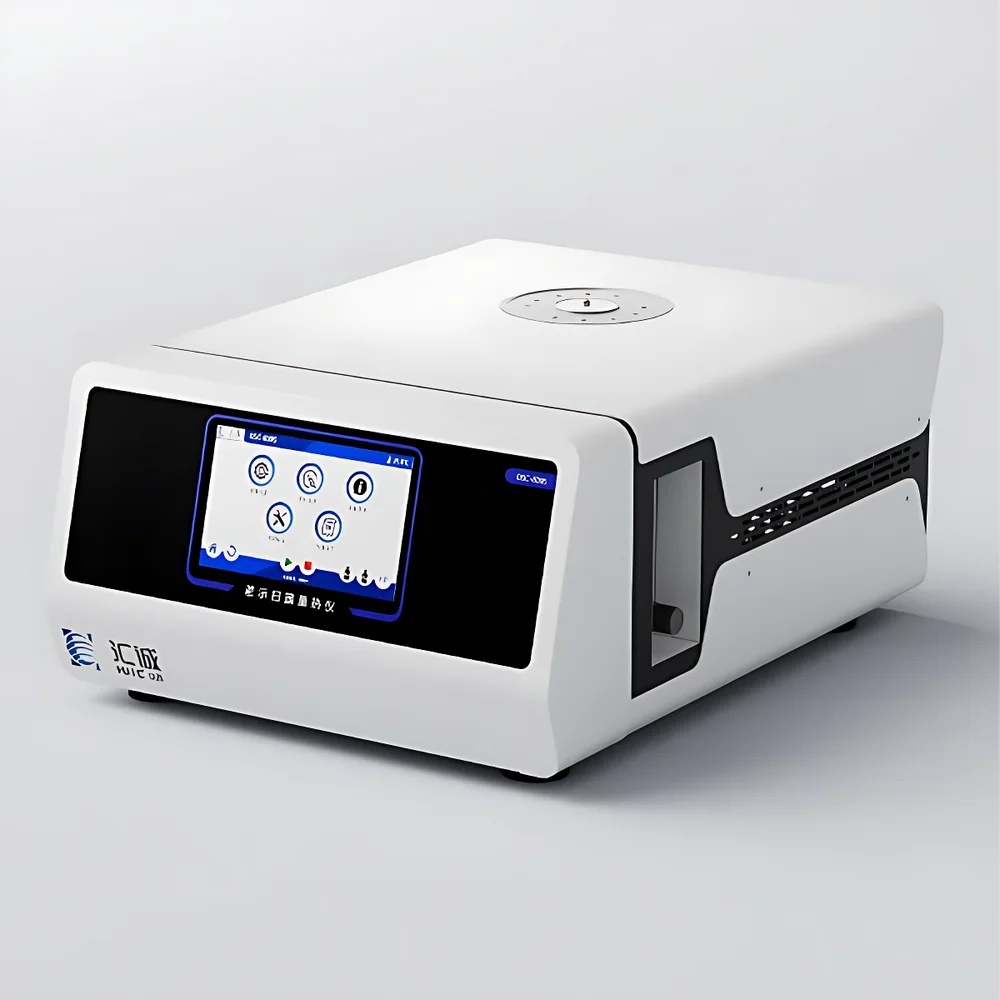
Huicheng Instrument DSC-600S Differential Scanning Calorimeter

| Brand | Huicheng Instrument |
|---|---|
| Origin | Jiangsu, China |
| Manufacturer Type | Direct Manufacturer |
| Model | DSC-600S |
| Sample Capacity | Single-sample |
| Instrument Type | Heat-Flow DSC |
| Temperature Range | Ambient to 600 °C |
| Programmable Temperature Control | 12-step multi-segment ramp/hold profiles |
| Temperature Accuracy | ±0.001 °C |
| Temperature Precision | 0.01 °C |
| Temperature Stability | ±0.01 °C |
| Heating/Cooling Rate | 0.1–100 K/min |
| Scan Modes | Heating, Cooling, Isothermal |
| DSC Signal Range | 0 to ±2000 mW |
| DSC Noise Level | 0.001 mW |
| DSC Resolution | 0.01 µW |
| DSC Sensitivity | 0.001 mW |
| DSC Accuracy | 0.001 mW |
| Temperature Sampling Frequency | 1–10 Hz (user-selectable) |
| Atmosphere Control | Dual independent gas channels with software-actuated automatic switching |
| Data Interface | USB 2.0 with auto-reconnect capability |
| Display | 7-inch 24-bit color capacitive touchscreen |
| Calibration | Onboard and PC-based multi-point temperature & enthalpy calibration using certified reference materials (e.g., Indium, Zinc, Tin) |
Ask about pricing, availability and specifications.
Overview
The Huicheng Instrument DSC-600S is a high-performance heat-flow differential scanning calorimeter engineered for precision thermal analysis across academic research laboratories, industrial quality control departments, and regulatory-compliant manufacturing environments. Operating on the fundamental principle of heat-flow DSC, the instrument measures the differential heat flow between a sample and an inert reference as both are subjected to identical, precisely controlled temperature programs. This enables quantitative determination of endothermic and exothermic transitions—including glass transitions (Tg), melting points (Tm), crystallization onset and enthalpy (ΔHc), solid–solid phase changes, oxidative induction time (OIT), cure kinetics, and thermal stability thresholds. With a validated operating range from ambient to 600 °C and programmable heating/cooling rates spanning 0.1 to 100 K/min, the DSC-600S supports rigorous method development per ASTM E794, ISO 11357, and USP <1163> guidelines. Its dual-sensor architecture—separately monitoring furnace and sample temperatures in real time—ensures traceable thermal response fidelity, critical for GLP/GMP-aligned workflows requiring audit-ready temperature verification.
Key Features
- Integrated monolithic mechanical design minimizes thermal lag and electromagnetic interference, yielding superior baseline stability and signal-to-noise ratio (DSC noise: 0.001 mW).
- Dual independent high-precision platinum resistance temperature detectors (PRTDs) provide concurrent, real-time measurement of furnace and sample temperatures—enabling dynamic thermal lag correction and enhanced transition resolution.
- Advanced adaptive PID control algorithm optimized for both FTC (fixed temperature control) and STC (sample temperature control) modes, eliminating overshoot and improving robustness during rapid ramp transitions.
- 12-stage programmable temperature profiling allows complex multi-segment experiments (e.g., hold-ramp-hold-cool sequences) without manual intervention—essential for simulating processing conditions or accelerated aging protocols.
- Dual-gas atmosphere system with fully automated, software-triggered valve switching supports inert (N2, Ar), oxidative (air, O2), or reactive (CO, H2) environments—compliant with ASTM D3895 (OIT) and ISO 11357-6 (oxidative stability).
- User-configurable data acquisition rate (1–10 Hz) balances temporal resolution with file size efficiency—critical for capturing sharp, transient events such as cold crystallization or rapid curing reactions.
- Onboard 7-inch 24-bit color capacitive touchscreen enables standalone operation, real-time curve visualization, and intuitive method setup—reducing dependency on external PCs during routine QC testing.
Sample Compatibility & Compliance
The DSC-600S accommodates standard hermetic and vented aluminum crucibles (40 µL capacity), platinum pans (for high-temperature or corrosive applications), and specialized high-pressure cells (optional). It supports solid polymers, pharmaceuticals (APIs, excipients, amorphous dispersions), metals, ceramics, composites, food lipids, and battery electrode materials. All thermal calibrations—temperature (using In, Sn, Zn, Bi standards) and enthalpy (using certified indium)—are traceable to NIST-traceable reference materials. The system meets key regulatory expectations for instrument qualification: IQ/OQ documentation templates are provided, and software features full audit trail functionality—including user login tracking, parameter change logs, and electronic signature support—aligned with FDA 21 CFR Part 11 requirements for data integrity in pharmaceutical and medical device settings.
Software & Data Management
The proprietary ThermAnalyze™ software (Windows 10/11 compatible) provides comprehensive data acquisition, visualization, and post-processing capabilities. It supports automated baseline subtraction, peak integration (onset, peak, endset), tangent and midpoint Tg calculation, kinetic modeling (Ozawa-Flynn-Wall, Kissinger), and comparative overlay of multiple runs. Raw data is stored in vendor-neutral ASCII (.txt) and universal HDF5 formats, ensuring long-term archival compatibility. Batch processing mode enables standardized analysis of large datasets (e.g., stability studies across 24 samples), while report generation modules produce PDF outputs with embedded metadata—compliant with internal SOPs and external audit requests. USB 2.0 interface ensures plug-and-play connectivity with auto-reconnect recovery after transient disconnection.
Applications
- Pharmaceutical development: Polymorph screening, hydrate/anhydrate characterization, excipient compatibility, and lyophilization cycle optimization.
- Polymers & composites: Crystallinity quantification, crosslink density estimation, degradation onset temperature (Td), and processing window definition (Tm–Tg).
- Electrochemical materials: Solid electrolyte thermal stability, cathode/anode decomposition behavior, and SEI layer formation enthalpy.
- Food science: Fat solid content (FSC) profiling, cocoa butter polymorphism, and starch gelatinization thermodynamics.
- Metallurgy: Eutectic temperature mapping, precipitation kinetics, and phase diagram validation.
- Quality assurance: Lot-to-lot consistency testing, shelf-life prediction via Arrhenius modeling, and supplier material certification.
FAQ
What reference materials are included for calibration?
The system ships with NIST-traceable indium (melting point 156.6 °C, ΔHfus = 28.45 J/g) and zinc (419.5 °C) standards for temperature and enthalpy calibration. Additional certified references (Sn, Bi, Al) are available upon request.
Is the software compliant with 21 CFR Part 11?
Yes—ThermAnalyze™ implements role-based access control, electronic signatures, immutable audit trails, and data integrity safeguards required for regulated environments.
Can the DSC-600S perform modulated DSC (MDSC)?
No—the DSC-600S operates exclusively in conventional heat-flow DSC mode. MDSC functionality requires additional hardware modulation circuitry not present in this model.
What is the maximum recommended sample mass for optimal resolution?
For most organic and polymeric samples, 3–10 mg is optimal. For high-conductivity metals or ceramics, 1–5 mg is advised to minimize thermal gradient effects.
Does the instrument support purge gas flow rate monitoring?
While automatic gas switching is supported, real-time mass flow monitoring requires optional integration of external MFCs (Mass Flow Controllers) via analog I/O ports.