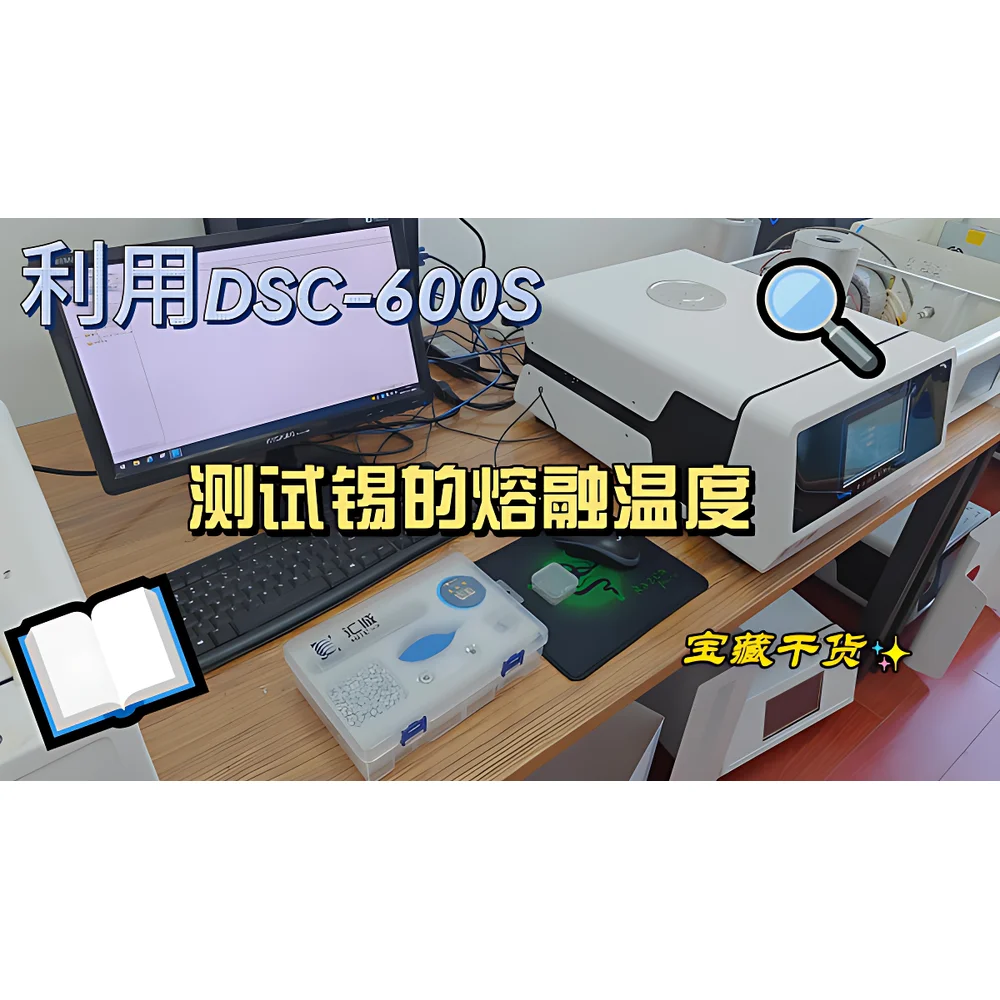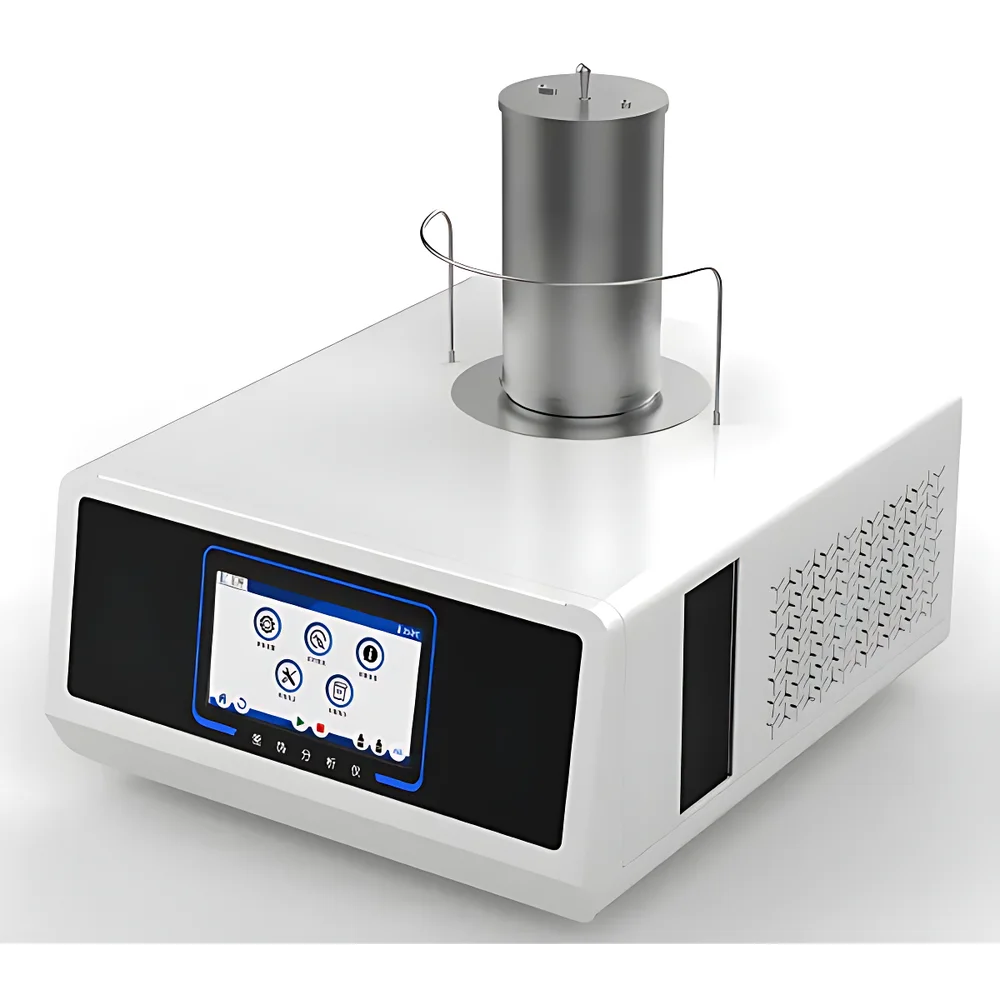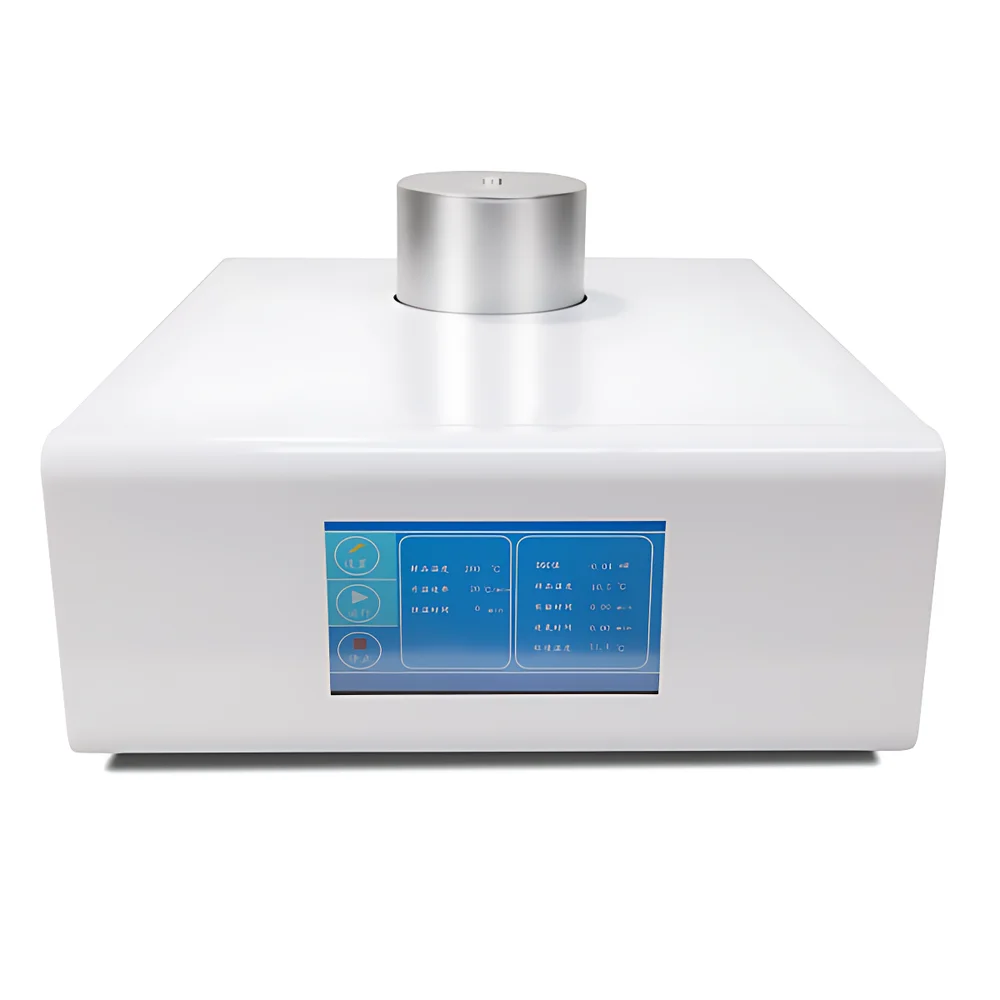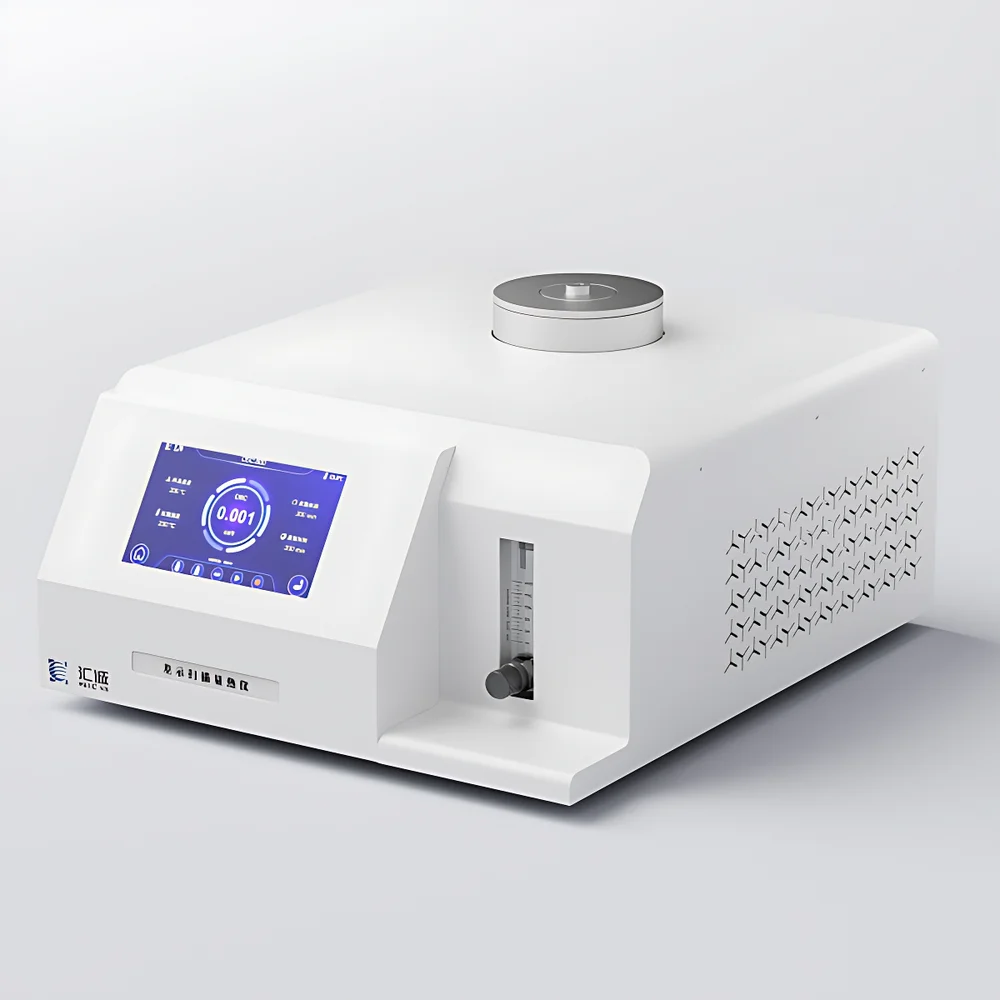
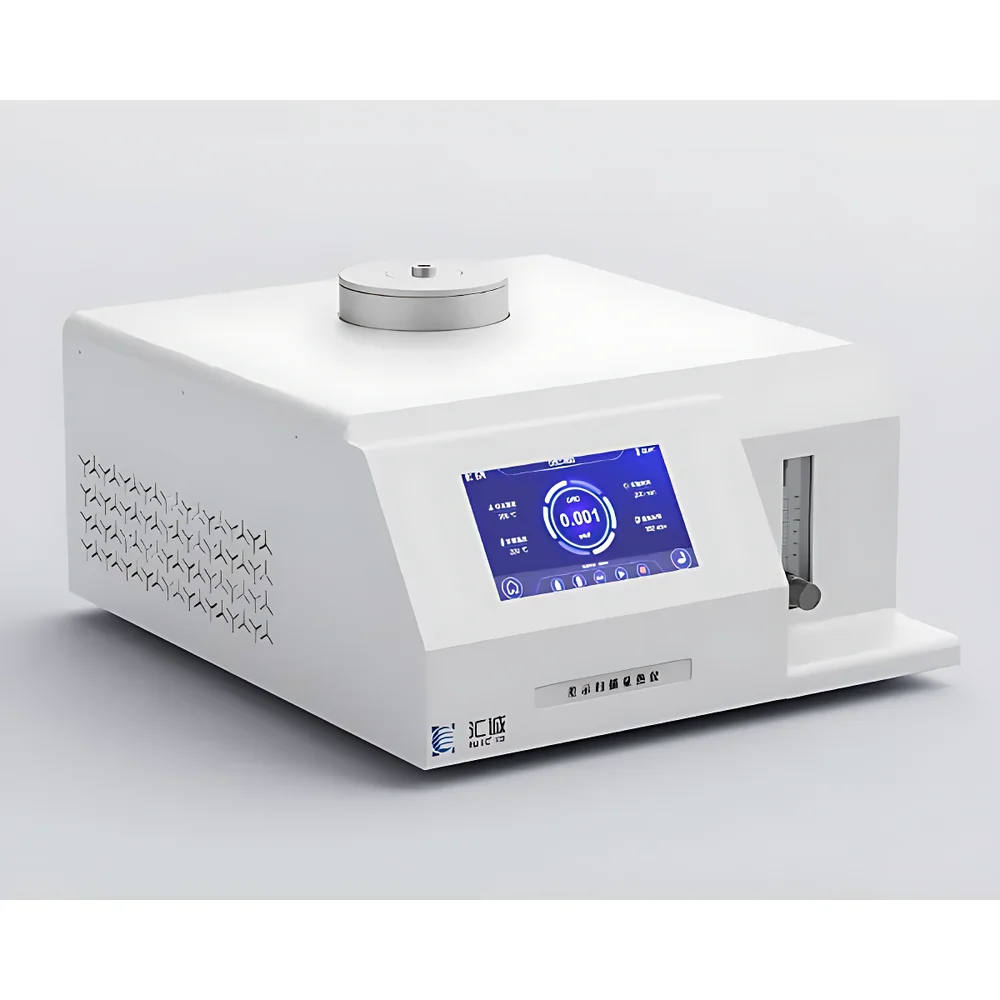
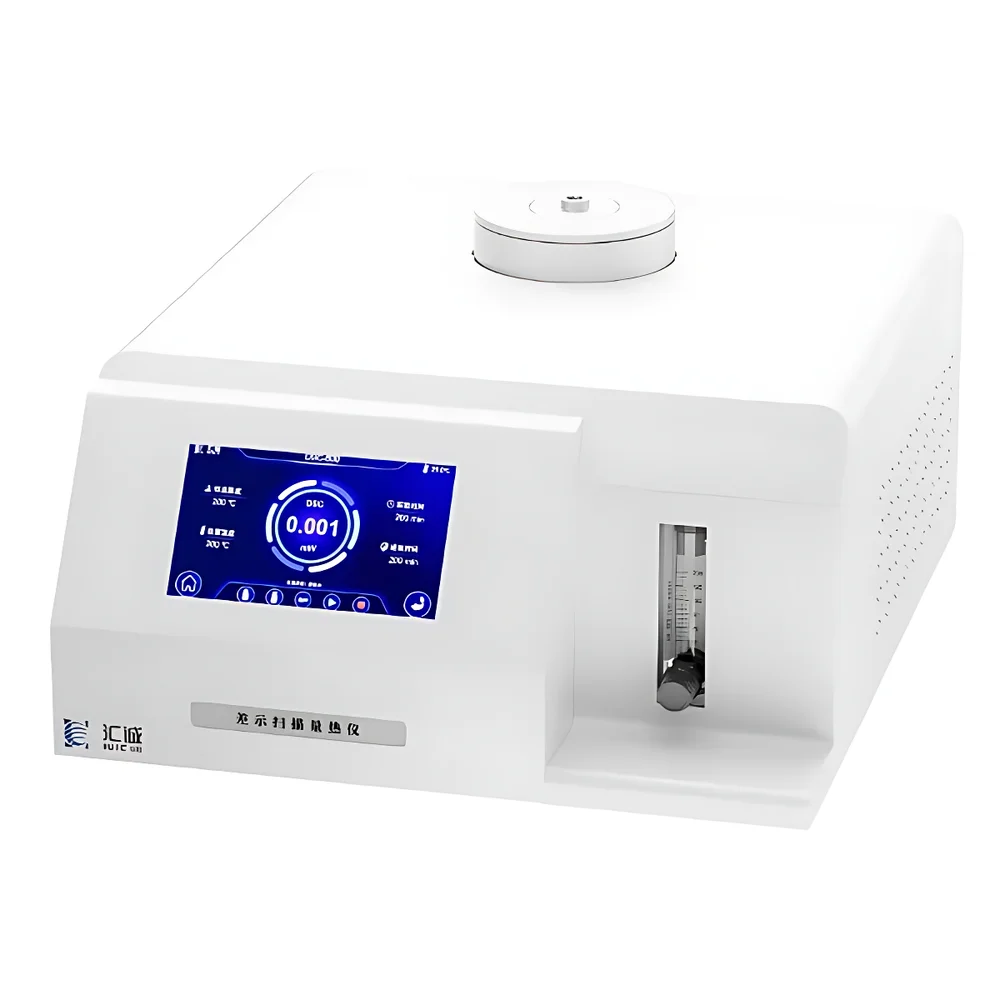
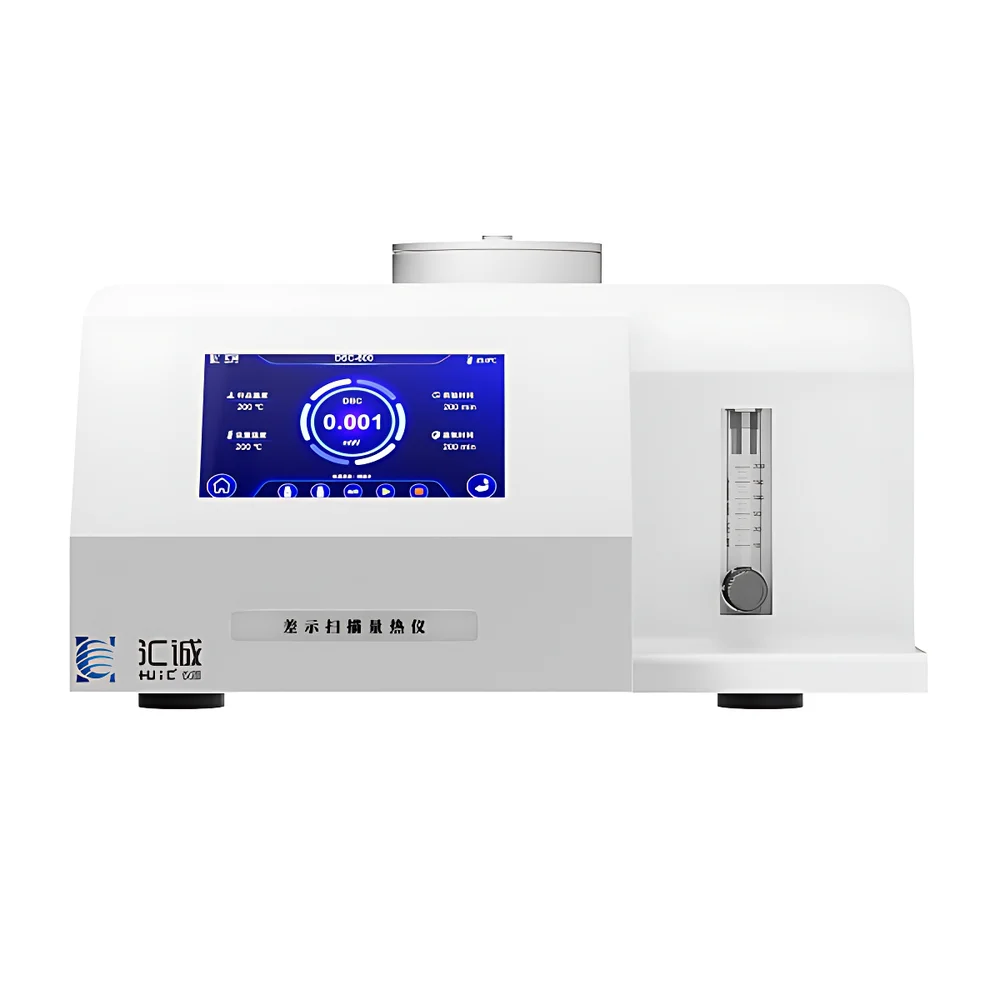
Huicheng Instrument HC-DSC-600 Differential Scanning Calorimeter

| Brand | Huicheng Instrument |
|---|---|
| Origin | Jiangsu, China |
| Manufacturer Type | Direct Manufacturer |
| Model | HC-DSC-600 |
| Sample Capacity | Single-sample configuration |
| Instrument Type | Differential Scanning Calorimeter (DSC) |
| Temperature Range | Ambient to 600 °C |
| Programmable Temperature Control | 12-stage linear/non-linear ramp/hold profiles |
| Temperature Accuracy | ±0.1 °C |
| Temperature Precision | 0.1 °C |
| Heating/Cooling Rate | 0.1–80 K/min |
| Scan Modes | Isothermal, dynamic heating, dynamic cooling |
| DSC Signal Range | ±1000 mW |
| DSC Sensitivity | 0.01 mW |
| DSC Noise Level | 0.001 mW |
| DSC Resolution | 0.001 mW |
| Baseline Stability | <0.1 mW drift over 60 min |
| Atmosphere Control | Automated dual-gas switching (N₂/air/O₂) with mass-flow regulation (0–200 mL/min, max 0.2 MPa) |
| Calibration | NIST-traceable reference materials included |
| Compliance Standards | GB/T 19466.2–2004, GB/T 19466.3–2004, GB/T 19466.6–2009, ISO 11357-2:1999, ISO 11357-3:1999, ISO 11357-6:2018 |
Ask about pricing, availability and specifications.
Overview
The Huicheng Instrument HC-DSC-600 is a high-performance differential scanning calorimeter engineered for precise quantification of thermal transitions in solid and semi-crystalline materials. Operating on the principle of heat-flux DSC, the instrument measures the difference in heat flow between a sample and an inert reference as both are subjected to identical, programmable temperature programs under controlled atmosphere. This enables accurate determination of glass transition temperature (Tg), melting point (Tm), crystallization onset (Tc), enthalpy of fusion (ΔHf), oxidative induction time (OIT), and thermal stability parameters. Designed for routine quality control and advanced R&D applications, the HC-DSC-600 delivers reproducible thermograms across polymers, pharmaceuticals, composites, food matrices, and inorganic ceramics — supporting method development aligned with ISO 11357 and GB/T 19466 series standards.
Key Features
- Hermetically sealed, all-metal furnace architecture optimized for baseline stability, signal-to-noise ratio, and thermal homogeneity — reducing thermal lag and improving resolution of overlapping transitions.
- High-stability alloy-based sensor assembly with enhanced corrosion and oxidation resistance, enabling long-term reliability during repeated high-temperature runs up to 600 °C.
- Dual-core Cortex-M3 ARM microcontroller platform ensuring sub-millisecond response in PID temperature regulation and real-time DSC signal acquisition at 10 Hz sampling rate.
- 7-inch 24-bit color capacitive touchscreen interface with intuitive icon-driven navigation; displays real-time thermogram, instrument status, gas flow, and alarm logs without external PC dependency.
- USB 2.0 bidirectional communication protocol compliant with Windows-based data acquisition software, supporting remote parameter upload, live plot streaming, and firmware updates.
- Integrated dual-gas manifold with automatic switching logic (N₂ → air → O₂) and digitally regulated mass flow controllers (0–200 mL/min), eliminating manual valve manipulation and ensuring repeatable oxidative stability testing.
Sample Compatibility & Compliance
The HC-DSC-600 accommodates standard aluminum, gold-coated aluminum, and high-temperature platinum crucibles (up to 600 °C), compatible with solid powders, films, granules, and small-volume liquid samples (≤30 mg). Its design conforms to Good Laboratory Practice (GLP) requirements for audit-ready operation: full electronic logbook, user-access-level permissions, timestamped metadata embedding, and non-erasable raw data storage. The system supports compliance with ISO 11357 parts 2 (Tg), 3 (melting/crystallization), and 6 (oxidative induction), as well as Chinese national standards GB/T 19466.2–2004, GB/T 19466.3–2004, and GB/T 19466.6–2009. Optional validation packages include IQ/OQ documentation templates aligned with FDA 21 CFR Part 11 readiness for regulated environments.
Software & Data Management
Bundled with HuichengTherm v4.2 analytical software, the HC-DSC-600 provides automated peak identification, baseline correction (tangent, sigmoidal, or polynomial), enthalpy integration, Tg calculation via midpoint or inflection methods, and OIT determination per ISO 11357-6. All processing steps are fully traceable: each analysis file embeds instrument configuration, calibration history, operator ID, and atmospheric conditions. Data export formats include CSV, TXT, and universal .QXD (for cross-platform compatibility with Origin, MATLAB, and Thermo Scientific™ software). Audit trail functionality records all parameter modifications, file saves, and report generations with immutable timestamps — satisfying GLP/GMP documentation requirements.
Applications
- Quantitative assessment of polymer chain mobility via glass transition analysis in thermoplastics, elastomers, and cured resins.
- Determination of melting enthalpy and crystallinity index in polyethylene, polypropylene, and biodegradable polyesters (e.g., PLA, PHA).
- Stability profiling of active pharmaceutical ingredients (APIs) and excipients, including polymorph screening and hydrate/dehydrate behavior.
- Oxidative induction time (OIT) testing of polyolefins per ASTM D3895 and ISO 11357-6 to evaluate antioxidant efficacy and shelf-life prediction.
- Thermal degradation onset and char yield estimation in flame-retardant composites and carbon-fiber prepregs.
- Phase behavior mapping of lipid-based delivery systems (e.g., cocoa butter analogs, mono/diglyceride blends) in food science laboratories.
FAQ
What is the maximum operating temperature of the HC-DSC-600?
The instrument supports continuous operation from ambient temperature up to 600 °C, with thermal stability maintained within ±0.1 °C across the full range when using appropriate crucible materials.
Does the system support both dynamic and isothermal OIT measurements?
Yes — the HC-DSC-600 implements both dynamic OIT (d-OIT) and isothermal OIT (i-OIT) protocols per ISO 11357-6, with automated gas-switching and precise isothermal hold control (±0.05 °C stability over 60 min).
Can the software calculate crystallinity percentage from DSC data?
Yes — HuichengTherm v4.2 includes built-in crystallinity calculation modules using published enthalpy references (e.g., 293 J/g for 100% crystalline polyethylene), with user-definable reference values for proprietary or novel materials.
Is NIST-traceable calibration material supplied with the instrument?
Yes — each unit ships with certified indium, zinc, and tin standards for temperature calibration, plus potassium acid phthalate for enthalpy verification. One-click calibration routines guide users through full-system validation.
What gas supply specifications are required for optimal performance?
The system accepts compressed gases at ≤0.2 MPa inlet pressure. Mass flow is electronically regulated from 0–200 mL/min; recommended purity levels are ≥99.998% N₂ and ≥99.995% O₂ for oxidative testing.