
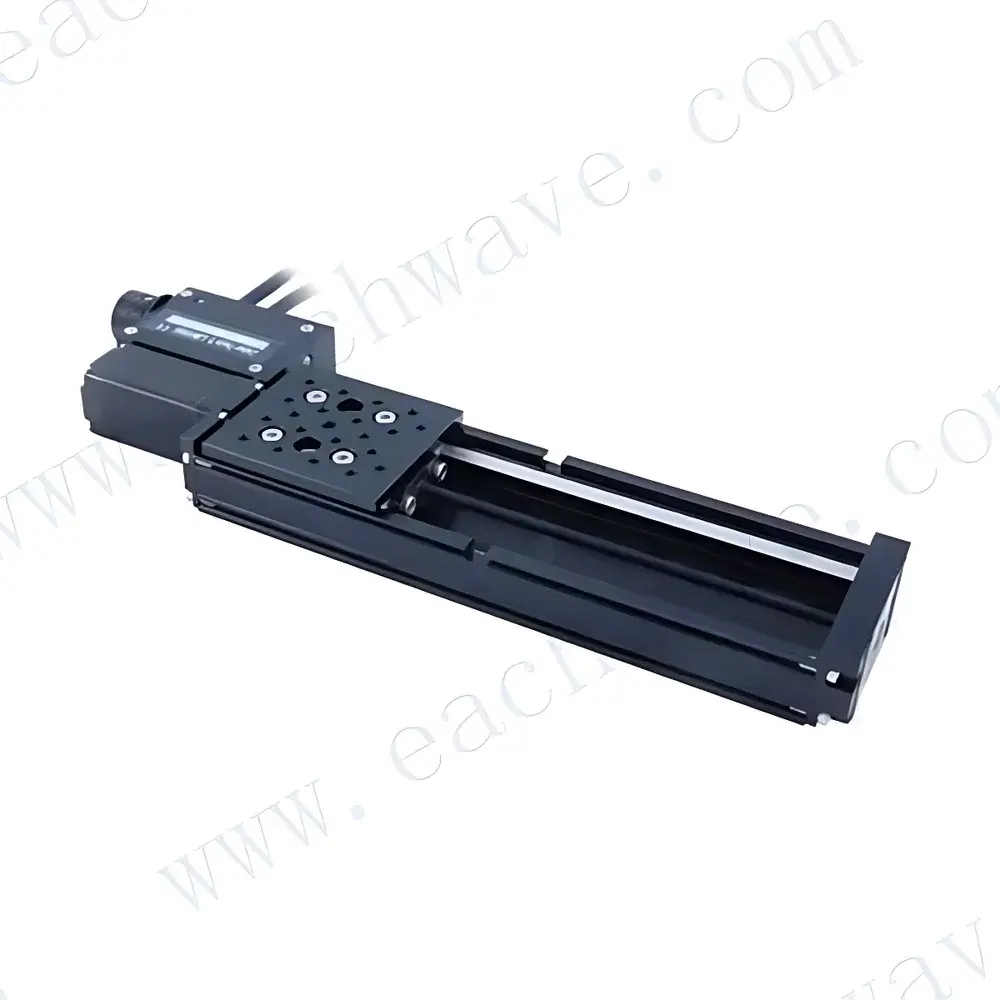
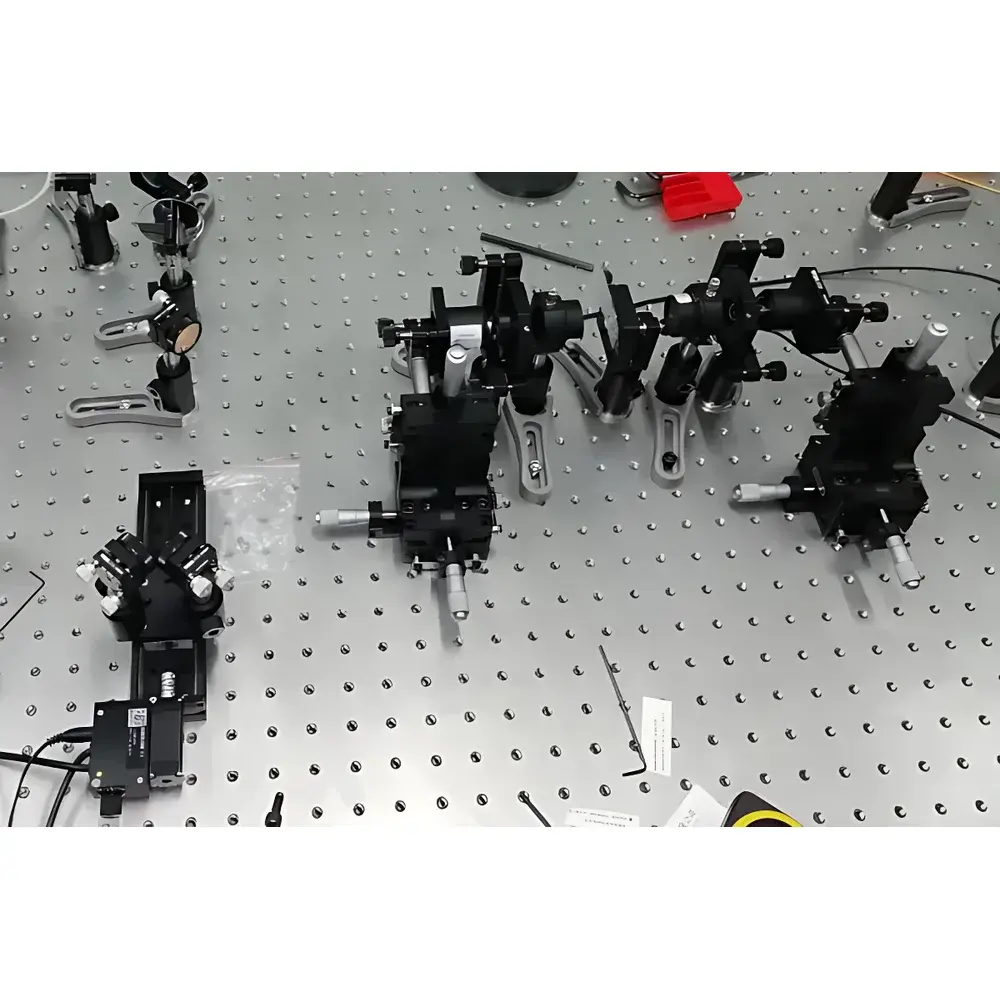
Eachwave T-LSM100A Stepper-Motor-Driven Free-Space Optical Delay Line for Terahertz Time-Domain Spectroscopy
| Brand | Eachwave |
|---|---|
| Origin | Shanghai, China |
| Model | T-LSM100A |
| Minimum Step | 0.047625 µm |
| Standard Travel Options | 25 mm, 50 mm, 100 mm, 150 mm, 200 mm |
| Maximum Time Delay | >130 ps |
| Accuracy | ±35 µm |
| Repeatability | <3 µm |
| Backlash | <12 µm |
| Max Speed | 7 mm/s |
| Min Speed | 0.00022 mm/s |
| Peak Thrust | 55 N |
| Continuous Thrust | 25 N |
| Interface | RS232 (USB adapter available) |
| Power Supply | 12–16 VDC |
| Operating Temperature | 0–50 °C |
| Weight | 0.35 kg |
Overview
The Eachwave T-LSM100A is a precision-engineered, stepper-motor-driven free-space optical delay line designed explicitly for time-resolved measurements in terahertz time-domain spectroscopy (THz-TDS) systems. It operates on the principle of mechanically varying the optical path length in one arm of a Michelson-type interferometer configuration, thereby introducing controllable temporal delays between THz pulses and their reference counterparts. This enables high-fidelity acquisition of electric field waveforms in the time domain, which are subsequently Fourier-transformed to yield broadband amplitude and phase spectra across 0.1–4 THz (or beyond, depending on emitter/detector bandwidth). The T-LSM100A is optimized for integration into both laboratory-scale and OEM THz-TDS platforms where stability, compactness, and sub-picosecond timing resolution are critical. Its robust linear translation architecture—based on a preloaded crossed-roller bearing stage and high-resolution microstepping motor—ensures minimal mechanical hysteresis and long-term alignment retention under repeated thermal cycling.
Key Features
- Sub-micron positioning resolution: 0.047625 µm minimum step size corresponds to ~159 as (attosecond) optical path delay increment in air, enabling fine sampling of THz transients.
- Multiple standardized travel ranges: Selectable from 25 mm to 200 mm, supporting time-delay windows up to >130 ps—sufficient for probing low-frequency phonon modes and carrier relaxation dynamics in semiconductors and dielectrics.
- High mechanical fidelity: Repeatability better than 3 µm and backlash under 12 µm ensure consistent scan-to-scan waveform reproducibility—essential for differential measurements and pump-probe experiments.
- Wide dynamic speed range: Adjustable velocity from 0.00022 mm/s (quasi-static scanning) to 7 mm/s (rapid coarse positioning), facilitating both high-resolution spectral acquisition and efficient system alignment.
- Low thermal mass & compact footprint: Weighing only 0.35 kg with a rigid aluminum housing, the unit minimizes vibration coupling and fits seamlessly into constrained optical breadboard layouts.
- Industrial-grade interface: RS232 serial communication (with optional USB-RS232 converter) supports deterministic command-response timing and integration into LabVIEW, Python (PySerial), or MATLAB-based control environments.
Sample Compatibility & Compliance
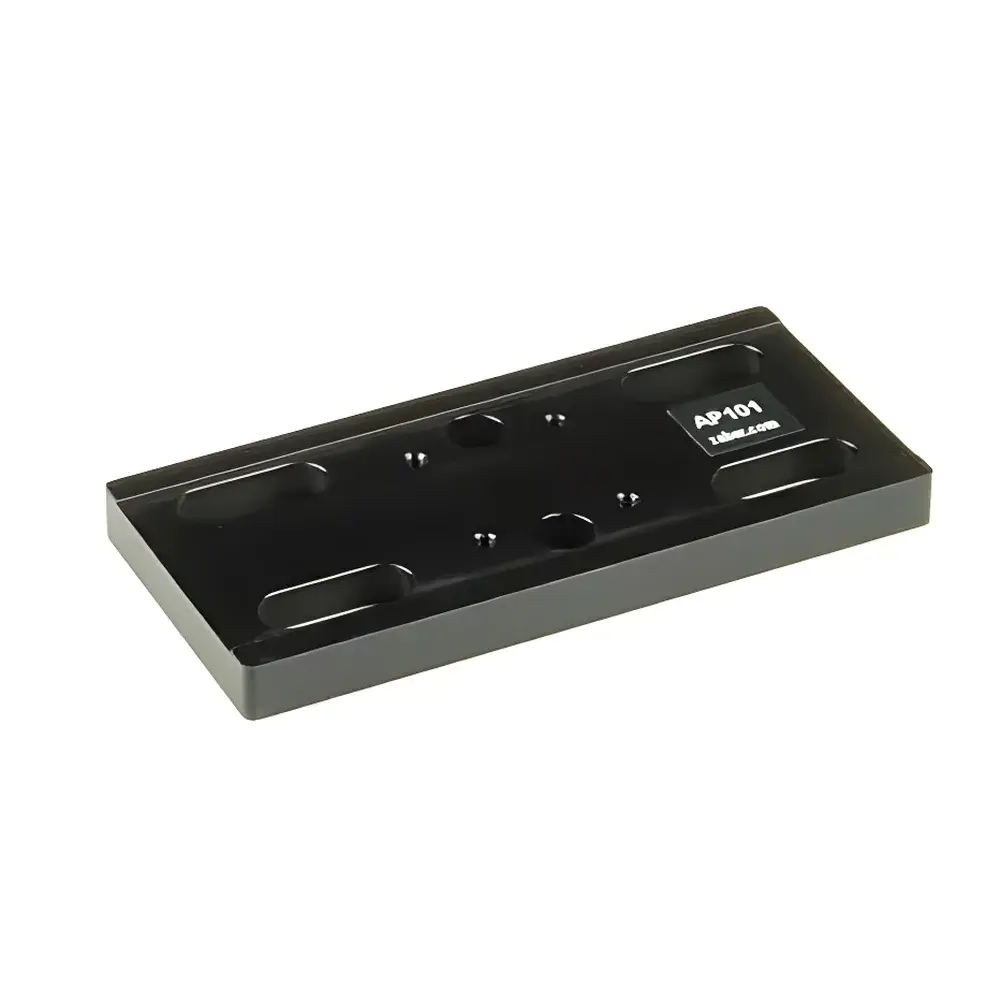
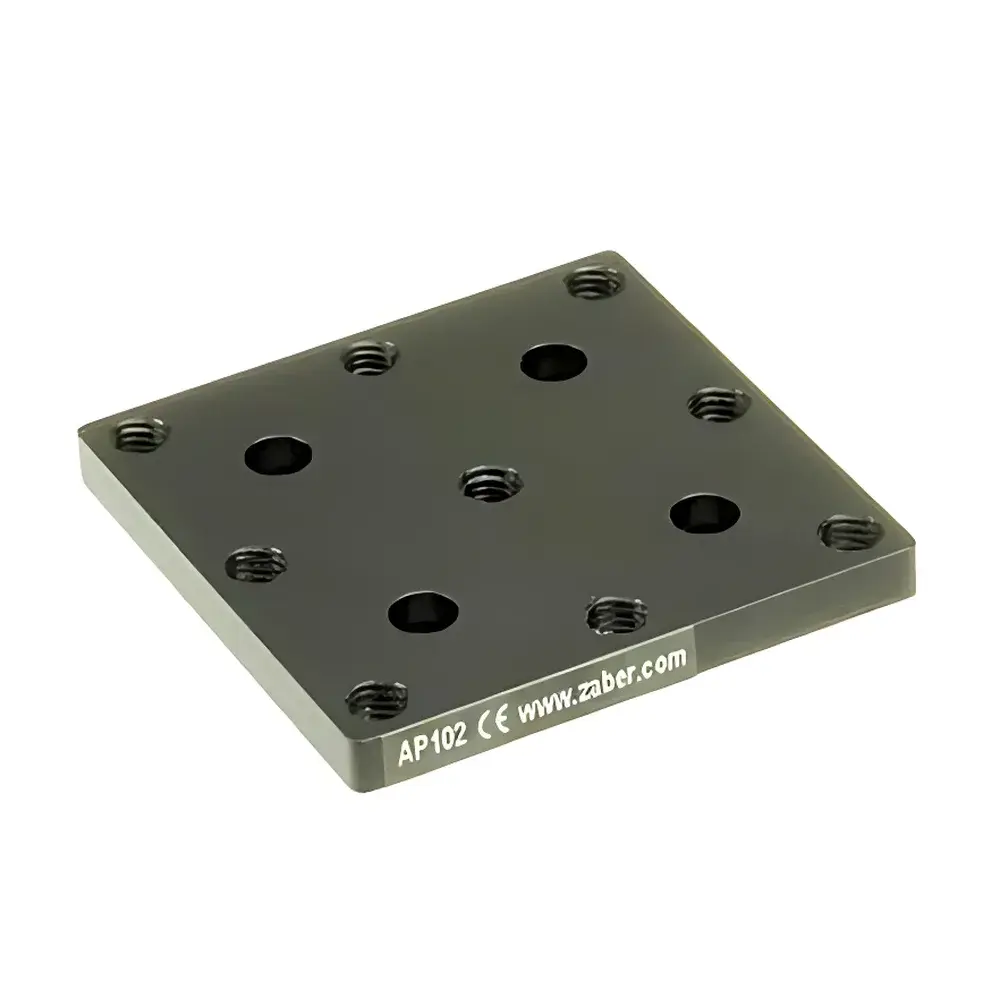
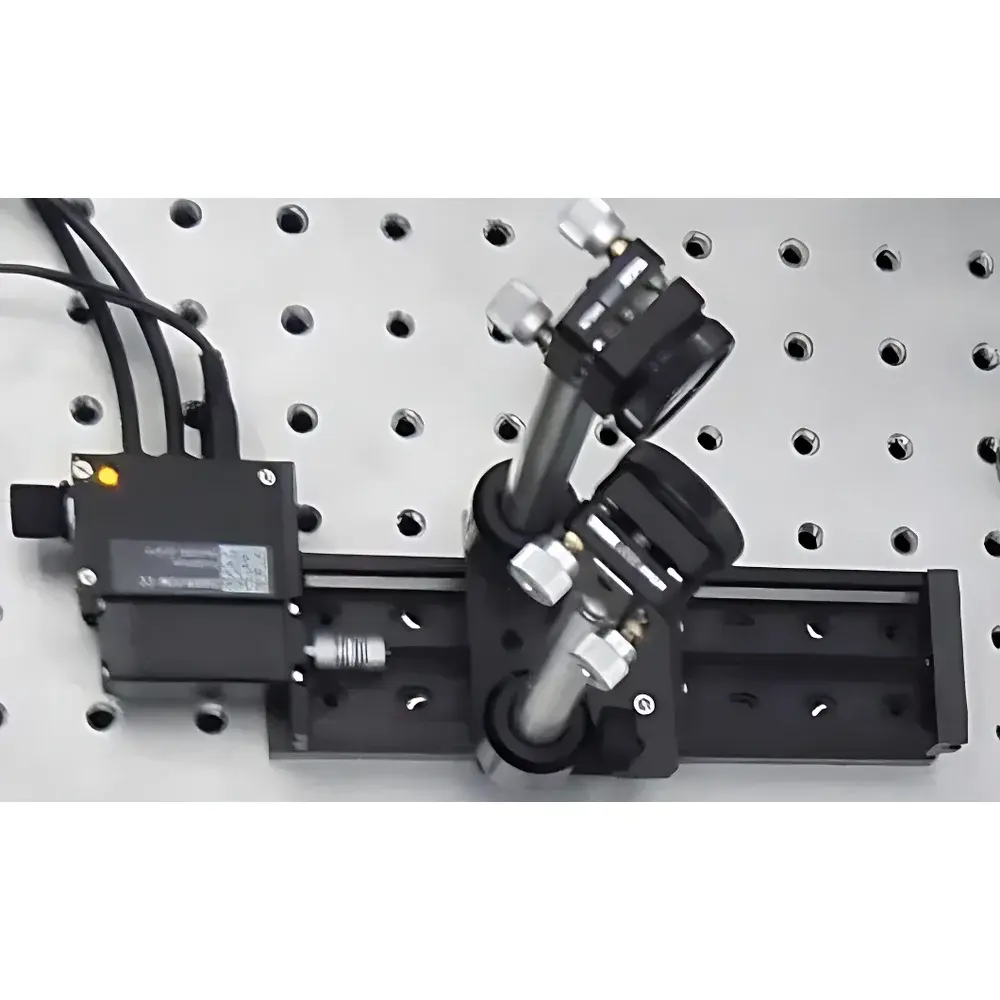
The T-LSM100A is fully compatible with standard free-space THz-TDS configurations using photoconductive antennas (PCAs) or electro-optic sampling (EOS) detection. It accommodates common mirror mounts (e.g., SM1-threaded or kinematic baseplates) and supports optional adapter kits for integration with commercial THz spectrometers (e.g., Menlo Systems TeraK15, Toptica TeraScan, Advantest TAS7500). While not an end-user analytical instrument per se, its mechanical performance meets typical requirements for GLP-compliant THz data acquisition workflows when paired with validated system calibration protocols. No intrinsic radiation hazard; operation complies with IEC 61000-6-2 (EMC immunity) and IEC 61000-6-4 (EMC emission) standards under normal lab conditions.
Software & Data Management
The delay line is controlled via ASCII-based serial commands (e.g., “POS?”, “MOVE=12.456”, “SPEED=3.2”) allowing full scripting capability. Third-party software packages—including open-source tools such as THzTools (Python) and proprietary THz acquisition suites—can directly orchestrate synchronized delay scans, trigger digitizers, and log position-timestamped waveform datasets. Audit-trail functionality is achievable through external logging of command history and encoder feedback (when used with optional quadrature output modules). For regulated environments, integration with 21 CFR Part 11–compliant electronic lab notebooks (ELNs) is supported via middleware APIs that map delay positions to metadata fields in structured experiment records.
Applications
- Time-domain characterization of carrier dynamics in perovskite photovoltaics and 2D materials.
- Non-contact thickness and refractive index mapping of polymer coatings and pharmaceutical tablets.
- In situ monitoring of hydration kinetics in biomolecular films using reflection-mode THz-TDS.
- Calibration reference for ultrafast laser pulse duration measurement via autocorrelation.
- Phase-sensitive detection in coherent anti-Stokes Raman scattering (CARS) and time-resolved infrared spectroscopy setups requiring precise optical path control.
FAQ
What is the maximum achievable time delay for a 200 mm travel version?
With a 200 mm mechanical stroke in ambient air (n ≈ 1.0003), the maximum round-trip optical path difference is ~400 mm, corresponding to a time delay of approximately 133.4 ps.
Can the T-LSM100A be operated in vacuum environments?
Standard units are rated for ambient atmospheric operation only; vacuum-compatible variants require custom sealing, lubrication, and motor certification—contact technical support for OEM vacuum integration options.
Is encoder feedback included by default?
No—closed-loop position verification requires optional incremental encoder add-on modules; the base model relies on open-loop stepper control calibrated against traceable interferometric verification.
How is thermal drift compensated during extended scans?
The aluminum stage exhibits low coefficient of thermal expansion (23.1 × 10⁻⁶ /°C); for sub-micron stability over multi-hour acquisitions, active temperature stabilization of the optical table or enclosure is recommended.
Does Eachwave provide SDKs or driver libraries?
Yes—Windows/Linux-compatible command-line utilities and Python example scripts are provided upon request, along with detailed protocol documentation for custom API development.





