X-Rite Net Profiler 3.0 Cloud-Based Color Instrument Performance Verification and Calibration Management Solution
| Brand | X-Rite |
|---|---|
| Origin | USA |
| Manufacturer Type | Authorized Distributor |
| Origin Category | Imported |
| Model | Net Profiler 3.0 |
| Pricing | Available Upon Request |
Overview
Net Profiler 3.0 is a cloud-connected, NIST-traceable performance verification and calibration management system engineered for high-accuracy color measurement instruments—including spectrophotometers (e.g., X-Rite eXact, Ci7800, SpectroEye) and benchtop colorimeters used in R&D, quality control, and production environments. Unlike traditional one-time annual calibration services, Net Profiler 3.0 implements a proactive, interval-based instrument health monitoring protocol grounded in ISO 13655:2017 (spectral measurement), ISO/IEC 17025:2017 (competence of testing and calibration laboratories), and ASTM E308–22 (computing CIE colors from spectral data). The solution combines a physical reference standard set—comprising 12 certified ceramic color tiles with known reflectance spectra—and a secure SaaS platform that performs automated deviation analysis, drift detection, and pass/fail reporting against user-defined tolerance thresholds (e.g., ΔE00 ≤ 0.2 for eXact-series devices). This architecture enables continuous metrological assurance without requiring onsite metrology specialists or lab-grade environmental controls.
Key Features
- Cloud-hosted SaaS platform with role-based access control (RBAC), audit trail logging, and encrypted data transmission (TLS 1.2+)
- Twelve NIST-traceable ceramic reference tiles covering CIELAB L* 20–90, a* –30 to +30, b* –30 to +30, with certified spectral reflectance data at 10 nm intervals (360–740 nm)
- Automated instrument verification workflow: single-button tile measurement → spectral comparison → deviation heatmap generation → maintenance recommendation report
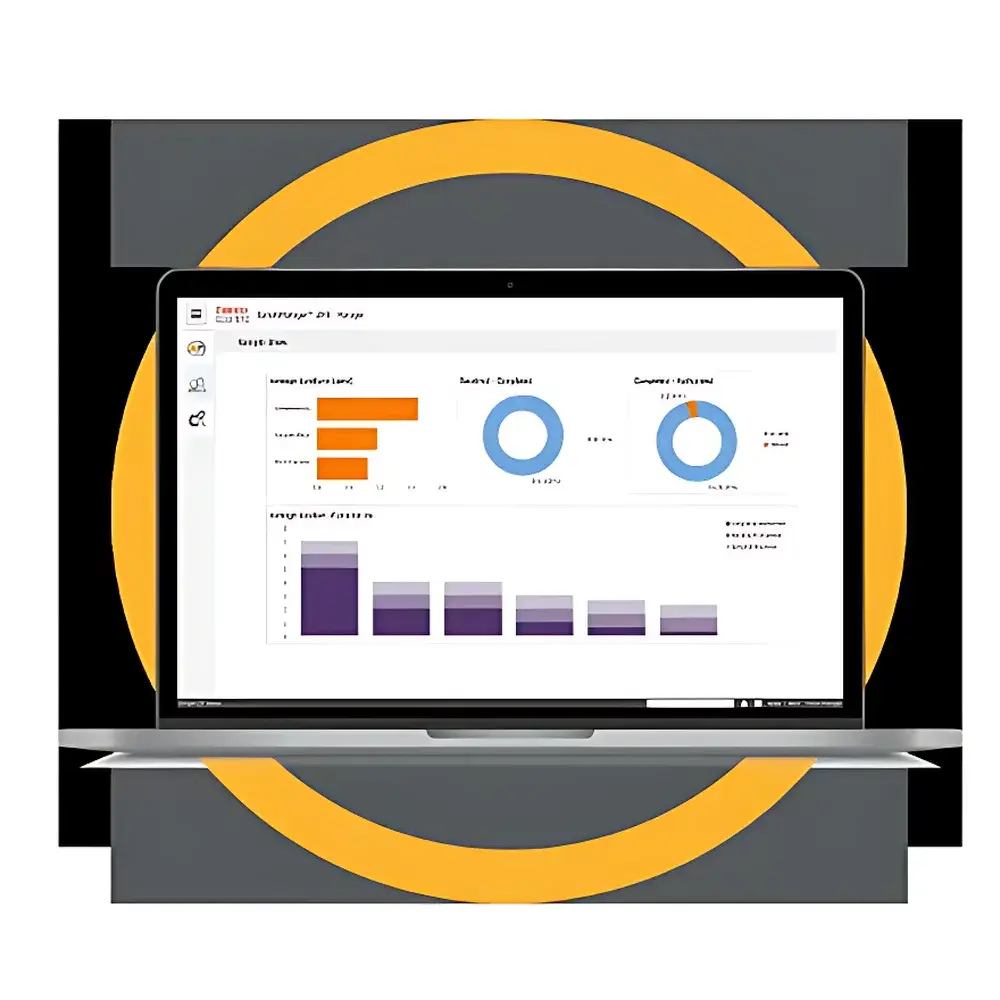
- Drift trend analytics with statistical process control (SPC) charts (X-bar/R, CUSUM) to identify gradual sensor degradation or optical path contamination
- Inter-instrument agreement (IIA) assessment across geographically distributed sites using common reference tile sets and synchronized cloud database
- Compliance-ready documentation export: PDF reports include timestamp, operator ID, instrument serial number, environmental conditions (ambient temperature/humidity logged via optional Bluetooth sensor), and traceability statements per ISO/IEC 17025 Clause 7.7
Sample Compatibility & Compliance
Net Profiler 3.0 supports all X-Rite/Macbeth spectrophotometers with firmware v4.2+, including eXact, Ci7800, Ci64, SP62, and SpectroEye platforms. It does not require hardware modification or firmware replacement—operation is fully non-invasive and preserves original factory calibration. The reference tile set is certified to ISO 13655 Annex B and meets the stability requirements of ASTM D2244–22 (standard practice for calculation of color tolerances). All spectral data files are stored in vendor-neutral, machine-readable formats (CSV, JSON-LD) compliant with FAIR data principles. The software architecture satisfies FDA 21 CFR Part 11 requirements for electronic records and signatures when deployed with validated identity management and audit log retention policies (≥2 years).
Software & Data Management
The Net Profiler 3.0 cloud application integrates natively with X-Rite’s ecosystem via RESTful APIs and standardized data exchange protocols. It synchronizes measurement histories and calibration status with Color iQC (for QC dashboarding), Color iMatch (for formulation validation), ColorCert (for brand compliance reporting), and X-Rite Link (for enterprise-wide instrument fleet visibility). All verification events generate immutable entries in an append-only audit log, capturing operator identity, device fingerprint, GPS-derived location (optional), and cryptographic hash of raw spectral data. Data residency options include AWS US-East (N. Virginia) or EU-West (Frankfurt), configurable per customer contractual agreement. Backups occur hourly; point-in-time recovery is available for up to 90 days.
Applications
- Preventive maintenance scheduling for global instrument fleets across printing, packaging, automotive coatings, and textile manufacturing
- Reducing inter-laboratory variability in multi-site color approval workflows (e.g., brand owner → supplier → contract manufacturer)
- Supporting ISO 9001:2015 Clause 7.1.5 (monitoring and measuring resources) and IATF 16949:2016 Section 7.1.5.2 (measurement system analysis)
- Validating instrument readiness prior to critical color matching sessions or regulatory submissions (e.g., FDA colorant batch release)
- Documenting metrological traceability for third-party audits (e.g., UL, SGS, TÜV) and customer-facing quality agreements
FAQ
Does Net Profiler 3.0 replace factory calibration?
No—it complements but does not substitute manufacturer-certified calibration. It verifies ongoing performance between scheduled calibrations and flags instruments requiring service.
Can I use Net Profiler 3.0 with non-X-Rite instruments?
Currently, only X-Rite spectrophotometers with supported firmware versions are validated for full feature compatibility. Third-party integrations require formal interoperability testing and are available under OEM partnership agreements.
How frequently should verification be performed?
X-Rite recommends monthly verification for production-critical instruments; high-usage R&D units may require biweekly checks. Frequency can be adjusted based on SPC trend analysis and historical failure rates.
Is the reference tile set reusable indefinitely?
Yes—ceramic tiles are rated for ≥10,000 measurements under controlled handling. Annual re-certification by X-Rite Metrology Services is recommended to maintain NIST traceability.
What happens if an instrument fails verification?
The system generates a diagnostic report identifying affected wavelength regions and suggests corrective actions (e.g., white calibration, lens cleaning, or service ticket escalation). No automatic firmware changes or recalibration occurs without explicit user authorization.
Related Products