
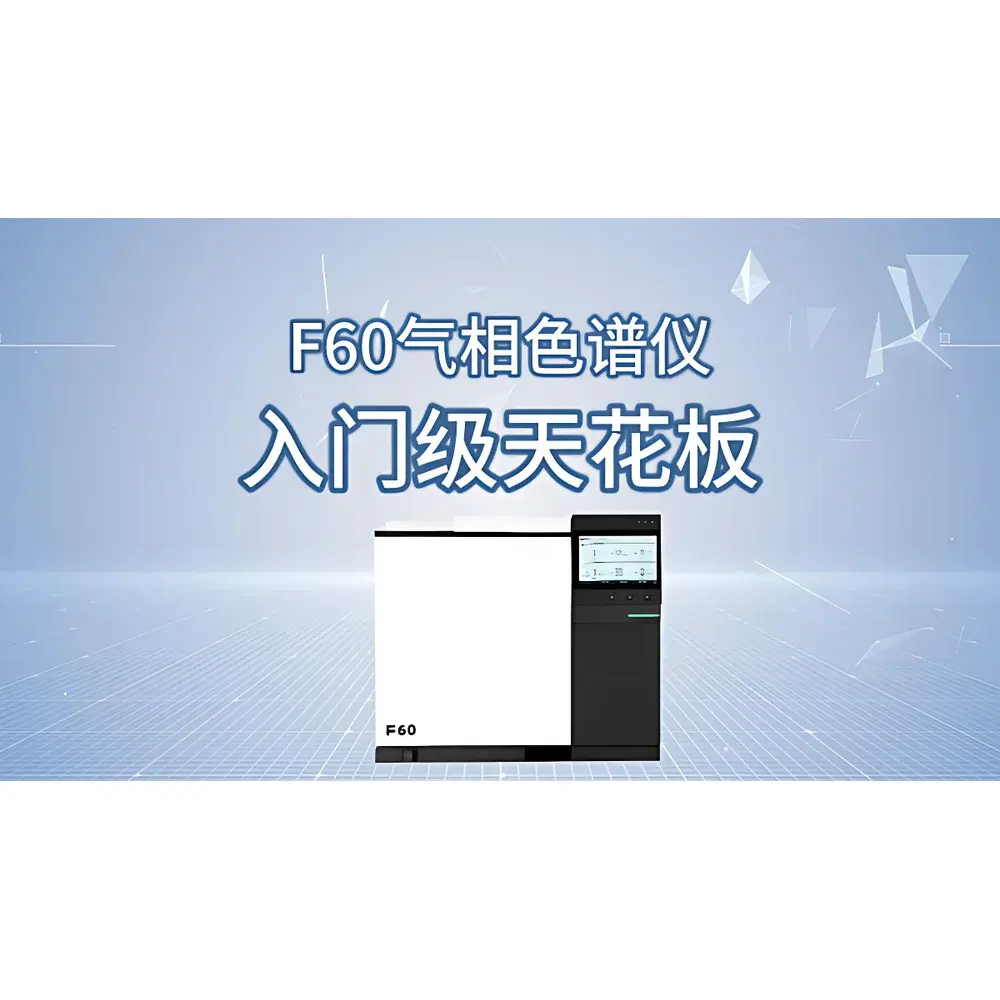
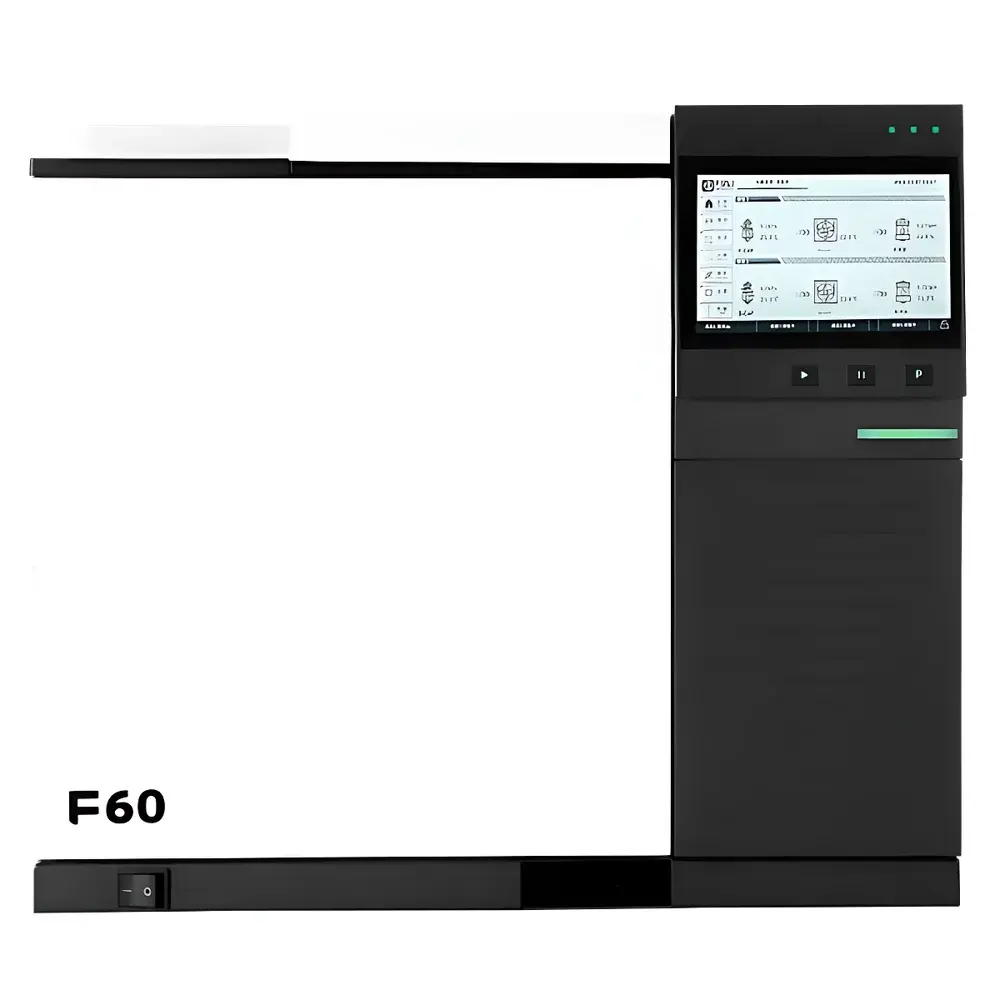
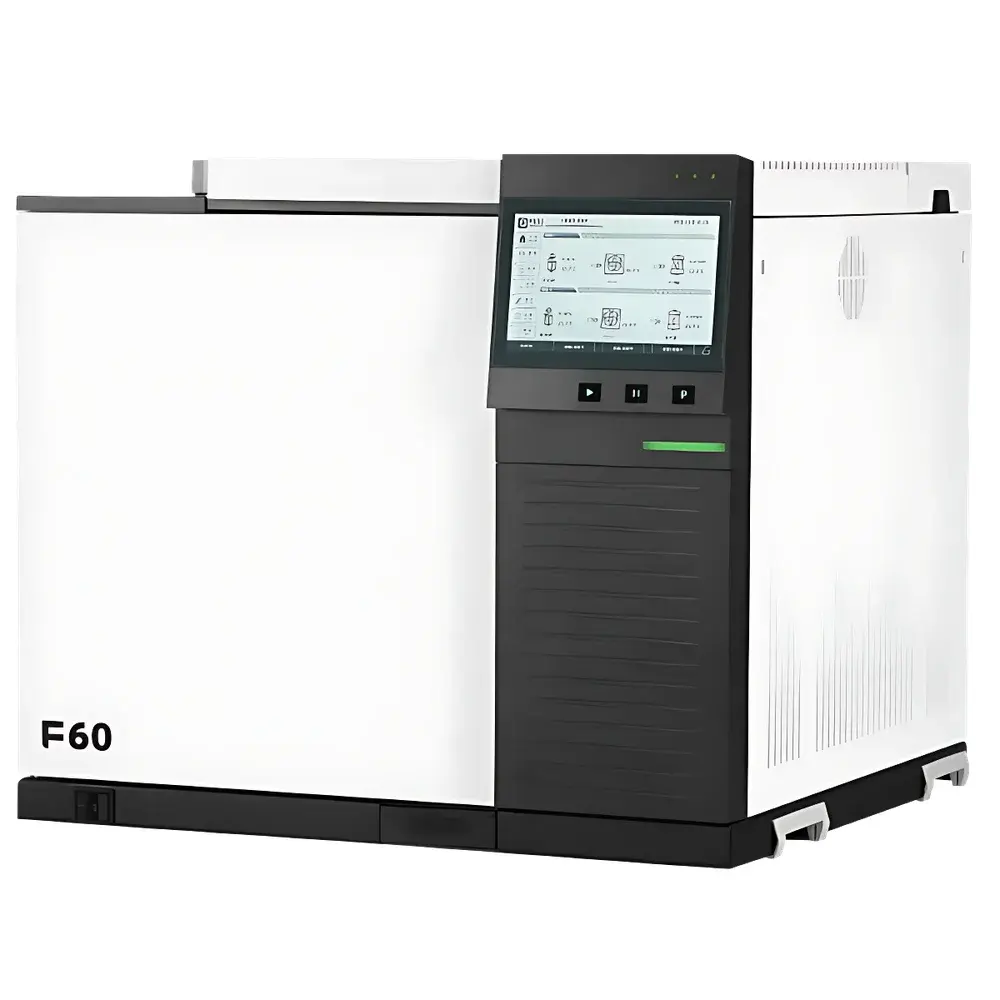
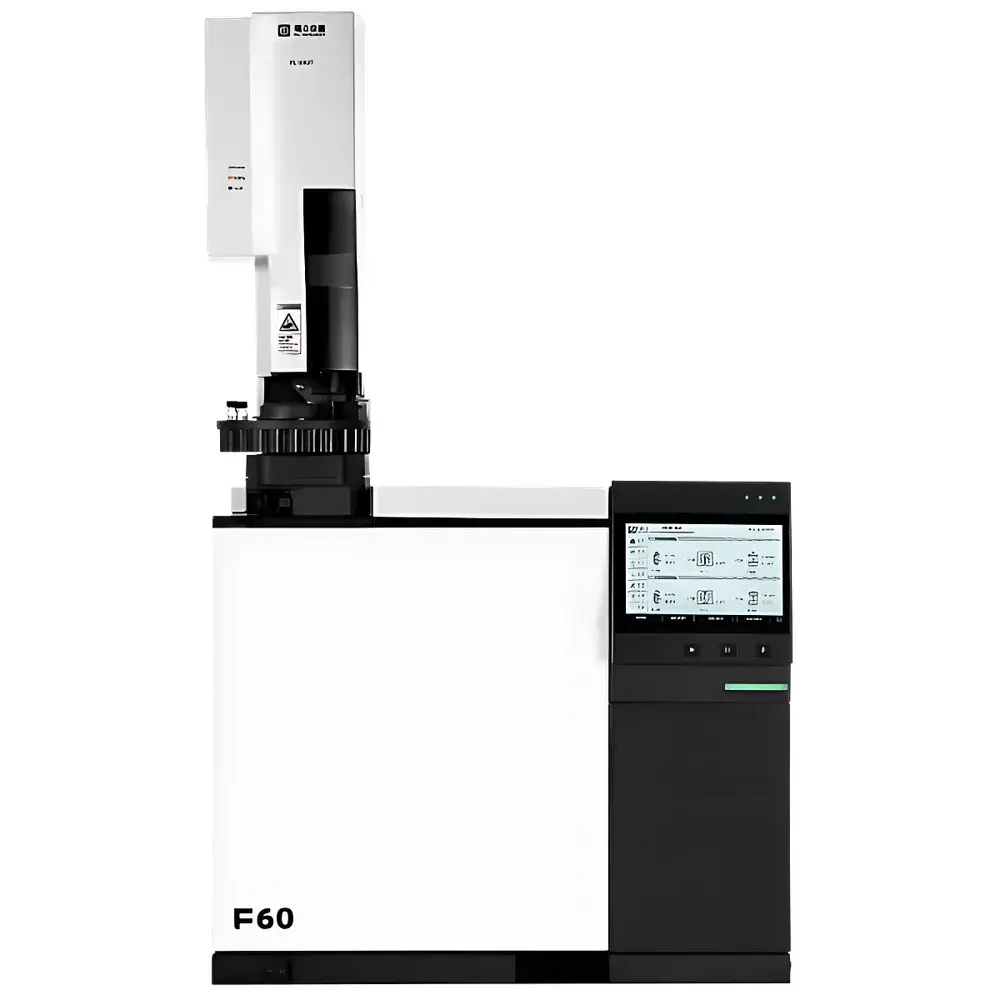
Fuli F60 Gas Chromatograph
| Brand | Fuli |
|---|---|
| Origin | Zhejiang, China |
| Manufacturer Type | Manufacturer |
| Product Category | Domestic |
| Model | F60 |
| Instrument Type | Laboratory Gas Chromatograph |
| Application Scope | General-purpose |
| Detector Options | FID, FPD |
| Control Interface | 7-inch TFT capacitive touchscreen |
| Gas Control | Mechanical valves with electronic pressure & flow monitoring |
| Column Oven | Dual-sensor temperature monitoring, thermal fuse protection, flame-retardant materials (UL94 V-0 rated) |
| Compliance | Designed to support GLP/GMP workflows, ASTM D3606/D1319, ISO 17025-aligned operation |
Overview
The Fuli F60 Gas Chromatograph is a robust, laboratory-grade analytical instrument engineered for precision, long-term operational stability, and method reproducibility in routine qualitative and quantitative analysis. Based on the proven architecture of the GC97 series, the F60 integrates decades of domestic expertise in gas chromatographic system design—particularly in mechanical valve manufacturing and pneumatic control engineering. It operates on the fundamental principle of partition chromatography, where analytes are separated based on their relative volatility and differential affinity toward the stationary phase within a capillary or packed column under controlled carrier gas flow. The system supports both split/splitless injection and direct on-column introduction, with temperature-programmable oven capability enabling resolution of complex mixtures across wide boiling point ranges. Its design emphasizes mechanical reliability over software dependency, making it especially suitable for environments requiring minimal downtime and consistent baseline performance across shifts and operators.
Key Features
- Mechanical pneumatic control system: All critical gas flow and pressure regulation components—including precision-machined stainless-steel solenoid valves, pressure regulators, and flow restrictors—are manufactured in-house by Fuli using proprietary metalworking processes refined over 30+ years. This ensures dimensional consistency, leak integrity, and extended service life.
- Electronic pressure and flow monitoring: Analog-to-digital transducers replace traditional Bourdon-tube gauges, delivering real-time digital readouts (kPa and mL/min) for inlet pressure, column head pressure, detector makeup gas, and auxiliary flows—improving method transfer accuracy and reducing operator interpretation error.
- 7-inch capacitive touchscreen interface: High-resolution graphical display provides simultaneous visualization of oven temperature, detector status, valve positions, and active method parameters. Context-sensitive soft keys reduce menu navigation depth and support intuitive method setup, run control, and diagnostics.
- Dual thermal safety architecture: Column oven incorporates redundant temperature sensing (PT100 dual-element sensor + independent overtemperature cutoff switch), coupled with UL94 V-0-rated flame-retardant insulation materials and a 48 V low-voltage heating system to mitigate fire risk during prolonged high-temperature operation.
- Modular detector configuration: Supports interchangeable FID (Flame Ionization Detector) and FPD (Flame Photometric Detector) modules, each optimized for hydrocarbon sensitivity (FID: <1.5 pg C/s) or sulfur/phosphorus selectivity (FPD: <0.2 pg S/s, <0.05 pg P/s), with independently adjustable H₂/air ratios and jet geometries.
Sample Compatibility & Compliance
The F60 accommodates liquid, gaseous, and volatile solid samples via standard 10–100 µL syringe injection, headspace vial analysis (with optional auto-sampler integration), or gas-tight loop introduction. It is compatible with fused-silica capillary columns (0.1–0.53 mm ID, up to 60 m length) and packed columns (2–4 mm ID). Method development aligns with internationally recognized standards including ASTM D3606 (benzene/toluene in gasoline), ASTM D1319 (hydrocarbon types), EPA Method 8021B (halogenated organics), and Chinese national standards GB/T 33642–2017 (petrochemical volatiles). While not pre-certified for FDA 21 CFR Part 11, its audit trail-capable data acquisition module (when paired with compliant LIMS or third-party chromatography data systems) supports ALCOA+ principles and GLP/GMP documentation requirements.
Software & Data Management
The embedded firmware supports method storage (≥100 methods), sequence queuing (≥99 runs), and real-time chromatogram preview. Raw data files (.F60) are exportable in ASCII text or CSV format for post-run processing in open-source tools (e.g., OpenChrom) or commercial CDS platforms. Optional Ethernet connectivity enables remote monitoring and centralized instrument management. Audit trail functionality records user logins, method edits, run starts/stops, and calibration events—timestamped and non-erasable—to meet ISO/IEC 17025 clause 7.7 traceability expectations. No proprietary vendor lock-in is imposed at the file structure or communication protocol level.
Applications
The F60 serves as a foundational analytical tool across academic, industrial, and regulatory laboratories. In university teaching labs, it supports undergraduate chromatography coursework and graduate-level method validation studies. In energy and petrochemical sectors, it performs hydrocarbon group-type analysis, fuel oxygenate quantification, and refinery gas profiling. Environmental labs deploy it for VOC screening in air/water matrices per EPA TO-17 protocols. Food and pharmaceutical quality control units apply it to residual solvent testing (ICH Q3C), flavor compound profiling, and excipient purity verification. Its mechanical durability and low consumables cost also make it appropriate for field-deployable mobile labs operating under variable ambient conditions.
FAQ
Is the F60 compatible with third-party chromatography data systems (CDS)?
Yes—the instrument outputs standardized ASCII chromatograms and supports RS-232/Ethernet communication using documented SCPI-like command syntax, enabling integration with Agilent OpenLab, Thermo Chromeleon, or custom Python-based acquisition scripts.
What maintenance intervals are recommended for the mechanical valve system?
Under normal operation (≤8 hrs/day, clean carrier gas), valve assemblies require inspection every 12 months; O-rings and ferrules should be replaced every 24 months. Full pneumatic calibration is advised annually using NIST-traceable pressure standards.
Does the F60 support unattended overnight operation?
Yes—equipped with automatic shutdown after final run completion, thermal runaway protection, and event-logged power failure recovery. Sequence files retain state upon reboot, resuming from the last completed injection.
Can I upgrade from FID to FPD without replacing the entire detector base?
Yes—FPD and FID share identical mounting interfaces and electrical connectors. Swapping requires only mechanical alignment and firmware reconfiguration via the touchscreen interface.
Is column oven cooling rate adjustable?
Cooling is passive (fan-assisted ambient air exchange); no active refrigeration is integrated. Maximum cool-down rate is ~3°C/min from 300°C to 50°C under standard lab conditions (25°C ambient).
Related Products






