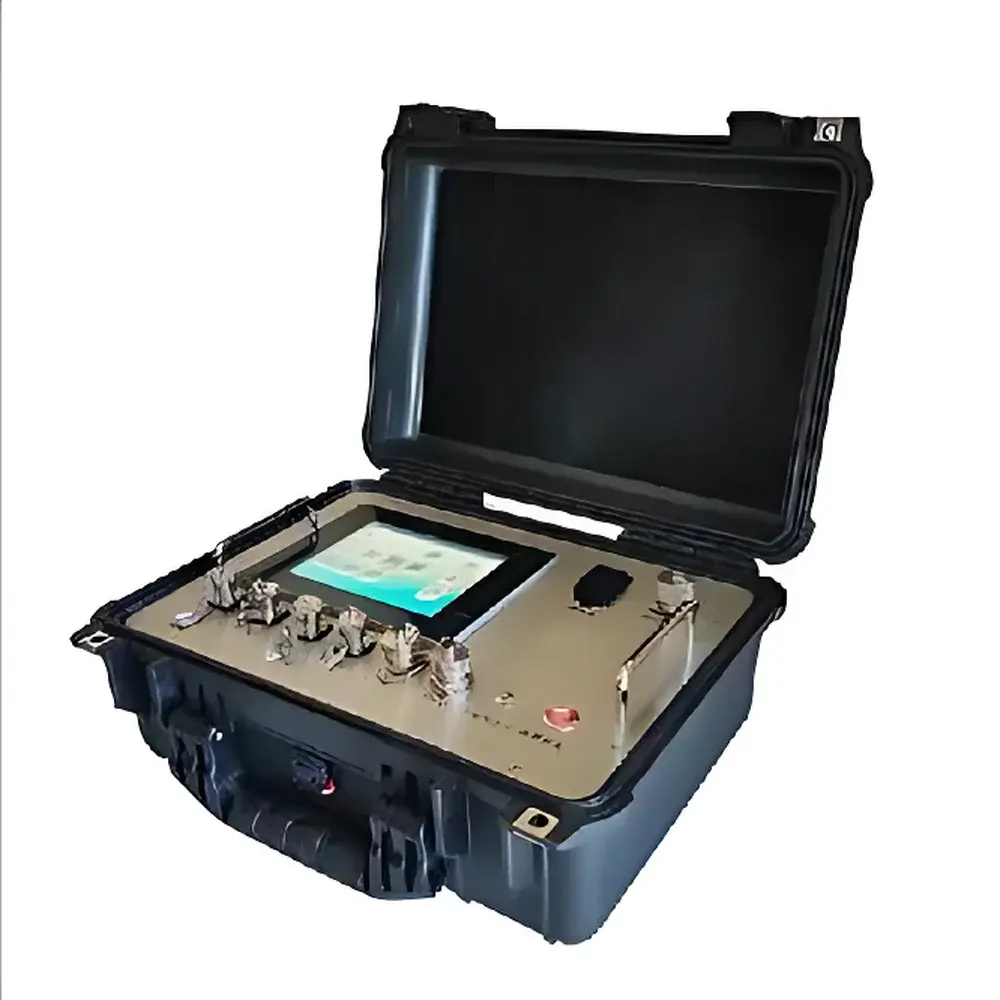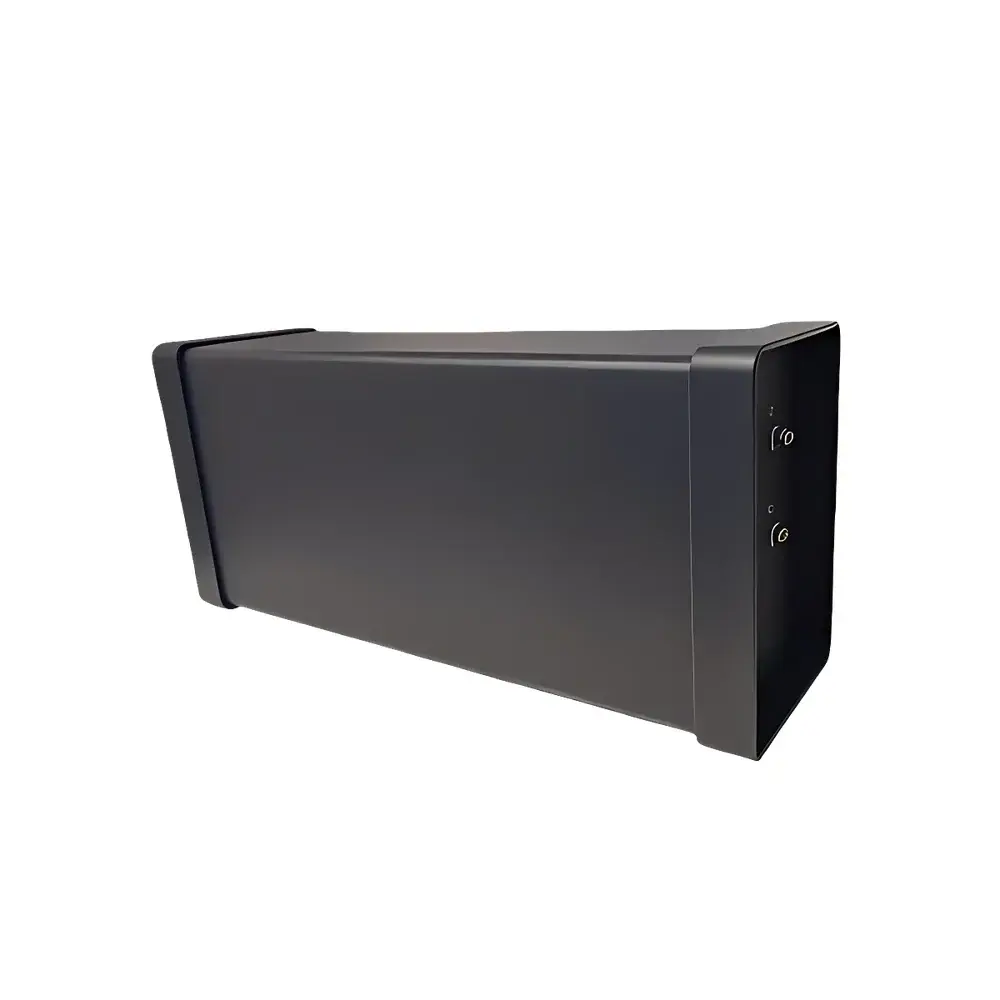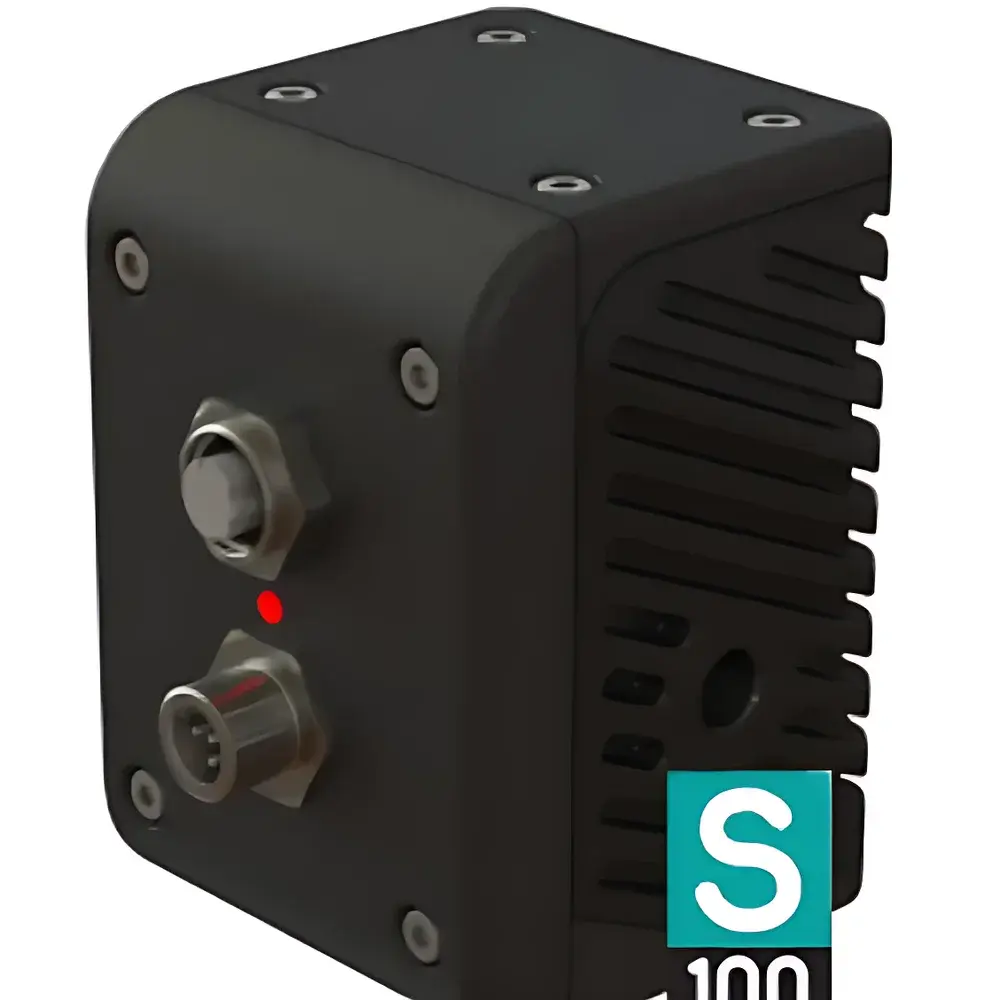
Atten2 OilWear S100 Online Particle Sensor
| Brand | Atten2 |
|---|---|
| Origin | Spain |
| Model | S100 |
| Particle Detection Threshold | ≥4 µm |
| Output Standards | ISO 4406, NAS 1638, SAE AS4059 |
| Classification Capability | Wear Debris Typing (Fatigue, Sliding, Cutting >20 µm) |
| Communication Interfaces | Analog (4–20 mA), Digital (RS-485, Modbus RTU), SCADA/PLC Compatible |
| Integration | Modular design for OEM integration into oil condition monitoring systems |
| Compliance | Designed for industrial fluid monitoring per ISO 11171 (calibration reference), ISO 4020 (hydraulic fluid sampling), and aligned with ASTM D6786 (particle counting in lubricants) |
Overview
The Atten2 OilWear S100 is a real-time, in-line particle sensor engineered for continuous contamination monitoring of industrial fluids—including hydraulic oils, turbine oils, engine lubricants, coolant emulsions, fuel, and synthetic or glycol-based fluids. It employs patented digital image processing technology to capture high-resolution micrographs of particles suspended in flowing liquid, enabling automated morphological analysis without reliance on light obscuration or laser diffraction. Unlike traditional optical particle counters, the S100 performs deterministic classification of wear debris by shape, edge geometry, and size distribution—supporting root-cause diagnostics for mechanical degradation modes such as fatigue spalling (>20 µm rounded particles), sliding wear (flattened platelets), and cutting abrasion (sharp-edged fragments). Its measurement principle conforms to the foundational assumptions of ISO 11171 for calibration traceability and supports reporting in globally recognized cleanliness codes including ISO 4406:2017, NAS 1638 Class, and SAE AS4059 Rev D.
Key Features
- Real-time particle counting and morphology-based classification for particles ≥4 µm in flowing fluid streams
- Modular architecture: self-contained optical sensing module designed for seamless integration into OEM oil condition monitoring systems or retrofit installations
- Dual-mode output: analog (4–20 mA) for legacy PLC/DCS interfaces and digital (RS-485 with Modbus RTU) for SCADA and centralized data acquisition
- Onboard self-diagnostic routines—including flow verification, illumination stability checks, and pixel integrity validation—to ensure measurement continuity and data validity
- User-configurable alarm thresholds per particle size band (e.g., 4–6 µm, 14–25 µm, >38 µm) and per contamination class (ISO code deviation, NAS delta)
- Interoperability with Atten2’s OilHealth® platform: when paired, the S100 contributes particle data while OilHealth® delivers oxidation, nitration, and additive depletion metrics—enabling unified oil health assessment from a single sensor node
- No consumables or reagents required; maintenance-free optical path with sealed, oil-wetted imaging chamber rated for continuous operation at pressures up to 10 bar and temperatures from −20 °C to +80 °C
Sample Compatibility & Compliance
The OilWear S100 is validated for use with mineral, synthetic hydrocarbon, polyalkylene glycol (PAG), phosphate ester, and ethylene glycol–based fluids, as well as water–glycol emulsions and hydrocarbon fuels. It maintains accuracy across kinematic viscosities ranging from 2 cSt to 460 cSt (at 40 °C) and is compatible with both pressurized and gravity-fed circulation loops—provided minimum flow velocity (≥0.3 m/s) and laminar-to-transitional flow conditions are maintained at the sensor port. The device meets CE marking requirements for electromagnetic compatibility (EN 61000-6-2/6-4) and carries IP67 ingress protection. Its particle sizing and counting methodology aligns with the procedural rigor expected under ISO 4020 for hydraulic fluid sampling and ASTM D6786 for field-deployable particle analysis. While not certified for safety-critical aviation or nuclear applications, it satisfies typical industrial reliability benchmarks for predictive maintenance instrumentation deployed under GLP-aligned operational protocols.
Software & Data Management
The S100 operates autonomously but interfaces natively with industry-standard supervisory control platforms via Modbus RTU or 4–20 mA analog scaling. Raw image metadata, time-stamped particle counts per ISO bin, and classified wear mode ratios are timestamped and transmitted at user-defined intervals (1 s to 30 min). When integrated with Atten2’s OilHealth® Cloud or on-premise Edge Gateway, data undergoes automated trend analysis using statistical process control (SPC) algorithms—including Shewhart X-bar/R charts and exponential weighted moving average (EWMA) models—to detect statistically significant shifts in contamination rate. Audit trails comply with FDA 21 CFR Part 11 requirements for electronic records when deployed in regulated environments, supporting electronic signatures, role-based access control, and immutable log archiving. All firmware updates are cryptographically signed and delivered over secure TLS channels.
Applications
- Rotating equipment health monitoring: gas turbines, steam turbines, centrifugal compressors, and large electric motors where lubricant contamination directly correlates with bearing and gear failure risk
- Hydraulic system integrity assurance: mobile machinery (excavators, harvesters), industrial presses, and aerospace ground support equipment requiring NAS Class 5–7 fluid cleanliness
- Engine oil condition tracking: marine diesel engines, locomotive power units, and stationary reciprocating engines operating under extended drain intervals
- Test bench instrumentation: component-level durability testing, filter efficiency validation (per ISO 16889), and tribology research setups requiring synchronized particle dynamics and load-cycle data
- Cutting fluid management: metalworking operations using soluble oils or semi-synthetics where tramp oil ingress and bacterial growth manifest as anomalous sub-10 µm particle spikes
FAQ
Does the OilWear S100 require periodic recalibration?
No. The sensor uses factory-calibrated optics and embedded reference patterns for drift compensation; however, annual verification against ISO 11171-certified calibration suspensions is recommended for critical applications.
Can it distinguish water droplets from solid particles?
Yes—via refractive index contrast and temporal stability analysis during image capture; water droplets exhibit characteristic spherical distortion and coalescence behavior distinct from rigid wear debris.
Is installation possible in vertical piping runs?
Yes, provided flow conditioning (e.g., straight pipe run ≥5D upstream) is maintained and air entrapment is minimized through proper venting or degassing upstream.
What is the minimum sample volume required per measurement cycle?
The S100 analyzes a defined volumetric segment of the flow stream—approximately 0.5 mL per second—without bypass or dilution, ensuring representative statistics even at low flow rates.
How does it handle highly opaque or dark-colored fluids?
It utilizes adaptive LED illumination intensity control and dynamic exposure adjustment to maintain optimal signal-to-noise ratio across a wide range of fluid transmittance, validated down to ASTM D1500 color number 8.