
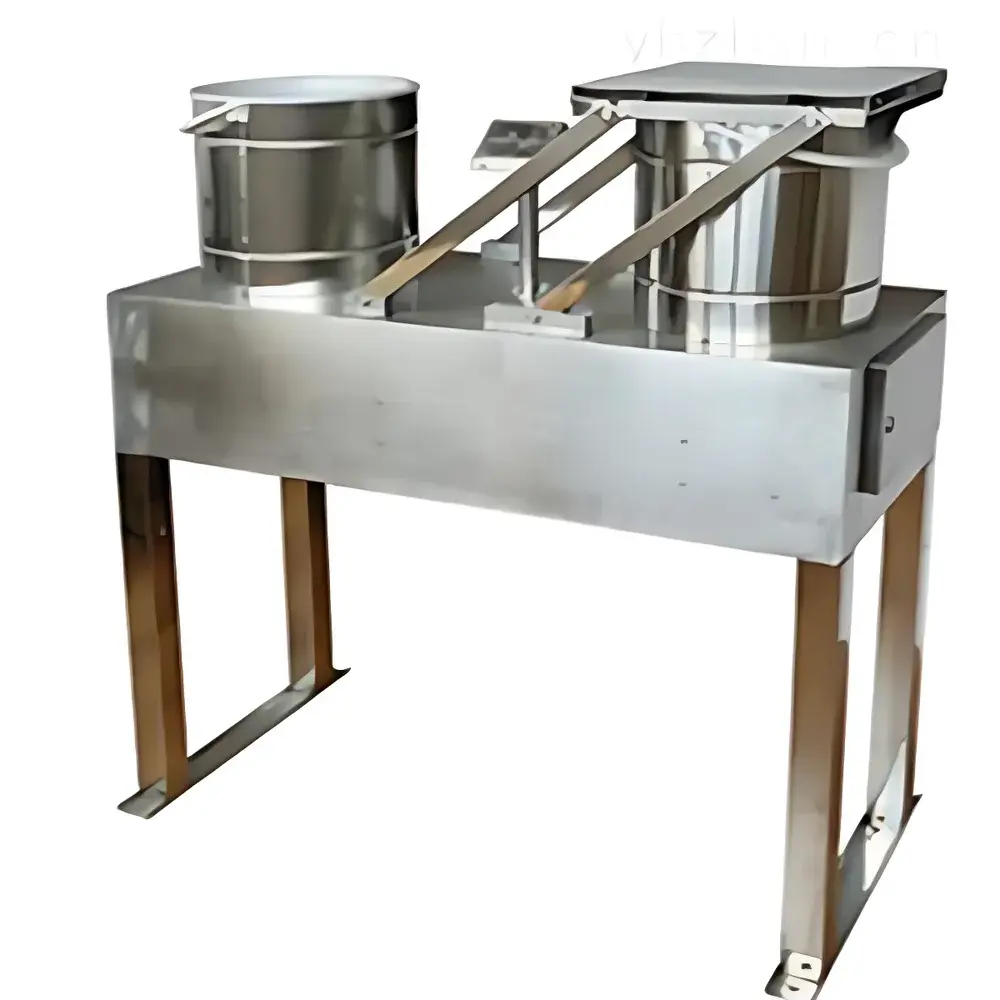
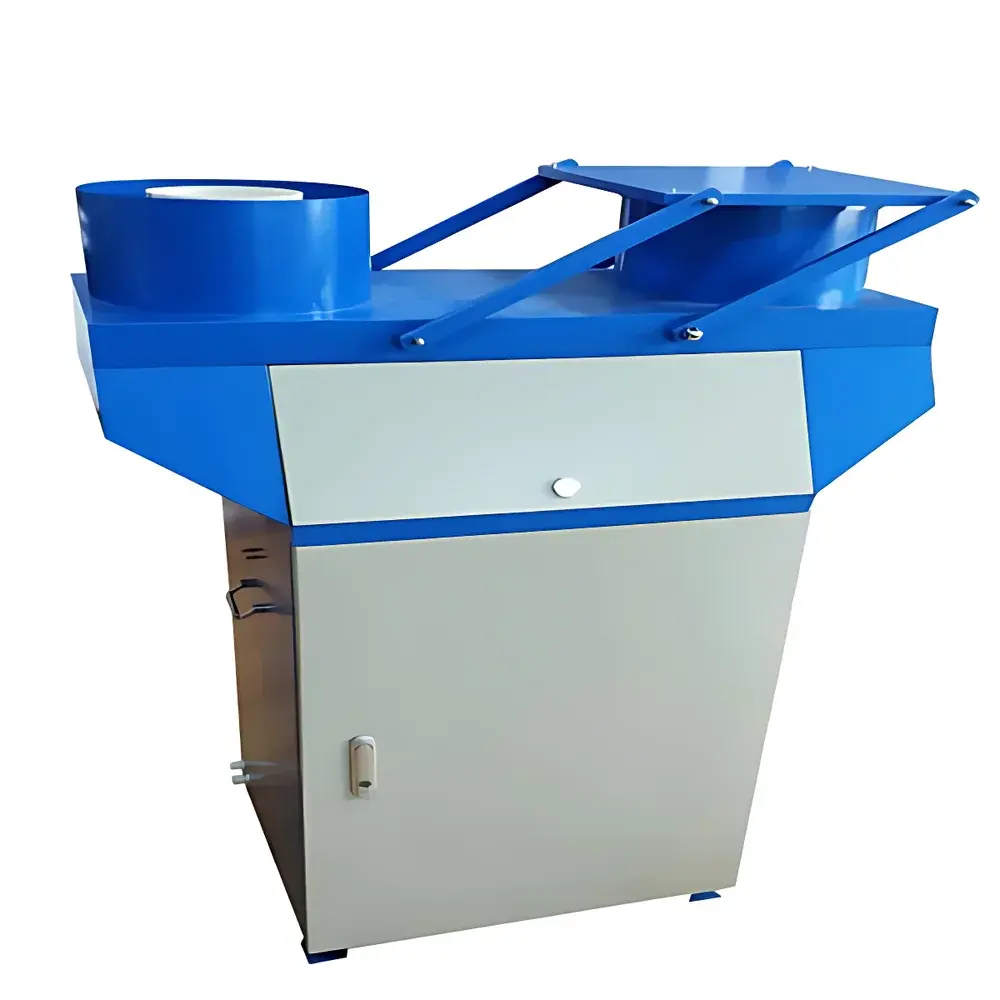
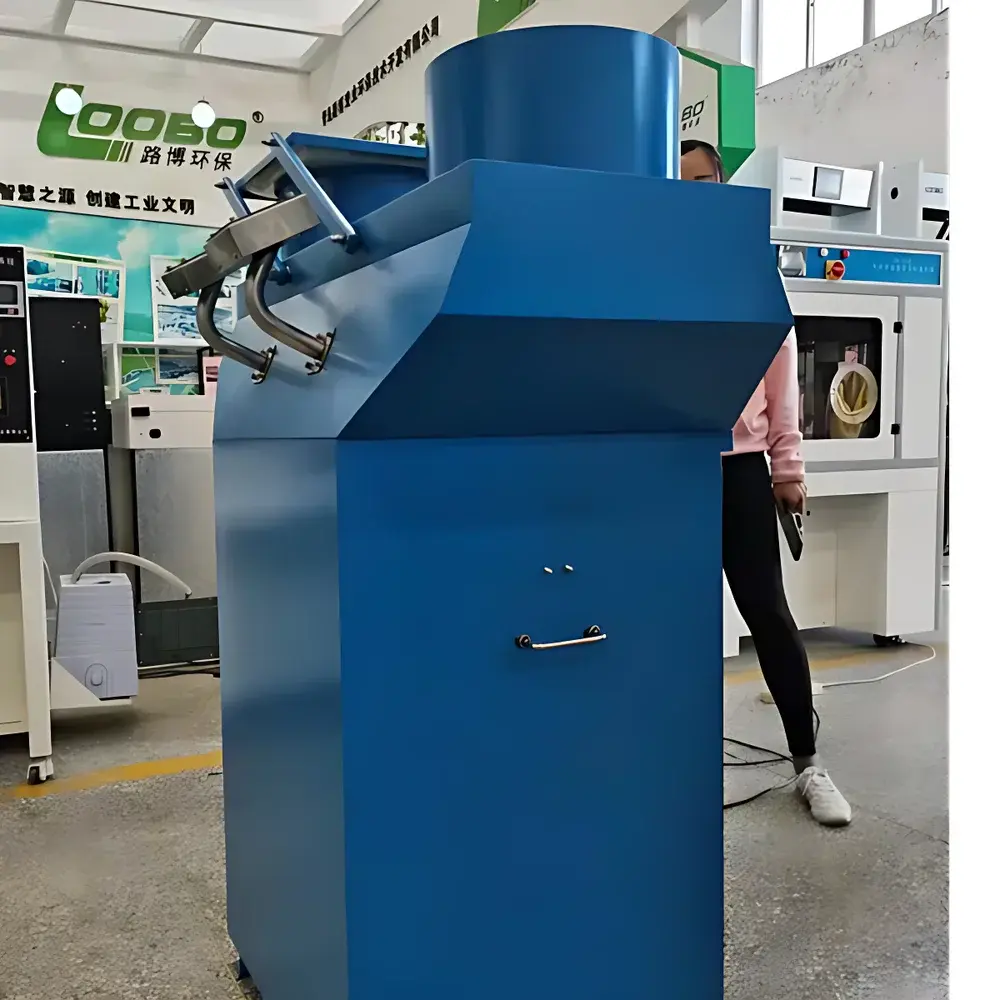
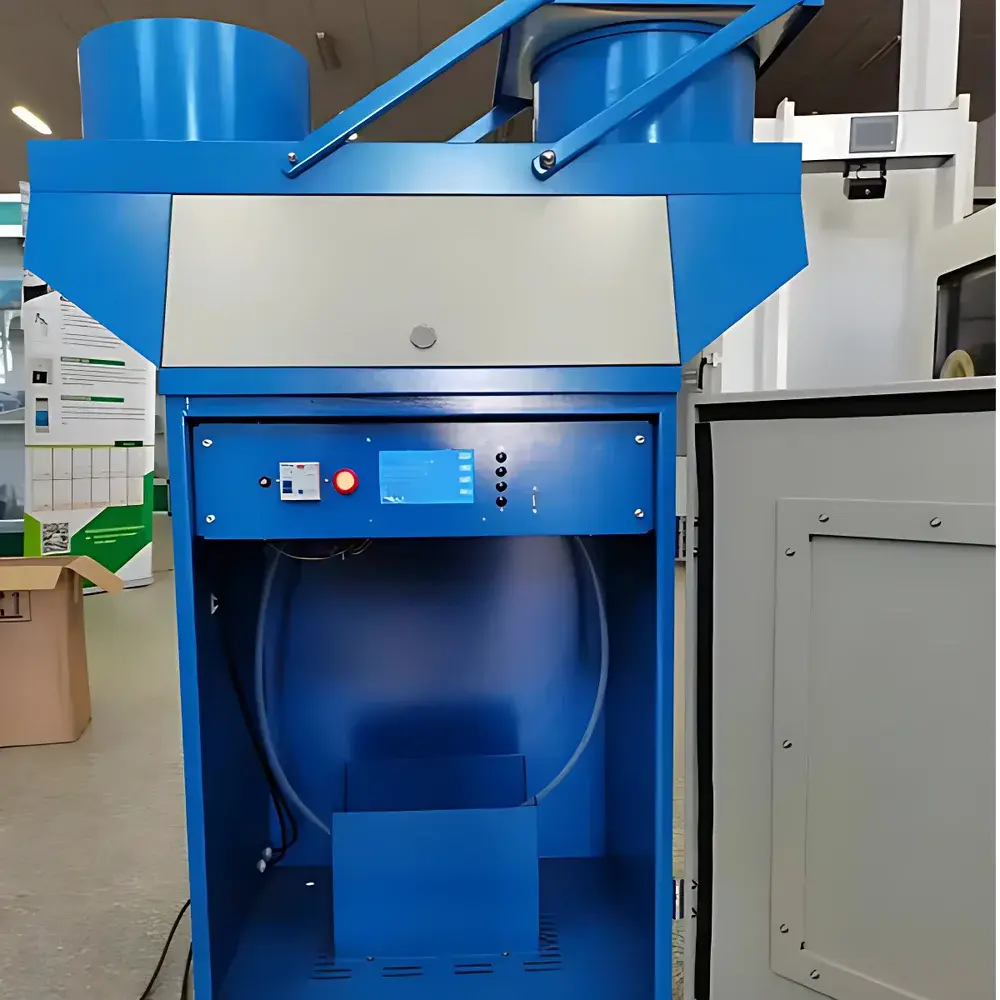
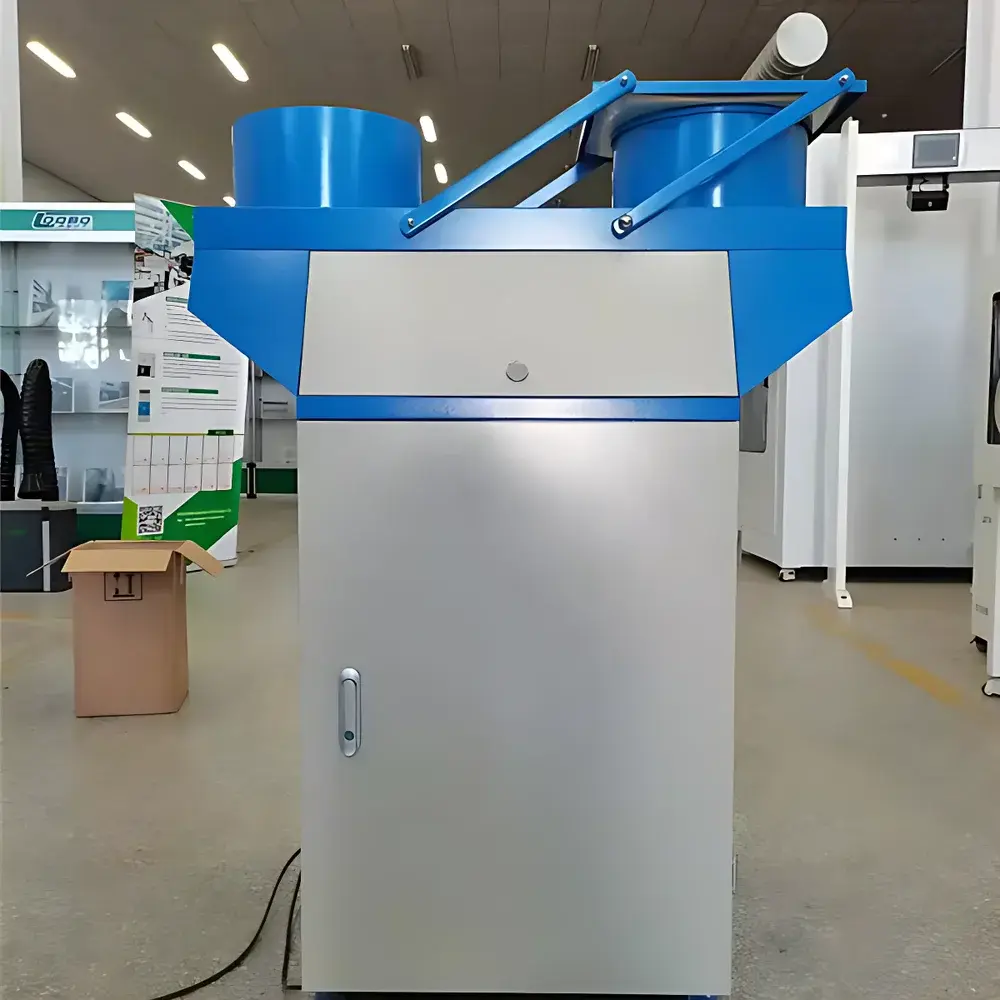
Loobo LB-8101 Precipitation and Atmospheric Deposition Sampler
| Brand | Loobo |
|---|---|
| Origin | Shandong, China |
| Model | LB-8101 |
| Rainfall Detection Sensitivity | ≥0.03 mm/min |
| Lid Opening Response Time | ≤30 s |
| Lid Closing Response Time | ≤5 min |
| Measurable Rainfall Intensity Range | 0.03–4 mm/min |
| Measurement Accuracy | ±1% |
| Collection Funnel Diameter | 300 mm |
| Dust Deposition Cylinder Height | 150 mm |
| Sampling Bucket Capacity | 15 L |
| Operating Temperature | 0–50 °C |
| Relative Humidity | ≤98% RH |
| Dimensions (L×W×H) | 1200 × 550 × 1000 mm |
| Weight | ~40 kg |
| Power Supply | AC 220 V (±10%), 50 Hz |
Overview
The Loobo LB-8101 Precipitation and Atmospheric Deposition Sampler is an automated environmental monitoring instrument engineered for long-term, unattended collection of wet deposition (rainwater, snowmelt) and dry deposition (atmospheric dust and particulate fallout) under field conditions. It operates on a dual-sensing principle: integrated rain detection triggers lid actuation to initiate or terminate wet sampling, while a dedicated dust deposition cylinder—positioned beneath a removable protective cover—enables concurrent passive accumulation of airborne particulates over defined exposure periods. Designed in strict compliance with HJ/T 174–2005 (“Technical Requirements and Test Methods for Automatic Rainwater Samplers”), the LB-8101 supports standardized monitoring protocols used by national environmental protection agencies, municipal ecological monitoring stations, atmospheric research laboratories, and industrial emission compliance units.
Key Features
- Dual independent intelligent rain sensors provide high-fidelity precipitation detection, minimizing false triggers from non-rain events such as dew, fog condensation, or avian droppings—ensuring sample integrity and operational reliability.
- Robust four-bar linkage lid mechanism with dual-arm actuation delivers precise, low-inertia opening and closing actions; combined with elastomeric sealing gaskets, it maintains sample containment and prevents cross-contamination during transport or storage.
- Standard 15 L polyethylene sampling bucket features UV-stabilized material and chemical inertness suitable for subsequent analysis of pH, conductivity, major ions (e.g., SO₄²⁻, NO₃⁻, Cl⁻), trace metals, and organic pollutants.
- Integrated dust deposition module includes a 150 mm tall cylindrical receptor aligned with ISO 9096 and GB/T 15265–1994 guidelines for ambient particulate matter collection; its geometry ensures laminar settling conditions and minimizes wind-induced turbulence artifacts.
- Full environmental resilience: IP55-rated enclosure, operating range from 0 to 50 °C and up to 98% RH, enabling deployment across diverse climatic zones—from coastal humidity to arid inland regions.
Sample Compatibility & Compliance
The LB-8101 accommodates standard analytical workflows for both wet and dry deposition matrices. Collected rainwater is compatible with ICP-MS, IC, AAS, and ion chromatography without pre-filtration (unless particulate load exceeds method-specific thresholds). The dust deposition cylinder supports gravimetric mass determination per ISO 12103-1 and elemental speciation following EPA Method IO-3.4 or EN 14902. All structural materials—including funnel, lid seals, bucket, and dust cylinder—are certified non-leaching and extractable-free per US EPA SW-846 Method 8082A requirements. Data logging and event timestamps comply with GLP-aligned documentation practices required for regulatory submission under China’s “Environmental Monitoring Data Quality Management Measures” and parallel frameworks adopted by ASEAN and African EPA partners.
Software & Data Management
The LB-8101 records timestamped event logs—including lid open/close times, cumulative rainfall duration, and sensor activation status—stored internally on non-volatile memory with 30-day buffer capacity. Optional RS-485/Modbus RTU interface enables integration into SCADA-based environmental telemetry networks (e.g., NB-IoT or LTE-M gateways). Firmware supports configurable sampling logic: e.g., “first flush” mode (triggered at onset of rain), “composite sampling” (sequential aliquots per rainfall event), or “time-weighted interval collection.” Audit trails meet basic ALCOA+ principles (Attributable, Legible, Contemporaneous, Original, Accurate), with optional firmware upgrade path supporting 21 CFR Part 11-compliant electronic signatures via external authentication server.
Applications
- Long-term trend analysis of acid deposition and nitrogen saturation in forest ecosystems and sensitive watersheds.
- Source apportionment studies linking industrial stack emissions to downwind deposition chemistry using isotopic tracers (e.g., δ³⁴S, ⁸⁷Sr/⁸⁶Sr).
- Validation of regional atmospheric transport models (e.g., CMAQ, WRF-Chem) through ground-truth wet/dry deposition flux measurements.
- Compliance monitoring for thermal power plants, smelters, and cement kilns subject to GB 13223–2011 and provincial emission permit conditions.
- Urban air quality assessment, including road dust resuspension quantification and brake/tire wear particle characterization.
FAQ
Does the LB-8101 support simultaneous collection of rainwater and dust in a single deployment cycle?
Yes—the instrument’s mechanical architecture allows concurrent operation: the rain sensor governs lid motion for the 15 L bucket, while the dust cylinder remains continuously exposed unless manually covered during extreme weather events.
Can the sampling bucket be replaced with alternative containers for specialized analyses?
Yes—standardized 300 mm funnel outlet diameter and modular mounting interface permit use of certified glass, fluoropolymer, or pre-cleaned stainless-steel receptacles meeting ISO 5667-3 requirements.
Is calibration of the rain sensor traceable to national meteorological standards?
The sensor’s threshold response (≥0.03 mm/min) is verified against NIM-certified tipping-bucket rain gauge references during factory acceptance testing; field recalibration is not required but recommended annually using controlled drip-rate validation kits.
What maintenance intervals are specified for outdoor continuous operation?
Bi-monthly visual inspection of funnel cleanliness, seal integrity, and sensor surface contamination is advised; annual lubrication of linkage pivots and verification of motor torque output ensure >5-year mean time between failures (MTBF) in typical deployment scenarios.







