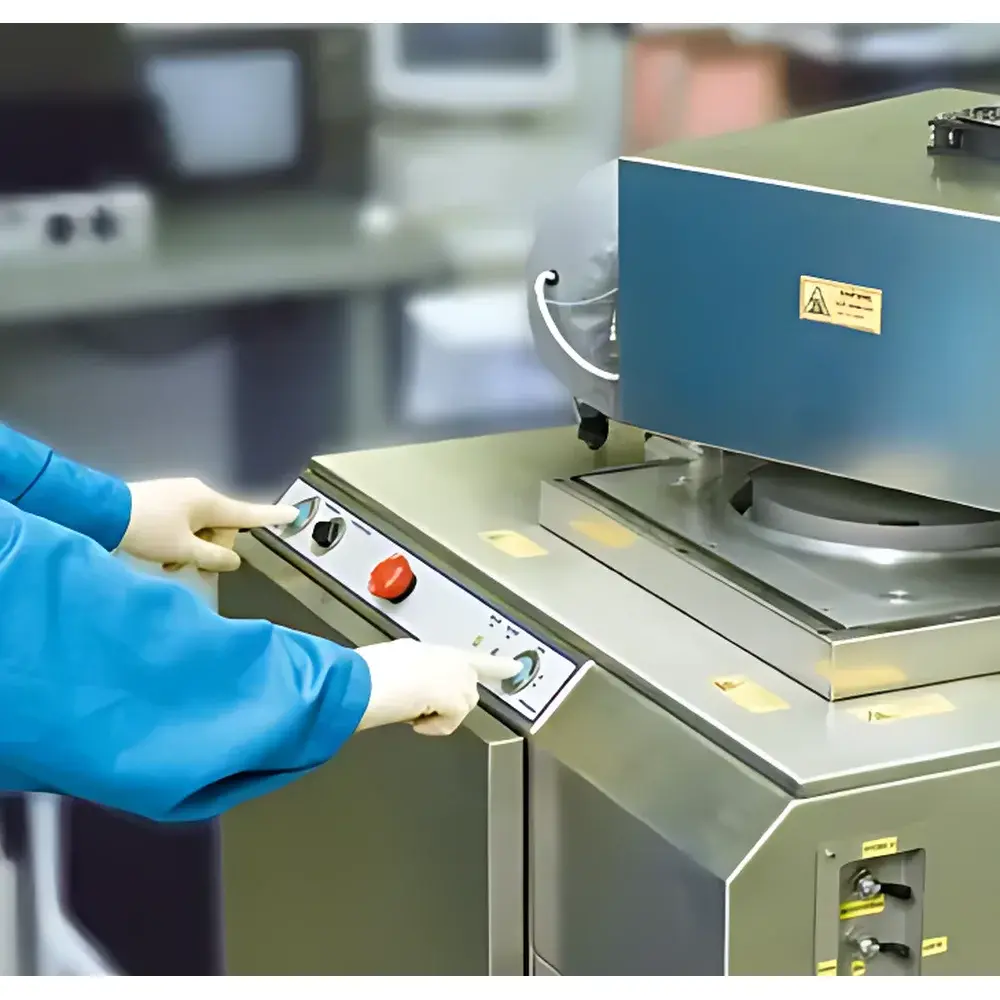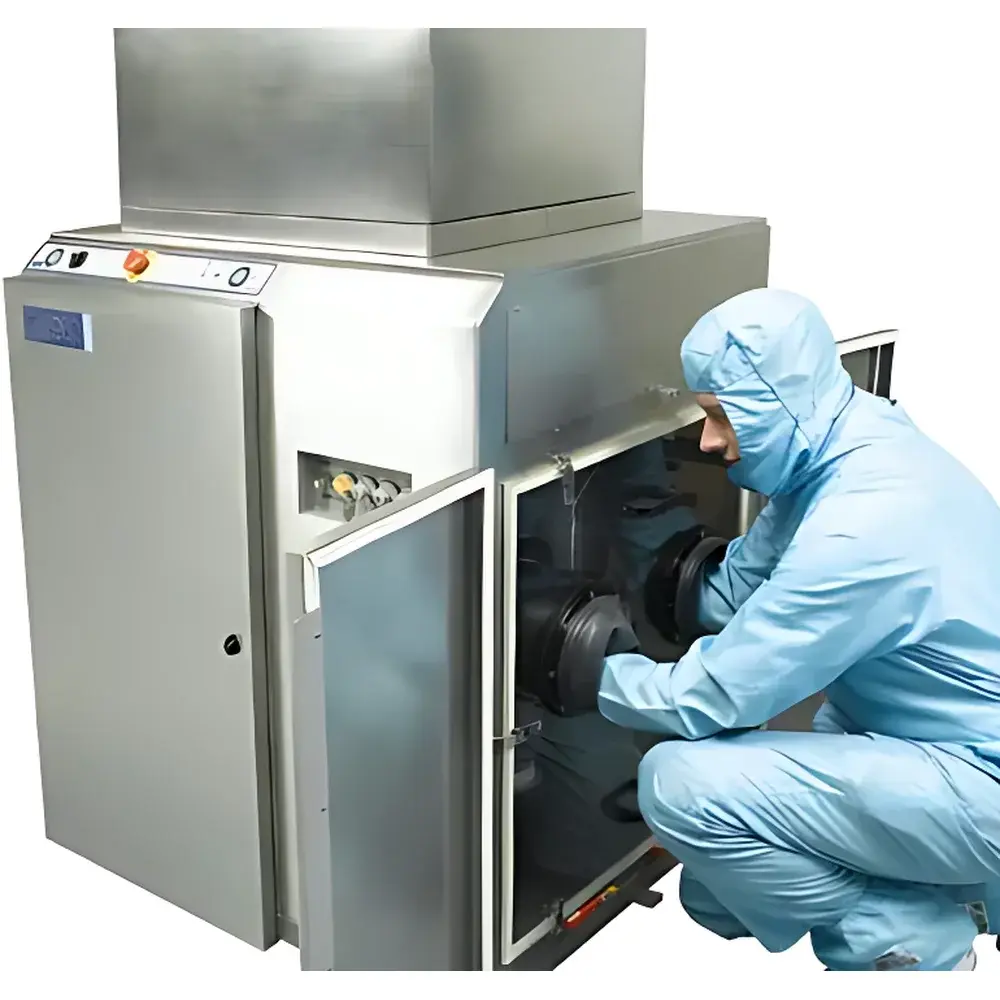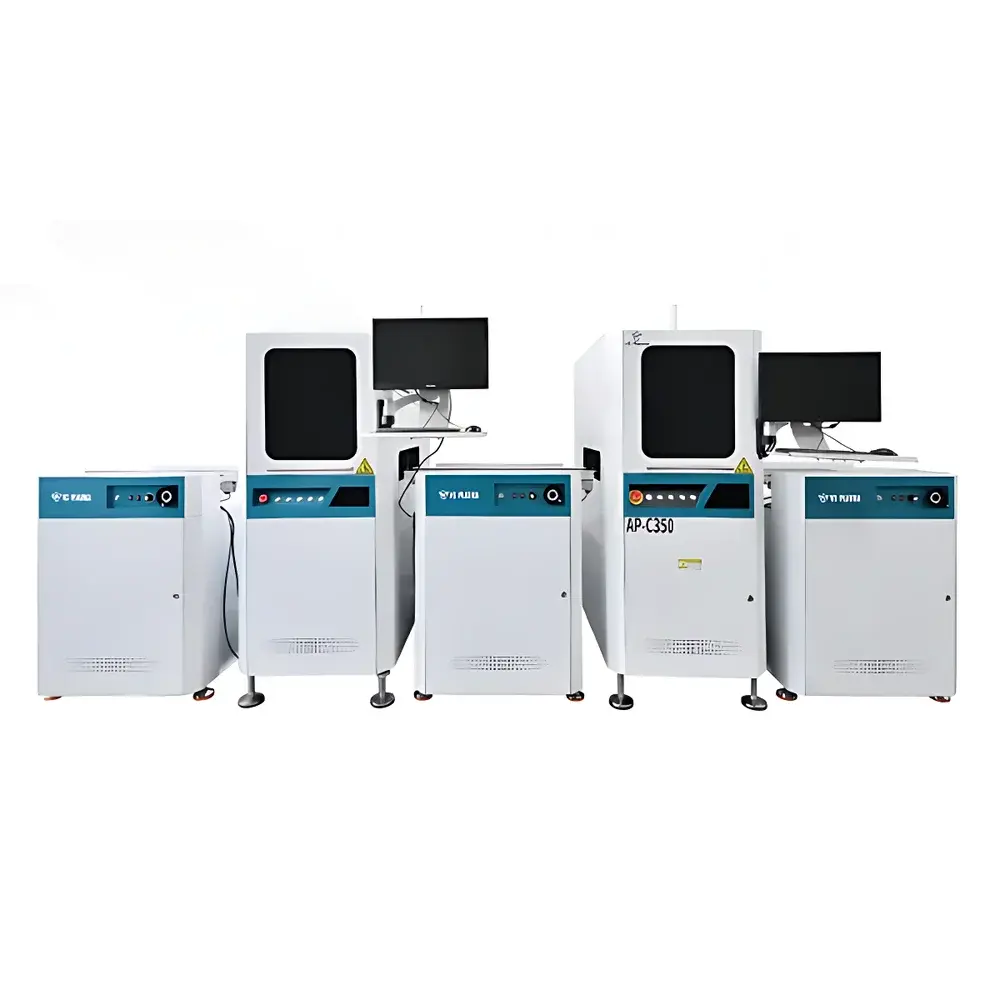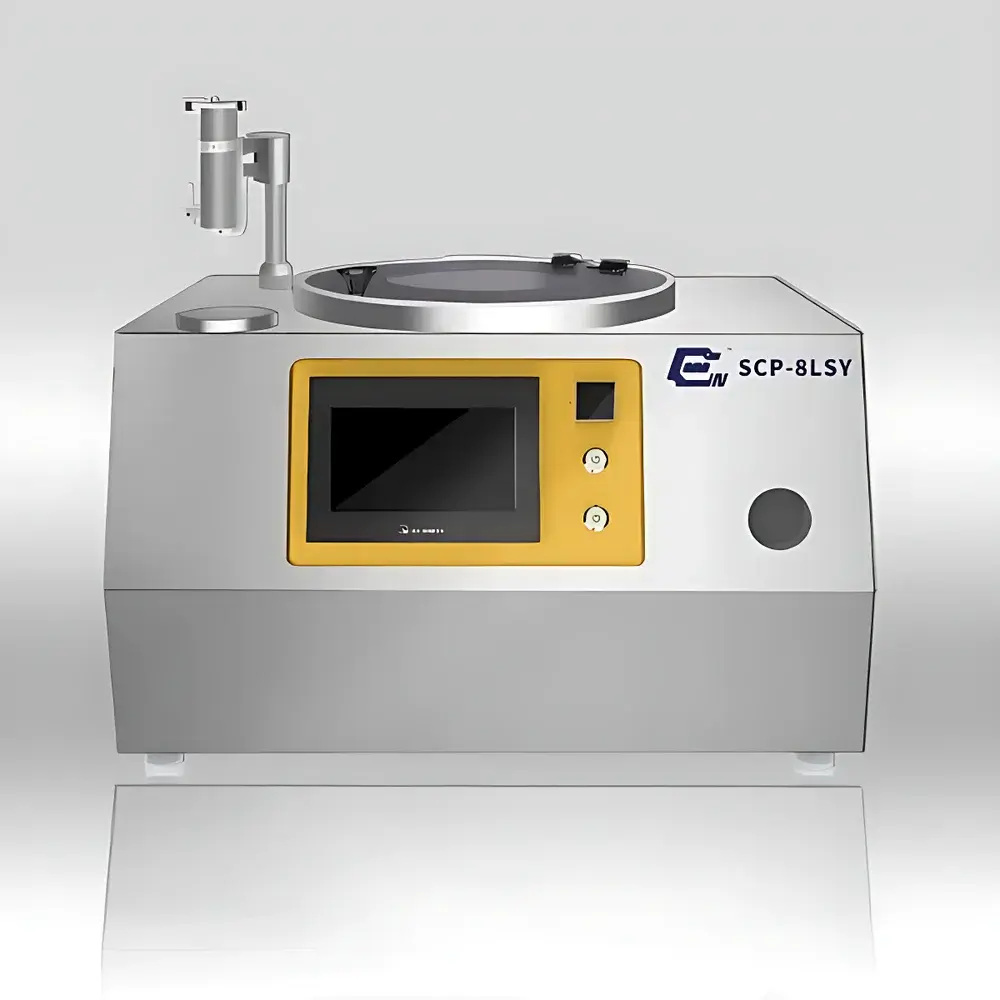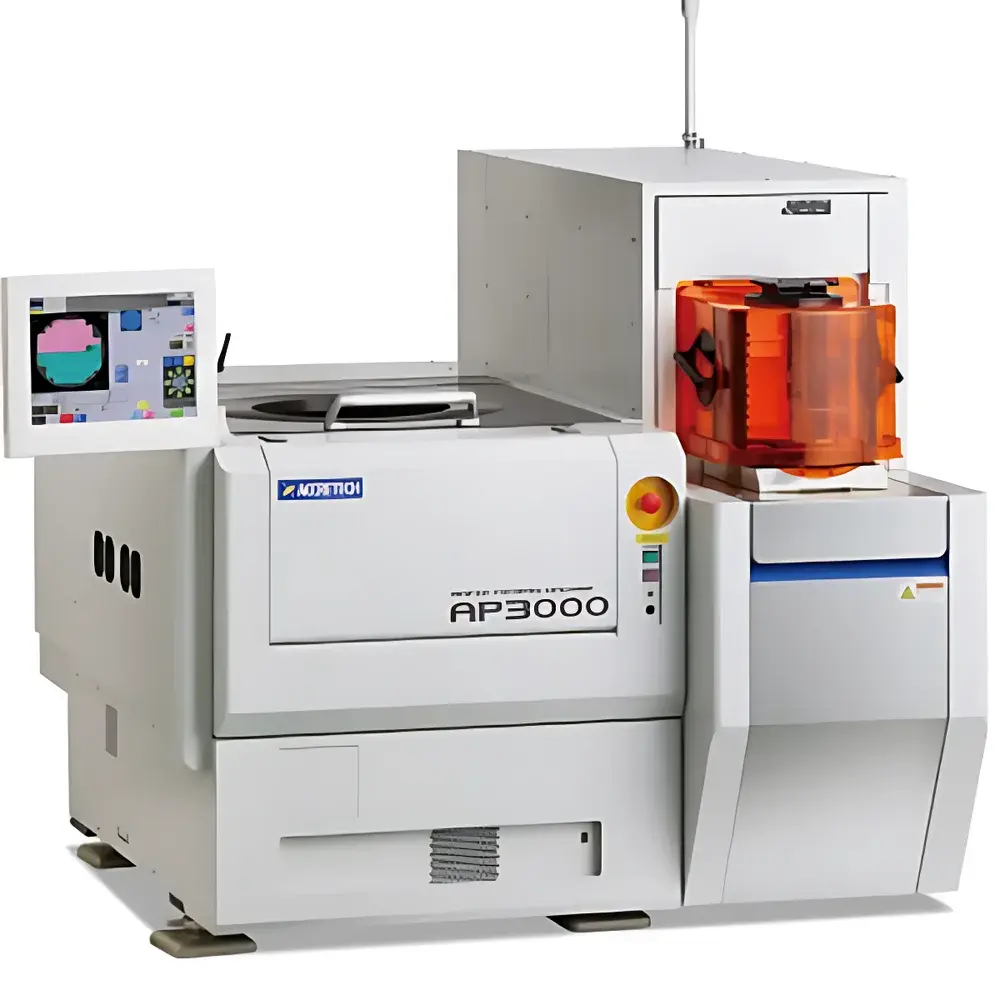
Accretech AP3000 / AP3000e Fully Automated Wafer Probe Station
| Brand | Accretech (Tokyo Seimitsu) |
|---|---|
| Origin | Japan |
| Model | AP3000 / AP3000e |
| Operation Type | Fully Automatic |
| Maximum Wafer Size | 300 mm (12-inch) |
| Compliance | ISO Class 4 Cleanroom-Compatible Design |
| Structural Rigidity | High-stiffness granite base with active/passive vibration isolation |
| Alignment System | Integrated ITV (Image Tile Vision) for sub-micron probe-to-pad registration |
| Probe Capacity | Multi-site parallel probing capability |
Overview
The Accretech AP3000 and AP3000e are high-precision, fully automated wafer probe stations engineered for front-end and back-end semiconductor process development, qualification, and high-volume production testing of 300 mm (12-inch) silicon wafers. Based on Tokyo Seimitsu’s decades-long leadership in precision metrology and probe station architecture, the AP3000 series employs a dual-stage motion control system—comprising a coarse XYZθ stage and a fine piezo-driven Z-stage—to achieve nanometer-level vertical resolution and sub-micrometer lateral repeatability. Its core measurement principle relies on stable, low-noise electrical contact formation between calibrated micro-probes and device test pads under controlled environmental conditions. The system is designed for integration into automated fab environments, supporting SECS/GEM communication protocols and compatible with industry-standard prober interfaces (e.g., MPI, Cascade Microtech, FormFactor). All mechanical and thermal subsystems—including the vacuum chuck, temperature-controlled stage (optional -40°C to +150°C), and ESD-safe enclosure—are optimized to minimize thermal drift, mechanical hysteresis, and electrostatic discharge risk during parametric and functional wafer-level testing.
Key Features
- Granite-based structural platform with integrated passive damping and optional active vibration cancellation—ensuring <±5 nm Z-axis stability over 60-minute dwell periods under typical cleanroom floor conditions.
- ITV (Image Tile Vision) alignment engine delivering real-time, multi-field-of-view stitching for automatic recognition and registration of probe tips relative to wafer alignment marks and die patterns—achieving ≤0.3 µm overlay accuracy across full 300 mm wafers.
- Modular probe card interface supporting both standard and custom carriers (e.g., RF, MEMS, high-current), with programmable force control (0.1–100 g per probe) and real-time contact resistance monitoring.
- Integrated environmental management: HEPA-filtered laminar airflow enclosure compliant with ISO Class 4 (Class 10) cleanroom specifications; optional nitrogen purge for moisture-sensitive processes.
- Full GEM/SECS-II and HSMS protocol support for seamless integration into 300 mm automated material handling systems (AMHS) and test data management platforms (e.g., Advantest T2000, Teradyne UltraFLEX).
- Redundant safety interlocks including door position sensing, vacuum loss detection, and emergency probe retraction—all certified to IEC 61000-6-2/6-4 and SEMI S2-0215 standards.
Sample Compatibility & Compliance
The AP3000/AP3000e accommodates standard 300 mm silicon wafers with thicknesses ranging from 525 µm to 775 µm, including thinned, bonded, and temporary-laminate substrates. It supports both front-side and back-side probing configurations via optional flip-chuck modules. The system complies with key international semiconductor manufacturing standards, including SEMI E10 (Specification for Definition and Measurement of Equipment Reliability and Maintainability), SEMI E19 (Data Collection Standards), and SEMI E87 (Cleanroom Safety Guidelines). For regulated environments, firmware revision 4.2+ enables audit-trail logging and user-access controls aligned with FDA 21 CFR Part 11 requirements when deployed with validated third-party data acquisition software.
Software & Data Management
Control is executed through Accretech’s proprietary ProStation™ software suite, which provides scriptable test sequencing (TCL/Python API), real-time probe diagnostics (contact force, resistance, bounce detection), and native export to STDF, CSV, and XML formats. The software includes built-in statistical process control (SPC) dashboards for probe wear trending, pad scratch analysis, and yield map generation. All configuration changes, operator actions, and error logs are time-stamped and stored with SHA-256 hashing for integrity verification—enabling traceability required under GLP and GMP audit frameworks. Remote diagnostics and firmware updates are supported via TLS 1.2-secured HTTPS connections.
Applications
- Parametric testing of advanced logic and memory devices (FinFET, GAA, HBM3, 3D NAND) at wafer sort.
- RF characterization (S-parameter extraction up to 110 GHz) using calibrated microwave probe cards.
- Reliability stress testing (HTOL, TDDB, EM) requiring long-duration, unattended probe contact stability.
- MEMS sensor calibration and closed-loop actuation validation under controlled thermal and vacuum conditions.
- Advanced packaging validation—including fan-out wafer-level packaging (FOWLP) and silicon interposer probing—where coplanarity and tip-to-pad alignment tolerance fall below 1 µm.
FAQ
What wafer sizes does the AP3000/AP3000e support?
The system is configured exclusively for 300 mm (12-inch) wafers, with mechanical and optical subsystems optimized for flatness, thermal expansion, and alignment mark detectability across this diameter.
Is thermal chucking capability available as an option?
Yes—both Peltier-based (-40°C to +150°C) and liquid-cooled (–65°C to +200°C) temperature-controlled chucks are available as factory-installed options, with NIST-traceable calibration certificates.
Can the AP3000e integrate with existing ATE platforms?
Absolutely—the AP3000e features native GEM/SECS-II and PI-3000 protocol stacks, enabling bidirectional handshake, recipe synchronization, and bin-map exchange with major ATE vendors including Advantest, Teradyne, and Keysight.
Does the system meet ISO 14644-1 Class 4 requirements?
Yes—the enclosed ITV chamber and laminar flow module are certified to maintain ≤352 particles/m³ ≥0.1 µm under continuous operation, meeting ISO 14644-1:2015 Class 4 specifications.
What level of maintenance documentation is provided?
Accretech supplies comprehensive technical manuals—including mechanical assembly drawings, pneumatic schematics, firmware revision history, and preventive maintenance checklists—all accessible via the customer portal with role-based permissions.