
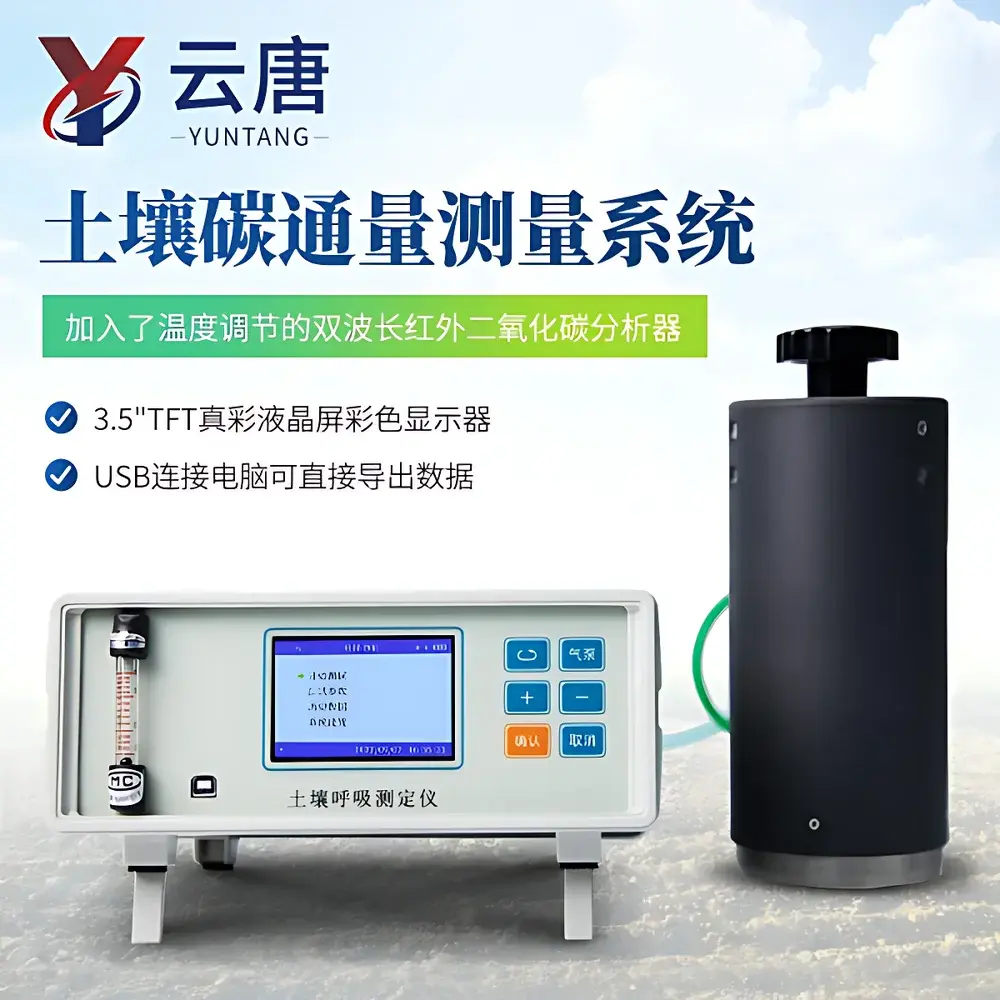
Soil Respiration Measurement System YT-THm by Yuntang
| Brand | Yuntang |
|---|---|
| Origin | Shandong, China |
| Manufacturer Type | Direct Manufacturer |
| Country of Origin | China |
| Model | YT-THm |
| CO₂ Range | 0–5000 ppm |
| CO₂ Resolution | 0.1 ppm |
| CO₂ Accuracy | ±3 ppm |
| Temperature Range | −20 to 80 °C |
| Temperature Accuracy | ±0.2 °C |
| Relative Humidity Range | 0–85 %RH |
| RH Accuracy | ≤±1 %RH |
| PAR Range | 0–3000 µmol·m⁻²·s⁻¹ |
| PAR Accuracy | <±1 µmol·m⁻²·s⁻¹ |
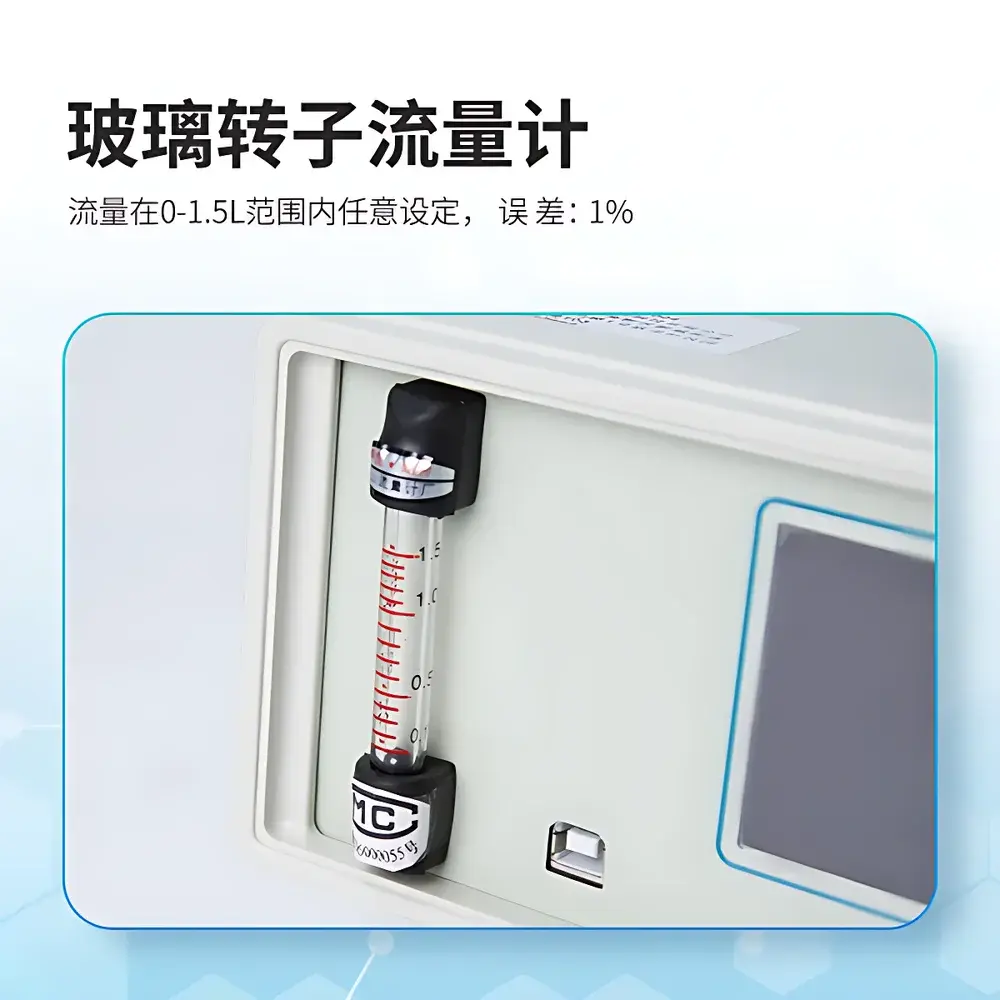
| Flow Rate (Mechanical) | 0–1.5 L/min (±1% full scale |
| Flow Rate (Optional Electronic) | 0–1 L/min, Resolution: 0.0001 L/min |
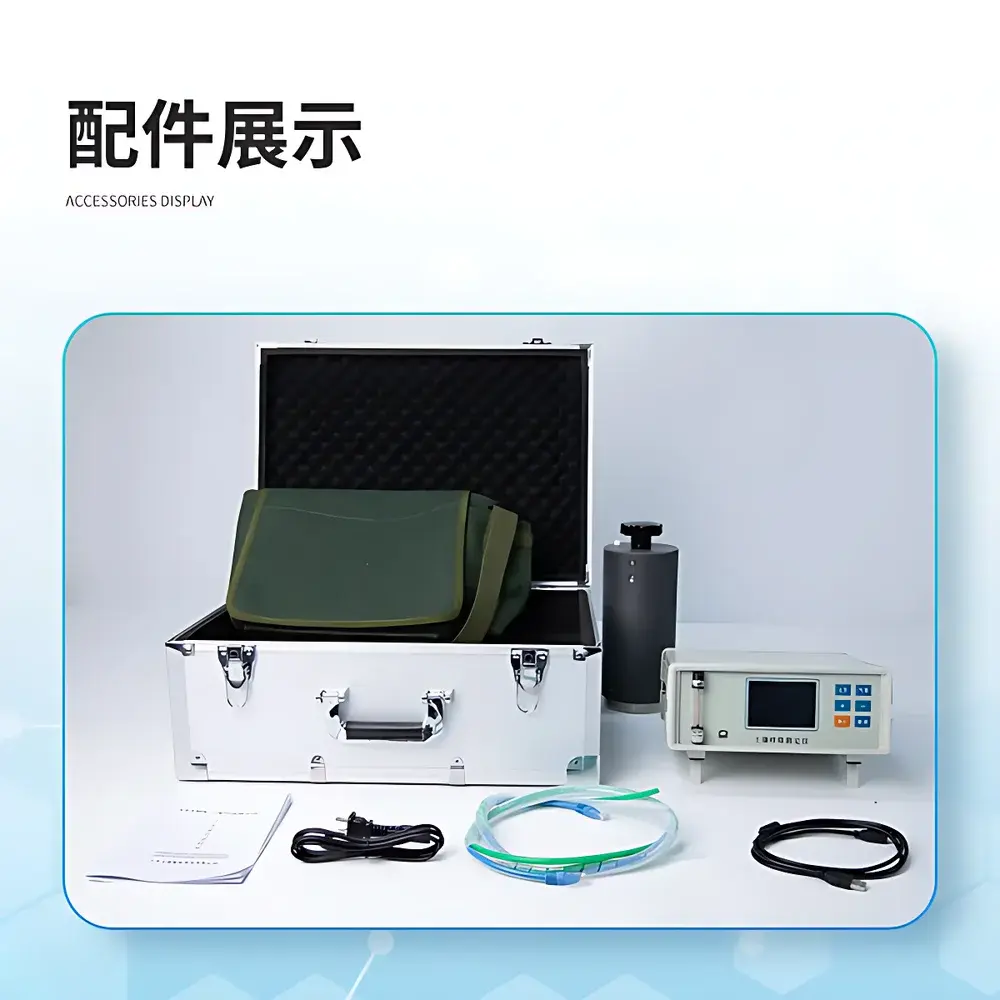
| Chamber Dimensions | Ø110 mm × 200 mm (customizable) |
| Operating Environment | −20 to 60 °C, 0–85 %RH (non-condensing) |
| Battery | 8.4 V DC Li-ion, 10 h continuous operation |
| Data Storage | 16 GB internal (expandable to 32 GB) |
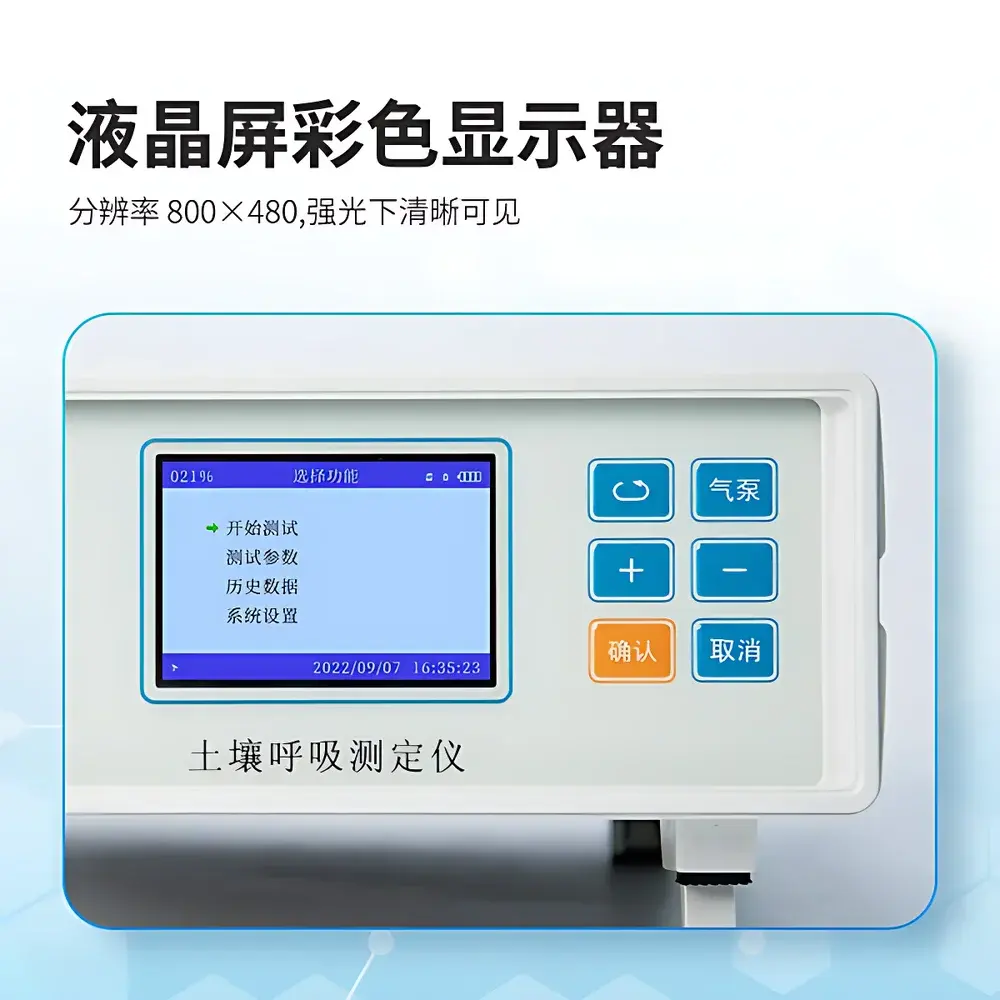
| Display | 3.5″ TFT color LCD, 800×480 px |
| Interface | USB for direct data export |
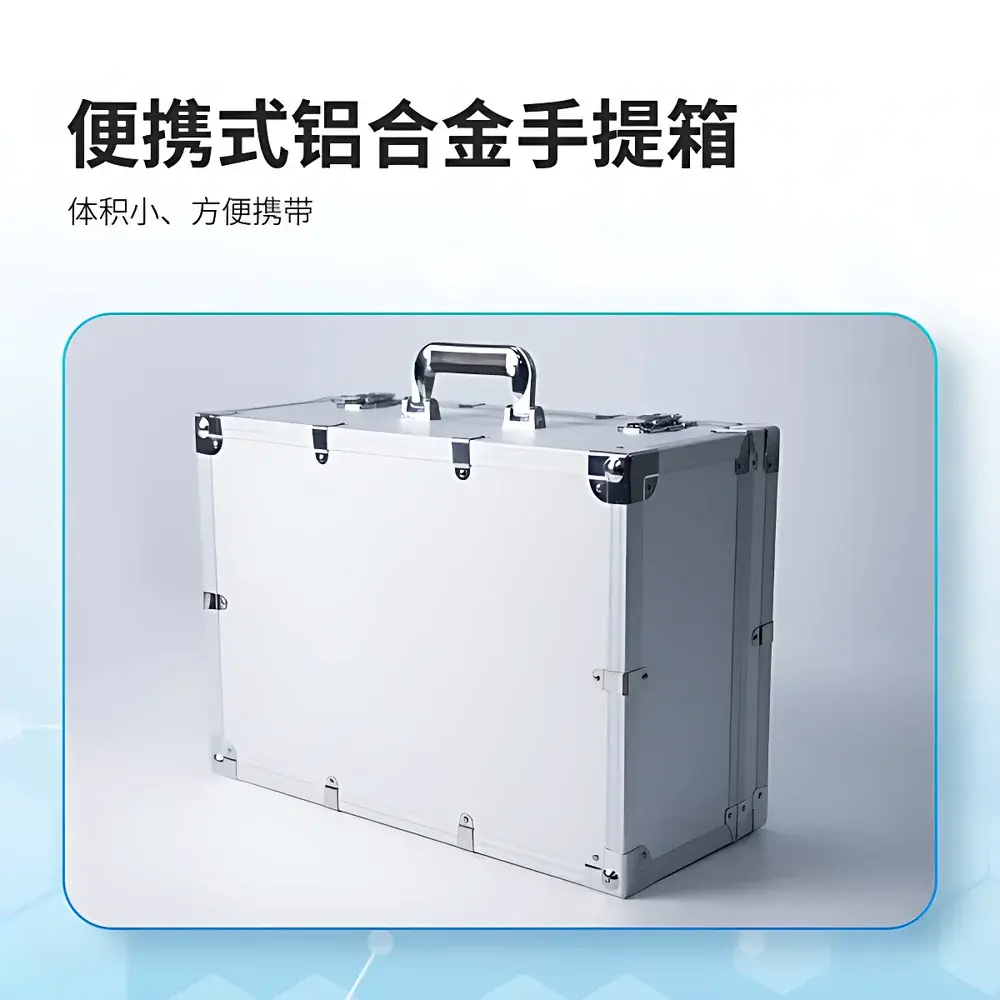
| Weight | 3.25 kg (main unit) |
| Optional | Soil moisture & temperature probe |
Overview
The Yuntang YT-THm Soil Respiration Measurement System is a field-deployable, closed-chamber infrared gas analyzer designed for high-temporal-resolution quantification of soil CO₂ efflux—the primary pathway for carbon return from terrestrial ecosystems to the atmosphere. It operates on the principle of non-dispersive infrared (NDIR) spectroscopy with dual-wavelength temperature-compensated detection, enabling stable, drift-free CO₂ concentration measurement under variable ambient conditions. The system integrates real-time monitoring of chamber-internal CO₂ concentration, air temperature, relative humidity, and external photosynthetically active radiation (PAR), while precisely controlling and recording sample airflow via calibrated mechanical or optional electronic mass flow regulation. Its engineering emphasizes robustness for repeated field deployment across diverse edaphic and climatic settings—from agricultural plots and restored grasslands to forest understories and permafrost-affected tundra margins—without requiring external power infrastructure or laboratory-grade environmental stabilization.
Key Features
- Temperature-stabilized dual-wavelength NDIR CO₂ sensor with 0–5000 ppm range, 0.1 ppm resolution, and ±3 ppm absolute accuracy—immune to thermal drift across −20 to 60 °C ambient operation.
- High-fidelity environmental sensing suite: German-made Heraeus digital temperature sensor (−20 to 80 °C, ±0.2 °C), Swiss-origin capacitive humidity sensor (0–85 %RH, ≤±1 %RH), and PAR sensor with quartz-filtered silicon photodiode (400–700 nm, <±1 µmol·m⁻²·s⁻¹).
- Flexible flow control architecture: factory-calibrated glass rotameter (0–1.5 L/min) or optional microelectronic mass flow controller (0–1 L/min, 0.0001 L/min resolution) supporting standardized flux calculation protocols (e.g., linear/nonlinear regression of [CO₂] vs. time).
- Dedicated soil respiration chamber (Ø110 mm × 200 mm) constructed from inert, low-outgassing polymer; custom chamber geometries available for specialized applications including root-zone partitioning and litter-layer isolation.
- Onboard 16 GB flash memory (expandable to 32 GB), USB 2.0 interface for direct data extraction, and sunlight-readable 3.5″ TFT display (800×480 px) with intuitive six-button navigation—optimized for glove-compatible operation in outdoor conditions.
- Integrated rechargeable 8.4 V Li-ion battery providing ≥10 hours of continuous measurement cycles (including chamber sealing, equilibration, and data logging), meeting ISO 14064-2 and IPCC Tier 2 field protocol requirements for portable carbon flux instrumentation.
Sample Compatibility & Compliance
The YT-THm is compatible with mineral and organic soils across texture classes (sand to clay loam), including saturated, frozen, and highly saline substrates when used with appropriate chamber sealing techniques. It supports both short-term pulse measurements (1–5 min) and extended time-series deployments (up to 72 h with external power). All sensors comply with IEC 61326-1 (EMC for laboratory and field equipment) and meet traceability requirements for environmental monitoring under ISO/IEC 17025-accredited laboratories. While not FDA 21 CFR Part 11-certified (as it does not perform regulated clinical or pharmaceutical testing), its data audit trail—including timestamped raw sensor outputs, calculated flux values, and operator-defined metadata—is structured to support GLP-compliant reporting frameworks used in ecological carbon accounting and climate modeling studies.
Software & Data Management
Data are stored in standardized CSV format with header metadata (UTC timestamp, chamber ID, sensor serial numbers, calibration dates, operator ID). No proprietary software is required: exported files are directly importable into R, Python (pandas), MATLAB, or commercial statistical platforms (e.g., JMP, SAS). Timestamps are synchronized to internal RTC with ±2 s/month drift. Optional firmware upgrades enable batch export of differential CO₂ concentration curves (d[CO₂]/dt) and automated fitting of exponential or linear regression models per measurement cycle—facilitating rapid QA/QC against established soil respiration models (e.g., Lloyd & Taylor, Arrhenius-based Q₁₀ estimation). All firmware revisions undergo version-controlled validation per ISO 9001:2015 Clause 7.5.2.
Applications
- Quantifying soil carbon efflux responses to land-use change (e.g., afforestation, tillage reduction, urban expansion) in alignment with IPCC Good Practice Guidance.
- Partitioning autotrophic (root-derived) and heterotrophic (microbial) respiration components using trenching or root-exclusion methodologies.
- Validating ecosystem process models (e.g., DAYCENT, CENTURY) through multi-season, multi-site field calibration campaigns.
- Assessing microbial metabolic activity under controlled drought, warming, or nutrient addition experiments (e.g., Free-Air CO₂ Enrichment—FACE sites).
- Monitoring post-remediation soil recovery in contaminated sites (e.g., hydrocarbon spill zones, mine tailings) where respiration rate serves as a functional biomarker.
- Supporting FAO Global Soil Partnership indicators related to soil organic carbon stock change and biological health assessment.
FAQ
What is the recommended chamber closure time for accurate CO₂ flux calculation?
For most mineral soils under temperate conditions, 60–120 seconds is optimal; longer durations (>180 s) may induce pressure artifacts or O₂ depletion effects—especially in waterlogged or compacted profiles.
Can the YT-THm be used for root excision or rhizosphere-specific measurements?
Yes—when paired with root-isolation chambers or segmented collars, and combined with parallel measurements of root biomass and exudation rates, it supports spatially resolved carbon allocation studies.
Is calibration traceable to international standards?
CO₂ sensor calibration is performed against NIST-traceable certified gas standards (0, 1000, and 3000 ppm CO₂ in synthetic air); temperature and humidity sensors are factory-calibrated per ISO/IEC 17025 procedures.
Does the system support automated diurnal or seasonal unattended operation?
While the base unit requires manual chamber placement, it can be integrated with third-party programmable controllers and solar-charged power systems for semi-automated long-term deployments—subject to local regulatory approval for remote site access.
How is PAR data utilized in respiration analysis?
PAR serves as a proxy for photosynthetic activity in adjacent vegetation; co-located PAR and CO₂ flux data allow correction of diel patterns and identification of light-inhibited or light-enhanced respiration phenomena in surface layers.







