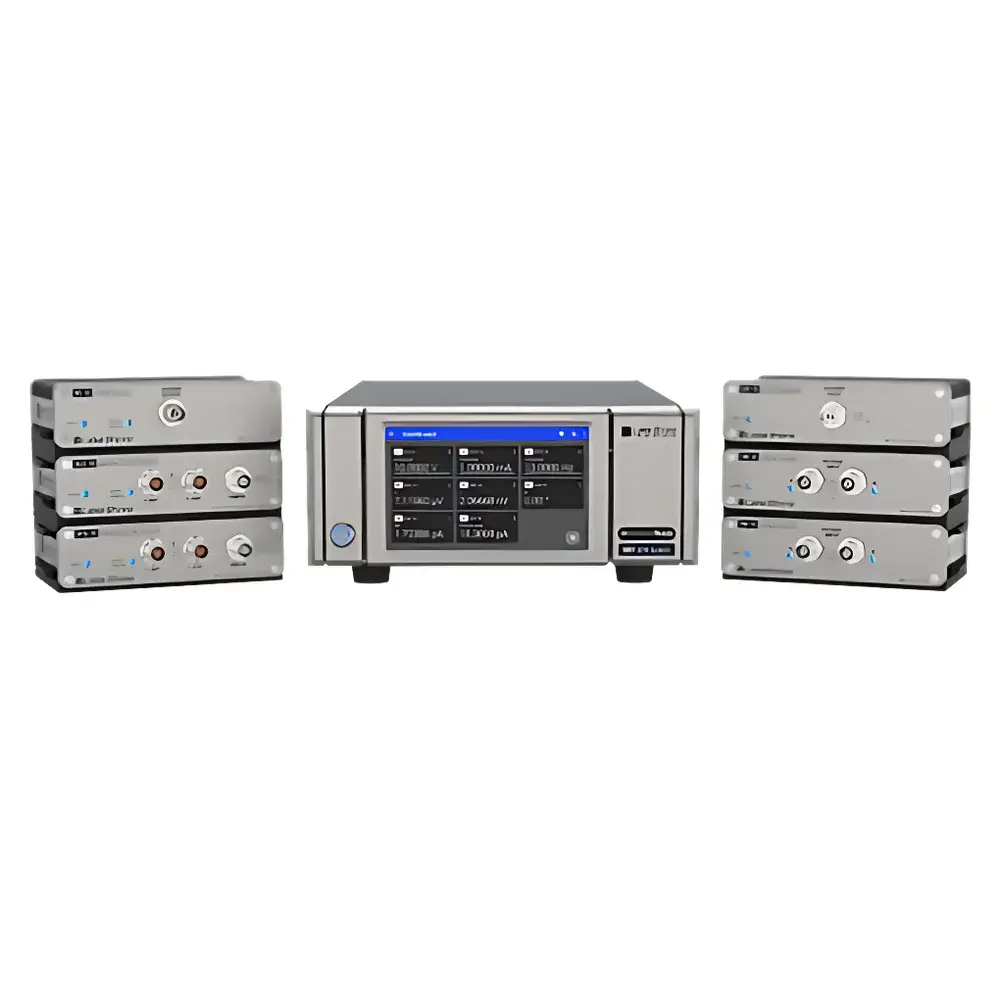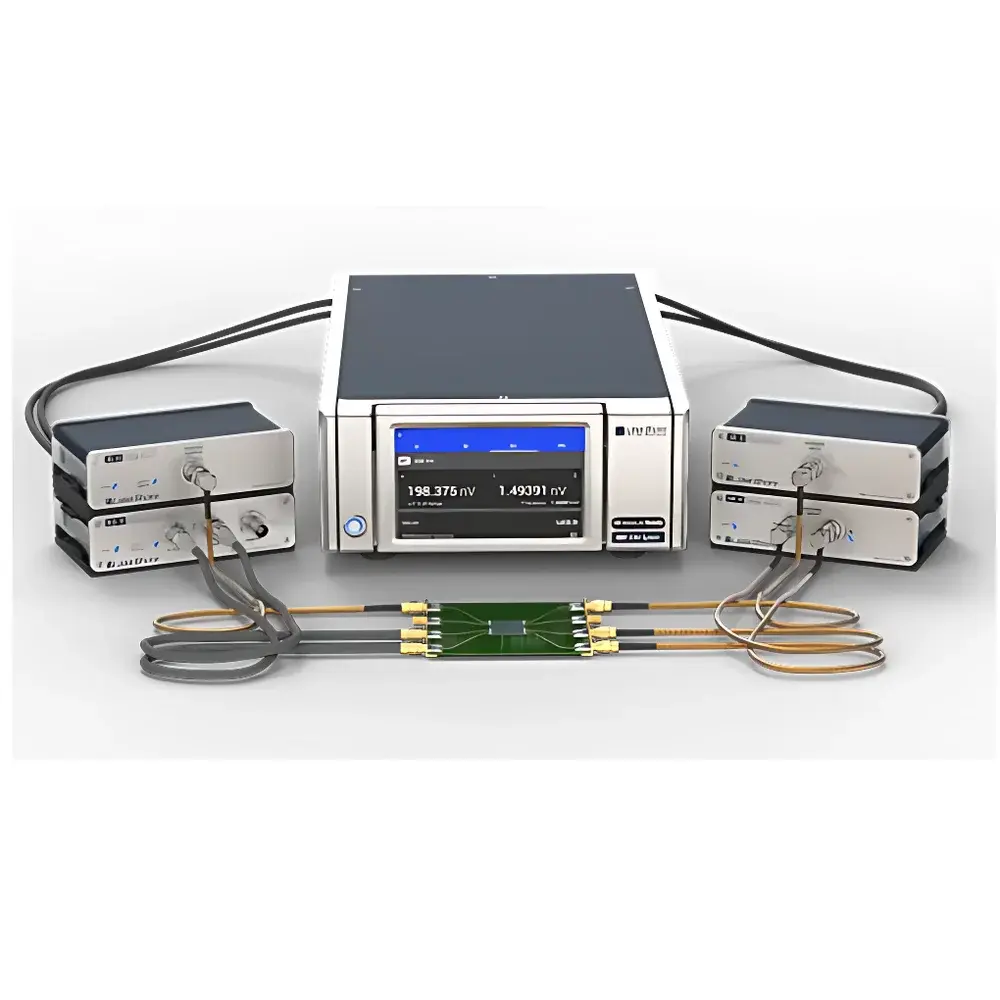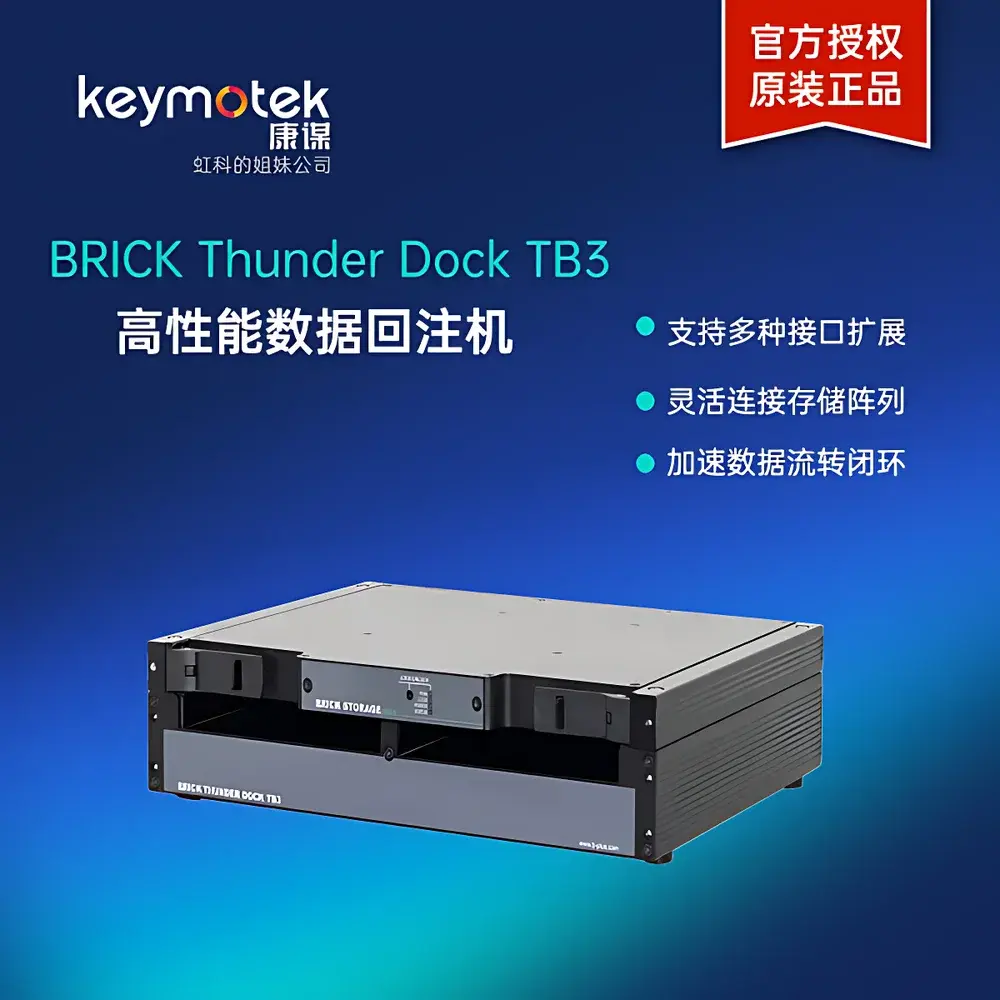
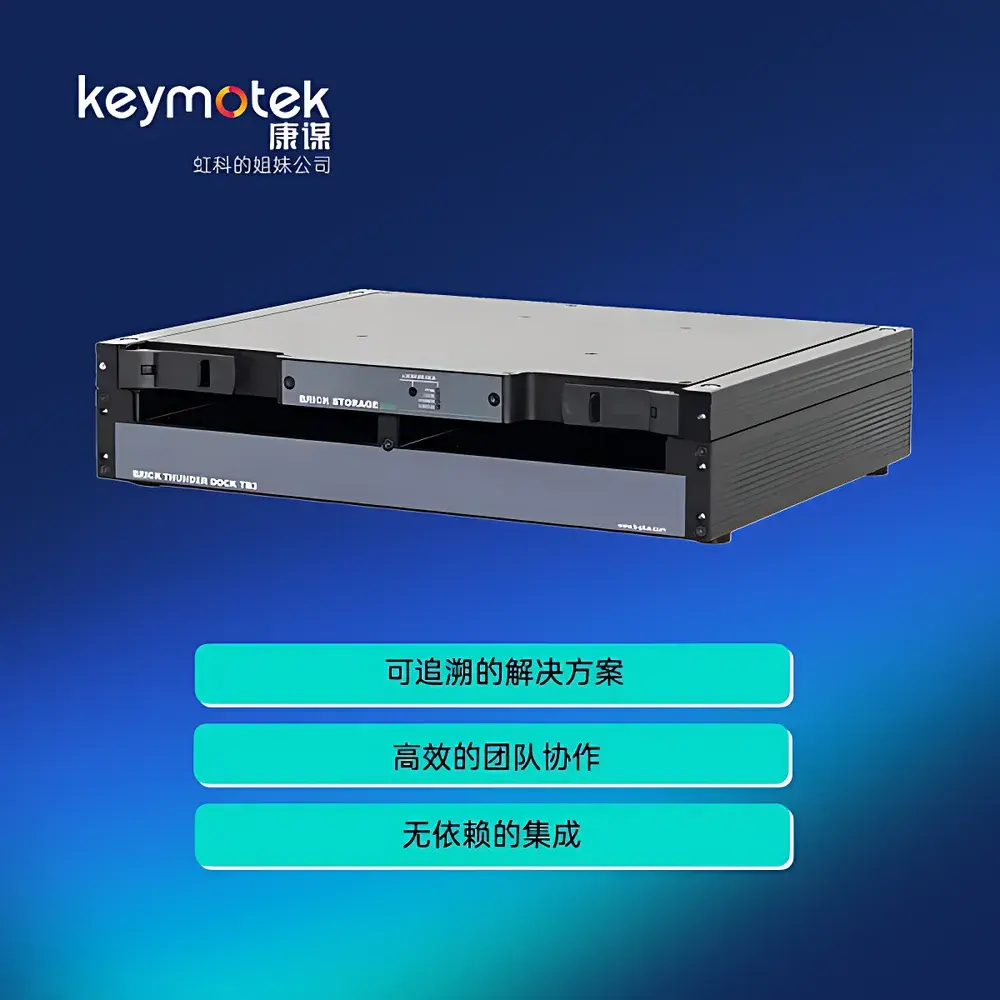
Kangmou BRICK Thunder Dock TB3 High-Performance Data Injection System
| Brand | B-plus |
|---|---|
| Origin | Germany |
| Manufacturer Type | Authorized Distributor |
| Origin Category | Imported |
| Model | KM-B17575-BTD-004-0TB3 |
| Price Range | USD 1,400 – 28,000 |
Overview
The Kangmou BRICK Thunder Dock TB3 is a high-fidelity, PCIe Gen3 x4-based data injection system engineered for deterministic, low-latency replay and real-time stimulus generation in autonomous driving validation environments. Built upon the Thunderbolt 3 (TB3) interface architecture with native PCIe tunneling, it enables bidirectional, time-synchronized data injection into ADAS/AD electronic control units (ECUs), sensor fusion platforms, and domain controllers. Unlike generic signal generators or USB-based log replay tools, the BRICK Thunder Dock TB3 implements hardware-accelerated timestamp alignment, sub-millisecond jitter control (< 50 µs RMS), and deterministic memory-mapped I/O access—critical for closed-loop HIL (Hardware-in-the-Loop) and SIL (Software-in-the-Loop) testing where timing fidelity directly impacts functional safety verification outcomes per ISO 26262 ASIL-B/C requirements.
Key Features
- Thunderbolt 3 host interface with PCIe Gen3 x4 tunneling (up to 32 Gbps aggregate bandwidth)
- Dual-port CAN FD, LIN, and Ethernet (100BASE-T1 & 1000BASE-T1) interfaces with hardware timestamping accuracy ±25 ns
- Onboard FPGA (Xilinx Zynq-7000) for real-time protocol translation, message filtering, and conditional trigger injection
- Support for ASAM MCD-2 MC (ODX) and ASAM STIM (STIMML) standard stimulus definitions
- Integrated 16 GB DDR3L SDRAM buffer with circular buffer mode and ring-buffer DMA for sustained 1.2 Gbps packet injection
- Compliant with IEEE 1588-2008 Precision Time Protocol (PTP) for cross-device synchronization in multi-DUT test benches
Sample Compatibility & Compliance
The BRICK Thunder Dock TB3 supports industry-standard automotive data formats including AUTOSAR-compliant ARXML, Vector ASC and BLF log files, and ROS 2 bag files (with custom bridge support). It operates under ISO 11898-1/-2 (CAN), ISO 17987-2 (LIN), and IEEE 802.3bw/bz (Automotive Ethernet) physical layer specifications. All firmware and driver stacks are developed in accordance with ISO/IEC 17025 calibration traceability guidelines and include full audit logs for GLP/GMP-aligned validation workflows. The device meets EMC immunity per ISO 11452-2 (BCI) and emissions compliance per CISPR 25 Class 5, ensuring robust operation in vehicle ECU bench environments.
Software & Data Management
The system ships with Kangmou’s BRICK Studio v4.2—a Windows/Linux-compatible configuration and orchestration suite supporting scriptable test sequencing via Python API (PyBRICK SDK). All injected stimulus sessions are automatically tagged with NTP-synchronized timestamps, hardware-generated sequence IDs, and SHA-256 checksums for data integrity verification. The software enforces role-based access control (RBAC), session-level encryption (AES-256), and full 21 CFR Part 11–compliant electronic signatures and audit trails—including user login/logout events, parameter changes, and injection start/stop commands. Exported reports comply with ASAM ATX format for seamless integration into test management systems such as Vector CANoe Test Automation or dSPACE SystemDesk.
Applications
- Replay of recorded sensor data (camera, radar, LiDAR) into perception stacks for edge-case scenario validation
- Stimulus injection for functional safety analysis of ISO 26262 ASIL-D fault injection campaigns
- Time-triggered communication testing across AUTOSAR Classic and Adaptive platforms
- Validation of OTA update rollback mechanisms using deterministic binary payload injection
- Interoperability testing between OEM-specific middleware (e.g., ROS 2 Foxy/Humble, Apex.OS) and third-party ECU implementations
FAQ
Does the BRICK Thunder Dock TB3 support real-time modification of injected messages during playback?
Yes—via the PyBRICK SDK, users can register dynamic callback functions that modify payload content, timing offsets, or arbitration IDs on-the-fly with guaranteed sub-100 µs latency from trigger event to physical layer output.
Is the device certified for use in ISO 26262-compliant development processes?
While the hardware itself is not “certified,” its design documentation, traceability matrices, and verification reports (including DO-254-derived FPGA validation artifacts) are provided to support customer-led tool qualification per ISO 26262-8 Annex D.
Can it interface with non-Thunderbolt 3 host systems?
No—native Thunderbolt 3 connectivity is mandatory; PCIe expansion via USB4 or ExpressCard adapters is not supported due to timing and protocol stack constraints.
What is the maximum sustained injection rate for Ethernet frames?
At line rate for 1000BASE-T1 (up to 1,000 frames/sec at 1500-byte MTU), or up to 12,500 frames/sec for 100BASE-T1 with optimized small-packet burst profiles.
Are firmware updates delivered through a secure channel?
Yes—all firmware packages are cryptographically signed using Kangmou’s offline root key infrastructure and verified at boot via UEFI Secure Boot and ARM TrustZone-assisted image authentication.
Related Products