
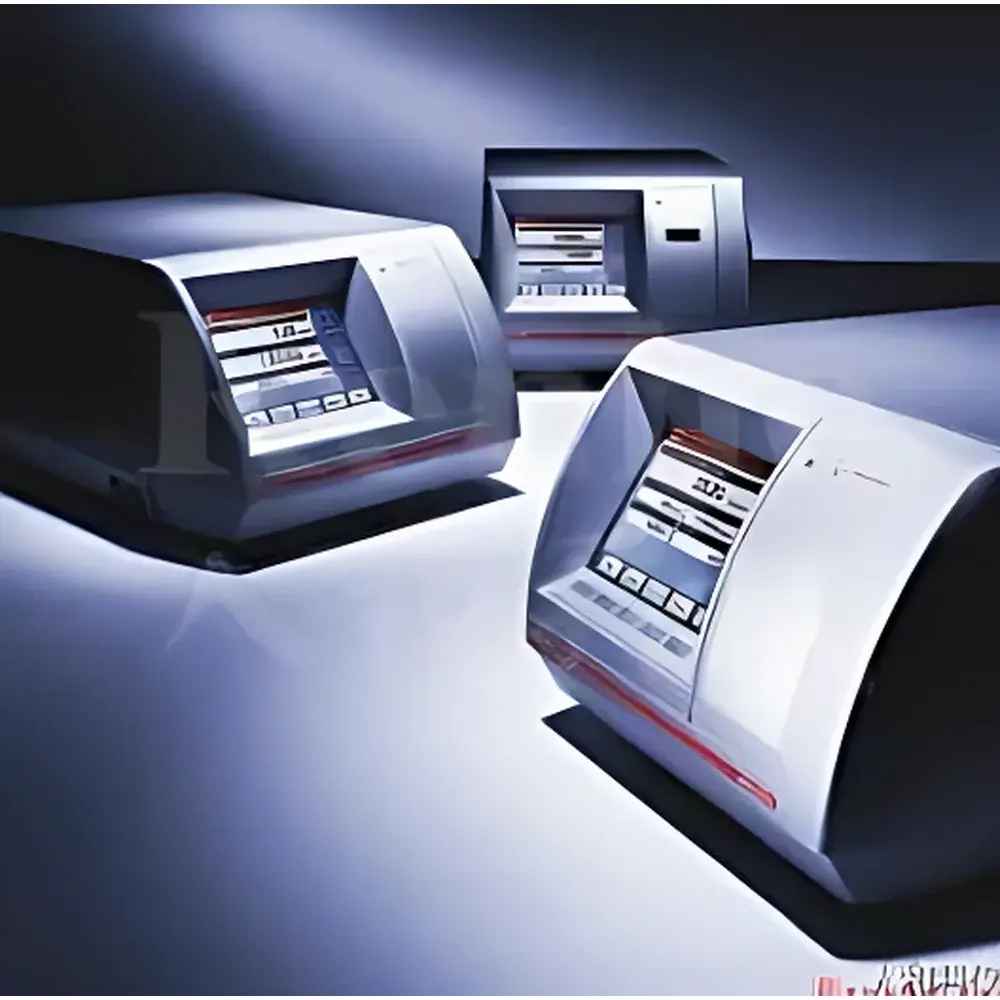
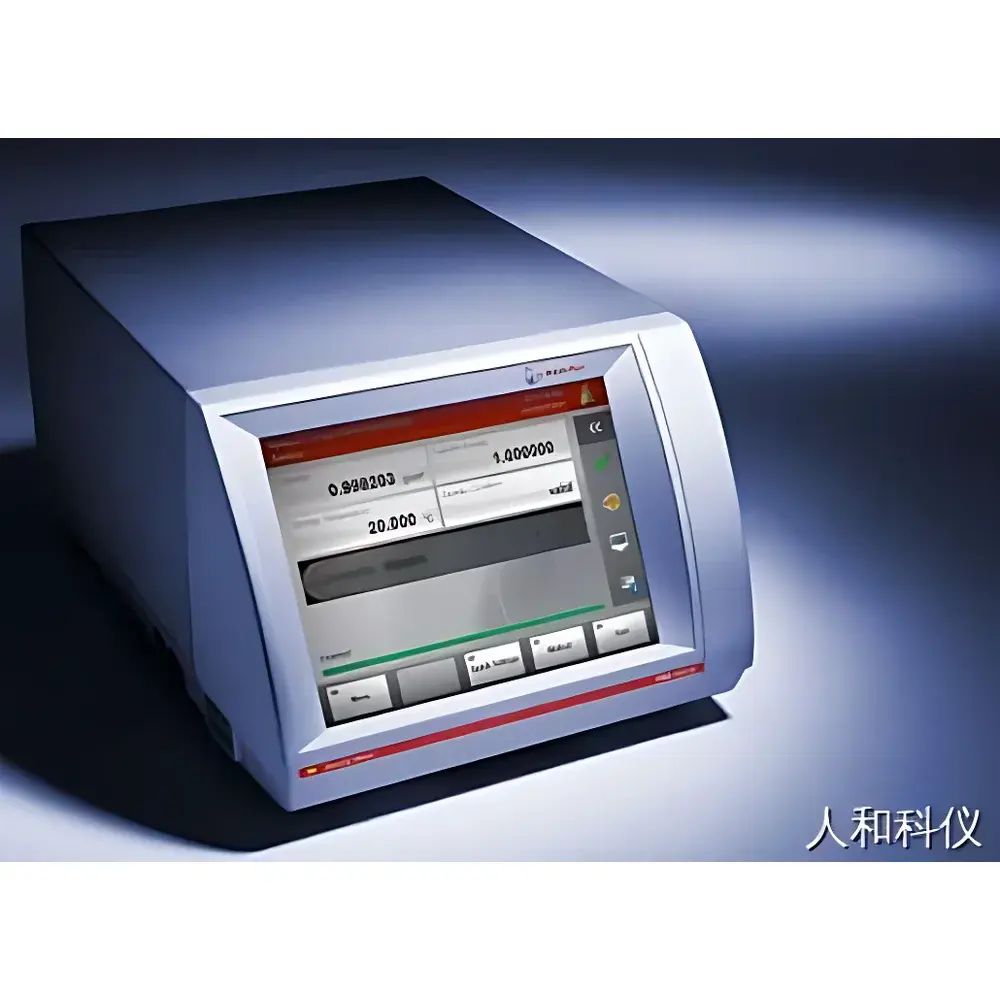
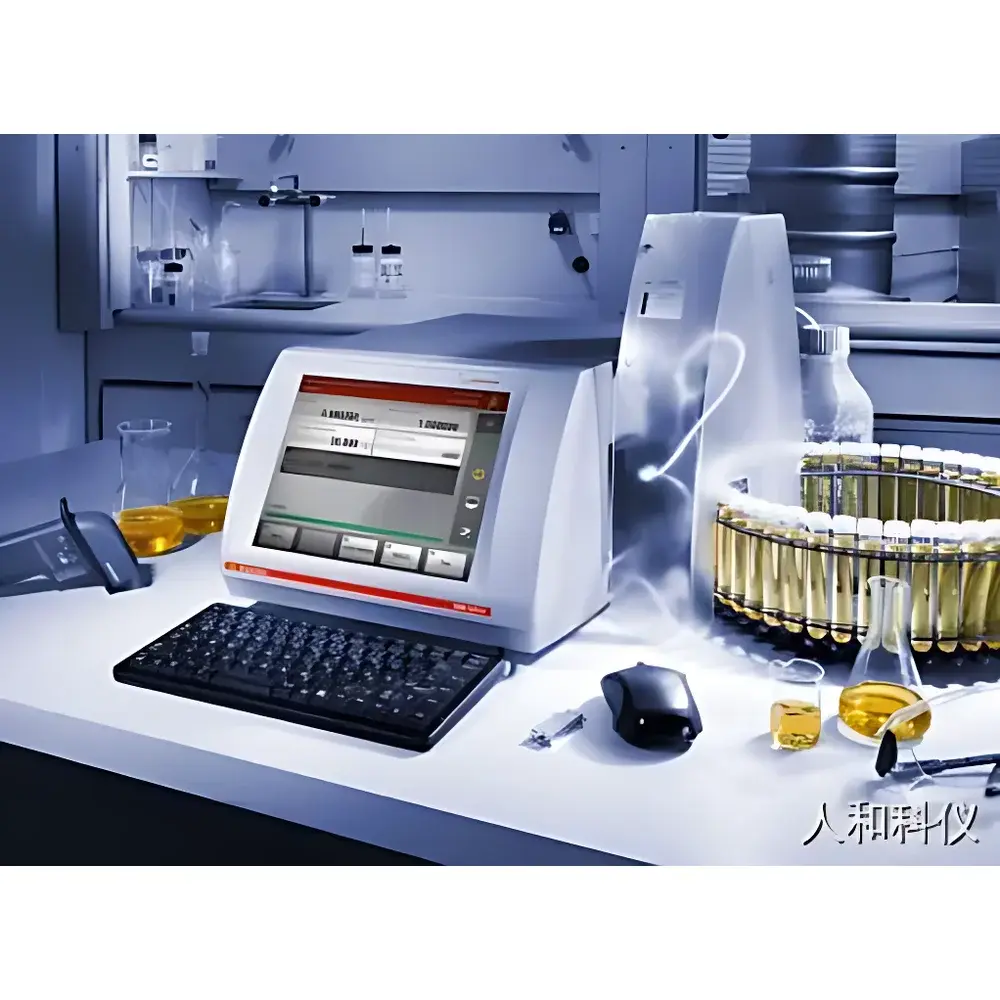
Anton Paar DMA 4100M / 4500M / 5000M Oscillating U-Tube Digital Density Meter
| Brand | Anton Paar |
|---|---|
| Origin | Austria |
| Instrument Type | Laboratory Benchtop Oscillating Tube Densimeter |
| Sample Type | Liquid |
| Density Range | 0 to 3 g/cm³ |
| Density Accuracy | 0.0001 g/cm³ (DMA 4100M) / 0.00005 g/cm³ (DMA 4500M) / 0.000005 g/cm³ (DMA 5000M) |
| Temperature Range | 0 °C to 95 °C |
| Temperature Accuracy | ±0.05 °C (4100M) / ±0.03 °C (4500M) / ±0.01 °C (5000M) |
| Minimum Sample Volume | 1 mL |
| Repeatability (Std. Dev.) | 0.00005 g/cm³ (4100M) / 0.00001 g/cm³ (4500M) / 0.000001 g/cm³ (5000M) |
| Display | 10.4" PCAP TFT Touchscreen (640 × 480 px) |
| Compliance | FDA 21 CFR Part 11, GLP/GMP, ISO 12084, ASTM D4052, USP <841> |
Overview
The Anton Paar DMA 4100M, DMA 4500M, and DMA 5000M series represent the industry benchmark in high-precision digital density measurement based on oscillating U-tube principle. These laboratory benchtop densimeters determine liquid density by measuring the resonant frequency of a precisely machined borosilicate glass U-tube filled with sample—where density is inversely proportional to the square of the oscillation period. Engineered for metrological rigor, each model delivers traceable, temperature-stabilized measurements across a broad operational range (0–95 °C), with accuracy levels certified to international standards including ASTM D4052 (Standard Test Method for Density of Petroleum and Petroleum Products) and ISO 12084 (Laboratory glassware — Density meters). The DMA 5000M achieves a certified density accuracy of ±0.000005 g/cm³—the highest available in commercial oscillating-tube instrumentation—making it suitable for primary standard laboratories, reference material certification, and regulatory-compliant method validation.
Key Features
- FillingCheck™ technology: Real-time optical detection of air bubbles, incomplete filling, or particulate contamination during sample introduction; automatically logs warnings with timestamped metadata.
- U-View™ live imaging: Integrated camera system captures and stores full-field images of the oscillating U-tube and sample column during every measurement; enables retrospective verification of fill integrity and phase homogeneity.
- ThermoBalance™ active thermal compensation: Eliminates density drift caused by thermal expansion/contraction of the measuring cell via dual-sensor real-time correction; eliminates need for multi-point temperature calibration across the operating range.
- Automatic viscosity correction: Applies dynamic correction algorithms across the full viscosity spectrum (0.2–500 mPa·s) without requiring viscosity standards or user input—critical for accurate density determination of viscous solvents, syrups, or polymer solutions.
- Three-tier user access control: Password-protected administrator, operator, and guest accounts with role-based permissions; supports electronic signatures and full audit trail per FDA 21 CFR Part 11 requirements.
- Modular software architecture: Includes pre-validated methods for alcoholometry, saccharimetry (°Brix, Plato), API gravity, acid/base titration equivalents, and custom polynomial conversions—all stored with version-controlled parameters and metadata.
Sample Compatibility & Compliance
The DMA series accommodates aqueous, organic, corrosive, and volatile liquids—including ethanol/water mixtures, hydrocarbon fractions, pharmaceutical solvents, electrolyte solutions, and food-grade syrups—using wetted parts composed exclusively of PTFE-sealed borosilicate glass and chemically inert stainless steel. All models comply with ISO/IEC 17025:2017 for testing laboratories, support full GLP/GMP documentation workflows, and provide tamper-evident data storage with cryptographic hash verification. Each instrument ships with factory calibration certificates traceable to NIST and PTB standards, and includes built-in validation routines for daily performance verification (e.g., air/water density checks, temperature ramp stability tests).
Software & Data Management
Solely operated via the embedded 10.4″ PCAP touchscreen running Anton Paar’s proprietary mPDS (micro-Precision Data System) firmware, the DMA series offers zero-client deployment, eliminating external PC dependency. Measurement data—including raw oscillation periods, corrected density values, temperature profiles, viscosity-corrected outputs, U-View™ snapshots, and FillingCheck™ event logs—are stored in encrypted SQLite databases with immutable timestamps. Export options include CSV, PDF reports (with electronic signature fields), and direct integration into LIMS via Ethernet or RS-232. Optional software modules enable automated report generation compliant with ISO 17025 clause 7.8.2 and USP reporting requirements for density-based concentration assays.
Applications
These instruments serve as primary density references across regulated and research-intensive sectors: in pharmaceutical QC labs for excipient purity verification and solvent identity testing per USP monographs; in beverage R&D for real-time alcohol and sugar content monitoring in brewing and distillation; in petrochemical QA for API gravity and distillation cut verification per ASTM D1298; in electrochemistry for electrolyte density profiling in battery manufacturing; and in environmental testing for heavy metal solution standardization. Their sub-microgram repeatability also supports metrology applications such as certified reference material (CRM) production and inter-laboratory comparison studies under CCQM frameworks.
FAQ
What is the difference between DMA 4100M, 4500M, and 5000M?
The models differ primarily in certified accuracy, temperature stability, and advanced compliance features: DMA 4100M provides ±0.0001 g/cm³ accuracy for routine QC; DMA 4500M adds enhanced thermal management (±0.03 °C temp accuracy) and expanded method libraries; DMA 5000M delivers metrology-grade performance (±0.000005 g/cm³) with full 21 CFR Part 11 audit trail and hardware-enforced data immutability.
Can the instrument measure non-liquid samples?
No—these are dedicated liquid density meters based on oscillating U-tube physics; suspensions or slurries require centrifugation or filtration prior to analysis to avoid clogging or damping artifacts.
Is external temperature control required?
No—the integrated Peltier temperature control system maintains setpoint stability within ±0.01 °C (5000M) without external chillers or baths, though optional external circulation jackets are available for specialized thermal ramping protocols.
How is data integrity ensured during long-term operation?
All measurements are cryptographically signed at acquisition, stored in write-once-read-many (WORM)-emulated memory partitions, and generate SHA-256 checksums for every dataset—fully satisfying ALCOA+ principles (Attributable, Legible, Contemporaneous, Original, Accurate, Complete, Consistent, Enduring, Available).
Related Products



