
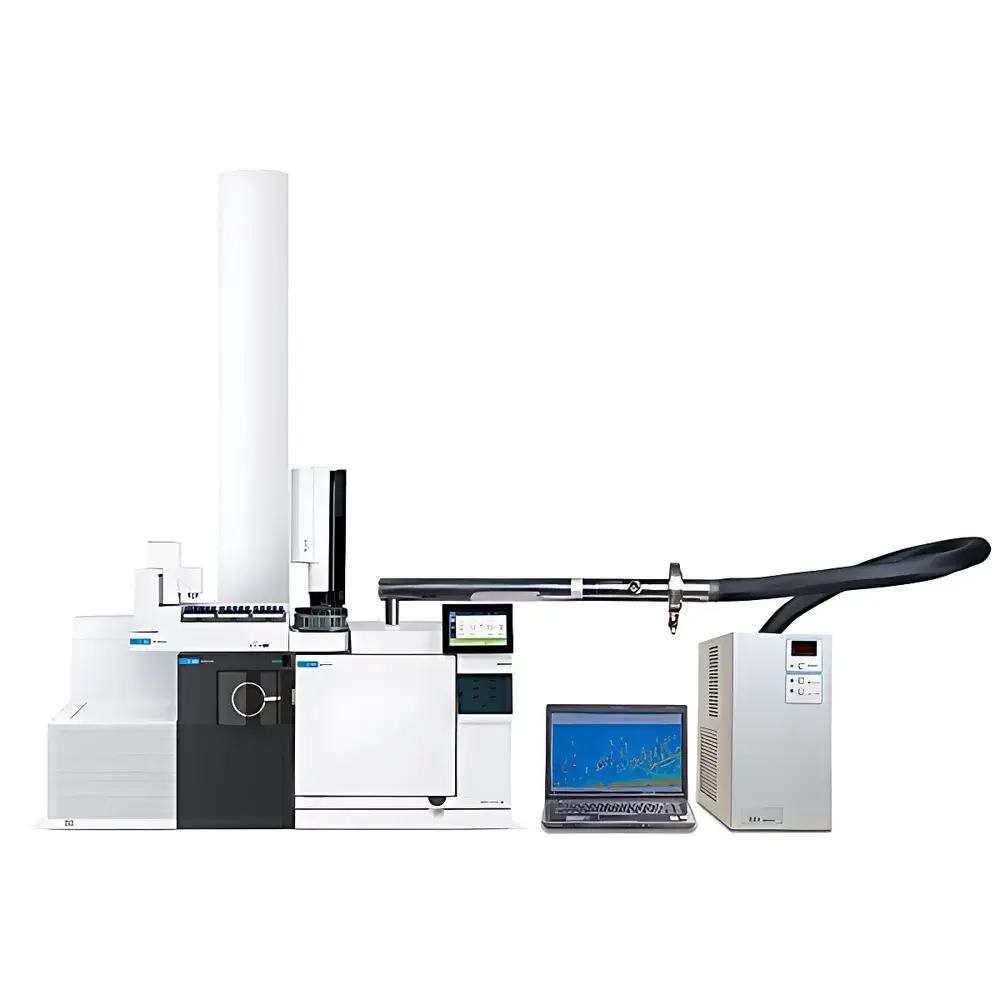
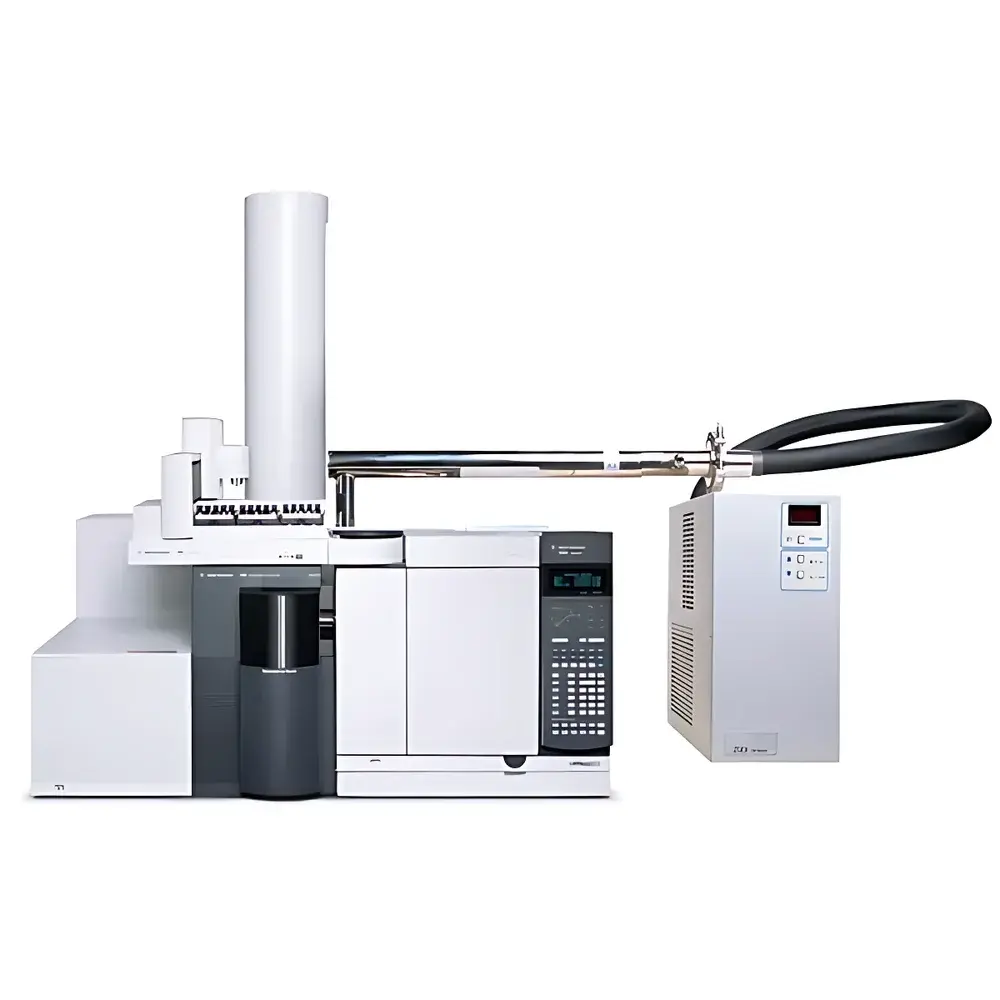
ZOEX GC×GC×HiResTOFMS High-Resolution Time-of-Flight Mass Spectrometer with Comprehensive Two-Dimensional Gas Chromatography
| Brand | ZOEX |
|---|---|
| Origin | USA |
| Model | GC×GC×HiResTOFMS |
| Configuration | Agilent 8890 GC Platform + QTOF HiRes TOFMS Detector |
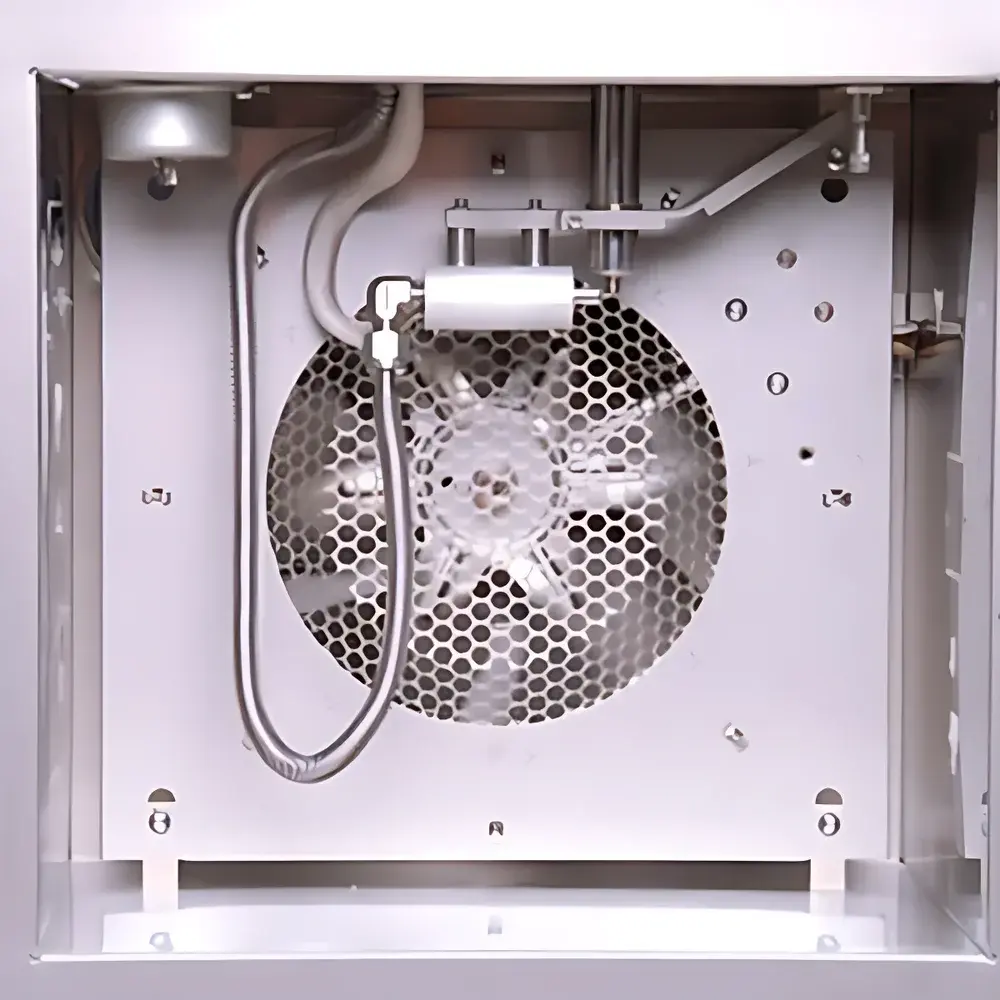
| Modulator Type | Dual-Stage Thermal Modulator (ZX-1 or ZX-2) |
| Software | GC Image™ v2.9+ with HRMS Extension |
| Compliance | Fully compatible with ASTM D7504, ASTM D7901, ISO 17993, and USP <1225> for method validation |
Overview
The ZOEX GC×GC×HiResTOFMS is a purpose-engineered analytical platform integrating comprehensive two-dimensional gas chromatography (GC×GC) with high-resolution time-of-flight mass spectrometry (HR-TOFMS). Unlike conventional one-dimensional GC-MS systems, this instrument employs orthogonal separation—using two serially coupled capillary columns of distinct polarity and dimensionality—to dramatically increase peak capacity, resolve co-eluting analytes, and enhance signal-to-noise ratios in complex matrices. The core separation mechanism relies on cryogenic thermal modulation: effluent from the first dimension (¹D) column is periodically trapped, focused, and reinjected onto the second dimension (²D) column via a dual-stage modulator (ZX-1 or ZX-2), enabling sub-100 ms modulation cycles and near-ideal modulation efficiency. Coupled with a quadrupole-time-of-flight (QTOF) mass analyzer delivering mass resolution >35,000 FWHM (at m/z 200) and mass accuracy <2 ppm RMS, the system provides unambiguous compound identification through exact mass measurement, isotopic pattern fidelity, and elemental composition determination.
Key Features
- Dual-stage thermal modulator technology—patented by ZOEX—the only commercially available GC×GC modulator architecture validated for routine operation across volatile (C₃–C₆) and semi-volatile (C₇–C₄₀) compound classes.
- ZX-1 modulator: liquid nitrogen–cooled, achieving -189 °C modulation temperature; optimal for light hydrocarbons, oxygenates, and sulfur species in petrochemical and environmental applications.
- ZX-2 modulator: closed-cycle cryocooler-based, maintaining stable -90 °C operation without consumables; ideal for targeted analysis of pesticides, PAHs, PCBs, and fragrance compounds in food and clinical samples.
- Agilent 8890 GC platform integrated with precision pneumatic control, active inlet pressure regulation, and optional backflush capability to extend column life and reduce carryover.
- QTOF mass spectrometer with reflectron geometry, 10 kHz acquisition rate, and extended dynamic range (>5 orders) ensuring quantitative linearity across trace and major components in a single run.
- Modulator synchronization firmware ensures real-time alignment between GC retention times and TOF transient acquisition windows, eliminating data skew and preserving chromatographic integrity.
Sample Compatibility & Compliance
The ZOEX GC×GC×HiResTOFMS accommodates liquid, gaseous, and solid-phase microextraction (SPME) samples across environmental, petrochemical, flavor/fragrance, pharmaceutical, and forensic domains. It is routinely applied to crude oil fingerprinting, diesel exhaust particulate characterization, metabolomic profiling of plant volatiles, and impurity profiling per ICH Q3 guidelines. The system meets key regulatory requirements including ASTM D7504 (petroleum hydrocarbon typing), ASTM D7901 (biofuel composition), ISO 17993 (GC×GC method validation), and supports full 21 CFR Part 11 compliance when configured with GC Image™’s validated software suite—including electronic signatures, role-based access control, and immutable audit trails. Instrument qualification follows IQ/OQ/PQ protocols aligned with ISO/IEC 17025 and FDA GLP standards.
Software & Data Management
GC Image™ serves as the native, vendor-supported data system—recognized industry-wide as the de facto standard for GC×GC data handling. Version 2.9 and later includes the HRMS Extension module, enabling centroided peak detection, monoisotopic mass assignment, elemental formula generation (with ChemCalc integration), and confidence-ranked library matching against NIST, Wiley, and custom spectral libraries. CLIC (Compound and Class Identification) algorithms automate homologous series recognition (e.g., alkanes, alkylbenzenes, fatty acid methyl esters) and enable class-selective quantitation without prior target selection. Batch processing templates, retention time locking, and spectral deconvolution tools ensure reproducible, high-throughput analysis. All raw and processed data are stored in open-format .cdf or .netCDF containers for third-party interoperability and long-term archival.
Applications
- Environmental forensics: Source apportionment of petroleum hydrocarbons in soil/sediment using biomarker ratios and alkylated PAH patterns.
- Fuel characterization: Detailed hydrocarbon analysis (DHA) of jet fuels per ASTM D6730, including n-/iso-paraffin discrimination and olefin quantification.
- Food authenticity: Detection of adulteration in olive oil, honey, and essential oils via volatile marker profiling and multivariate statistical modeling.
- Pharmaceutical impurity screening: Non-targeted identification of genotoxic impurities and degradation products at sub-ppb levels in drug substance batches.
- Metabolomics: Unbiased profiling of headspace volatiles from microbial cultures or plant tissues under controlled stress conditions.
FAQ
What distinguishes GC×GC from heart-cutting (MDGC) or sequential GC techniques?
GC×GC uses continuous, comprehensive modulation of the entire ¹D effluent onto the ²D column—ensuring no loss of information and maximal orthogonality. In contrast, MDGC isolates only selected fractions, sacrificing coverage for selectivity.
Can GC Image™ process HR-TOFMS data from non-ZOEX instruments?
Yes—GC Image™ natively imports vendor-neutral formats (.cdf, .u3d, .mzML) from Agilent, Thermo, LECO, Shimadzu, and JEOL platforms, provided the data contain sufficient metadata for retention time alignment and mass calibration.
Is method transfer possible between ZX-1 and ZX-2 modulators?
Method parameters (modulation period, hot/cold pulse durations) require empirical re-optimization due to differences in thermal inertia and focusing efficiency; however, retention indexing (RI) and peak tracking remain consistent across platforms.
Does the system support quantitative analysis under regulated conditions?
Yes—when deployed with validated GC Image™ workflows, calibrated internal standards, and documented instrument performance checks (e.g., mass axis stability, sensitivity verification), the platform supports GLP-compliant quantitation per EPA Method 8270 and ISO 17025 requirements.




