
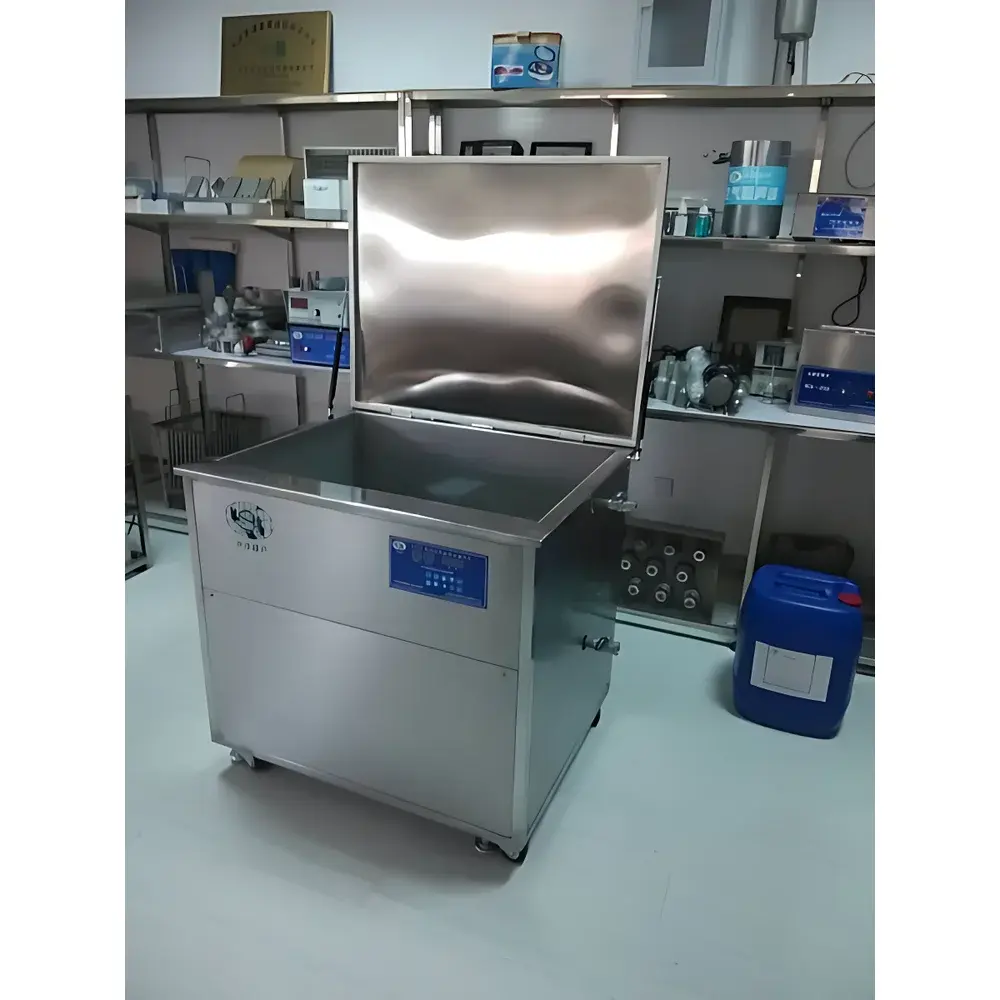
Shengyan SCQ-C Series Digital Ultrasonic Cleaner with Programmable Heating and Adjustable Power
| Brand | Shengyan Ultrasonics (SYCS) |
|---|---|
| Origin | Shanghai, China |
| Model | SCQ-C Series |
| Tank Capacity | 3–200 L |
| Ultrasonic Frequency Options | 25 kHz, 28 kHz, 40 kHz, 60 kHz |
| Ultrasonic Power Output | 60–3000 W |
| Power Adjustment Range | 10–100% (continuously variable) |
| Heating Temperature Range | Ambient to 80 °C |
| Heating Power | Up to 3000 W |
| Timer Range | 1–600 min |
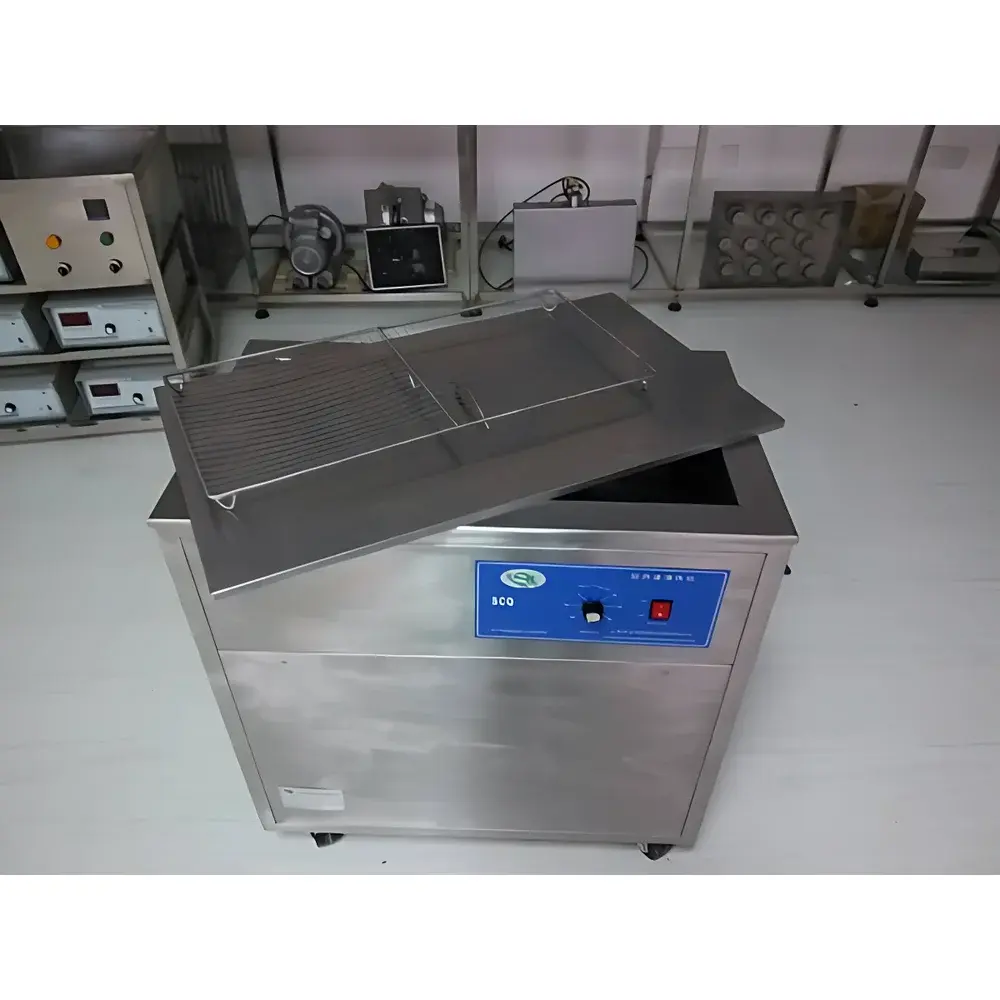
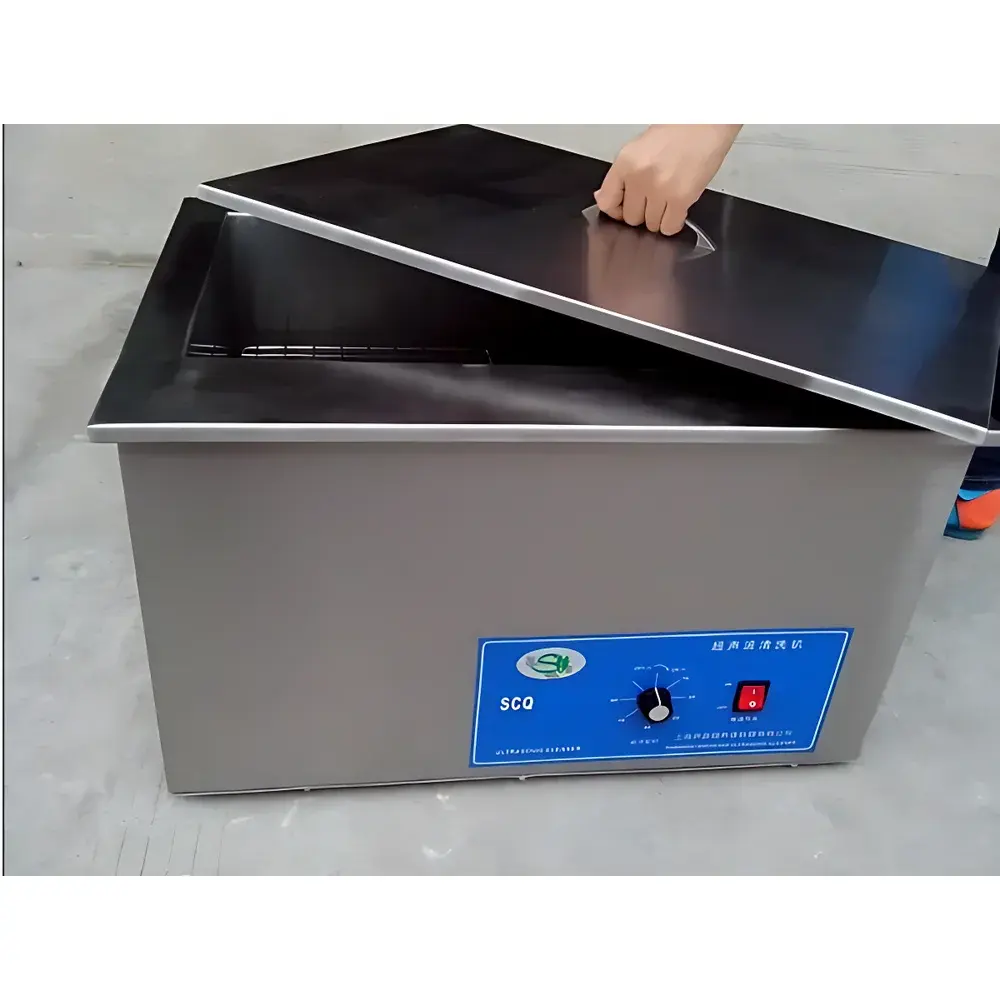
| Sound-Dampening Lid | Included |
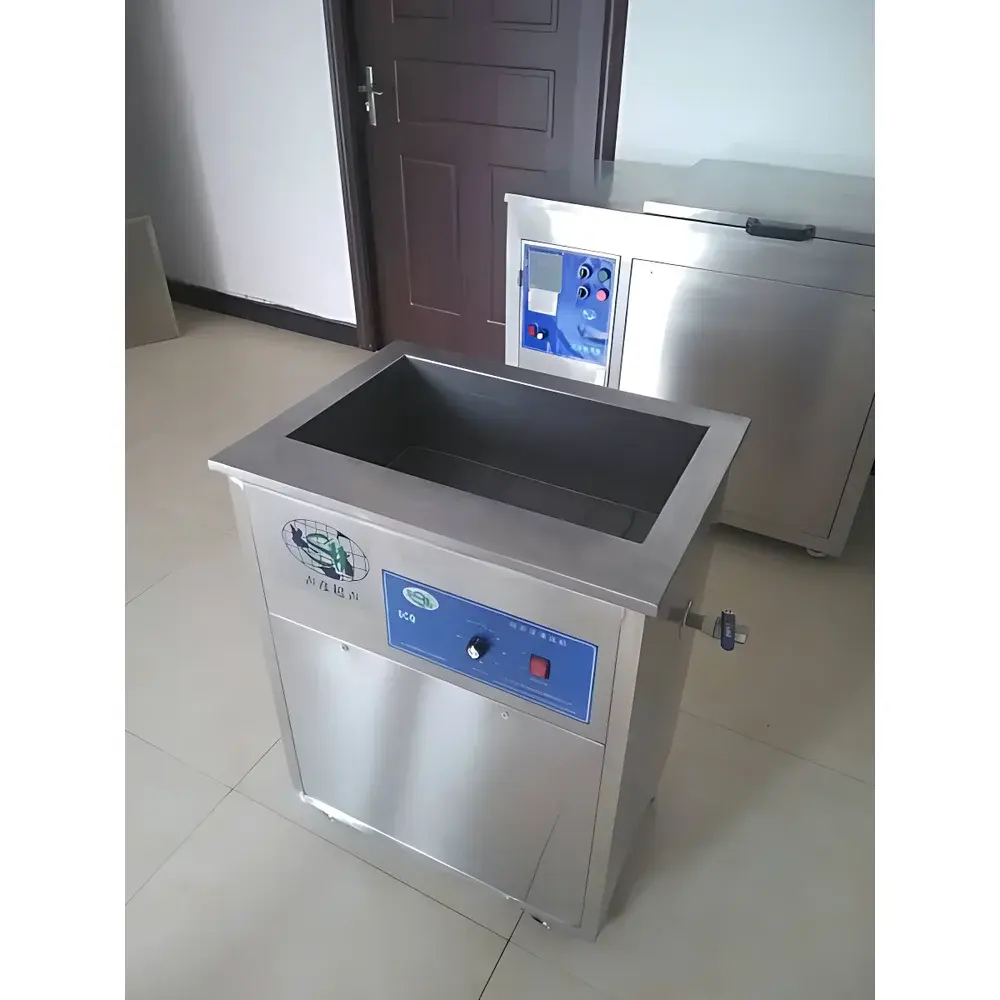
| Drain Valve | Manual |
| Compliance | CE-marked design principles |
Overview
The Shengyan SCQ-C Series Digital Ultrasonic Cleaner is an engineered solution for precision cleaning of laboratory glassware, optical components, surgical instruments, electronic assemblies, and precision mechanical parts. Utilizing high-efficiency piezoelectric transducers bonded to stainless-steel tank walls, the system generates cavitation through controlled ultrasonic energy in liquid media—primarily aqueous or mild solvent-based solutions. The fundamental cleaning mechanism relies on transient microbubble collapse (inertial cavitation), which produces localized shockwaves and microstreaming that dislodge particulate contamination, organic residues, and biofilms without mechanical abrasion. Designed for reproducible, operator-independent cleaning cycles, the SCQ-C Series supports method standardization across QC laboratories, R&D facilities, and regulated manufacturing environments—including those operating under ISO/IEC 17025, FDA 21 CFR Part 11 (when paired with compliant data logging software), and EU GMP Annex 15 guidelines.
Key Features
- Digital microprocessor control with intuitive LED interface for independent programming of ultrasonic power, heating temperature, and cleaning duration
- Four selectable ultrasonic frequencies (25 kHz, 28 kHz, 40 kHz, and 60 kHz) optimized for different substrate geometries and contaminant types—lower frequencies for robust macro-part cleaning; higher frequencies for delicate optics and microfluidic devices
- Continuously adjustable ultrasonic power (10–100% of rated output) enabling fine-tuned energy delivery to prevent sample damage or excessive foaming
- Precise digital temperature regulation (±1 °C accuracy) from ambient up to 80 °C, supporting enhanced solubilization of waxes, greases, and thermoplastic residues
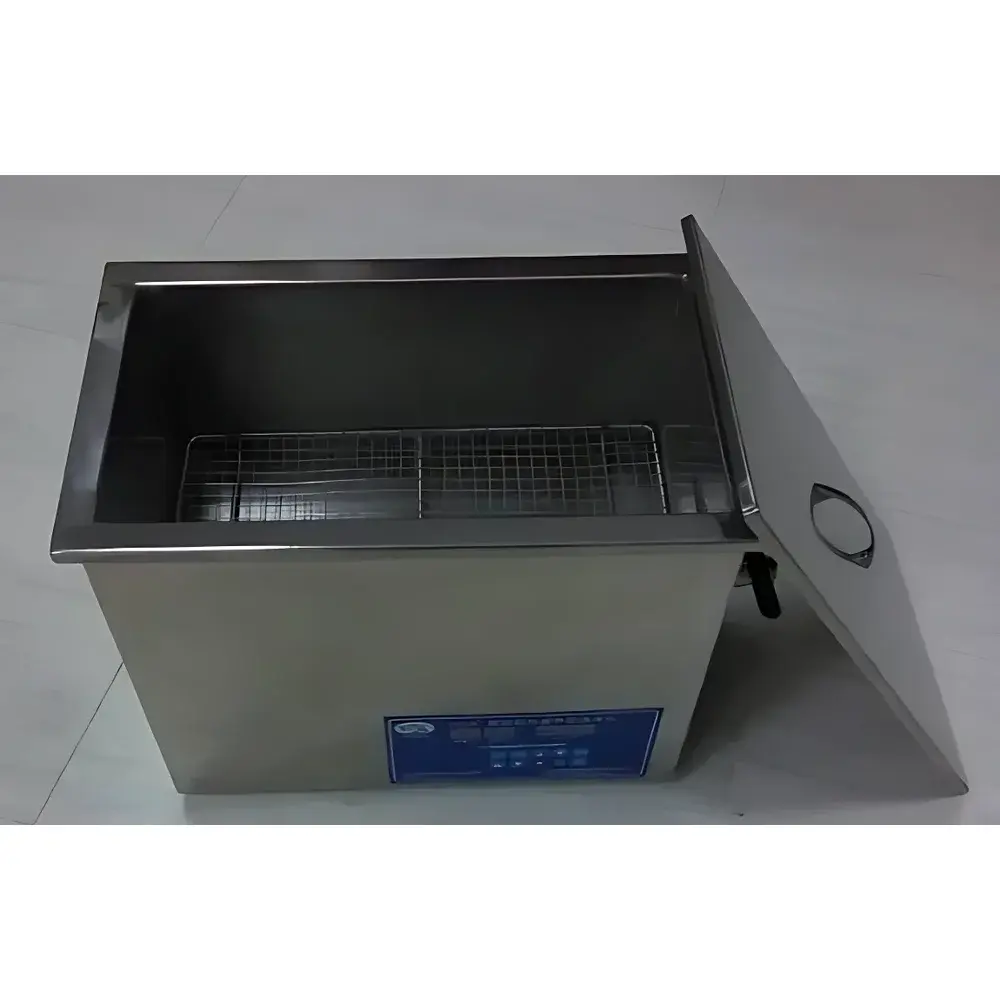
- Stainless-steel tanks (304 grade) with reinforced transducer mounting and corrosion-resistant internal finish; all models include removable stainless-steel mesh baskets and adjustable-height rack supports
- Integrated sound-dampening lid with safety interlock to reduce airborne noise (<65 dB(A) at 1 m) and minimize solvent evaporation during heated operation
- Manual drain valve positioned at tank base for rapid, residue-free solution exchange—compatible with waste containment protocols per local environmental regulations
Sample Compatibility & Compliance
The SCQ-C Series accommodates a broad range of sample formats: volumetric flasks, Petri dishes, syringe filters, chromatography columns, MEMS sensors, watch components, dental tools, and PCB subassemblies. Its modular tank sizing—from compact 3 L benchtop units (SCQ-2201C) to large-capacity 200 L immersion systems (SCQ-1030C)—ensures scalability across workflow volumes. All units comply with IEC 61000-6-3 (EMC emissions) and IEC 61000-6-2 (immunity) standards. While not certified as medical devices, the design supports validation per ISO 15883-1 for washer-disinfectors when integrated into documented cleaning processes. Optional calibration certificates (NIST-traceable temperature and timer verification) are available upon request for audit readiness.
Software & Data Management
Stand-alone operation requires no external software; however, the SCQ-C Series supports optional RS-232 or USB-to-serial connectivity for integration with laboratory information management systems (LIMS) or electronic batch records. When used with validated third-party data acquisition software, the unit enables full audit trails—including timestamped start/stop events, parameter setpoints, actual temperature/power profiles, and operator ID logging—meeting ALCOA+ principles (Attributable, Legible, Contemporaneous, Original, Accurate, Complete, Consistent, Enduring, Available). Firmware updates are delivered via secure USB key to maintain cybersecurity integrity in networked lab environments.
Applications
- Pre-analytical sample preparation: removal of residual proteins, nucleic acids, and PCR inhibitors from reaction tubes and pipette tips
- Pharmaceutical manufacturing: cleaning of tablet punches, granulator parts, and filter housings prior to sterilization
- Materials science: deburring of sintered metal parts, degassing of ceramic slurries, and surface activation of polymer substrates
- Electronics: post-reflow flux residue removal from SMT assemblies without thermal stress or solder mask degradation
- Metrology labs: cleaning of gauge blocks, interferometer optics, and coordinate measuring machine (CMM) probes to sub-micron cleanliness specifications
- Academic research: routine maintenance of HPLC autosampler vials, NMR tubes, and electron microscopy grids
FAQ
What frequency should I select for cleaning delicate optical lenses?
For fragile coated optics, 40 kHz or 60 kHz is recommended to minimize surface pitting while maintaining effective particle removal.
Can the unit operate without heating enabled?
Yes—the heating function is fully decoupled from ultrasonic operation and may be disabled independently for cold cleaning protocols.
Is de-gassing mode available?
While not labeled as a dedicated “de-gas” cycle, the 25 kHz low-frequency setting at 30–40% power for 5–10 minutes effectively removes dissolved air from cleaning solutions prior to critical cleaning steps.
How often should the transducers be serviced?
Under normal use, transducer integrity is verified annually via impedance analysis; no routine maintenance is required due to epoxy-bonded, hermetically sealed construction.
Are custom tank dimensions supported?
Yes—OEM and ODM configurations are available for integration into automated cleaning lines or specialized enclosures, subject to minimum order quantities and engineering review.



