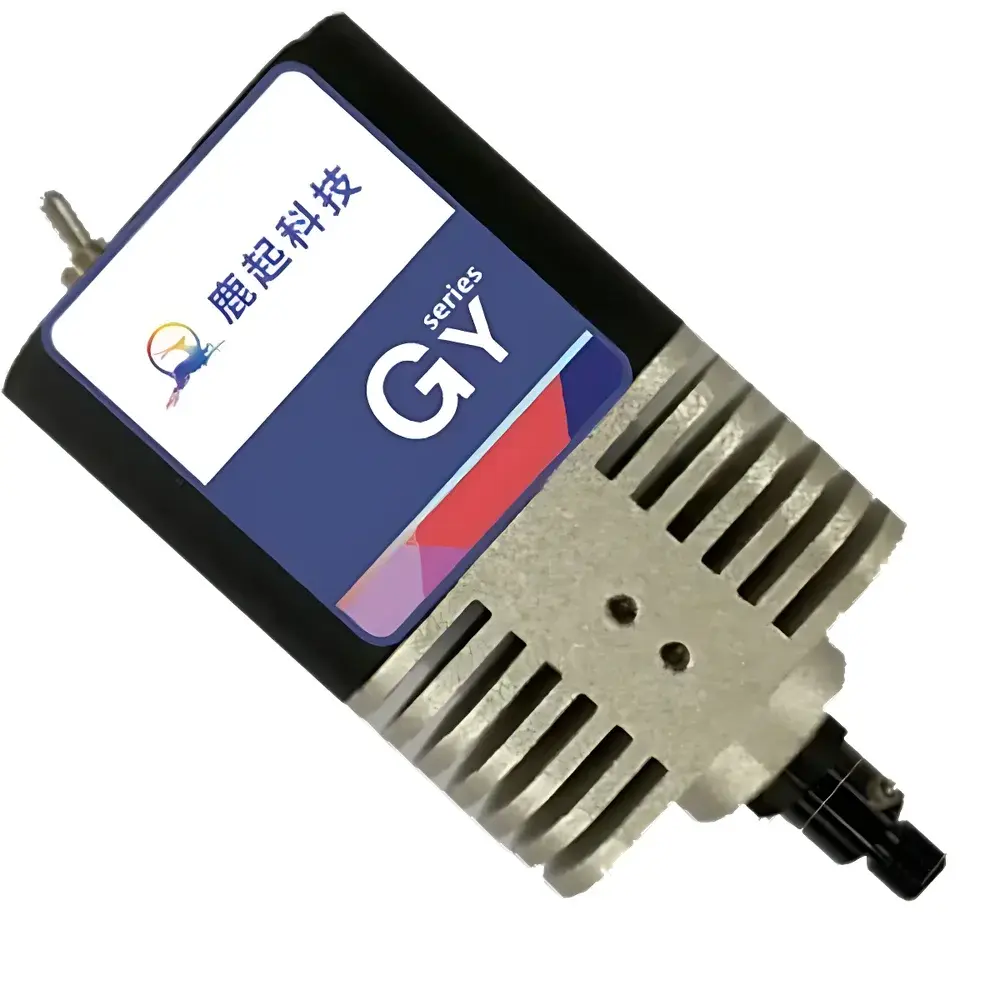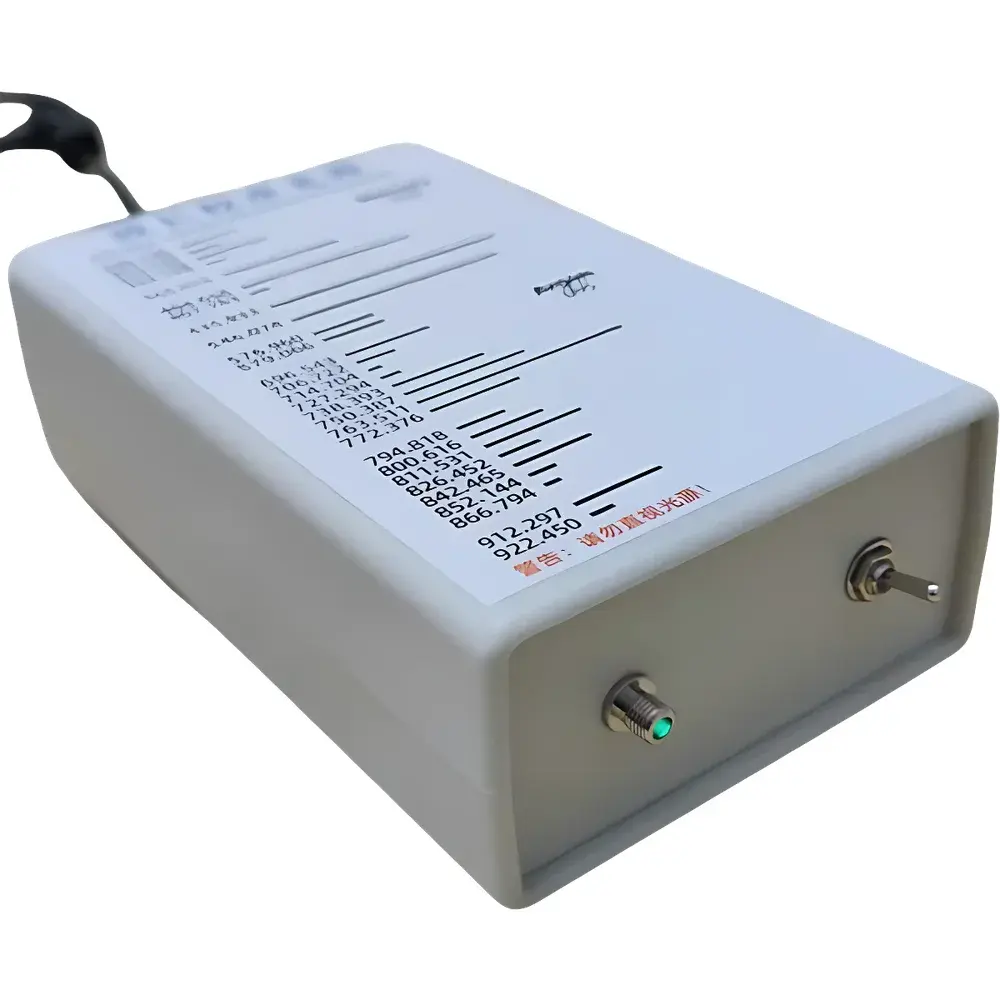
Luchu Technology GY-J-Hg Adjustable-Intensity Mercury-Argon Calibration Lamp & GY-J-Xe Continuous Xenon Calibration Lamp

| Brand | Luchu Technology |
|---|---|
| Origin | Anhui, China |
| Manufacturer Type | Direct Manufacturer |
| Model | GY-J-Hg / GY-J-Xe |
| Light Source Type | Mercury-Argon Discharge Lamp (GY-J-Hg) & Continuous Xenon Arc Lamp (GY-J-Xe) |
| Spectral Range (GY-J-Hg) | 200–1100 nm |
| Spectral Range (GY-J-Xe) | 900–1900 nm |
| Fiber Interface | SMA905 |
| Compliance | Designed for ISO/IEC 17025-compliant wavelength calibration workflows |
| Intended Use | Primary and secondary wavelength calibration of spectrometers, monochromators, and optical spectrum analyzers |
Ask about pricing, availability and specifications.
Overview
The Luchu Technology GY-J-Hg Adjustable-Intensity Mercury-Argon Calibration Lamp and GY-J-Xe Continuous Xenon Calibration Lamp are precision-engineered reference light sources designed to support traceable wavelength calibration across laboratory and industrial optical instrumentation. The GY-J-Hg lamp operates on low-pressure mercury-argon discharge physics, emitting discrete, narrow-linewidth spectral peaks—most notably at 253.65 nm, 296.73 nm, 302.15 nm, 313.18 nm, 365.02 nm, 404.66 nm, 435.84 nm, 546.07 nm, and 576.96–579.07 nm—enabling high-accuracy verification of grating-based dispersion systems in UV-Vis-NIR spectrometers. The GY-J-Xe lamp utilizes a stabilized DC-powered xenon arc to generate a smooth, continuous spectrum from 900 nm to 1900 nm, ideal for calibrating Fourier-transform infrared (FTIR) spectrometers, NIR process analyzers, and extended-range array detectors where broad-band spectral continuity is required. Both units integrate thermally stable housings, precision current regulation, and integrated warm-up stabilization protocols to minimize spectral drift (<0.05 nm/h after 30 min), ensuring repeatability essential for ISO/IEC 17025-accredited calibration laboratories.
Key Features
- Adjustable intensity control (0–100% via analog voltage or digital interface) on the GY-J-Hg model, enabling optimization of signal-to-noise ratio without saturating detector pixels during high-resolution wavelength mapping.
- Thermally managed xenon arc chamber with forced-air cooling and real-time anode temperature monitoring (±0.5 °C) to maintain spectral continuity and prevent output degradation during extended operation (>4 h).
- SMA905 fiber-coupled output compatible with standard 400 µm core silica-silica fibers (NA 0.22), ensuring efficient coupling into monochromator slits, integrating spheres, or spectrometer input optics.
- Integrated shutter mechanism (electromechanical, <50 ms actuation) for synchronized exposure control in automated calibration routines compliant with ASTM E275 and ISO 13406-2 test protocols.
- Modular design with interchangeable lamp modules—field-replaceable GY-J-Hg and GY-J-Xe cartridges allow rapid reconfiguration without recalibration of mechanical alignment or optical path length.
- CE-marked power supply with over-voltage, over-current, and thermal shutdown protection; meets IEC 61000-6-3 EMC emission limits for laboratory environments.
Sample Compatibility & Compliance
These calibration lamps are validated for use with benchtop and portable spectrometers (e.g., Ocean Insight HDX, Avantes AvaSpec, Hamamatsu C12880MA), FTIR systems (e.g., Thermo Nicolet iS50, Bruker Tensor series), and OEM optical modules requiring NIST-traceable wavelength references. Each unit ships with a certificate of conformance stating spectral peak positions (for GY-J-Hg) and radiometric stability data (for GY-J-Xe), referenced to NIST SRM 2035 (Hg-Ar emission lines) and NIST SRM 2065 (xenon continuum). The design supports GLP/GMP documentation requirements: all firmware logs include timestamped operational metadata (lamp hours, current setpoint, thermal status), and optional RS-232/USB-C interface enables audit-trail integration with LIMS platforms under FDA 21 CFR Part 11 compliance frameworks.
Software & Data Management
Luchu provides the CaliSource Control Suite (v2.1), a Windows/Linux-compatible application supporting remote lamp activation, intensity ramping profiles, shutter sequencing, and automated spectral acquisition triggers via TTL synchronization. The software exports calibration reports in CSV and PDF formats—including annotated peak tables with FWHM and centroid uncertainty estimates—and integrates with third-party platforms (e.g., MATLAB Instrument Control Toolbox, Python PyVISA) through documented SCPI command sets. Firmware updates preserve backward compatibility and include enhanced thermal compensation algorithms that adjust output intensity based on ambient sensor feedback, reducing inter-lab variability in multi-site calibration networks.
Applications
- Wavelength validation and correction of UV-Vis spectrophotometers per USP and EP 2.2.25 guidelines.
- Grating alignment verification in Raman spectrometers and laser-induced breakdown spectroscopy (LIBS) systems.
- Reference standard for spectral response characterization of InGaAs and extended-InGaAs photodiode arrays used in NIR process monitoring.
- Traceability chain extension in metrology labs performing ISO/IEC 17025 scope accreditation for optical radiation measurement.
- Factory acceptance testing (FAT) of OEM optical engines in environmental sensors, pharmaceutical PAT tools, and semiconductor wafer inspection systems.
FAQ
What spectral lines does the GY-J-Hg lamp emit, and how are they certified?
The GY-J-Hg lamp emits 12 primary Hg-Ar lines between 200 nm and 1100 nm, certified against NIST SRM 2035 with ±0.005 nm line position uncertainty at 2σ confidence.
Can the GY-J-Xe lamp be used for radiometric calibration?
No—it is optimized for wavelength calibration only; its absolute irradiance is not NIST-traceably calibrated. For radiometric applications, pair with a separate NIST-traceable reference detector (e.g., NIST SRM 2065 + calibrated photodiode).
Is fiber coupling alignment required during installation?
No—the SMA905 interface is factory-aligned to ≤0.1 mm lateral tolerance and includes kinematic mounting features for repeatable insertion without iterative optimization.
How often should lamp modules be replaced?
GY-J-Hg: 2,000 operating hours or 18 months (whichever occurs first); GY-J-Xe: 1,000 hours or 12 months, due to xenon electrode erosion—both values assume nominal current operation and proper thermal management.
Does the system support automated calibration sequences in regulated environments?
Yes—via CaliSource Control Suite’s audit-log mode, which records user ID, timestamp, lamp parameters, and pass/fail status per calibration event, satisfying ALCOA+ data integrity principles for FDA/EMA submissions.
More from Luchu Technology
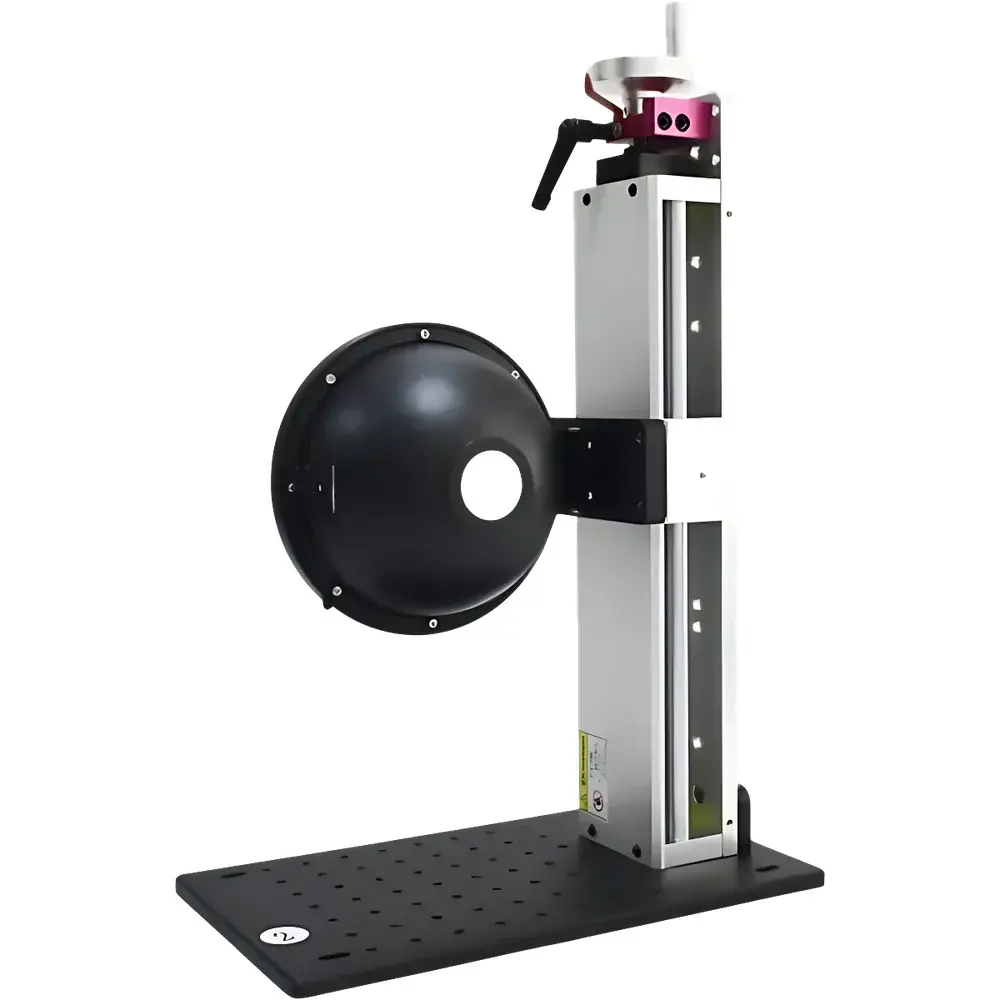
View all Luchu Technology products → Luchu Technology GJY Series Optical Mounting Platform & Spectroscopy Mechanical Accessories
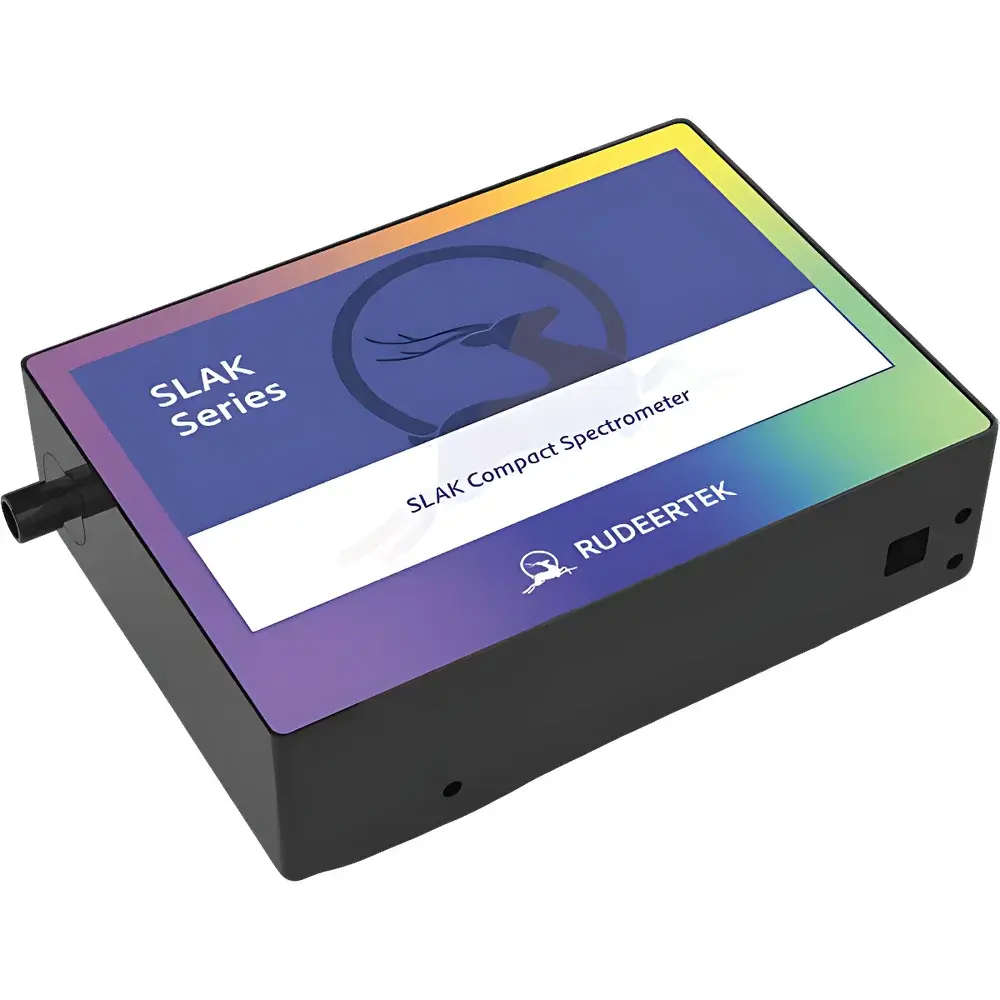
- Luchu Technology SLAK Portable Miniature Fiber Optic Spectrometer
- Luchu Technology GY-HL05 Compact Halogen Broadband Light Source
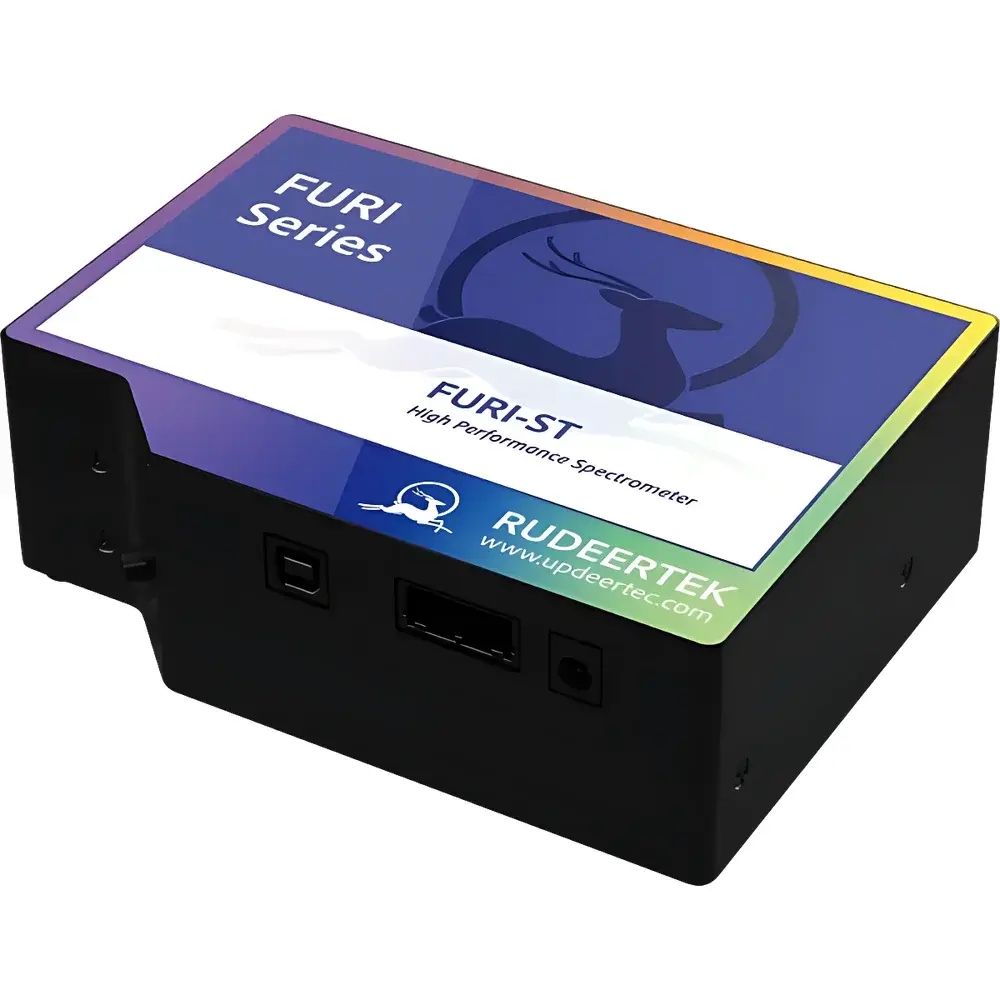
- Luchu Technology FURI-ST Long-Focal-Length High-Sensitivity Fiber Optic Spectrometer