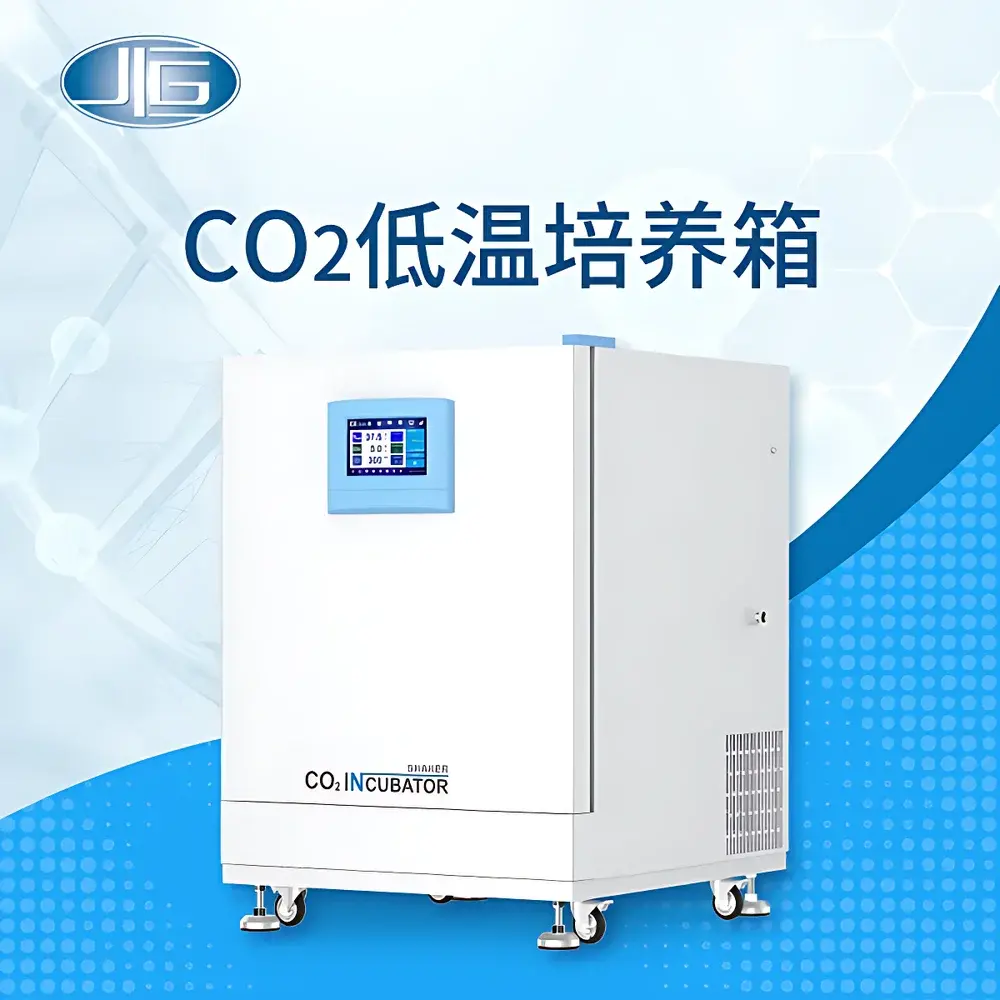
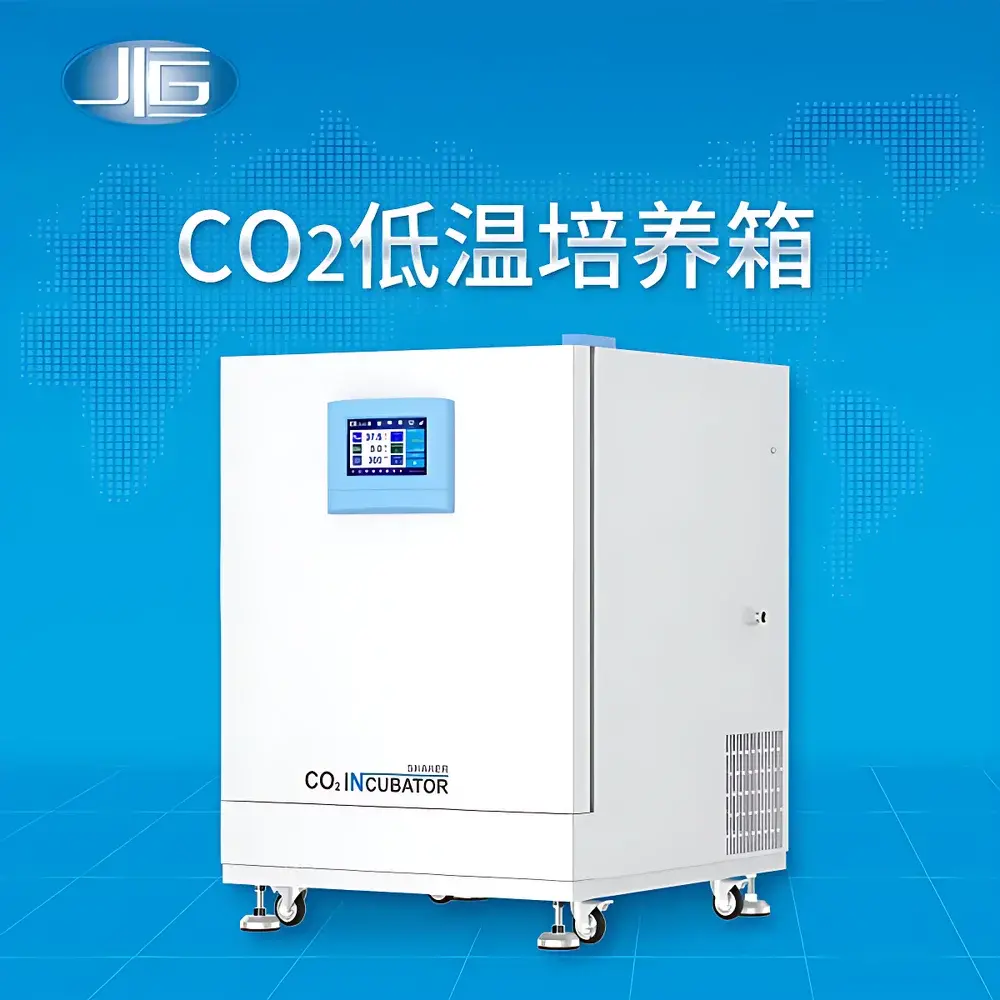
Yiheng BPN-100CS / BPN-300CS / BPNZ-100CS / BPNZ-100CD CO₂ Incubator Shaker Series
| Brand | Yiheng |
|---|---|
| Origin | Jiangsu, China |
| Manufacturer Type | Direct Manufacturer |
| Product Origin | Domestic (China) |
| Models | BPN-100CS, BPN-300CS, BPNZ-100CS (Single-Layer), BPNZ-100CD (Double-Layer) |
| Price Range | USD 9,000 – 12,700 (FOB) |
| Heating Method | Air-Jacketed |
| Temperature Uniformity | ±0.5°C at 37°C |
| External Dimensions (mm) | 693×875×753 / 793×975×853 |
Overview
The Yiheng BPN-series CO₂ Incubator Shakers integrate precision cell culture incubation with controlled orbital agitation in a single, space-efficient platform. Engineered for reproducible mammalian cell expansion, suspension culture, hybridoma work, and microbial fermentation, these instruments operate on the principle of dual environmental regulation: tightly controlled CO₂ concentration (typically 5%) maintained via infrared (IR) sensing and proportional gas injection, combined with air-jacketed thermal management and programmable orbital shaking (20–300 rpm). The system supports physiological pH stabilization through bicarbonate-buffered media under humidified, sterile conditions — essential for long-term cultures requiring both metabolic gas exchange and mechanical stimulation. Designed to meet foundational requirements of GLP-compliant labs and academic core facilities, the series delivers stable setpoint adherence even under frequent door access, ambient temperature fluctuations, and multi-user operation.
Key Features
- Air-jacketed heating architecture ensures rapid temperature recovery (<6 min after 30-sec door opening at 37°C) and uniformity of ±0.5°C across the chamber volume.
- Non-dispersive infrared (NDIR) CO₂ sensor (imported, factory-calibrated) provides real-time monitoring with <±0.1% accuracy and immunity to humidity drift — critical for high-fidelity pH control in serum-free or low-bicarbonate media.
- Integrated HEPA filtration (ISO Class 5 / Grade A equivalent) achieves ≥99.99% removal efficiency for particles ≥0.3 µm; internal recirculation restores 100-level cleanroom air quality within 5 minutes of door closure.
- 90°C saturated steam humidification cycle enables full-chamber wet-heat sterilization — validated for elimination of mycoplasma, bacteria, fungi, and spores across all interior surfaces, including sensors, fan assemblies, shelves, and shaker deck.
- Three-eccentric-axis balanced drive mechanism guarantees consistent orbital motion (25 mm throw) across full load capacity, minimizing shear heterogeneity and enabling scalable suspension culture from flasks to 5-L bioreactor bags.
- Intelligent fan speed modulation adjusts airflow dynamically to maintain optimal gas exchange without desiccation — reducing medium evaporation by up to 40% compared to fixed-speed systems.
- Electropolished 304 stainless steel interior with radius-cornered construction resists corrosion, facilitates autoclave-compatible cleaning, and inhibits biofilm formation per ISO 14644-1 surface cleanliness guidelines.
Sample Compatibility & Compliance
The BPN-series accommodates standard tissue culture vessels (T-25 to T-225 flasks, roller bottles, multi-well plates) and custom adapters for Erlenmeyer flasks (up to 5 L) and wave-type bioreactors. All models comply with IEC 61010-1:2010 safety standards for laboratory equipment and incorporate dual independent overtemperature cutoffs (mechanical + electronic). Optional features include FDA 21 CFR Part 11–compliant audit trail logging (with user role-based permissions: Admin/Operator/Visitor), RS485 Modbus RTU interface for SCADA integration, and SMS-based remote alarm notification (GSM module). The CO₂ inlet filter meets ISO 8573-1 Class 2 purity requirements for compressed gases used in life science applications.
Software & Data Management
Touchscreen HMI (7-inch color LCD) supports multilingual UI (English/Chinese), password-protected parameter locking, and scheduled start/stop functions. Built-in data logger records CO₂ %, temperature, humidity, RPM, and door-open events at user-defined intervals (1–60 min); logs export via USB or RS485 to CSV-compatible formats. Optional software package enables remote monitoring, trend analysis, and PDF report generation compliant with ISO/IEC 17025 documentation requirements. Firmware updates are performed locally via SD card, ensuring continuity during validation cycles.
Applications
- Mammalian cell line expansion for monoclonal antibody production and vaccine development
- Suspension-adapted CHO and HEK293 cultures under controlled shear stress
- Microbial fermentation studies requiring simultaneous O₂/CO₂ balance and agitation
- Stem cell differentiation assays where mechanical stimulation modulates lineage commitment
- Hybridoma screening and ascites production under physiologically relevant gas tension
- Long-term toxicity testing with adherent and non-adherent models under GLP conditions
FAQ
What CO₂ gas purity is recommended for optimal sensor performance?
Use medical-grade CO₂ (≥99.998% purity, ISO 8573-1 Class 1) with inline 0.2 µm particulate and hydrocarbon filtration.
Can the shaker deck be removed for static incubation mode?
Yes — the orbital drive assembly is mechanically decoupled; static operation maintains full CO₂, temperature, and humidity control without agitation.
Is the 90°C wet-heat cycle validated per ISO 15883 or EN 285?
While not a sterilizer per EN 285, the cycle achieves ≥6-log reduction of Bacillus stearothermophilus spores when operated per manufacturer protocol (18-h cycle, 90°C, >95% RH), supporting Annex M risk assessments under ISO 13485.
How does the system handle frequent door openings in shared-lab environments?
The IR sensor’s fast response (<3 sec), coupled with predictive gas replenishment logic and door-open-triggered fan shutdown, limits CO₂ deviation to <0.3% and temperature overshoot to <0.4°C.
Are calibration certificates available for CO₂ and temperature sensors?
Factory calibration reports (traceable to NIM, China) are supplied; on-site verification kits and third-party calibration services (e.g., TÜV SÜD) are supported via optional service contracts.