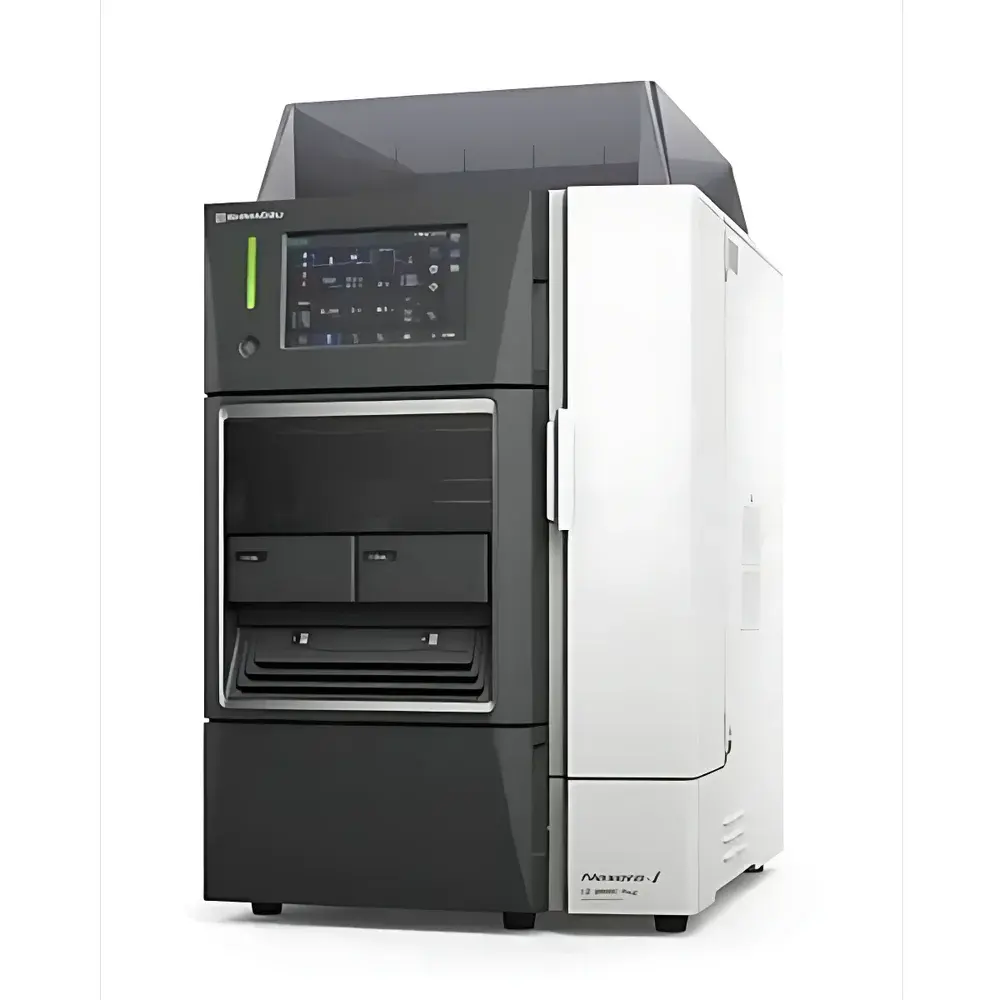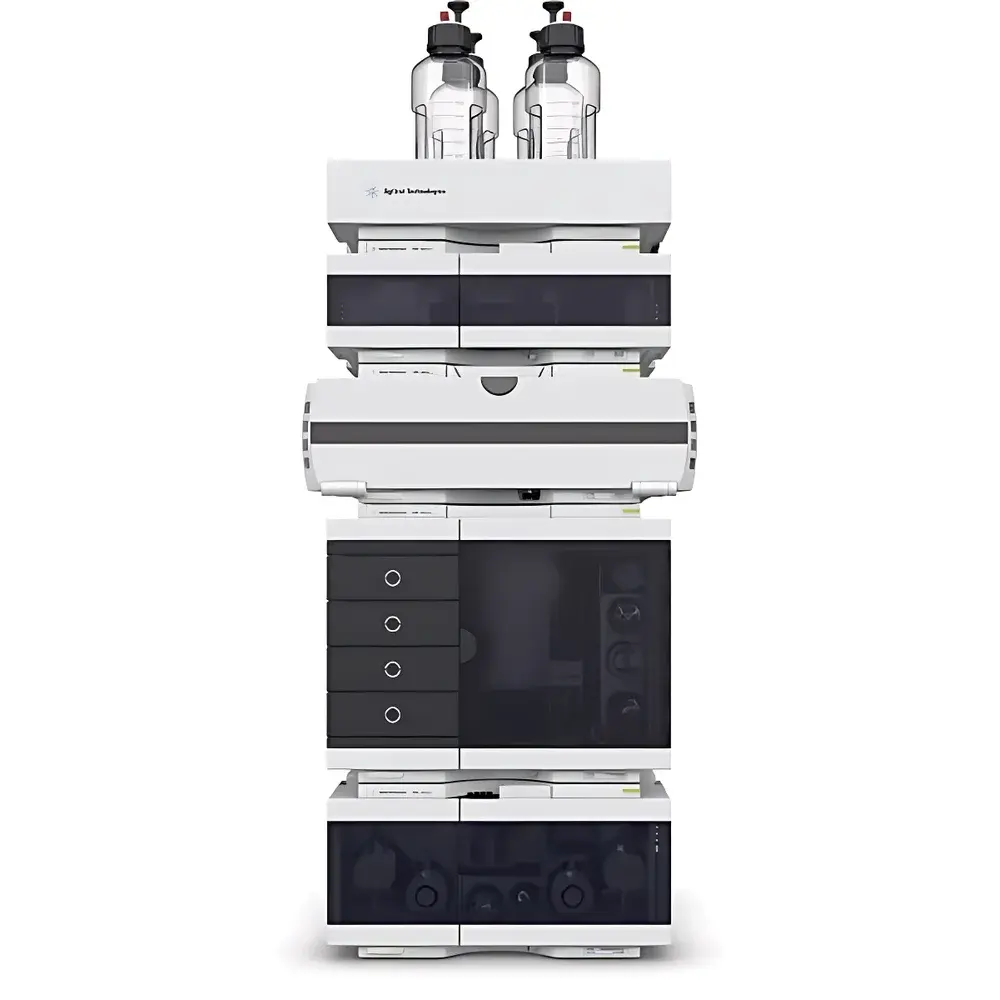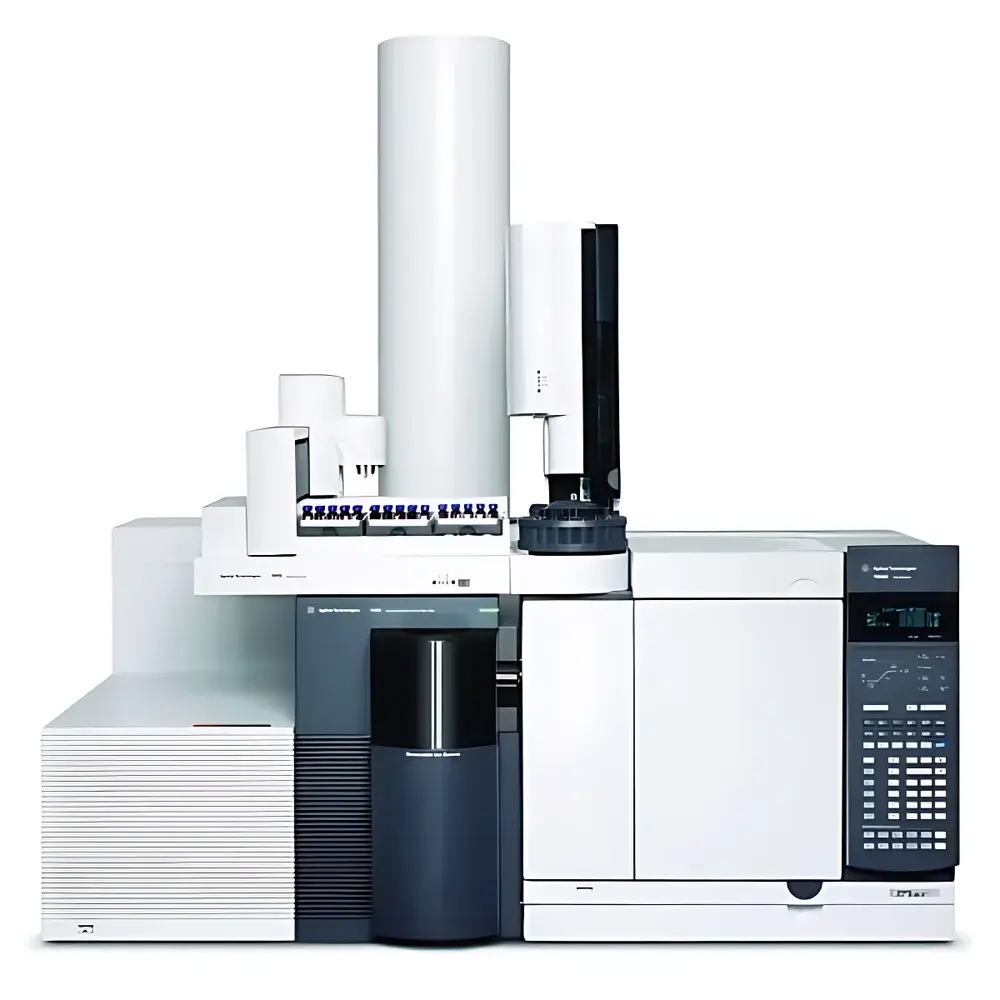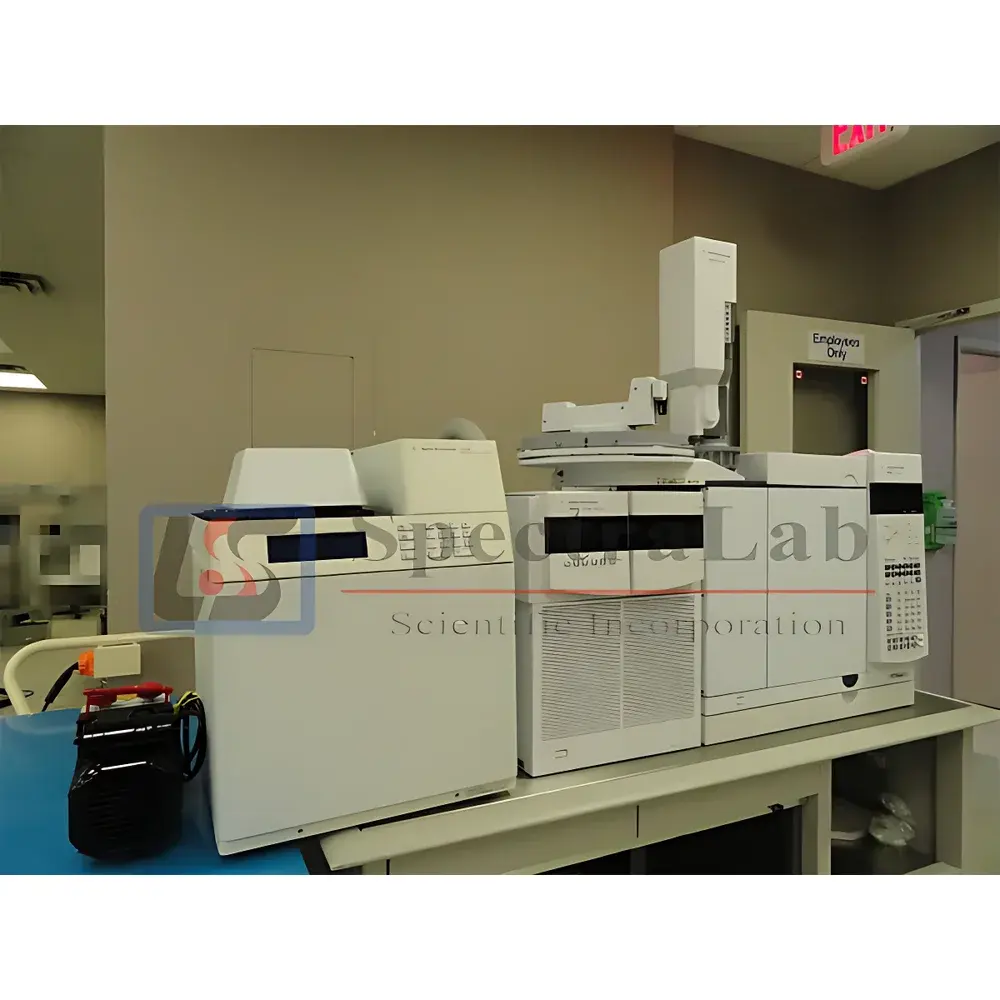
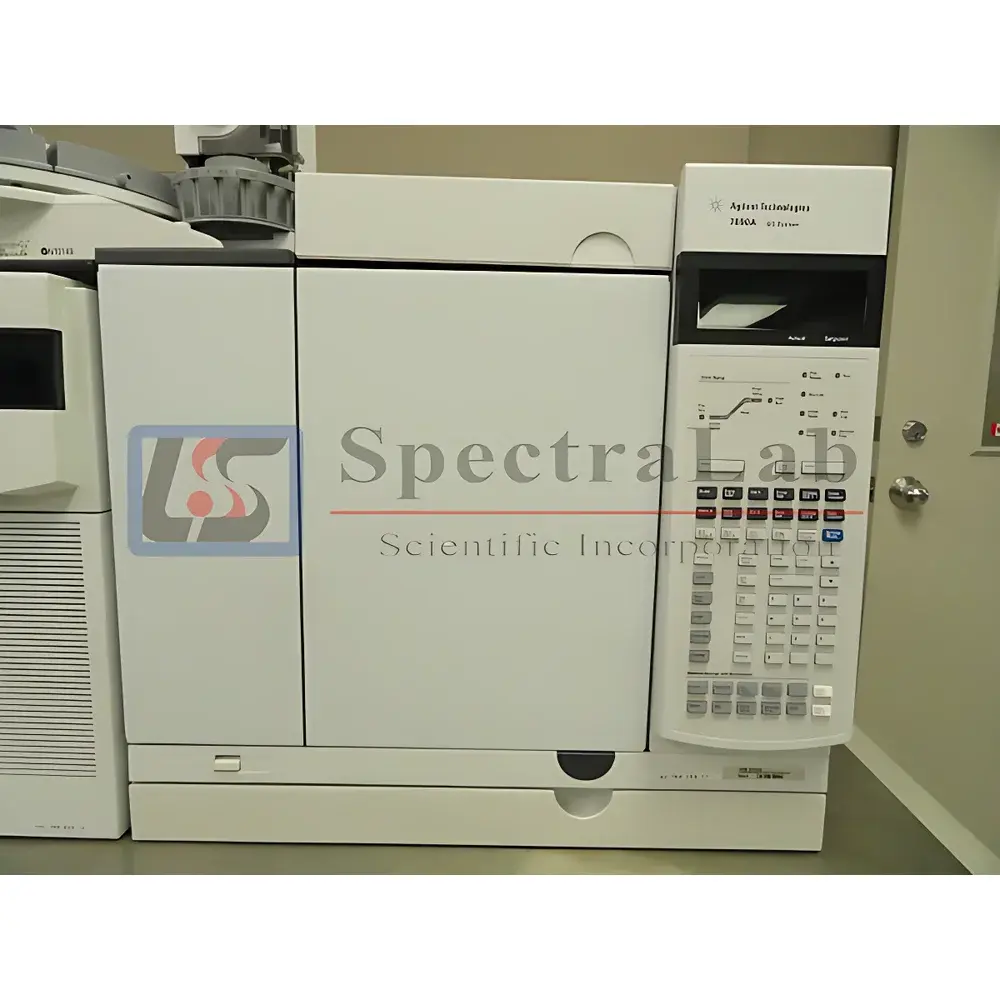
Agilent 7890A–7000A Triple Quadrupole GC/MS System
| Brand | Agilent Technologies |
|---|---|
| Origin | USA |
| Manufacturer Type | Authorized Distributor |
| Origin Category | Imported |
| Model | 7890A–7000A |
| Product Category | Mass Spectrometer |
| Operational Age | 4–5 years |
| Warranty Period | 6 months |
| Instrument Model | 7890A–7000A |
| Usage Duration | 4 years |
Overview
The Agilent 7890A–7000A Triple Quadrupole GC/MS System is a rigorously refurbished, fully validated benchtop analytical platform engineered for high-sensitivity, high-selectivity quantitative analysis in regulated and research laboratories. This system integrates the proven gas chromatographic separation performance of the Agilent 7890A GC with the robust tandem mass spectrometry capabilities of the 7000A triple quadrupole mass spectrometer—delivering sub-femtogram detection limits and exceptional specificity via multiple reaction monitoring (MRM). Its operational principle relies on electron ionization (EI) coupled with collision-induced dissociation (CID) in a pressurized helium-filled hexapole collision cell, enabling selective precursor-to-product ion transitions with minimal chemical noise and negligible memory effects. Designed for routine trace-level quantification in complex matrices—including environmental extracts, food residues, clinical biofluids, and pharmaceutical impurities—the system meets foundational requirements for method validation under ISO/IEC 17025, USP , and FDA 21 CFR Part 11–compliant workflows when deployed with appropriate audit-trail-enabled software configurations.
Key Features
- High-stability inert ion source capable of programmable heating up to 350 °C, ensuring consistent response for thermally labile and highly active analytes.
- Monolithic dual-hyperbolic quartz-coated gold quadrupole mass analyzer, heated to 200 °C, maintaining resolution and transmission stability during extended analysis of high-boiling-point or matrix-rich samples.
- Optimized hexapole collision cell with linear acceleration and proprietary helium quenching technology—reducing neutral background interference and enabling rapid MRM cycle times without peak distortion or carryover.
- Next-generation three-axis detector architecture delivering ultra-low neutral noise, extended dynamic range (>6 orders), and calibrated linearity across four decades of concentration.
- Automated tuning protocol within MassHunter software—simultaneously optimizing ion optics transmission efficiency, mass axis calibration, unit mass resolution, and detector gain voltage for reproducible daily performance.
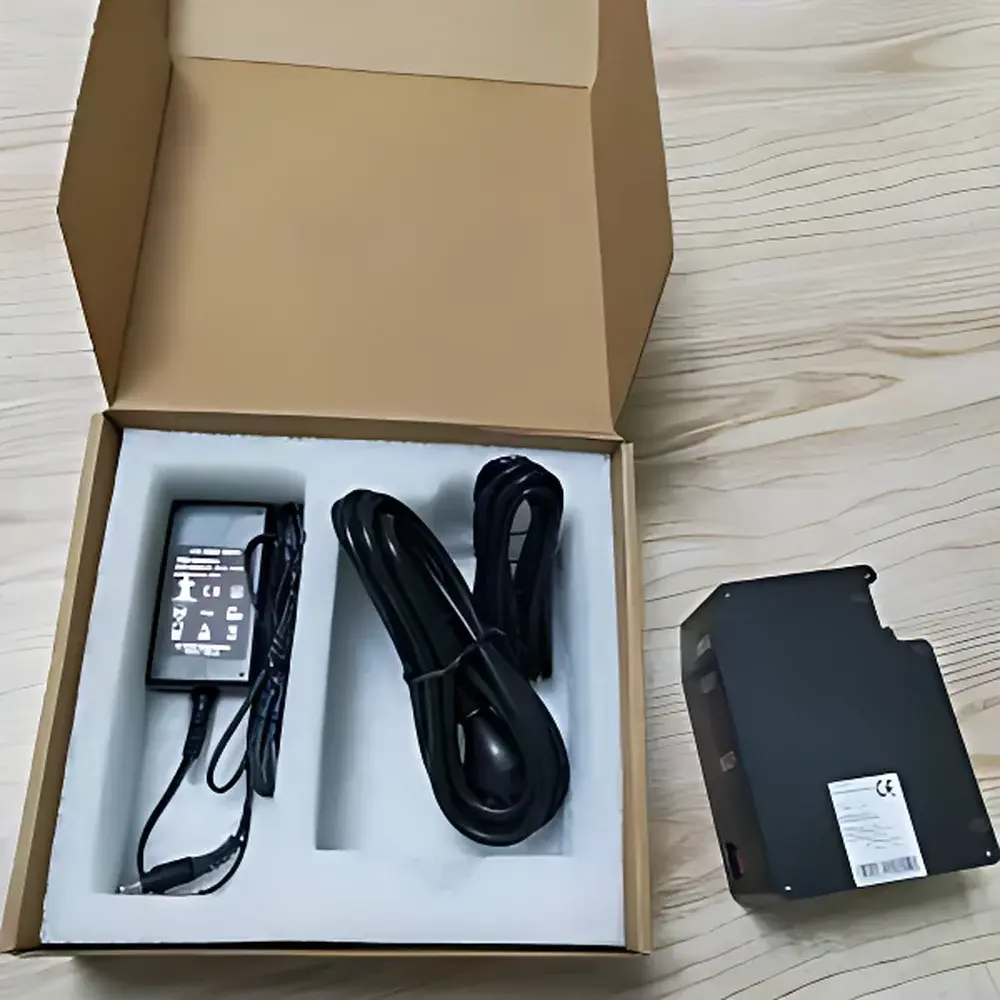
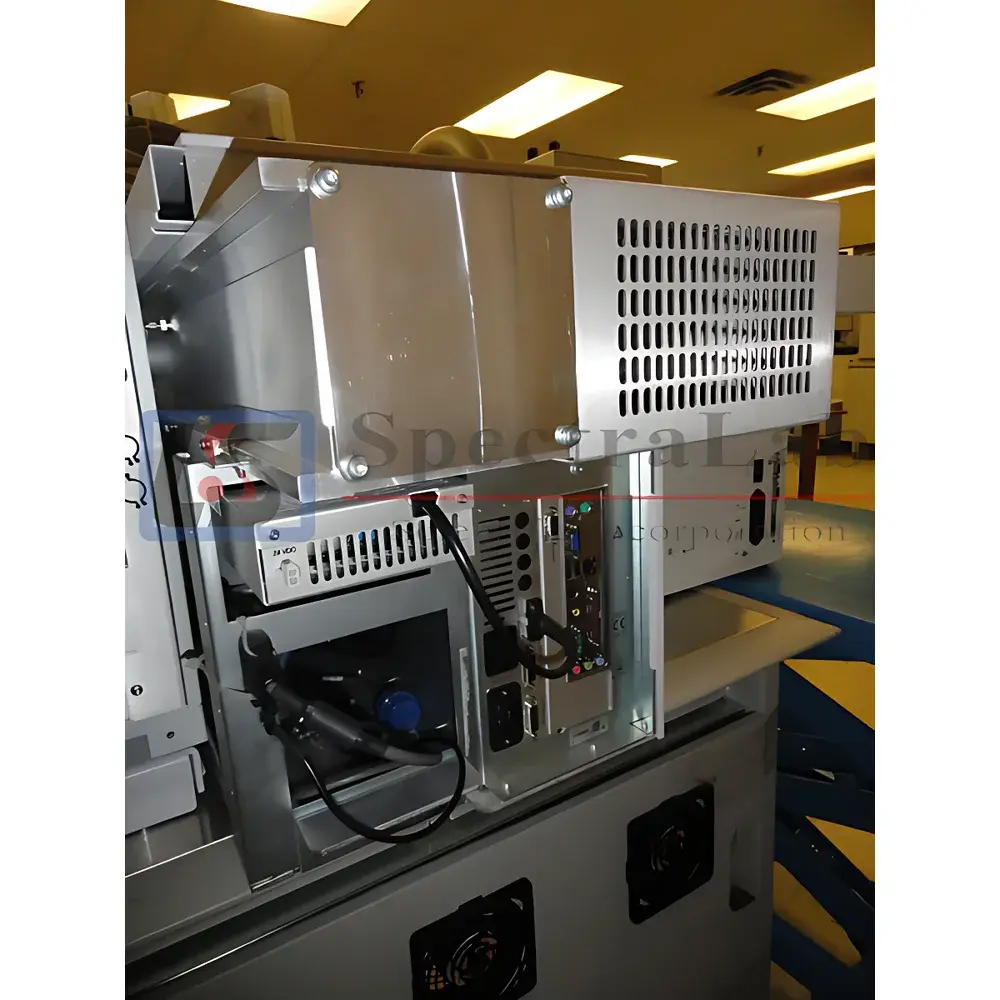
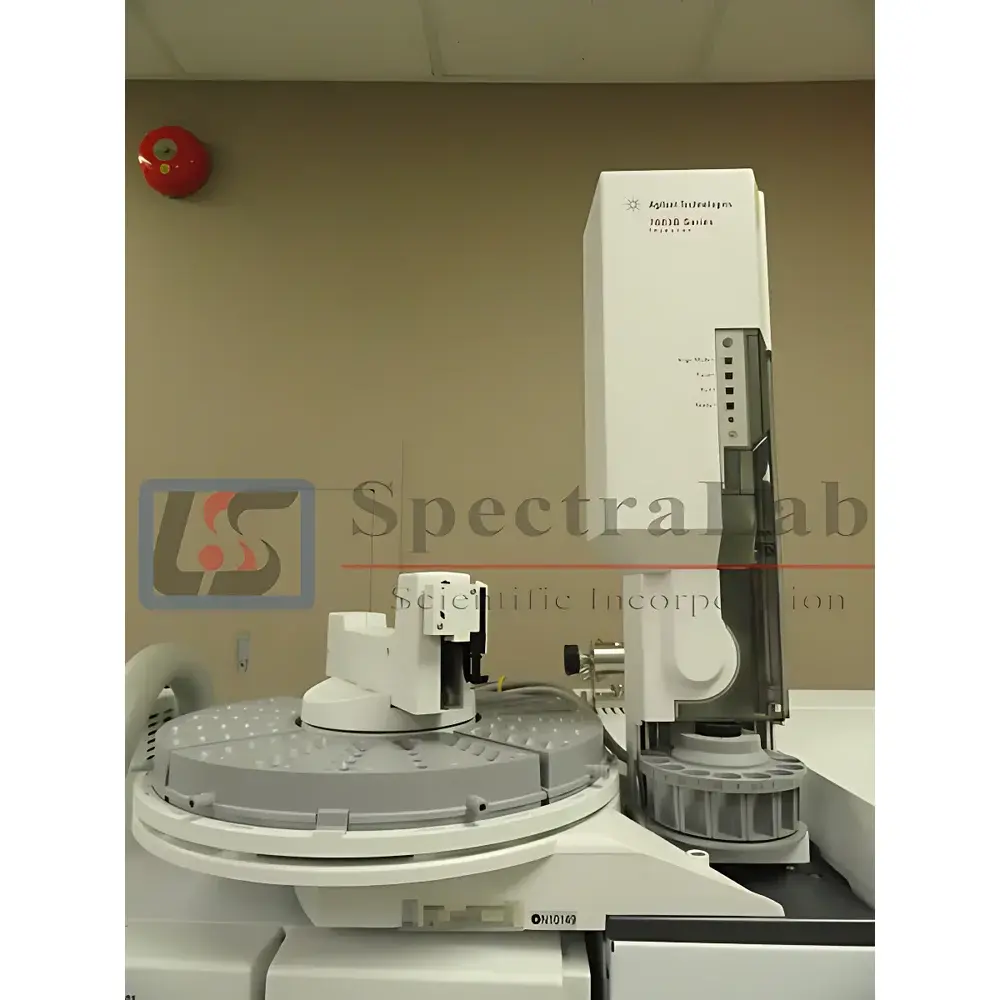
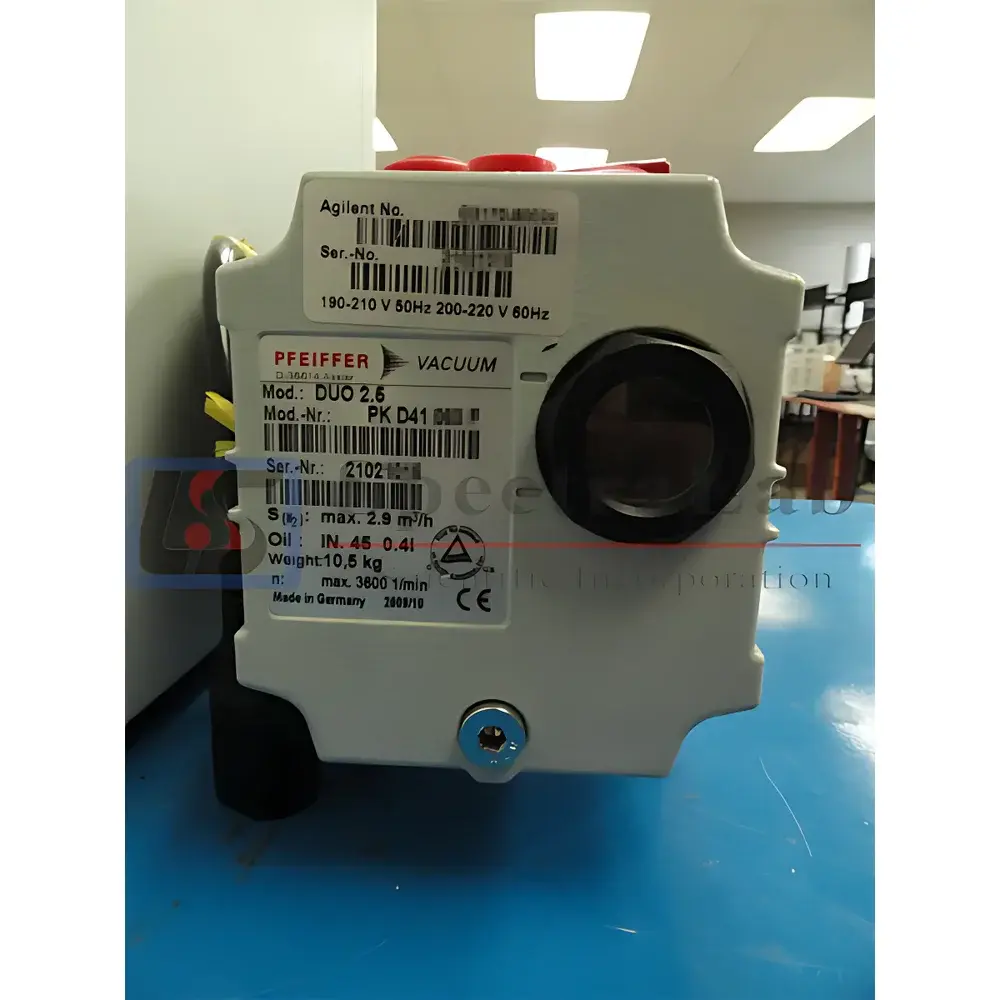
- Complete factory-refurbished configuration including Agilent 7683 autosampler (100-position tray), turbomolecular vacuum pump assembly, dedicated acquisition workstation, and all certified consumables and interconnect tubing.
Sample Compatibility & Compliance
The 7890A–7000A system supports standard 0.25–0.53 mm ID capillary columns and accommodates volatile and semi-volatile organic compounds (VOCs/SVOCs) with boiling points up to ~400 °C. It is routinely employed in applications requiring compliance with EPA Methods 8270, 8260, and 1613; EU SANTE/11312/2021 residue guidelines; and ICH Q2(R2) validation parameters for selectivity, accuracy, precision, and LOD/LOQ determination. All refurbished units undergo full functional verification per Agilent’s Service Quality Assurance (SQA) checklist—including leak testing, vacuum integrity assessment (<1×10⁻⁶ Torr base pressure), tune report validation (e.g., autotune pass/fail criteria per PFTBA), and retention time stability evaluation over ≥10 injections. Documentation includes Certificate of Refurbishment and instrument-specific performance verification reports.
Software & Data Management
Controlled exclusively via Agilent MassHunter Workstation Software (version B.08.x or later), the system provides integrated instrument control, real-time data acquisition, targeted MRM method development, quantitative batch processing, and customizable reporting. MassHunter supports secure user authentication, role-based access control, electronic signatures, and full audit trail logging compliant with GLP/GMP documentation standards. Raw data files (.D format) are stored in a structured directory hierarchy with embedded metadata (acquisition parameters, tune settings, calibration history), enabling traceability from raw signal to final concentration result. Optional integration with LIMS platforms is supported via Agilent OpenLab CDS or third-party middleware adhering to ASTM E1578 and ISO 15143-1 interoperability frameworks.
Applications
- Quantitative pesticide residue analysis in fruits, vegetables, and cereals at EU MRL levels.
- Endocrine-disrupting compound screening in wastewater and surface water using EPA Method 1694.
- Pharmaceutical impurity profiling and genotoxic metabolite identification per ICH M7 guidelines.
- Forensic toxicology screening for controlled substances and novel psychoactive substances (NPS).
- Veterinary drug residue monitoring in milk, meat, and honey matrices under Commission Decision 2002/657/EC.
- Environmental persistent organic pollutant (POP) quantification—including PCBs, PBDEs, and dioxin-like compounds—in soil and sediment extracts.
FAQ
Is this system eligible for Agilent factory service contracts?
Yes—refurbished 7890A–7000A systems retain full compatibility with Agilent’s Extended Service Agreement (ESA) programs upon registration with valid serial numbers and proof of refurbishment certification.
What documentation accompanies the instrument?
Each unit ships with a Certificate of Refurbishment, full SQA test report, MassHunter software license certificate, and a complete set of OEM operation and maintenance manuals (English language only).
Can the system be configured for regulatory submission (e.g., FDA, EMA)?
When operated with MassHunter in 21 CFR Part 11 mode (enabled via administrator-controlled settings), validated methods, and documented change control procedures, the system satisfies core data integrity requirements for regulated submissions.
What is included in the 6-month warranty?
Coverage includes labor, parts, and remote technical support for all GC, MS, and interface subsystems—excluding consumables (columns, septa, filaments) and user-induced damage. On-site service is available under separate dispatch agreement.
Are method transfer packages available?
Yes—pre-validated application notes and MRM transition libraries for common analyte classes (e.g., pesticides, PAHs, pharmaceuticals) can be licensed separately and installed prior to shipment.