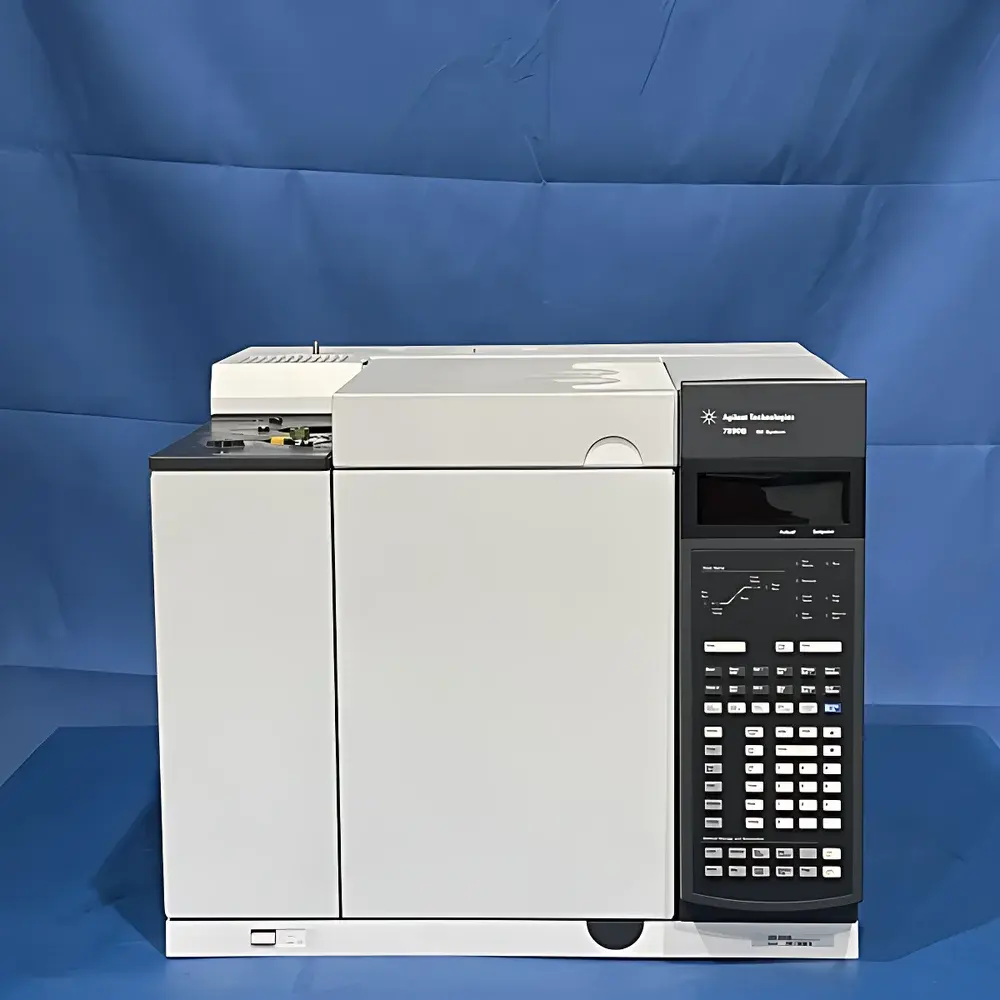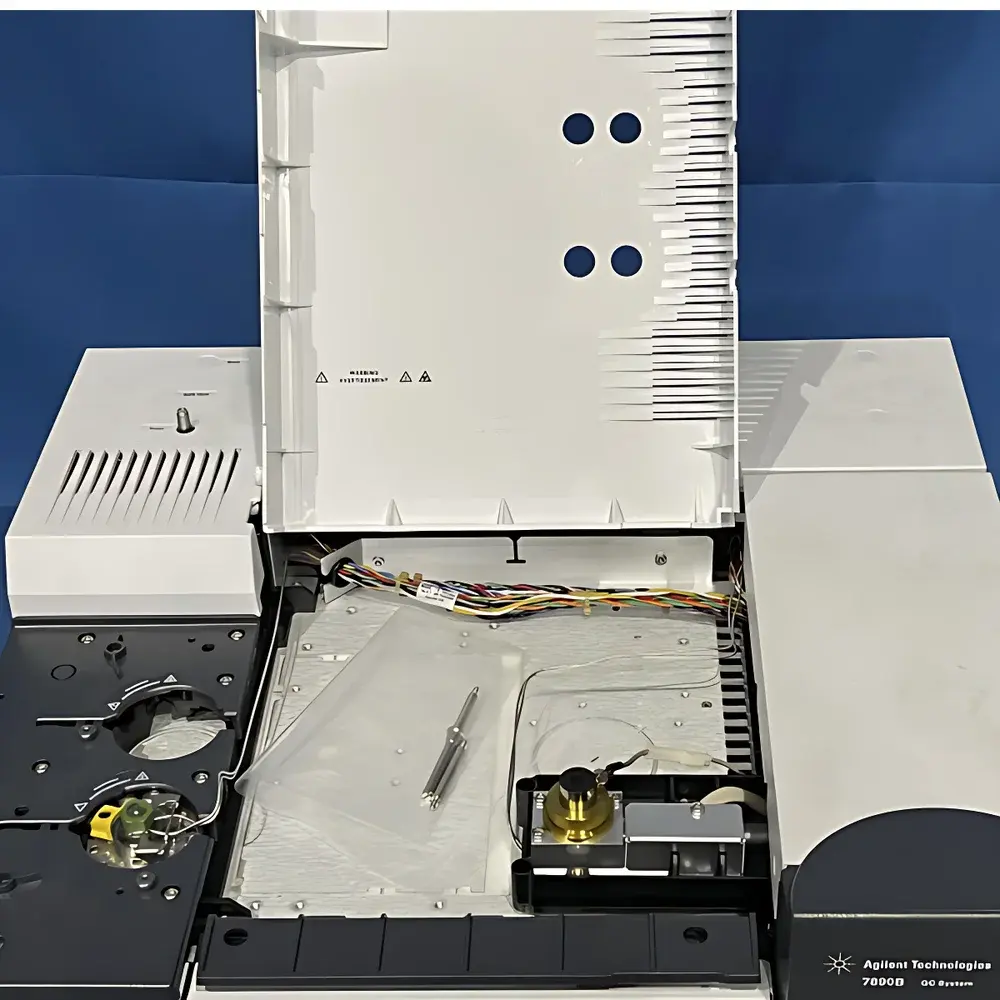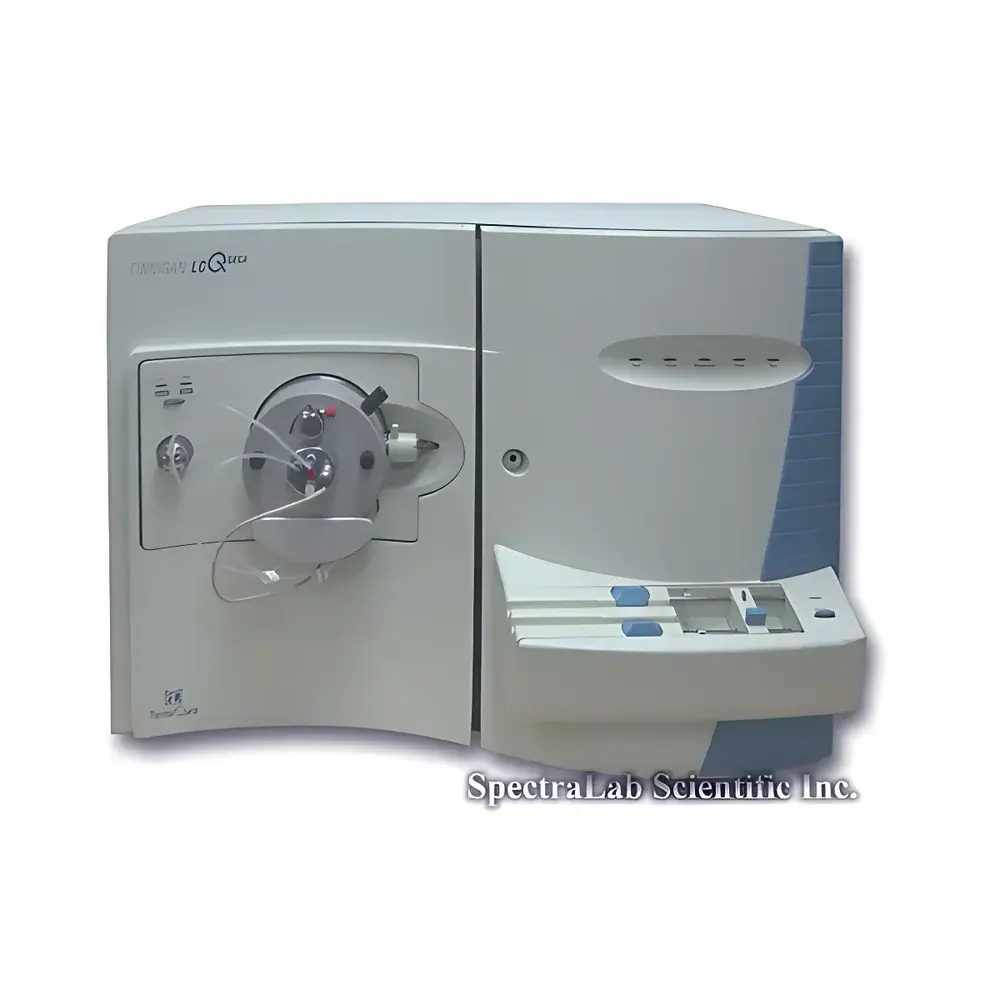
Thermo Fisher LCQ Deca XP Ion Trap Mass Spectrometer (Refurbished)
| Brand | Thermo Fisher |
|---|---|
| Origin | USA |
| Model | LCQ Deca XP |
| Mass Range | m/z 50–2000 |
| MSⁿ Capability | up to 10 stages |
| ESI Source | Electrospray Ionization |
| Sensitivity | 10 pg of reserpine (full-scan, S/N ≥ 10:1) |
| Capillary Temperature | 135–350 °C |
| Spray Voltage | 0–8000 V |
| Sheath Gas Flow | 0–100 arbitrary units |
| Auxiliary Gas Flow | 0–20 arbitrary units |
| DAD Wavelength Range | 190–950 nm |
| Instrument Age | ~4 years |
| Warranty | 6 months |
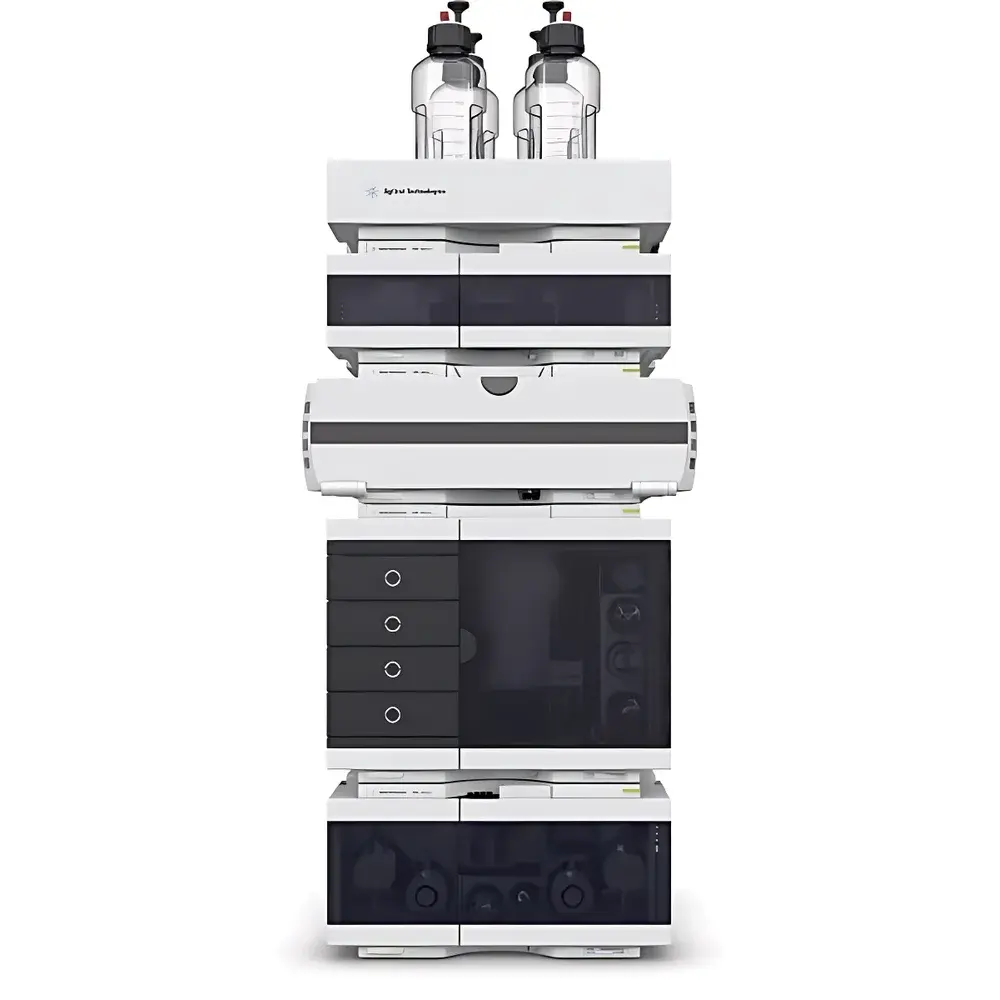
| Configuration | LC-MS system with autosampler, binary pump, degasser, column oven, DAD detector, and ion trap mass spectrometer |
Overview
The Thermo Fisher LCQ Deca XP Ion Trap Mass Spectrometer is a high-performance, benchtop liquid chromatography–mass spectrometry (LC-MS) platform engineered for structural elucidation and quantitative analysis of thermally labile, non-volatile, and polar compounds. Based on quadrupole ion trap technology operating under controlled RF/DC fields, the LCQ Deca XP enables sequential isolation, excitation, and fragmentation of precursor ions—supporting up to 10 stages of tandem mass spectrometry (MSn). Its integrated electrospray ionization (ESI) source provides soft ionization ideal for intact molecular ion detection in complex biological, pharmaceutical, and environmental matrices. The system is fully coupled with a modular HPLC configuration—including binary solvent delivery, autosampling, column thermostating, and diode array detection—enabling orthogonal data acquisition across UV-Vis absorbance and mass spectral dimensions.
Key Features
- Ion trap architecture delivering high mass accuracy and reproducible MSn capability (n = 1–10), essential for de novo structural inference and confirmation of unknown metabolites or degradation products.
- Integrated ESI source with adjustable spray voltage (0–8000 V), capillary temperature range (135–350 °C), and independently controlled sheath/auxiliary gas flows for robust ionization across diverse analyte classes.
- Dual-detection capability: simultaneous UV-Vis spectral acquisition (190–950 nm) via DAD and full-scan or targeted mass spectral acquisition (m/z 50–2000).
- Comprehensive data acquisition modes: full-scan, selected ion monitoring (SIM), and selected reaction monitoring (SRM)—optimized for both discovery workflows and validated quantitative assays.
- Refurbished and functionally validated by SpectraLab Scientific; all critical subsystems—including vacuum integrity, ion transmission efficiency, and detector response—verified per Thermo Fisher OEM performance benchmarks.
- Includes original software suite (Xcalibur v2.x) with full instrument control, real-time data processing, and library search functionality compatible with NIST, Wiley, and custom spectral libraries.
Sample Compatibility & Compliance
The LCQ Deca XP supports direct infusion (flow injection) for pure standards and LC-coupled operation for complex mixtures—including peptides, oligonucleotides, natural products, small-molecule APIs, and environmental contaminants. Its ESI interface accommodates aqueous/organic mobile phases with pH ranges typical of reversed-phase and HILIC separations. The system meets foundational requirements for GLP-compliant laboratories: audit-trail-enabled software logging, user-access controls, and electronic signature support in Xcalibur. While not pre-certified for 21 CFR Part 11 out-of-the-box, the platform is fully configurable to meet FDA-regulated environments when deployed with validated procedures and supplementary documentation (e.g., IQ/OQ/PQ protocols).
Software & Data Management
Controlled exclusively through Thermo Fisher’s Xcalibur platform, the LCQ Deca XP leverages a mature, stable software environment widely adopted in academic and industrial labs since the early 2000s. Xcalibur provides synchronized method development for LC and MS parameters, automated calibration routines, and post-acquisition tools for peak integration, isotopic pattern analysis, and MSn spectral annotation. Raw data files (.RAW) are natively compatible with third-party open-source tools (e.g., MS-DIAL, MZmine) and commercial platforms (e.g., Compound Discoverer, Sieve). All refurbished units ship with licensed software media, activation keys, and documented installation verification reports.
Applications
- Metabolite identification in drug metabolism studies (Phase I/II)
- Impurity profiling and degradation product characterization per ICH Q3B/Q5C guidelines
- Peptide mapping and post-translational modification analysis
- Residue screening in food and environmental samples (e.g., pesticides, mycotoxins)
- Quality control of herbal extracts and natural product formulations
- Method development and transfer for legacy LC-MS workflows requiring long-term instrument stability and method reproducibility
FAQ
Is this instrument eligible for extended warranty or service contracts?
Yes—SpectraLab Scientific offers optional 12- or 24-month extended service plans covering parts, labor, and remote diagnostics support.
Does the system include a maintenance log or service history?
All refurbished LCQ Deca XP units undergo full functional testing; a detailed validation report—including calibration records, vacuum leak test results, and sensitivity verification—is provided with shipment.
Can this instrument be upgraded to support newer software versions or hardware modules?
Xcalibur v2.3 is the final officially supported version for LCQ Deca XP; no official upgrades to later Xcalibur releases or modern Thermo mass spectrometers are possible due to firmware and driver incompatibility.
What consumables and spare parts are recommended for initial operation?
We recommend stocking ESI needles, stainless steel capillaries, column frits, pump seals, and replacement DAD lamps prior to deployment to ensure operational continuity.
Is regulatory documentation (e.g., CE, RoHS, FDA registration) available?
As an imported used instrument, it carries original Thermo Fisher US manufacturing certifications; CE marking applies to the base instrument design, and RoHS compliance is confirmed per EU Directive 2011/65/EU Annex II.