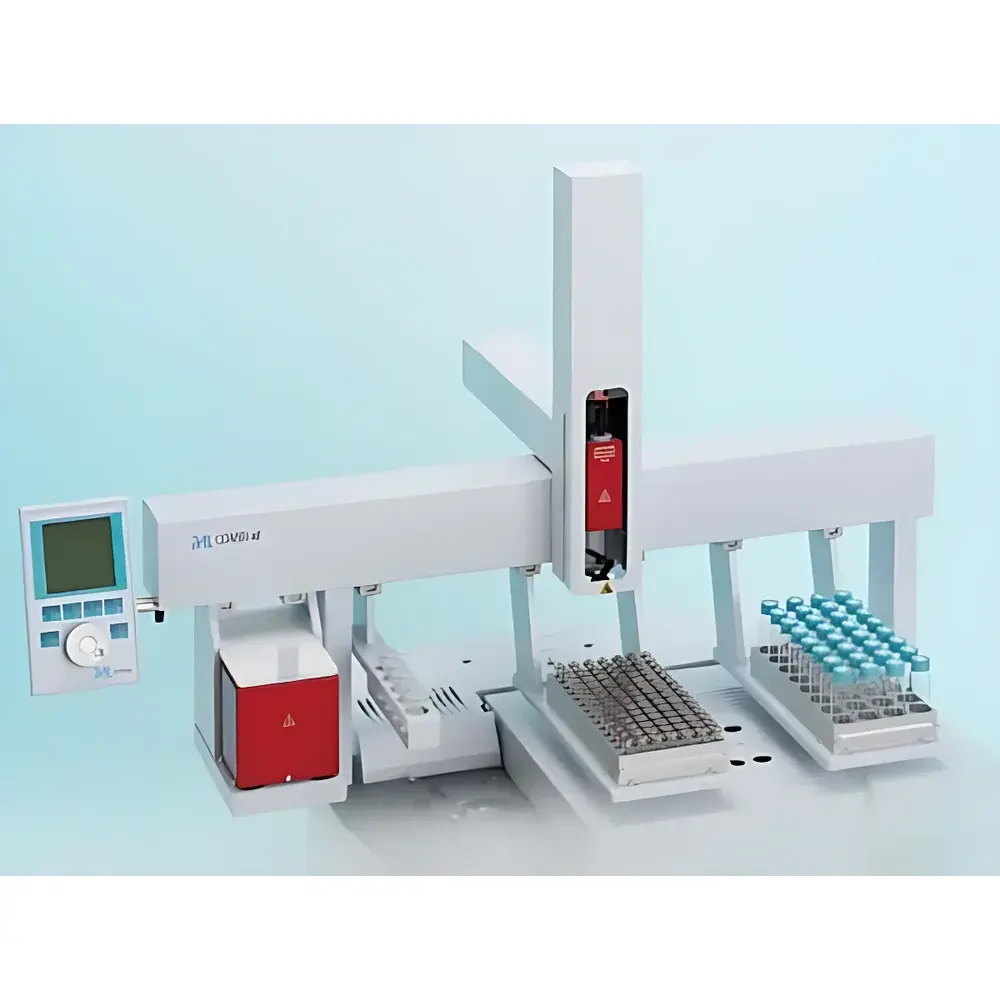
CDS CombiPAL Multi-Function Autosampler
| Origin | Switzerland |
|---|---|
| Manufacturer Type | Authorized Distributor |
| Origin Category | Imported Instrument |
| Model | COMBIPAL |
| Price Range | USD 1,400 – 7,000 (FOB) |
| Product Category | Chromatography |
| Service Life | 2–3 Years |
| Warranty | 6 Months |
| Compatibility | GC & GC/MS Platforms |
Overview
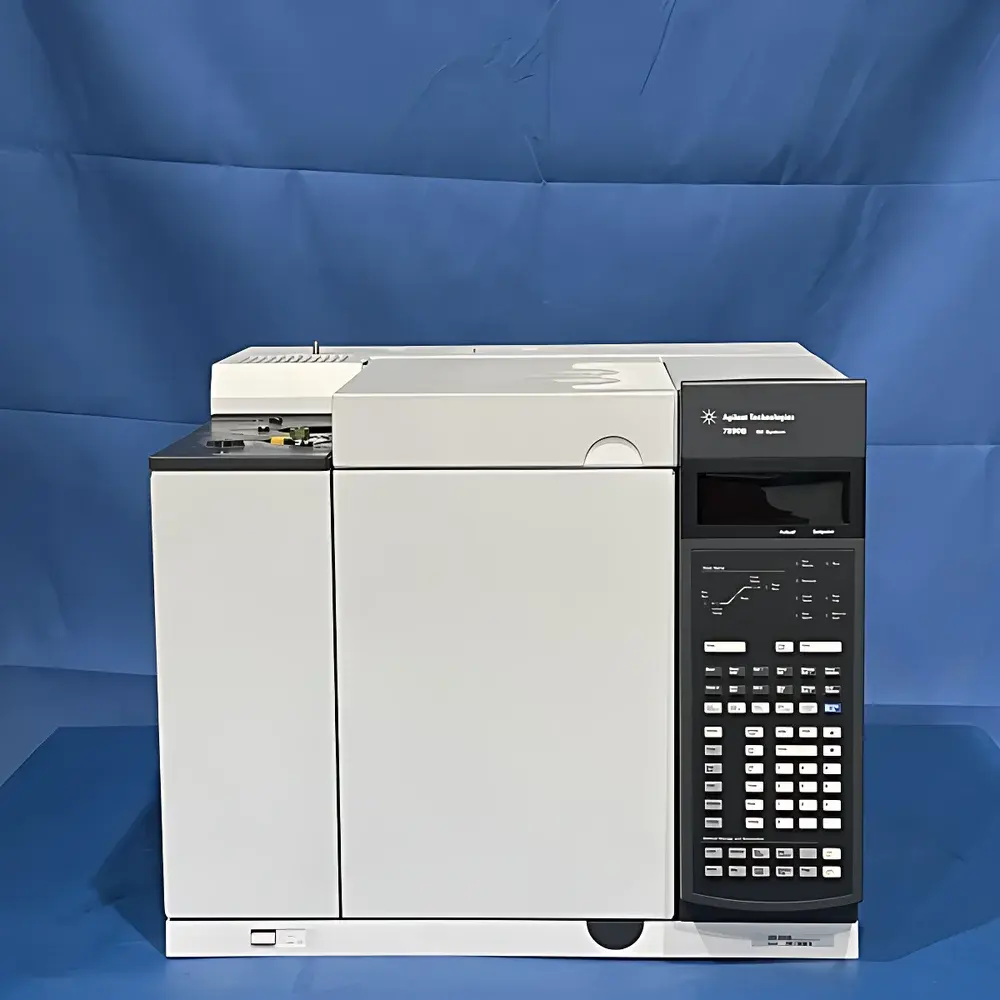
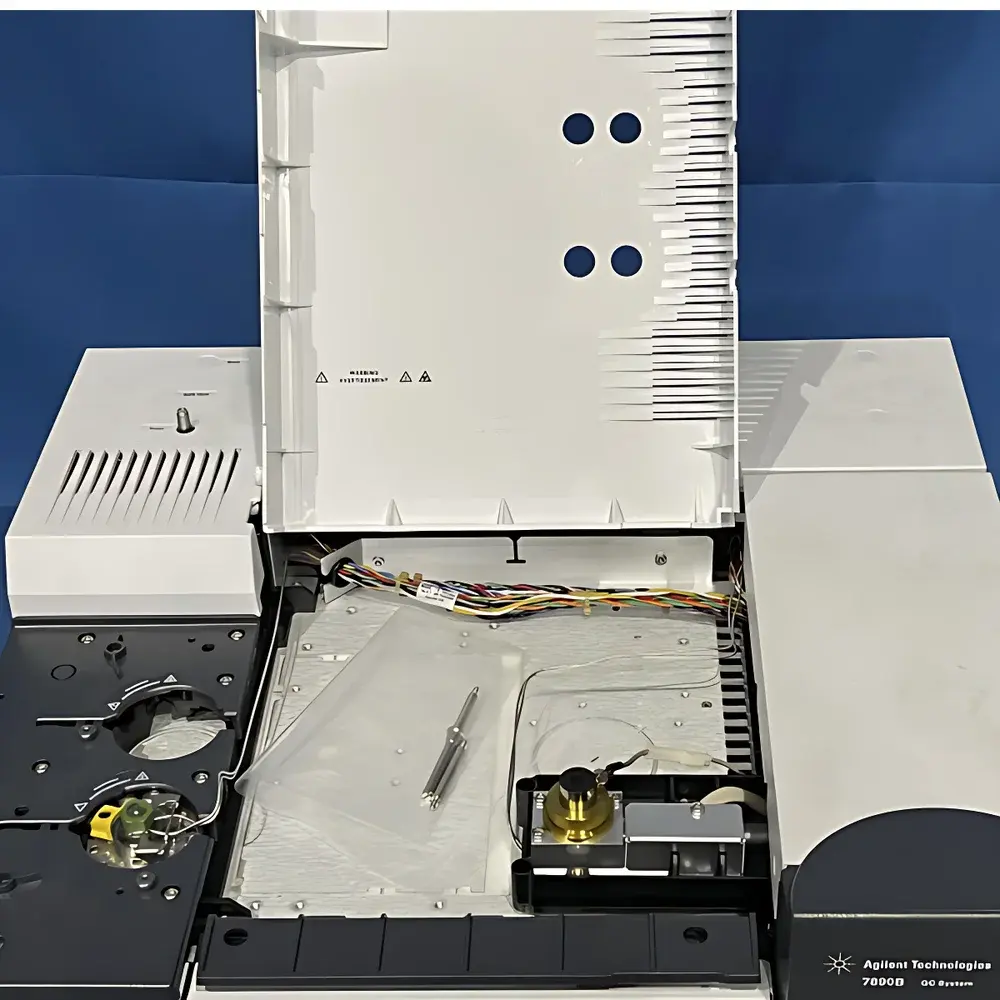
The CDS CombiPAL Multi-Function Autosampler is a high-precision, modular sample introduction system engineered for gas chromatography (GC) and gas chromatography–mass spectrometry (GC/MS) laboratories requiring flexible, reproducible, and space-efficient automation. Designed and manufactured in Switzerland, the CombiPAL operates on a syringe-based direct-injection principle—eliminating carrier gas loops, transfer lines, and multi-port switching valves that introduce carryover, dead volume, or pressure fluctuations. Its core architecture leverages a single vertically actuated injection needle to perform liquid-phase injection, static headspace sampling, and solid-phase microextraction (SPME) support—all within one compact, benchtop-integrated platform. This design ensures minimal sample manipulation, high injection repeatability (<0.5% RSD for peak area), and compatibility with both split/splitless injectors and cold on-column interfaces. The system’s GC-mountable form factor reduces footprint by up to 40% compared to freestanding autosamplers, making it especially suitable for regulated labs where instrument density and workflow ergonomics are critical.
Key Features
- Modular three-in-one operation: simultaneous support for liquid injection, static headspace analysis, and SPME-ready configurations without hardware reconfiguration
- True direct-syringe delivery: eliminates sample loop contamination, valve wear, and flow-path memory effects
- GC-integrated mounting: attaches directly to Agilent, Thermo Fisher, Shimadzu, and PerkinElmer GC models via standardized mechanical and electrical interfaces
- Programmable motion control: precise XYZ positioning with sub-millimeter resolution and programmable dwell times for optimized equilibration and transfer kinetics
- Thermostatically controlled sample compartments: optional Peltier-cooled or heated trays (4–90 °C) with independent temperature logging per zone
- Full firmware-level compatibility with native GC data systems: supports method synchronization, sequence triggering, and status reporting via RS-232, USB, or Ethernet
Sample Compatibility & Compliance
The CombiPAL accommodates standard vial formats including 1 mL, 2 mL, 10 mL, and 20 mL crimp-top or screw-cap vials, as well as ANSI/SLAS-compliant microplates (54-, 96-, and 384-well). Optional modules extend capability to multiple headspace extraction (MHE), flow-cell interfacing for online process monitoring, and automated dilution/fraction collection. All operational parameters—including syringe wash cycles, incubation time, equilibration temperature, and injection speed—are fully configurable and auditable. The system complies with GLP/GMP documentation requirements when used with validated software; audit trails, electronic signatures, and method versioning are supported through integration with compliant chromatography data systems (CDS) meeting FDA 21 CFR Part 11 criteria.
Software & Data Management
Control is executed via CDS PAL Control Software (v3.5+), a Windows-based application offering script-driven method development, real-time diagnostics, and remote supervision. Users define custom workflows using drag-and-drop logic blocks—e.g., “if vial position > 50, then activate cooling; if headspace mode selected, apply 15-min equilibration at 80 °C.” All sequences are timestamped and exportable in CSV or XML format. Raw instrument logs—including motor current draw, temperature deviation alerts, and syringe plunger position traces—are retained for troubleshooting and root-cause analysis. Integration with third-party CDS platforms (e.g., OpenLab CDS, Chromeleon, MassHunter) enables seamless sequence handoff and result correlation without manual re-entry.
Applications
The CombiPAL serves mission-critical roles across regulated and research-intensive domains: residual solvent analysis (ICH Q3C) in pharmaceutical manufacturing; volatile organic compound (VOC) profiling in environmental water and soil matrices (EPA Method 502.2, ISO 11843); flavor compound quantification in beverages (AOAC 994.02); hydrocarbon speciation in petrochemical feedstocks (ASTM D5504); and nicotine alkaloid profiling in tobacco products (FDA Tobacco Product Standard Guidance). Its low carryover (<0.01%) and thermal stability make it suitable for trace-level analysis of thermolabile volatiles—such as aldehydes, terpenes, and sulfur compounds—without derivatization.
FAQ
Is the CombiPAL compatible with my existing GC system?
Yes—the system includes mechanical adapters and communication drivers for all major GC platforms released since 2008, including Agilent 7890/8890, Thermo ISQ EC, Shimadzu GC-2030, and PerkinElmer Clarus series.
What validation documentation is provided with refurbished units?
Each unit ships with a Factory Requalification Report covering mechanical calibration, thermal verification, syringe accuracy testing, and electrical safety checks—performed in accordance with ISO/IEC 17025-accredited procedures.
Can I upgrade functionality post-purchase?
All hardware modules (MHE, FlowCell, Dilutor) and software licenses are field-installable via authorized service partners; no firmware reflashing or chassis modification is required.
How is data integrity ensured during long unattended runs?
The system incorporates non-volatile memory buffering, automatic power-fail recovery, and dual-stage syringe position verification—ensuring sequence continuity and positional fidelity even after unexpected interruptions.