
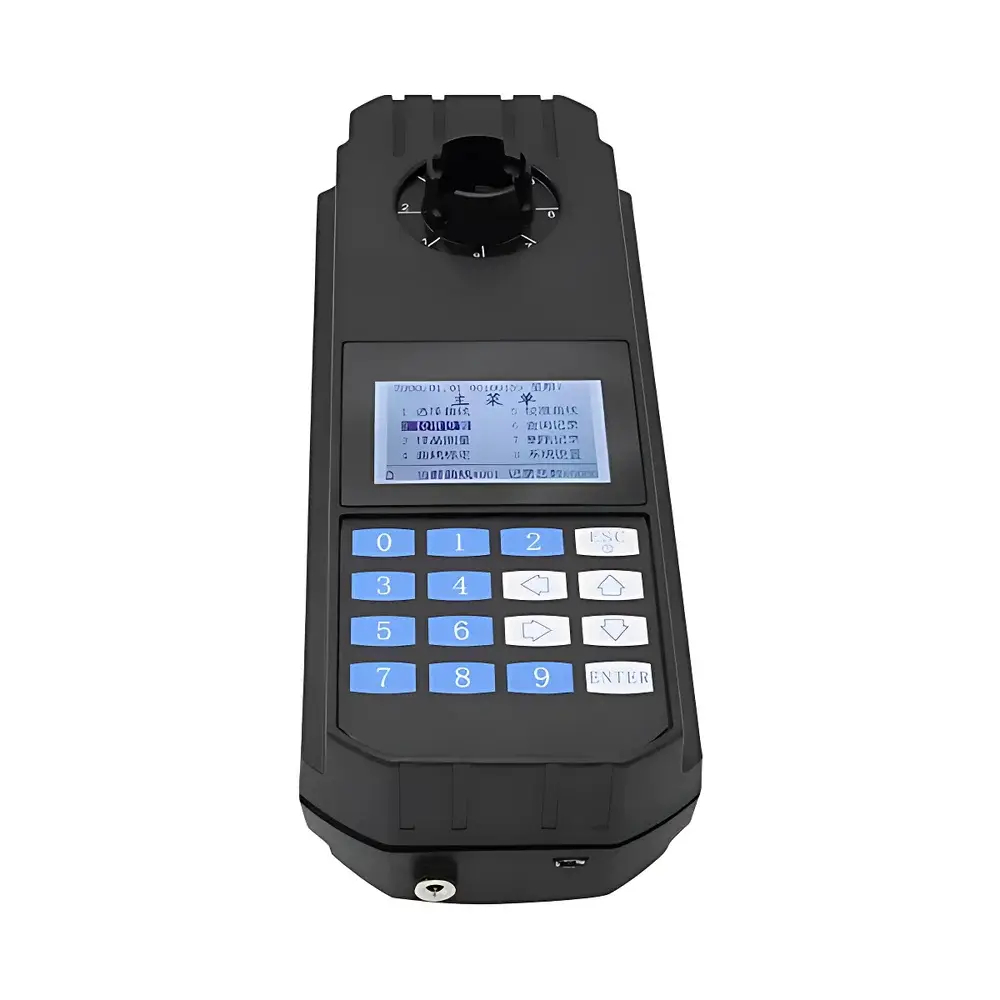
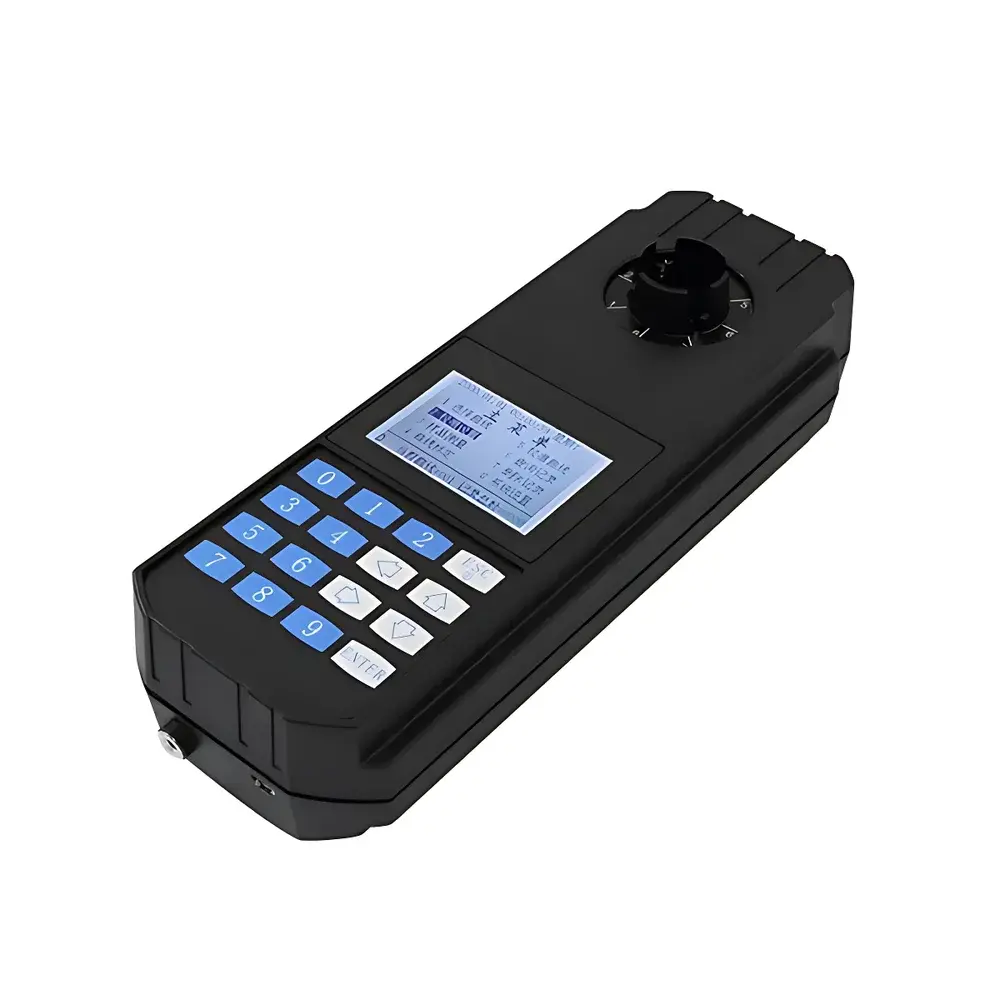
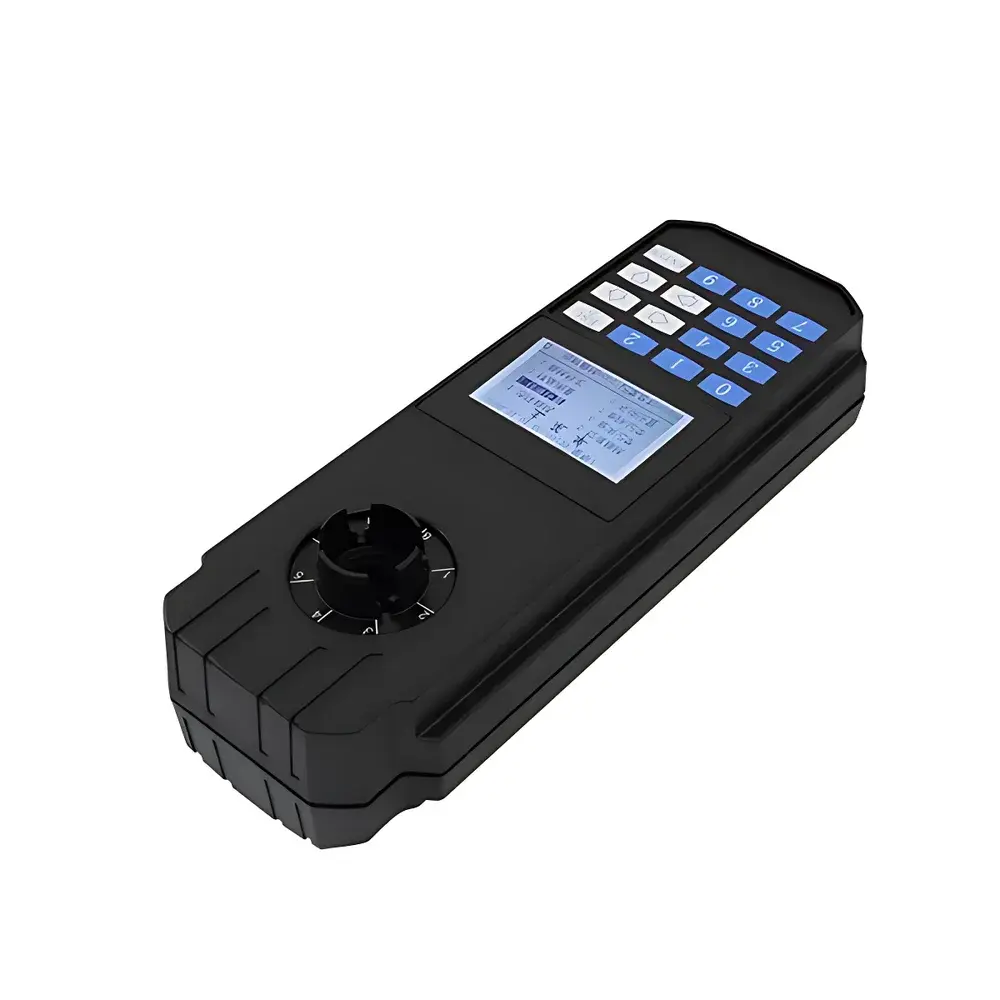
Shenchanghong PBRD-801 Portable Aquaculture Water Quality Analyzer
| Brand | Shenchanghong |
|---|---|
| Origin | Guangdong, China |
| Manufacturer Type | Manufacturer |
| Country of Origin | China |
| Model | PBRD-801 |
| Price | Upon Request |
| Wavelength Range | 400–700 nm (8 discrete bands) |
| pH Range | 5.0–8.0 |
| Dissolved Oxygen (DO) | 0.1–10.0 mg/L |
| Salinity | 0.0–28.0 % |
| Ammonia-N | 0.1–25.0 mg/L |
| Sulfide | 0.01–1.00 mg/L |
| Nitrite | 0.02–5.00 mg/L |
| Mercury | 0.002–0.50 mg/L |
| Cadmium | 0.05–0.50 mg/L |
| pH Accuracy | ±0.1 |
| DO Accuracy | ±5% of reading |
| Salinity Accuracy | ±0.2% |
| Ammonia-N / Sulfide / Mercury / Cadmium Accuracy | ±5% FS |
| Nitrite Accuracy | ±0.05 mg/L or ±5% |
| Absorbance Linearity | 0–2.5 ABS |
| Absorbance Stability (RSD) | <0.3% |
| Repeatability | ≤3% |
| Display | 240×160 LCD |
| Data Storage | 500 records with timestamp |
| Power | Rechargeable Li-ion battery |
| Weight | 240 g |
| Dimensions | 80 × 230 × 55 mm |
| Includes | Carrying case, 10 cuvettes, full reagent set, USB cable, data acquisition software CD, charging adapter, dedicated salinity probe, manual, warranty card, certificate of conformity |
Overview
The Shenchanghong PBRD-801 Portable Aquaculture Water Quality Analyzer is a multi-parameter spectrophotometric field instrument engineered for rapid, on-site assessment of critical water quality parameters in aquaculture systems, environmental monitoring stations, and regulatory laboratories. It operates on the principle of visible-light absorbance spectroscopy (400–700 nm), utilizing eight fixed-wavelength optical channels to quantify analyte concentrations via standardized colorimetric reactions. Each measurement follows internationally recognized reaction chemistries—such as indophenol blue for ammonia-nitrogen, azide-modified Winkler for dissolved oxygen, and diphenylcarbazide for mercury—ensuring methodological alignment with ASTM D1292 (salinity), ISO 5813 (DO), and EPA 350.1 (nitrite). The instrument’s optical architecture integrates imported high-stability light sources and precision interference filters, minimizing spectral drift and ambient light interference—key requirements for reliable field deployment under variable lighting and temperature conditions.
Key Features
- Eight-channel visible-spectrum photometer with factory-calibrated wavelength bands (400, 420, 440, 470, 520, 540, 560, 610 nm) optimized for common aquaculture and environmental assays.
- Integrated rechargeable lithium-ion battery providing ≥12 hours of continuous operation; eliminates disposable battery dependency and supports extended field campaigns.
- High-contrast 240×160 graphical LCD with intuitive icon-driven interface—designed for glove-compatible operation in humid, outdoor environments.
- Onboard data logging with time-stamped storage of up to 500 test records; exportable via USB 2.0 to Windows-based PCs using included acquisition software.
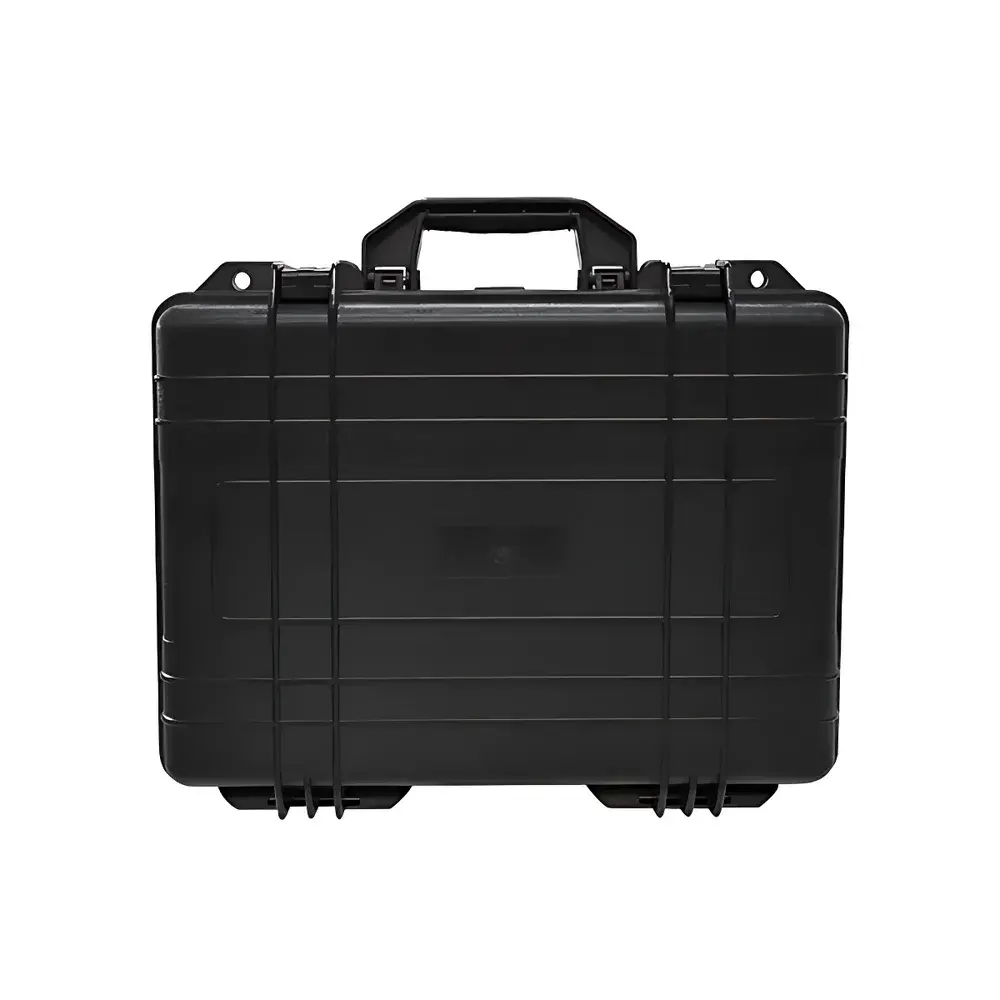
- Rugged, compact housing (80 × 230 × 55 mm) weighing only 240 g, supplied with IP65-rated carrying case, calibrated cuvettes, and complete reagent kits for all listed parameters.
- Optical stability verified at RSD <0.3% over 30 minutes, supporting GLP-compliant repeatability (≤3%) and measurement confidence across diverse sample matrices.
Sample Compatibility & Compliance
The PBRD-801 is validated for use with freshwater, brackish, and low-salinity marine samples typical of pond-based aquaculture, hatchery effluents, and surface water monitoring. Its assay protocols are compatible with turbidities up to 50 NTU and suspended solids ≤100 mg/L without filtration—subject to method-specific clarification steps outlined in the operator manual. All analytical ranges and accuracy specifications conform to Chinese national standards HJ 535–2009 (ammonia), HJ 484–2009 (cyanide/sulfide), and GB/T 5750.6–2023 (metals). While not certified to ISO/IEC 17025, the instrument supports traceable calibration via NIST-traceable reference standards and meets functional requirements for routine QC in facilities operating under GB/T 19001 (ISO 9001) and GB/T 24001 (ISO 14001) frameworks.
Software & Data Management
The bundled Windows-compatible data acquisition software enables secure transfer, visualization, and basic statistical analysis (mean, SD, min/max) of stored measurements. Raw absorbance values and calculated concentrations are exported in CSV format for integration into LIMS or third-party platforms such as LabWare or Thermo Fisher SampleManager. Audit trail functionality includes user login timestamps, method version identifiers, and calibration history logs—supporting documentation requirements for internal QA reviews and regulatory audits under China’s Measures for the Supervision and Administration of Environmental Monitoring Data Quality (MEP Order No. 37). Firmware updates are delivered via USB; no cloud connectivity or remote access capabilities are implemented.
Applications
- Real-time monitoring of pond water quality during shrimp, tilapia, and carp farming cycles—including pre- and post-aeration DO profiling and daily ammonia-N trending.
- Field verification of wastewater discharge compliance from feed mills and processing plants against local environmental thresholds (e.g., DB 44/26–2001 in Guangdong Province).
- Rapid screening of drinking water sources for nitrite and heavy metals in rural aquaculture cooperatives lacking centralized lab infrastructure.
- Educational use in university environmental science labs for teaching colorimetric assay principles, calibration curve construction, and interferences from humic substances or chloride ions.
- Baseline surveys for ecological impact assessments in estuarine zones where salinity gradients influence metal speciation and nutrient bioavailability.
FAQ
Is the PBRD-801 compliant with FDA 21 CFR Part 11 for electronic records?
No—the device does not implement electronic signatures, audit trails with immutable logs, or role-based access control required by Part 11. It is intended for non-GMP field use.
Can it measure total phosphorus or nitrate?
No—this model is configured exclusively for the eight parameters specified in its technical documentation; no additional wavelength bands or reagent modules are available.
What is the recommended calibration frequency?
Daily zero-point verification with deionized water is advised; full calibration with standard solutions every 7 days or after reagent lot changes.
Are replacement reagents available outside China?
Reagent kits are distributed globally through authorized Shenchanghong partners; catalog numbers and SDS documentation are provided upon request.
Does the salinity probe require periodic recalibration?
Yes—the integrated salinity sensor must be calibrated biweekly using certified NaCl standards (e.g., 5.00 ppt and 15.00 ppt) per manufacturer instructions.
Related Products







