
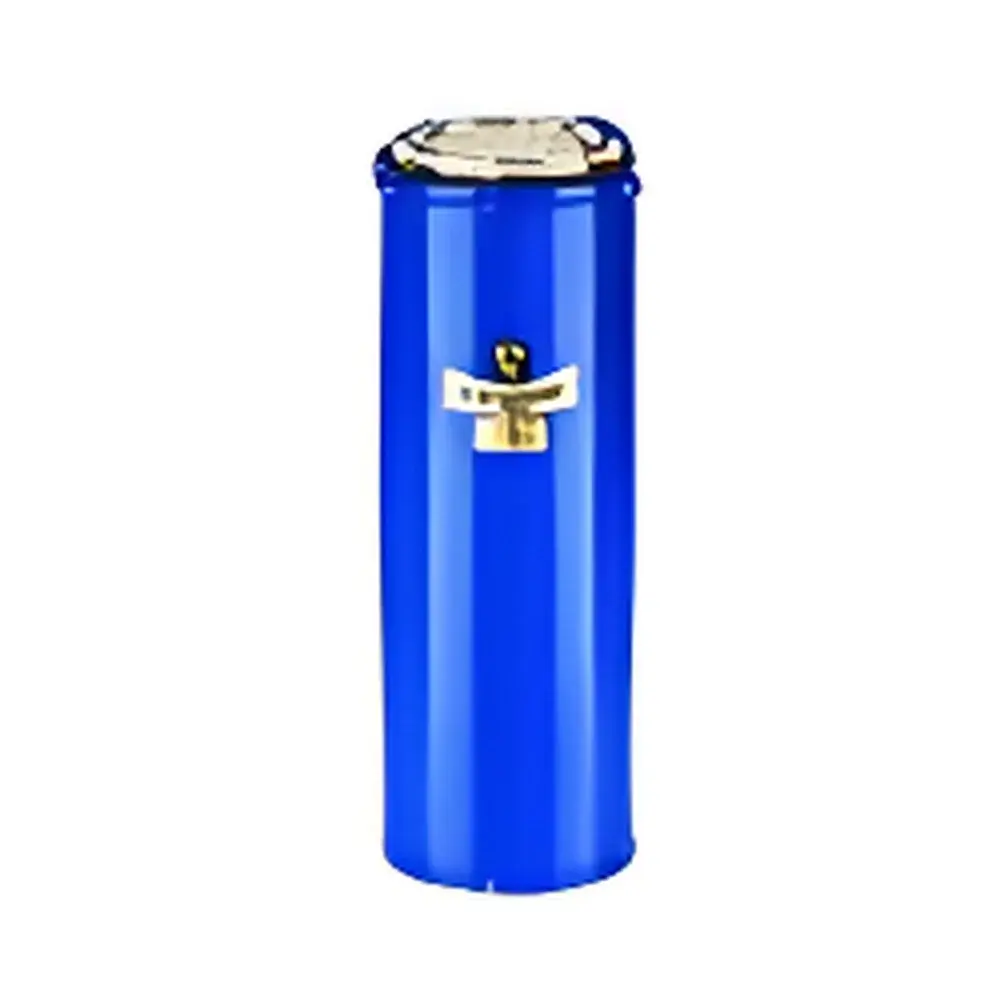
KGW Cryogenic Dewar Flasks – German-Made Borosilicate Glass Liquid Nitrogen Storage Vessels
| Brand | KGW |
|---|---|
| Origin | Germany |
| Construction Material | DIN/ISO 3585 Type 3.3 borosilicate glass |
| Vacuum Insulation | Yes |
| Silvered Inner Wall | Yes |
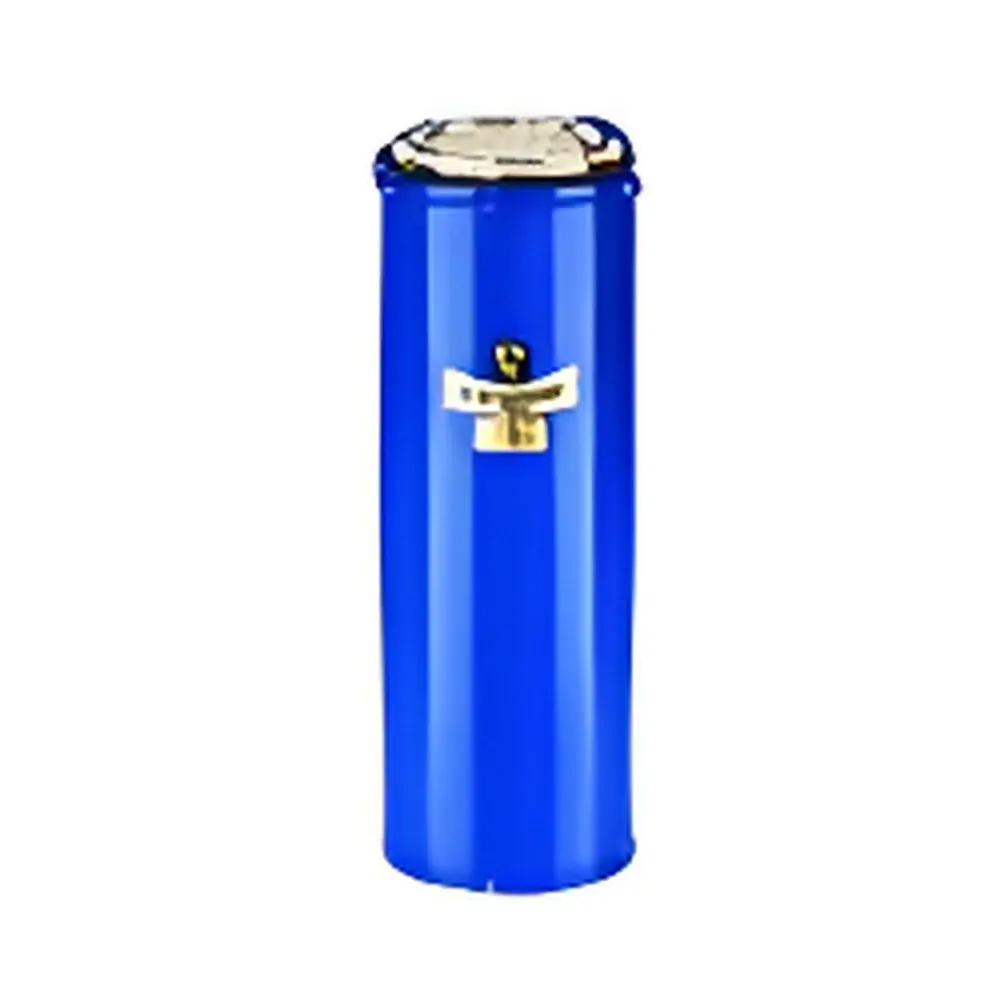
| Outer Casing | Anodized blue aluminum or stainless steel (optional) |
| Temperature Range | –200 °C to +200 °C |
| Evaporation Rate | 0.2–3.1 L/day (model-dependent) |
| Compliance | DIN/ISO 3585, vacuum integrity certified for cryogenic service |
Overview
KGW cryogenic Dewar flasks are precision-engineered laboratory vessels designed for the safe, stable, and long-term storage and transport of liquid nitrogen (LN₂), dry ice slurries, and other ultra-low-temperature cryogens. Manufactured in Germany to strict DIN/ISO 3585 specifications, each Dewar features a double-walled borosilicate glass construction with high-vacuum interstitial space and a thermally reflective silvered inner surface—ensuring minimal heat ingress and low boil-off rates across all operational configurations. The design adheres to fundamental principles of cryostatic insulation: thermal isolation via high vacuum (<10⁻³ mbar), reduced radiative transfer via mirror-grade silvering, and minimized conductive pathways through optimized glass wall geometry and low-conductivity support structures. These flasks are routinely deployed in life science laboratories where reproducible cryopreservation of biological samples—including stem cells, oocytes, spermatozoa, and primary tissue cultures—demands strict thermal stability and material compatibility with GMP-aligned workflows.
Key Features
- DIN/ISO 3585 Type 3.3 borosilicate glass body: Chemically inert, hydrolytic class 1, thermal shock resistant (ΔT ≥ 120 °C), and compatible with repeated LN₂ cycling without devitrification.
- High-vacuum insulated annulus: Factory-evacuated and sealed under controlled conditions; validated vacuum integrity ensures consistent thermal performance over service life.
- Silvered inner wall: Enhances infrared reflectivity (>95%) to suppress radiative heat transfer at cryogenic temperatures.
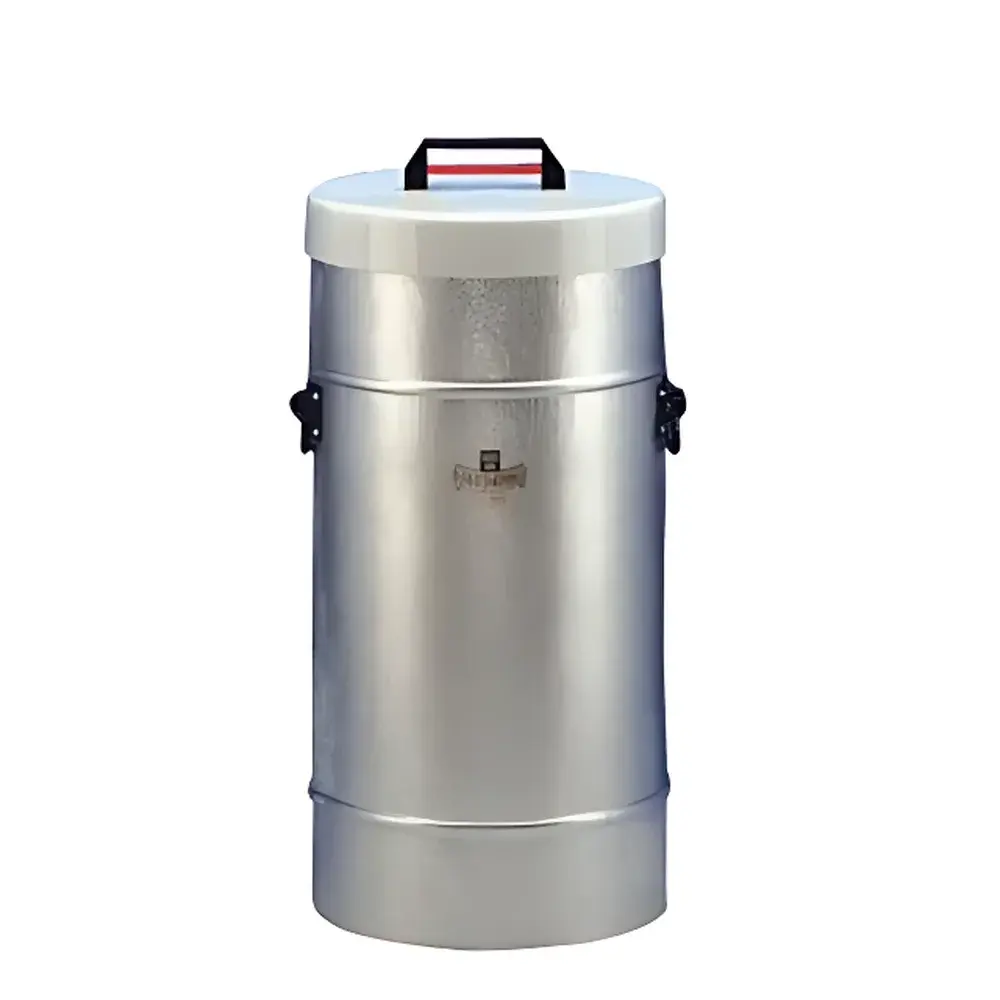
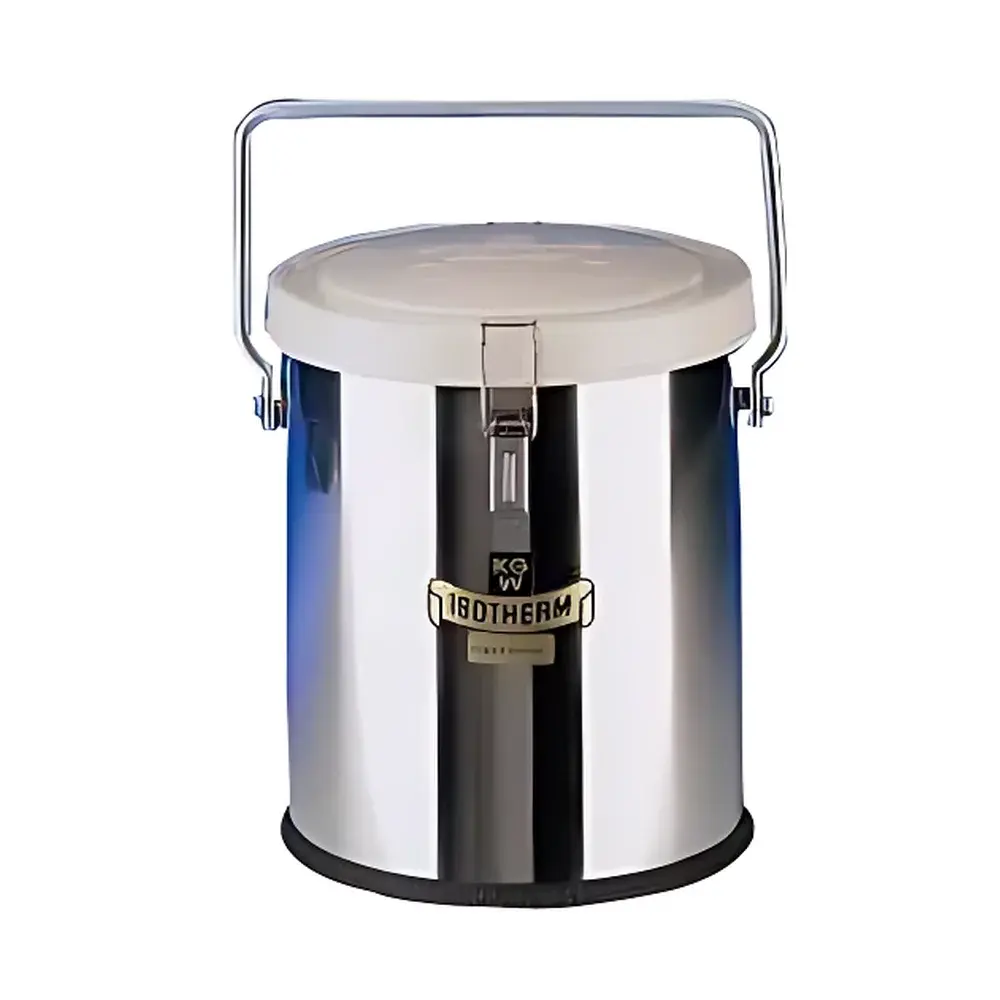
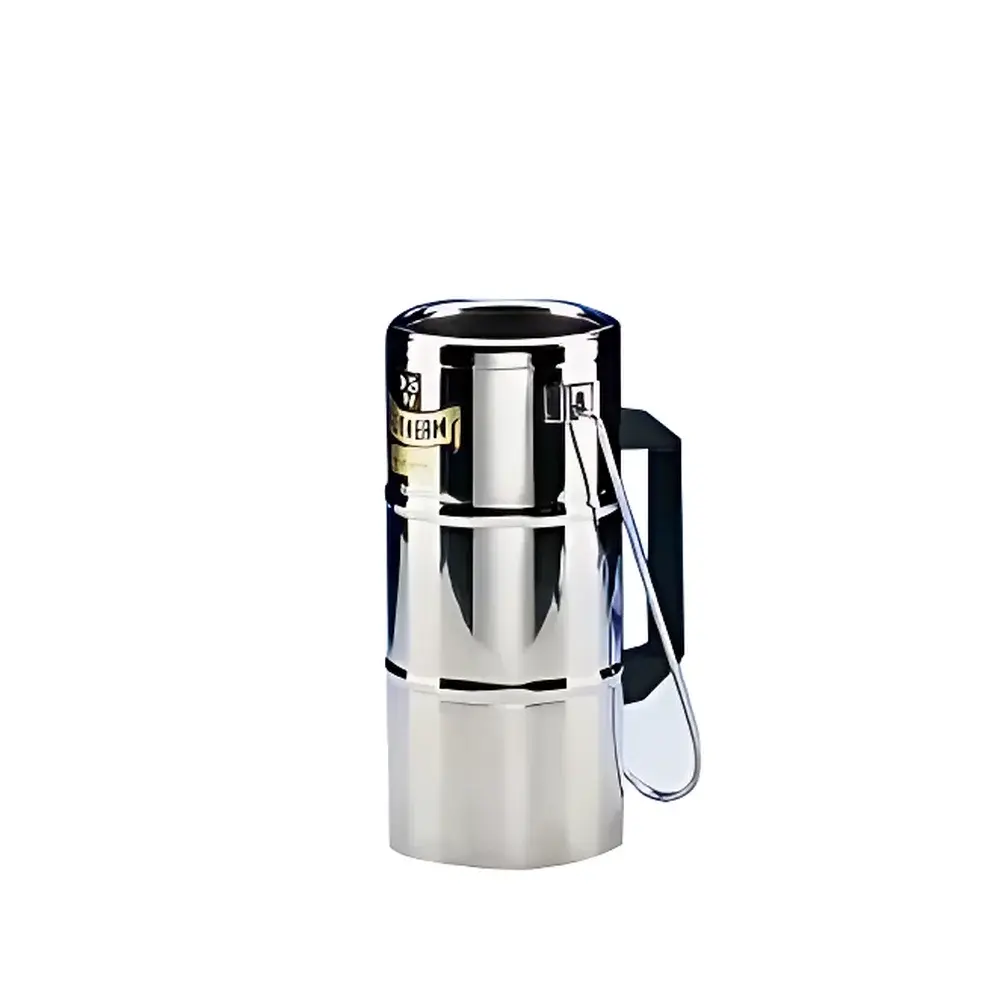
- Corrosion-resistant outer casing: Anodized blue aluminum (standard) or electropolished stainless steel (custom option); non-magnetic, rust-proof, and suitable for cleanroom environments.
- Ergonomic handling systems: Integrated side handles (G-series), top lifting handles (D-series), or dual-handle configurations (S-series) for secure manual transport under full load.
- Modular cold trap integration: Compatible with KF29-series cold traps (S29, O29, GL18 variants) via standardized ground-glass or PTFE-sealed joints; eliminates need for external clamping hardware.
Sample Compatibility & Compliance
KGW Dewars maintain full compatibility with biobanking standards for cryogenic sample integrity. The borosilicate glass interior exhibits no leachable ions or organic extractables per USP , ensuring no interference with sensitive biological matrices. All models meet ISO 20417:2021 requirements for medical device labeling and traceability. For regulated environments, the flasks support ALCOA+ data integrity principles when used in conjunction with validated LN₂ level monitoring systems. While the Dewars themselves are not active medical devices, they are routinely incorporated into ISO 13485-certified biorepository workflows and comply with key elements of ASTM F1897 (Standard Guide for Cryogenic Vessel Performance Testing) and EN 13445-3 Annex C (vacuum vessel design verification). Documentation packages include material certificates, vacuum decay test reports, and dimensional conformity statements.
Software & Data Management
KGW Dewars are passive storage devices and do not incorporate embedded electronics or firmware. However, they are fully interoperable with third-party cryo-monitoring platforms—including wireless LN₂ level sensors (e.g., Chart MVE Smart Sensors), temperature dataloggers (e.g., DeltaTRAK FlashLink), and LIS-integrated inventory management systems. Their standardized dimensions, neck geometries (KF29, ISO-KF, or NS 29/32), and repeatable product numbering (e.g., “12C”, “S21”, “FB9CAL”) enable seamless integration into digital sample tracking ecosystems. When paired with compliant software, full audit trails—including fill history, location logs, and maintenance records—can be maintained in accordance with FDA 21 CFR Part 11 and EU Annex 11 requirements for electronic records and signatures.
Applications
- Cryopreservation of clinical-grade cell therapies and regenerative medicine products in accredited biobanks.
- Long-term archival storage of genomic DNA, RNA, and protein libraries at –196 °C.
- Vacuum-line cold trapping in rotary evaporation, freeze-drying (lyophilization), and high-vacuum distillation systems.
- Calibration reference vessels for cryogenic thermometry (ITS-90 compliant probe immersion).
- Transport of temperature-sensitive reagents (e.g., enzyme inhibitors, fluorescent dyes) requiring sustained sub-zero stability.
- Research-scale superconductivity experiments requiring stable, vibration-isolated LN₂ baths.
FAQ
Are KGW Dewars suitable for long-term liquid nitrogen storage in GMP facilities?
Yes—provided they are operated within specified fill levels and ambient conditions, and integrated into a documented maintenance and inspection protocol per ISO 15189 or CAP guidelines.
What is the typical service life of a KGW Dewar under routine laboratory use?
With proper handling and avoidance of mechanical impact or thermal shock, service life exceeds 10 years; vacuum integrity is typically verified annually via pressure-rise testing.
Can custom neck configurations or port additions be requested?
Yes—KGW offers OEM customization including graduated sight strips, auxiliary ports (1/4″ NPT, Swagelok), and specialized joint types (e.g., ISO-KF 40, CG-12) upon engineering review.
Do these Dewars require periodic re-evacuation?
No—hermetically sealed during manufacture, they retain vacuum for the functional lifetime unless physically compromised.
Is there documentation available for IQ/OQ validation support?
Material certifications, dimensional drawings, and vacuum test reports are supplied with each unit; full validation protocols are available under NDA for qualified customers.
Related Products




