
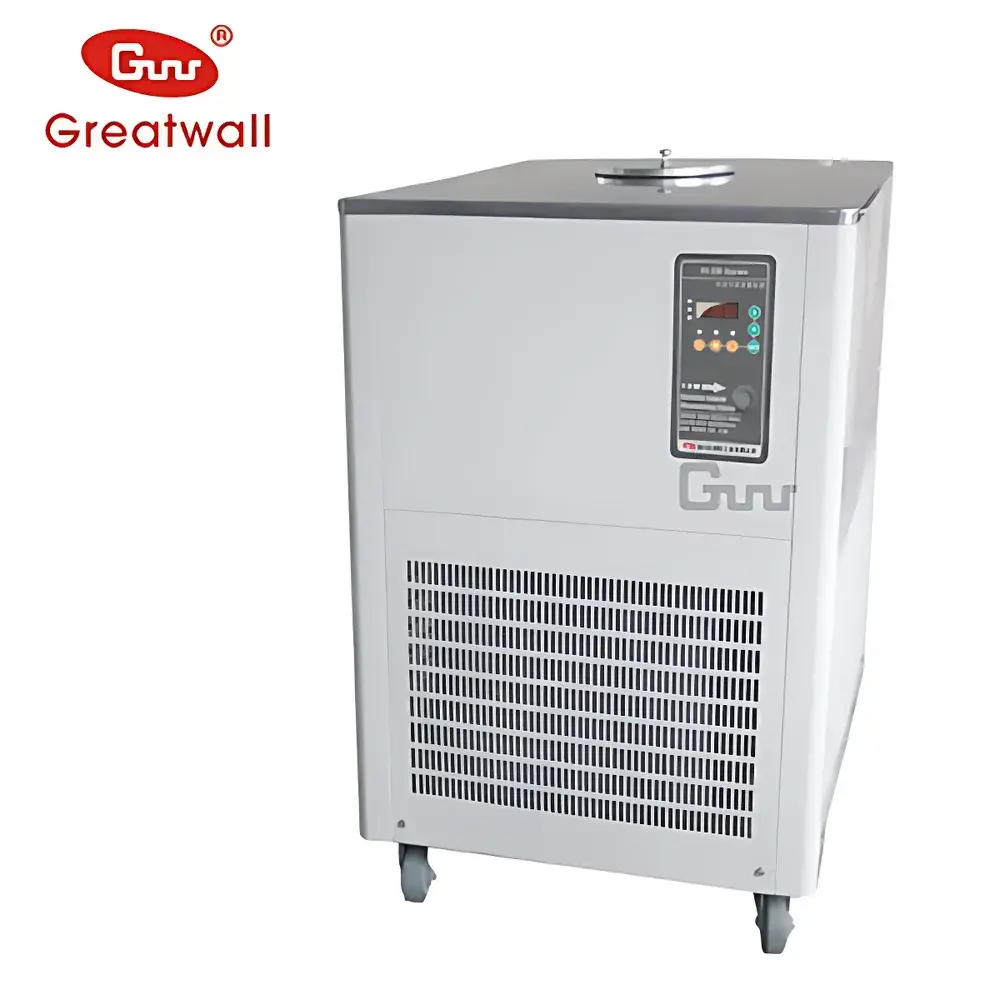
The Great Wall DHJF-1210 Cryogenic Stirred Reaction Bath
| Brand | The Great Wall |
|---|---|
| Origin | Henan, China |
| Manufacturer Type | Direct Manufacturer |
| Country of Origin | China |
| Model | DHJF-1210 |
| Price Range | USD 7,000–14,000 |
| Temperature Range | −120 °C to −60 °C |
| Ambient Operating Temperature | 5–25 °C |
| Temperature Stability | ±2 °C |
| Power Supply | 3-phase, 380 V, 50 Hz |
| Bath Volume | 10 L |
| Bath Dimensions (Ø × H) | 250 mm × 250 mm |
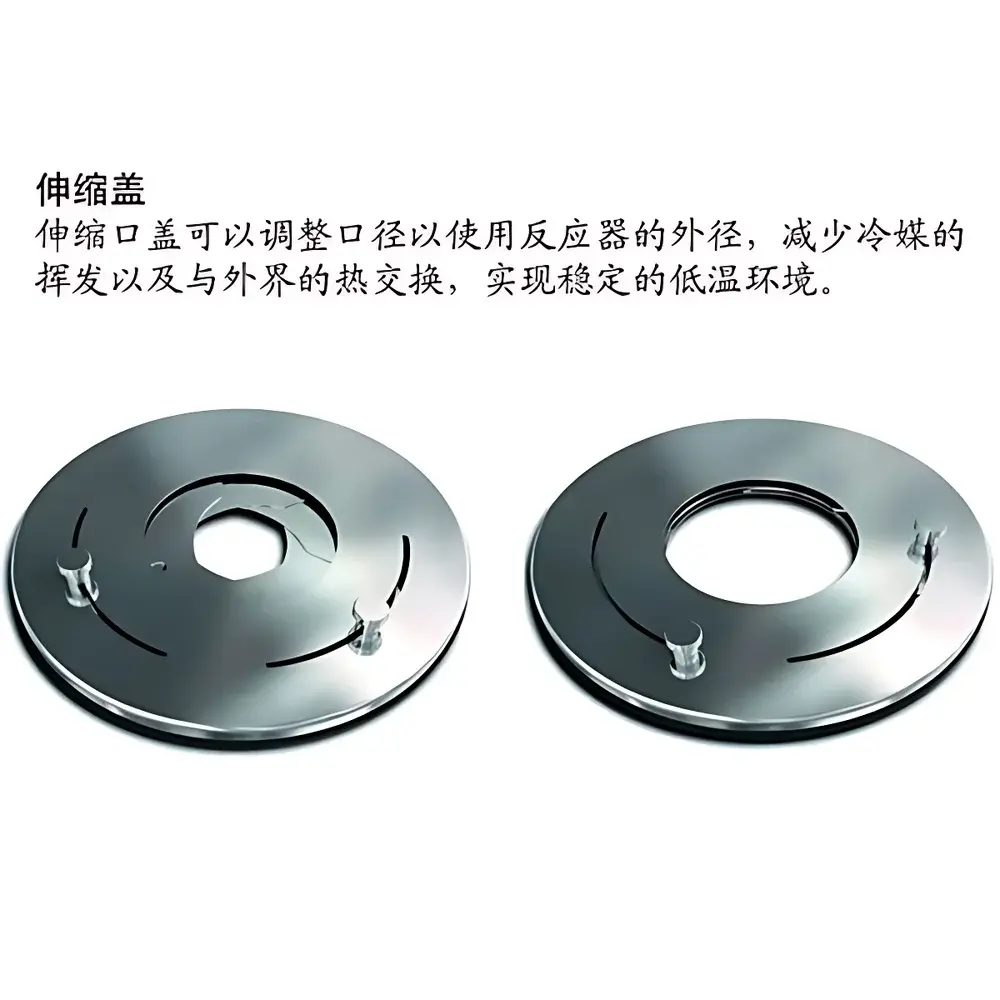
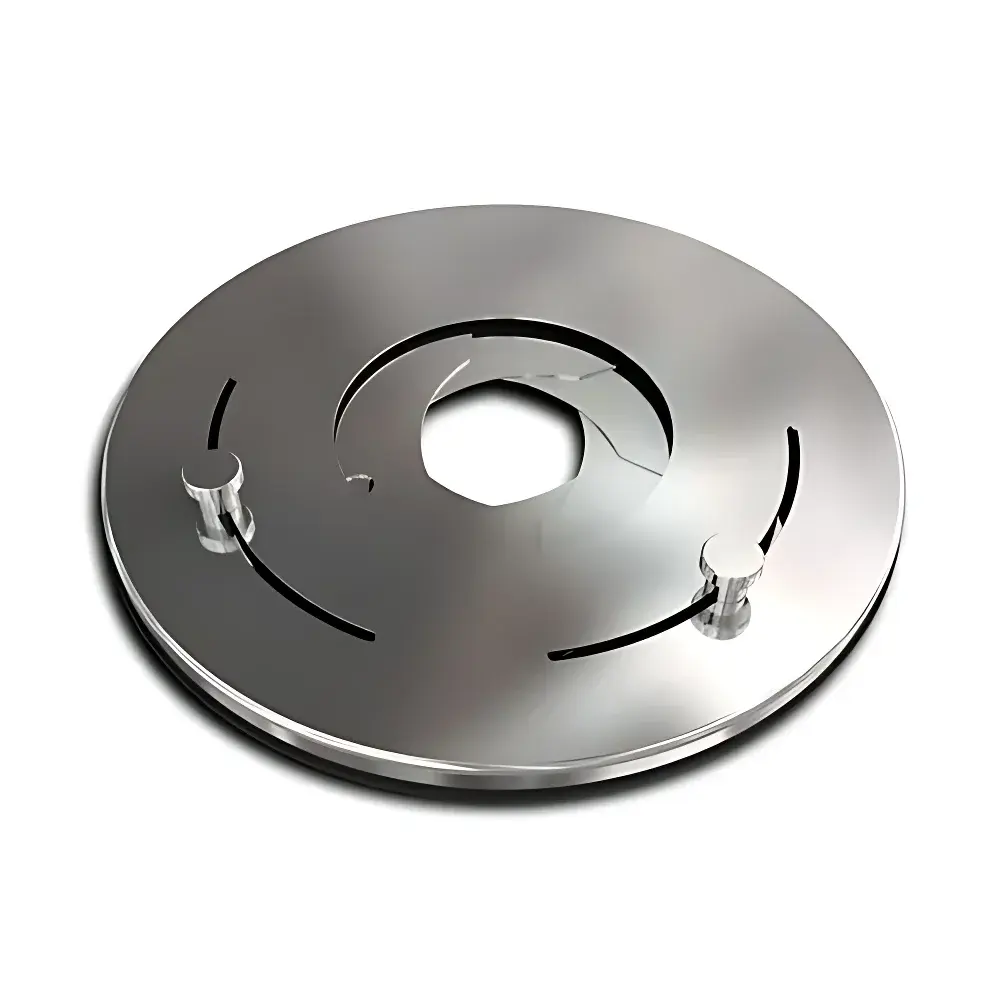
| Opening Diameter | 210 mm |
| Cooling Capacity | 160 W at −60 °C / 70 W at −80 °C / 40 W at −100 °C / 20 W at −120 °C |
| Max Flask Capacity | 3000 mL |
| Total Power Consumption | 2050 W |
| Housing Material | Cold-rolled steel with electrostatic epoxy coating |
| External Dimensions (L×W×H) | 780 × 670 × 1085 mm |
| Net Weight | 154 kg |
Overview
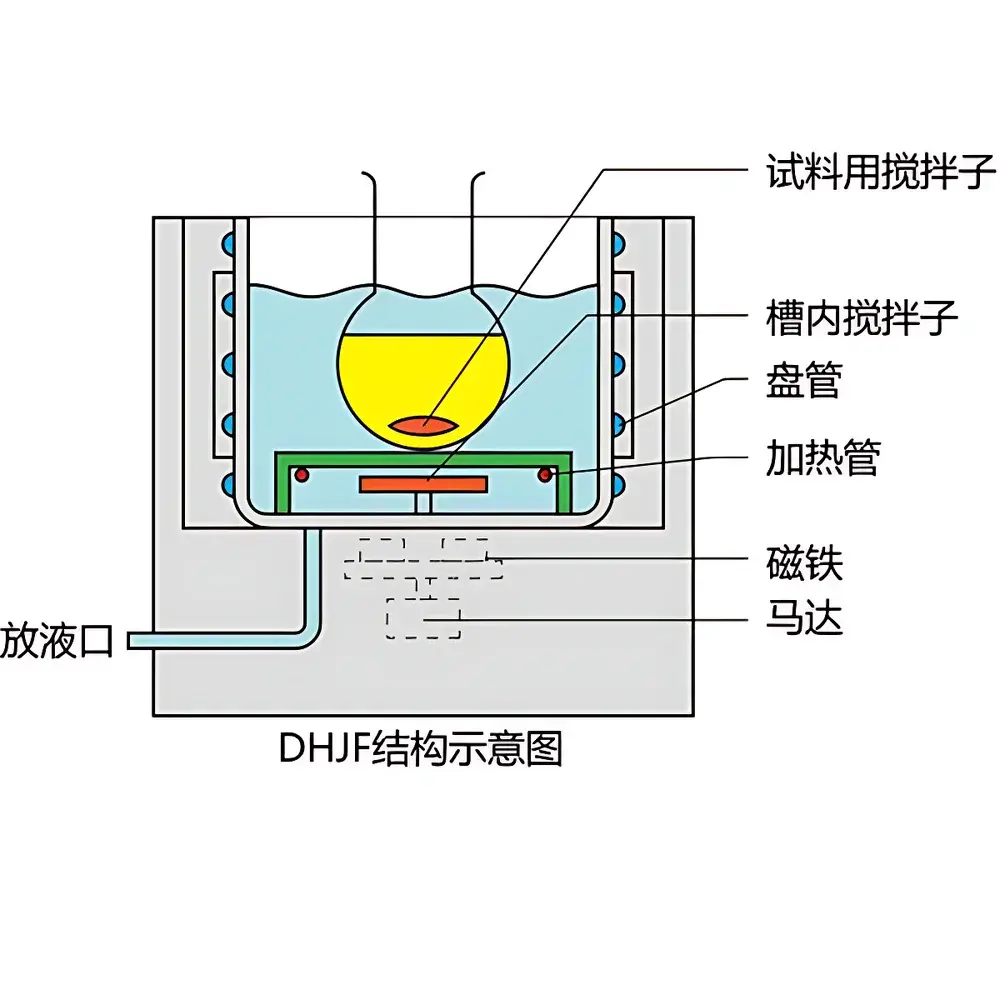
The Great Wall DHJF-1210 Cryogenic Stirred Reaction Bath is an engineered thermal management system designed for laboratory-scale low-temperature synthesis, condensation, and exothermic reaction control. It operates on a single-stage compression cascade refrigeration principle with selective condensate separation—enabling stable, continuous operation down to −120 °C without cryogenic liquid consumption. Unlike conventional immersion chillers or dry ice/acetone baths, the DHJF-1210 integrates precise temperature regulation with mechanical stirring capability directly within the bath reservoir, eliminating external stirrer coupling complications and thermal interface losses. Its operational envelope (−120 °C to −60 °C) targets applications requiring deep-cryogenic stabilization—such as organolithium chemistry, low-temperature polymerization initiation, superconductivity precursor synthesis, and cryo-precipitation studies—where reproducibility below −80 °C is critical yet historically difficult to achieve with standard recirculating chillers.
Key Features
- Single-stage compression cascade refrigeration architecture with staged condensate separation—optimized for extended dwell time at −100 °C to −120 °C while maintaining compressor longevity and oil return integrity.
- Critical components—including hermetic scroll compressors and high-efficiency plate heat exchangers—sourced from Tier-1 European and North American suppliers (Germany, France, USA), ensuring MTBF >15,000 hours under continuous low-temperature duty cycles.
- Integrated dual-function bath: stainless-304 inner tank (electropolished finish) combined with chemically inert polymer-coated circulation pathways—resistant to halogenated solvents, strong bases, and low-temperature embrittlement.
- Digital PID temperature controller with 0.1 °C resolution, push-button interface, and real-time display—designed for glove-box-integrated workflows where tactile feedback and visibility through thick viewport glass are essential.
- Self-contained magnetic stirring system (adjustable 0–1200 rpm) mounted beneath the bath floor—eliminates shaft seals, reduces vibration transmission, and prevents cold-trap icing at the drive interface.
- Structural housing fabricated from cold-rolled steel with industrial-grade electrostatic epoxy powder coating—rated IP20 for lab environments with incidental solvent exposure and humidity fluctuations.
Sample Compatibility & Compliance
The DHJF-1210 accommodates standard laboratory glassware up to 3 L capacity (e.g., three-neck round-bottom flasks, jacketed reactors, and cryo-condensers) via its Φ210 mm open-top configuration. The bath fluid medium—typically silicone oil or specialized low-pour-point hydrocarbon blends—is fully contained within the sealed 10 L reservoir, minimizing evaporation loss and oxidation risk even after 72+ hours at −120 °C. All wetted materials comply with ISO 8502-3 (surface cleanliness for corrosion testing) and ASTM D129 (sulfur content limits in heat-transfer fluids). Electrical safety conforms to IEC 61010-1:2010 (Laboratory Equipment Safety Requirements), including reinforced insulation, earth-leakage protection, and overtemperature cut-off independent of the main controller.
Software & Data Management
While the DHJF-1210 operates as a standalone instrument with local digital control, it features RS485 Modbus RTU communication (optional upgrade) for integration into centralized lab infrastructure. When connected to compatible SCADA or LIMS platforms, users can log timestamped temperature setpoints, actual bath temperatures, compressor runtime, and stirring speed—supporting GLP-compliant audit trails per FDA 21 CFR Part 11 Annex 11 requirements. Data export is supported in CSV format; no proprietary software installation is required. Firmware updates are performed via USB interface with cryptographic signature verification to ensure traceability and prevent unauthorized modification.
Applications
- Low-temperature Grignard and organometallic reagent preparation (e.g., n-BuLi, t-BuLi quenching at −105 °C).
- Catalytic asymmetric hydrogenation under cryogenic conditions to suppress side reactions and improve enantioselectivity.
- Controlled precipitation of high-purity metal-organic frameworks (MOFs) using sub-zero anti-solvent addition.
- Calibration of infrared and Raman spectrometers requiring stable blackbody reference sources below −100 °C.
- Thermal stress testing of aerospace-grade adhesives and encapsulants across extreme low-temperature ramps (−120 °C → −60 °C @ 0.5 °C/min).
- Long-duration cryo-storage of sensitive biocatalysts prior to lyophilization—without phase-change-induced denaturation.
FAQ
What refrigerants are used in the DHJF-1210, and are they compliant with current environmental regulations?
The unit employs R23 (trifluoroethane) and R508B (azeotropic blend of R23/R13) in its dual-circuit cascade system—both classified as Class I HCFC alternatives under the Montreal Protocol and compliant with EU F-Gas Regulation (EU) No 517/2014 for laboratory equipment with annual charge <5 kg. Refrigerant charge is sealed and non-replaceable by end users.
Can the DHJF-1210 be operated continuously at −120 °C for more than 48 hours?
Yes—validated for uninterrupted operation at −120 °C for ≥120 hours under nominal load (2 L flask, 300 rpm stirring, ambient ≤22 °C). Compressor cycling frequency remains below 3 cycles/hour during steady-state operation, per internal thermal mapping reports.
Is the stirring torque sufficient to rotate viscous reaction mixtures at −100 °C?
The submerged magnetic drive delivers 0.8 N·m peak torque at 300 rpm—verified with 1500 cP silicone oil at −100 °C. For highly viscous slurries, optional high-torque stir bars (Neodymium N52 grade, Ø12 × 40 mm) are recommended.
Does the unit support external temperature probe feedback for reactor jacket control?
No—the DHJF-1210 regulates only its internal bath temperature. For reactor-jacket synchronization, a separate PID controller with external Pt100 input and 4–20 mA output is required to modulate the DHJF-1210’s analog setpoint input (available via optional I/O module).
Related Products



