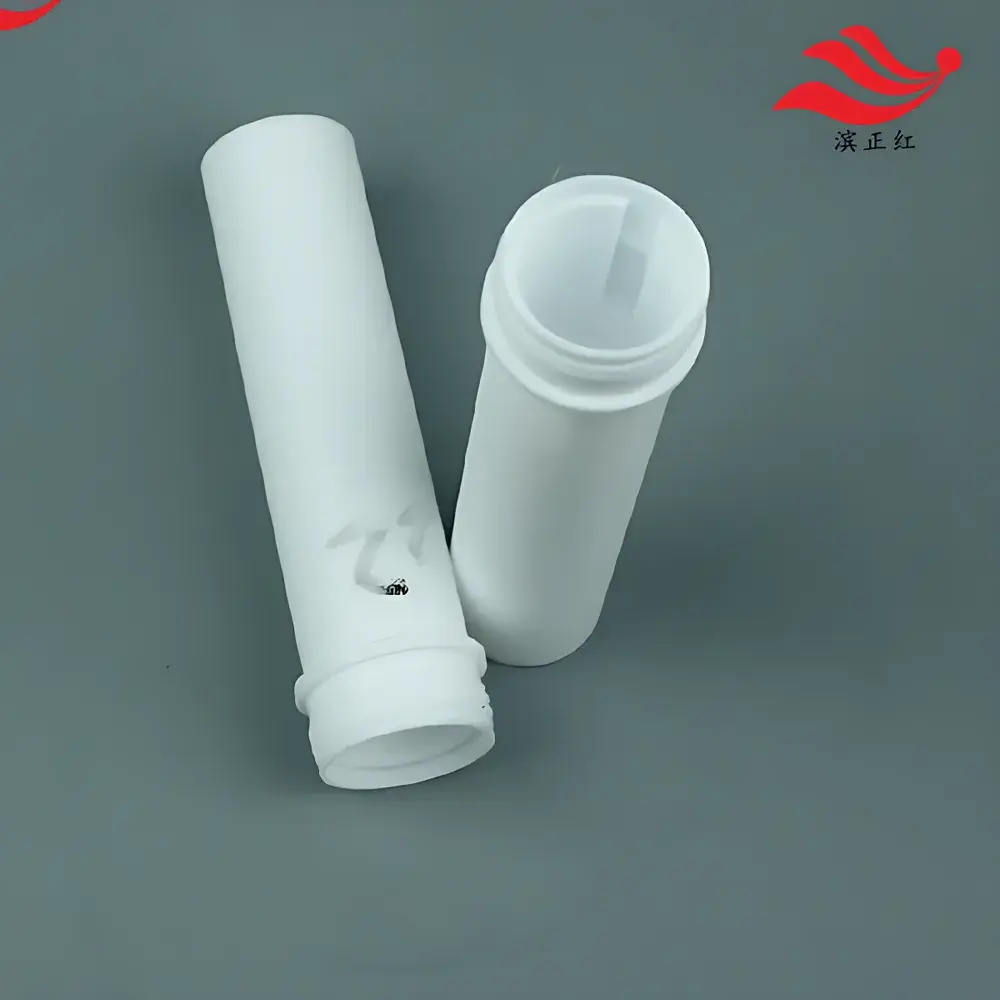
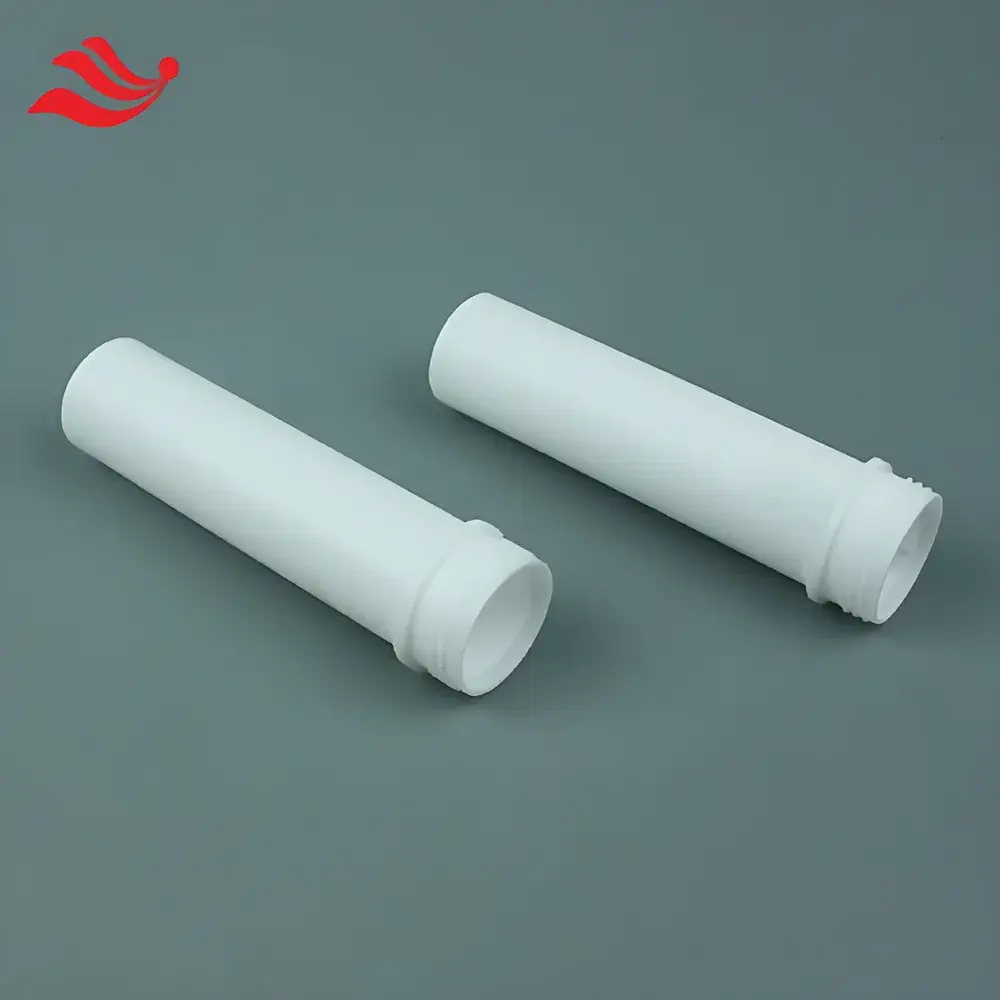
Binzhenghong DEENA-Compatible Automated Digestion Vessel – 50 mL PTFE (Teflon®) Digestion Tube
| Brand | Binzhenghong |
|---|---|
| Origin | Jiangsu, China |
| Manufacturer Type | Direct Manufacturer |
| Country of Origin | China |
| Volume | 50–60 mL |
| Outer Diameter | 28–29 mm |
| Total Height | 135 mm |
| Material | PTFE (Polytetrafluoroethylene) or Optional PFA |
| Max Operating Temperature (Open-Vessel) | 250 °C (PTFE), 260 °C (PFA) |
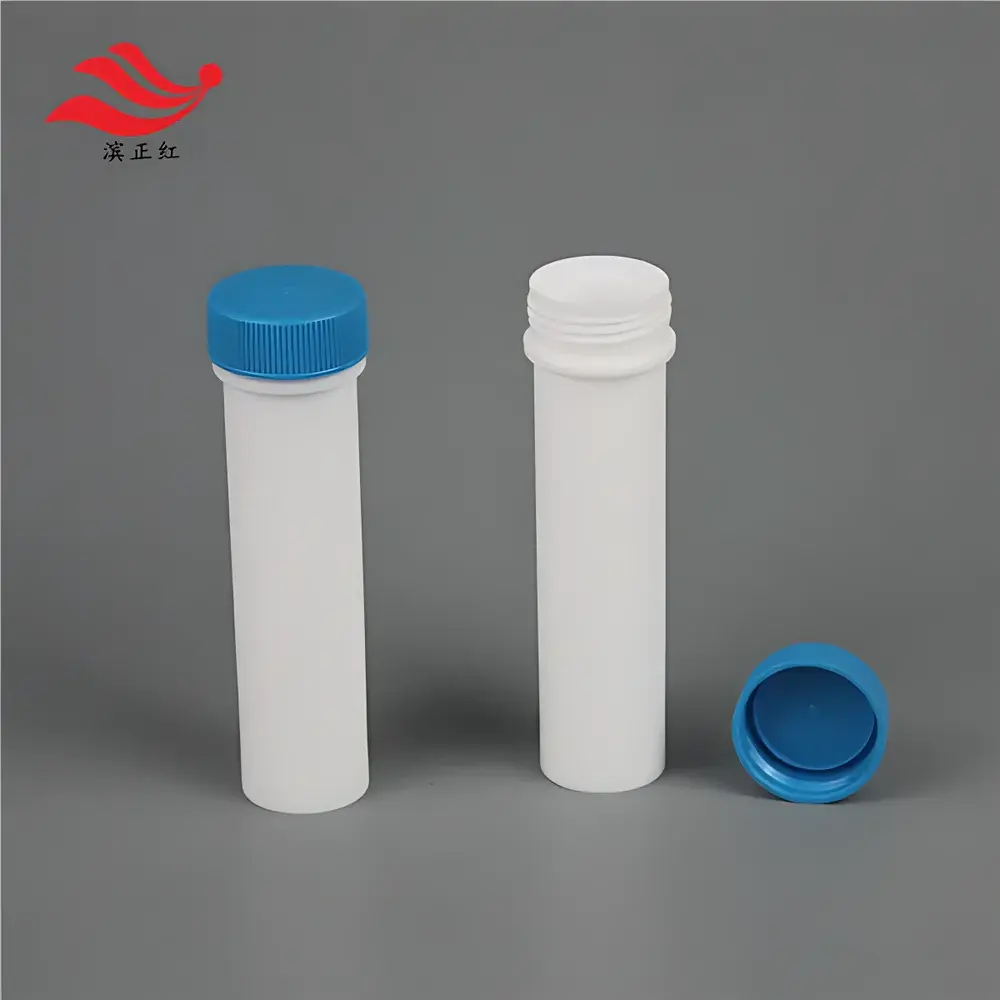
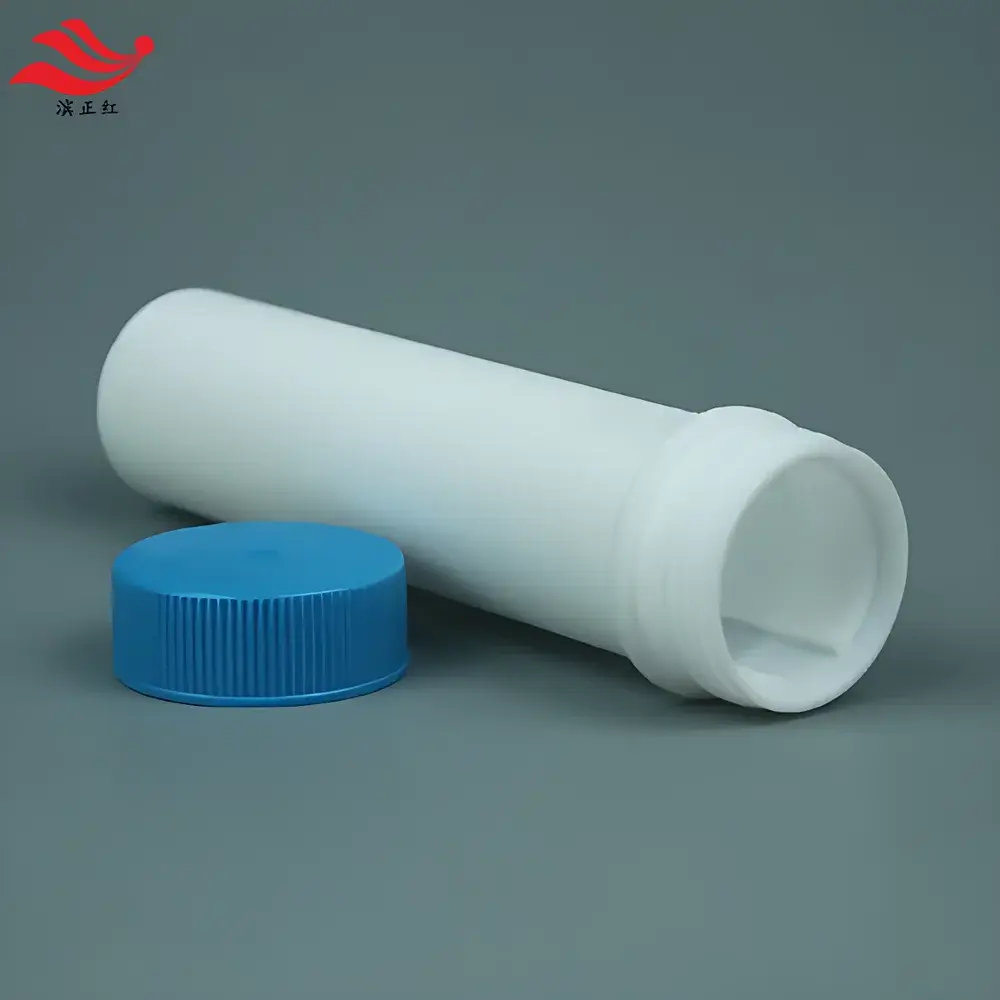
| Cap Options | Reflux cap, handle cap, dual-integrated cap, flared mouth cap, threaded cap, flat mouth cap |
| Laser-Engraved Identification | Yes, permanent on both cap and body |
| Compliance | ASTM D3682, ISO 11047, USP <231>, EPA Method 3050B/3051A/3052 (when used in validated digestion workflows) |
Overview
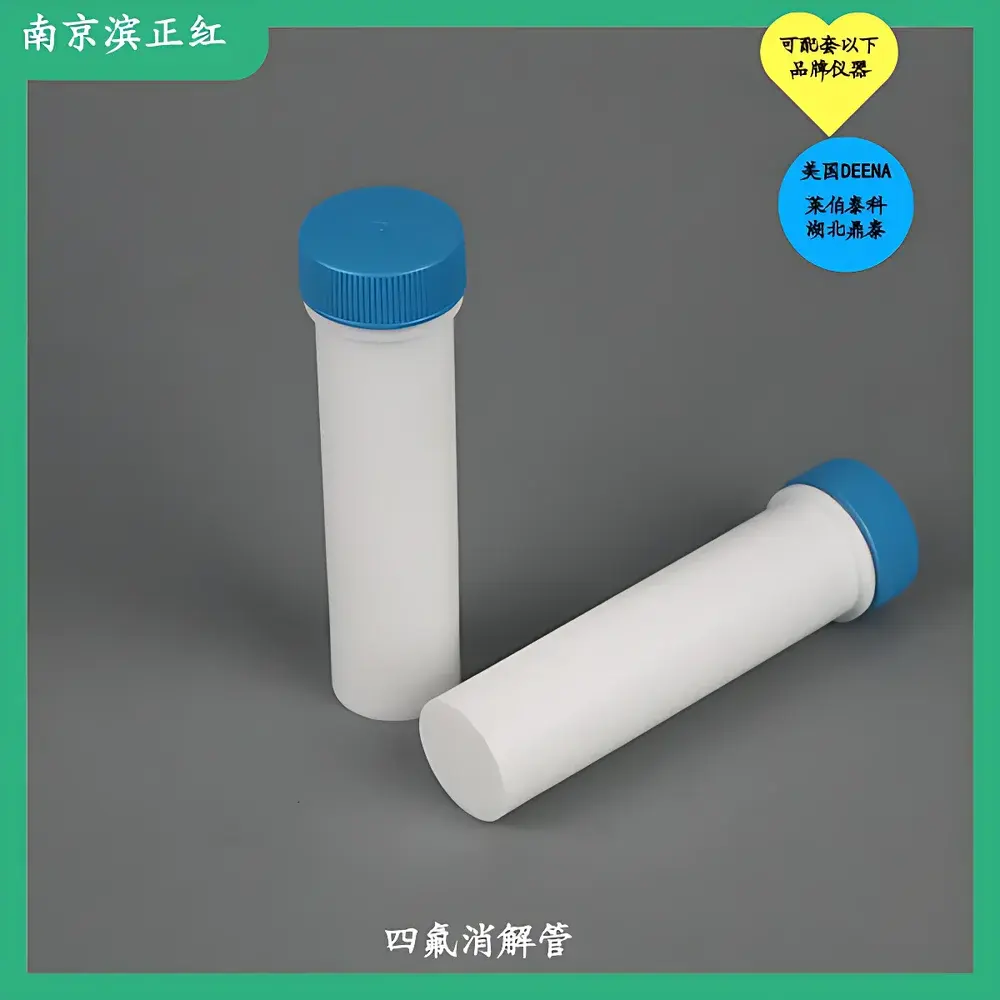
The Binzhenghong DEENA-Compatible Automated Digestion Vessel is a high-purity, chemically inert 50 mL digestion tube engineered for use with automated block digesters—including the DEENA series (USA), Leibtech ED/EHD/DigiBlock TF-36/16, Gerdanner DS-360, Thomas Cain, Pulitek ST-60, Raykol, Tianjin Tuozhiming, Haineng, Dingtai, and Aopule platforms. Constructed from virgin-grade polytetrafluoroethylene (PTFE), this tube operates reliably across a broad thermal range (room temperature to 250 °C under open-vessel conditions) and delivers exceptional resistance to strong acids (e.g., HNO₃, HCl, HF, H₂SO₄), alkalis, and oxidizing agents. Its non-wetting surface eliminates analyte adsorption, ensures quantitative recovery during trace metal analysis, and supports reproducible sample preparation in environmental, geological, pharmaceutical, and food safety laboratories where contamination control is critical.
Key Features
- Chemically pure PTFE construction—free of black specks, yellowing, microcracks, or surface imperfections that could compromise analytical integrity
- Dimensionally optimized for universal compatibility: outer diameter 28–29 mm, total height 135 mm, nominal volume 50–60 mL—custom sizing available upon request
- Multiple cap configurations: reflux, handle, dual-integrated, flared mouth, threaded, and flat mouth—each designed to support specific digestion protocols (e.g., reflux-assisted oxidation, vapor condensation, or rapid cooling)
- Laser-engraved alphanumeric identification applied simultaneously to cap and tube body—resistant to chemical erosion and thermal cycling, enabling unambiguous sample tracking in GLP/GMP-compliant workflows
- Optional PFA variant available: offers optical clarity for real-time liquid-level monitoring, precision volumetric graduation capability, and enhanced longevity due to lower extractables and higher thermal stability (up to 260 °C, open-vessel)
Sample Compatibility & Compliance
These tubes are validated for use in standardized sample digestion procedures per EPA Methods 3050B (acid digestion of sediments and soils), 3051A (microwave-assisted acid digestion), and 3052 (microwave-assisted HF digestion); ASTM D3682 (determination of metals in water by ICP-AES after acid digestion); ISO 11047 (determination of trace elements in animal feed); and USP (heavy metals testing). When integrated into fully validated digestion systems—including those meeting FDA 21 CFR Part 11 requirements for electronic records—the tubes contribute to audit-ready data integrity through consistent geometry, material traceability, and batch-certified purity documentation.
Software & Data Management
While the tube itself is a passive consumable, its laser-etched identifiers integrate seamlessly with laboratory information management systems (LIMS) and automated digestion software platforms (e.g., DEENA Control Suite, Leibtech Digisystem Manager). Barcode or QR-code overlays can be added upon request to support automated sample logging, chain-of-custody tracking, and instrument-based run sequence synchronization—ensuring alignment with ALCOA+ principles (Attributable, Legible, Contemporaneous, Original, Accurate, Complete, Consistent, Enduring, Available).
Applications
- Trace metal analysis (As, Cd, Cr, Cu, Pb, Ni, Zn, Hg) in soil, sludge, sediment, and plant tissue via ICP-MS or ICP-OES
- Digestion of biological matrices (blood, urine, tissue homogenates) for clinical toxicology screening
- Preparation of polymer and composite samples prior to elemental profiling
- Leachate testing in waste characterization per TCLP (Toxicity Characteristic Leaching Procedure)
- Routine QC/QA in contract testing laboratories accredited to ISO/IEC 17025
FAQ
What is the maximum safe operating temperature for PTFE digestion tubes?
PTFE tubes are rated for continuous use up to 250 °C under open-vessel (non-pressurized) conditions. For sealed or pressurized applications, consult system-specific pressure–temperature derating curves and never exceed manufacturer-specified limits.
Can these tubes be reused?
Yes—provided they undergo rigorous post-digestion cleaning: soak in 5% v/v nitric acid for ≥2 hours, rinse thoroughly with ultrapure water (≥18.2 MΩ·cm), and air-dry or dry in a Class 100 clean oven. Visual inspection for scratches, discoloration, or deformation is mandatory before reuse.
Do you offer PFA alternatives with volumetric markings?
Yes. PFA tubes are optically transparent and can be calibrated with permanent laser-etched volume graduations (e.g., 10–50 mL at 10 mL intervals), enabling direct digestion-to-dilution workflows without transfer errors.
Are certificates of conformance and material test reports available?
Yes. Each production lot includes CoC referencing ASTM D4894 (PTFE specification), elemental impurity screening data (ICP-MS, detection limit ≤10 pg/g for As, Cd, Cr, Pb, Hg), and dimensional verification reports.