
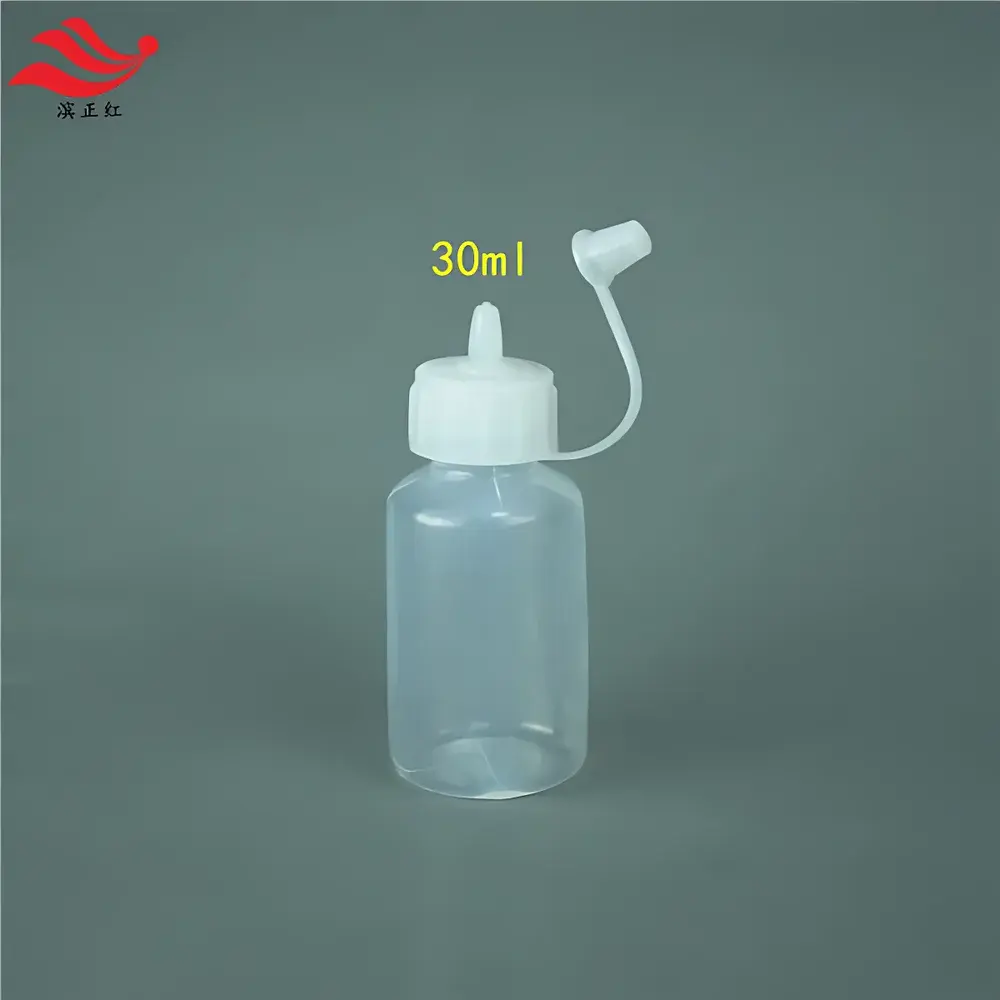
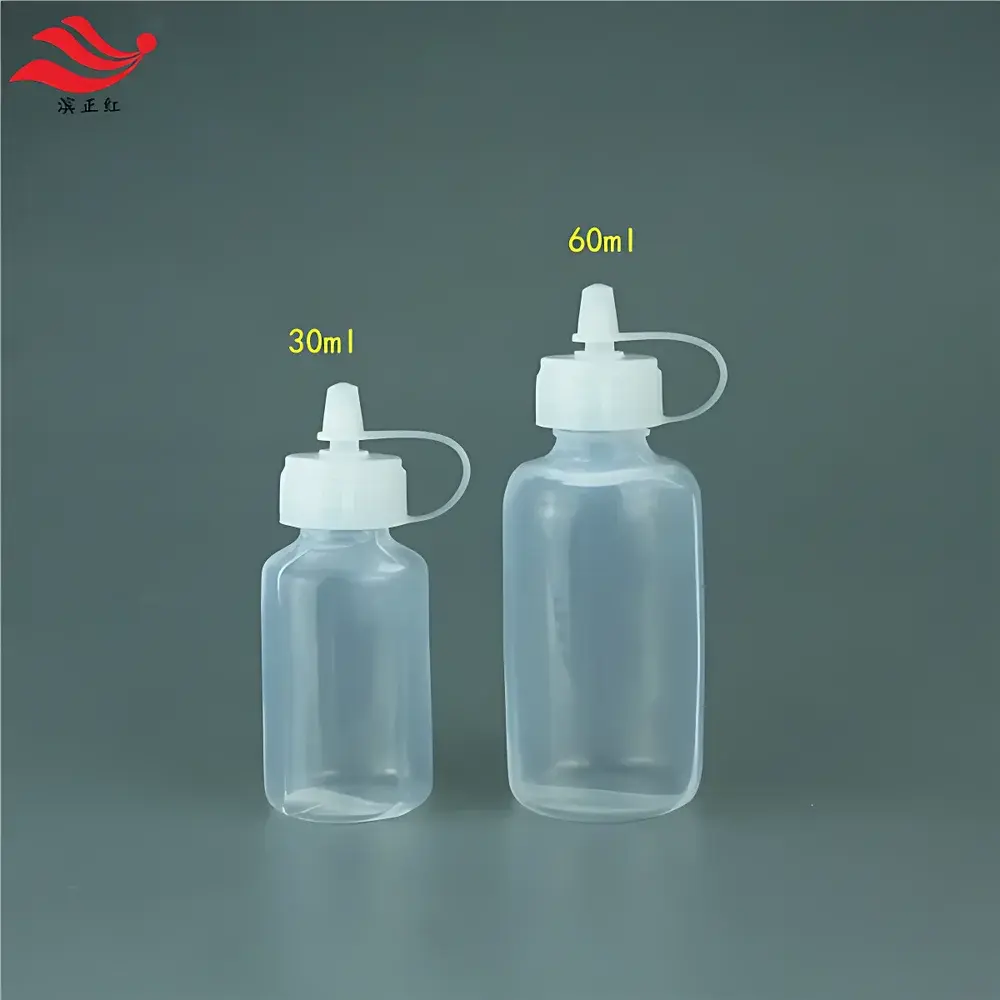
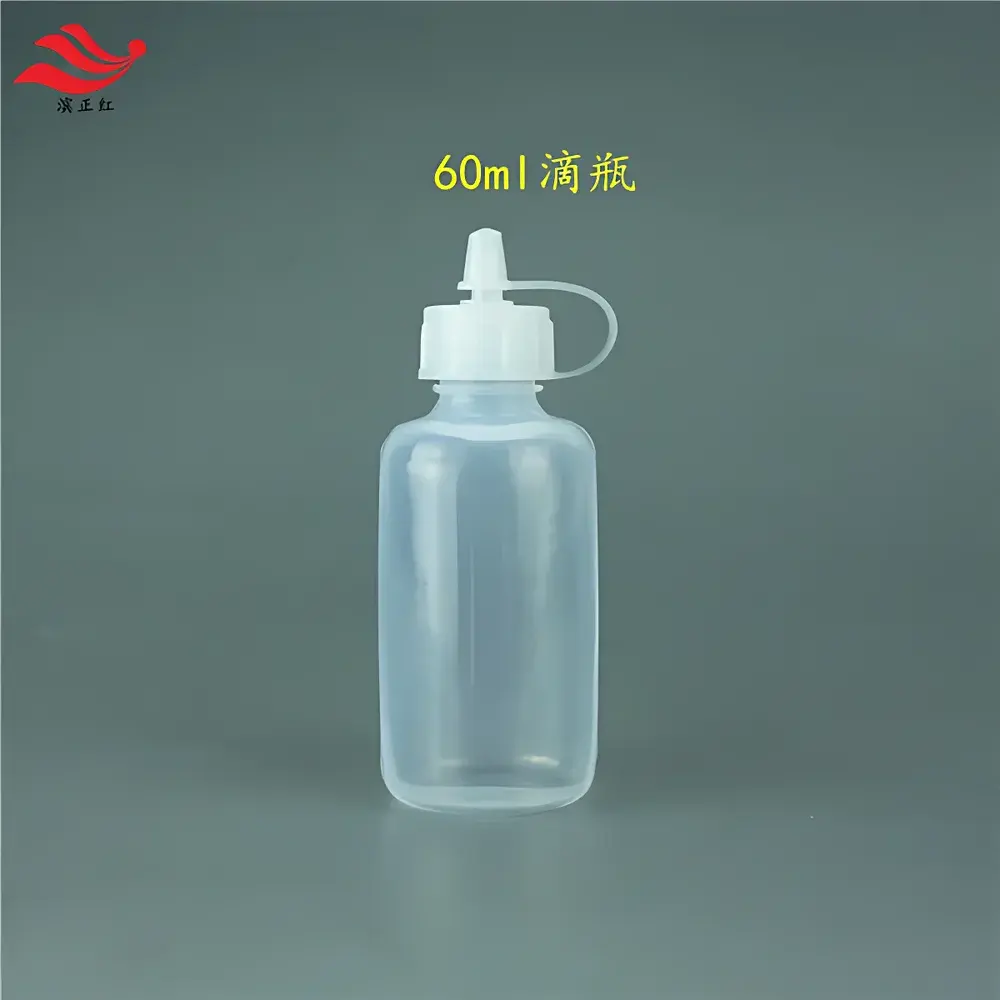
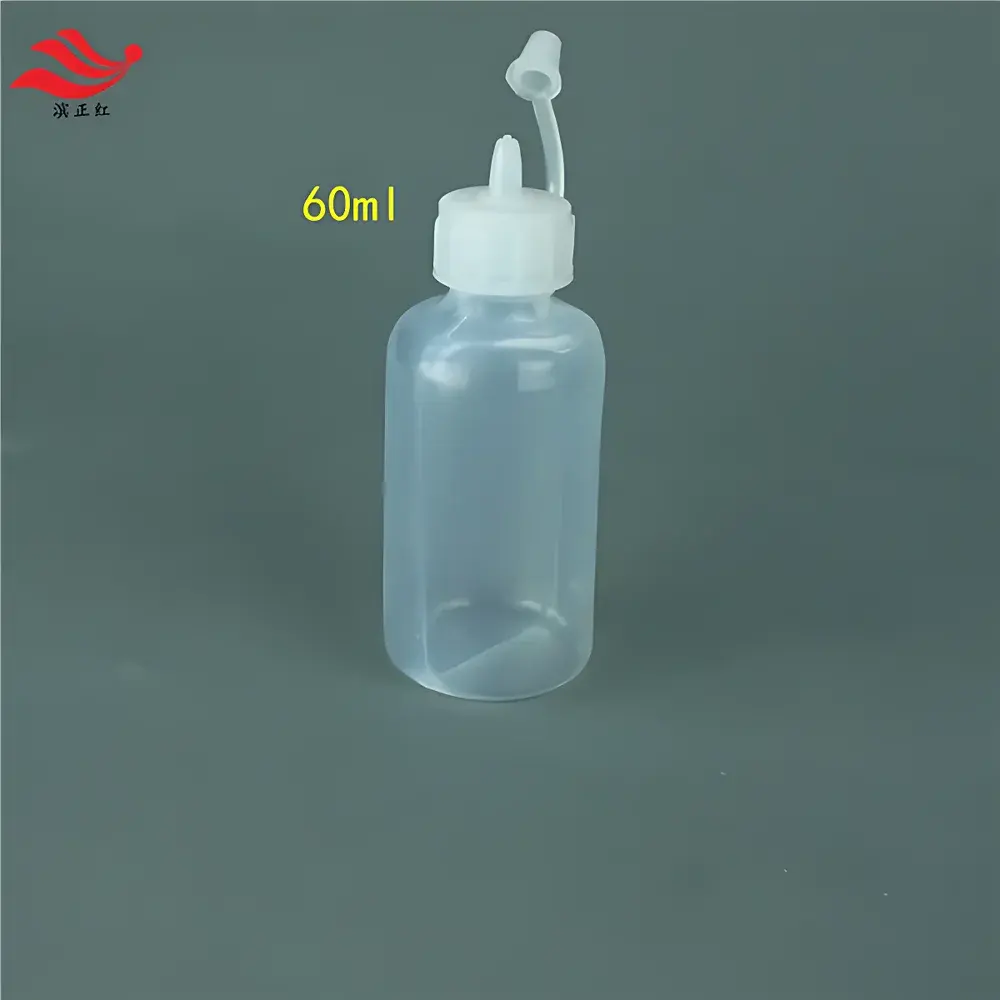
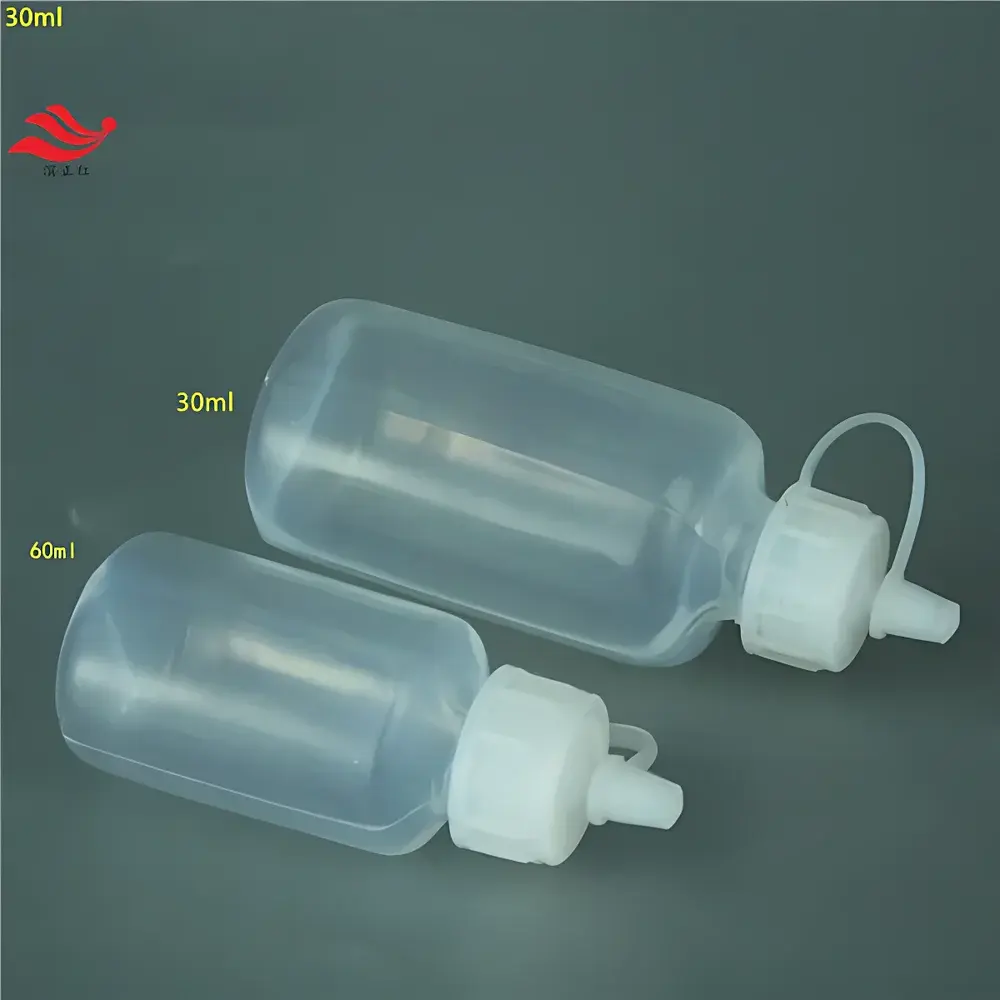
Binzhenghong PFA/FEP Transparent Dropper Bottles (30 mL & 60 mL)
| Brand | Binzhenghong |
|---|---|
| Volume Options | 30 mL, 60 mL |
| Material | Perfluoroalkoxy (PFA) / Fluorinated Ethylene Propylene (FEP) |
| Max. Operating Temperature | 260 °C (PFA), 205 °C (FEP) |
| Sterilization | Autoclavable (121 °C, 20–30 min) |
| Cap & Nozzle | Integrated one-piece molded design |
| Extractables/Leachables | Ultra-low |
| Compliance | Suitable for ISO/IEC 17025-compliant calibration labs, USP <661.2>, ASTM D4327 |
Overview
The Binzhenghong PFA/FEP Transparent Dropper Bottles are precision-engineered laboratory dispensing vessels designed for the secure storage, handling, and controlled delivery of ultra-pure, highly reactive, or thermally sensitive chemical standards and reagents. Constructed entirely from high-purity perfluoroalkoxy (PFA) or fluorinated ethylene propylene (FEP), these bottles leverage the intrinsic inertness and thermal stability of fully fluorinated polymers to eliminate contamination risks associated with metal ions, organic leachables, or surface adsorption. Unlike conventional polypropylene or HDPE dropper bottles, PFA and FEP exhibit near-zero extractables under rigorous USP testing protocols and meet ASTM D4327 requirements for low-background ion chromatography applications. The transparent body enables real-time visual monitoring of liquid level and clarity without opening the system—critical for maintaining integrity during trace-level analytical workflows such as ICP-MS standard preparation, semiconductor wet chemistry, or high-purity acid dilution.
Key Features
- One-piece molded cap-and-dropper assembly ensures leak-tight sealing and eliminates threaded interface contamination pathways;
- Autoclavable design withstands repeated sterilization cycles at 121 °C for 20–30 minutes without deformation or seal degradation;
- Optical transparency supports precise meniscus reading and visual inspection for particulate or phase separation;
- Chemical resistance validated against concentrated hydrofluoric acid (HF), aqua regia, hot nitric acid (HNO₃), sodium hydroxide (NaOH) up to 50 %, and organic solvents including acetonitrile and methanol;
- Low thermal expansion coefficient (α ≈ 1.1 × 10⁻⁴ K⁻¹) ensures dimensional stability across −200 °C to +260 °C (PFA) and −200 °C to +205 °C (FEP);
- Non-wetting surface minimizes residue retention and enables quantitative rinsing—essential for volumetric accuracy in primary standard preparation.
Sample Compatibility & Compliance
These dropper bottles are routinely employed in environments requiring adherence to GLP, GMP, and ISO/IEC 17025 quality systems. Their ultra-low extractables profile qualifies them for use in reference material certification (e.g., NIST-traceable standards), EPA Method 200.8 sample preservation, and pharmaceutical excipient handling per ICH Q5C. The PFA variant is preferred for applications demanding maximum thermal resilience and lowest background in elemental analysis; the FEP version offers comparable chemical resistance with enhanced optical clarity and lower cost. Both materials comply with FDA 21 CFR §177.1550 for food-contact applications and EU Regulation (EC) No 1935/2004 for food contact materials.
Software & Data Management
While inherently hardware-based, these bottles integrate seamlessly into digital lab workflows. Each unit is supplied with a serialized label compatible with LIMS barcode scanning (Code 128 or QR). When used in conjunction with automated liquid handlers or gravimetric dispensing stations, the consistent drop volume (±2 % CV at 20 °C using calibrated PFA tips) supports audit-ready documentation per FDA 21 CFR Part 11 requirements. Batch-specific certificates of conformance—including raw material lot traceability, extractables test reports (IC-MS/ICP-MS), and autoclave validation summaries—are available upon request.
Applications
- Preparation and dispensing of certified reference materials (CRMs) for ICP-OES and ICP-MS;
- Storage of high-purity acids (HF, HClO₄, HNO₃) and bases in semiconductor front-end fabrication;
- Inert container for hygroscopic or air-sensitive compounds (e.g., LiAlH₄ solutions, organometallic catalysts);
- Replacement for Class A volumetric flasks in trace-standard dilution series where repeated reuse and sterility are required;
- Calibration solution dispensing in environmental testing labs accredited to ISO 17025:2017 clause 5.9.
FAQ
Can these bottles be used for long-term storage of hydrofluoric acid (HF)?
Yes—PFA exhibits exceptional resistance to HF across all concentrations and temperatures up to 260 °C. FEP is also resistant but limited to ≤150 °C for extended exposure.
Is the dropper tip interchangeable or replaceable?
No—the cap and nozzle are integrally molded to prevent leakage and ensure reproducible drop formation; replacement requires full unit exchange.
Do you provide certificates of analysis (CoA) for individual batches?
Yes—certificates include material lot number, USP extractables data, autoclave cycle validation summary, and dimensional verification report.
What is the typical drop volume per actuation?
Approximately 25–35 µL per drop when held vertically at 20 °C; exact volume depends on solution viscosity and ambient humidity—calibration recommended for critical applications.
Are these bottles suitable for use in cleanrooms (ISO Class 5 or better)?
Yes—manufactured in ISO 7 (Class 10,000) cleanroom conditions; double-bagged in static-dissipative packaging; non-shedding and non-particulating per ISO 14644-1.
Related Products



